
A recall notice can be easy to ignore. The vehicle may seem perfectly fine, the repair may feel inconvenient, and the letter may disappear into a pile of paperwork. But leaving a recall unresolved for five years can create problems that reach far beyond a missed service appointment. A defect that has not caused trouble today can still fail without warning tomorrow.
You may also face higher repair costs, reduced resale appeal, insurance disputes, or questions about liability after a crash. The good news is that a recall does not automatically mean your car is unsafe to drive immediately. Still, waiting for years is a gamble that can become more expensive and dangerous than the repair itself.
The First Year May Feel Like Nothing Is Wrong
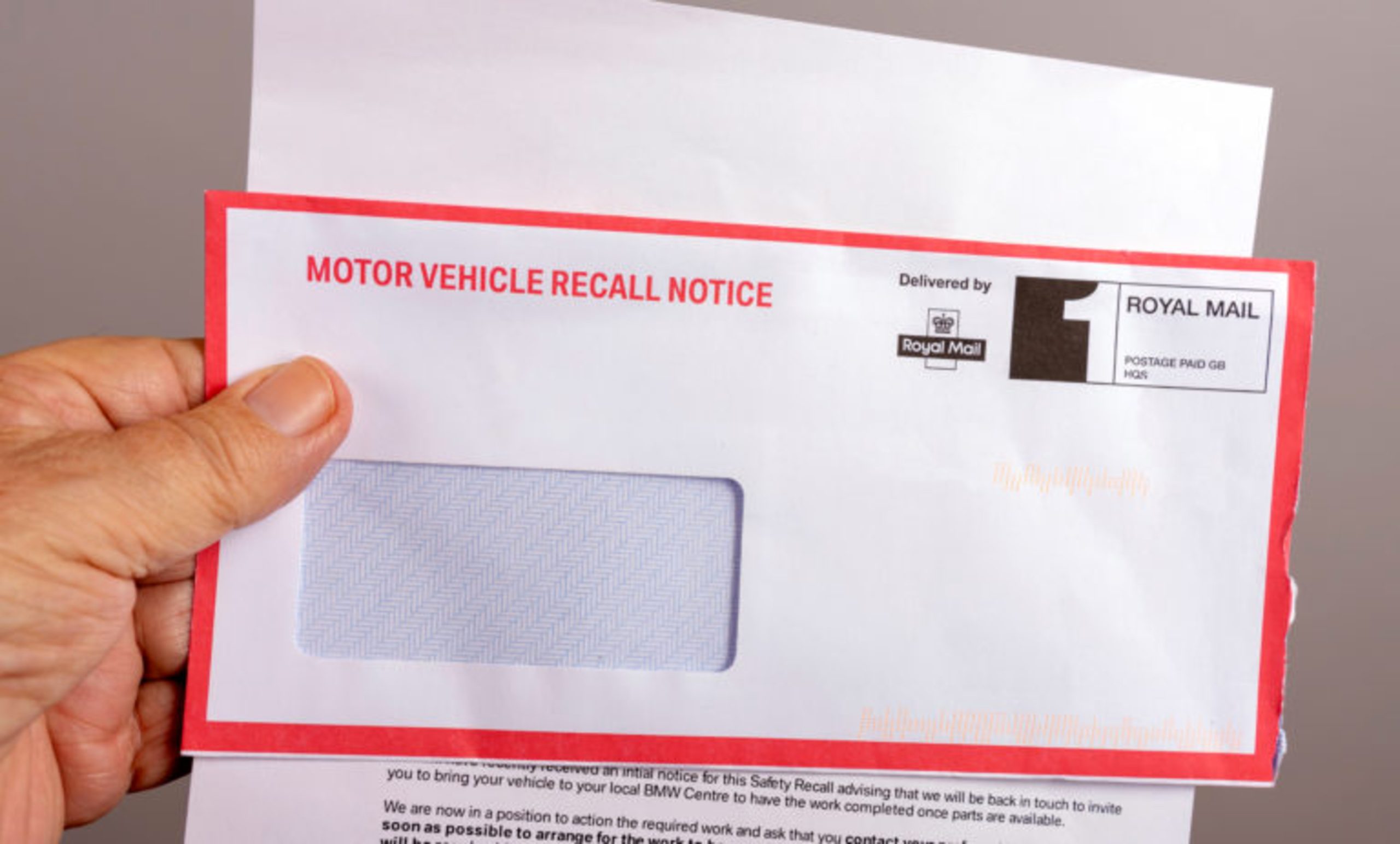
At first, a recall notice may not seem urgent, especially when your car continues to drive normally. Many vehicle owners receive these notices and notice no immediate problem, which can make them feel there is nothing to worry about.
Still, a recall is issued because the manufacturer or a safety authority has identified a fault that may affect safety or compliance. In some cases, the problem does not show itself straight away.
Certain recalled parts only fail under particular conditions, while others slowly wear out without giving the driver any warning. A faulty airbag, brake part, fuel system component, steering system, or electrical feature may appear perfectly fine during daily use before developing into a serious problem.
Although delaying a recall repair for a few weeks may seem harmless, leaving it unattended for a full year is a different matter. The vehicle continues to be used, clocking more miles and experiencing regular wear while the fault remains unresolved.
Since manufacturers usually carry out recall repairs free of charge, there is little reason to keep putting off the appointment. Sorting it out early can save you from unnecessary trouble and give you greater peace of mind while driving.
Five Years Gives a Defect Plenty of Time to Matter
Five years can mean thousands of trips with a known problem still present in the vehicle. Even if the original defect has not caused a failure, continued use can increase the chance that circumstances will eventually expose it.
Consider the difference between a car that sits in a garage and one that faces daily commuting, extreme temperatures, heavy traffic, rough roads, and regular wear. Vehicle components do not exist in isolation.
A defective part can sometimes contribute to damage elsewhere, turning a repair that was once free into a much larger problem. Time can also make the situation harder to manage.
You might forget about the recall, lose the original notice, move to a new address, or assume that someone else handled the repair during a previous service visit.
Five years later, an open recall can become an unpleasant surprise when you check the vehicle’s history or take it to a dealer. That is why a lack of symptoms should never be treated as proof that the recalled part is harmless. Some failures provide little warning before they occur.
Your Safety Is Only Part of the Risk
The most obvious concern is the danger created by the recalled defect itself. Depending on the issue, an unresolved problem could affect braking, steering, airbags, fuel systems, electrical equipment, or other parts connected to safe operation.
The consequences may also extend to passengers and other road users. A vehicle owner might believe a recall is a personal decision, yet a mechanical failure can involve far more than one person.
This does not mean every ignored recall will lead to a crash. Many vehicles with open recalls continue to operate without immediate failure. The problem is that drivers usually cannot predict the exact moment when a defective component will become dangerous.
That uncertainty is precisely why recalls deserve attention. Manufacturers and regulators do not expect owners to diagnose these problems themselves. The purpose of the recall process is to identify affected vehicles and provide a remedy before a known defect has the opportunity to cause harm.
Waiting five years means accepting that uncertainty for far longer than necessary.
A Crash Could Create Insurance Questions
An ignored recall does not automatically cancel your insurance policy or guarantee that an insurer will reject a claim. Insurance coverage depends on the policy, the circumstances of the incident, and the laws that apply.
Still, an unresolved recall can complicate matters after a crash. If the recalled defect is connected to the accident, the insurer may examine whether the known problem contributed to the damage or injuries.
Questions about maintenance, negligence, and responsibility may become part of the claims process. Imagine discovering after an accident that the vehicle had an open safety recall for five years.
Even if the recall was not the direct cause of the crash, the issue could require additional investigation. That can make an already stressful situation more difficult.
The financial consequences can also reach beyond insurance. A defect that causes additional vehicle damage may leave the owner facing towing costs, repairs, or other expenses. A free recall repair is often much easier to handle before a related failure creates a larger bill.

Selling the Car Does Not Erase the Problem
Five years may pass quickly, especially if you eventually decide to trade in or sell the vehicle. At that point, an unresolved recall can become part of the conversation with a dealership or potential buyer.
A buyer who discovers an open recall may wonder why the repair was never completed. Even when the manufacturer still offers a free remedy, the unresolved issue can create doubt about how carefully the vehicle was maintained.
Another important concern is the possibility that the next owner may not know about the defect. If the vehicle is sold before the recall is completed or the issue is properly disclosed, the safety problem does not disappear. Instead, it continues to affect the vehicle and could put the next owner at risk.
Checking recall status is especially useful when buying or selling a used vehicle. A vehicle identification number can help owners determine whether an open recall applies to a particular car.
Five years of inaction can therefore affect more than your driving experience. It can also complicate the moment when you want to move on from the vehicle.
Free Repairs May Still Be Available
One reason people delay recall repairs is the assumption that they have missed their chance after waiting too long. That is not always the case. Many recall remedies remain available years after the original notice, although parts availability and the details of a particular recall can vary.
The smartest move is not to guess. Contact an authorized dealer or the manufacturer and ask whether the recall remains open for your specific vehicle. Your VIN can help identify the vehicle and any applicable recall campaign.
If the required part is unavailable, ask the dealer what happens next and whether a service appointment can be scheduled once supplies arrive. Keep records of your conversations and any completed repairs.
Checking your recall status also matters if you never received the original notice. Vehicles can be sold several times, and mail may go to an outdated address. A driver who waits for another letter could spend years unaware that a safety repair is available.
Five years is a long delay, but it does not necessarily mean you should give up on getting the problem fixed.
The Best Time to Act Is Before Something Goes Wrong
If you discover that your vehicle has had an open recall for five years, there is no benefit in delaying the next step because of the time already lost. Start by checking the recall details, confirming that your vehicle is affected, and contacting the appropriate dealer or manufacturer.
Ask what repair will be performed, how long it may take, and whether the dealer has the necessary parts. Save documentation showing that the recall work was completed.
Receiving a recall notice does not necessarily mean there is an immediate danger, but it is a reason to take action. The vehicle may continue to operate normally, and the required repair could be simple and free of charge. Waiting another year to address the issue, however, means continuing to drive with an unresolved safety concern and wondering when the defective component might eventually cause a serious problem.
Five years can pass without an incident, but that does not make the recall disappear. Taking care of it now is usually easier than dealing with the cost, stress, and danger that could follow a preventable failure.