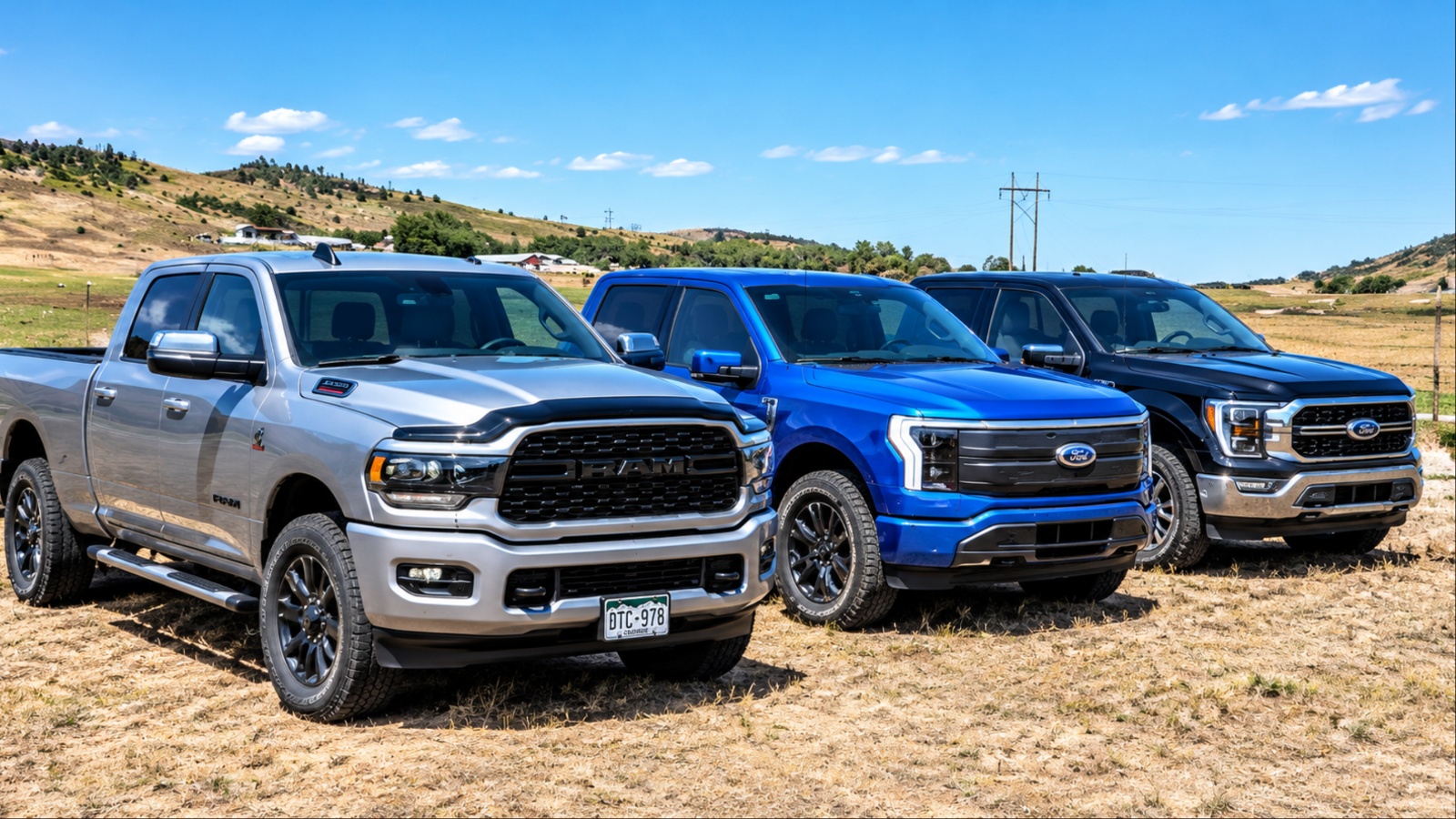
A tug-of-war between vehicles is not simply a contest of horsepower. Weight, tire grip, drivetrain layout, torque delivery, and even the surface underneath the tires can decide which vehicle moves first.
The Ford F-150 is a tough benchmark because many versions combine strong engines with four-wheel drive and substantial weight. Still, some trucks and electric pickups can give it a serious fight, while smaller or lighter vehicles may struggle badly.
The results can also change depending on which F-150 is used. A basic work truck is not the same opponent as a high-performance Raptor. With that in mind, here are five vehicles that have a good chance of pulling an F-150 backward, followed by five that would likely have trouble doing so.
5 Cars That Can Beat the F-150
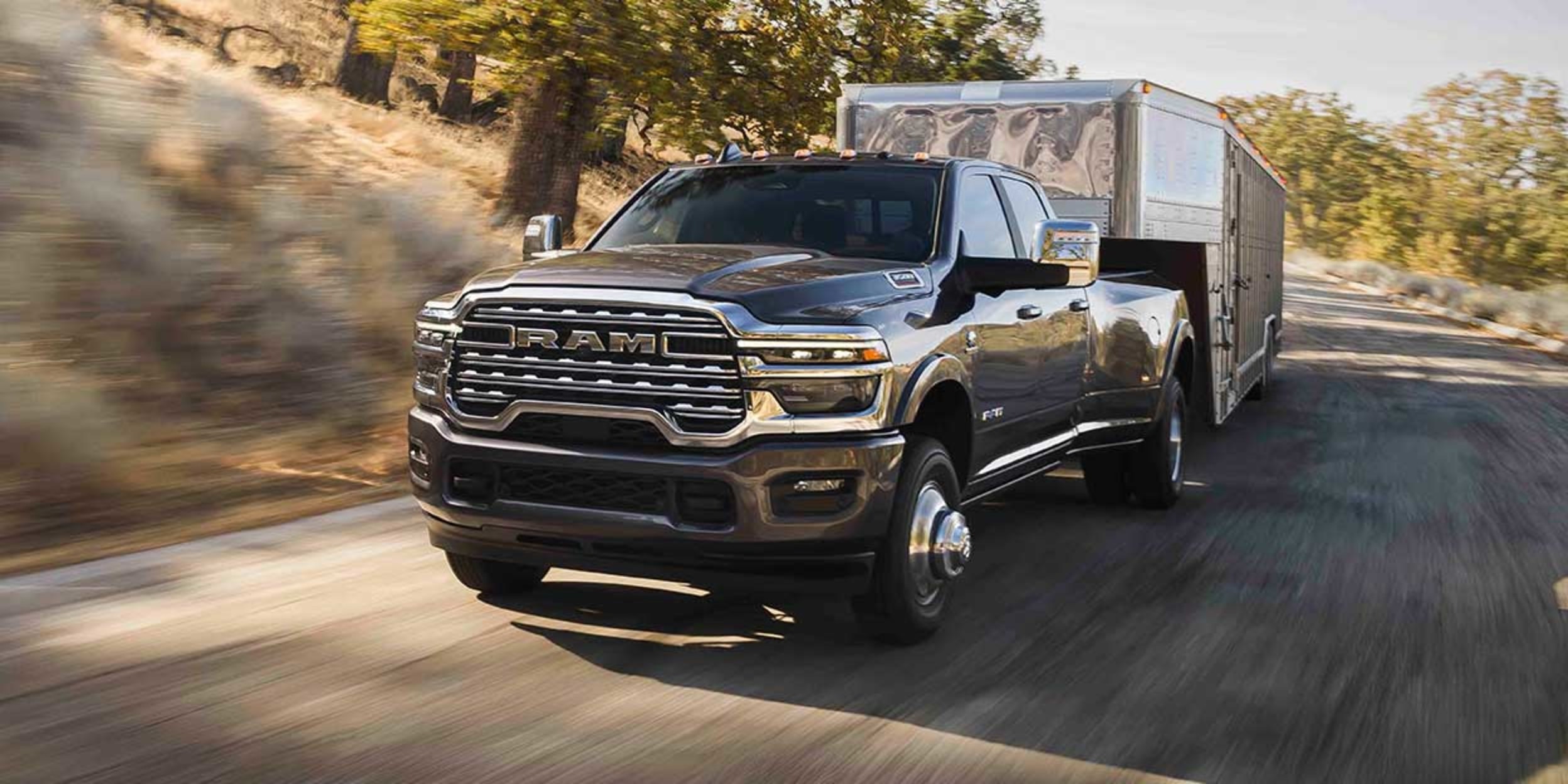
1. Dodge Ram 3500
When sheer pulling ability is the priority, the Ram 3500 has plenty going for it. A properly equipped diesel model can produce enormous torque, and that matters when two vehicles are trying to move each other from a standstill.
The available 6.7-liter Cummins turbo-diesel has been known for heavy-duty pulling strength, with torque figures reaching around 1,075 lb-ft in recent configurations.
That is a serious amount of force available at low engine speed. Weight gives the Ram another advantage. Depending on configuration, a Ram 3500 can weigh well above 7,000 pounds.
That extra mass can help the tires maintain contact with the surface when the driver applies power. Four-wheel drive adds another useful advantage by sending force to all four wheels rather than relying on only one axle.
Still, a tug-of-war is not a guaranteed Ram victory. Tire compound, inflation pressure, gearing, pavement condition, and the exact F-150 model all matter. A lightweight F-150 on excellent tires could produce a different result from a heavier four-wheel-drive version.
For a standard F-150, though, a diesel Ram 3500 is one of the most convincing opponents because it combines high torque, substantial mass, and a drivetrain designed for serious pulling work.
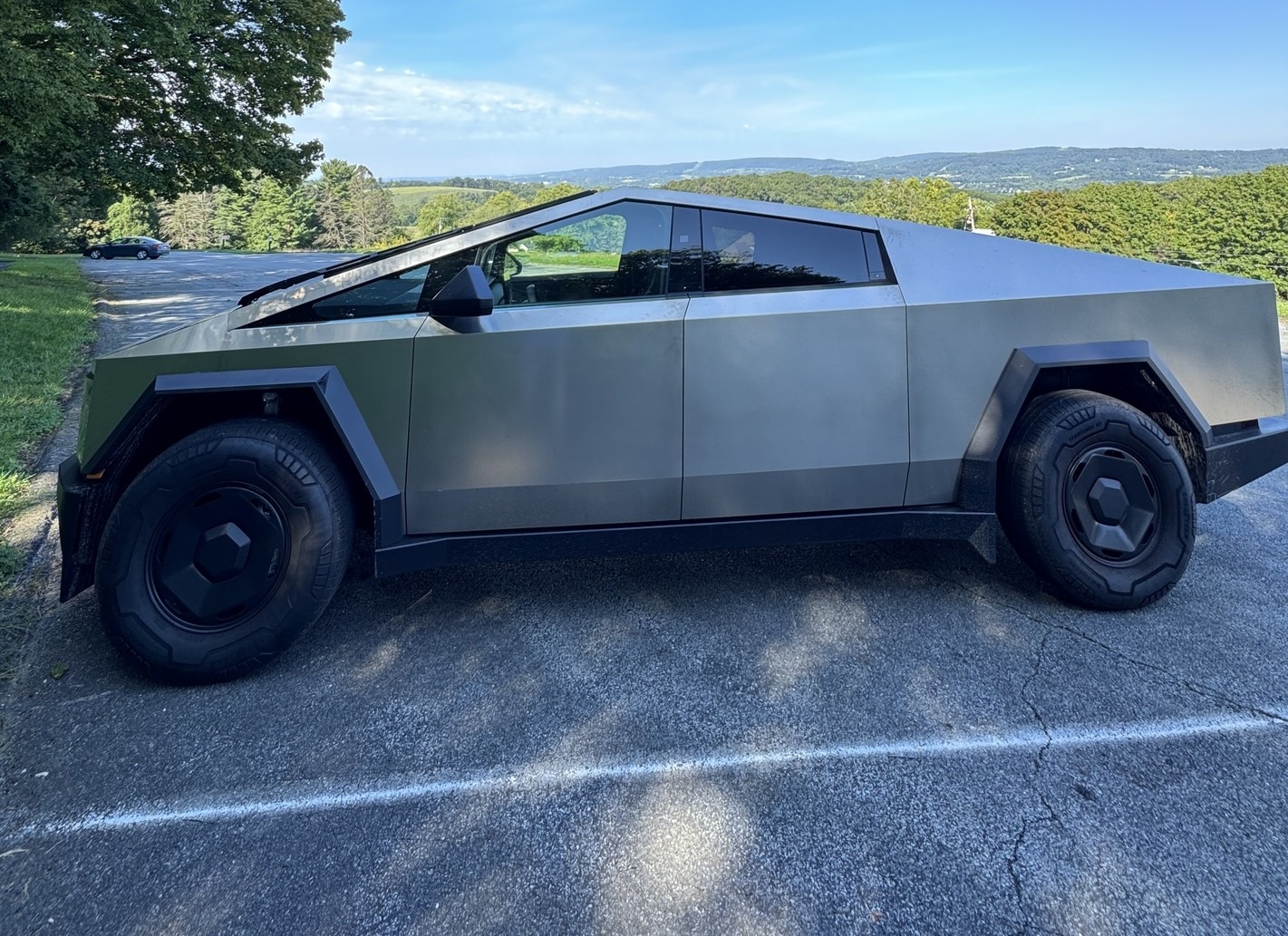
2. Tesla Cybertruck
Electric power changes the way a pickup delivers pulling force. The Tesla Cybertruck is a strong example because its electric motors can deliver torque almost immediately when the accelerator is pressed. There is no need for the engine to build revs before producing its strongest push.
The Cybertruck also benefits from its four-wheel-drive configurations. Models with multiple motors can distribute power between the axles, giving the tires more opportunity to find grip. Its substantial curb weight can also help when traction becomes the deciding factor.
Picture a Cybertruck and a regular F-150 facing each other on a firm surface. The Ford may have plenty of engine power, but the Tesla can respond instantly. If its tires maintain better grip, that immediate electric torque can make the difference.
Conditions matter, though. A tug-of-war does not measure acceleration or top speed. It is mainly a contest of traction and usable pulling force. If either vehicle spins its tires, much of its available power becomes useless.
The Cybertruck’s result would also depend on which F-150 is involved. A four-wheel-drive F-150 with aggressive tires would present a much harder challenge than a lighter two-wheel-drive model.
Even so, the Cybertruck has the ingredients needed to make this unusual contest very difficult for a regular F-150.
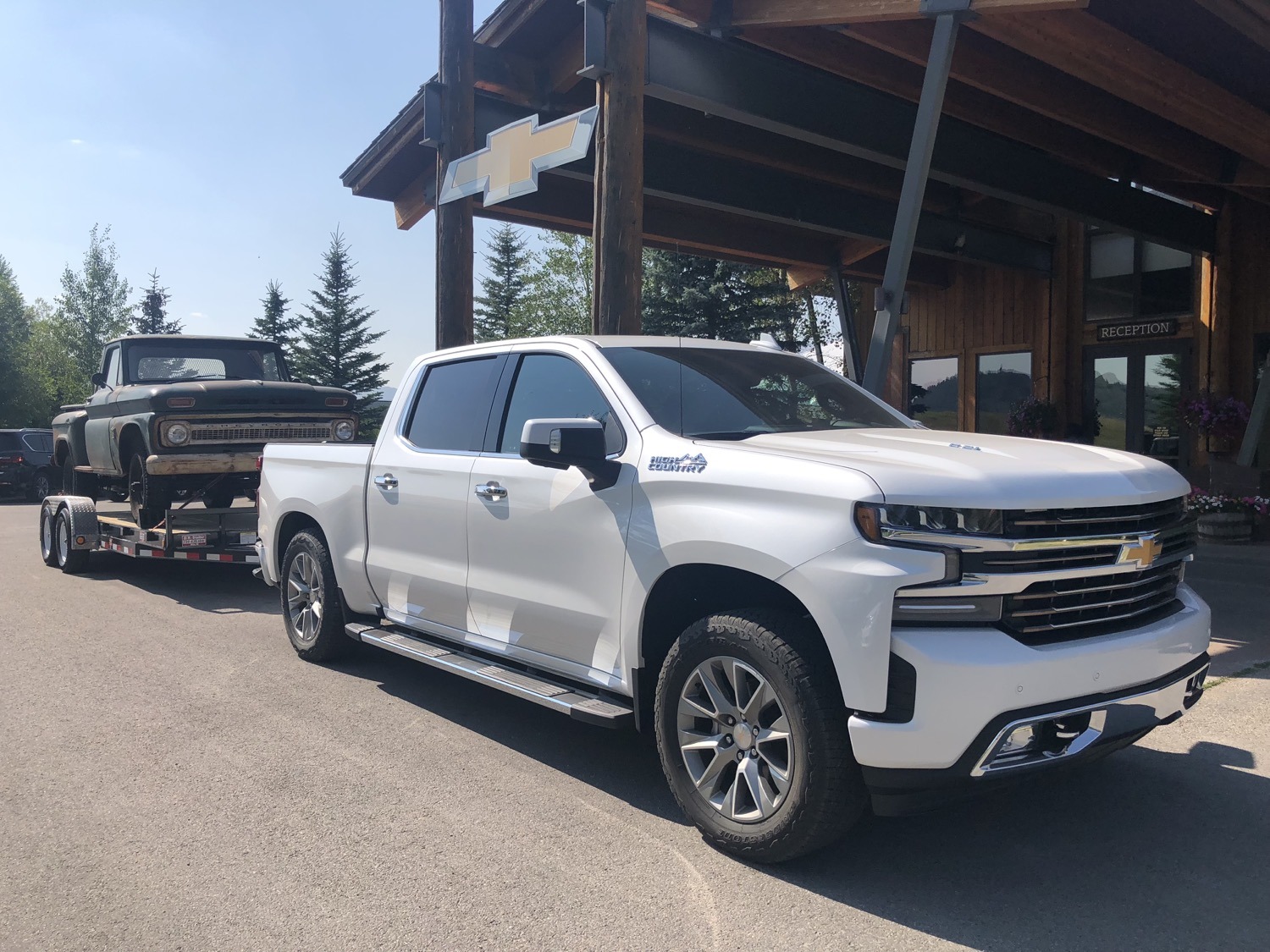
3. Chevrolet Silverado 6.2L V8
The Chevrolet Silverado may not appear dramatically different from the F-150 at first glance, but a properly equipped Silverado 1500 can be a serious match in a pulling contest.
The available 6.2-liter V8 provides strong low-end performance, while four-wheel drive can give the truck the traction needed to turn engine output into forward movement.
A tug-of-war between these two full-size pickups would probably be much closer than many people expect. Neither vehicle automatically wins simply because of its badge. Tire selection, vehicle weight, axle gearing, drivetrain setup, and the surface can all influence the result.
The Silverado becomes especially interesting when fitted with tires that provide strong grip. Good tires can matter more than a modest horsepower difference because the vehicle cannot use its engine output if the tires are spinning.
There is also the question of the F-150 being tested. A Silverado 6.2L could have a reasonable chance against an ordinary four-wheel-drive F-150, while an F-150 equipped for serious off-road work could present a tougher challenge.
The Silverado’s advantage comes from balance rather than one extraordinary feature. It has a strong V8, available four-wheel drive, substantial weight, and a chassis designed for truck duty.
That combination makes the Silverado a credible opponent in a controlled tug-of-war, although the result could easily go either way when both trucks are similarly equipped.
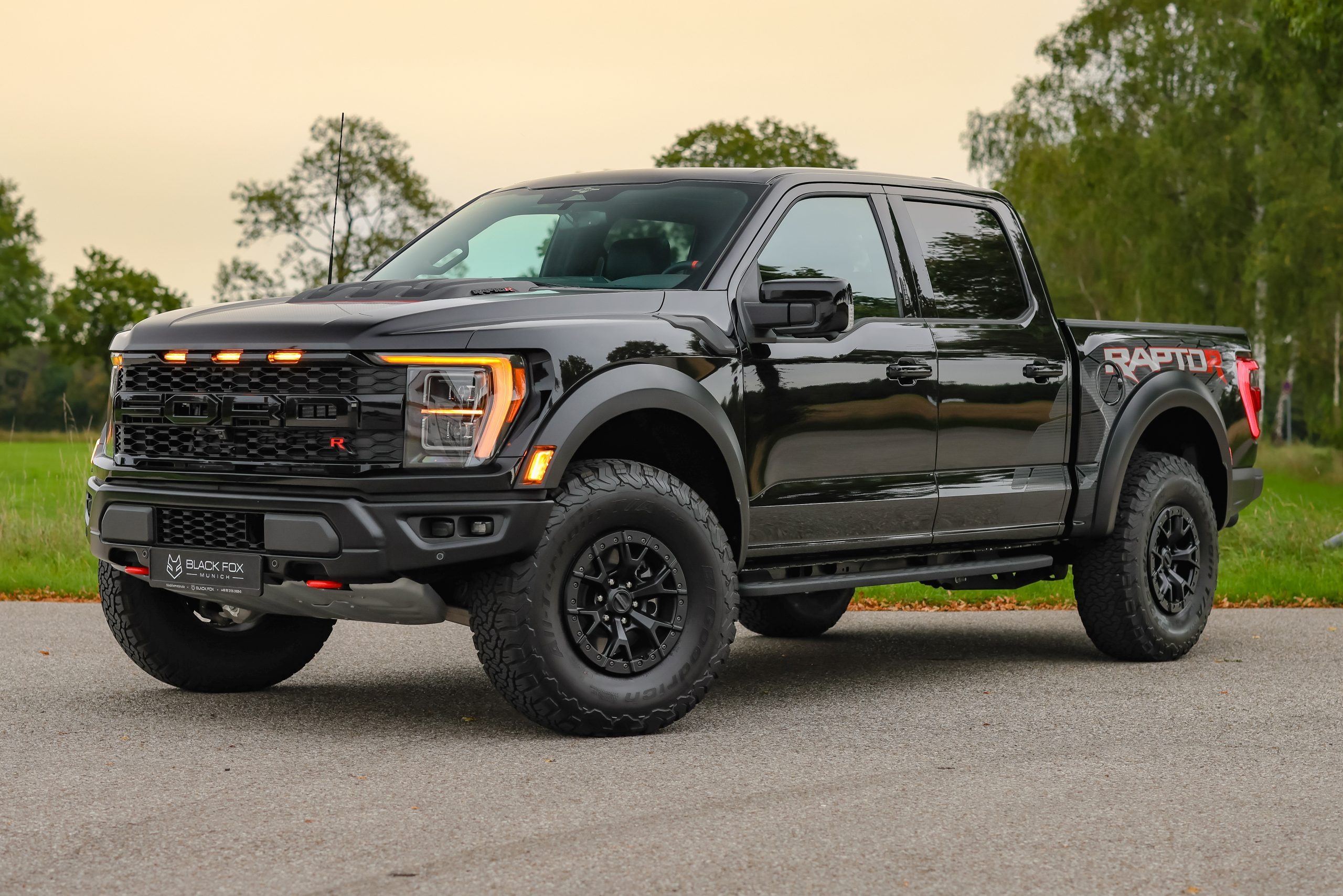
4. Ford F-150 Raptor
There’s something almost poetic about the F-150 Raptor showing up on a list of vehicles that can beat a standard F-150, since technically it’s still wearing the same badge.
The Raptor isn’t a different truck pretending to be competitive; it’s Ford’s own performance-tuned version built specifically to handle rough conditions and aggressive driving, and that engineering focus translates directly into tug-of-war success.
Its twin-turbo V6 engine produces around 691 Nm of torque, a healthy jump over what standard F-150 trims typically offer, giving it more pulling force right out of the gate.
The Raptor’s off-road tires deserve just as much credit as the engine. Wider, more aggressive tread patterns designed to dig into loose dirt and gravel give the Raptor a traction advantage that a standard F-150 riding on all-season tires can’t replicate, even with similar horsepower numbers.
Suspension tuning built for high-speed off-road driving also means the Raptor sits and handles differently under load, keeping power delivered to the ground more consistently.
Put a standard F-150 up against its own Raptor sibling and the outcome usually isn’t close, which says something important about how much tires, torque, and suspension design matter compared to badge or brand loyalty.
The Raptor essentially demonstrates that Ford already builds a truck capable of beating its own flagship, provided you’re willing to pay for the upgraded hardware that makes the difference.
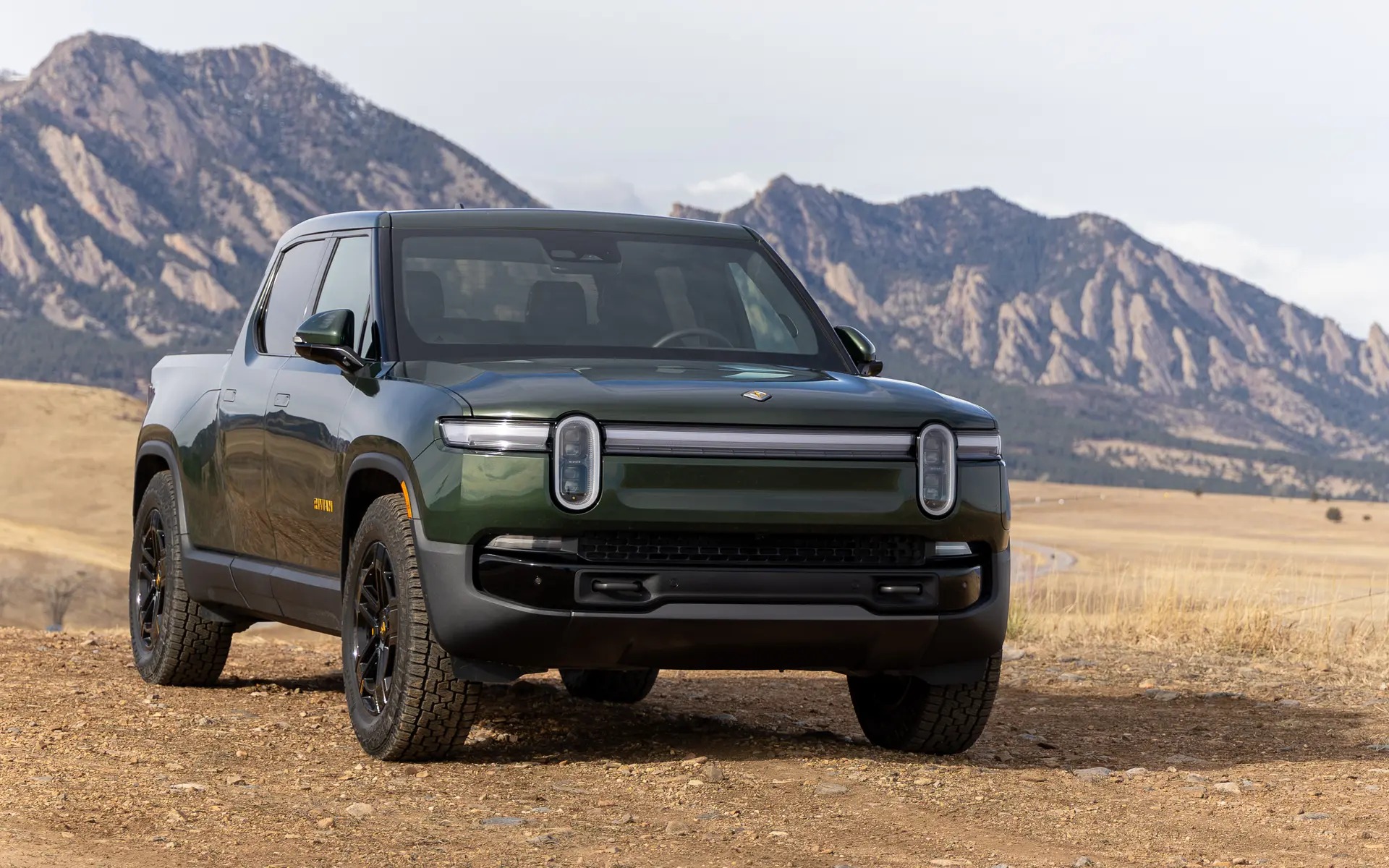
5. Rivian R1T
The Rivian R1T brings another electric approach to the contest. Its available quad-motor setup gives each wheel its own electric motor, allowing the vehicle to control power delivery with remarkable precision.
For a tug-of-war, that can be extremely useful because traction is often more important than peak horsepower. The R1T is also a substantial pickup.
Its battery pack contributes considerable weight, while the low-mounted mass can help the truck feel planted. With four driven wheels, it has several points of contact through which motor force can reach the ground.
Imagine the R1T facing a conventional F-150 on a clean, dry surface. The Rivian can respond instantly when power is applied, and its electric drivetrain can carefully manage wheel slip. That does not guarantee a win, but it gives the R1T a strong technical foundation.
There are limits to this comparison. An F-150 equipped with four-wheel drive, suitable tires, and a strong engine can be extremely difficult to move. A tug-of-war also places unusual demands on tires and drivetrains that normal road driving does not.
Even so, the R1T belongs on the list because its combination of mass, electric torque, and advanced all-wheel-drive control makes it a formidable opponent. It is one of the clearest examples of how an electric pickup can challenge a traditional full-size truck.
5 Cars That Can’t Beat the F-150
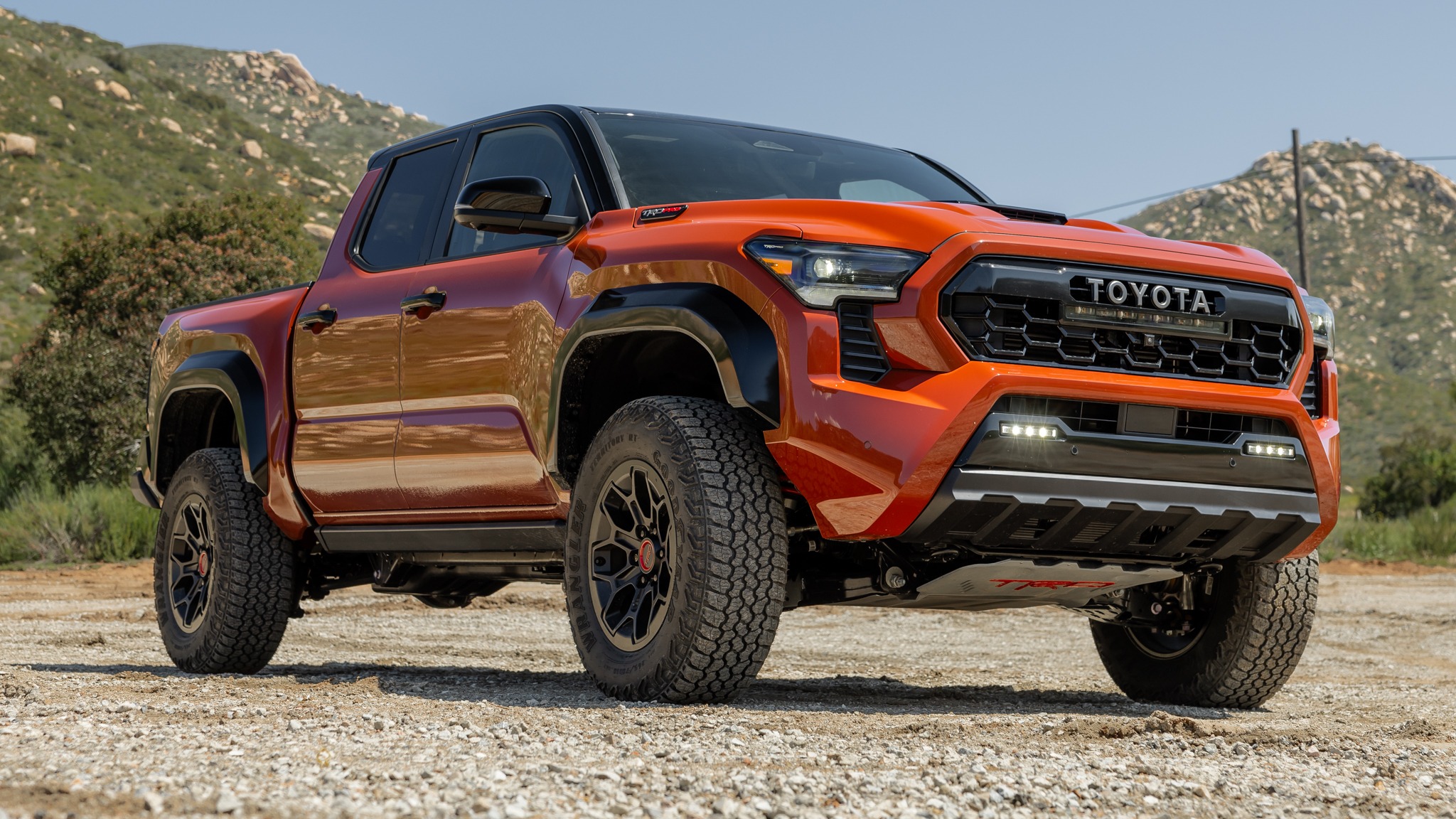
1. Toyota Tacoma
The Toyota Tacoma is a capable midsize pickup, but taking on a full-size F-150 in a tug-of-war would be a tough task. One major reason is size. The Tacoma is smaller and lighter, so it has less weight pressing its tires firmly against the ground when both vehicles begin pulling.
The particular Tacoma model also makes a difference. Newer versions can deliver good power, especially those fitted with the turbocharged hybrid system. However, the F-150 comes with several powerful engine choices, including options designed for demanding towing and hauling duties.
Having four-wheel drive gives the Tacoma a better chance of using its power effectively, especially when the surface is slippery or loose. Even so, four-wheel drive cannot completely remove the advantage created by a heavier vehicle with greater pulling force.
Imagine both pickups positioned on dry pavement with similar tires. When the drivers apply power, the Tacoma may respond strongly at first. As the contest continues, however, the F-150’s greater weight can help its tires maintain better grip. If the Tacoma starts spinning its tires, the larger Ford can begin pulling it backward.
None of this means the Tacoma is a weak pickup. Its smaller body can actually be useful on tight trails, crowded streets, and narrow parking spaces. It is simply designed with different priorities.
When facing a comparable four-wheel-drive F-150, the Tacoma would normally be expected to lose. A well-equipped model could make the contest closer, but the Ford’s greater size, weight, and pulling ability would remain major advantages.
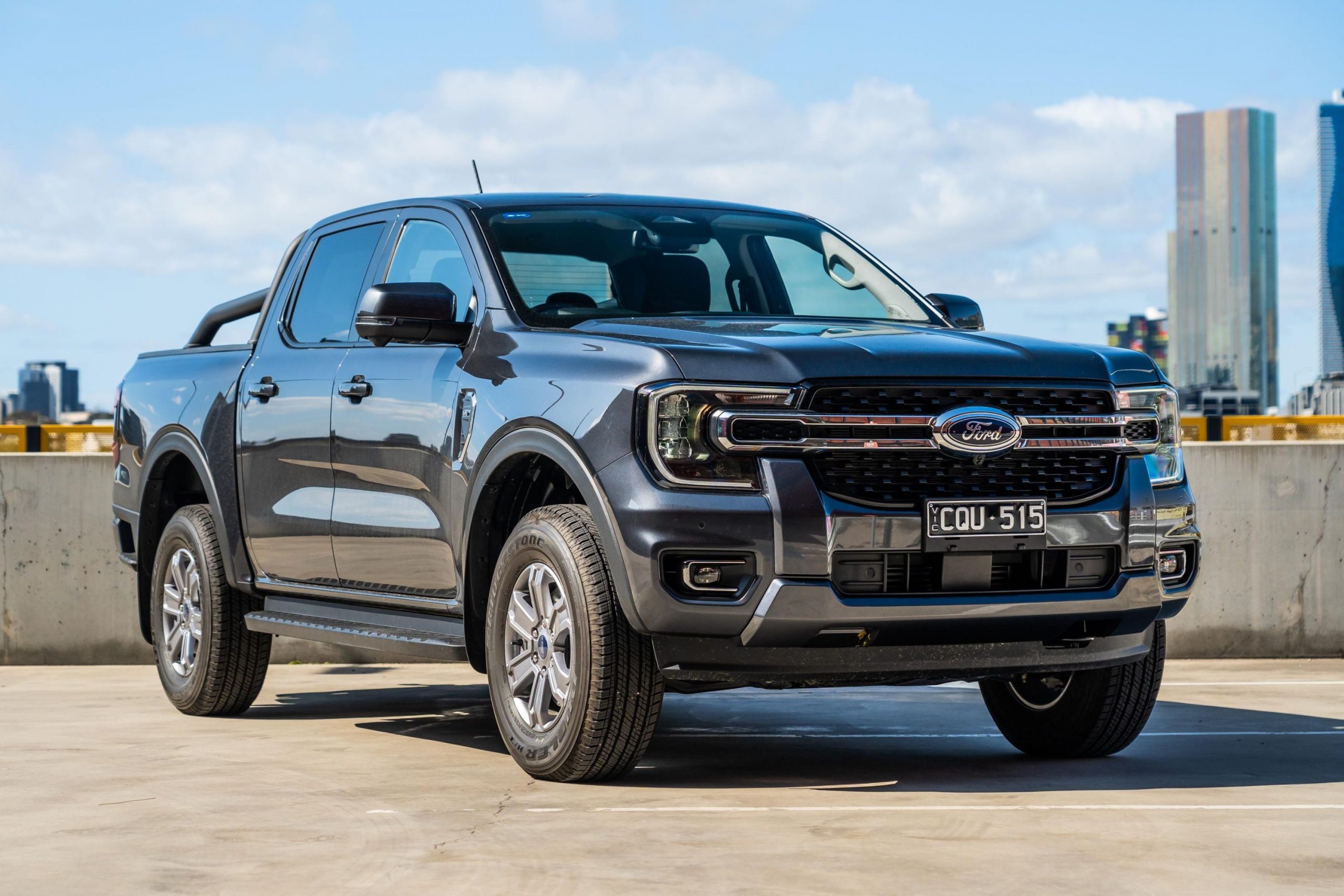
2. Ford Ranger
The Ford Ranger is a smaller pickup than the F-150, and that size difference can matter a lot during a tug-of-war. Although the Ranger has enough power for its class and can come with four-wheel drive, the F-150 has a heavier body and offers more powerful engine options.
These factors give the larger truck an advantage when both vehicles are pulling against each other. Still, the Ranger should not be dismissed too quickly. Take the Ranger Raptor, for instance.
It comes with a twin-turbocharged V6, strong off-road equipment, and tires designed to handle difficult surfaces. On loose ground, these features can help the Ranger maintain its grip and perform better than many people may expect.
However, a firm road surface presents a different situation. The F-150’s extra weight allows more pressure on its tires, helping them maintain contact with the ground when power is applied. If the Ranger’s tires start spinning before the Ford can gain proper traction, it will struggle to hold its position.
Other factors also matter. Tire type, drive system, road condition, and even how each driver applies the throttle can affect the result. A well-equipped Ranger may give a standard F-150 a good fight.
Even so, a four-wheel-drive F-150 would usually have the advantage. The Ranger is a capable pickup, but the F-150 has more weight and pulling strength for this particular challenge.
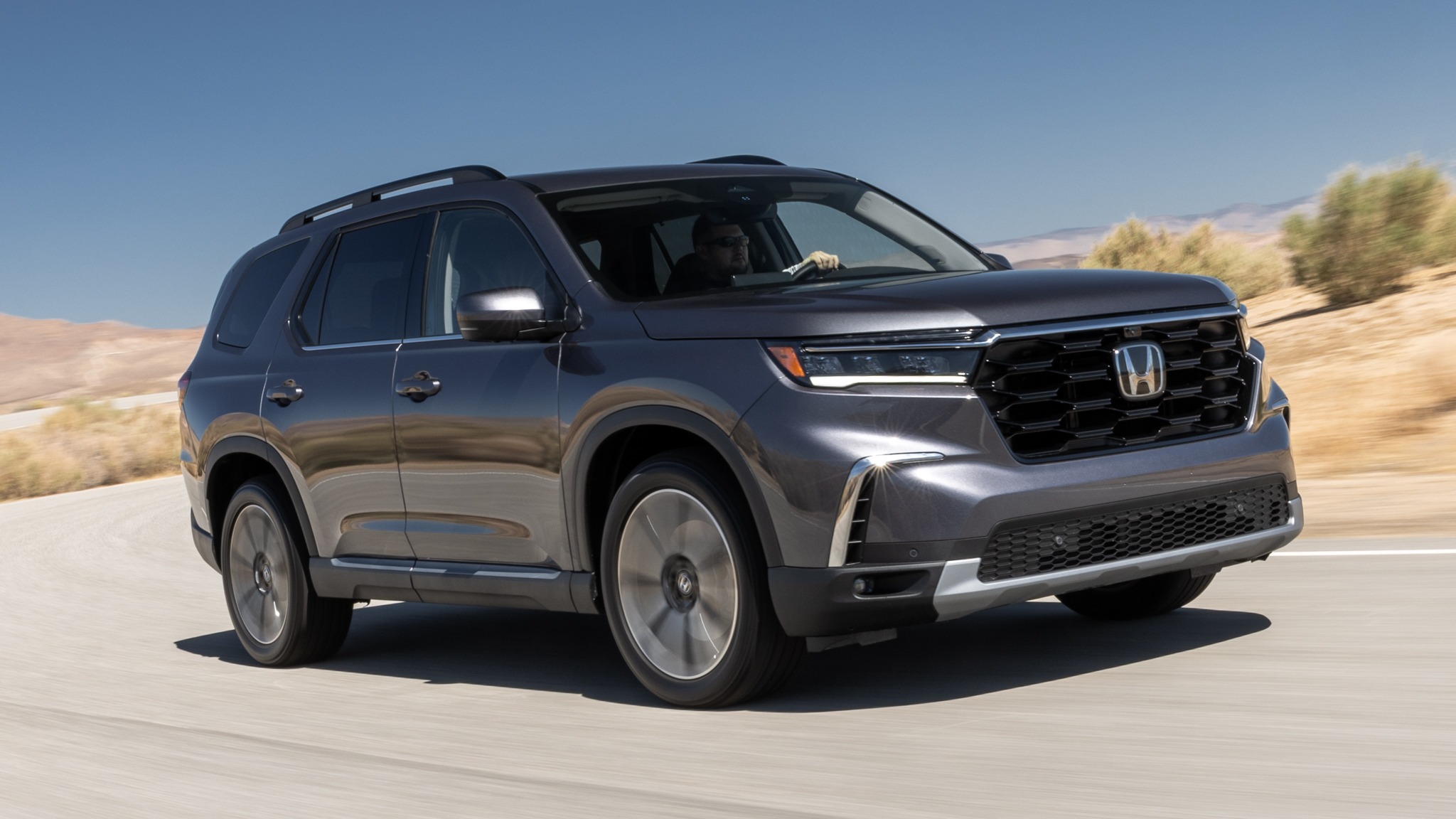
3. Honda Pilot
A Honda Pilot is designed for family transportation rather than heavy pulling contests, and that difference becomes obvious in a tug-of-war. The Pilot is a three-row SUV with available all-wheel drive, but its drivetrain and tires are primarily intended to provide comfortable, secure road performance.
Weight alone does not decide these contests, yet the Pilot does not have the same truck-style construction or heavy-duty pulling setup as an F-150.
Its powertrain is tuned for everyday driving, highway travel, and moderate towing rather than repeatedly transferring huge amounts of force through the tires.
All-wheel drive gives the Pilot an advantage over a two-wheel-drive passenger car. It can send power to multiple wheels and maintain traction in rain, snow, or other difficult conditions. That does not mean it can match a full-size pickup designed around hauling and towing.
Imagine placing a Pilot beside a four-wheel-drive F-150 with suitable tires. Both drivers apply power at the same moment. The Ford’s larger mass, truck-oriented drivetrain, and stronger pulling hardware would normally give it the advantage.
The Pilot remains an excellent choice for its intended purpose. It offers passenger space, comfort, practicality, and useful all-weather capability.
A tug-of-war simply asks it to do something it was never designed to prioritize. Unless the F-150 has a serious disadvantage in tires, drivetrain, or surface conditions, the Pilot would be expected to lose this particular contest.
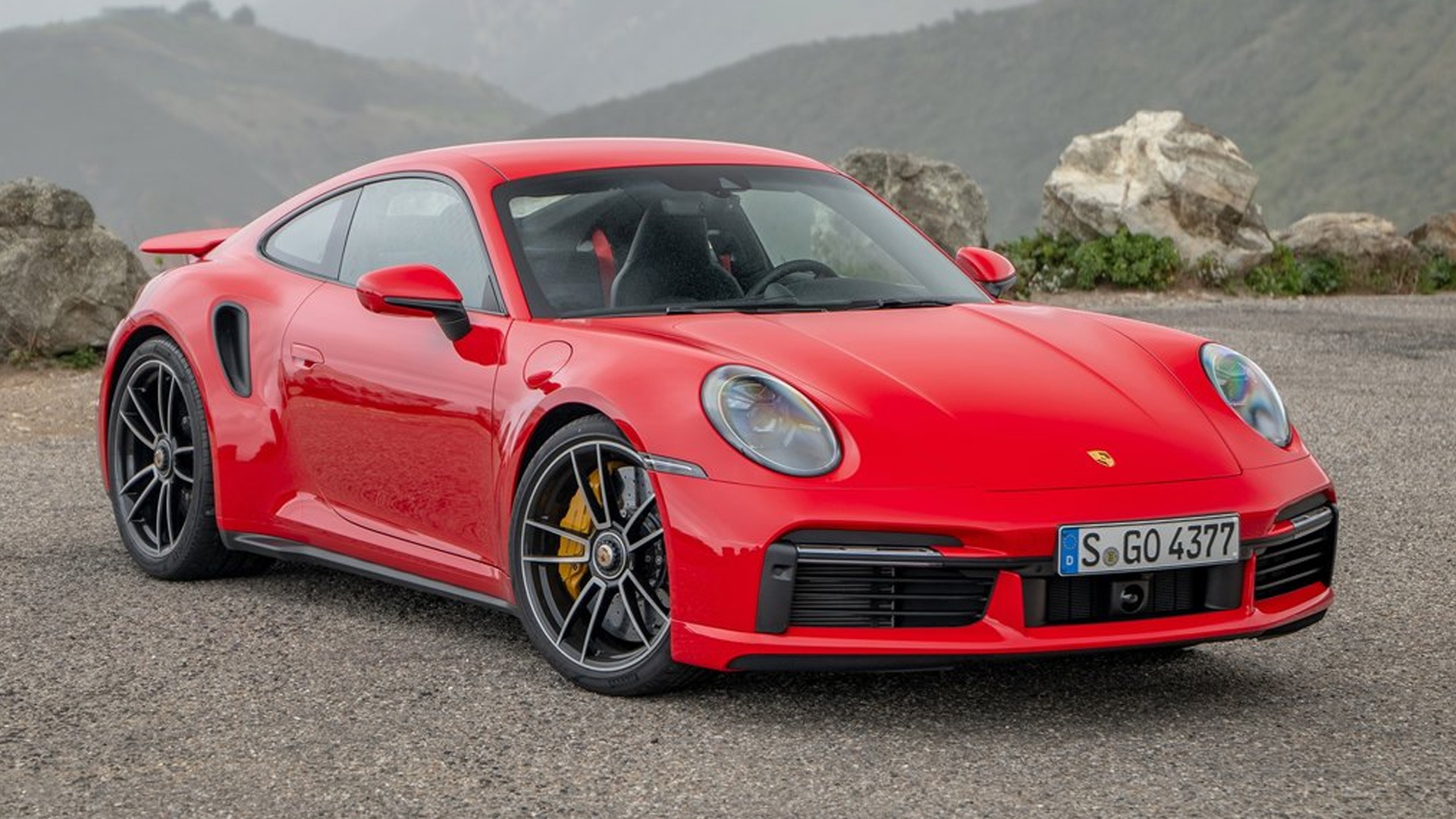
4. Porsche 911
Being fast on the road does not mean a car can pull a heavy truck. The Porsche 911 shows this clearly. Depending on the model, it can produce impressive power and accelerate at a remarkable pace, but those qualities do not give it the same advantage in a tug-of-war.
For a pulling contest, the size and weight of the vehicle matter greatly. Most sports cars are much lighter and lower than pickups, and their tires are designed mainly for cornering, braking, and quick acceleration.
These features help the 911 perform beautifully on the road, but they are not ideal for pulling a much heavier truck. Another factor is the drivetrain.
Some 911 models have all-wheel drive, which can help the car use its power more effectively. Even with this advantage, its lower weight can still make it difficult to maintain enough grip when facing a heavy pickup.
The F-150 has a very different purpose. It is built to carry loads, tow equipment, and handle demanding work. Its heavier body and available four-wheel-drive system can give it better traction when both vehicles are pulling against each other.
A rear-wheel-drive 911 would face an even harder task because only its rear tires deliver power to the road. Therefore, while a Porsche 911 may easily beat an F-150 in a speed test, the result would likely be different in a tug-of-war.
For this type of challenge, weight, traction, and pulling ability matter more than outright speed.
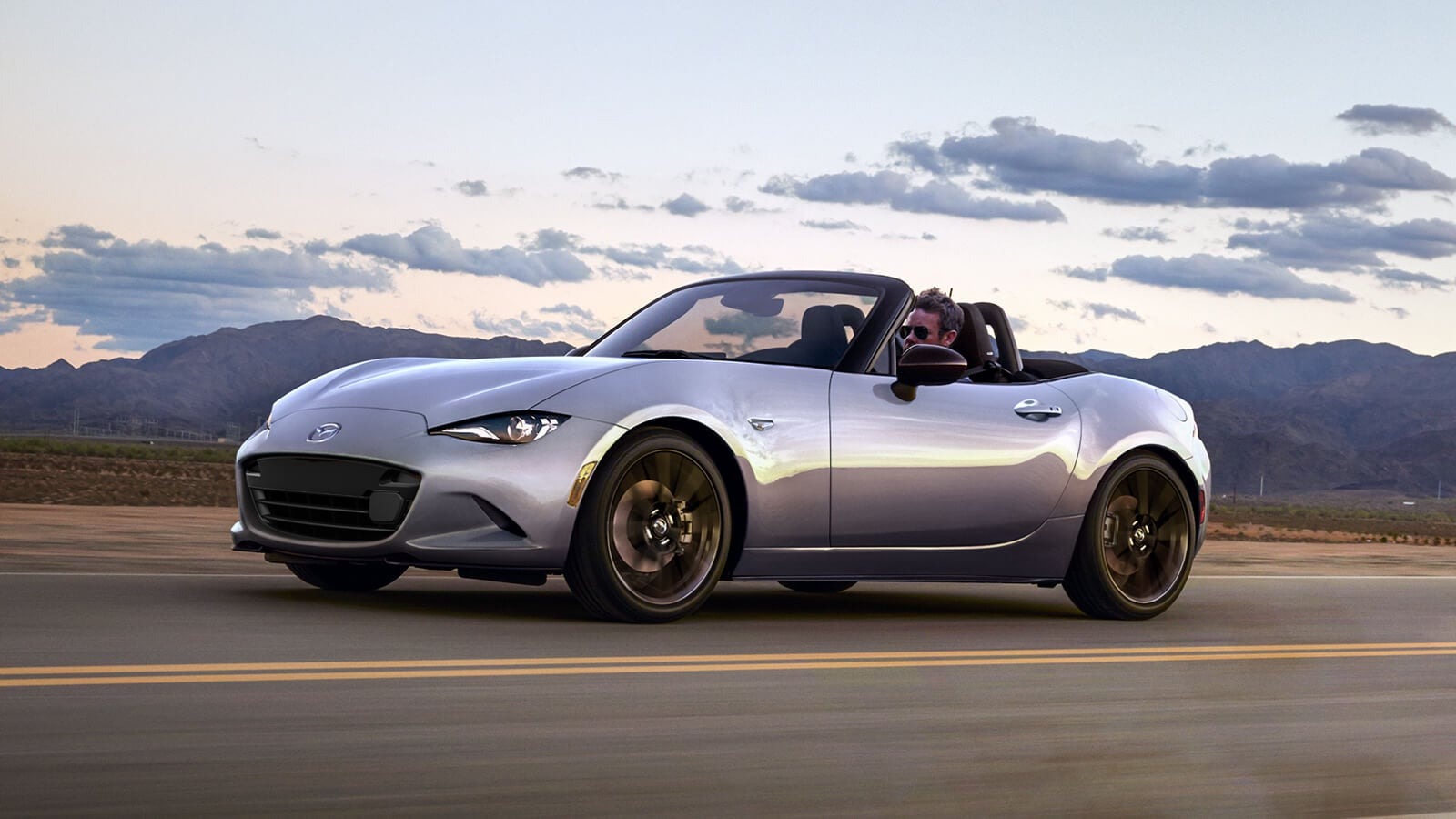
5. Mazda MX-5 Miata
The Mazda MX-5 Miata is famous for being light, nimble, and enjoyable to drive. Those qualities make it excellent at what it was designed to do, but they would work against it in a tug-of-war with an F-150.
The biggest issue is weight. The Miata is dramatically lighter than a full-size pickup, leaving the tires with less mass pressing them into the road. Its engine also produces far less torque than the powertrains found in many F-150 configurations.
Another factor is the Miata’s rear-wheel-drive layout, which leaves just two tires responsible for putting the engine’s power to the road. By comparison, an F-150 with four-wheel drive can distribute power across all four tires, giving it a better chance of maintaining traction.
Even a Miata with excellent tires would have difficulty overcoming that physical disadvantage. Once the Ford finds traction and begins moving, the lighter Mazda would have little ability to resist the pull.
That does not take anything away from the Miata’s strengths. Its low weight is precisely what makes it fun on winding roads. The car does not need enormous torque or a massive engine to deliver an engaging driving experience.
A tug-of-war simply rewards qualities that the Miata does not need for normal driving. Against a full-size F-150, its light body, modest torque, and two-wheel-drive layout make a victory highly unlikely. The little Mazda is built for agility, not brute pulling force.