
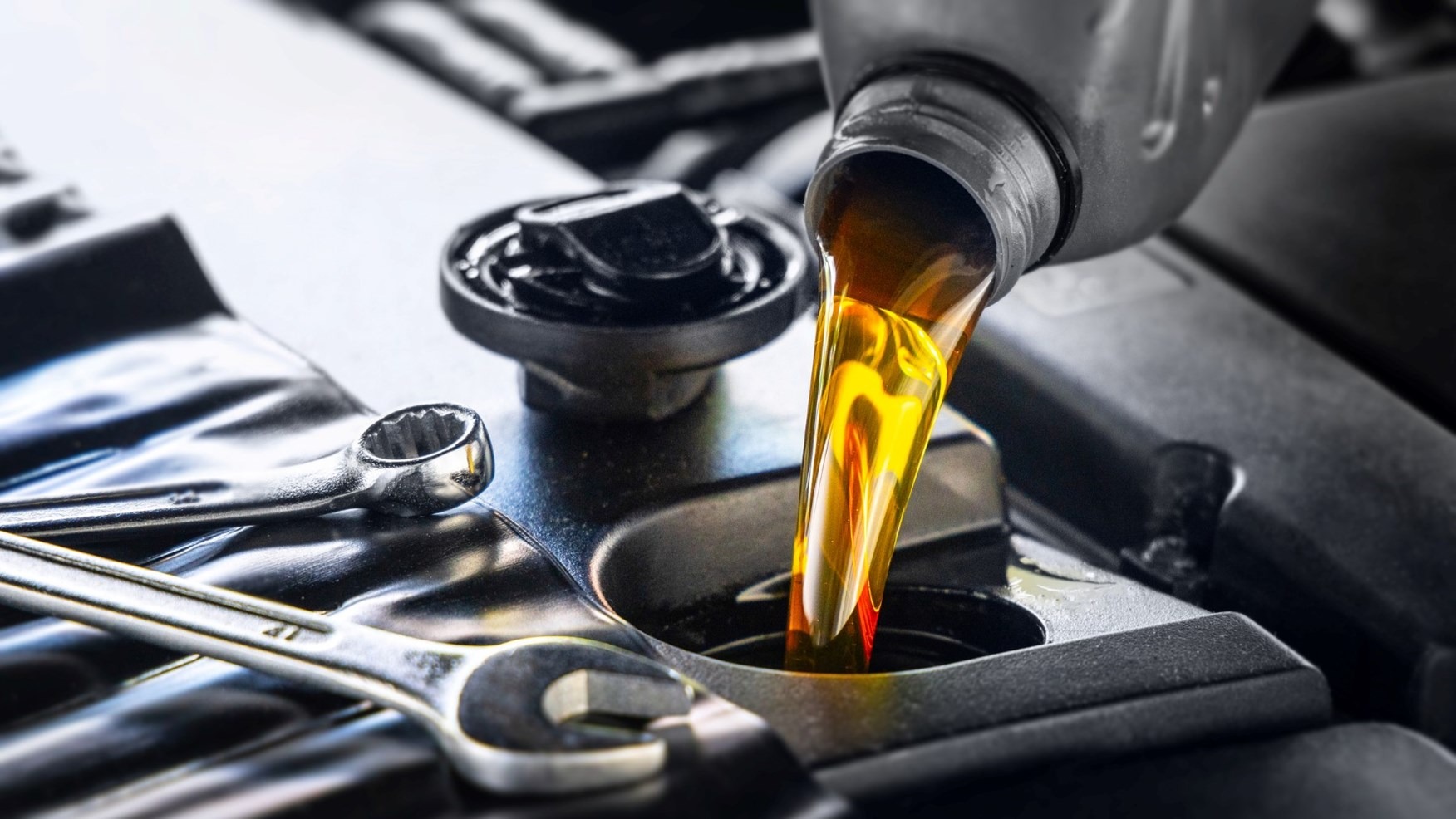
Not every engine needs the most expensive oil on the shelf to live a long life. Some powerplants were built with sturdy materials, straightforward engineering, and forgiving designs that can rack up serious mileage when their owners simply keep them serviced. That does not mean using the cheapest oil available or ignoring the manufacturer’s specifications.
It means certain engines are less demanding when you choose a reputable, correctly rated budget oil. For drivers trying to control maintenance expenses, these engines have earned a reputation for being unusually tolerant. Here are eight proven powerplants that can deliver impressive durability without requiring premium-priced lubricant at every oil change.
1. Toyota 22R / 22R-E 2.4L Inline-4
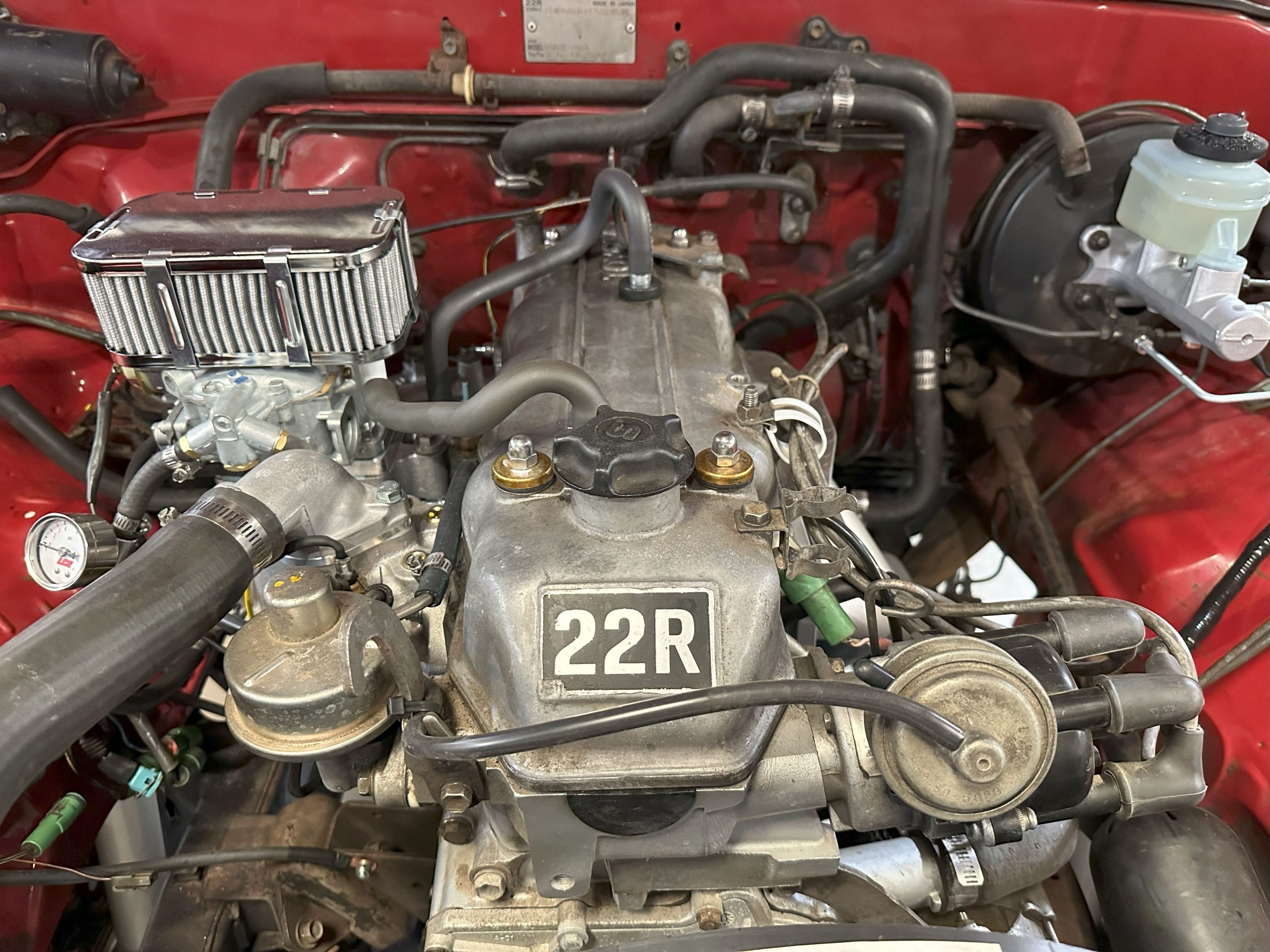
Few four-cylinder engines have earned a reputation quite like the Toyota 22R and 22R-E. Produced from 1981 through 1997, these engines powered generations of Toyota pickups and other vehicles while developing a loyal following for their rugged construction.
The design was refreshingly simple. It used a cast-iron block, an aluminum cylinder head, and a chain-driven timing system, resulting in a relatively uncomplicated mechanical package.
That simplicity matters when discussing inexpensive oil. The 22R family does not depend on an elaborate collection of delicate systems to produce dependable transportation.
With regular oil changes and the correct viscosity, a reputable conventional oil can serve these engines well. Many examples have traveled 300,000 miles or more, while exceptionally well-maintained engines have gone considerably farther.
Oil consumption can remain modest when the engine is healthy, which also makes ownership easier on the wallet. A driver does not need to constantly monitor the dipstick because the engine is burning through large quantities of lubricant.
Still, age changes the equation. Today, most 22R and 22R-E engines are decades old, so seals, gaskets, timing components, and internal wear deserve attention. Cheap oil cannot compensate for neglected maintenance.
When serviced properly, though, this old Toyota four-cylinder demonstrates why simple engineering can remain remarkably durable.
2. Toyota 1UZ-FE 4.0L V8
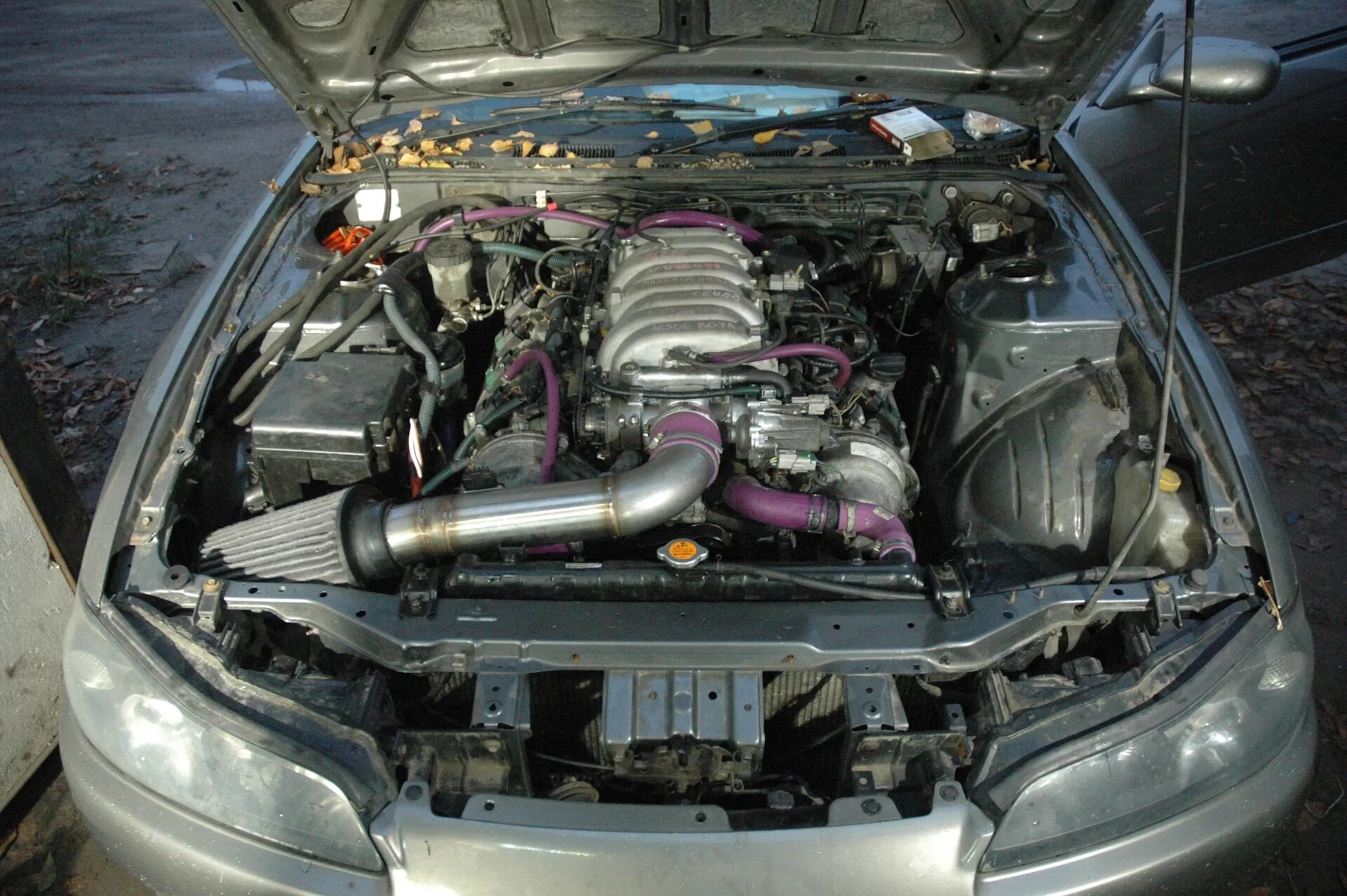
A luxury V8 may sound like the last place to look for inexpensive oil, yet the Toyota 1UZ-FE tells a different story. Introduced in the late 1980s and famously used in the Lexus LS 400, this 4.0-liter V8 combined smooth performance with impressive mechanical strength.
It was designed to provide refined power without making reliability an afterthought. The aluminum construction keeps weight reasonable, while the engine’s robust internal components help it tolerate extensive use.
Owners who follow sensible service intervals have reported extremely high mileage from these engines. That durability makes a reputable conventional or budget-friendly oil a reasonable choice when it meets the required specifications.
The practical lesson is that more expensive oil is not necessarily better just because it is being used in a luxury sedan. The most important factors are the correct viscosity, quality rating, and replacement interval. For the 1UZ-FE, regular and consistent maintenance matters far more than choosing the most expensive oil available.
Because these engines are now older, buyers should pay close attention to maintenance records. Timing-belt service, leaks, cooling-system condition, and other age-related concerns deserve inspection before purchase.
A healthy 1UZ-FE can still be remarkably smooth after hundreds of thousands of miles. For owners willing to maintain it properly, its sturdy design means affordable oil can do its job without turning the engine into a high-maintenance project.
3. Honda K-Series Engines (K20/K24)
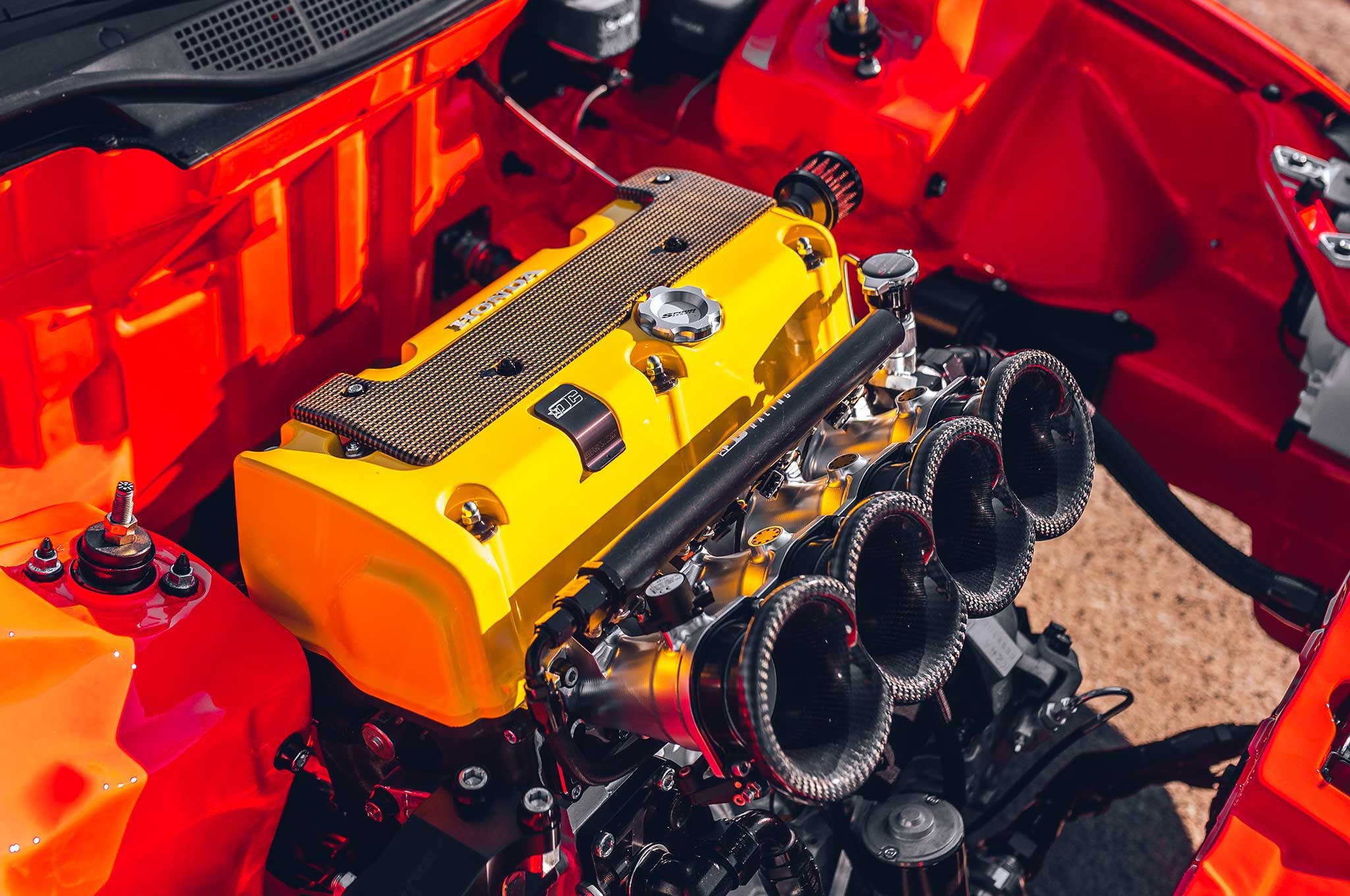
Honda built its reputation on high-revving engines that somehow manage to combine spirited performance with genuine mechanical toughness, and the K-Series lineup represents that philosophy about as well as anything the company has produced.
These four-cylinder engines, found across a wide range of Honda and Acura models, incorporate VTEC technology that adjusts valve timing for both efficiency and performance, all while relying on internals substantial enough to handle sustained high-RPM driving without breaking down prematurely.
What makes these engines particularly well-suited to budget oil comes down to how efficiently they manage oil consumption in the first place.
Unlike some high-performance engines that burn through oil at an alarming rate, K-Series engines tend to hold onto their oil supply admirably, meaning owners aren’t constantly topping off between changes or worrying about running low.
This efficient oil retention allows even less expensive high-mileage oils to do their job effectively without the engine suffering from inadequate lubrication.
Owners who track their K-Series engines through 200,000-plus miles frequently report minimal oil consumption throughout that entire span, a testament to tight manufacturing tolerances and quality internal components that resist premature wear.
Combine that efficiency with Honda’s broader reputation for reliability, and you get an engine platform that performs impressively while still being forgiving enough to run on oil that costs considerably less than what some luxury or performance brands demand.
4. GM LS V8 Series
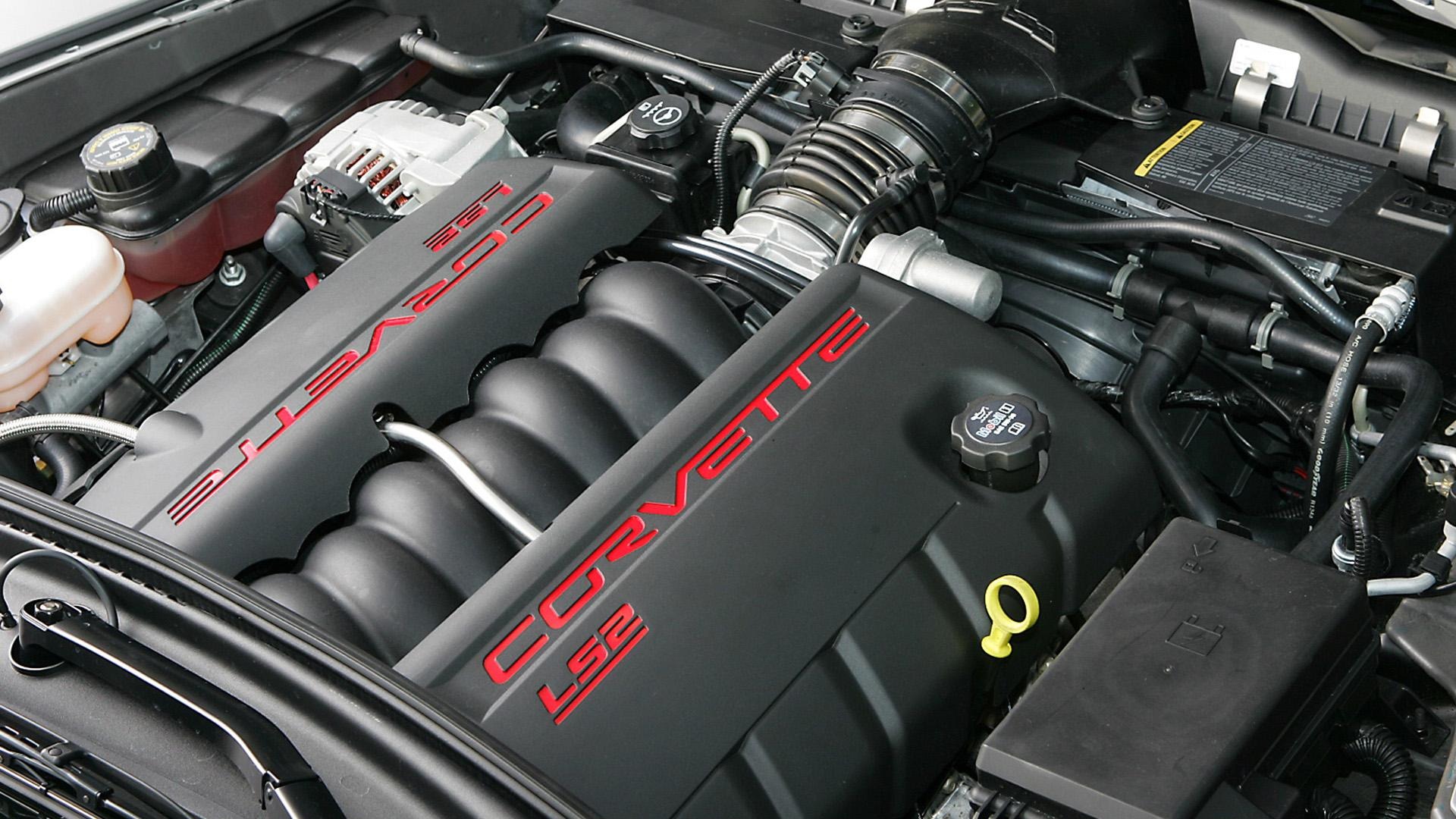
Few American engines have earned as much genuine respect from mechanics and enthusiasts as the LS V8 family, produced across an impressive run from 1997 through 2014 and used in everything from pickup trucks to sports cars.
Modular design sits at the heart of why these engines have become so beloved, since that engineering approach makes them straightforward to service and remarkably tolerant of variations in maintenance quality, oil included.
Owners regularly report these engines exceeding 250,000 miles while running on nothing more exotic than standard conventional oil, provided routine checks and changes happen on a reasonable schedule.
Aftermarket support for the LS platform is genuinely massive at this point, meaning parts, guidance, and community knowledge are all readily available for anyone maintaining one of these engines, which only reinforces how accessible long-term ownership becomes.
Durability here isn’t accidental. GM engineered the LS series with generous tolerances and robust internal components specifically designed to handle demanding use across trucks, SUVs, and performance vehicles alike, and that overbuilt approach translates directly into tolerance for cheaper oil without sacrificing engine health.
Plenty of high-mileage trucks and SUVs running LS engines are still on the road today, having covered distances that would have destroyed less carefully engineered powertrains several times over.
For anyone shopping for a reliable used vehicle without wanting to commit to premium synthetic oil for the rest of its service life, an LS-powered vehicle represents one of the smarter choices available on the used market.
5. Mercedes-Benz OM617 3.0L Diesel
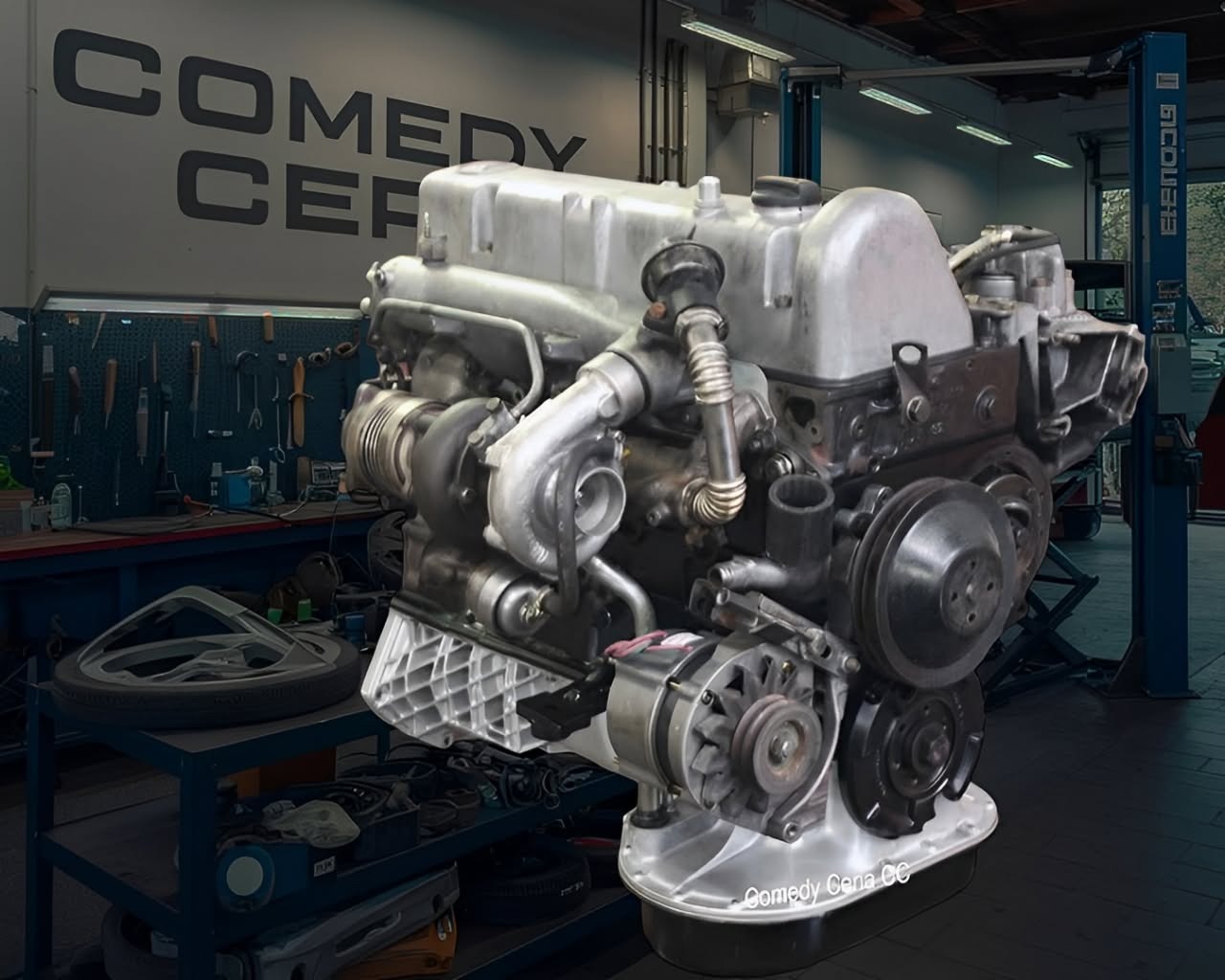
The Mercedes-Benz OM617 occupies legendary status among old diesel engines. This 3.0-liter inline-five was used in several Mercedes-Benz passenger cars and utility-oriented models, particularly during the 1970s and 1980s.
Its cast-iron construction and mechanical fuel-injection system gave it a reputation for extraordinary durability. Unlike many modern engines packed with electronic controls, the OM617 relies heavily on mechanical components.
That makes the engine easier to understand and, in many cases, easier to service. It also contributes to its reputation for continuing to operate despite extremely high mileage.
Oil choice still matters. Owners should use a lubricant designed for diesel applications and follow the viscosity and service requirements appropriate for the engine. A lower-priced conventional diesel oil can work perfectly well when it carries the correct specifications and is changed at appropriate intervals.
The OM617 is also famous for modest oil consumption when healthy. That characteristic can help reduce the amount of lubricant an owner needs to add between services. Still, every engine should be checked regularly because age-related leaks can develop.
Buying one today requires patience. These vehicles are old enough that hoses, seals, cooling parts, suspension components, and fuel-system pieces may need attention regardless of how durable the engine itself is.
For enthusiasts who appreciate mechanical simplicity, the OM617 remains an impressive example of an engine designed to keep working. Its reputation shows that longevity does not always require expensive fluids or elaborate technology.
6. Ford 4.9L Inline-6 (300 I6)
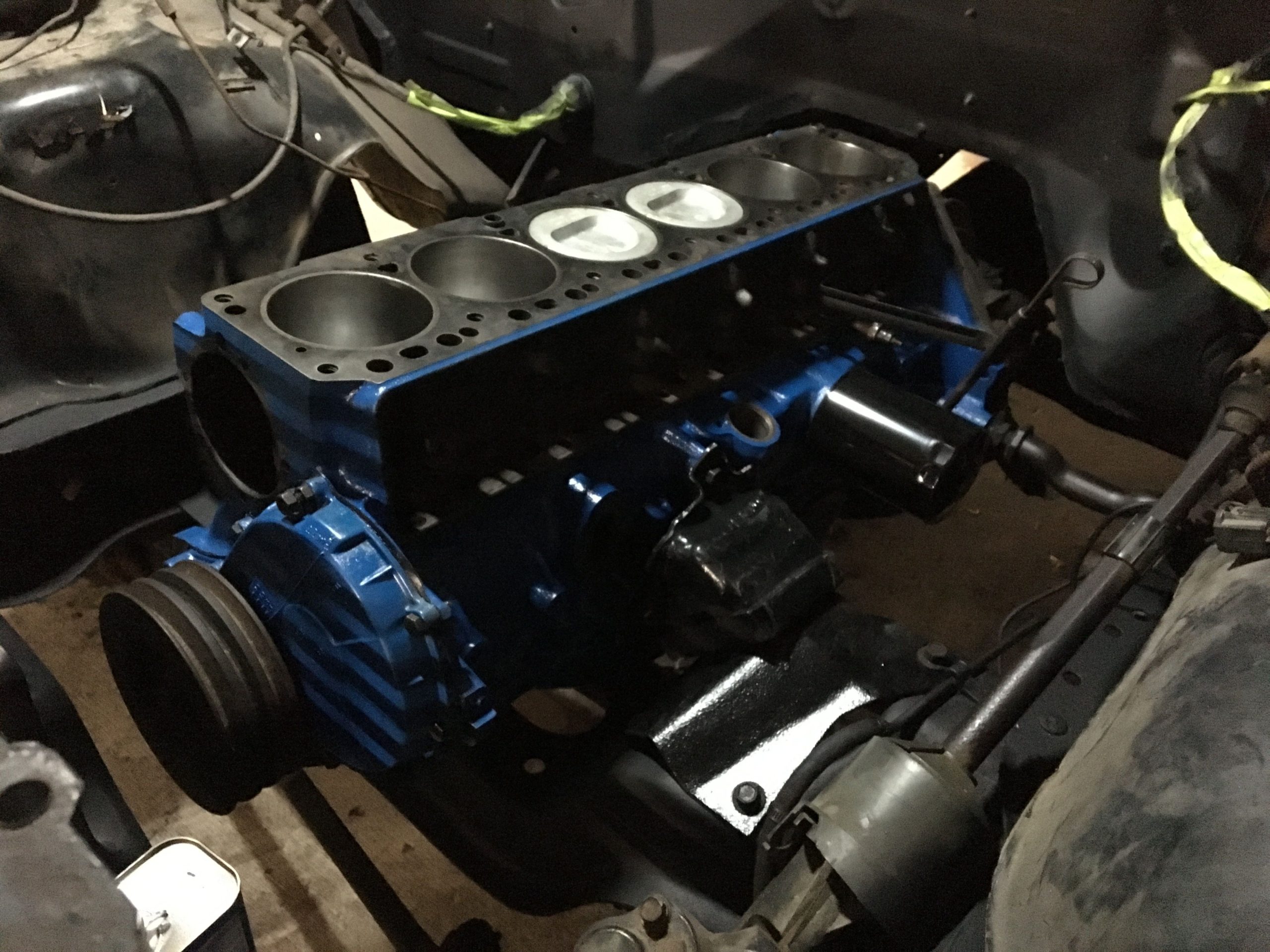
If there were a contest for America’s most stubborn truck engines, Ford’s 4.9-liter inline-six would deserve serious consideration. Commonly known as the 300 I6, this engine became famous for powering Ford trucks with a combination of low-speed torque, simple construction, and remarkable durability.
The engine’s design favors work rather than glamour. A cast-iron block, relatively modest operating speeds, and straightforward mechanical architecture helped it survive demanding service.
It was never intended to be a high-performance engine, and that is part of why its reputation for longevity became so strong. For an owner concerned about oil costs, the 300 I6 is attractive because it does not require an exotic maintenance routine.
A quality conventional oil that meets the correct specification can provide suitable protection when replaced at sensible intervals. Some older, high-mileage examples may benefit from a high-mileage formulation, particularly when minor leaks or seal wear become part of daily ownership.
There is still no reason to treat cheap oil as a license to stretch service intervals. Old trucks can work hard, tow heavy loads, and accumulate contaminants quickly. Checking the oil level and replacing the filter during scheduled service remain essential habits.
A well-maintained 300 I6 can travel extraordinary distances without demanding elaborate care. Its appeal comes from something many modern engines struggle to match: a sturdy design that was built to perform useful work for years without requiring delicate treatment.
7. Toyota 1ZZ-FE 1.8L Inline-4
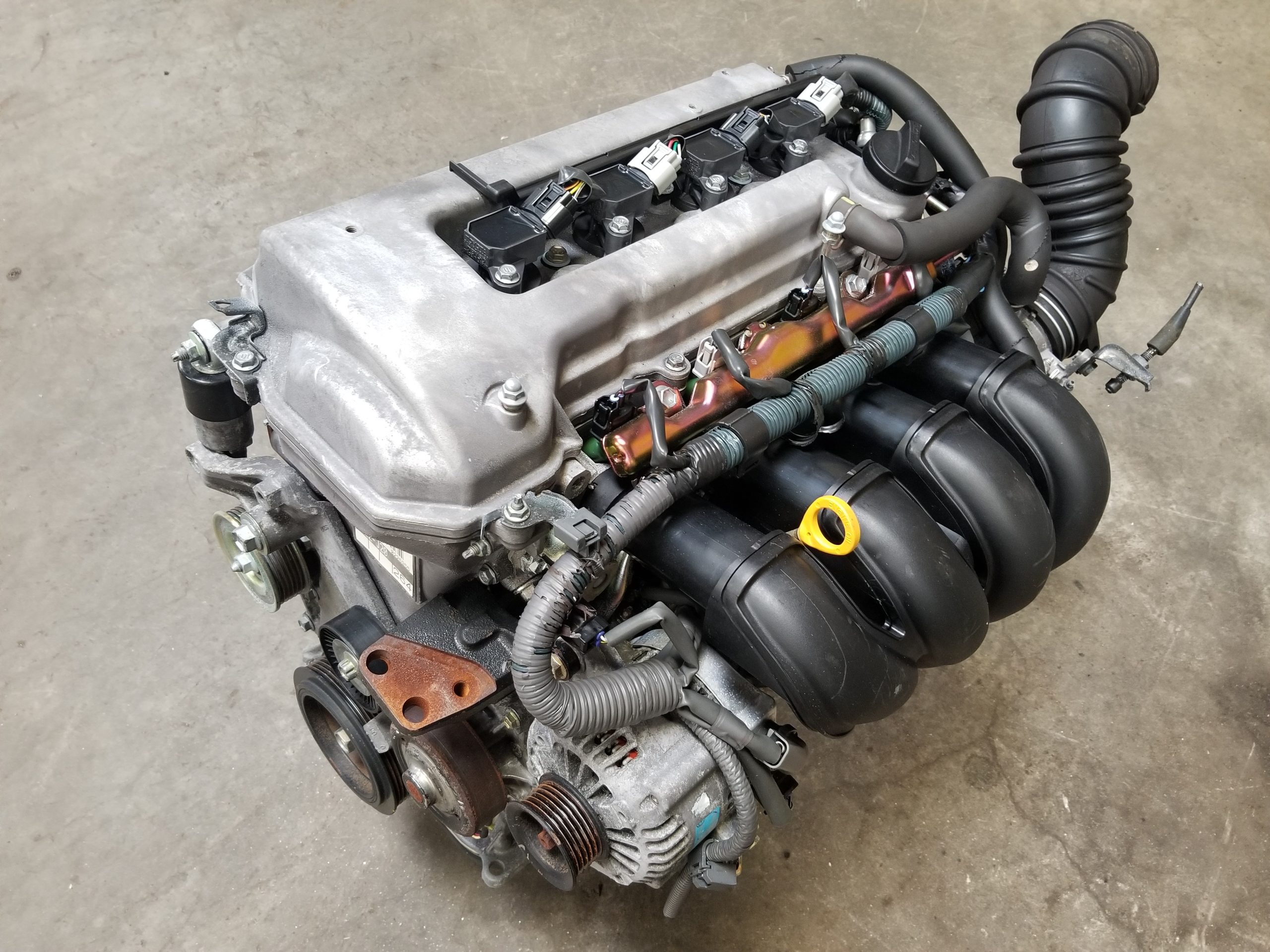
Toyota’s 1ZZ-FE engine powered an entire generation of compact cars, showing up under the hoods of the Corolla, Celica, and Matrix throughout its production run, and it built a reputation for dependability that’s held up remarkably well over the years.
An aluminum block construction keeps the engine lightweight, while a timing chain, rather than a belt requiring periodic replacement, adds a layer of long-term reliability that reduces one common source of maintenance headaches and unexpected costs.
Oil consumption on this engine tends to stay impressively low throughout its service life, meaning owners aren’t stuck constantly monitoring levels or worried about running dangerously low between scheduled changes.
That efficient oil retention plays directly into why the 1ZZ-FE handles standard or cheaper 5W-30 oil so well, since the engine simply isn’t demanding the kind of specialized synthetic formulations that some modern engines require to function properly.
Regular maintenance remains important, as it does for any engine regardless of reputation, but the bar here is refreshingly low compared to more finicky powertrains that punish owners severely for any lapse in care.
Corolla and Matrix owners running this engine frequently report reaching well past 200,000 miles with nothing more than consistent basic upkeep, a track record that speaks to genuinely solid engineering rather than luck.
For budget-conscious drivers looking for a compact car that won’t demand expensive oil or constant attention, vehicles equipped with the 1ZZ-FE represent one of the more dependable and financially sensible choices available on the used market today.
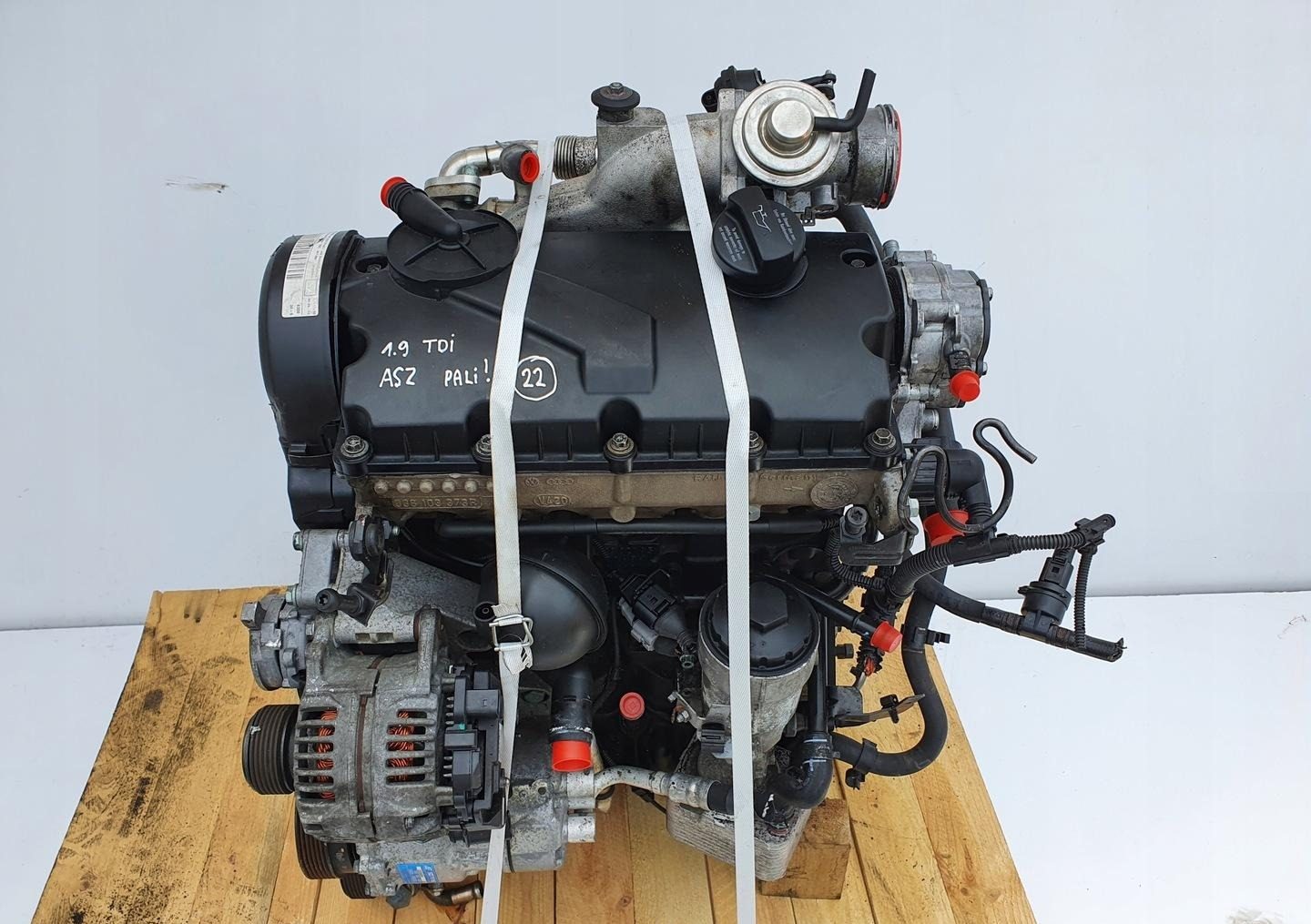
8. Volkswagen 1.9L TDI (ALH)
The Volkswagen 1.9L TDI with the ALH engine code has become a cult favorite among diesel enthusiasts because of its extraordinary mileage potential.
Found in certain Volkswagen cars from the late 1990s and early 2000s, the ALH paired a compact four-cylinder design with turbocharging and direct diesel injection.
Its reputation for reaching 300,000 or even 400,000 miles has made these engines highly desirable among buyers who prioritize longevity. The engine is mechanically sturdy, and its fuel-efficient design can keep daily operating costs reasonable.
Oil selection still requires care. Diesel engines place different demands on lubricants than gasoline engines, so owners should choose an oil carrying the appropriate diesel specification for their particular vehicle.
A reputable semi-synthetic or other approved lower-cost diesel oil can be suitable when it matches the manufacturer’s requirements. The age of these vehicles is now the bigger concern.
An ALH may have an incredibly durable engine while the surrounding vehicle needs attention. Timing-belt history is especially important, along with turbocharger condition, vacuum lines, cooling components, and general maintenance.
Owners should also remember that high mileage does not eliminate the need for regular oil changes. A durable engine still benefits from clean lubricant and a fresh filter.
The ALH stands out for buyers who value efficiency and long-term durability. It combines excellent fuel economy with the potential to accumulate very high mileage while remaining relatively tolerant of sensible, budget-conscious maintenance. Its strong reputation is well deserved, as long as owners follow the manufacturer’s recommended service requirements.
