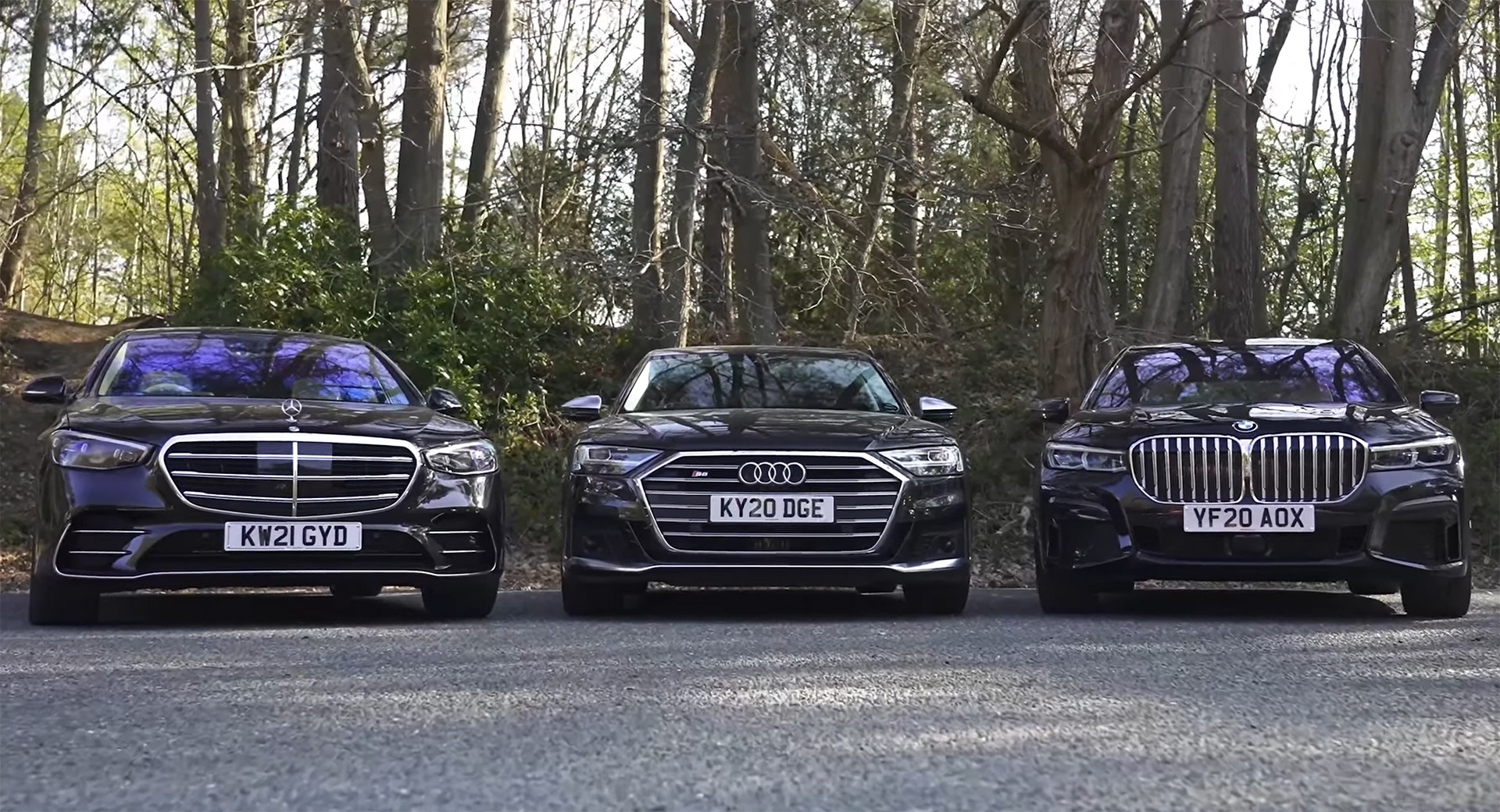
Modern cars can feel like rolling technology hubs, but the idea is hardly new. Automakers have spent decades adding clever conveniences, unusual luxury touches, advanced safety systems, and entertainment equipment to make their vehicles stand apart.
Some models pack hundreds of individual items when standard equipment, packages, and available options are counted, while others became famous for introducing one extraordinary feature.
This ranking looks at the breadth of equipment rather than simply asking which car has the strangest gadget. The result includes flagship sedans, luxury SUVs, a groundbreaking safety pioneer, a technology concept, and several unusual historical examples. Because there is no official industry database that assigns every vehicle a universal feature total, the order reflects documented equipment depth and variety.
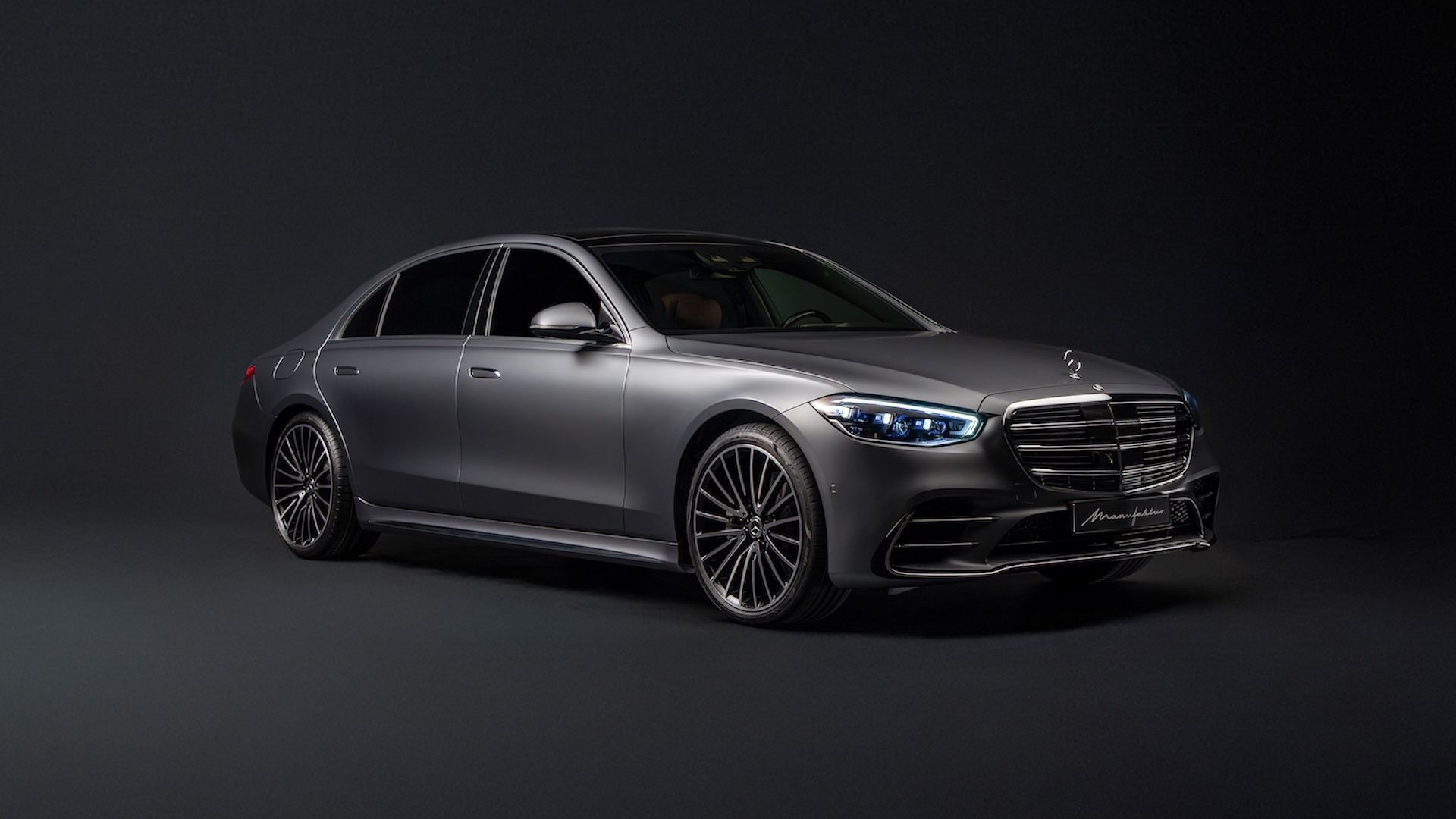
1. Mercedes-Benz S-Class (2025)
The 2025 Mercedes-Benz S-Class takes the top spot because its equipment covers an unusually broad range of functions. It is not merely a luxury sedan with a large touchscreen; its available technology reaches into driving assistance, suspension control, lighting, seating, climate management, entertainment, security, and personalization.
The 2025 model can be equipped with E-ACTIVE BODY CONTROL, rear-axle steering, DIGITAL LIGHT headlamps, a Burmester High-End 4D audio system, four-zone climate control, a 3D instrument cluster, and the DRIVE PILOT pre-installation package.
Its cabin adds another long list. Depending on specification, occupants can receive heated, ventilated, and massaging seats, extensive ambient lighting, advanced infotainment, rear-seat comfort equipment, and a head-up display with augmented-reality information.
The S-Class also has an unusually deep safety and assistance package, with functions covering lane guidance, distance control, parking assistance, collision avoidance, and automated driving support.
Mercedes-Benz describes its current S-Class architecture as using a large sensor array and a dedicated computing system to coordinate assistance functions.
That combination matters for this ranking. A car may have one spectacular gadget, but the S-Class offers an enormous range of equipment categories at the same time.
Its extensive option list makes it one of the strongest examples of a modern car being configured almost like a personalized luxury suite.
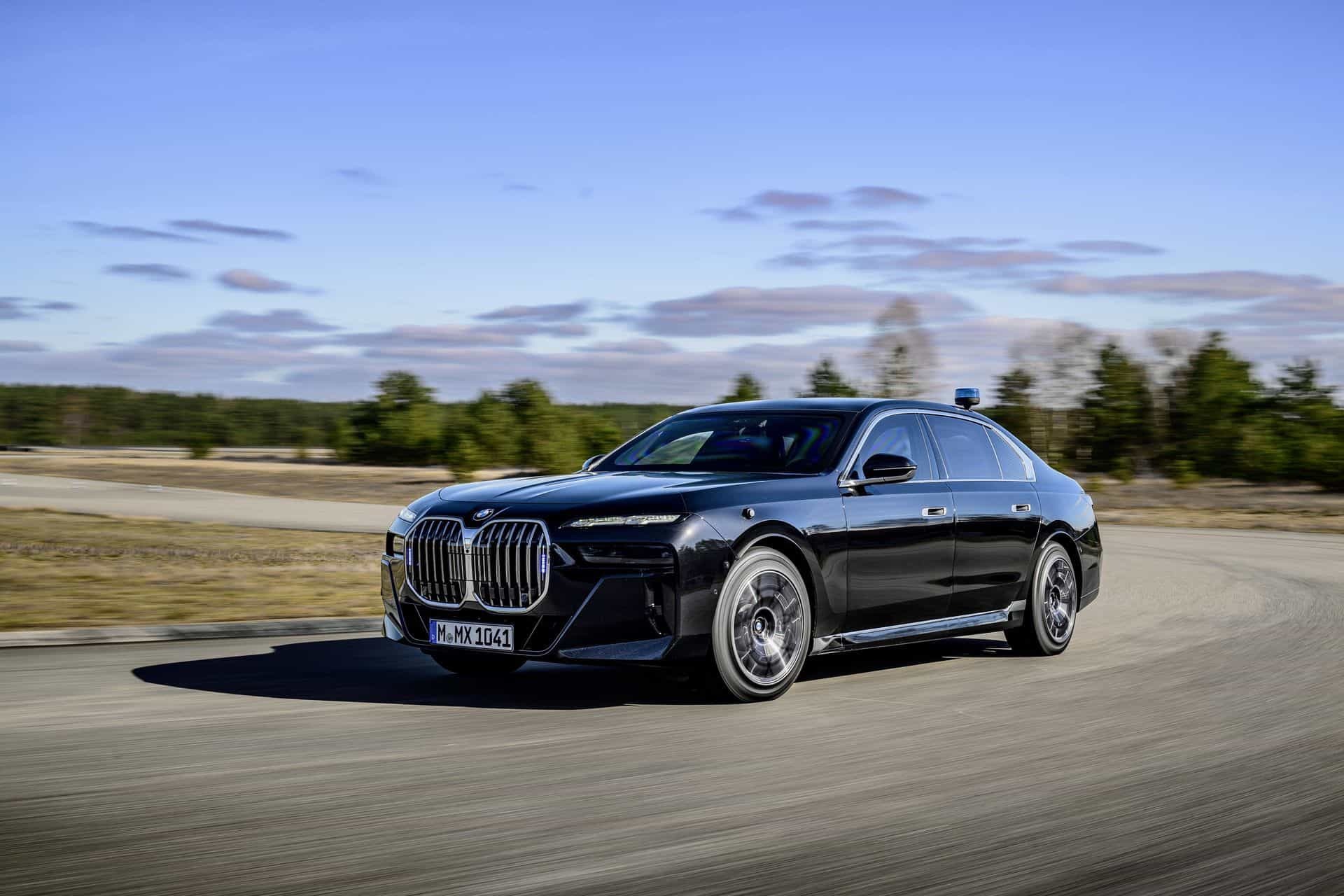
2. BMW 7-Series (2025)
BMW clearly designed the current 7-Series with one goal in mind, making sure nobody in the back seat ever wants to leave. Ceiling-mounted rear-seat displays transform the cabin into something resembling a private theater. With the Rear Entertainment Professional package, passengers also gain access to streaming content, gaming, and connectivity features that rival the setup of a living room.
Up front, the Driving Assistant Professional system handles a genuine share of the driving workload, offering semi-autonomous capability that reduces driver fatigue on longer trips without fully removing them from the equation.
Premium audio throughout the cabin adds another layer of immersion, turning every drive into something closer to a private concert regardless of which seat you’re occupying.
Comfort seating includes multi-way adjustment, letting occupants fine-tune their position with a precision that borders on excessive, alongside ventilation and massaging functions that make even lengthy commutes feel indulgent rather than exhausting.
Connectivity options extend deep into smartphone integration, remote vehicle functions, and cloud-based personalization that remembers preferences across multiple drivers.
Parking automation rounds things out impressively, with the system capable of learning specific routes, like a home driveway or regular parking garage, and then executing that maneuver with minimal driver input on future visits.
This combination of rear-seat luxury, semi-autonomous driving, and genuinely clever automation explains why the 7-Series consistently ranks among the most feature-dense full-size sedans currently in production, competing directly with Mercedes for buyers who want their car to feel like a private suite on wheels.
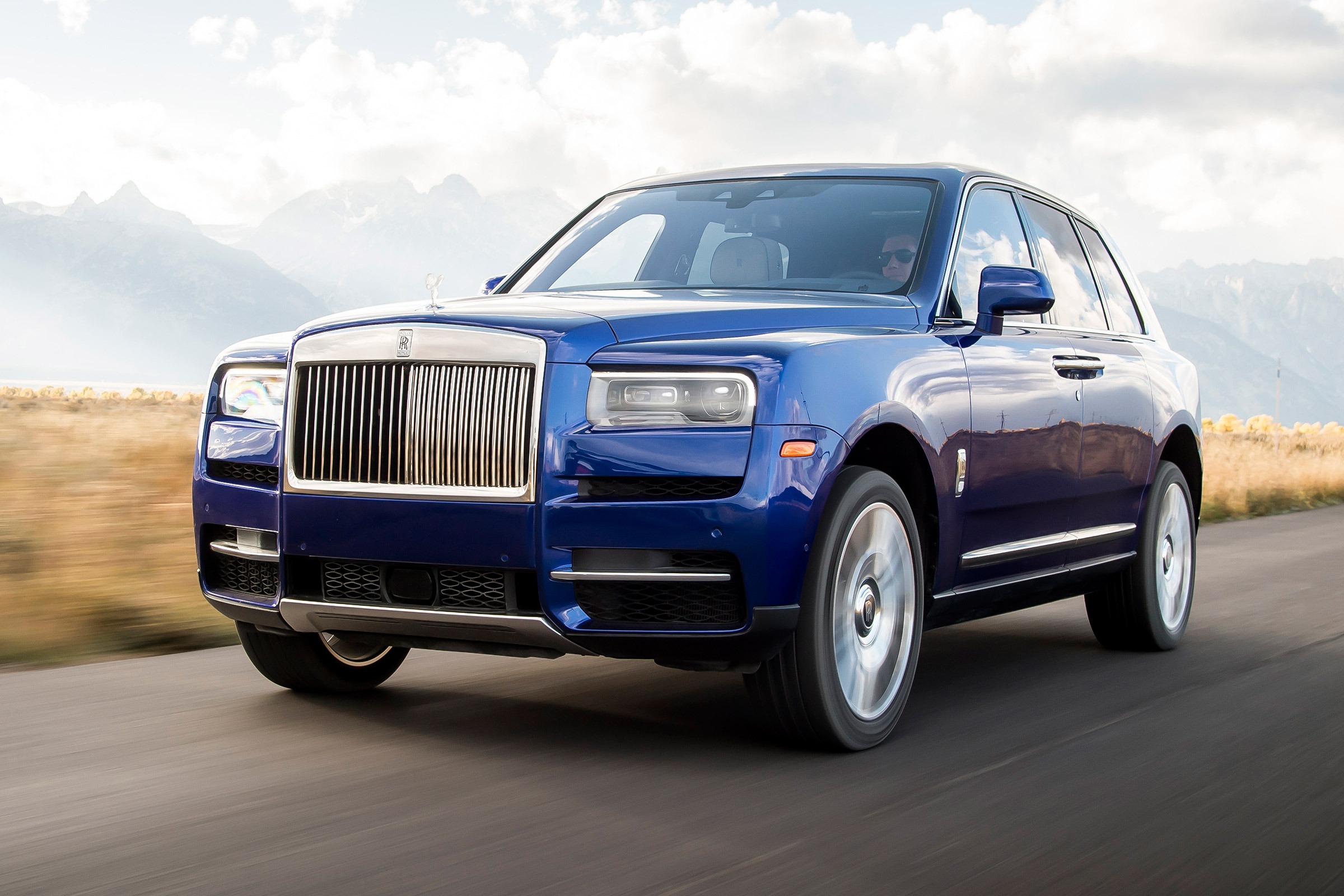
3. Rolls-Royce Cullinan (2018)
The Rolls-Royce Cullinan deserves third place because few production vehicles offer such a deep combination of standard equipment, luxury technology, and bespoke choices.
Reducing its features to a simple list of gadgets misses the point. The Cullinan can be customized with an extraordinary range of individual details, materials, seating configurations, entertainment features, and recreational accessories.
Its documented equipment includes all-wheel drive, all-wheel steering, independent air suspension, head-up display, surround-view cameras, parking assistance, lane-departure and lane-change warnings, collision warnings, pedestrian detection, automatic braking, four-zone climate control, navigation, connected services, wireless charging, Apple CarPlay, Android Auto, and premium audio.
Then comes the Bespoke program. A 2025 Cullinan can be ordered with rear massage seats, lounge seating, picnic tables, a Viewing Suite, a Recreation Module, rear theater equipment, illuminated fascia, special headliners, personalized treadplates, extensive leather and veneer choices, and other commissioned details.
The Viewing Suite is particularly unusual, with two electronically deployed rear-facing seats and a cocktail table emerging from the rear compartment at the touch of a button.
The Cullinan therefore outranks many technically advanced vehicles because its feature range extends beyond conventional automotive functions. It can be tailored into a highly personalized passenger lounge, entertainment space, and recreational vehicle.
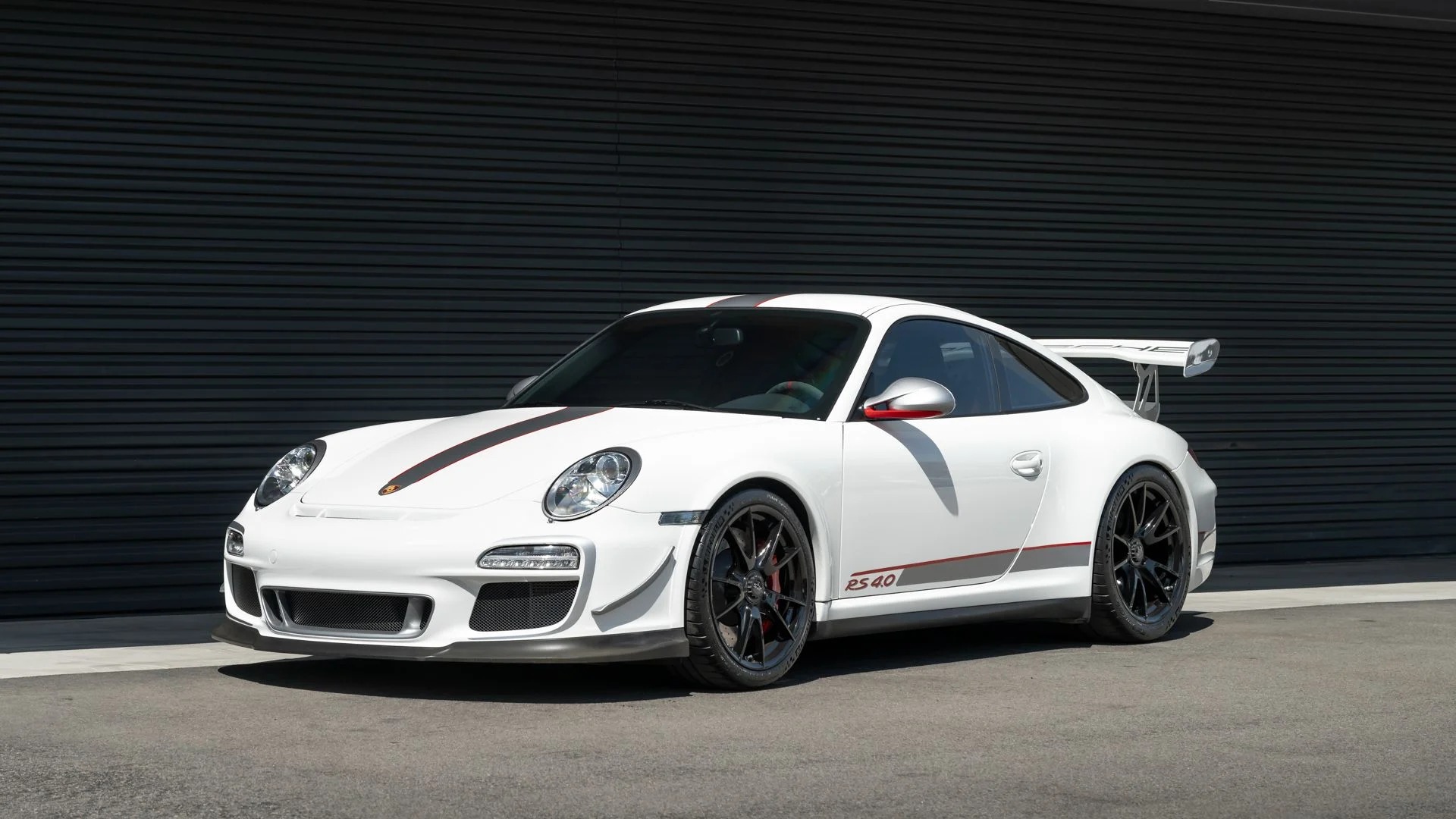
4. Porsche 911 GT3 RS 4.0 (997 series, 2011)
Performance and feature count don’t always travel together, but the 997-generation GT3 RS 4.0 manages to earn its place on this list by demonstrating how precision engineering itself becomes a feature category.
Its race-derived 4.0-liter flat-six engine represents Porsche’s motorsport program translated almost directly into a street-legal package, delivering the kind of visceral performance that track-focused buyers specifically seek out.
Titanium components throughout the drivetrain and exhaust system reduce weight while improving durability under the extreme conditions this car was built to handle, a level of material selection rarely seen outside genuine racing applications.
Track-tuned suspension gives the driver an almost telepathic connection to the road, adjusting dynamically to deliver feedback that street-oriented sports cars simply can’t replicate.
The manual gearbox deserves recognition too, since Porsche deliberately retained this option for drivers who wanted maximum control rather than relying entirely on automated shifting.
Telemetry systems and optional advanced instrumentation let serious track drivers analyze their own performance data, essentially turning the car into a rolling diagnostic tool for improving lap times.
This is admittedly a different kind of feature list compared to luxury sedans loaded with massage seats and ambient lighting, but for buyers who define “features” through the lens of engineering precision and track capability, the GT3 RS 4.0 delivers an experience that few other production vehicles can genuinely match, proving that raw performance itself counts as a legitimate category of automotive equipment.
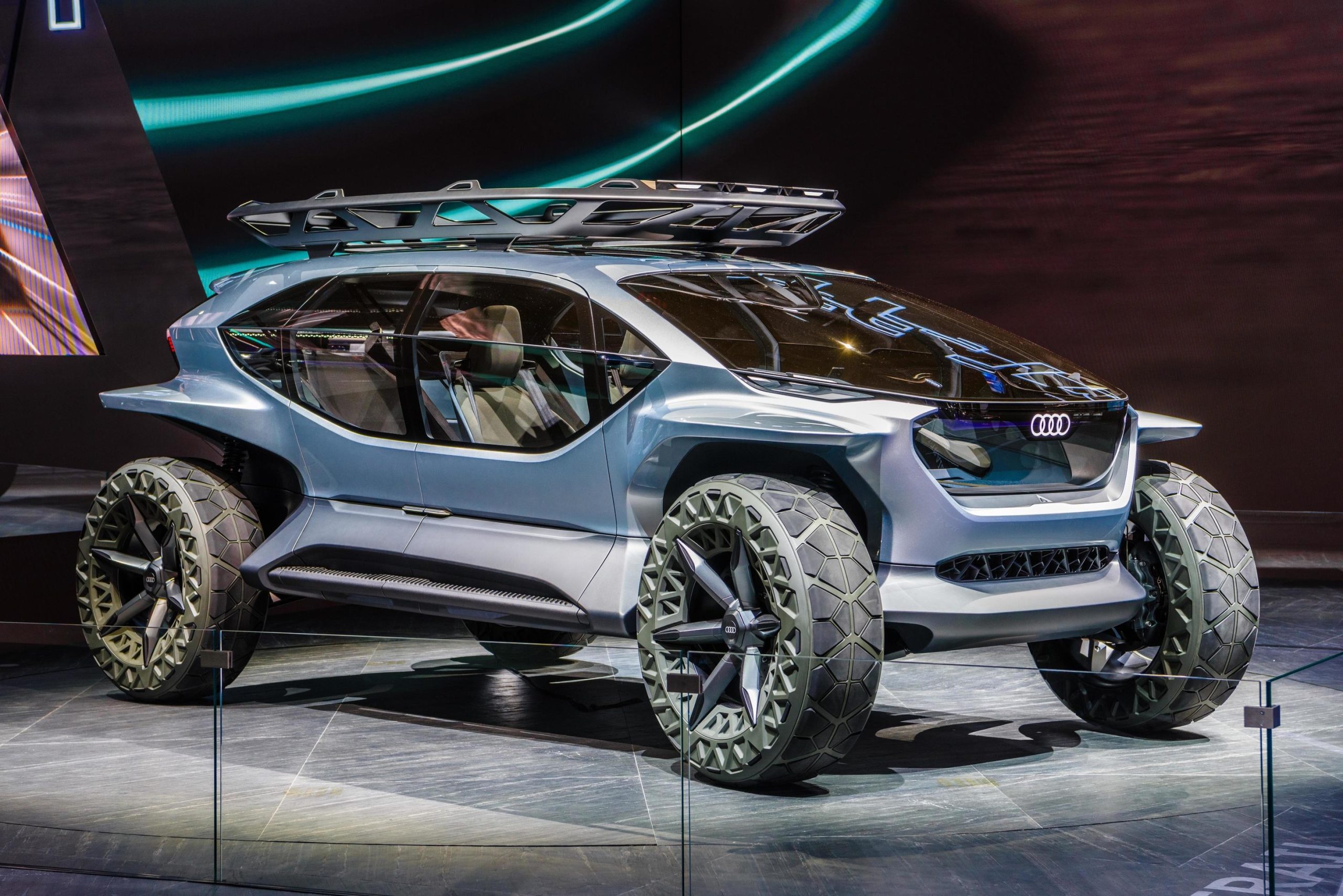
5. Audi AI:Trail (Production Concept/Tech Car)
The Audi AI:TRAIL quattro is a concept rather than a production model, so it cannot be compared directly with ordinary cars by counting factory-installed equipment.
Still, it belongs on a historical feature list because Audi packed the vehicle with ideas that were far ahead of conventional automotive design.
Its most famous feature is the set of five electrically operated, rotorless drones called Audi Light Pathfinders. Instead of relying solely on conventional headlights, the drones could fly ahead of the vehicle and illuminate the route.
Their onboard cameras could also send video back to the driver’s display through Wi-Fi, giving the vehicle a form of airborne visual assistance.
The concept also featured electric all-wheel drive, advanced off-road assistance, specialized suspension, camera-based visibility, a highly transparent cabin, and equipment designed around outdoor recreation. An Audi Light Companion served as a portable lighting and camera device that could leave the vehicle with occupants.
Those ideas give the AI:TRAIL an impressive feature variety, even though many were experimental. The important correction is that it was a concept, not a production car with a conventional options sheet.
Its place in this ranking reflects the density of technology and unusual functions Audi demonstrated in one vehicle rather than a certified production feature total.
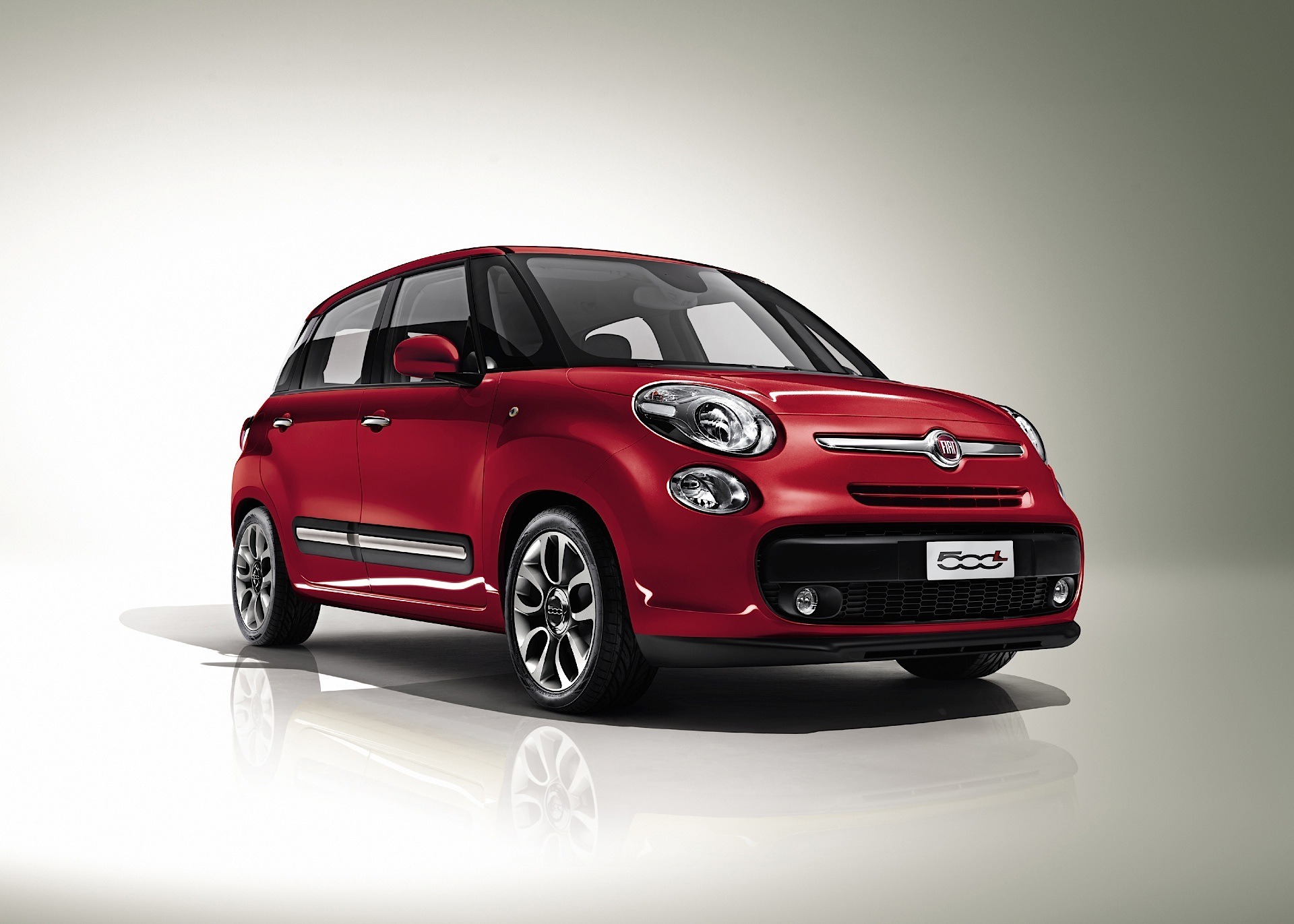
6. Fiat 500L with Espresso Machine (2012)
The Fiat 500L takes a unique approach to in-car comfort by bringing an unexpected feature into the cabin. It comes equipped with a built-in espresso machine, something rarely seen in a production car.
Fiat and Lavazza developed a dedicated setup using the A Modo Mio capsule system, with the machine mounted into a specially designed section of the cabin.
It could prepare espresso in less than two minutes, although safety requirements meant the car had to be stationary while the machine operated. That coffee maker was only one part of the 500L’s equipment story.
The model introduced Fiat’s Uconnect touchscreen infotainment system, allowing phones and media players to connect through Bluetooth and be controlled through voice commands, steering-wheel controls, or the touchscreen.
Buyers could also select a Beats audio system and City Brake Control, which monitored traffic conditions and could help prevent or reduce low-speed collisions.
The 500L therefore had a broader equipment list than the coffee machine alone suggests. Still, its feature volume was nowhere near that of the flagship luxury sedans above it. Its ranking is based on a mixture of technology, convenience, personalization, and one exceptionally unusual factory option.
The espresso system remains the reason the 500L stands out historically. It showed that an everyday family car could combine practical technology with a playful convenience feature.
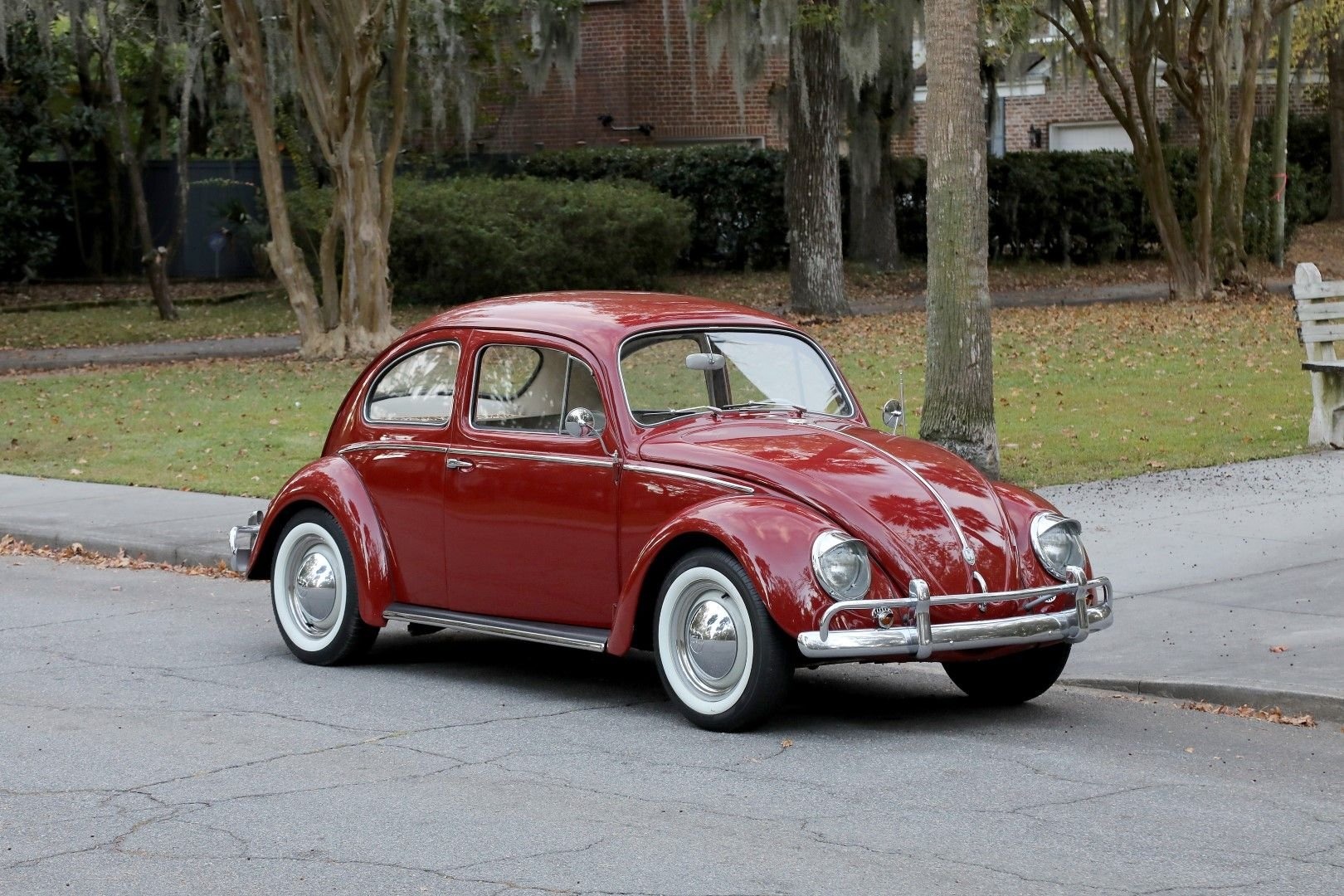
7. VW Beetle (1959)
The 1959 Volkswagen Beetle should be treated carefully because several claims in the supplied material are not supported by strong period evidence. In particular, the idea that a factory 1959 Beetle offered a built-in dashboard coffee maker is not something I would present as fact.
Modern suppliers do sell Beetle-compatible coffee makers, but that does not establish that Volkswagen offered such a device as an original factory option in 1959.
What made the Beetle technologically interesting was its underlying engineering. The car used an air-cooled rear-mounted flat-four engine, compact dimensions, independent suspension, and a design focused on simplicity and practical packaging.
Those characteristics helped make it remarkably distinctive for its period. It also offered different trim, upholstery, paint, and accessory choices depending on market and production year.
Yet those options should not be inflated into a modern-style feature count. A 1959 Beetle simply did not have the electronic driver aids, digital displays, automated parking, sophisticated climate systems, or multimedia equipment found in later luxury cars.
That correction lowers its position considerably. The Beetle remains historically important, but its feature count is modest compared with the vehicles ranked above it.
Its inclusion works best as an example of how automotive innovation once centered more heavily on mechanical design, packaging, durability, and affordability than on long electronic equipment lists.
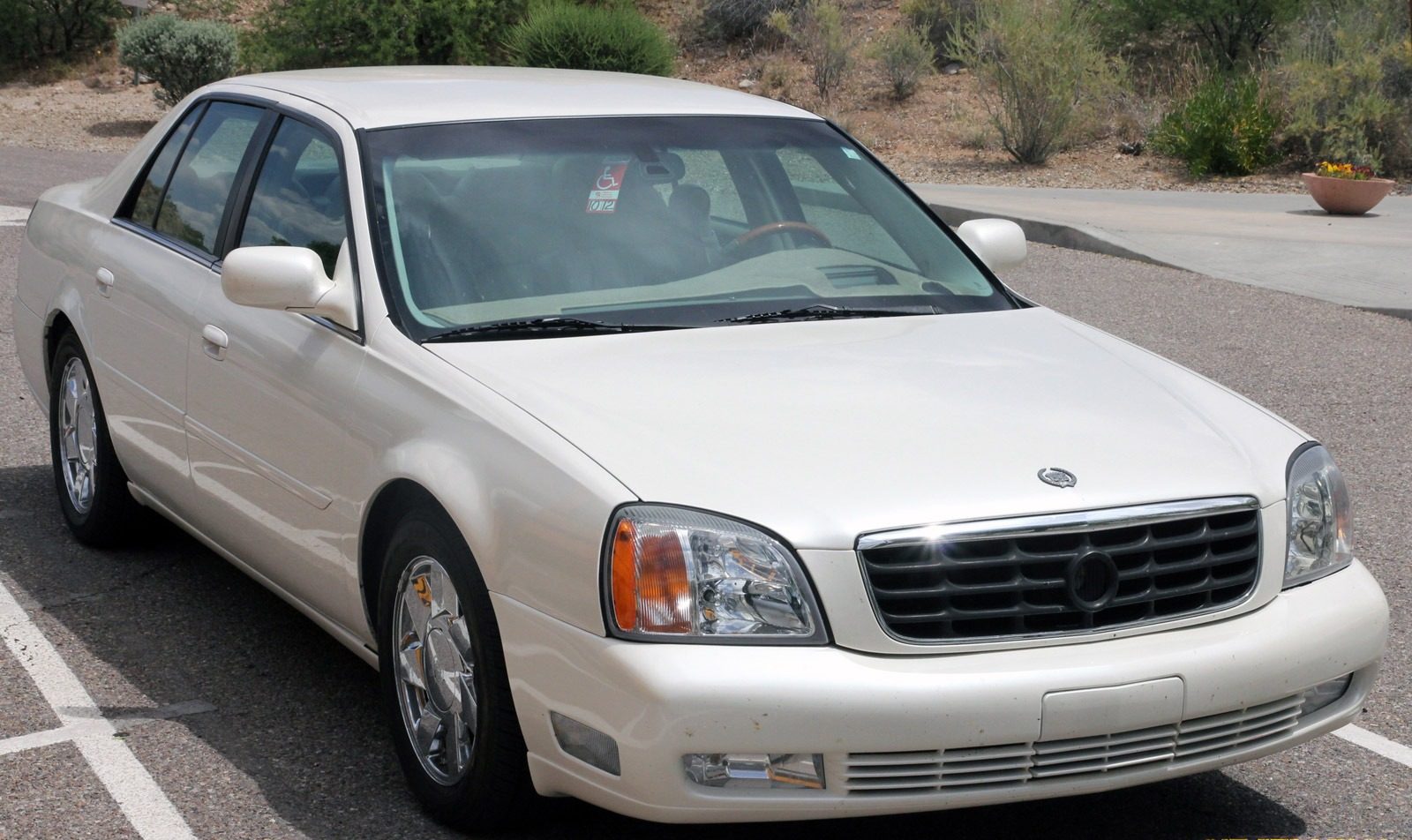
8. Cadillac DeVille Night Vision Package (2001)
Safety technology has advanced dramatically over the past two decades, but the 2001 Cadillac DeVille deserves credit for pushing into territory that felt genuinely ahead of its time when it debuted.
The infrared night-vision system represented one of the earliest attempts to bring military-derived technology into a mainstream luxury sedan, projecting a thermal image onto a display that let drivers spot pedestrians, animals, and obstacles well beyond the reach of standard headlights.
Adaptive lighting complemented this system, adjusting beam patterns based on driving conditions and speed to improve visibility during nighttime driving specifically.
Pedestrian detection, built directly into this early vision system, aimed to reduce a category of accidents that remains a serious safety concern even today, decades after this technology first appeared in production vehicles.
Heads-up warning indicators alerted drivers to potential hazards detected by the system, keeping critical information within the driver’s natural line of sight rather than forcing attention away from the road toward a separate display.
This combination of features arrived years before similar technology became more commonplace across the broader luxury segment, positioning Cadillac as a genuine innovator during a period when the brand was working hard to reestablish its reputation for cutting-edge engineering.
Looking back, the DeVille’s night-vision package stands as a clear example of a manufacturer taking a genuine gamble on unproven technology, one that would eventually influence safety systems found in countless vehicles across the industry today.
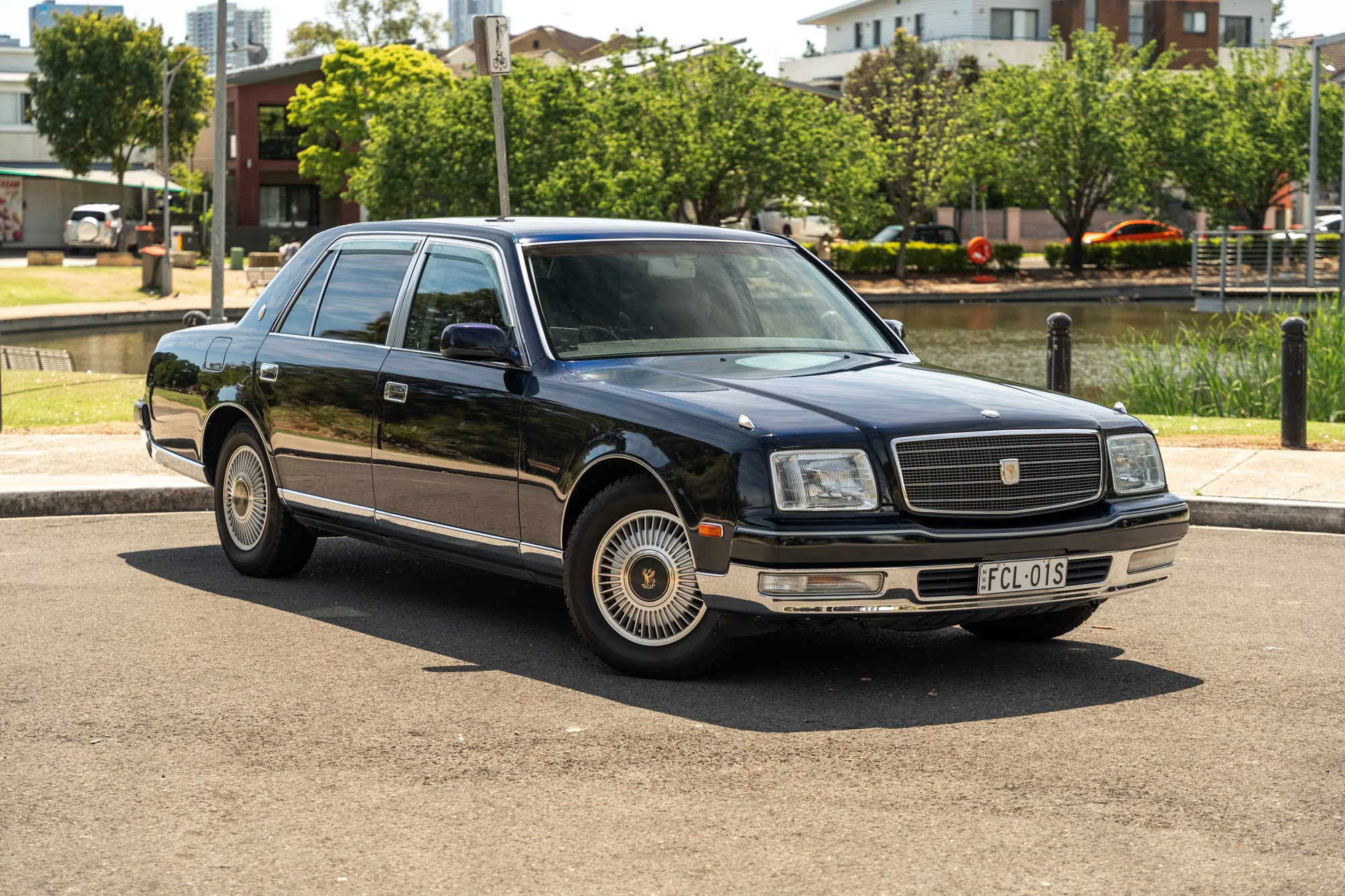
9. Hyundai Equis / Toyota Century – Lay-Flat Rear Seat Porthole (2002)
Luxury sedans built for markets that prioritize rear-seat passengers over drivers tend to approach comfort differently than Western models typically do, and both the Hyundai Equus and Toyota Century demonstrate that philosophy clearly through their lay-flat rear seat systems introduced around 2002.
Rather than simply reclining, these seats transform into genuinely flat positions, allowing rear passengers to stretch out fully during longer journeys in a way that mimics business-class airline seating far more than typical automotive comfort features.
An integrated entertainment system accompanies this seating arrangement, ensuring passengers have something to occupy their attention whether they choose to relax in a reclined position or remain upright for the duration of a trip.
Luxury trims throughout both vehicles reinforce this passenger-focused philosophy, with materials and finishes selected specifically to create an atmosphere befitting executives or dignitaries being chauffeured rather than driving themselves.
This approach reflects a broader cultural difference in how luxury gets defined across different markets, with certain regions placing considerably more emphasis on rear-seat experience than front-seat driving dynamics.
Both the Equus and Century built their reputations largely around this specific philosophy, understanding their target buyers were far more likely to occupy the back seat than the driver’s position.
That focus on rear-passenger comfort, delivered through genuinely innovative seating engineering, secures both vehicles a place among cars that pushed feature development in a direction most Western luxury automakers hadn’t seriously considered at the time.
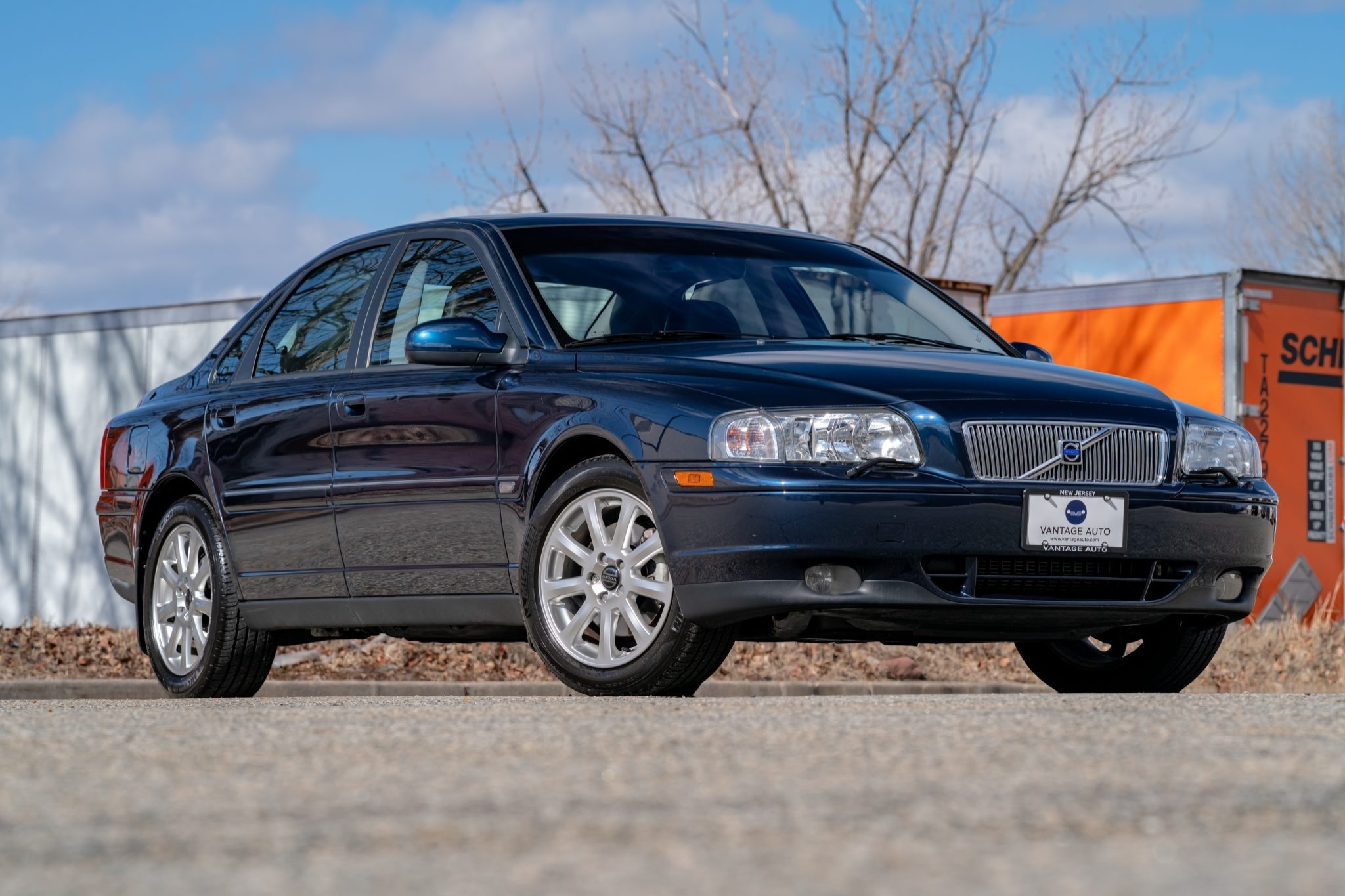
10. Volvo S80 Personal Communicator with Heartbeat Sensor (2003)
The Volvo S80 stands out for its Personal Car Communicator, which introduced an early and innovative approach to remote vehicle monitoring. One detail does need correcting, however. Volvo introduced the Personal Car Communicator with the S80 for the 2007 model year, not 2003.
The device functioned as a two-way security communicator. From outside the vehicle, the owner could check whether the car was locked, determine whether its alarm had been triggered, and receive information about the vehicle’s security status.
Its most unusual function was a heartbeat sensor designed to detect whether a person was inside the vehicle. That was an inventive safety and security idea for its period.
Rather than limiting the key fob to locking and unlocking, Volvo gave it a small amount of remote intelligence. The system could communicate information back to the owner and provide an additional warning if the vehicle’s interior appeared occupied.
Still, the S80’s communicator does not represent a huge feature count by today’s standards. It earns the tenth position because the specific technology was unusual and because Volvo combined security, remote communication, and occupant detection in a production sedan.
The broader lesson from this ranking is straightforward. The cars with the most equipment are usually those that bring together a wide range of features. A single clever gadget can make a car memorable, but modern luxury flagships stand out by using technology throughout the entire driving and passenger experience.
If you want, I can also produce a more SEO-focused version with a stronger title, meta description, keyword placement, and a cleaner magazine-style structure while keeping every required subheading exactly unchanged.