
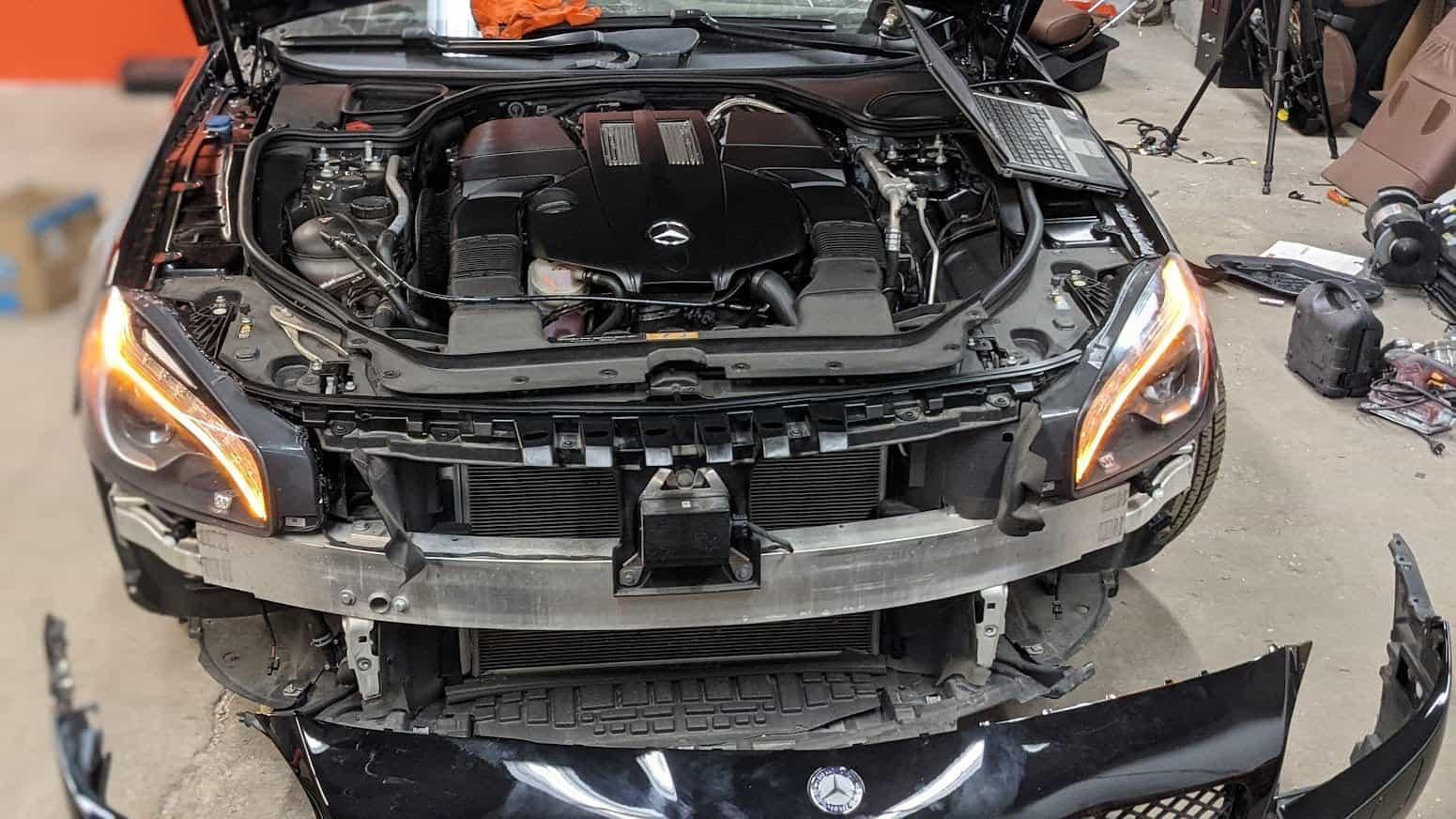
Car buyers often think trim levels mainly determine comfort, features, and appearance. In reality, the trim you choose can have a major impact on future repair costs. Higher trims often add sophisticated equipment such as adaptive headlights, air suspension, massaging seats, and carbon-ceramic brakes. These components are not only more expensive to replace, but they can also make repairs considerably more costly.
They’re harder to diagnose, require calibration, and often can’t be repaired piecemeal. A single headlight or shock absorber can cost ten times more on the flagship trim than the base model.
This list breaks down ten real examples, drawn from parts pricing, dealer invoices, and repair-cost data. Each entry compares what the base trim uses against what the loaded trim swaps in, and why that swap multiplies the repair bill. The goal isn’t to scare you off loaded trims. It’s to show you exactly where the hidden cost lives before you sign the paperwork.
1. Audi A8 – Halogen Bulb vs. Matrix LED/Laser Headlight
The Audi A8’s base lighting setup uses simple halogen or basic LED reflector units. These bulbs cost under a hundred dollars and bolt in without any coding.
The top-trim Matrix LED and laser headlight units are an entirely different animal. They pack dozens of individually controlled LEDs, sensors, and steering modules into one sealed housing.
Owners have reported dealer parts pricing for a single matrix headlight assembly running into the thousands. One widely cited 2018 parts update priced a pair of matrix headlights at over $7,000 US to replace if damaged. That’s not a typo. A minor parking-lot tap that cracks the housing on a loaded A8 can total out the headlight budget for an entire base-trim car.
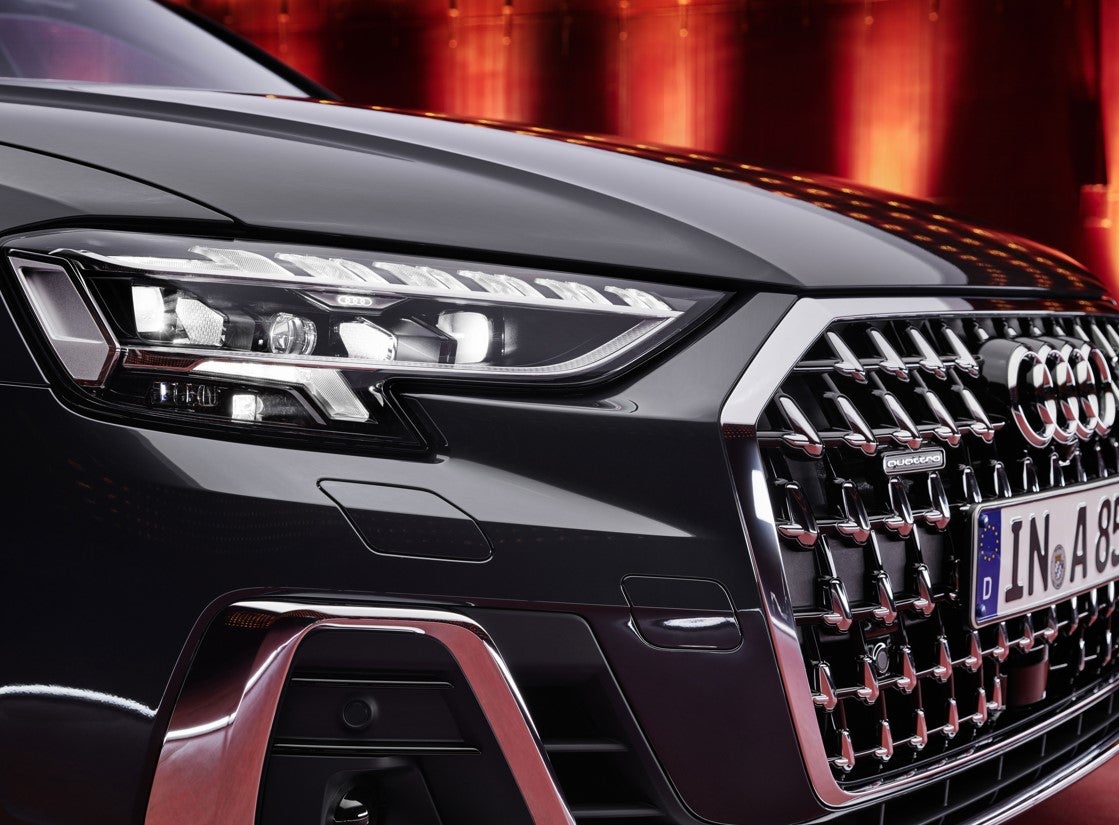
The base halogen unit, by contrast, is a bulb swap. No coding, no sensor calibration, no five-figure invoice. This is the single clearest example on this list of a “feature” turning into a financial liability the moment it needs replacing.
2. BMW 5 Series – Halogen Reflector vs. Laser Light System
BMW’s entry-level 5 Series trims still ship with halogen projector headlights on many markets. A single OEM halogen headlight assembly retails at roughly $637. That’s already a premium part by mass-market standards. But it looks cheap next to what BMW charges for the top-tier lighting hardware.
BMW’s Laser Light and Matrix LED units operate as adaptive systems below highway speed, then switch to laser-assisted high beams above it. Retail pricing for just the matrix LED headlamp assembly has been listed at over $3,200 for a single side.
Double that for a pair, then add coding and aiming labor. A fender-bender that would cost a base 5 Series owner one bulb can cost a loaded M-Sport or laser-equipped owner five times as much.
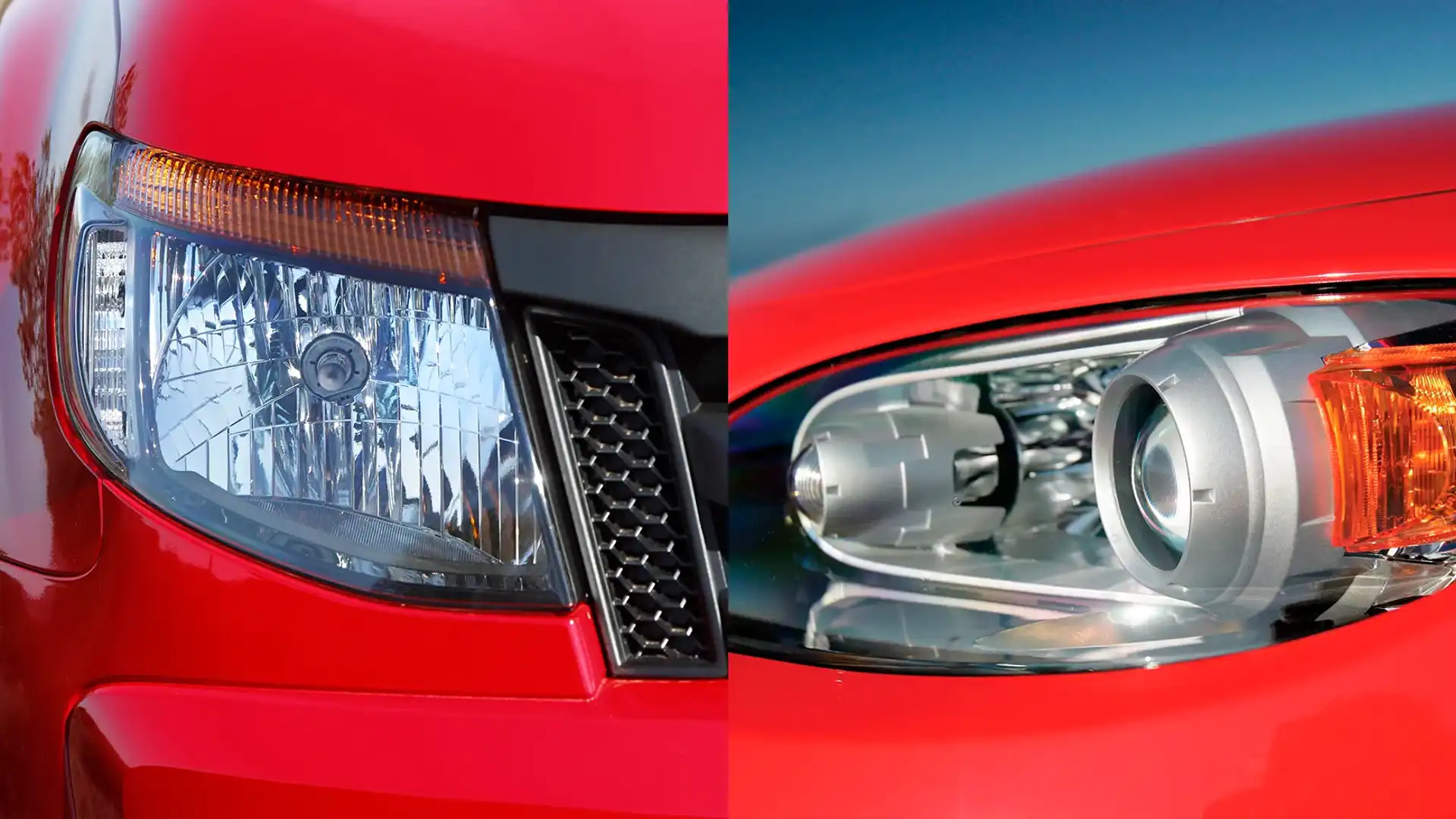
The gap isn’t just about parts. Laser modules require BMW-specific diagnostic software to activate and calibrate correctly. Independent shops often can’t touch them, pushing owners back to the dealer network at dealer labor rates.
3. Mercedes E-Class – Steel Coil Springs vs. AIRMATIC Air Suspension
The base Mercedes E-Class rides on conventional steel coil springs and standard shock absorbers. These parts are shared across the broader automotive supply chain and are cheap to source.
Move up to AIRMATIC-equipped trims, and the car swaps in air springs, height sensors, and an electric compressor that constantly manages ride height. It’s a genuinely impressive system when it works.
When it doesn’t, repair estimates for the air compressor alone run between $862 and $919 on older E-Class models, and between $1,123 and $1,218 on higher-output variants like the E550.
That’s just the compressor. Individual air springs and struts are priced separately, and mechanics routinely warn that a leaking air spring or failing compressor can cascade into a much larger bill if ignored.
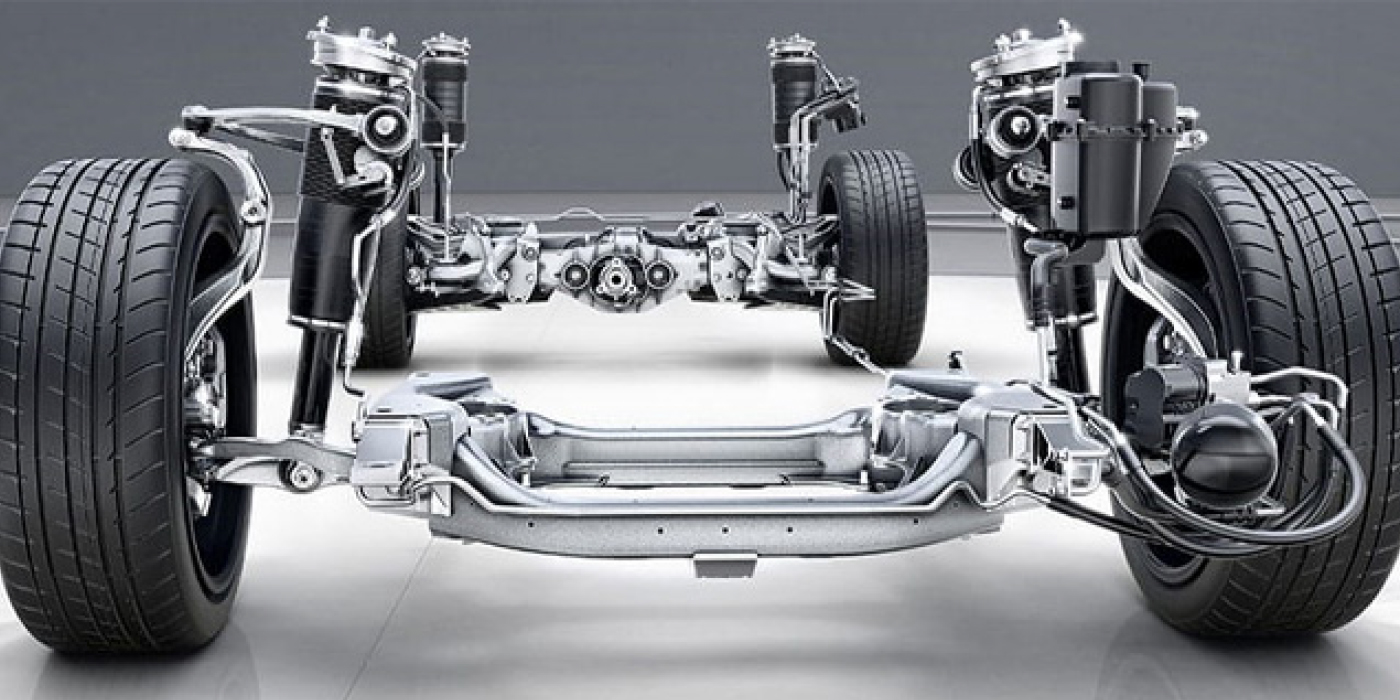
A steel spring, by comparison, is a fixed-rate part with no electronics involved. It doesn’t leak air overnight, and it doesn’t need a compressor to keep it inflated.
Multiple independent Mercedes specialists note that AIRMATIC repair costs are one of the most common reasons AIRMATIC cars get traded in early.
4. Jeep Grand Cherokee – Coil Springs vs. Quadra-Lift Air Suspension
The Laredo and base Grand Cherokee trims use a traditional coil-spring suspension. It’s simple, durable, and cheap to service at any general repair shop.
Higher trims like the Overland, Summit, and Trailhawk offer Quadra-Lift, Jeep’s electronically adjustable air suspension system. It raises and lowers the ride height for towing, off-roading, or highway cruising.
The system relies on an air compressor, four air springs, and height-sensing modules tied into the vehicle’s computer. When any of these fail, the diagnostic process alone can take hours of dealer labor.
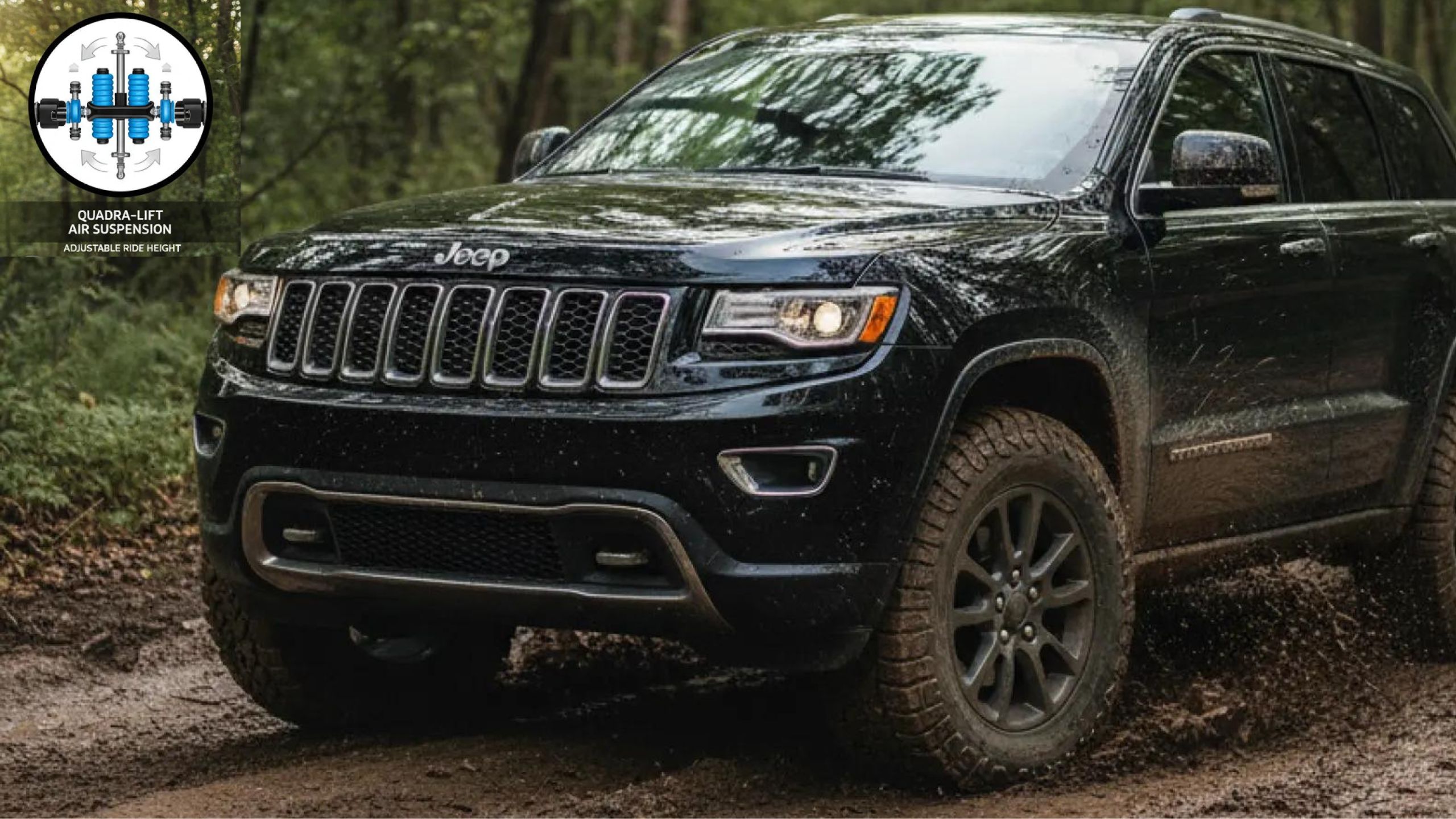
Full air spring and compressor replacement on these Jeeps commonly runs well into four figures. Owners on Jeep forums frequently compare notes on compressors failing around 60,000 to 80,000 miles.
A coil-spring Laredo owner facing a worn spring or shock pays a fraction of that. The part is a shelf item at any parts store, not a dealer-only module. This is a textbook case of a comfort feature quietly becoming an expensive maintenance item after the warranty runs out.
5. Cadillac Escalade – Conventional Shocks vs. Magnetic Ride Control
Cadillac’s base Escalade trims use twin-tube hydraulic shock absorbers, the same basic technology found in most trucks and SUVs. They’re inexpensive and easy to replace at any shop.
Loaded Escalades come with Magnetic Ride Control, GM’s electronically variable damping system. It uses magnetorheological fluid that changes viscosity in milliseconds based on road conditions. These shocks aren’t rebuildable. When the internal fluid or electronics fail, the entire unit must be replaced as a sealed assembly.
Aftermarket and dealer pricing for a single MagneRide shock commonly runs several times higher than a standard twin-tube unit, and all four corners often need attention around the same mileage. Labor is also higher since wiring harnesses for the magnetic coils have to be disconnected carefully.
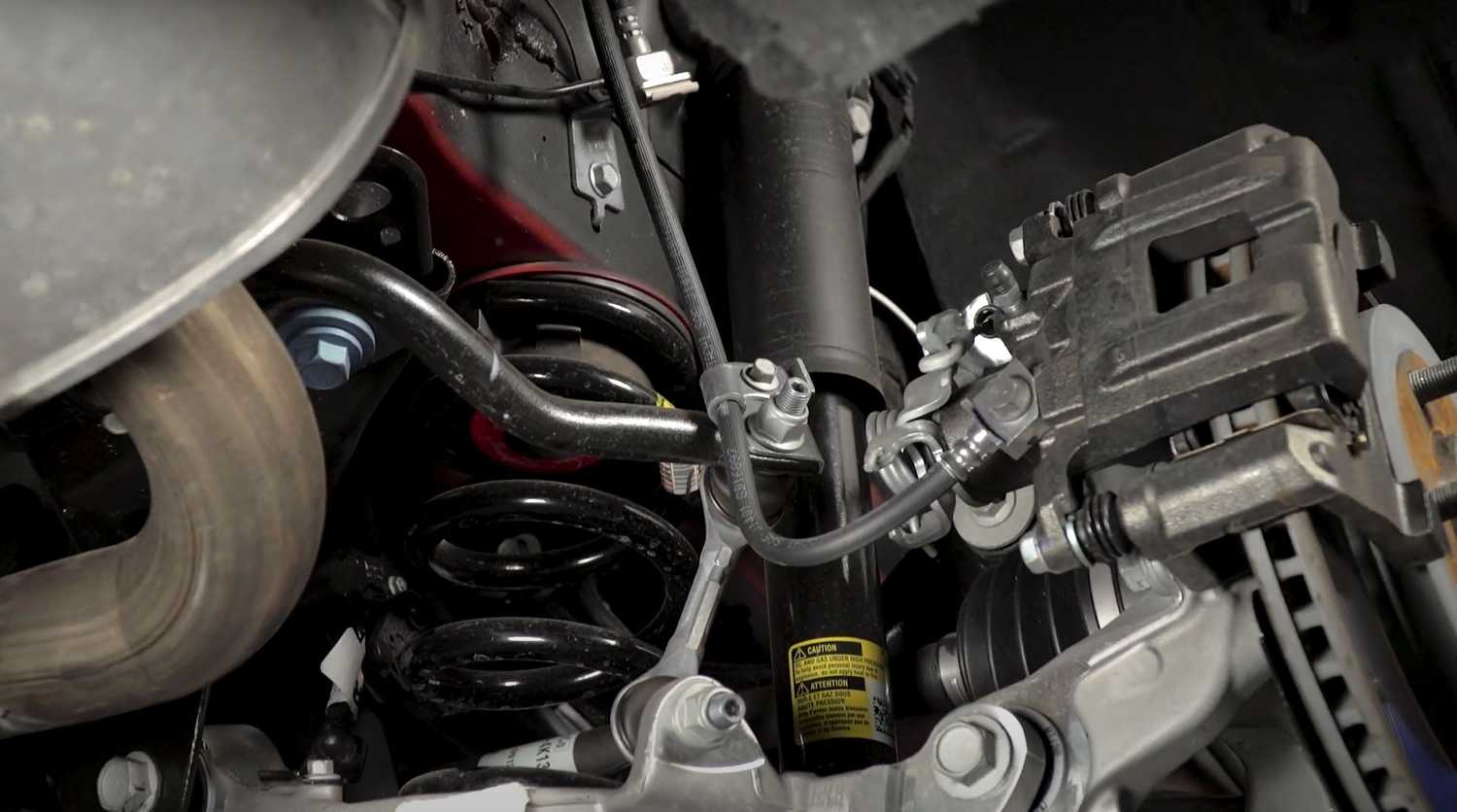
A base Escalade or Tahoe with standard shocks can have all four corners replaced for a fraction of what a single MagneRide corner costs on the loaded trim. Owners of high-mileage MagneRide Escalades frequently report total suspension refresh costs that rival a used car down payment.
6. Porsche 911 – Steel Brakes vs. PCCB Carbon-Ceramic Brakes
Every 911 comes standard with steel brake rotors and calipers. They’re strong, track-capable, and can be resurfaced or replaced using widely available parts.
The optional PCCB carbon-ceramic brake package is a different proposition entirely. Each rotor is made from a carbon-fiber-reinforced ceramic compound bonded through a manufacturing process that takes weeks.
A full set of PCCB rotors and pads has historically priced well beyond $8,000 to $10,000 from Porsche, compared to roughly $1,000 to $1,500 for a comparable steel brake job. That’s not a small gap, it’s an order of magnitude.
PCCB rotors also can’t simply be resurfaced when they wear unevenly. In most cases, a damaged ceramic rotor means full replacement, not a quick lathe job.
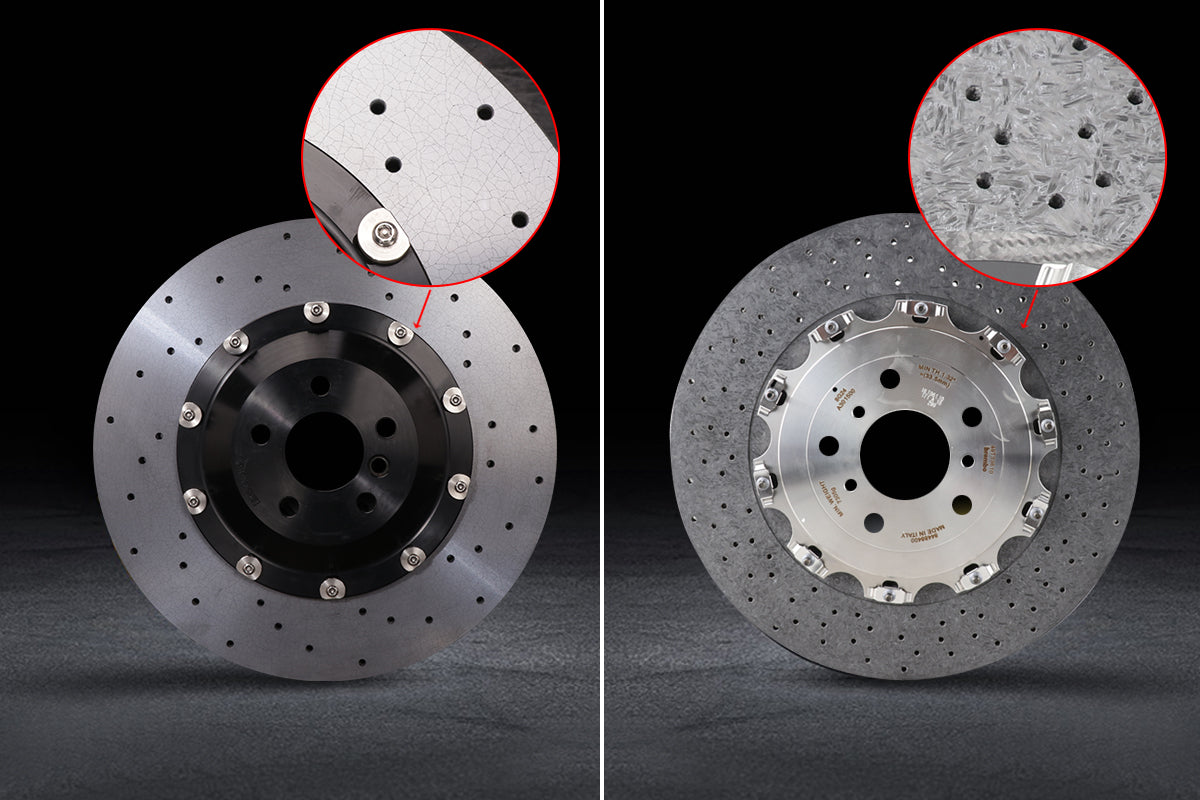
Steel-braked 911 owners can source pads and rotors from dozens of aftermarket brands. PCCB owners are largely locked into Porsche’s parts network. This is one of the most extreme cost gaps on this list, and it’s why many track-day 911 owners deliberately skip the ceramic option.
7. Ford F-150 – Halogen and Cloth vs. Platinum’s Adaptive Tech
A base F-150 XL rolls off the line with steel bumpers, halogen headlights, and manual cloth seats. Every one of these parts is cheap, standardized, and easy to find.
The Platinum and Limited trims add adaptive LED headlights, massaging and ventilated leather seats, and camera-based driver assistance systems tied to the windshield.
Replacing a cracked windshield on an ADAS-equipped F-150 isn’t just glass work anymore. The forward-facing camera has to be recalibrated afterward, often requiring a trip to a specialty shop or dealer.
Massaging seat modules add motors, wiring, and control units that don’t exist on the base cloth seats. When one fails, diagnosing which module is at fault can take longer than the repair itself.
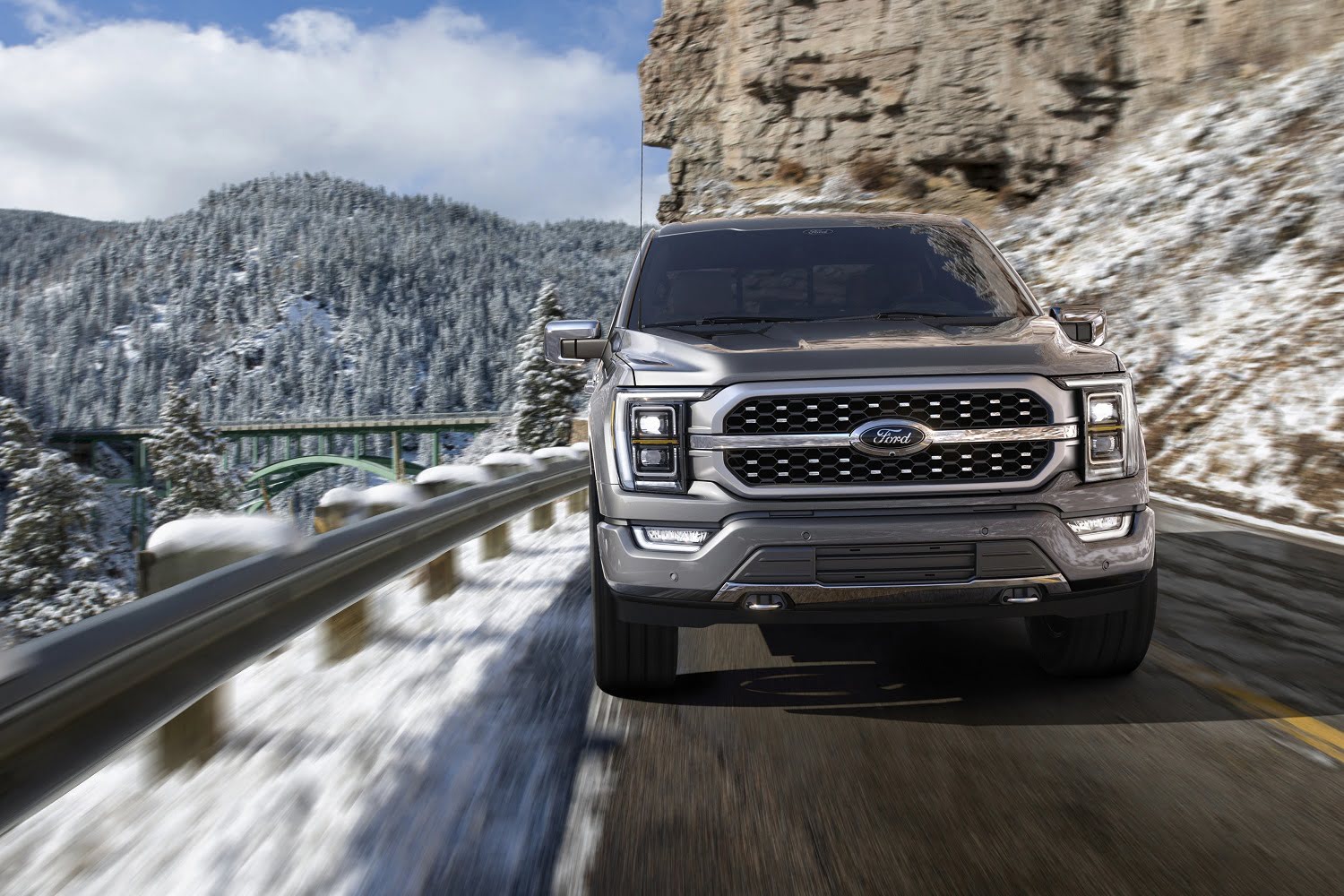
A base XL owner with a cracked windshield pays for glass and installation. A Platinum owner pays for glass, camera calibration, and sometimes a scan tool session just to clear fault codes. Add up enough of these small tech gaps across one truck, and the repair bill difference becomes very real over a vehicle’s lifetime.
8. Range Rover – Coil-Sprung Base Models vs. Autobiography’s Air Suspension
Older and entry-level Range Rover configurations used coil springs before air suspension became standard across most of the lineup. Even today, replacement parts culture around these trucks shows a massive cost split.
Autobiography and top-spec trims run electronically controlled air suspension with continuous adaptive damping. Individual OEM struts for these systems have been priced by dealers at roughly $1,500 each, according to parts-department staff quoted online.
Aftermarket air suspension compressors for these Range Rovers commonly sell in the $600 to $900 range on their own. Independent shops routinely note that air spring or strut failures can run into a thousand dollars per corner, with compressor assemblies adding hundreds to thousands more.
Multiply that across four corners plus a compressor, and a full air suspension refresh on a loaded Range Rover can outprice an entire coil-spring suspension job many times over.
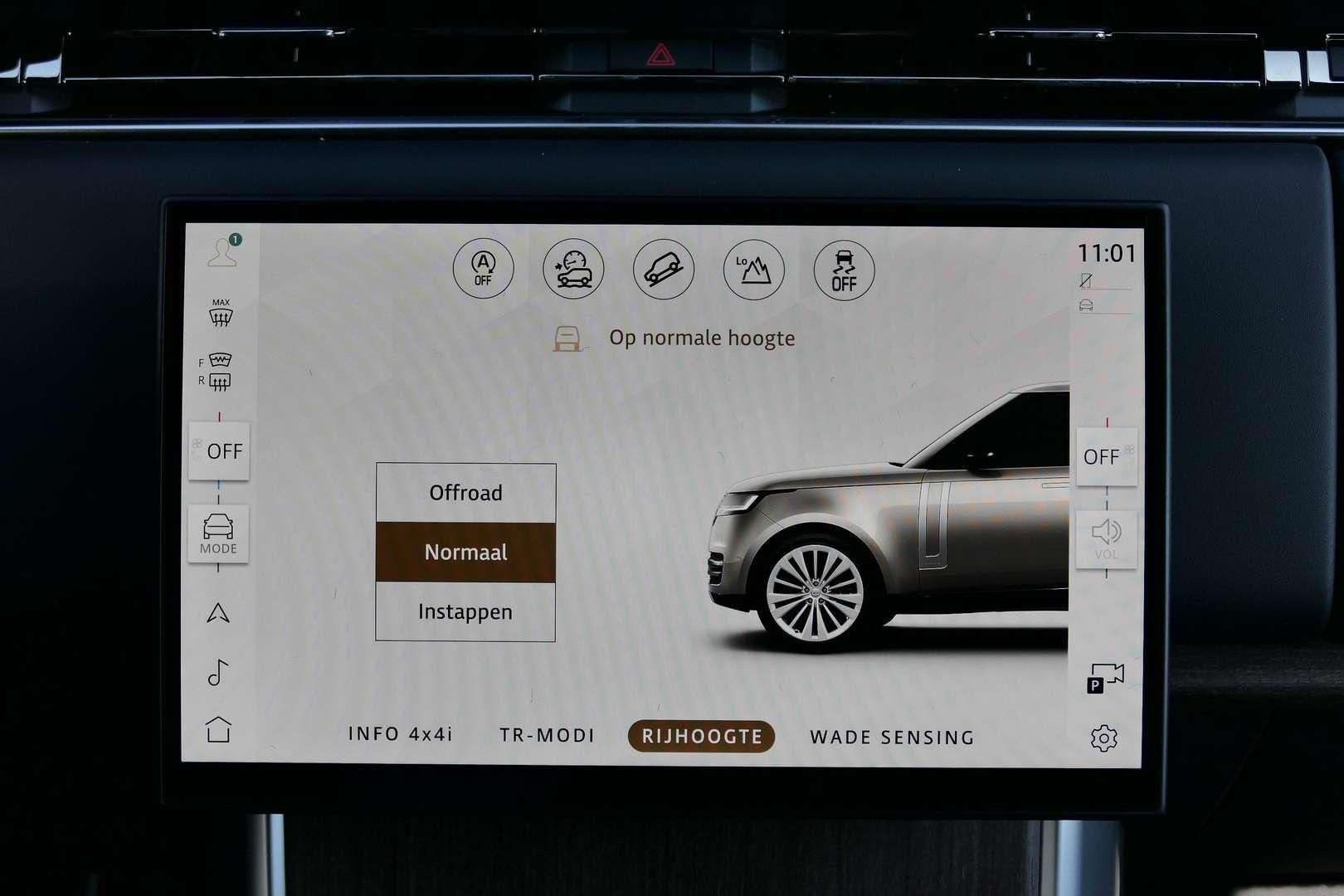
Coil-sprung Range Rover variants, or comparable Land Rover trims without air suspension, use conventional springs and dampers that any general shop can source and install. This is a major reason used, high-mileage Range Rovers with failing air suspension sell for so much less than their book value would suggest.
9. Genesis GV80 – Cloth Base Interior vs. Loaded Nappa Leather Tech Package
The base GV80 trims use cloth or basic leatherette seating with manually adjustable functions and a smaller standard sunroof. These components are mechanically simple and cheap to service.
The top Prestige and Calligraphy trims add quilted Nappa leather massage seats, a panoramic sunroof, and a head-up display projected onto the windshield.
A panoramic sunroof failure, whether it’s a motor, seal, or cracked glass panel, costs significantly more to fix than a smaller fixed or single-pane sunroof due to the size and complexity of the glass and tracking mechanism.
Head-up display systems use projector hardware built into the dashboard and depend on a specially treated windshield for proper operation. Replacing the glass is therefore more complicated than a standard windshield job. The replacement must have the correct HUD-compatible part number, followed by the necessary recalibration to ensure the system works properly.
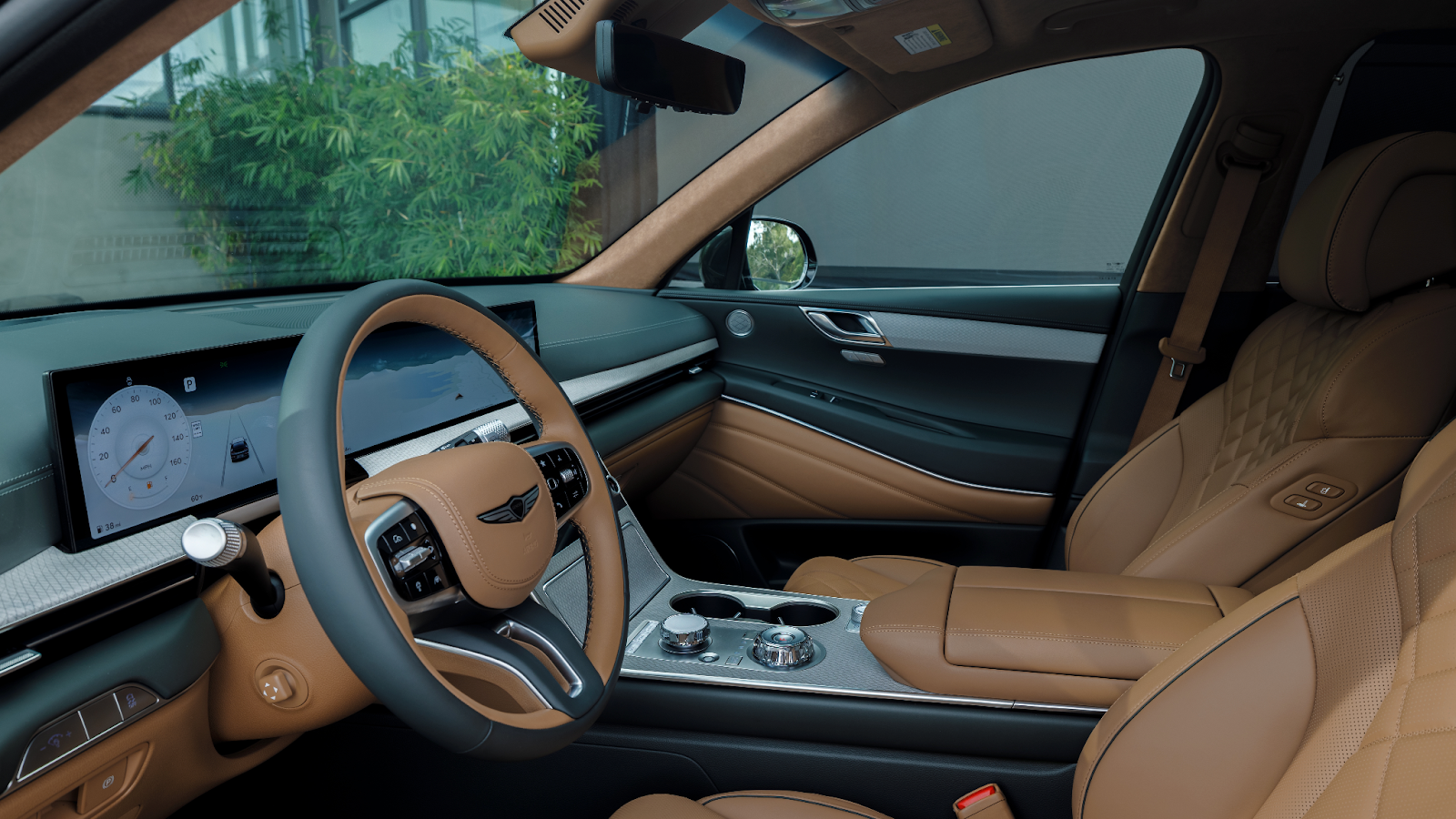
Massage seat modules add motor assemblies and air bladders inside the seat cushion, multiplying the points of failure compared to a manually adjustable seat.
None of these systems are catastrophically expensive on their own, but stacked together, they turn routine wear-and-tear repairs into specialty jobs with narrower parts availability.
10. Chevrolet Corvette – Base FE1 Suspension vs. Z51’s Magnetic Ride and Carbon Wheels
The standard Corvette Stingray with the FE1 suspension package uses a conventional passive damper setup. It’s tuned well, but mechanically it’s a straightforward coil-over-shock design.
Opt for the Z51 performance package, and the Corvette can be equipped with Magnetic Ride Control shocks and optional carbon-fiber wheels, both aimed at track use.
Magnetic Ride shocks carry the same sealed-unit replacement problem seen on the Escalade. They can’t be rebuilt at a general shop, and GM parts pricing reflects that specialization.
Carbon-fiber wheels are even more extreme. A curbed or cracked carbon wheel typically cannot be repaired at all, unlike an aluminum wheel that can often be straightened or welded.
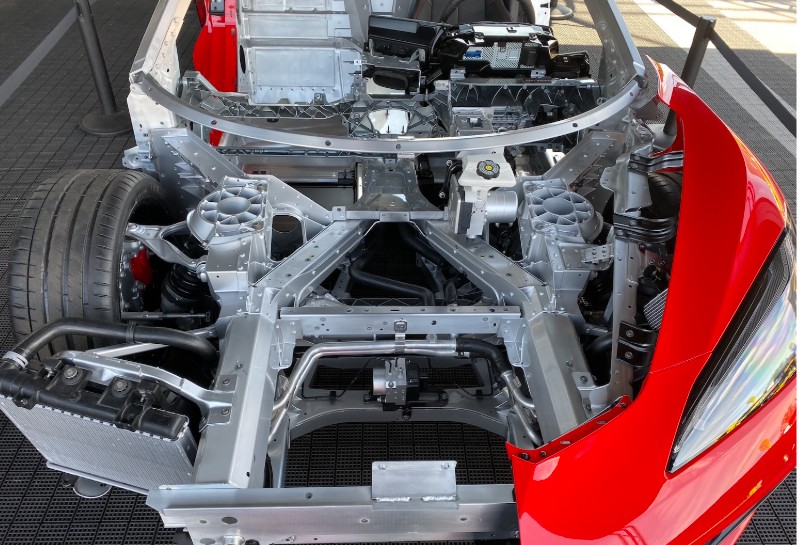
Replacement carbon-fiber Corvette wheels have been priced by owners well into four figures per wheel, compared to a few hundred dollars for a standard aluminum replacement.
A base Stingray owner who curbs a wheel on a pothole pays for a wheel. A Z51 owner with carbon wheels may be shopping for a replacement that costs as much as a used economy car.
