
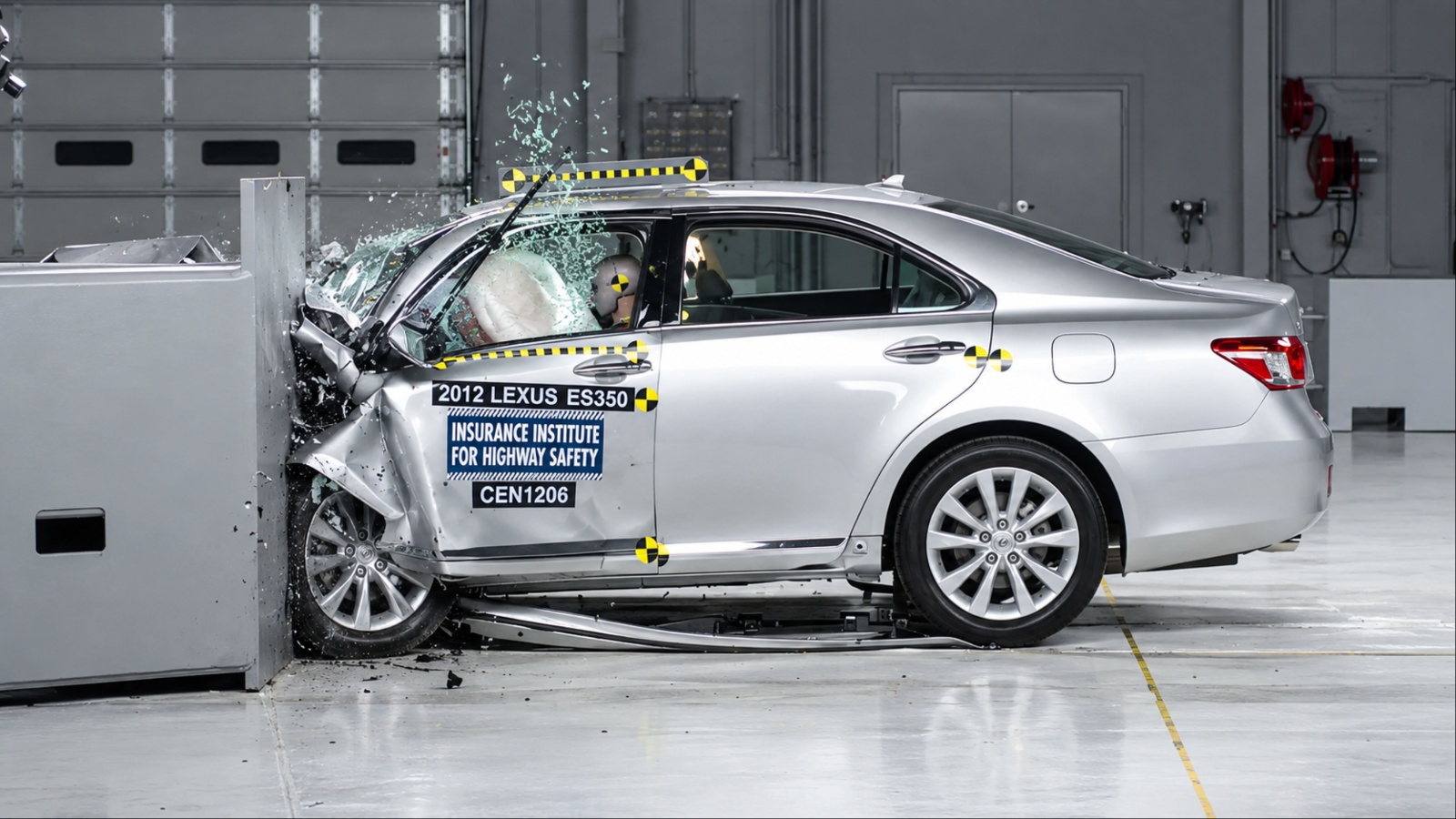
Crash test ratings feel like a universal language. A five-star badge should mean the same thing everywhere. But it doesn’t. American and European crash agencies test different things, in different ways, with different priorities.
The U.S. National Highway Traffic Safety Administration focuses heavily on structural crashworthiness. Euro NCAP layers in pedestrian protection, child safety, and mandatory driver-assist technology.
That gap in methodology creates strange outcomes. A car can dominate NHTSA’s five-star chart and then stumble badly under Euro NCAP’s stricter lens.
Sometimes it’s about missing tech, like automatic braking being standard in the U.S. but optional or absent in Europe. Sometimes it’s pedestrian-impact zones that American testing simply doesn’t weigh as heavily.
The following ten vehicles all earned solid or excellent safety marks from American regulators. Each one also underperformed, sometimes dramatically, when Euro NCAP put it through its paces.
These aren’t clickbait exaggerations. They’re documented, publicly available test results from both sides of the Atlantic. Understanding why the numbers diverge says less about any single car being dangerous. It says more about how safety itself gets defined differently depending on where you’re standing.
1. Ford Mustang
The 2017 Ford Mustang carried a five-star rating from NHTSA. It also earned “Good” marks across nearly every IIHS category. Then Euro NCAP tested the same generation car in early 2017. The result was a two-star rating, the lowest score any mainstream manufacturer had recorded in almost a decade.
The breakdown explained why. Adult occupant protection came in at 72 percent, respectable but unremarkable by European standards. Child occupant protection scored just 32 percent. Safety assist technology, meaning forward collision warning and automatic braking, scored a mere 16 percent.
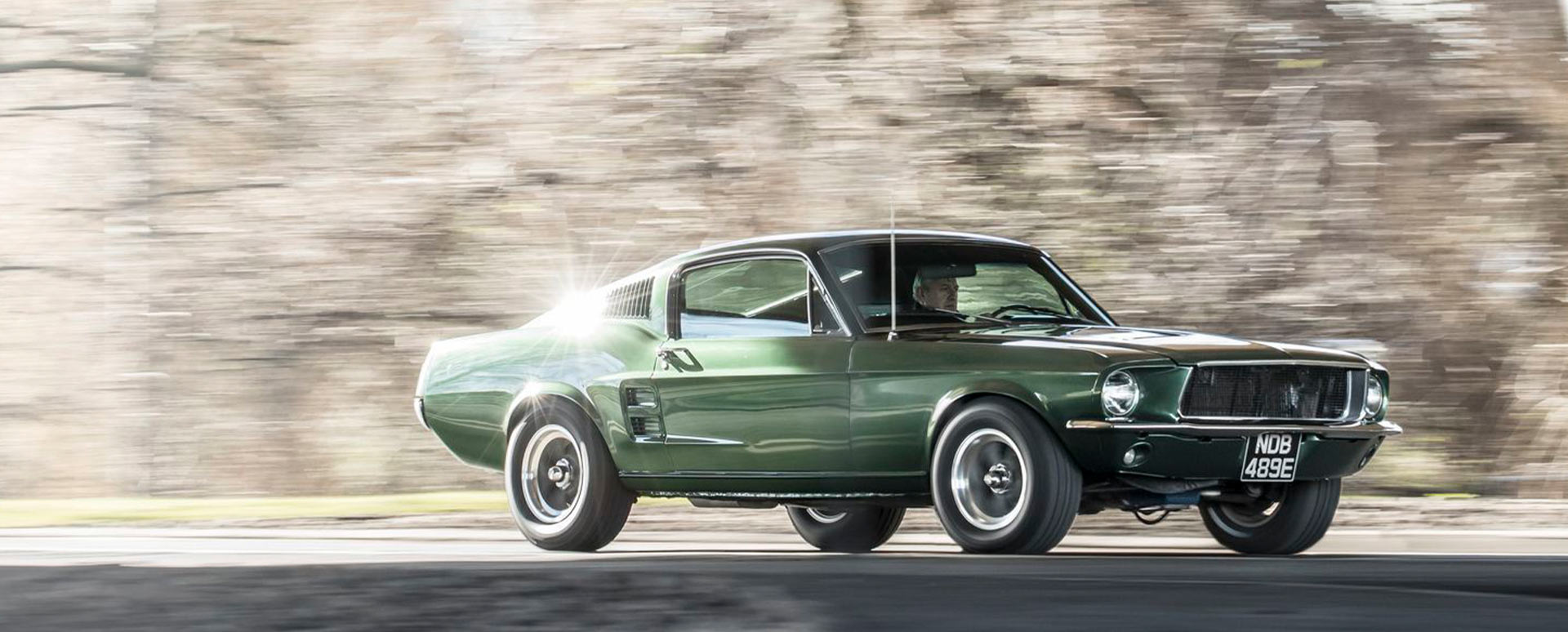
Euro NCAP’s engineers found specific hardware problems too. In the frontal offset test, airbags for both the driver and passenger failed to inflate enough to properly cushion occupants.
In the full-width frontal test, rear passengers slid beneath their seatbelts due to missing pretensioners and load limiters. That’s a mechanism that tightens the belt on impact.
Ford’s own explanation centered on trim differences. American Mustangs came equipped with more standard safety technology than their European counterparts at the time.
The European-spec car lacked forward collision warning entirely. It had also dropped some equipment during localization for EU pedestrian regulations.
Ford responded quickly. The facelifted 2018 Mustang added standard automatic emergency braking, pedestrian detection, and lane-keeping assist for the European market.
That updated car later scored three stars in a Euro NCAP retest. Still far from the segment leaders, but a meaningful improvement over the original two-star result.
The Mustang case remains one of the clearest examples of the transatlantic safety gap. Same car, wildly different verdict, purely because of feature packaging and test priorities.
2. Jeep Wrangler
Few vehicles illustrate the divide as starkly as the Jeep Wrangler JL. In December 2018, Euro NCAP awarded it a single star out of five. That made it one of the lowest-scoring new vehicles the organization had tested in years. Only the Fiat Panda and Fiat Punto had scored as poorly around that time.
Adult occupant protection landed at just 50 percent. The rear passenger’s neck and chest protection were both flagged as weak in frontal testing. Euro NCAP’s biggest complaint wasn’t about the Wrangler’s structure, though. It was about what the vehicle lacked entirely.
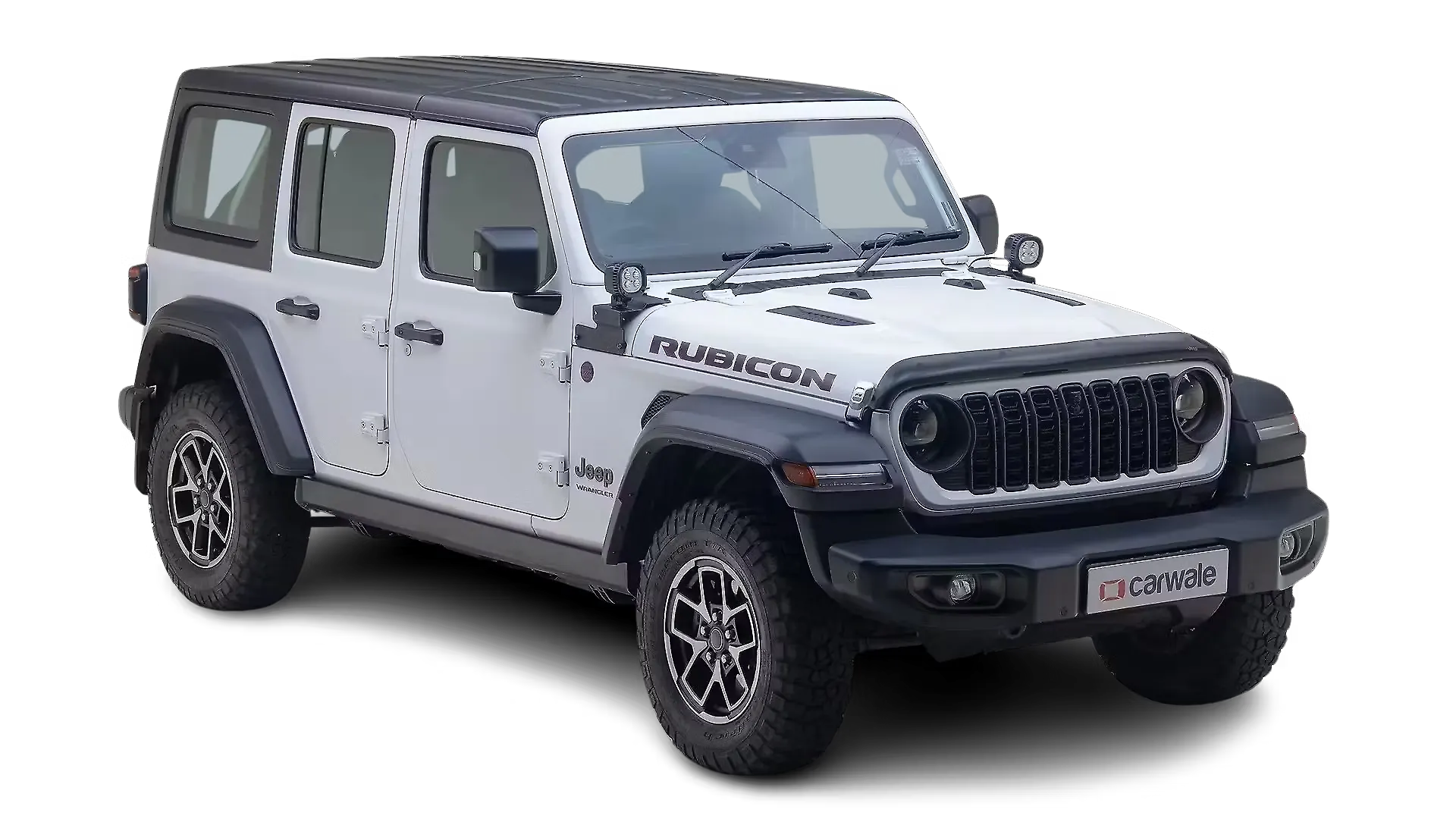
No autonomous emergency braking system was fitted. No lane-keeping assistance existed either, technologies that had become near-standard on competing SUVs by 2018.
Secretary General Michiel van Ratingen called it “truly disappointing” for a brand-new 2018 vehicle to launch without these systems. He specifically called out the Fiat Chrysler Automobiles group by name.
Meanwhile, in the United States, the Wrangler’s boxy, body-on-frame design continued selling in huge numbers. Buyers weren’t scared off by the European score at all.
NHTSA’s limited early testing gave the Wrangler three out of five stars for frontal crash protection specifically. That’s not perfect, but it reflects a completely different weighting system than Euro NCAP’s.
The side-impact results actually favored the Wrangler on both continents. Euro NCAP awarded maximum points there, acknowledging good protection for occupants.
The core issue was philosophical as much as mechanical. Wranglers are engineered around off-road durability and a separate ladder frame, not the crumple-zone physics that modern crash tests reward.
Jeep pointed out publicly that the Wrangler met or exceeded federal requirements everywhere it was sold. That’s true, but it didn’t change Europe’s harsh verdict.
3. Jeep Compass
Before its 2017 redesign, the original Jeep Compass had a rough relationship with Euro NCAP. The pre-facelift model scored just two stars. Testing conducted in 2011 and again reassessed later found major weaknesses in pedestrian protection. That category came in at a startling 23 percent.
Euro NCAP explained that this single weak area capped the entire rating. Under its scoring rules, poor pedestrian protection limits the maximum score regardless of other results.
The adult occupant protection score of 61 percent was also flagged as the lowest among comparable compact SUVs tested at the time. That’s a meaningful gap versus rivals.
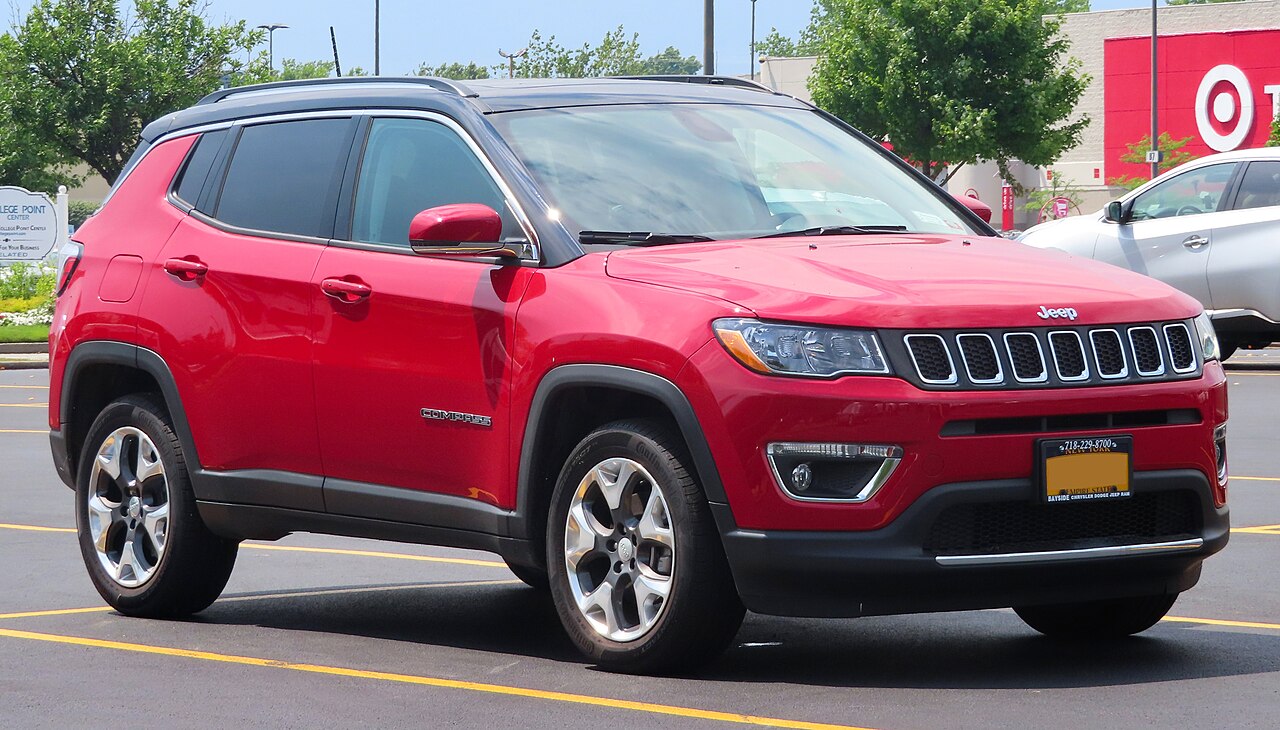
Meanwhile, American buyers saw a different picture entirely. The Compass earned respectable NHTSA marks and continued to be marketed as a safe, family-friendly crossover.
The disconnect became a genuine embarrassment for Jeep’s parent company. Executives in Australia even predicted the same car would score four stars under ANCAP’s slightly different methodology.
Things changed dramatically with the redesigned 2017 Compass. That version, sold globally with updated structure and standard autonomous braking, scored a full five stars from Euro NCAP.
The turnaround was so complete that safety researchers later referenced it as a benchmark. One Thatcham Research director noted Jeep needed to “get back to producing five-star cars like the 2017 Compass” after other models stumbled.
This case shows something important about used-car safety research specifically. Model year matters enormously, sometimes more than the nameplate itself.
A Compass bought new in 2013 and one bought new in 2018 are safety-wise almost unrelated vehicles. Anyone cross-shopping used SUVs should treat generation changes as a hard dividing line.
4. Fiat 500
When the Fiat 500 first launched in Europe back in 2007, it earned a full five-star Euro NCAP rating. It was celebrated as the safest small car in its class.
A decade later, safety standards had moved on considerably. Euro NCAP retested the updated 500 in March 2017, and the result dropped to just three stars.
Adult occupant protection came in at only 66 percent. Child occupant protection fared worse, landing at 49 percent, numbers researchers described as “worryingly low.”
Safety assist technology scored a mere 27 percent. That reflects the 500’s continued reliance on older passive safety architecture rather than modern driver-assistance systems.
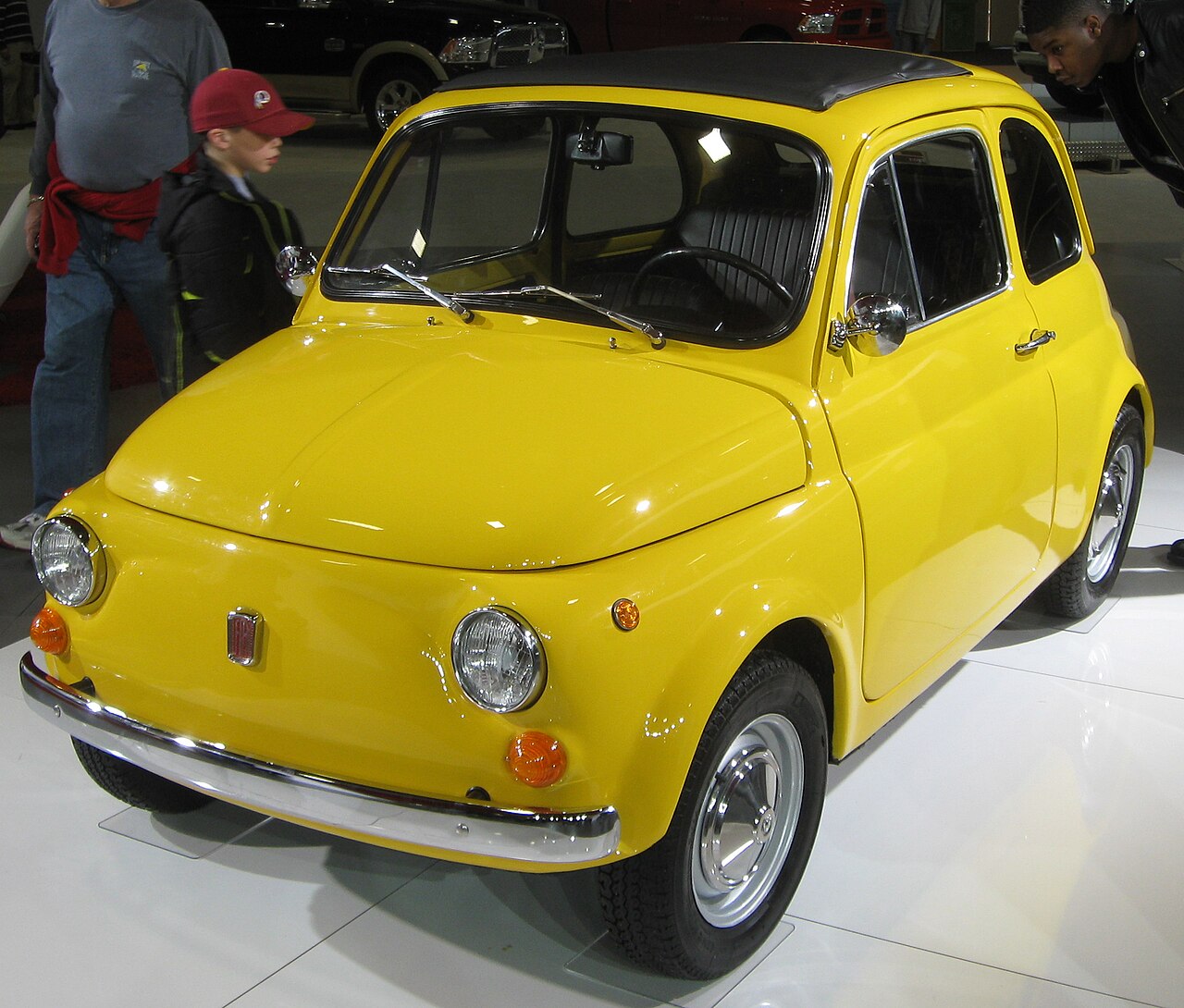
In the United States, the story read very differently. The Fiat 500 earned an IIHS Top Safety Pick designation during its American production run. It also became, according to Fiat’s own marketing, the first car of its size to earn a five-star rating from Euro NCAP back at launch. That legacy carried weight in U.S. dealerships years later.
The disconnect stems partly from timing. Fiat kept selling essentially the same basic architecture for years while European testing protocols kept raising the bar annually.
American testing bodies, by contrast, evaluated the U.S.-spec 500 against contemporary domestic competitors rather than against an evolving European standard. That produced a rosier picture.
The newer 500e electric variant tells a similar story in reverse. Euro NCAP gave the redesigned electric model a four-star rating in 2021, an improvement, but still short of top marks.
For a car this small and light, the physics were always going to be challenging. But the specific gap between its American reputation and its later European scores remains striking.
5. Ford EcoSport
The Ford EcoSport built its early U.S. reputation partly on affordability and partly on respectable safety scores. NHTSA gave it a four-star rating. Euro NCAP tested the same platform back in 2013 and also landed on four stars. On paper, that looks consistent rather than contradictory.
The details tell a more complicated story, though. Adult occupant protection scored a strong 93 percent, genuinely impressive for a subcompact crossover.
Pedestrian protection was the problem area, coming in at just 58 percent. Euro NCAP specifically flagged the front bumper’s pelvis protection and the windscreen’s stiff pillar structure as poor performers.
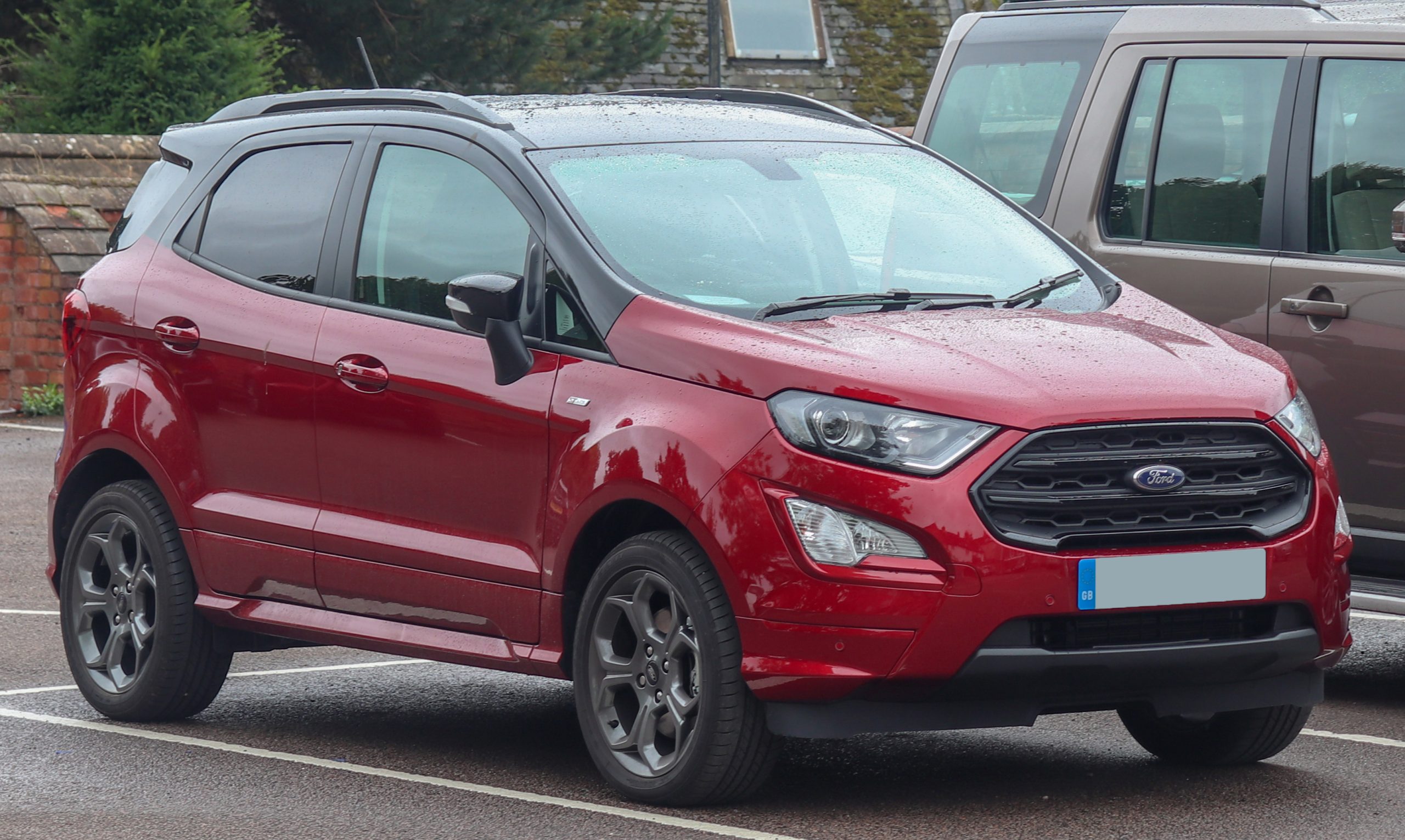
Safety assist technology scored 55 percent as well. The EcoSport lacked a rear seatbelt reminder system and any speed limitation device, both increasingly expected features in Europe.
Reviewers in the UK were blunt about it. One automotive outlet noted it was “always slightly surprising” when a new car only managed four stars while most family-segment competitors were hitting five.
In America, these same gaps barely registered in consumer safety conversations. NHTSA’s testing regime doesn’t weight pedestrian-impact geometry nearly as heavily as Euro NCAP does.
The EcoSport’s tall, upright front end, which helps with visibility and cargo space, works against it specifically in pedestrian-strike testing. European engineers prioritize softer, more forgiving front-end geometry.
This is a subtler entry on this list than the Mustang or Wrangler. Both regions technically gave it four stars. But the underlying percentage breakdowns reveal a car engineered around different priorities depending on which ocean it was sold across.
6. Nissan Versa
The Nissan Versa has consistently posted strong American safety numbers. Recent model years earned a five-star NHTSA rating along with “Good” IIHS marks in nearly every test category.
Nissan doesn’t sell the Versa in Europe under that name. Its closest European relative and platform-sharing sibling is the Nissan Micra. The Micra, tested repeatedly by Euro NCAP over the years, has landed at four stars rather than five in multiple assessments. That’s a real, measurable gap between closely related vehicles.
The most recent Micra generation, which Euro NCAP noted shares its underlying structure with the Renault 5, scored an 80 percent adult occupant protection rating. That’s solid, but not enough alone for five stars.
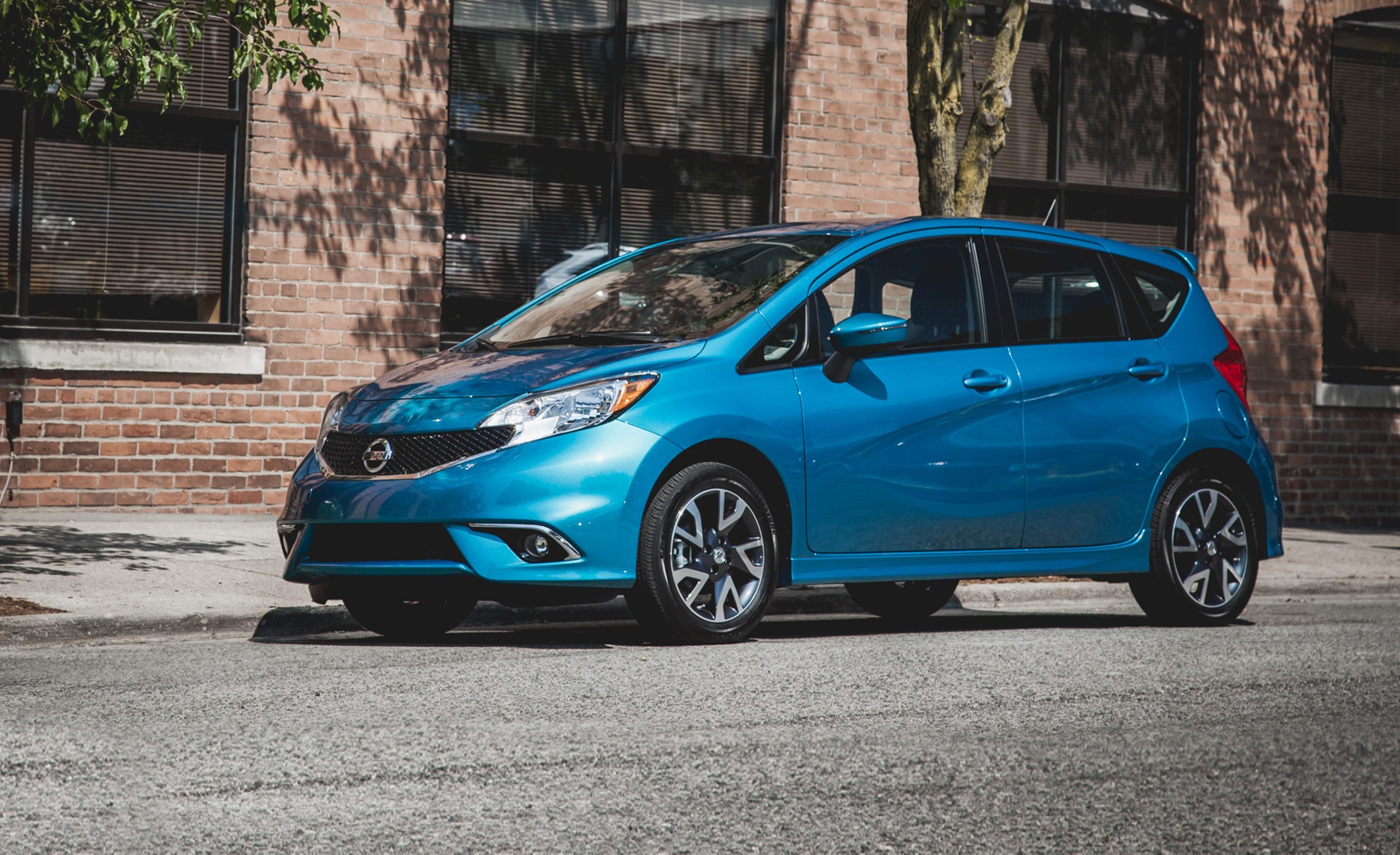
Euro NCAP’s own analysis pointed to safety assist scoring as the deciding factor. Base-trim Micras with fewer driver-assistance features scored four stars, while higher trims with additional technology reached five.
IIHS research analysts have written directly about this phenomenon using Nissan’s small-car lineup as a case study. Comparing the European Micra against Latin America’s Nissan March, a related but more basic model, showed how equipment levels alone can swing star ratings dramatically.
The core lesson from the Versa-Micra comparison isn’t that one platform is unsafe. It’s that trim level and market-specific equipment packages can shift a nameplate’s safety grade by a full star or more.
American Versa buyers benefit from Nissan making advanced safety tech standard across the U.S. lineup. European Micra buyers sometimes have to pay extra or select higher trims to access equivalent systems.
That pricing and equipment strategy, more than any structural difference, explains most of the rating gap here. It’s a pattern that repeats across several entries on this list.
7. Chevrolet Spark
The Chevrolet Spark carved out a niche in the U.S. as an affordable, city-friendly minicar with surprisingly solid safety credentials. It was one of only a handful of minicars to achieve IIHS Top Safety Pick status during its production run.
Alongside the Honda Fit, the Spark stood out specifically because most vehicles in its size class failed to reach “acceptable” ratings across IIHS’s full test suite. That’s meaningful praise for such a small, light car.
In Europe, though, the Spark’s Euro NCAP outcome was less flattering. Testing in 2009 awarded it only four stars, while ten other vehicles assessed in that same testing round achieved the full five.
The reason was specific and avoidable. Euro NCAP’s report noted the Spark lacked Electronic Stability Control as standard equipment on any trim level sold in Europe at the time.
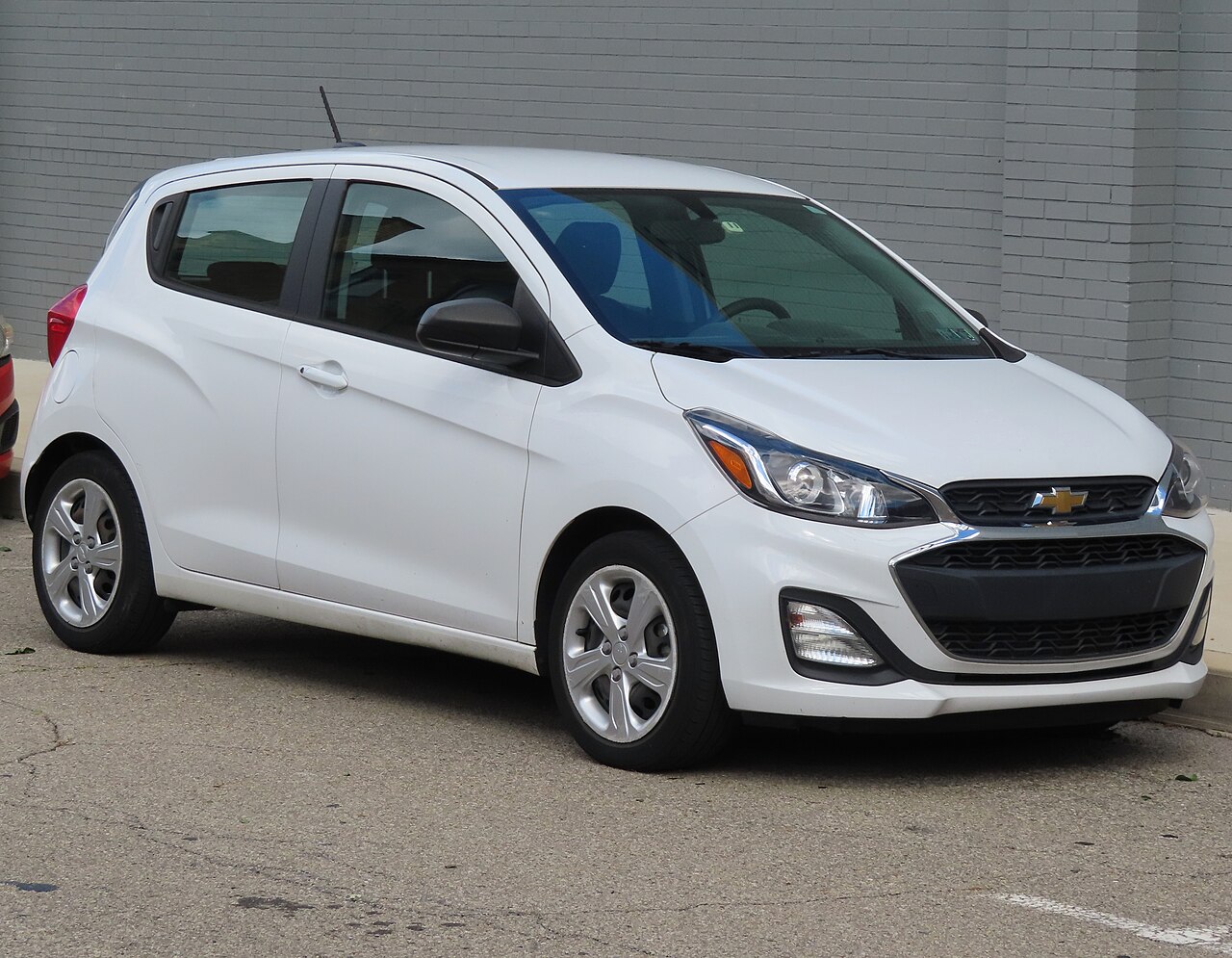
Electronic Stability Control, which helps prevent skids and loss of control, had become a near-universal expectation among European five-star cars by that point. Its absence alone was enough to keep the Spark off the top tier.
This is a case where the safety gap wasn’t about crash structure at all. The Spark’s physical crashworthiness wasn’t the issue. It was a single, specific equipment decision, made for cost or market reasons, that cost the car a full star in Europe’s more feature-inclusive rating formula. American testing at the time didn’t penalize the omission nearly as heavily.
Small cars like the Spark illustrate this dynamic particularly well. Physical size limits how much structural protection is achievable, so equipment differences end up mattering disproportionately in the final score.
8. Honda Civic
The Honda Civic has built decades of trust with American safety regulators. Recent generations have consistently earned strong NHTSA ratings alongside IIHS Top Safety Pick or Top Safety Pick+ recognition.
Euro NCAP’s assessment of the same-era Civic told a slightly less glowing story. The tenth-generation Civic tested in Europe earned four stars rather than the maximum five.
Safety researchers at Thatcham specifically flagged the reason. The Civic was, in their words, “let down by lower-than-expected protection offered to children” during testing.
That’s a notable weak point for a car marketed heavily to families on both continents. Child occupant protection carries real weight in Euro NCAP’s four-pillar scoring system.
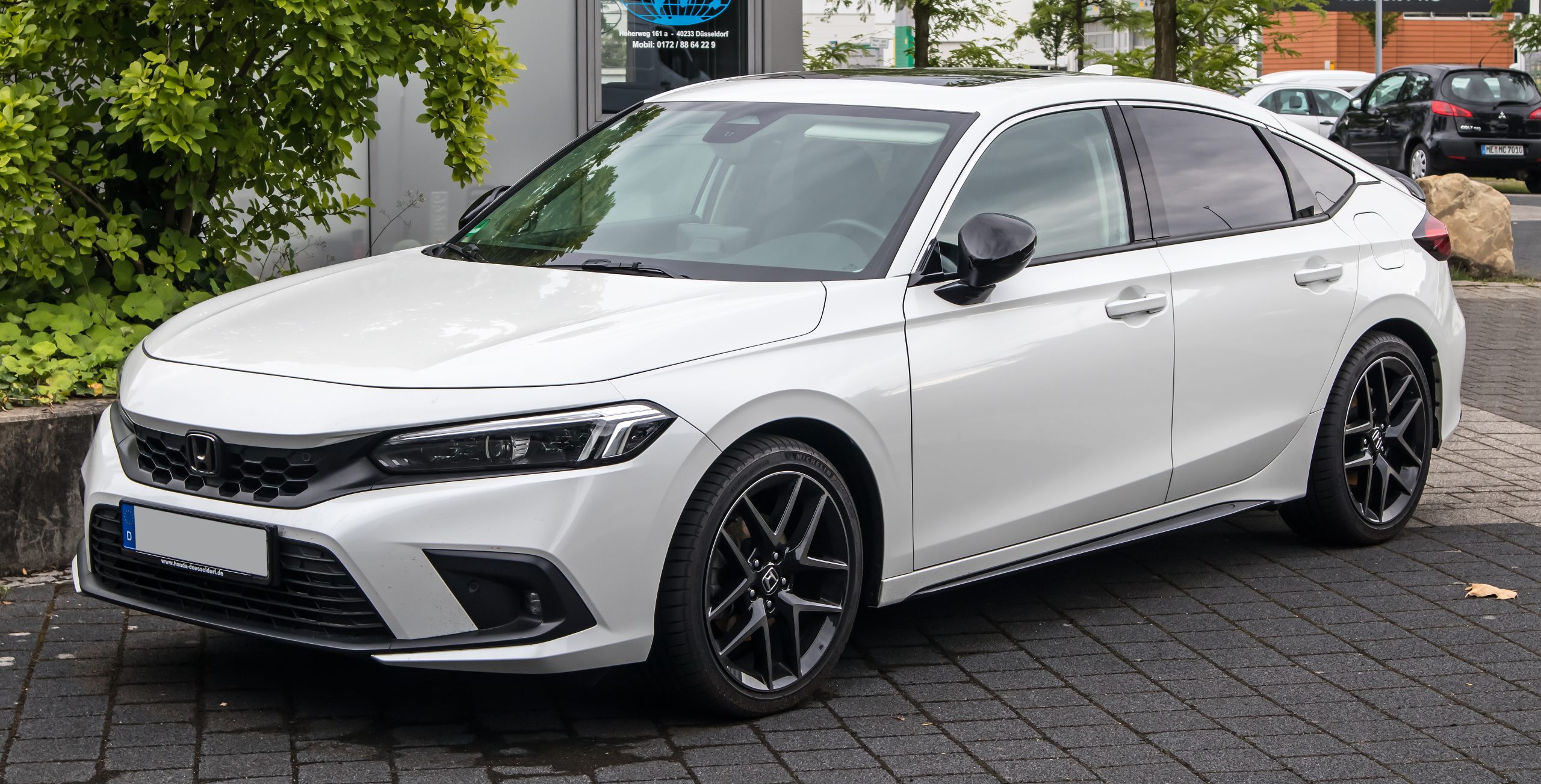
Other cars assessed in that same European testing round, including the Hyundai i30 and Volkswagen Arteon, achieved full five-star marks. That made the Civic’s four-star result stand out by comparison.
American testing protocols simply don’t isolate child-seat compatibility and child-dummy injury metrics with the same granularity that Euro NCAP applies. A car can excel in U.S. adult-occupant testing while quietly underperforming on child-specific criteria that American tests don’t measure as precisely.
Honda has continued refining the Civic’s structure and standard equipment generation over generation. But the four-star European result from that testing cycle remains a documented part of the model’s safety history.
For a nameplate this globally recognized, the gap is a useful reminder. Even genuinely well-engineered, best-selling cars can post different results depending on which specific injury categories a testing body chooses to emphasize.
9. Kia Soul
The Kia Soul has long enjoyed a strong safety reputation in the United States. It has repeatedly earned high marks from both NHTSA and IIHS, including Top Safety Pick recognition in multiple model years.
Euro NCAP’s testing of the same-generation Soul, alongside its electric Soul EV sibling, produced a more mixed result. Both versions scored four stars rather than five in December 2014 testing.
The specific weakness Euro NCAP identified was side-impact chest protection. Testing showed “weak chest protection in the side pole test,” a scenario simulating a vehicle striking a narrow object like a utility pole.
Kia’s own response was notable. The company acknowledged the issue and pointed to improvements already made in current production compared to earlier vehicles.
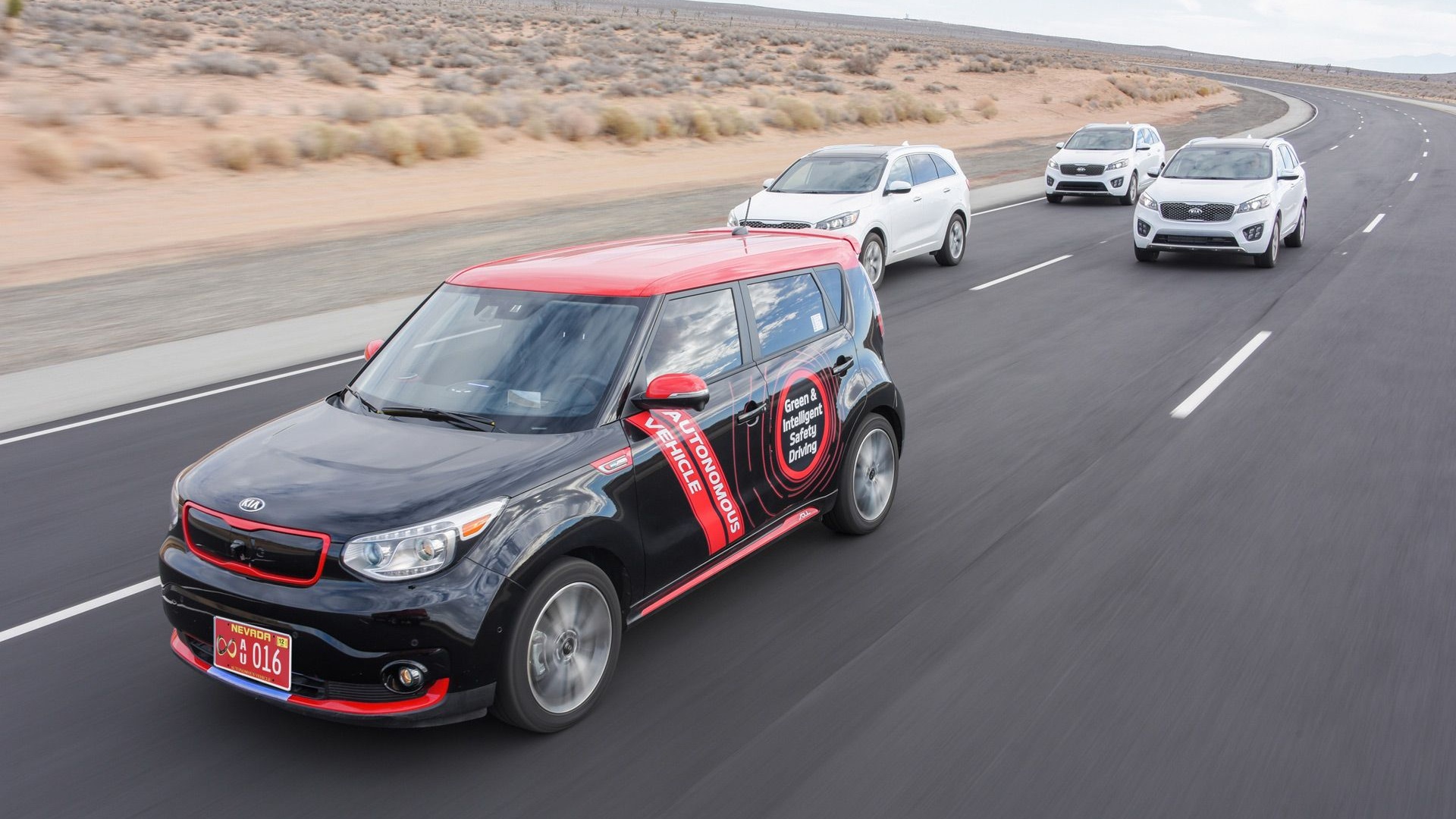
It committed to contacting owners of earlier Souls to have their side airbags updated, specifically to reinforce protection in exactly this kind of impact. Euro NCAP publicly encouraged customers who were contacted to follow through with the update.
That’s a meaningful detail for anyone shopping a used Kia Soul from this era. A documented safety improvement exists that owners may not be aware they’re eligible for.
Meanwhile, competing vehicles tested in that same batch, like the Jeep Renegade and an Audi A3 hybrid variant, achieved the full five stars in Euro NCAP testing. That made the Soul’s shortfall specific rather than industry-wide.
The gap here again traces back to a narrow, identifiable engineering detail rather than a broad structural failure. Side-pole testing is one of Euro NCAP’s more demanding scenarios, and it exposed a real, fixable weakness that American testing protocols didn’t surface in the same way.
10. Land Rover LR2 (Freelander 2)
Land Rover’s compact LR2, sold in the United States, and its European twin, the Freelander 2, shared the same underlying platform and crash structure. American buyers saw strong safety marks attached to the nameplate.
Euro NCAP’s testing told a more layered story. The Freelander 2 actually earned Land Rover’s first-ever five-star rating in its category, a genuine achievement at the time.
But buried inside that headline number was a glaring weak spot. Pedestrian protection scored just one star, a result that repeated from an earlier 2003 test of the same basic design.
Euro NCAP’s own general secretary at the time expressed direct concern about the finding. He noted it was troubling that manufacturers still weren’t adequately addressing how their vehicles affected people outside the car, not just those inside it.
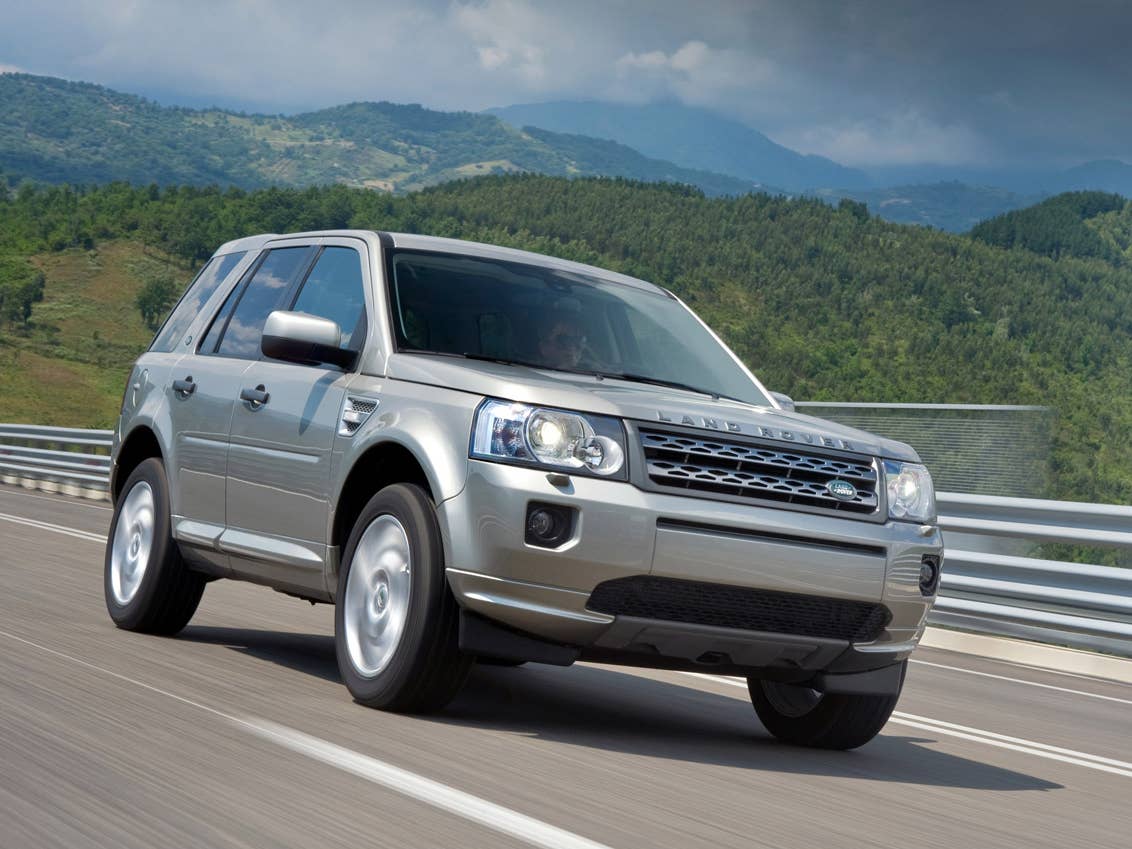
The one-star pedestrian score stemmed largely from the LR2’s tall, upright front-end design. Rigid structures beneath the hood and a high, blunt bumper profile are common culprits in poor pedestrian-impact results.
American safety testing during this same period placed far less emphasis on pedestrian-impact geometry than Euro NCAP did. NHTSA’s star system at the time focused almost entirely on occupant protection within frontal, side, and rollover scenarios.
That meant the LR2’s specific pedestrian-safety shortcoming was essentially invisible in U.S. marketing and consumer safety data. Buyers cross-shopping compact luxury SUVs in America had no easy way to learn about it.
This entry captures something distinct from the others on this list. It’s not a case of one region scoring the whole car worse.
It’s a case of one very specific, well-documented safety category being effectively unmeasured on one side of the Atlantic, while being both measured and penalized heavily on the other.
