
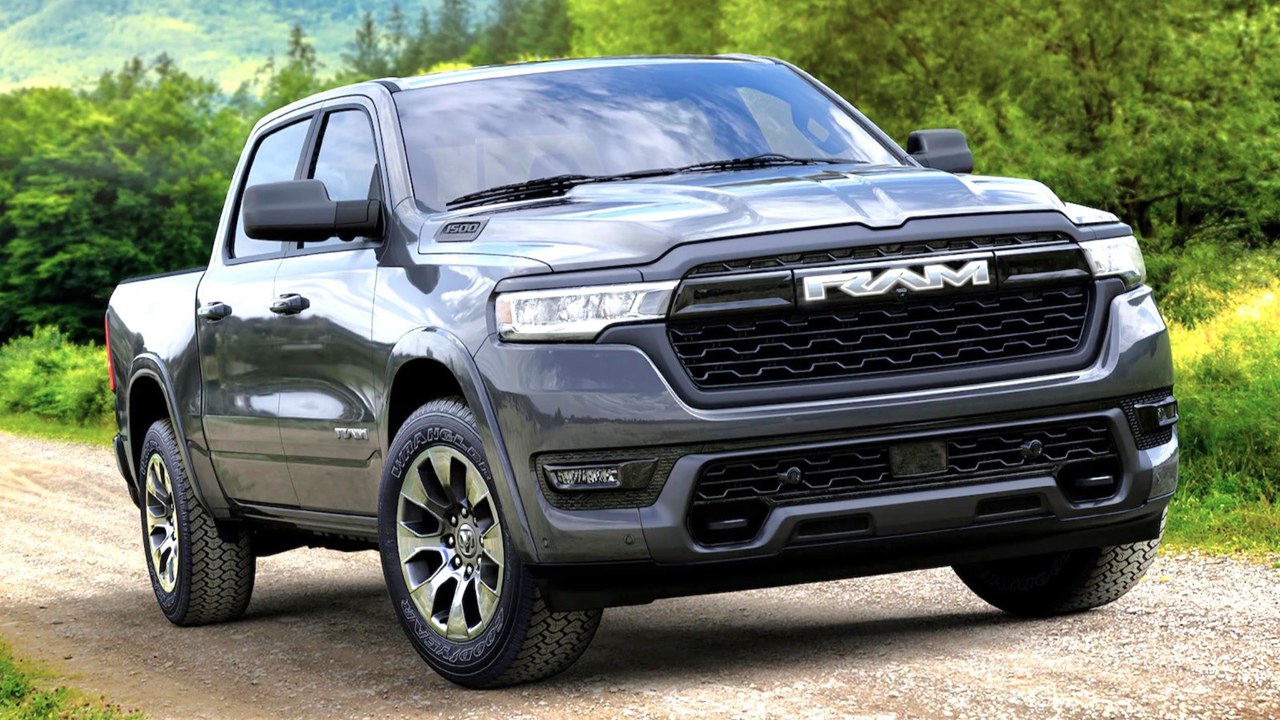
Ram is recalling nearly 240,000 1500 pickup trucks in the United States because a software problem can prevent the rearview camera image from appearing on the infotainment screen. The defect can reduce rear visibility while reversing and potentially increase the risk of a collision.
The recall, documented by the National Highway Traffic Safety Administration (NHTSA), involves a problem with the truck’s radio software rather than a physical failure of the camera itself. In affected vehicles, the system may fail to display the rearview image when the transmission is shifted into reverse.
The problem is particularly significant because the Ram 1500 is one of the highest-volume full-size pickups in the U.S. A failure involving hundreds of thousands of trucks therefore has the potential to affect a substantial number of owners.
According to Autoevolution’s report on the recall, Ram’s remedy will involve a software update designed to correct the condition. Owners are not expected to pay for the repair, and dealerships will perform the necessary update.
The latest campaign is another example of how increasingly software-dependent vehicles can develop safety problems without any mechanical component actually breaking.
As automakers add larger infotainment systems, digital instrument clusters, and integrated camera systems, software can become just as important to basic vehicle safety as traditional hardware.
For pickup owners, the practical impact is clear. When the camera feed fails to appear, drivers lose a useful tool for monitoring the area behind the truck and reversing with greater awareness.
Radio Software Can Block the Camera Image
Rearview cameras have become an essential safety feature on modern vehicles. Federal regulations require new light vehicles sold in the U.S. to provide a rear visibility system, making the camera display an important part of the vehicle’s safety equipment.
The Ram 1500 uses its central display to show the camera feed when the vehicle is shifted into reverse. If the software fails to activate or display that image, the driver may have to rely on mirrors and direct observation instead.
The NHTSA recall identifies the radio software as the source of the problem. This distinction matters because replacing the camera itself would not resolve the underlying issue. Instead, the affected vehicles need updated software to ensure the rearview image is displayed correctly.
Software-related recalls have become increasingly common across the automotive industry. Modern vehicles contain numerous electronic control modules and increasingly sophisticated infotainment systems, creating more opportunities for software errors to affect vehicle functions.
In this case, the consequences are directly related to visibility. A full-size pickup already has substantial blind areas around its rear section because of its size and high bodywork. The rearview camera helps drivers monitor areas that may be difficult or impossible to see from the driver’s seat.
Losing that assistance can be particularly problematic when backing out of a parking space, maneuvering in a crowded area, or reversing near pedestrians.
The issue may not occur every time the truck is placed in reverse. That can make the problem harder for drivers to recognize because the system could appear to function normally on one occasion and fail on another.
For that reason, owners should not assume that their vehicle is unaffected simply because the camera has worked correctly during previous trips. The recall is intended to address the software condition before it results in a crash.
Nearly 240,000 Trucks Are Involved
The scale of the campaign makes it one of the more significant recent recalls involving the Ram 1500.
Nearly 240,000 trucks are included, meaning the potential reach extends across a large population of owners. The Ram 1500 is a major part of Stellantis’ North American pickup business and competes directly against high-volume models such as the Ford F-150, Chevrolet Silverado 1500, and GMC Sierra 1500.
Large recalls are particularly consequential for full-size pickups because these vehicles are often used for work, towing, family transportation, and long-distance travel. Owners may depend on their trucks daily, making a dealership visit inconvenient even when the repair itself is relatively simple.
The good news is that this particular remedy is expected to be less complicated than many mechanical recalls.
Rather than replacing a steering component, braking part, or camera assembly, dealerships can address the issue through a software update. That should reduce repair time and eliminate the need for extensive physical work on the truck.
Owners should still take the recall seriously. NHTSA considers rear visibility a safety issue because drivers may not see people, vehicles, or objects behind the vehicle when reversing. A camera display that does not appear removes a federally required safety aid and can increase the likelihood of a backing collision.
Drivers who experience the problem before receiving the update should take additional care when reversing. Checking mirrors, looking directly behind the vehicle where possible, and ensuring the surrounding area is clear can reduce the risk, although those precautions do not replace a properly functioning camera system.
The recall also demonstrates why vehicle owners should pay attention to software-related service campaigns. A problem that appears to be limited to the infotainment system can sometimes affect a feature with direct safety implications.
What Ram Owners Should Do
Owners of affected Ram 1500 pickups should watch for official recall notifications and contact an authorized Ram dealership when the remedy becomes available.
The software update should be provided at no charge under the recall campaign. Dealers will update the truck’s radio software so the rearview camera image can properly appear when Reverse is selected.
Owners can also check their vehicle identification number through NHTSA’s recall lookup system to determine whether a particular truck is included in the campaign.
The recall highlights a broader issue facing the automotive industry as vehicles become increasingly dependent on software. A pickup truck may still have a conventional engine, transmission, and suspension, but many of its safety and convenience functions now depend on computer systems working correctly.
That means a software defect can create a safety problem even when every physical component is functioning normally.
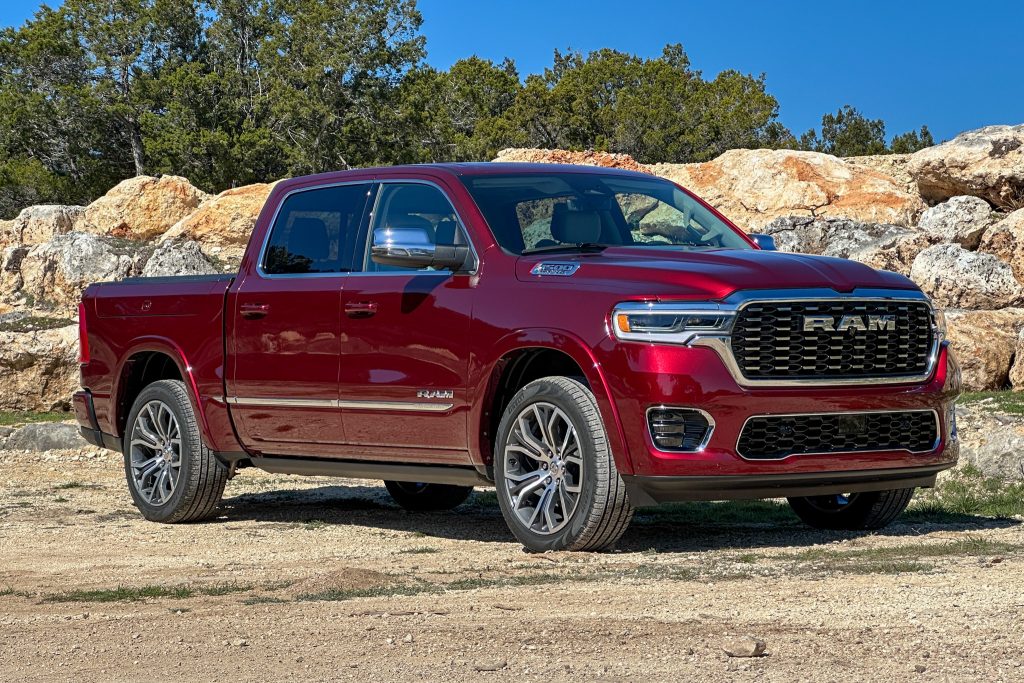
For Ram, correcting the problem through a software update should be considerably simpler than a hardware repair, but the company still has to ensure that owners actually complete the campaign. Recall effectiveness depends on vehicles returning to dealerships and receiving the fix.
The sheer number of affected trucks makes that particularly important. The Ram 1500 remains one of America’s most popular full-size pickups, so even a relatively straightforward software defect can have a significant real-world impact when it affects hundreds of thousands of vehicles.
For owners, the most important point is that the recall should not be dismissed as merely an infotainment glitch. The failure involves a camera system designed to improve rear visibility, and losing that image while reversing can create a genuine safety risk.
Once the software update is installed, the affected trucks should regain normal rearview camera functionality. Until then, owners should remain alert to any failure of the camera display and use additional caution whenever backing up.
The recall is another reminder that modern vehicle safety increasingly depends not just on mechanical reliability but also on the software controlling the systems drivers rely on every day.
