
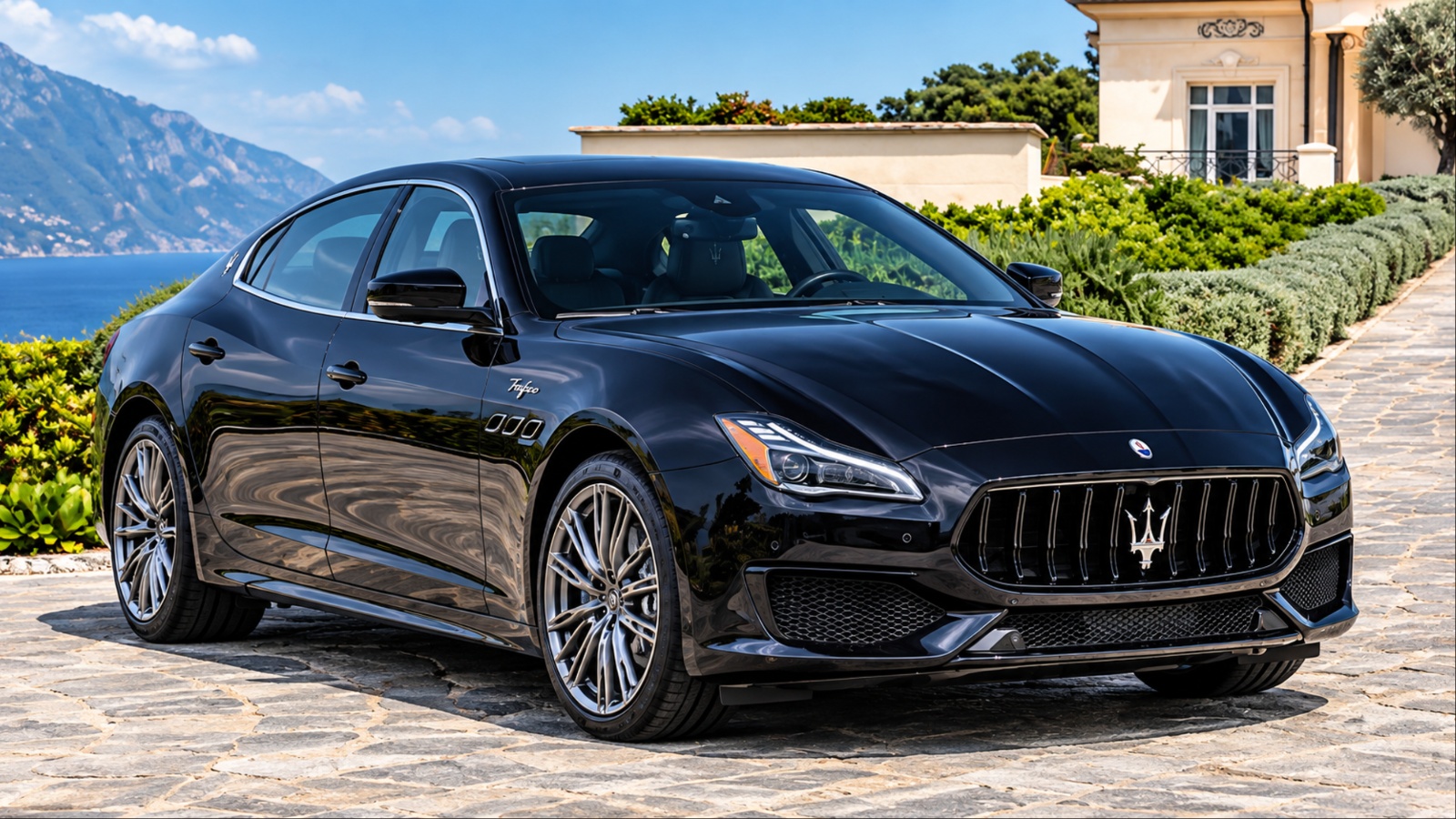
Stellantis is exploring a long-term industrial partnership with Chinese technology giant Huawei and automaker JAC Group as it searches for a way to revive its struggling luxury brand, Maserati.
The discussions could bring Chinese technology, vehicle-development expertise, and manufacturing cooperation into Maserati’s future while potentially increasing production at Stellantis facilities in Italy.
According to Reuters, two sources familiar with the matter said Stellantis is in talks with Huawei and JAC over possible long-term industrial cooperation. The discussions come as Maserati faces one of the most difficult periods in its recent history, with sharply reduced sales and significant operating losses.
Reuters reported that Maserati delivered fewer than 8,000 vehicles last year and posted an adjusted operating loss of about $230 million. The brand is expected to reveal its own long-term strategy in December, which could make the potential partnership especially important as Stellantis looks for ways to put Maserati back on a path toward sustainable growth.
The discussions also reflect a broader shift in Stellantis’ strategy. Rather than developing every technology and vehicle platform internally, the automaker is increasingly looking toward partnerships that can reduce development costs, improve factory utilization, and give its brands access to technology from outside companies.
For Maserati, such an arrangement could provide a way to accelerate new products without requiring Stellantis to carry the entire financial burden itself.
Huawei Technology Could Play a Major Role
The potential partnership is notable because Huawei would bring capabilities that go well beyond traditional automotive manufacturing.
Reuters reported that talks are at an advanced stage and could involve Huawei’s Harmony Intelligent Mobility platform. The technology could provide Maserati with a more sophisticated digital and connected-vehicle foundation, an area where Chinese automakers have moved particularly quickly in recent years.
Huawei has increasingly become an important technology partner in China’s automotive industry. Instead of simply supplying individual components, the company has developed a broader ecosystem covering vehicle software, connectivity, driver-assistance technology, and intelligent cockpit functions.
That makes the company potentially valuable to a brand such as Maserati, which needs to modernize its technology while preserving its premium identity.
The potential arrangement would also give Stellantis access to JAC’s manufacturing and vehicle-development capabilities. JAC is already involved in Huawei’s automotive ecosystem and has experience producing vehicles for Chinese and international markets.
The proposed partnership could bring together three distinct areas of strength. Maserati would contribute its brand identity and design heritage, JAC would provide manufacturing and engineering capabilities, and Huawei would add its technology expertise and platform.
Reuters reported that the first jointly developed vehicle could enter production by the end of next year if the discussions result in an agreement. However, neither a final deal nor the exact structure of the cooperation has been announced.
One proposal reportedly under consideration is a dual-branding strategy. A vehicle could be sold under JAC’s Maextro luxury marque in China while carrying the Maserati name in international markets.
Such an approach would give Stellantis a way to use a Chinese-market brand structure while maintaining Maserati’s established position outside China. It could also allow the companies to spread development costs across multiple markets.
For Maserati, the Chinese market is particularly important because the country remains one of the world’s largest luxury-vehicle markets. Yet competition there has become much tougher as domestic manufacturers have developed increasingly sophisticated premium vehicles.
Chinese consumers now have access to luxury EVs and technology-focused models from companies that can develop products much faster than many traditional European manufacturers. Maserati therefore faces pressure not only from established premium brands but also from a new generation of Chinese luxury automakers.
Stellantis Wants More Production From Its Italian Plants
The potential partnership is also closely connected to Stellantis’ efforts to improve production rates at its Italian factories.
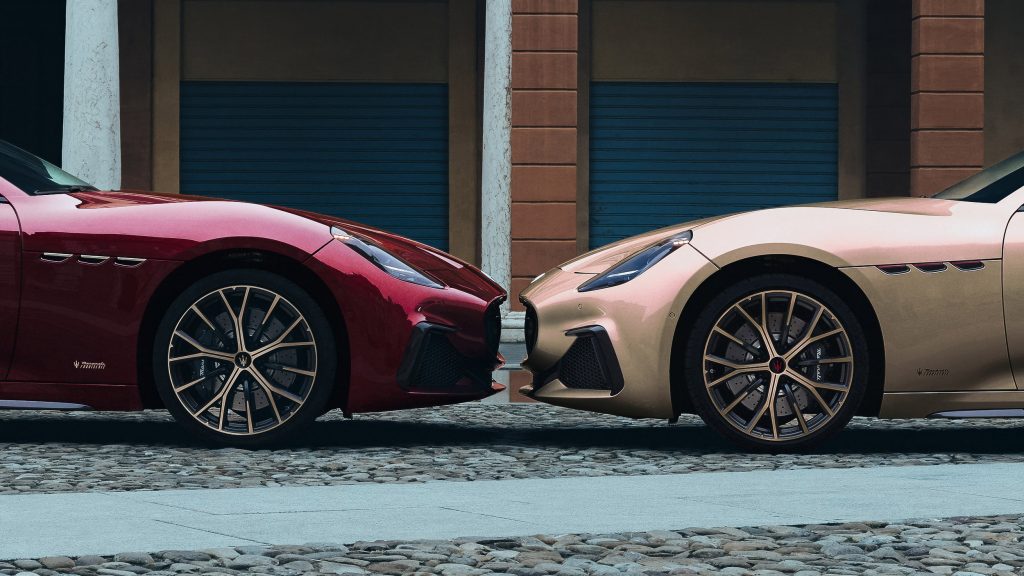
Stellantis CEO Antonio Filosa said earlier this year that the company was working on additional manufacturing partnerships, including one involving Maserati. He said a new arrangement could have a positive effect on production at the Cassino and Modena plants, where Maserati vehicles are manufactured.
That is important because Maserati’s low sales volumes have left manufacturing capacity underused.
Higher factory utilization could help reduce production costs per vehicle and provide additional work for Italian facilities. It could also strengthen the economic case for keeping more Maserati-related manufacturing activity in Italy rather than shifting production elsewhere.
Cassino is particularly significant to Stellantis because the plant already produces premium vehicles and has experienced pressure from reduced volumes. Increasing Maserati-related production could therefore help make better use of existing infrastructure.
Modena has a different importance because of Maserati’s historic connection with the city. Maintaining production there would support the brand’s Italian identity while allowing Stellantis to pursue greater efficiency through partnerships.
The proposal also aligns with Filosa’s broader business strategy. Reuters reported that Stellantis has identified manufacturing partnerships as an important part of its $70 billion business plan through 2030. The company has already announced production partnerships with Chinese automakers, including Leapmotor and Dongfeng.
For Stellantis, these arrangements offer a potential middle ground between completely abandoning underused manufacturing capacity and spending heavily to develop every new product independently.
Maserati needs precisely that kind of approach. The brand has a powerful name, decades of motorsport heritage, and a position in the luxury market, but its recent product and sales performance have not matched that reputation.
The challenge is that Maserati cannot simply rely on its heritage. Luxury customers increasingly expect advanced software, high-quality infotainment, sophisticated driver assistance, and competitive electric powertrains.
Developing those systems internally can require billions of euros and several years of engineering work. A technology partnership could shorten that timeline.
Maserati’s Future Depends on More Than Chinese Technology
Although a Huawei-JAC partnership could provide Maserati with new technology and manufacturing support, it would not automatically solve the brand’s problems.
Maserati still needs a compelling product strategy. Its vehicles must offer something distinctive enough to justify premium pricing while competing against Porsche, Mercedes-Benz, BMW, Ferrari, and other luxury manufacturers.
The brand also has to determine how quickly it should transition toward electric vehicles. Stellantis has already invested heavily in electrification, but luxury customers have shown varying levels of interest in battery-electric vehicles.
A partnership could give Maserati greater flexibility by providing access to proven electric and software technology while allowing Stellantis to decide how aggressively to deploy it.
The possibility of using Huawei technology could also raise questions in markets where Chinese technology suppliers face greater regulatory and political scrutiny.
Any eventual agreement would need to consider data security, software regulations, and market-specific requirements, particularly if technology developed for China is used in vehicles sold internationally.
Stellantis has not confirmed that an agreement has been reached. A company spokesperson told Reuters that Stellantis routinely discusses various subjects with industry players around the world, with the stated goal of providing customers with better mobility choices. Huawei and JAC did not immediately respond to Reuters’ requests for comment.
That cautious response indicates that the talks remain subject to change. Still, the potential partnership highlights how dramatically the automotive industry is changing. European luxury brands once relied heavily on their own engineering and manufacturing capabilities.
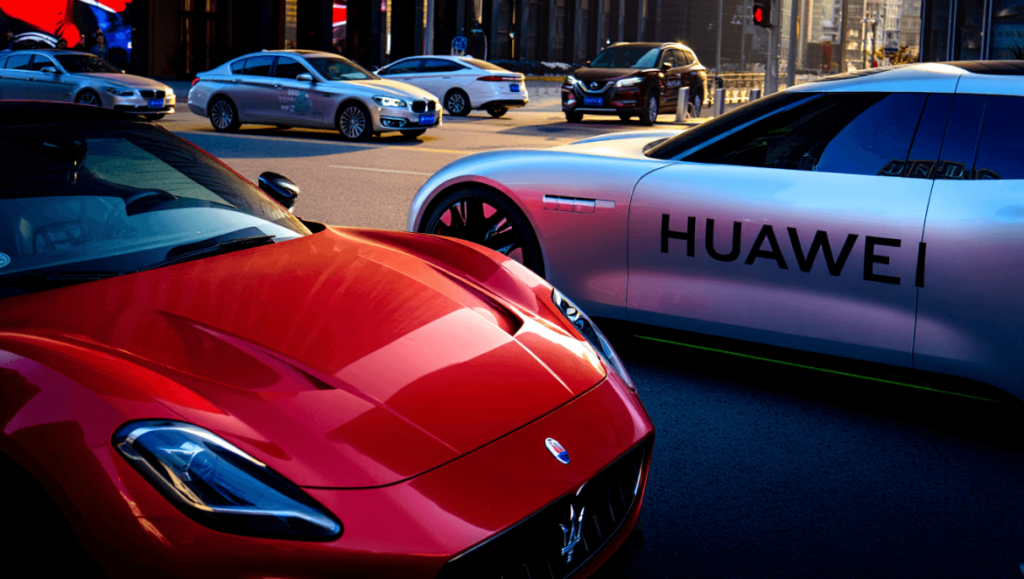
Today, partnerships with Chinese companies can provide access to software, electric-vehicle platforms, and manufacturing expertise that would be expensive and time-consuming to develop independently.
The situation is especially important for Maserati. After shipping fewer than 8,000 vehicles last year and reporting an adjusted operating loss of about $230 million, the brand needs a clear strategy for returning to profitability. Its planned long-term strategy announcement in December could offer greater insight into how Stellantis plans to reshape Maserati and support its future growth.
If the Huawei-JAC discussions lead to a finalized agreement, Maserati could gain access to technology and production resources capable of accelerating its next generation of vehicles. A jointly developed model arriving as early as the end of 2027 would give the brand a relatively quick opportunity to refresh its lineup.
The bigger question will be whether Maserati can combine those outside resources with the Italian design, performance, and exclusivity that have historically defined the marque.
Stellantis is betting that partnerships can help its struggling brands become more competitive without requiring the company to shoulder every development cost alone. For Maserati, the Huawei and JAC talks could become one of the most important parts of that strategy and potentially a turning point for the luxury brand’s future.
