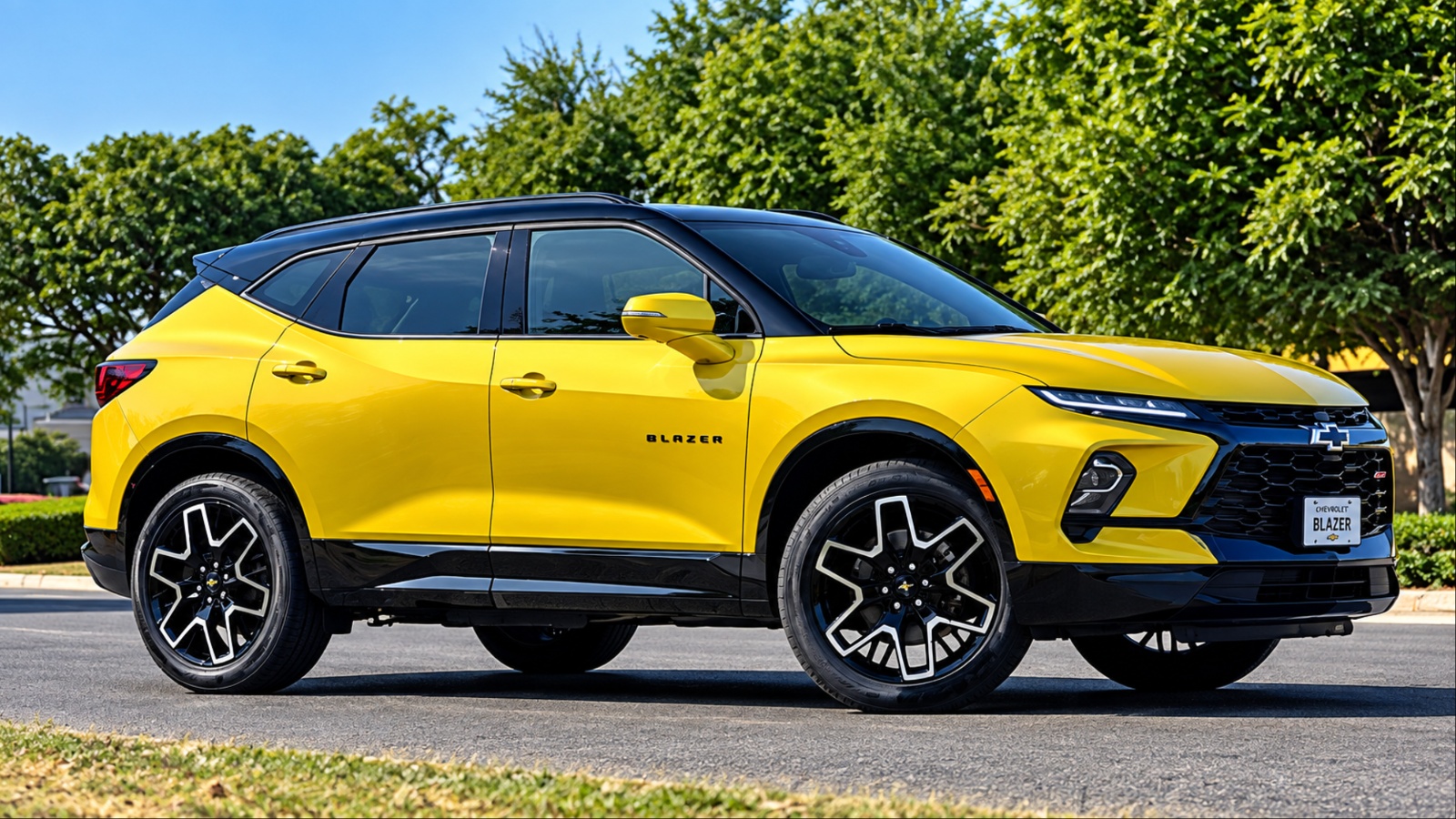
The Chevrolet Blazer has always been one of the more distinctive midsize SUVs in Chevrolet’s lineup, but some of its most useful features are easy to overlook.
The 2025 Blazer, the final model year of the gas-powered SUV, combines a roomy cabin with clever storage solutions, adjustable seating, useful cargo functions, and technology that can make everyday driving easier.
Rather than focusing on obvious equipment such as the touchscreen or standard safety systems, this list looks at features owners may not immediately notice. The ranking is based on how much practical space, versatility, or everyday usefulness each hidden feature provides inside the Blazer.
1. Sliding Second-Row Seats
One of the most useful features hiding in plain sight is the Blazer’s sliding second-row seat. Chevrolet makes the rear seat sliding function standard, allowing occupants to adjust the balance between passenger comfort and cargo capacity rather than being stuck with a fixed seating position.
That is particularly useful in a five-seat SUV because the second row is also responsible for determining how much usable space remains behind it.
The Blazer provides 30.5 cubic feet of cargo space behind the rear seats and up to 64.2 cubic feet with those seats folded. Those numbers are already useful, but the sliding function gives owners another way to make that space work.
If rear passengers need additional legroom, the seat can be positioned farther rearward. When carrying larger amounts of luggage or equipment, moving the seat forward can create additional room behind it without requiring the entire second row to be folded.
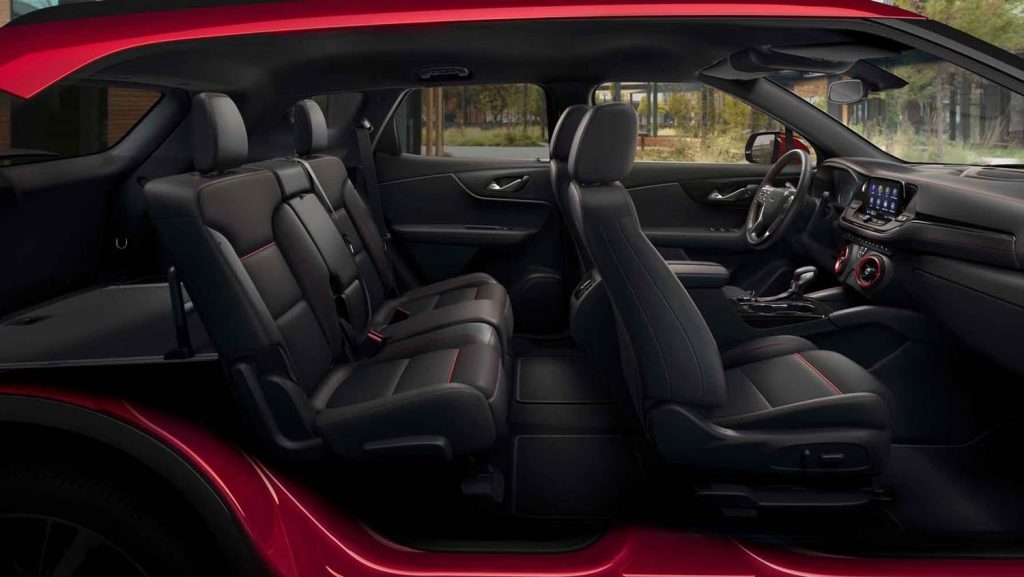
That flexibility is easy to overlook because it does not appear as dramatic as a power liftgate or large infotainment display. Yet it can affect how the vehicle is used every day. A family heading on vacation can prioritize passenger comfort on one trip and cargo capacity on another, using the same interior rather than compromising either way.
The 60/40 split-folding rear seat adds another layer of flexibility. One portion can remain available for a passenger while the other is folded for longer objects.
For an SUV designed around five occupants, the ability to redistribute interior space is arguably more valuable than simply having a large maximum cargo figure.
2. Adjustable Cargo Floor
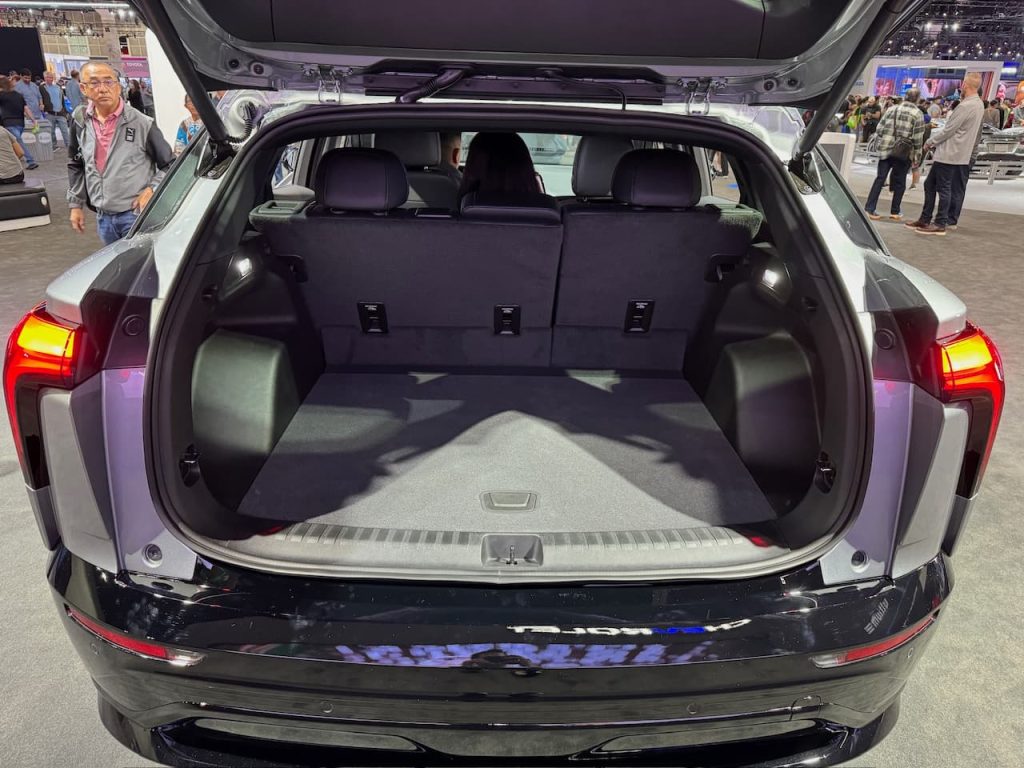
The Blazer’s cargo area includes a practical feature that can easily go unnoticed. Its adjustable cargo floor allows the load surface to be repositioned, giving owners more flexibility in how they use the available cargo space.
The system is designed to make the area more adaptable when owners are carrying different types of items.
The idea is simple but useful. The floor panel can be moved into different tracks, allowing it to sit at a higher or lower position. In the upper position, Chevrolet says the floor creates a flat cargo area when the rear seats are folded, eliminating the bump where the seatbacks meet the cargo floor.
That can be particularly helpful when loading long or relatively fragile objects that are easier to manage on a level surface.
The lower position makes a different trade-off by increasing the available vertical cargo space. That matters when the priority is carrying taller items rather than creating a perfectly flat loading surface. Instead of forcing owners to adapt their cargo to one fixed floor height, the Blazer allows the floor itself to be adjusted.
This feature works especially well with the SUV’s 60/40 split-folding rear seats. With the seats upright, Chevrolet lists 30.5 cubic feet of cargo capacity. Folding the rear seats increases maximum cargo volume to 64.2 cubic feet.
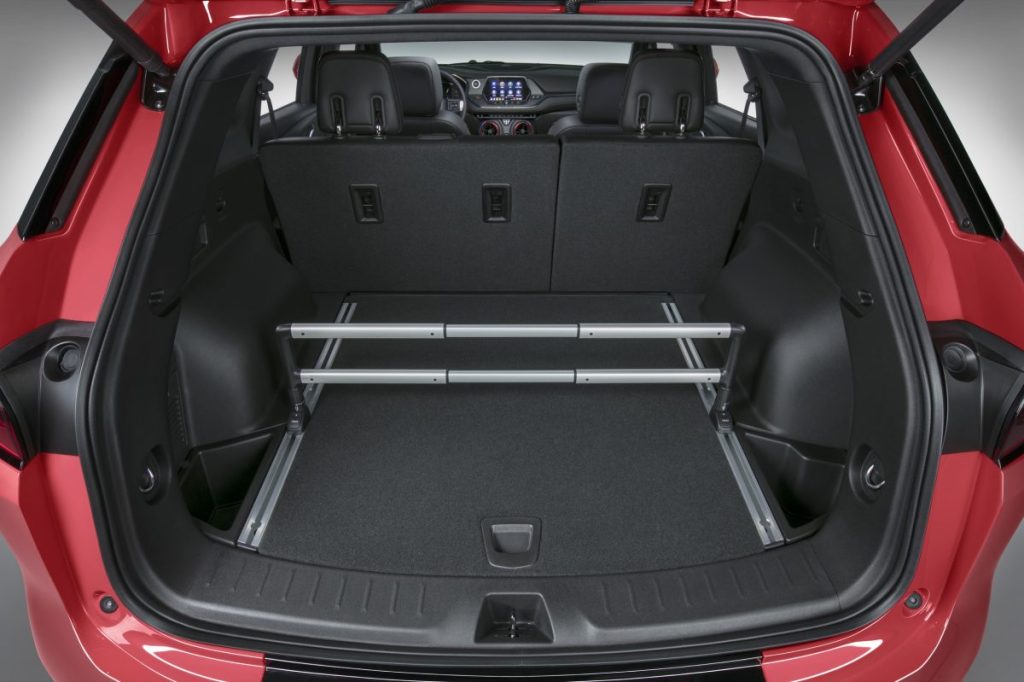
It is not the sort of feature that attracts attention during a dealership walk-around. However, once the Blazer is being used to transport furniture, sports equipment, luggage, groceries, or home-improvement supplies, the adjustable floor can become one of the most useful pieces of the interior.
3. Hidden Storage Under the Cargo Floor
The Blazer has another useful trick in its rear cargo area that can be easy to miss when the vehicle is being used normally. Beneath the adjustable cargo floor is additional space that can be used to keep smaller items separated from the main cargo area. It is the kind of storage that becomes valuable precisely because it stays out of sight.
Instead of allowing loose objects to roll around with groceries, luggage, or sports equipment, owners can use the concealed area for items they want available without having them sitting in the main compartment.
Emergency supplies, cleaning materials, small tools, vehicle accessories, and other equipment can be kept underneath the primary loading surface. The advantage is not simply additional capacity. It is better organized.
This feature also works particularly well because the Blazer already offers a substantial amount of usable cargo room. Chevrolet lists 30.5 cubic feet behind the second row and 64.2 cubic feet with the rear seats folded.
The 60/40 split-folding rear seat allows owners to combine passengers and cargo instead of choosing between the two. The hidden area underneath the floor gives that flexibility another dimension.
There is also a practical benefit when the vehicle is loaded heavily. Keeping smaller objects underneath the floor means they are less likely to interfere with larger pieces placed above them. A suitcase can remain on the primary cargo floor while smaller necessities stay underneath, making the entire compartment easier to organize.
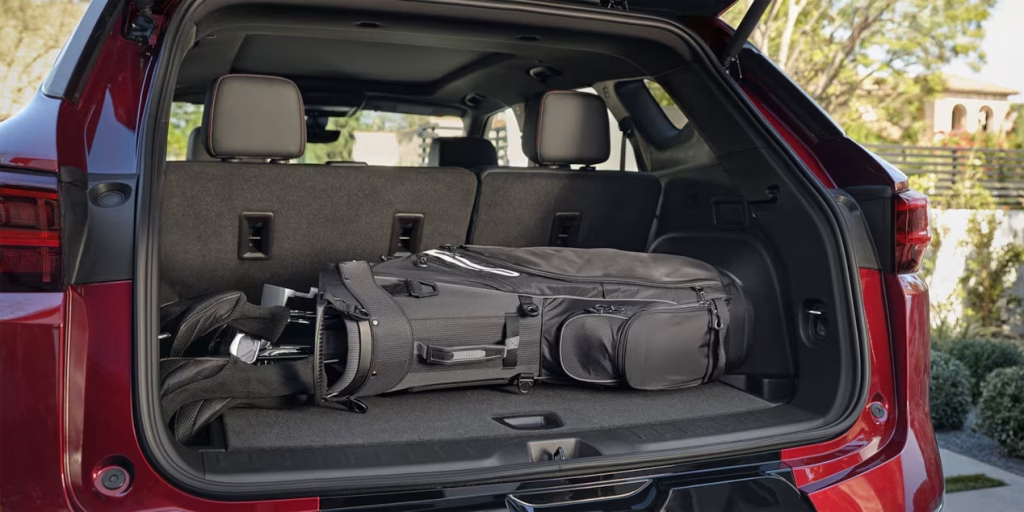
This is a good example of why interior space cannot always be judged from a published maximum cargo figure. Two SUVs can advertise similar numbers, while one provides considerably better ways to divide and manage that space.
The Blazer’s concealed storage makes the cargo area more useful in everyday situations, particularly for owners who prefer a clean, organized interior.
4. Rear Seatback Release Controls
A feature that can save surprisingly little effort on paper but a considerable amount of frustration in real life is the Blazer’s rear seatback release system. Chevrolet designed the rear seating area so the 60/40 split-folding seatbacks can be lowered when additional cargo room is needed.
The useful part is how easily the seating arrangement can be changed when the cargo situation suddenly changes.
Imagine returning from a hardware store with an item that is longer than expected. Rather than having to rearrange the entire cabin, one section of the second row can be folded while another remains available for a passenger. This makes the Blazer’s five-passenger layout considerably more versatile than a fixed rear bench.
With all rear seating in place, Chevrolet lists 30.5 cubic feet of cargo capacity. Fold the second row, and that figure rises to 64.2 cubic feet. That substantial difference shows why the seat-folding mechanism is more than a convenience feature. It changes what the vehicle can physically carry.
The split arrangement is particularly useful because the owner does not have to sacrifice the entire rear seat. One side can remain upright for a passenger while the other section creates a longer loading channel.
That is useful for objects such as boxed equipment, sporting goods, home-improvement materials, or luggage that cannot fit entirely within the normal cargo area.
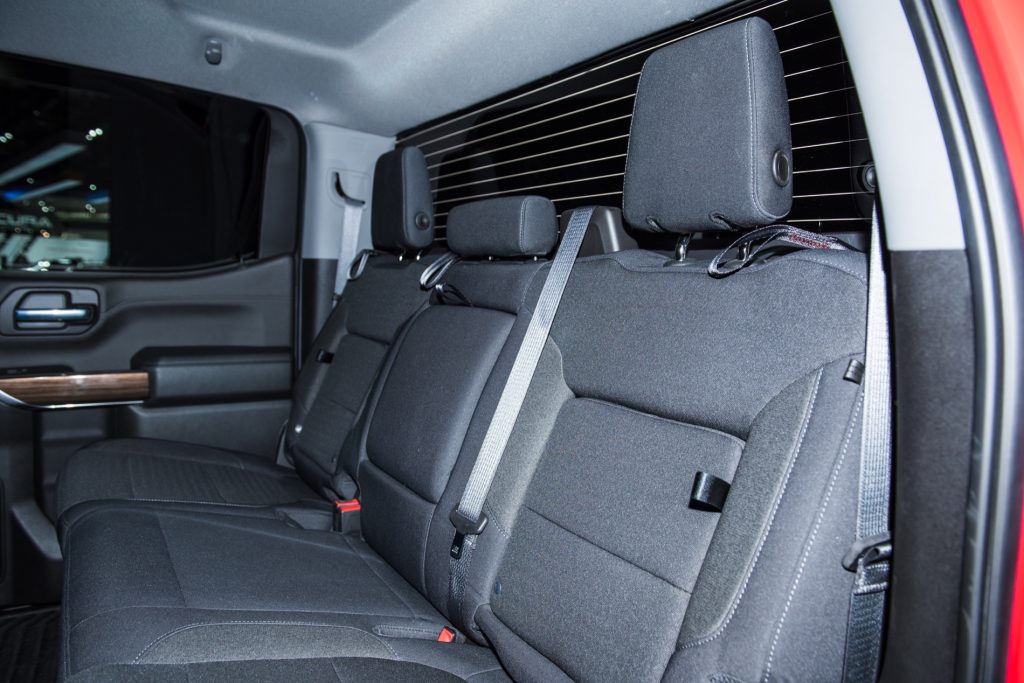
The feature can also make loading easier because the rear seatbacks create a larger continuous area when lowered. Combined with the adjustable cargo-floor system, the Blazer can be configured for different types of cargo rather than forcing every load into the same shape.
It may not sound exciting compared with a panoramic roof or large infotainment screen, but this is the sort of feature that owners can appreciate repeatedly. It directly affects how quickly the Blazer can switch between passenger duty and cargo duty, which is exactly what a practical midsize SUV should accomplish.
5. Rear-Seat USB Charging
A charging port is hardly unusual in a modern SUV, but the Blazer’s rear charging provisions become much more useful when considered from the perspective of passengers rather than the driver.
Chevrolet offers rear USB charging capability, allowing people sitting in the second row to keep compatible phones and other devices powered without relying entirely on the front occupants.
That matters because the second row can become a surprisingly independent part of the cabin. Passengers do not have to stretch charging cables toward the dashboard or ask someone in front to connect a device.
For families, that can make a noticeable difference during longer drives when multiple phones, tablets, or other electronics need power simultaneously.
The feature becomes especially useful because the Blazer is a five-passenger SUV rather than a three-row vehicle.
Chevrolet’s cabin is designed around giving its occupants usable space in two rows, and rear passengers have access to their own seating area rather than being treated as occasional passengers. The second row also benefits from generous legroom and a 60/40 split-folding design.
There is a practical organizational advantage, too. When charging connections are positioned near the passengers who actually need them, cables do not have to run across the center console or around the front seats. That can reduce clutter and make it easier for passengers to manage their devices without interfering with the driver.
The Blazer’s broader interior packaging supports the feature. Chevrolet lists 64.2 cubic feet of maximum cargo volume with the rear seats folded, while 30.5 cubic feet remains available behind the second row.
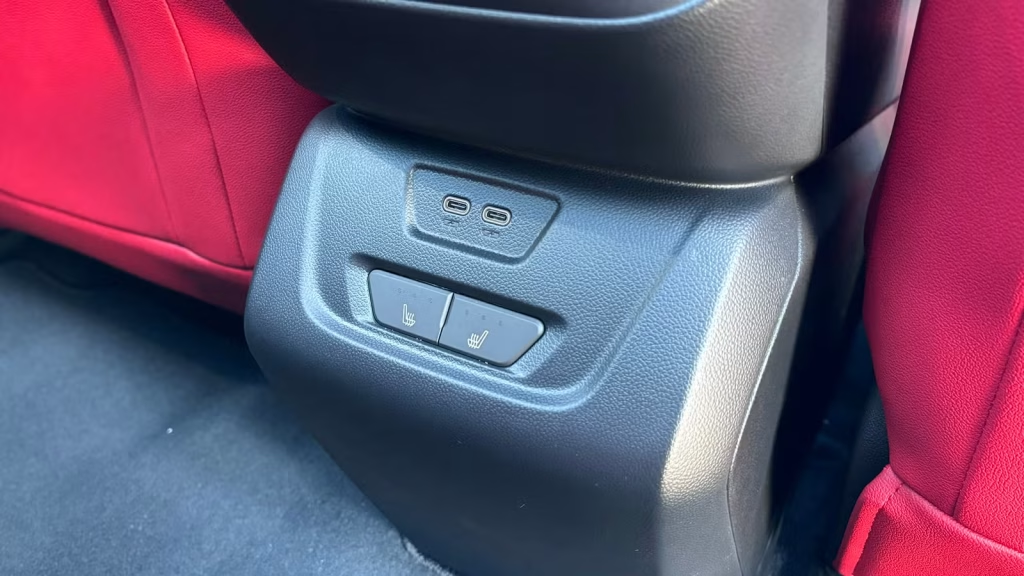
This makes the vehicle suitable for everything from commuting to family road trips, where keeping passengers’ electronics operational can become a genuine convenience.
It is not a dramatic hidden feature, but that is precisely why it can be overlooked. The value comes from eliminating a small annoyance that can otherwise repeat throughout every journey. For passengers spending hours in the back seat, having accessible charging can be more useful than many flashy cabin features.
6. Hidden Cargo Tie-Down Points
The Blazer’s cargo area is designed with more than just an open floor. Chevrolet provides cargo tie-down points that can help keep objects from shifting while the vehicle is moving. They are easy to overlook because they blend into the cargo-area design, but they become valuable whenever the SUV is carrying loose, irregularly shaped, or potentially unstable items.
Without some way to secure cargo, an object can slide across the floor during acceleration, braking, or cornering. That can turn a neatly loaded compartment into a collection of items scattered around the vehicle. The tie-down points give owners places to attach suitable straps or cargo restraints, helping keep equipment positioned where it was placed.
Their usefulness becomes clearer when the Blazer’s cargo capacity is considered. Chevrolet lists 30.5 cubic feet behind the second row and 64.2 cubic feet when the second row is folded. That is enough space for substantial loads, but larger cargo areas can also encourage owners to carry more varied objects.
A system for securing those items therefore becomes increasingly useful as the amount and variety of cargo increase.
The tie-down points are particularly practical for people carrying outdoor equipment, tools, boxes, groceries, or other objects that do not naturally sit securely against one another. They can also be useful when only part of the cargo floor is occupied, since loose items have more room to move in an otherwise open compartment.
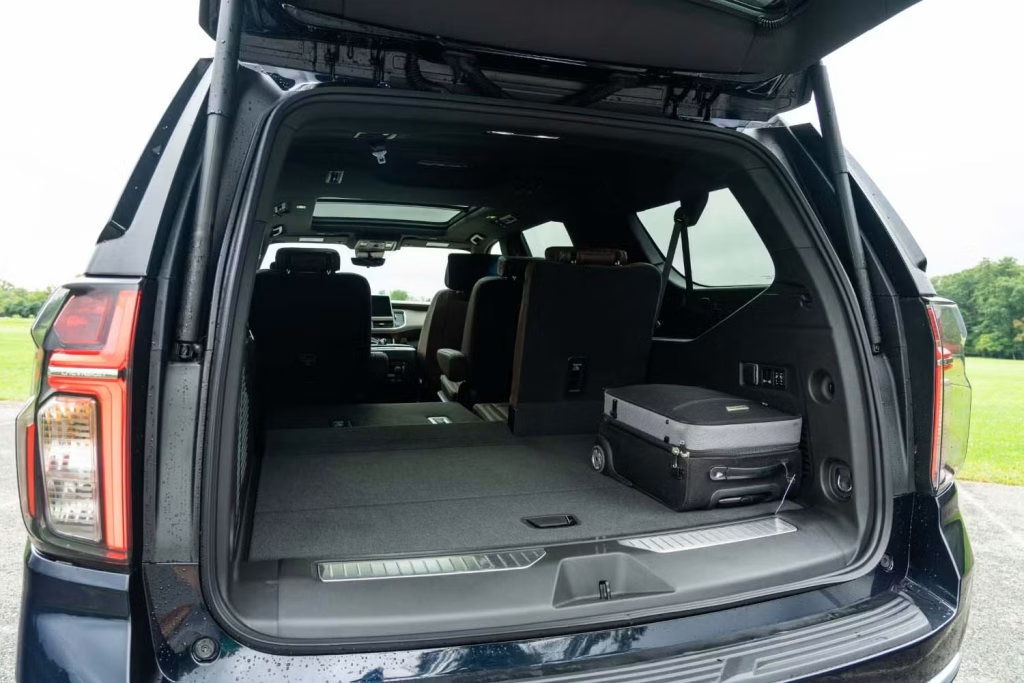
The important distinction is that these points are not designed to increase the Blazer’s published cargo capacity. Instead, they make the existing space easier to use safely and efficiently. That is a subtle but meaningful difference.
For an SUV that can switch quickly between passenger transportation and cargo duty, this kind of hardware is easy to appreciate after the first time something rolls around the cargo area. It is a small feature, but one that demonstrates Chevrolet considered what owners actually do with the space behind the rear seats.
7. Dual-Level Center Console Storage
The Chevrolet Blazer’s center console does more than provide a place for a few everyday items. Its deep storage area gives the front occupants a dedicated space for belongings that might otherwise clutter the cabin.
That becomes especially useful on longer drives, when charging cables, sunglasses, wallets, small electronics, and other personal items can quickly take over the cupholders and door pockets.
The advantage is organization. Frequently used objects can stay within easy reach, while less frequently needed items can be placed inside the enclosed console compartment. This keeps the dashboard and surrounding areas looking cleaner while giving the driver and front passenger separate places to manage their belongings.
The storage also complements the Blazer’s cargo flexibility. Chevrolet provides 30.5 cubic feet behind the second row and up to 64.2 cubic feet with the rear seats folded. Keeping small personal items inside the cabin means that valuable cargo space can remain available for larger luggage, shopping bags, sports equipment, or other bulky objects.
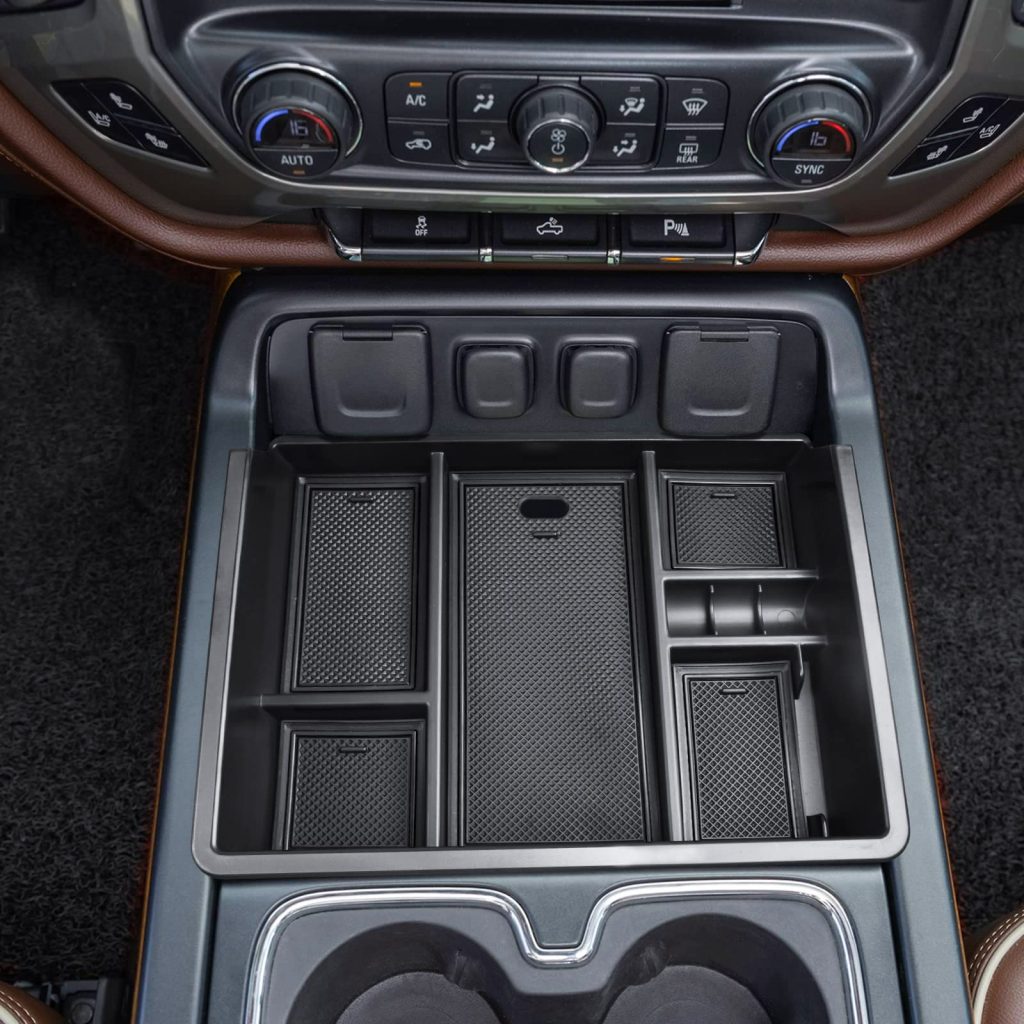
It is an understated feature, but that is exactly why it can be overlooked. The center console does not advertise itself as a major innovation. Instead, it solves a simple problem that owners encounter almost every day.
For drivers who spend considerable time in their Blazer, that kind of practical storage can make the cabin feel noticeably easier to live with.
8. Door-Panel Storage
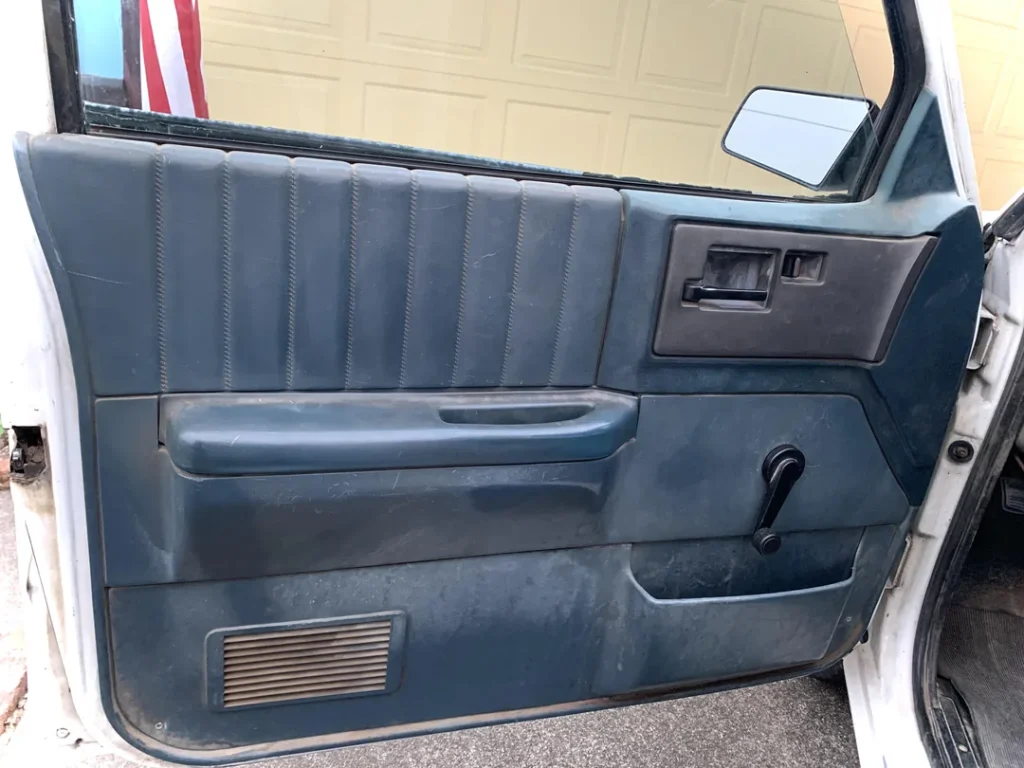
The Blazer’s door pockets are easy to ignore because storage bins have become almost universal in modern vehicles. Their usefulness becomes clearer once the cabin is occupied by several people. Instead of forcing everyone to share the center console, door storage gives occupants another convenient location for smaller personal belongings.
For the driver, the door pocket can hold items that need to remain accessible without occupying the cupholders. Passengers can use their own door storage for bottles, small bags, or other items, reducing clutter around the center of the cabin.
That organization becomes more valuable during road trips. When five people are traveling together, even a spacious SUV can accumulate an impressive collection of personal possessions. Giving those belongings multiple storage locations prevents the passenger compartment from becoming crowded with loose objects.
The feature also works in conjunction with the Blazer’s cargo capacity. Chevrolet lists 30.5 cubic feet of space behind the second row and 64.2 cubic feet when the rear seats are folded. Rather than filling that cargo area with small items that could remain inside the cabin, passengers can use the available storage around their seating positions.
The Blazer measures 191.8 inches long and 76.7 inches wide, so Chevrolet had to use its interior space efficiently. Door storage is a small example of that philosophy.
It may never appear on a buyer’s list of headline features, but good storage design can have a surprisingly large effect on everyday usability.
9. Cargo Area Lighting
The Blazer’s cargo-area lighting is one of those features that receives almost no attention during a daytime test drive. Once the sun goes down, however, its usefulness becomes immediately obvious. Dedicated lighting makes it easier to locate luggage, groceries, sports equipment, or smaller belongings without relying on a phone flashlight.
This matters because the Blazer has a sizeable cargo compartment. There are 30.5 cubic feet available behind the second row, while folding those seats increases capacity to 64.2 cubic feet. A large space is valuable, but it can also make it harder to find small objects when visibility is poor.
Consider a typical evening arrival home after grocery shopping. Several bags may be placed throughout the cargo area, with smaller items tucked around them. Adequate illumination lets the owner see what is there before unloading everything.
The same benefit applies when searching for luggage at a dark parking lot or retrieving equipment after an evening sporting event.
Cargo lighting also works alongside the Blazer’s adjustable loading arrangements. With the second row folded, the available floor area becomes considerably larger, and good illumination helps owners make better use of that expanded space.
It does not increase the SUV’s published cargo capacity or affect its performance. Its purpose is much simpler. It makes the existing cargo space easier and more convenient to use.
That is why it deserves recognition. Some of the best hidden features are not spectacular technologies. They are small details that eliminate an annoyance at exactly the moment an owner needs them.
10. Hands-Free Programmable Power Liftgate
The available hands-free programmable power liftgate can seem like a luxury convenience rather than a genuinely useful feature. That perception changes quickly when both hands are occupied.
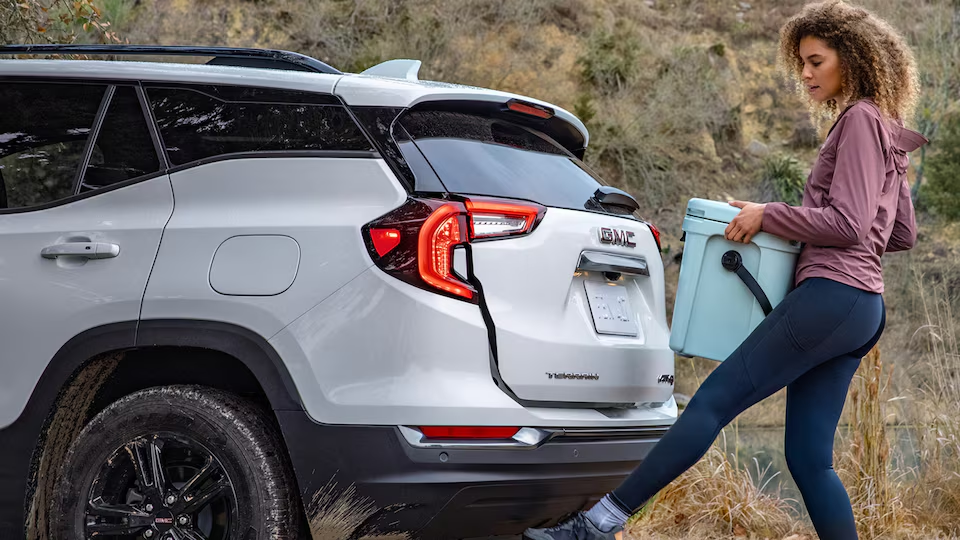
With the appropriate equipment, the Blazer allows the user to activate the liftgate using a foot motion beneath the rear bumper, providing access to the cargo area without first putting down whatever is being carried.
That can be particularly convenient after shopping. Bags can remain in both hands while the rear hatch opens, allowing them to be loaded directly into the vehicle. The same principle applies to luggage, sports equipment, or other objects that are awkward to carry.
The programmable opening height adds another practical touch. Owners can set the liftgate to stop at a preferred position, which can be useful when the Blazer is regularly parked inside a garage with limited overhead clearance.
The feature pairs naturally with the Blazer’s cargo capacity. Chevrolet lists 30.5 cubic feet behind the rear seats and as much as 64.2 cubic feet with those seats folded. The power liftgate does not increase those numbers, but it makes the available space easier to access.
That distinction is important. Convenience features are sometimes dismissed because they do not change the vehicle’s basic specifications. In daily use, however, reducing the effort required to load and unload a vehicle can be just as meaningful.
For Blazer owners who frequently carry cargo, the hands-free liftgate can become something they use without thinking about it. That is usually a sign that a convenience feature has been designed well.