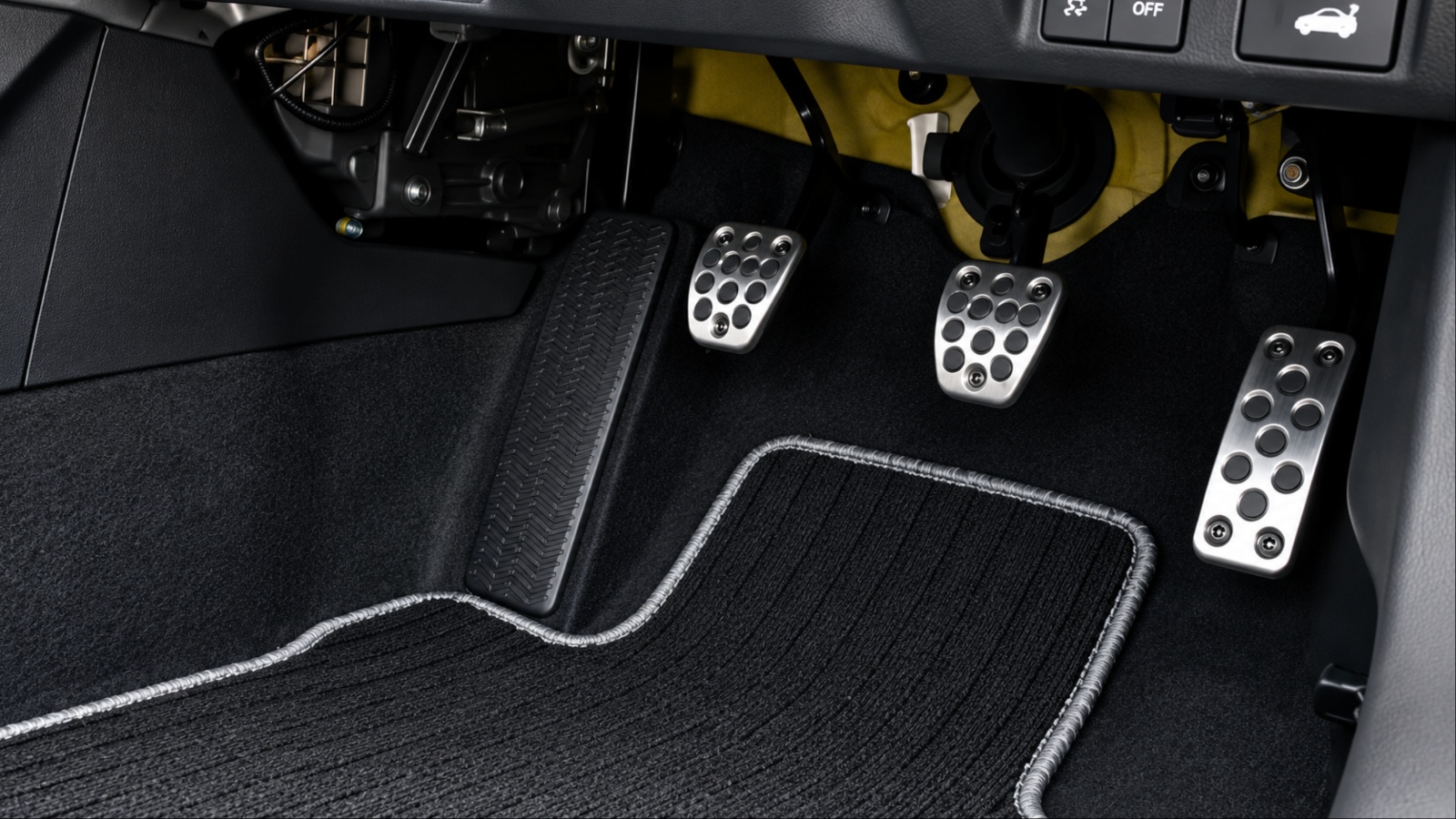
A manual transmission clutch can last well beyond 60,000 miles when it is used properly, but poor driving habits can dramatically shorten its life. Unlike an engine component that receives continuous lubrication, a clutch relies on friction material that gradually wears whenever the clutch slips.
Every unnecessary moment spent riding the pedal, holding the car on an incline with clutch slip, or launching aggressively creates additional heat and wear.
The problem is that clutch damage usually develops gradually, so drivers may not realize they are causing it until engagement becomes difficult or the clutch starts slipping. These ten habits are among the most common ways drivers accelerate clutch wear.
1. Resting Your Foot on the Clutch Pedal
It can feel harmless to leave your left foot resting lightly on the clutch pedal, especially during a long drive. The problem is that even slight pressure can partially disengage the clutch. You may not feel enough movement to realize anything is happening, but the release mechanism can remain under load and allow unnecessary clutch slip.
A properly engaged clutch should clamp the engine and transmission together firmly once your foot is completely off the pedal. When the pedal is partially depressed, the pressure plate can move away from the clutch disc enough to reduce clamping force.
That creates friction between the disc and the flywheel or pressure plate, turning engine power into heat instead of transferring it efficiently to the transmission.
The amount of wear caused by this habit depends on the vehicle and how much pressure is being applied. A foot simply touching the pedal without moving it may not cause significant damage on every vehicle.
However, keeping even modest pressure on a sensitive hydraulic clutch system can reduce the margin between full engagement and unwanted slip.
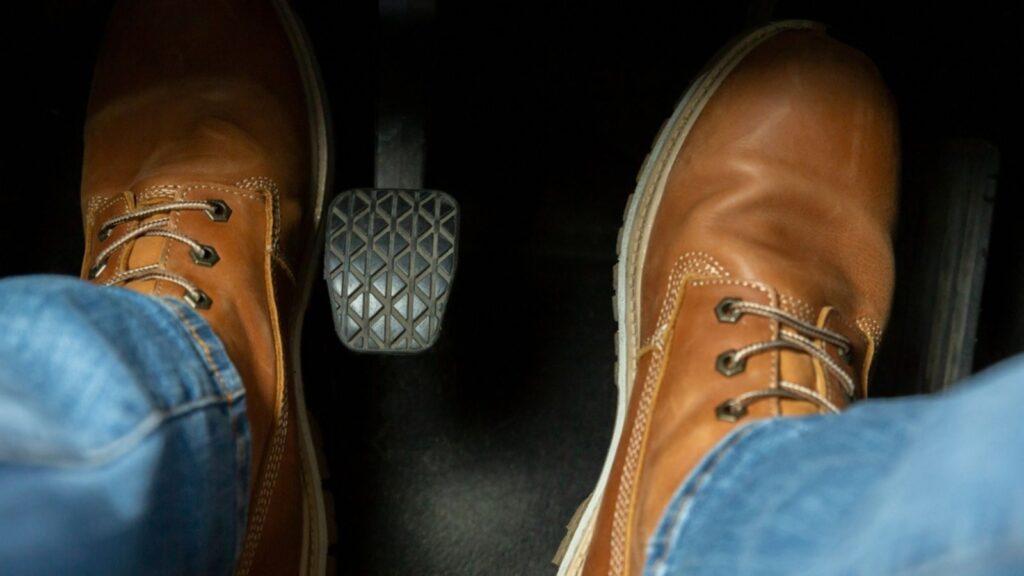
The driver’s seating position can make the habit worse. If the left leg naturally rests against the pedal during cruising, the driver may unknowingly maintain pressure for miles at a time.
The solution is straightforward. Use the clutch when starting from a stop or changing gears, then move your left foot to the footrest or floor once the shift is complete. This keeps the clutch fully engaged and helps prevent unnecessary wear on the release system.
2. Holding the Car on a Hill With Clutch Slip
Using the clutch to keep a manual-transmission vehicle stationary on an incline is one of the quickest ways to generate unnecessary heat. Instead of keeping the brake applied and waiting for the appropriate moment to move, some drivers find the clutch’s engagement point and use engine torque to prevent the vehicle from rolling backward.
The technique may feel smooth, but the clutch disc is slipping while the engine continues turning at a different speed from the transmission. That difference in rotational speed is converted into heat through friction. Repeating the maneuver at every stop on a steep hill can create substantially more wear than a normal gear change.
A clutch is designed to tolerate controlled engagement when pulling away from a stop. It is not intended to function as a parking brake. The longer the clutch remains partially engaged, the more heat is generated.
Modern manual cars often provide better alternatives. The parking brake can hold the vehicle while the driver prepares to move. Some vehicles also have hill-start assistance that briefly maintains brake pressure after the driver releases the brake pedal. These systems reduce the need to balance the car using clutch slip.
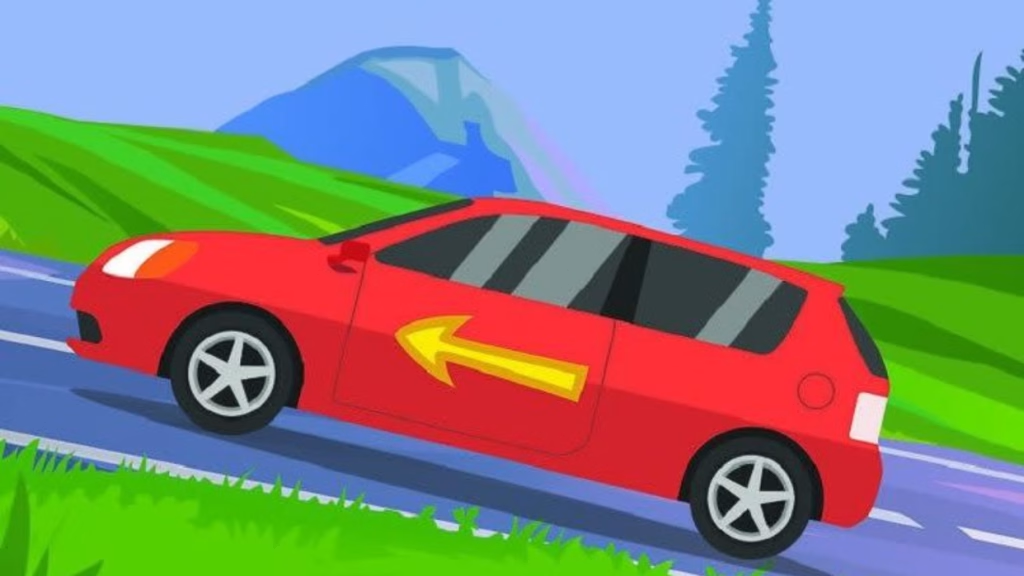
The correct technique varies slightly between vehicles, but the principle remains the same: keep the clutch fully engaged whenever the car is stationary. When you are ready to move, release the brake or parking brake and smoothly engage the clutch while applying appropriate throttle.
A brief amount of clutch slip during a normal hill start is unavoidable. The damaging habit is using that slip to hold the vehicle in place for several seconds.
3. Launching Aggressively From a Stop
Hard launches are entertaining, but they can be brutal on a clutch. A driver who raises engine speed significantly and then releases the clutch rapidly forces the clutch disc to absorb a large difference in rotational speed while transferring substantial engine torque to the drivetrain.
The result can be a sharp increase in friction and temperature. Instead of gradually bringing the engine and transmission to matching speeds, the clutch has to perform the synchronization very quickly.
Repeated launches can also affect more than the clutch disc itself. The sudden transfer of torque places additional stress on the pressure plate, flywheel, transmission, driveshafts, axles, and differential.
A high-powered car can magnify those stresses because the engine produces considerably more torque than the clutch has to manage in ordinary driving.
That does not mean every quick start will destroy a clutch. A properly designed clutch can handle strong acceleration within the vehicle’s intended operating conditions. The problem is repeated abuse, particularly when the driver deliberately holds the engine at high rpm before releasing the pedal.
The condition of the clutch matters too. A worn disc or weakened pressure plate has less ability to tolerate aggressive engagement. Heat can also cause temporary changes in clutch behavior, and repeated high-temperature events can accelerate wear.
A normal street launch requires far less drama. Select first gear, bring the engine to an appropriate speed, and release the clutch progressively while applying throttle. The goal is to minimize the amount of time the clutch spends slipping.
If maximum acceleration is genuinely necessary, drivers should understand that repeated hard launches are maintenance-intensive driving rather than normal operation. The clutch is a wear component, and aggressive launches consume some of its service life each time they occur.
4. Using the Clutch to Control Speed in Traffic
Stop-and-go traffic can become surprisingly hard on a manual clutch when drivers continuously feather the pedal instead of selecting an appropriate gear. Crawling forward with the clutch partially engaged may feel smoother than repeatedly stopping and starting, but it keeps the friction surfaces working for extended periods.
The underlying problem is similar to what happens when holding the car on a hill. The clutch slips because the engine and transmission are turning at different speeds, causing the clutch to absorb the difference as heat.
This habit is especially common in congested urban traffic. A driver may move a few feet, partially release the pedal, slow down, press the pedal again, and repeat the cycle dozens of times. Each event seems insignificant, but the cumulative effect can be substantial.
There is a better approach. When traffic stops, fully depress the clutch and use the brake. When the queue begins moving, select first gear and engage the clutch smoothly. If traffic is moving steadily at a speed appropriate for second gear, shift into second rather than maintaining first gear with continuous clutch slip.
Drivers should also avoid creeping forward solely by balancing clutch engagement without enough engine speed. While some cars can move at idle, prolonged slipping still creates friction.
The clutch’s job is to connect and disconnect the engine from the transmission, not to act as a continuously variable speed controller. Once the vehicle is moving, the clutch should be fully engaged whenever practical.
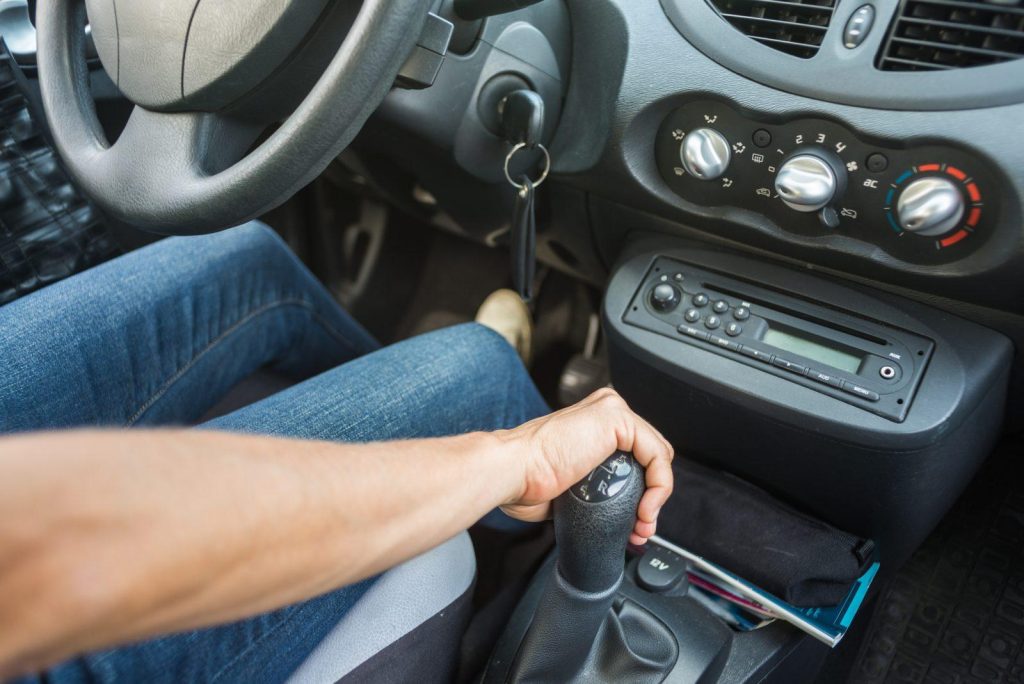
Learning to anticipate traffic can help too. Instead of racing toward the vehicle ahead and immediately braking, leave an appropriate gap when conditions allow. That can reduce the number of clutch engagements required during slow-moving traffic.
In heavy congestion, minimizing unnecessary pedal work is not just easier on the driver’s leg. It can also reduce the heat and friction that gradually consume clutch material.
5. Shifting Without Matching Engine Speed
A manual transmission requires the clutch to help synchronize engine and transmission speeds during gear changes. Drivers do not need to perfectly match RPM on every shift because the clutch is designed to absorb speed differences. However, repeatedly making large rpm mismatches forces it to do more work.
Consider a downshift from a higher gear to a lower gear. The lower gear requires the engine to rotate faster at the same road speed. If the driver selects the lower gear while the engine is still turning too slowly and then releases the clutch abruptly, the clutch must bring the engine up to the required speed.
That process creates friction. A smooth rev-matched downshift reduces the difference that the clutch has to absorb.
Upshifts can create the opposite mismatch. If the engine remains at too high an rpm after moving into the next gear, releasing the clutch can force the engine speed down while the vehicle continues moving at the same road speed.
The occasional imperfect shift is unlikely to destroy a healthy clutch. The concern is repeated, harsh shifts where the clutch pedal is released abruptly and the engine speed differs significantly from the speed required by the selected gear.
Experienced drivers often use a small throttle blip during downshifts to raise engine rpm before releasing the clutch. This technique, known as rev matching, can make shifts smoother and reduce the work performed by the clutch.
The key is not achieving perfect rpm synchronization every time. It is avoiding unnecessary shock and prolonged slipping. A smooth shift usually feels better to the occupants as well because the drivetrain receives less abrupt torque variation.
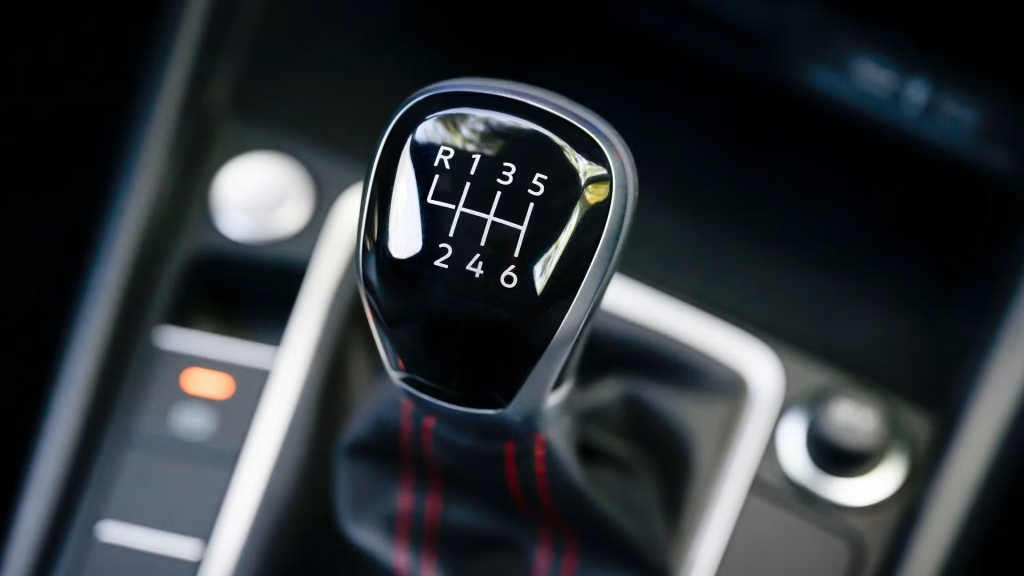
For drivers learning manual transmission, concentrating on smooth pedal movement and understanding how engine speed changes between gears can prevent a lot of unnecessary clutch work.
6. Keeping the Clutch Depressed at Every Stop
Some drivers automatically press the clutch pedal whenever they stop, even if the vehicle will remain stationary for a relatively long period. While depressing the pedal is necessary before selecting first gear or preparing to move, keeping it down unnecessarily places continuous load on the clutch release system.
This habit does not necessarily wear the friction disc in the same way that riding the clutch does. With the pedal fully depressed, the clutch disc is separated from the engine’s rotating assembly. The greater concern is the additional load placed on components such as the release bearing and associated mechanisms.
If a traffic light has just turned red and the driver expects to move again shortly, holding the clutch down briefly may be unavoidable. But if traffic has stopped for a longer period, repeatedly keeping the pedal pressed serves little purpose.
The better strategy is to select neutral and release the clutch when the vehicle will remain stationary. When the light is about to change, depress the pedal, select first gear, and prepare to move.
This is particularly useful in long traffic queues. Sitting in neutral with the clutch released allows the release mechanism to return to its normal resting position instead of remaining loaded throughout the entire wait.
Vehicle manufacturers can use different clutch and release-bearing designs, so the exact mechanical effect varies between models. Some modern systems are designed to withstand considerable use. That does not make unnecessary pedal loading desirable.
There is also a practical benefit for the driver. Resting in neutral allows the left leg to relax rather than remaining tense against the clutch pedal.
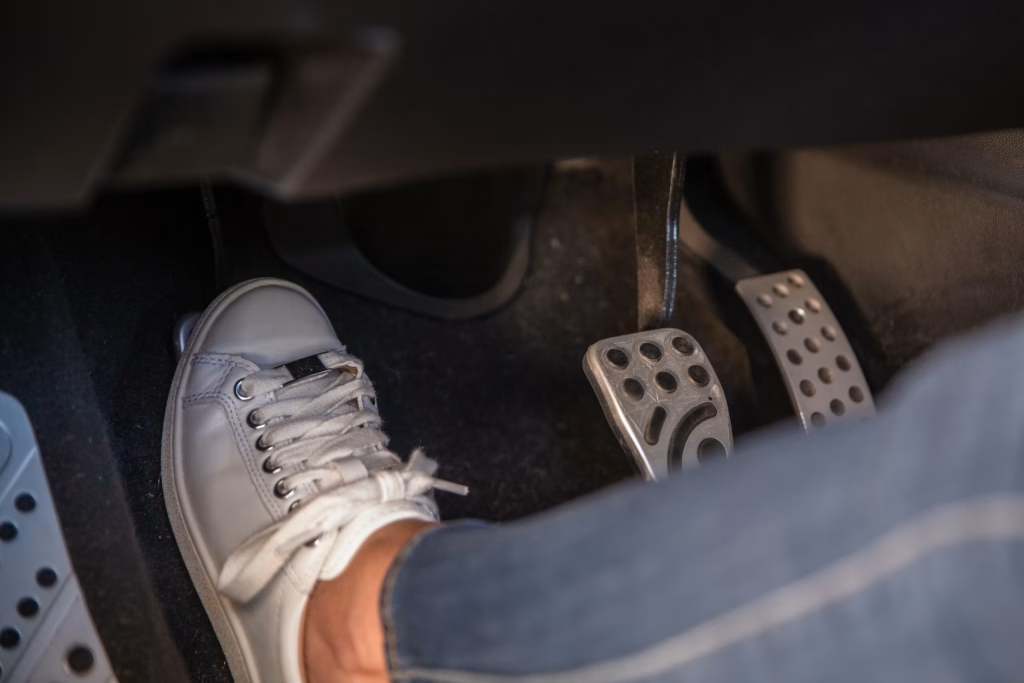
The clutch should therefore be treated as a control used when necessary, not a pedal that needs to remain depressed whenever the vehicle is stopped. A few extra seconds of correct technique at every intersection can add up over thousands of miles.
7. Pulling Away in the Wrong Gear
Starting the vehicle in a gear higher than first may seem like a minor shortcut, especially when the road is flat, and the engine has enough torque to move the car. But doing so generally requires more clutch slip because the engine has to overcome a larger load before the vehicle reaches a suitable speed.
First gear provides the greatest torque multiplication and is normally designed for getting the vehicle moving from rest. Second gear may work in some circumstances, but the clutch generally has to spend more time slipping to get the vehicle moving smoothly.
The problem becomes more pronounced when the vehicle is heavily loaded or facing an incline. Starting in a high gear forces the engine to work harder at low rpm, and the driver may compensate by increasing throttle while allowing the clutch to slip longer.
That combination produces heat.
Drivers sometimes develop this habit because they want to reduce the number of gear changes. However, saving one shift is not worthwhile if it requires unnecessary clutch wear during the launch.
The correct gear depends on the transmission and driving situation. In most conventional manual cars, first gear is the appropriate choice from a complete stop. Once the vehicle has gained enough speed, the driver can shift into second and continue accelerating.
There are exceptions. Some vehicles with unusual gearing or specific manufacturer recommendations may permit starting in second gear under certain conditions. The owner’s manual should take precedence over general advice.
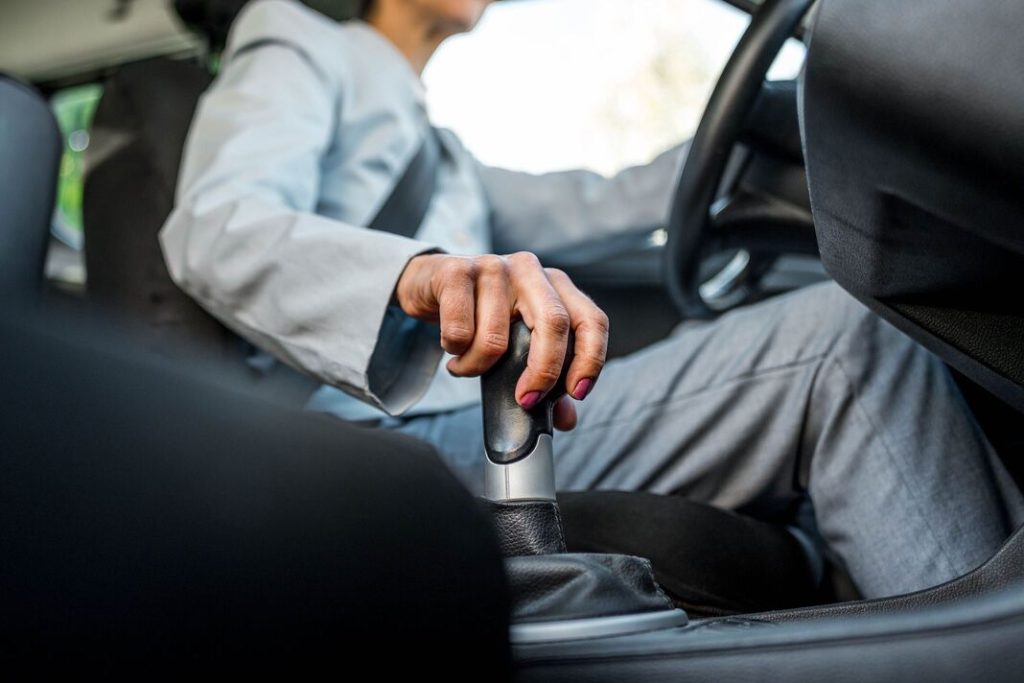
Another mistake is using an unnecessarily high gear at very low road speeds and then relying on the clutch to smooth the engine’s struggle. If the engine is clearly laboring, select a lower gear rather than keeping the clutch partially engaged.
Good clutch technique is not about avoiding gear changes. It is about allowing the clutch to spend as little time as possible between fully disengaged and fully engaged.
8. Towing or Hauling Beyond the Vehicle’s Limits
A clutch can survive normal towing, but asking a vehicle to move loads beyond its rated capability can dramatically increase drivetrain stress. The additional mass requires more torque to accelerate, particularly from a stop or on an incline.
That often changes how the driver uses the clutch. To prevent stalling, the driver may increase engine rpm and release the clutch more slowly. The result is prolonged slipping and additional heat.
This is why towing capacity is not simply a number related to engine power. The transmission, clutch, cooling system, brakes, suspension, and other drivetrain components all contribute to what the manufacturer considers a suitable load.
Even a trailer within the published limit can make clutch operation more demanding. Starting on an incline with a heavy trailer requires more work than moving the unloaded vehicle on level pavement. Drivers should therefore use appropriate gears and avoid unnecessary clutch slipping.
A useful rule is to let the transmission do more of the work. Select a low enough gear for the conditions, use the parking brake or hill-start system when necessary, and engage the clutch smoothly rather than holding the vehicle at the engagement point.
If a vehicle is repeatedly used for heavy towing, the manufacturer’s towing guidance becomes especially important. Some vehicles may have specific recommendations concerning transmission temperatures, gear selection, or speed.
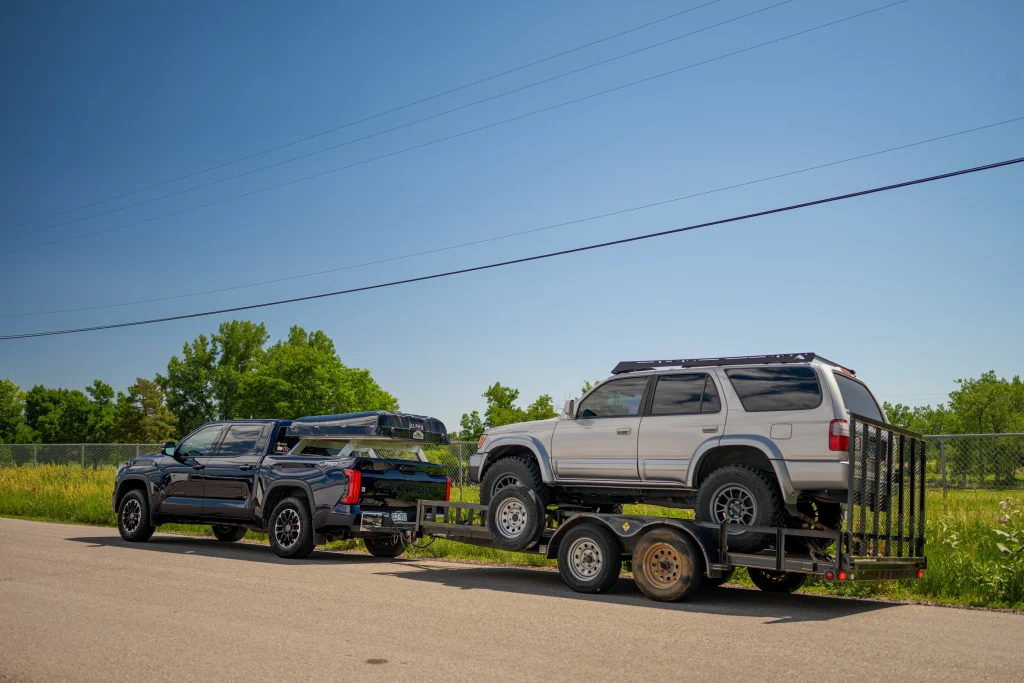
The warning signs of excessive clutch stress can include a burning odor, slipping under acceleration, rising engine rpm without a corresponding increase in road speed, or difficulty maintaining engagement under load.
A driver who frequently tows should not assume that a clutch rated for normal street driving will tolerate unlimited heavy-duty use. The manufacturer’s limits exist partly to protect the entire drivetrain.
Using the correct trailer weight, loading it properly and operating the manual transmission deliberately can prevent towing from becoming an expensive clutch replacement exercise.
9. Accelerating Hard While the Clutch Is Still Slipping
Accelerating with the clutch fully engaged is very different from accelerating while the clutch is still in its friction zone. The latter puts extra strain on the clutch because the engine is generating more torque while the clutch is simultaneously slipping.
This commonly happens when a driver pulls away from a stop, applies substantial throttle, but releases the clutch slowly because they want an especially smooth launch. The engine may climb in rpm while the vehicle accelerates relatively slowly. Much of that energy is being dissipated as heat at the clutch.
The faster the engine is turning and the greater the torque being transmitted during slip, the more demanding the situation can become. Exact wear depends on clutch design, vehicle weight, engine output, pedal technique, and the duration of the slip.
The solution is not to dump the clutch abruptly. That can create drivetrain shock and stall the engine. Instead, the objective is a controlled transition through the engagement point followed by complete clutch engagement as soon as road speed allows.
Drivers can listen to the engine and feel the vehicle. Once the car is moving smoothly and the clutch has grabbed, continuing to hold the pedal halfway down serves little purpose.
A healthy clutch should spend most driving time either fully engaged or fully disengaged. The friction zone is primarily for controlled transitions, such as starting from a stop and completing certain low-speed maneuvers.
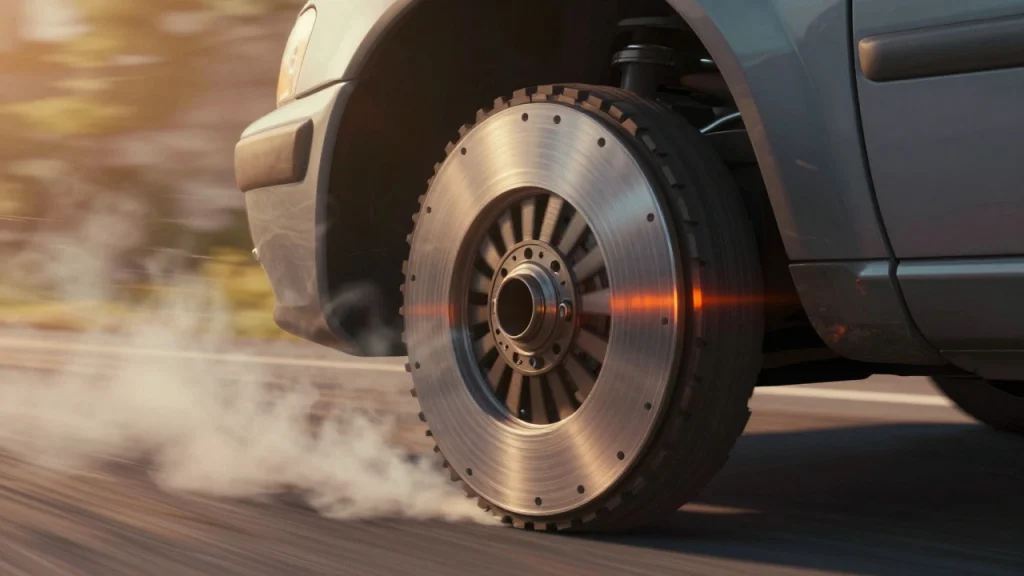
This becomes especially important in performance-oriented cars. A powerful engine can generate enough torque to produce considerable clutch heat during relatively short periods of slipping.
If acceleration requires the engine to rev dramatically while road speed barely changes, that is a warning that the clutch may still be slipping. Once that behavior becomes frequent, it can indicate both a driving habit and an existing mechanical problem.
10. Ignoring Early Signs of Clutch Slippage
Not every clutch that fails before 60,000 miles was destroyed by one dramatic mistake. Sometimes the damage develops gradually, and the driver’s biggest mistake is continuing to drive after the first warning signs appear.
Clutch slip is one of the clearest symptoms. The engine may rev higher during acceleration without the vehicle gaining speed proportionally. This can be especially noticeable in a higher gear when accelerating uphill or applying significant throttle.
Another warning is a burning smell after repeated starts or difficult maneuvers. A brief odor does not automatically mean the clutch is ruined, but a recurring burning smell deserves attention.
Changes in pedal behavior can also provide clues. A clutch may begin engaging unusually high in the pedal travel, although pedal position alone is not a definitive diagnosis because clutch designs differ. Difficulty selecting gears, unusual noises when operating the pedal, vibration during engagement, or a sudden change in pedal effort can also indicate a problem.
Continuing to drive aggressively after slip appears can turn a relatively manageable repair into a larger drivetrain problem. Excessive heat can damage friction surfaces and other components, while continued slipping can make the vehicle progressively harder to drive.
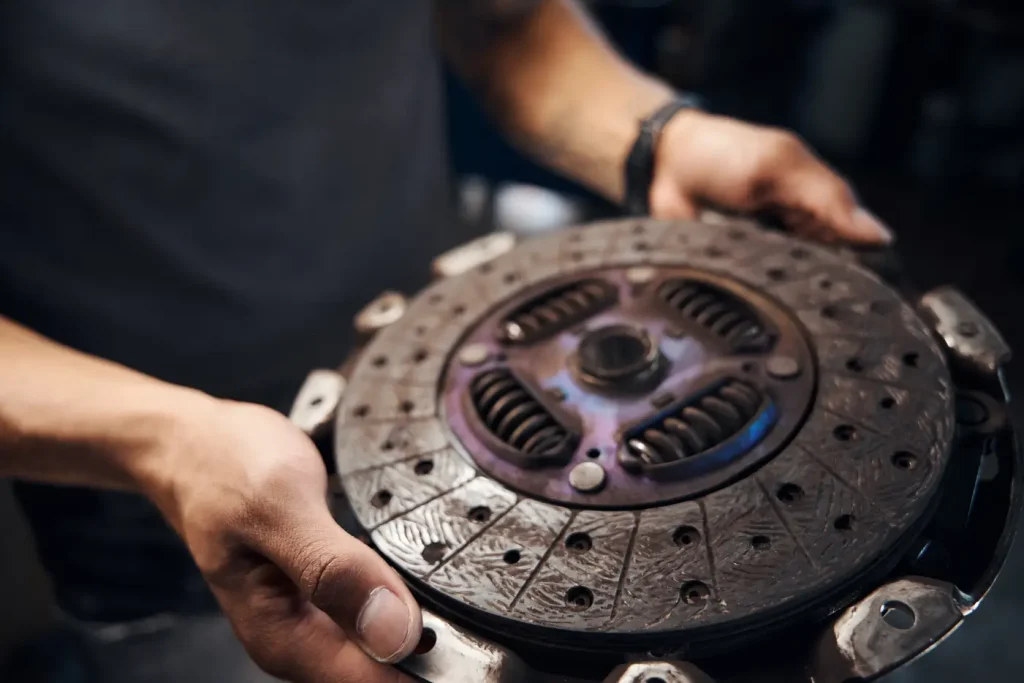
The best response is to have the clutch inspected rather than attempting to compensate with different pedal techniques. A mechanic can determine whether the issue involves the clutch disc, pressure plate, release mechanism, hydraulics, or another part of the manual-transmission system.
Clutch life varies enormously. Driving conditions, vehicle design, traffic, towing, driver technique, and component quality all influence longevity, so 60,000 miles should never be treated as a guaranteed failure point.
The real goal is to avoid unnecessary wear from the beginning and respond quickly when something changes. A clutch that receives smooth inputs and is serviced when symptoms first appear has a much better chance of delivering long, predictable service.