
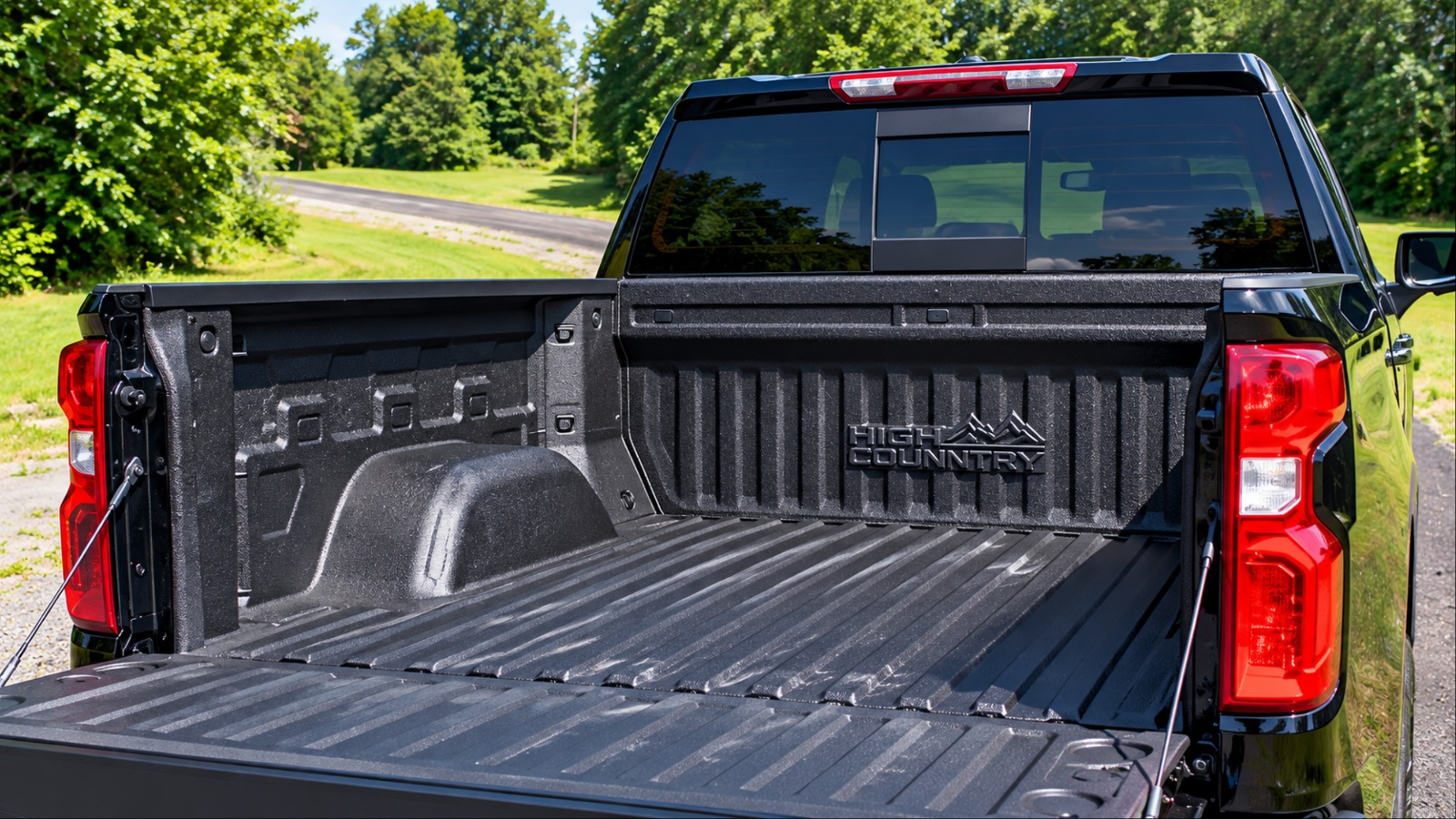
A pickup bed can turn an ordinary shopping trip into a legal headache when certain items are transported the wrong way. The surprising part is that many of these objects are perfectly legal to own.
The problem comes from transportation rules, state restrictions, packaging requirements, or the way the load is secured. A few examples are much less obvious than simply saying “illegal items.”
A loose gasoline container, an unsecured propane cylinder, certain agricultural chemicals, or an improperly transported animal can create issues under specific laws. Since transportation rules differ between states, each example below identifies the circumstances that can make the item unlawful to carry.
1. An Unsecured Propane Cylinder
A portable propane cylinder is perfectly legal to own, but transporting one in a pickup bed can become a problem if it is not positioned and secured correctly. The concern is not simply that propane is flammable. Federal hazardous-material transportation rules contain specific requirements for cylinders and other containers carrying compressed or liquefied gases.
A propane cylinder should never be allowed to roll around the bed. A loose cylinder can strike other objects, damage its valve, or move toward the edge of the truck during braking or cornering.
The legal requirements can become particularly important when the cylinder is being transported as part of a commercial operation rather than for personal use.
The Pipeline and Hazardous Materials Safety Administration regulates the transportation of hazardous materials under federal law. Its rules address packaging, securement, and handling because a damaged cylinder can release flammable gas.
Another issue that can easily be overlooked is heat and ventilation. Because a pickup bed is open to the atmosphere, it is generally a better place for a propane cylinder than a passenger compartment. However, the cylinder still needs to be secured and protected from physical damage.
It should remain upright when required by the cylinder’s design and should be secured against movement. Some state fire codes and local regulations can impose additional requirements.
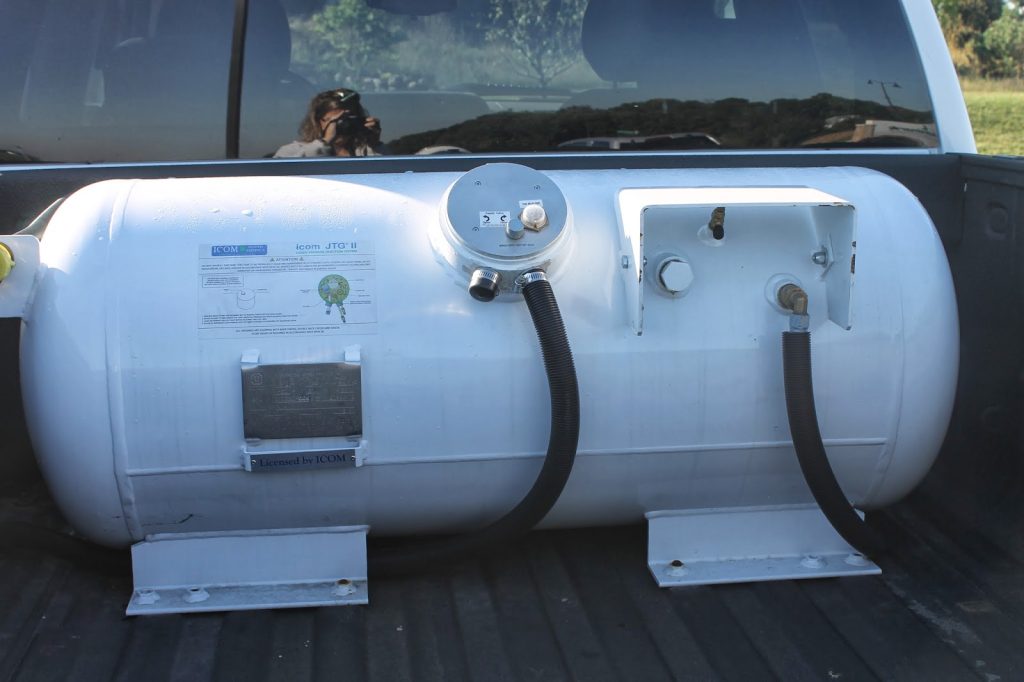
So the mistake is not buying a propane cylinder or carrying one in a pickup. The legal problem arises when the driver treats it like ordinary cargo and ignores the transportation requirements that apply to the particular cylinder and situation.
For occasional household transportation, checking the cylinder manufacturer’s instructions and applicable local rules is sensible. For commercial quantities, federal hazardous-material requirements become substantially more important.
2. A Gasoline Can That Is Not Approved for Fuel Transportation
A plastic container sitting in a pickup bed may look harmless, but not every container is legally suitable for transporting gasoline. Federal regulations establish specifications for certain portable fuel containers, and the container’s construction matters.
The U.S. Consumer Product Safety Commission has regulations covering portable gasoline containers, including requirements concerning flame mitigation devices and other safety characteristics. A random plastic jug that was never designed or approved for gasoline should not be treated as an acceptable fuel container simply because it has a screw-on cap.
The distinction becomes important when someone fills an ordinary household container with gasoline and puts it in the truck bed. Gasoline produces flammable vapors, and a container not designed for fuel can leak, rupture, or allow vapors to escape.
A properly designed gasoline can is made specifically to contain fuel and manage the hazards associated with its use. It should also be positioned so it cannot slide, tip, or become damaged by other cargo.
Transportation rules can vary according to quantity and circumstances. Commercial transportation can trigger additional federal requirements that do not necessarily apply to an individual carrying a small amount of fuel for personal use.
There is also a practical reason to avoid carrying unnecessary gasoline. A truck bed can become extremely hot in direct sunlight, increasing pressure inside a sealed fuel container.
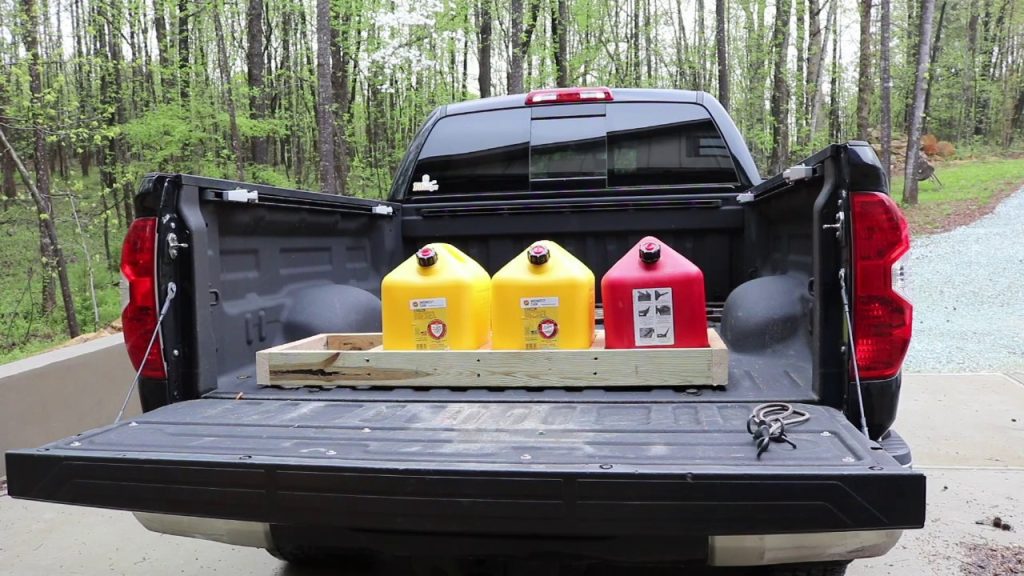
The important legal distinction is therefore between gasoline itself and the container used to carry it. Fuel can be lawful while the method of carrying it creates a regulatory problem.
If gasoline must be transported, use a container specifically approved for gasoline, follow its filling instructions, secure it upright, and prevent it from moving around the bed. A proper fuel can is not merely convenient. It is part of transporting the fuel safely and legally.
3. A Load of Soil From a Quarantined Area
A truck bed full of ordinary dirt may look like harmless landscaping material, but certain soil cannot legally be moved freely between locations in the United States. The restriction is tied to agricultural quarantines designed to stop insects, plant diseases, and other pests from spreading.
USDA Animal and Plant Health Inspection Service, or APHIS, specifically regulates the movement of soil because it can carry organisms capable of damaging crops and natural ecosystems. Federal rules can restrict soil movement from areas under quarantine, with the exact restrictions depending on the pest and the location.
That means a homeowner cannot always dig up several loads of soil from one property, put them in a pickup, and transport them across a quarantine boundary simply because the soil belongs to them. Some movements require authorization, treatment, inspection, or other safeguards.
Imported fire ant quarantines provide a good example. APHIS identifies bulk soil, mulch, composted soil, topsoil, and other articles containing compacted soil among materials that can require inspection and permits when moved from a quarantined area.
The same principle can apply to plants and landscaping materials carrying soil. A load of nursery stock with dirt around its roots can present the same agricultural concern as loose soil.
This is particularly easy to overlook after landscaping work. Someone might assume that filling a pickup with leftover dirt and taking it to another property is simply a matter of hauling waste. In a quarantine zone, however, the destination and route can matter.
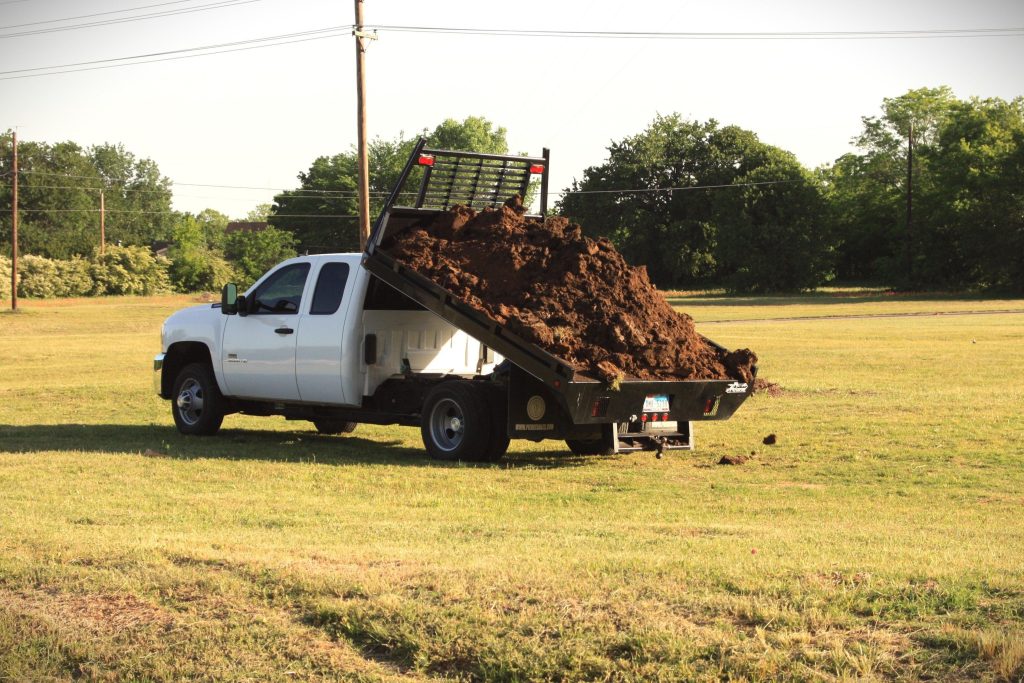
The important point is that soil itself can become a regulated item depending on where it comes from and where it is going. APHIS maintains quarantine information and advises checking the applicable requirements before moving soil across regulated areas.
4. A Live Plant With Soil Attached
A potted plant can create a surprisingly complicated transportation issue when it is moved across certain state or quarantine boundaries. The plant itself may be perfectly legal to own, but the soil surrounding its roots can be the regulated part.
USDA APHIS warns that plants and plant material can carry insects, eggs, fungi, and other pests. Restrictions can apply to particular plants, plant parts, and growing media depending on the origin and destination.
This becomes especially relevant when a pickup is used to move nursery stock. Imagine buying several mature plants from a garden center and placing them in the truck bed with their root balls still covered in soil.
In an ordinary local move, that may be completely acceptable. But if the trip crosses a regulated quarantine boundary, the same load can require inspection, treatment, or documentation.
APHIS has specific quarantine programs covering particular pests and regions. For example, regulated articles can include plants with roots and soil attached, grass sod, and other agricultural materials capable of carrying a pest from a quarantined area.
The rules are not simply about whether a plant looks healthy. A plant can appear completely normal while carrying an insect or pathogen that is difficult to see. That is why quarantine regulations can apply even when the owner has no reason to believe the plant is contaminated.
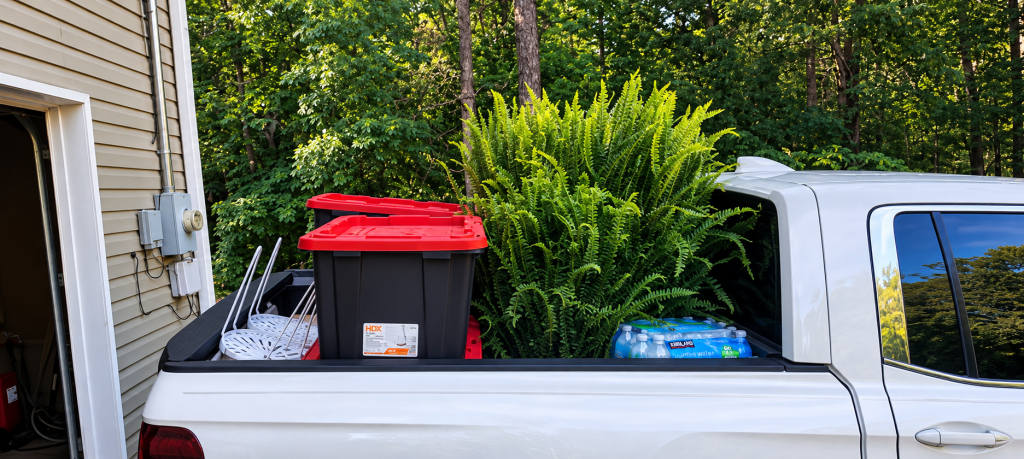
There are also federally regulated plant pests and noxious weeds that require permits for interstate movement. APHIS states that a PPQ 526 permit can be required for interstate movement of regulated plant pests and federally listed noxious weeds.
So the surprising item here is not an exotic chemical or dangerous object. It can simply be a living plant sitting in a pickup bed with its original soil attached. The legality depends heavily on the plant, soil, quarantine area, and route.
5. A Compressed-Gas Cylinder Lying Loose in the Truck Bed
A compressed-gas cylinder is a specific item that can create a transportation violation when it is simply tossed into a pickup bed. Examples include propane cylinders, oxygen cylinders, and other pressurized gas cylinders.
The important issue is how the cylinder is carried, not merely whether someone owns it. Federal hazardous-material transportation rules require applicable cylinders to be secured so they cannot shift, overturn, or be thrown from the vehicle during normal driving conditions.
PHMSA specifically states that cylinders containing Class 2 compressed gases must be restrained in a manner that prevents shifting, overturning, or ejection.
That makes the common practice of placing a cylinder on its side and letting it roll around the bed particularly problematic. Sudden braking, a sharp turn, or a collision can send the cylinder moving with considerable force. Damage to the valve can also create a much more serious hazard.
PHMSA has addressed pickup trucks specifically. Its guidance says hazardous-material packages transported in a personal pickup can be subject to securement requirements, including protection against shifting and damage.
There can also be additional requirements depending on the gas, cylinder, quantity, and whether the transportation is personal or commercial. A business transporting cylinders may face substantially more extensive hazardous-material rules than someone making a limited personal trip.
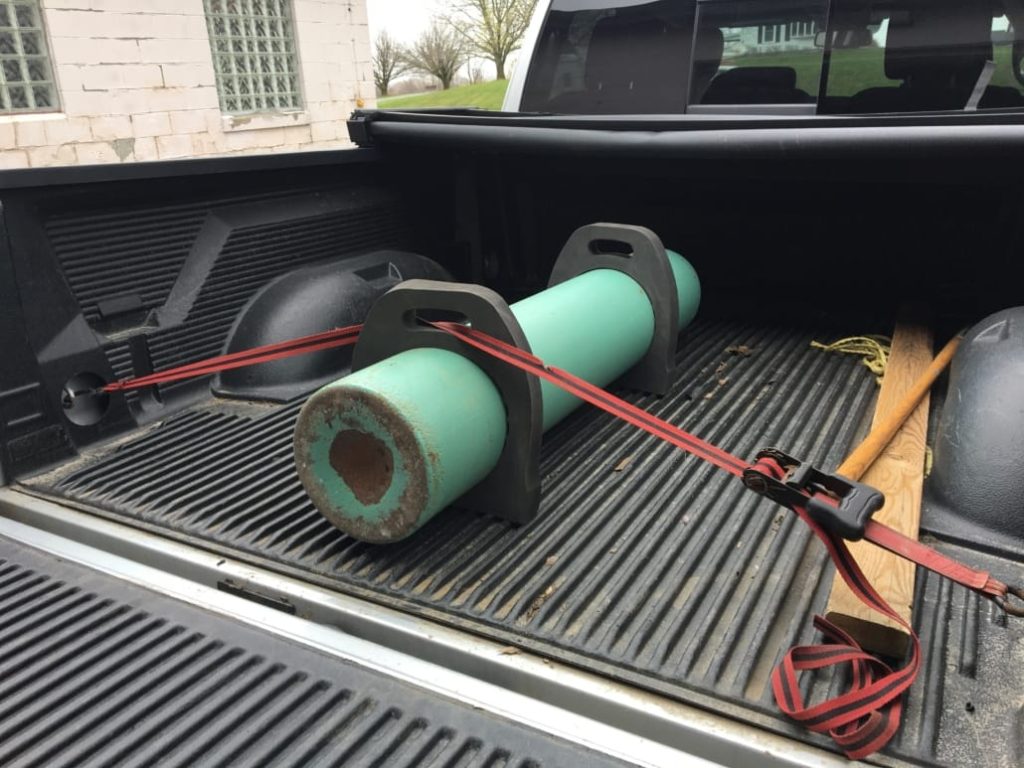
So the specific item to watch is not simply “hazardous materials.” It is the loose compressed-gas cylinder sitting unsecured in the bed.
If a cylinder needs to be transported, it should be handled according to the applicable cylinder and transportation requirements, with appropriate restraints rather than relying on its weight to keep it in place.
6. Commercial Fireworks Without the Required Transportation Controls
A box of fireworks can look like ordinary cargo, particularly after purchasing fireworks for an event. But certain fireworks are classified as explosive materials, and transporting them can trigger federal requirements that do not apply to ordinary household merchandise.
The important distinction is between a small quantity of consumer fireworks and larger or regulated shipments. Fireworks can fall under federal hazardous-material transportation rules, while ATF regulations can also apply to explosive materials depending on the circumstances.
ATF explains that transportation of explosives, including display fireworks, can involve both ATF and Department of Transportation requirements. Its guidance specifically discusses vehicles carrying fireworks commercially and notes that additional state and local laws may also apply.
That means a pickup loaded with multiple cases of professional display fireworks is not necessarily treated like a homeowner carrying a small purchase home. The packaging, quantity, classification, vehicle, route, and purpose of transportation can all matter.
ATF also distinguishes between transportation and storage. For example, explosive materials left in a vehicle can raise different regulatory questions depending on whether the vehicle is genuinely being used for transportation or the material is effectively being stored there.
This is why simply strapping boxes to the bed and assuming they are legal to carry can be a mistake. Certain shipments require prescribed packaging, securement, markings, documentation, or other controls.
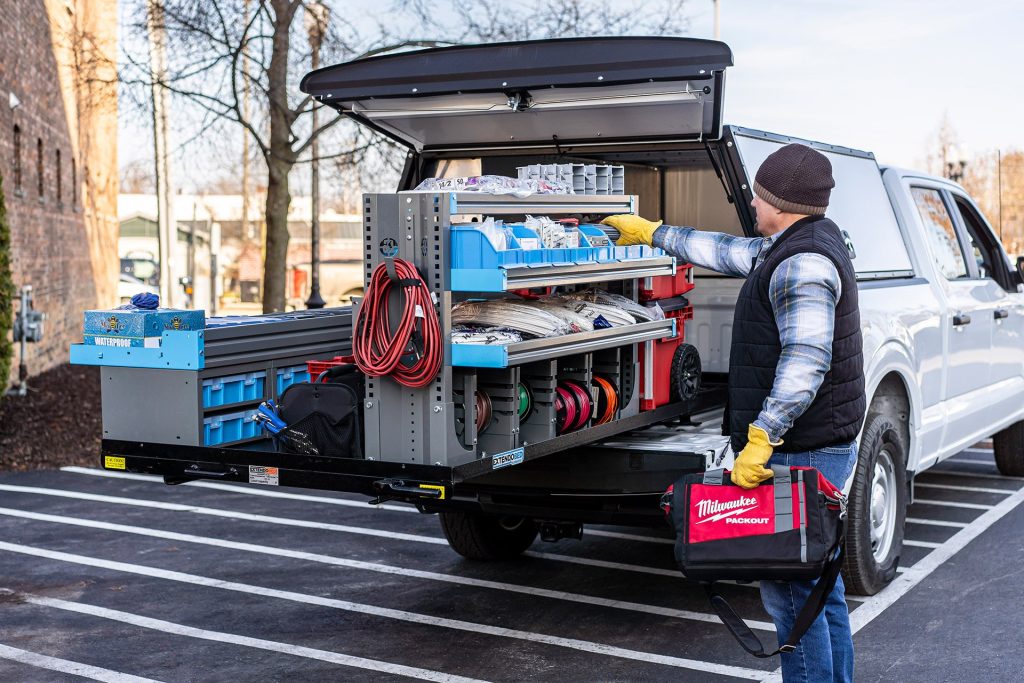
The specific item here is therefore a commercial or regulated quantity of fireworks being transported without the required controls, rather than every consumer firework being automatically illegal in a pickup.
State laws can be even more restrictive, particularly because fireworks regulations differ substantially across the country. A driver should therefore check both federal transportation requirements and the laws governing the state where the fireworks are purchased, transported, and used.
7. A Damaged Lithium-Ion Battery Pack
A damaged lithium-ion battery pack is another very specific item that can create serious transportation problems. Think of a visibly swollen power-tool battery, a crushed electric-bike battery, or a battery pack that has been involved in a crash. It should not simply be tossed into a pickup bed with ordinary cargo.
The U.S. Department of Transportation classifies lithium batteries as hazardous materials for transportation because they can short-circuit, overheat, and enter thermal runaway. PHMSA specifically identifies damaged, defective, and recalled batteries as presenting greater fire risks than ordinary batteries.
Federal rules become particularly important when the battery is being transported in commerce, such as when a business is taking damaged batteries to a recycler or disposal facility.
PHMSA states that all damaged or defective lithium batteries capable of producing dangerous heat, fire, or a short circuit must meet the special requirements in 49 CFR 173.185(f).
That means a damaged battery cannot necessarily be treated like an ordinary piece of used equipment. Appropriate packaging and protection against short circuits can be required, and damaged batteries may require more stringent packaging than undamaged ones.
The distinction between personal transportation and transportation in commerce matters here. A homeowner carrying a damaged cordless-tool battery to a retailer is not automatically subject to every commercial shipping requirement. But businesses, recyclers, carriers, and other parties transporting regulated batteries can face substantial federal requirements.
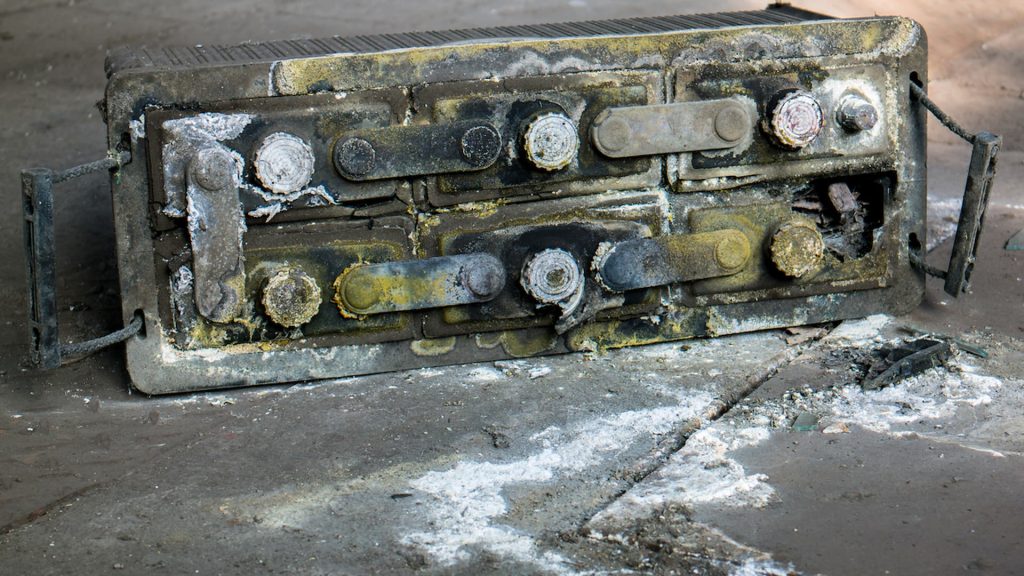
The safest approach is therefore not to throw a damaged battery loose into the bed beside metal tools, scrap, or other batteries.
A visibly damaged lithium-ion battery is a specific item that requires special handling, particularly when it is being transported for recycling, disposal, or commercial purposes. Noncompliance with applicable hazardous-material rules can lead to enforcement action.
8. Untreated Firewood Taken Across a Regulated Boundary
A stack of freshly cut firewood is another surprisingly specific item that can cause legal trouble in a pickup bed. The issue is not that firewood is inherently illegal. The problem arises when wood is moved through an area where agricultural or forest-pest restrictions apply.
Firewood can contain insects and diseases hidden beneath bark. USDA APHIS specifically warns that moving firewood can spread invasive pests and recommends buying it where it will be burned or using properly heat-treated firewood when transportation is necessary.
Federal quarantine rules have changed for some pests. For example, APHIS removed its federal emerald ash borer quarantine in 2021, meaning there is no longer a federal EAB quarantine controlling ash wood movement. However, APHIS also makes clear that state and other federal quarantines can still regulate wood, wood products, and firewood.
That distinction matters because a driver can be perfectly entitled to own the firewood while still being prohibited from moving it into a regulated location. A state, park, or other jurisdiction may impose its own restrictions to prevent the spread of invasive insects.
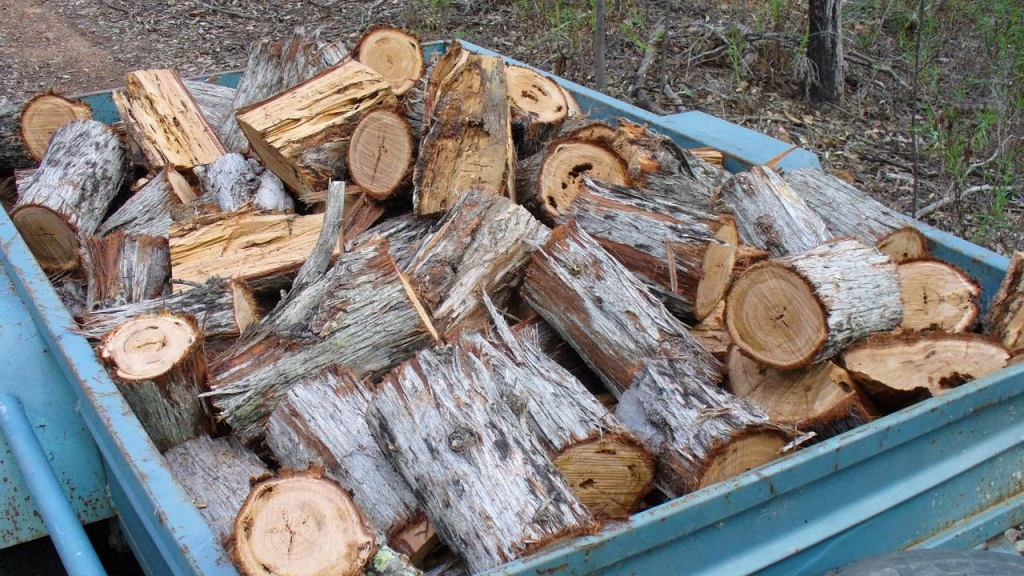
This is especially relevant when someone loads a pickup with firewood at home before heading to a campground. A driver might cross only a relatively short distance and still encounter a restriction. APHIS notes that even short-distance movement can spread pests and recommends using heat-treated firewood when it must be moved.
So the specific item to watch is untreated firewood being transported into an area where its movement is restricted. Before loading the bed, drivers should check the rules for both the origin and destination. A load that is perfectly legal at one location can become unlawful once it crosses a quarantine or state boundary.
