
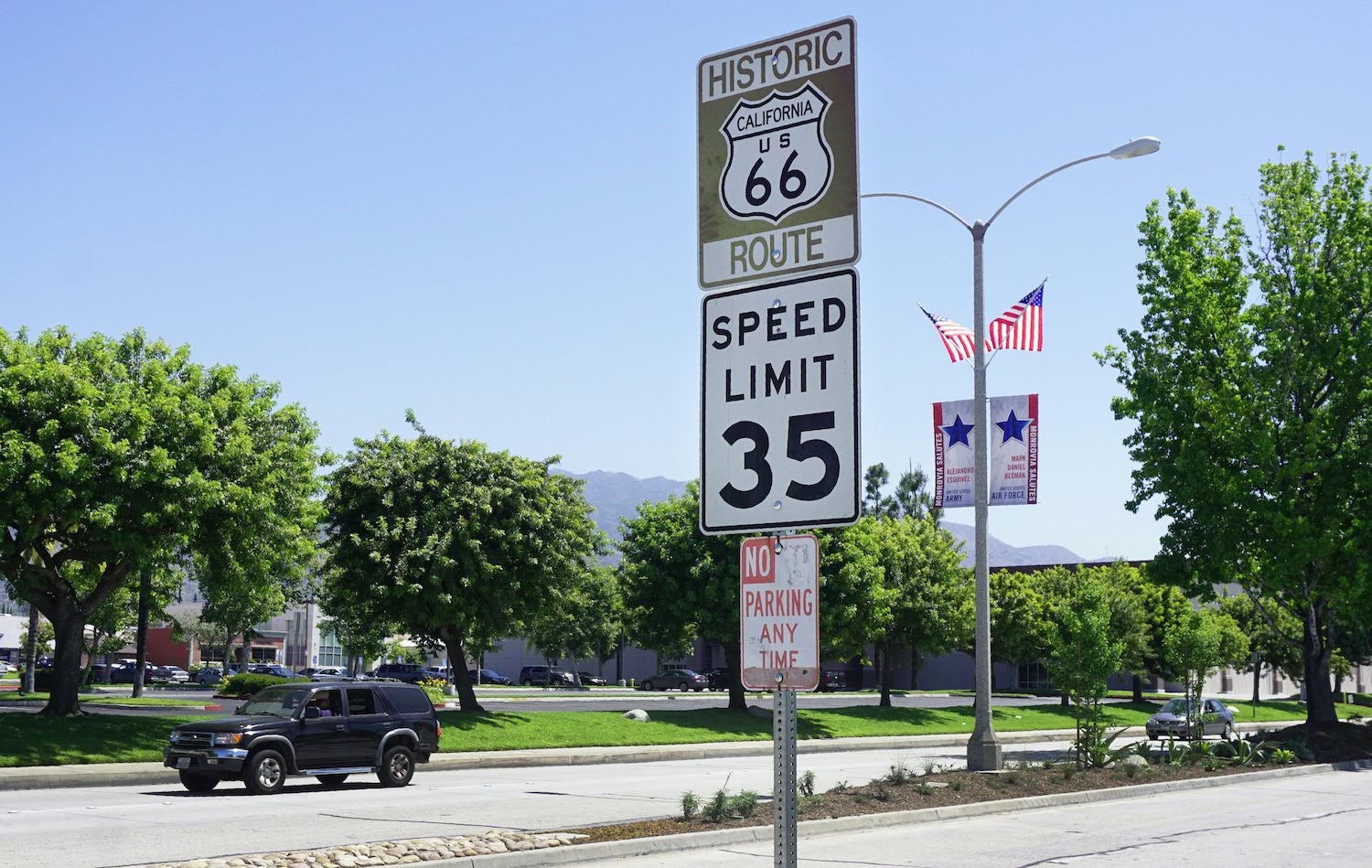
America has some long, fast highways, but even the country’s highest posted speed limit is not the fastest available to drivers. Texas State Highway 130 allows speeds of up to 85 mph, or about 137 km/h, on certain sections.
Beyond the United States, several countries permit even higher speeds on selected motorways and expressways. Germany is famous for its unrestricted Autobahn sections, while other countries post limits reaching 140, 150, or even 160 km/h.
These rules are not universal across each country, and conditions can change from one road to another. Still, they offer a fascinating look at how different nations approach high-speed travel. Here are 10 countries where drivers can legally travel faster than the highest posted limit found in any U.S. state.

1. United Arab Emirates
The United Arab Emirates sits at the top of this list because certain highways have posted speed limits reaching 160 km/h, or roughly 99 mph. That is far above the 85 mph maximum found on Texas State Highway 130.
These higher limits are associated with selected major highways designed to connect large cities across the country. Wide roads, modern infrastructure, and long stretches of highway make higher legal speeds possible in particular locations.
Drivers should remember that a country’s highest limit does not apply to every road within its borders. Speed rules can change as traffic density increases or drivers approach urban areas. Electronic signs and roadside postings remain the authority for the road being used.
The UAE also has a reputation for strict traffic enforcement. High legal speed limits do not mean drivers have unlimited freedom to travel as fast as they choose. Cameras, enforcement systems, and other regulations can apply depending on the location.
For an American driver accustomed to an 85 mph maximum, seeing a 160 km/h sign can be surprising. It demonstrates how highway design and national traffic policies can produce very different legal standards.
Even at higher limits, drivers still need to account for weather, traffic, vehicle condition, and road conditions before deciding how fast to travel.
2. Poland
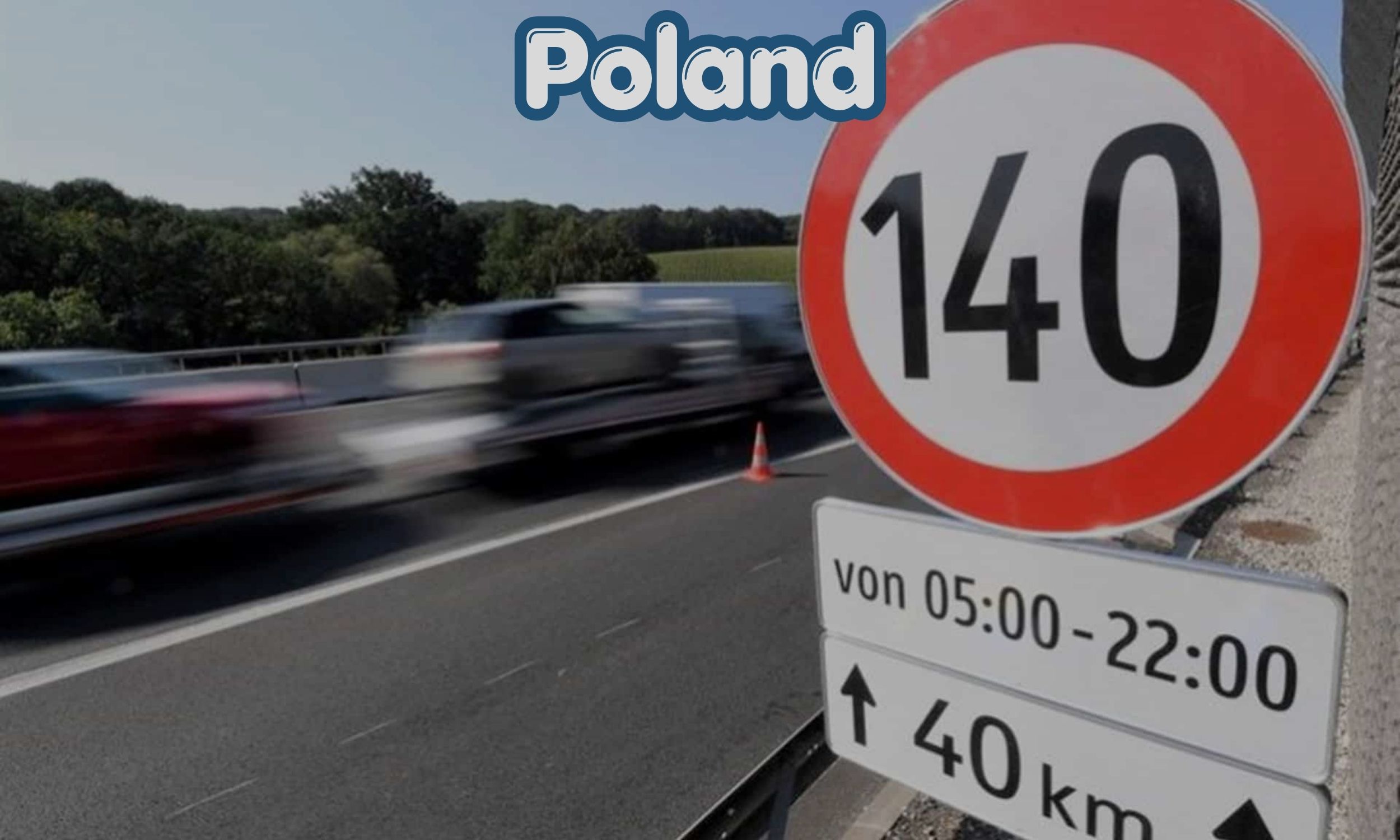
Poland has one of Europe’s higher standard motorway speed limits, with certain motorways allowing drivers to travel at up to 140 km/h. That equals about 87 mph, placing it slightly above the highest posted limit available in the United States.
The difference may sound small when converted into miles per hour, but it still puts Poland’s motorway limit beyond Texas State Highway 130’s 85 mph maximum. On a long trip, that additional legal speed can reduce travel time, assuming traffic conditions allow drivers to maintain it safely.
Poland’s road network includes motorways designed for high-speed travel, although lower limits apply on other types of roads. Drivers must pay attention to road signs because the limit can change when moving between different highway categories.
Weather also plays a major role. A posted maximum represents the highest speed legally permitted under normal conditions, not a requirement to drive at that speed. Rain, snow, heavy traffic, construction, and poor visibility can make a slower pace necessary.
For visitors, Poland also serves as a reminder that speed limits across Europe are not identical. Crossing a border can bring a completely different set of traffic rules.
At 140 km/h, Poland offers a legal maximum that exceeds every posted state speed limit in America, making it one of several countries where high-speed motorway travel is part of the driving experience.

3. Bulgaria
Bulgaria matches Poland with a motorway limit of 140 km/h, placing it firmly ahead of anything available on American soil. This Eastern European nation has expanded its highway system over recent years, connecting cities like Sofia and Varna with routes built for sustained high speed travel.
Compared to some of its neighbors, Bulgaria’s road network is still catching up in terms of total mileage, but the sections that do exist carry that generous limit.
Drivers heading toward the Black Sea coast during summer months often use these motorways, turning what could be a long, tedious drive into a quicker trip thanks to the elevated speeds allowed.
Enforcement varies depending on location, with speed cameras concentrated near larger cities and border crossings. Rural stretches sometimes see less monitoring, though local drivers caution against assuming that means no consequences. Fines for exceeding even the generous 140 km/h limit can add up quickly for tourists unfamiliar with local regulations.
Road conditions across Bulgaria’s motorways tend to be solid, though drivers should stay alert for construction zones, which can appear without much warning.
Compared to Western Europe, Bulgaria offers a less crowded highway experience, meaning drivers can actually use that top speed without constantly weaving around slower traffic.
For anyone road tripping through the Balkans, Bulgaria’s motorways offer a rare combination of open space and legal permission to move quickly.
4. Germany
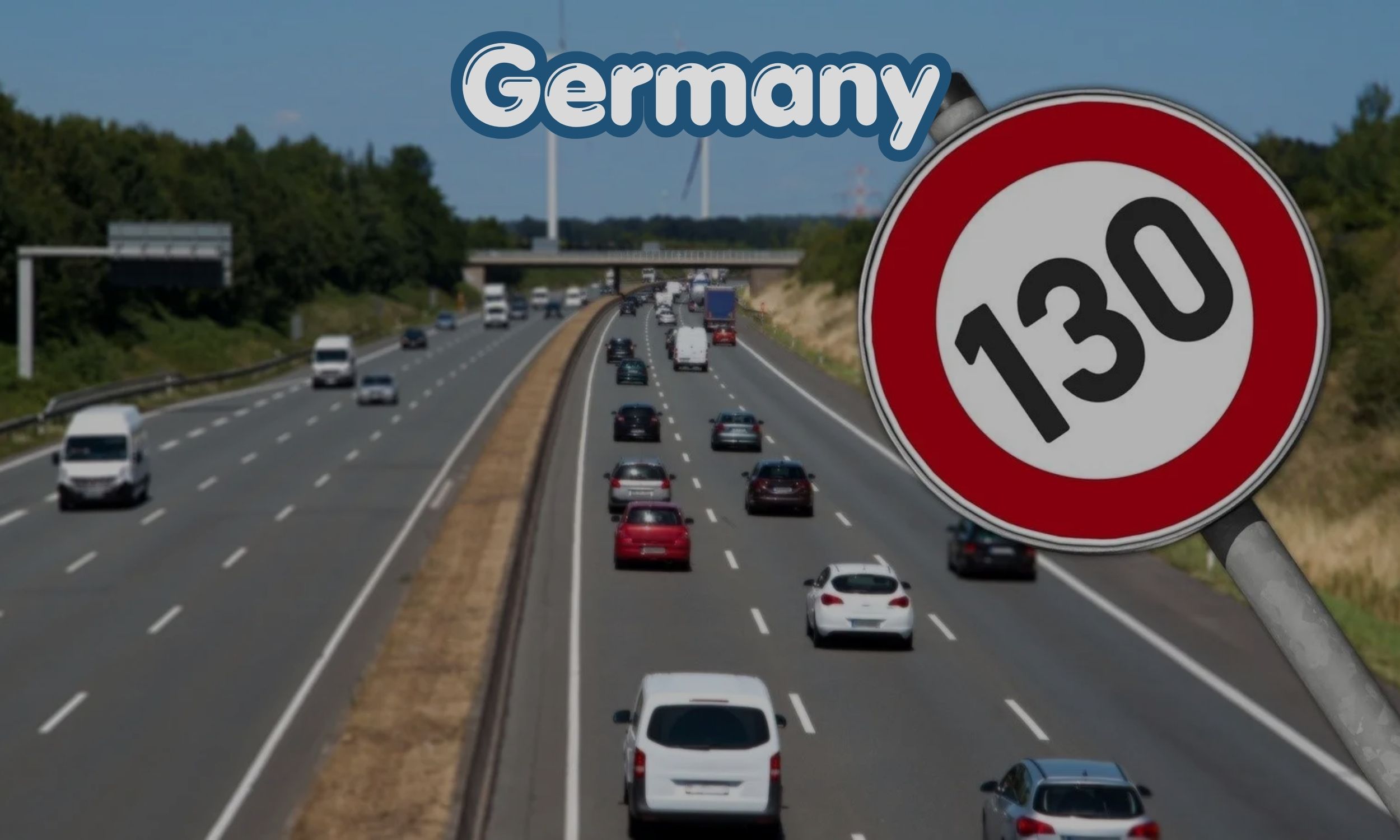
No conversation about speed limits gets far without mentioning Germany’s Autobahn. Certain stretches carry no posted limit at all, with only a recommended pace of 130 km/h, about 80 mph.
That recommendation isn’t mandatory, meaning drivers can legally exceed the fastest speed permitted anywhere in the United States, and many do, sometimes by a wide margin.
Cars capable of reaching 150 mph or higher aren’t unusual sights on these unrestricted sections. German engineering culture takes pride in vehicles built for sustained high speed performance, and the Autobahn gives drivers a legal outlet to test that capability.
Not every stretch lacks a limit though, sections near cities, construction zones, and areas with heavier traffic post specific speeds that drivers must follow.
Lane discipline here is almost sacred. Slower traffic stays right without exception, and using the left lane to travel below the flow of faster vehicles draws sharp criticism, sometimes even honking or flashing headlights from cars approaching quickly from behind.
This unwritten rule keeps the system functioning despite the absence of a formal ceiling on speed. Safety statistics on the Autobahn often surprise people expecting chaos.
Well-maintained roads, strict vehicle inspection requirements, and disciplined driving habits combine to keep the unrestricted sections functioning smoothly.
For car enthusiasts, driving the Autobahn without a speed cap remains a bucket list experience, one that no American highway, including Texas’s fastest stretch, can match.
5. Saudi Arabia
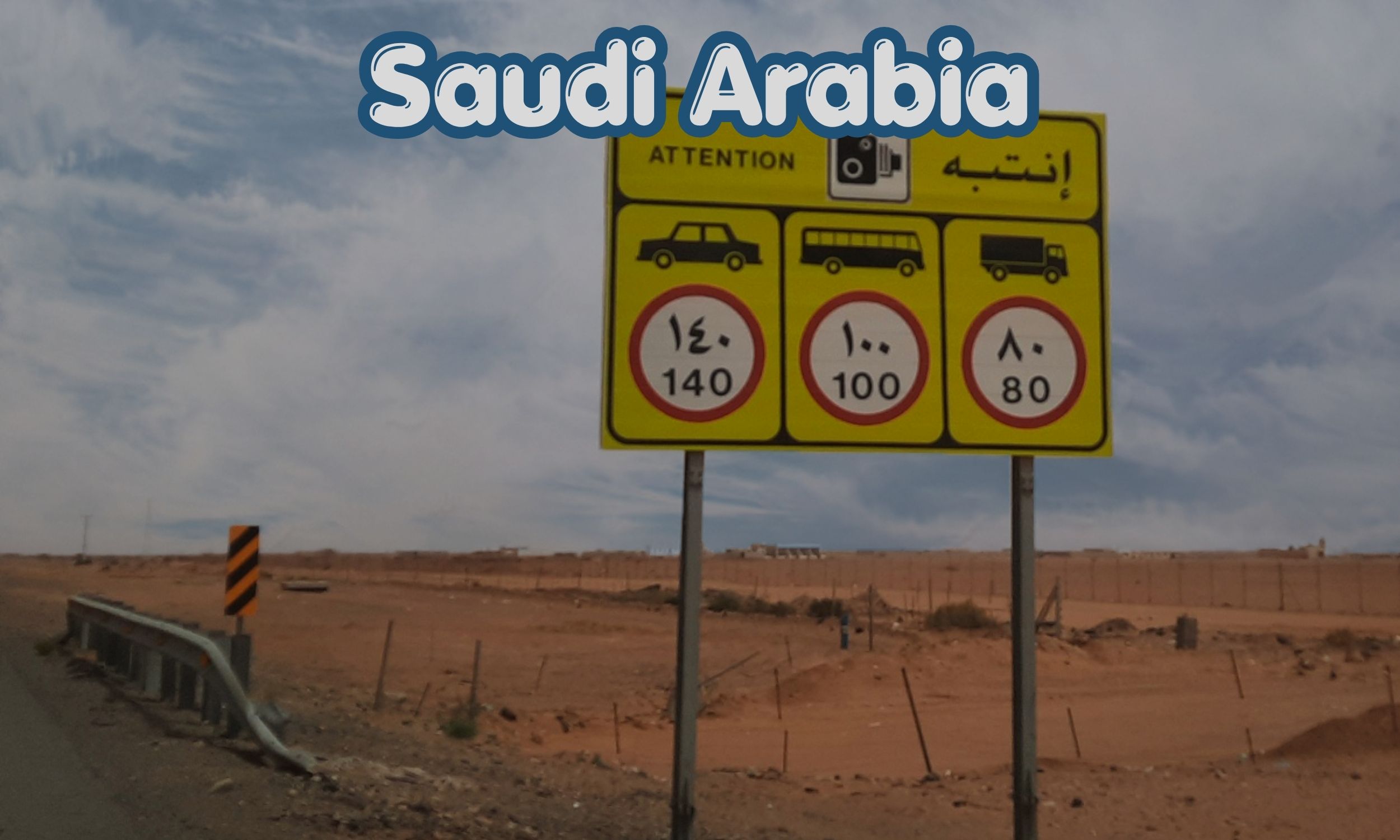
Saudi Arabia is another country where certain major highways can have speed limits of up to 140 km/h, or approximately 87 mph. That puts its highest permitted speed beyond the 85 mph ceiling found on Texas State Highway 130.
The country’s long highway routes connect major cities and cross large open areas, making sustained highway travel an important part of daily transportation. Selected roads are designed to handle faster traffic, although speed limits can vary depending on location and road conditions.
Drivers should not assume that every major highway allows 140 km/h. Posted signs remain the final guide, and lower limits can apply near populated areas, intersections, work zones, or locations where road conditions require extra caution.
Modern traffic enforcement also plays a major role. Cameras and automated systems can monitor drivers, meaning a higher posted limit does not remove the need to follow other traffic laws.
For someone accustomed to American highway rules, a 140 km/h limit represents a modest but clear step beyond the fastest legal speed available in any U.S. state.
The difference also shows that national speed policies are influenced by many factors. Road engineering, geography, vehicle use, traffic volume, and enforcement can all affect the limits chosen for major highways.
Saudi Arabia’s 140 km/h maximum on selected routes earns it a place among the countries where legal highway speeds can surpass the American benchmark.
6. Kazakhstan
Kazakhstan allows motorway speeds of up to 140 km/h on qualifying roads, giving drivers a legal maximum of roughly 87 mph. That figure places the country’s fastest motorways above the highest posted limit available anywhere in the United States.
The country’s geography includes vast distances between major population centers, making highways an important part of transportation. Long-distance driving can involve extended stretches of road where traffic is lighter than in densely populated urban regions.
Still, the presence of open roads does not mean every route permits the maximum speed. Road categories, weather, construction, and local traffic regulations can all result in lower posted limits.
A 140 km/h motorway limit may only exceed America’s 85 mph maximum by a few miles per hour, yet it reflects a different approach to setting national highway regulations.
The United States generally leaves speed limits to individual states, while other countries establish rules through their own road classifications and national systems.
Drivers traveling internationally must also remember that road signs, lane rules, and enforcement practices can differ from what they know at home.
The fastest number printed on a country’s highway sign is only part of the story. Safe travel depends on vehicle condition, visibility, traffic, and driver attention.
Kazakhstan’s motorway limit makes the comparison clear. On certain roads, drivers can legally travel faster than they can anywhere in the United States under a posted state speed limit.
7. Italy
Italy has the potential to allow speeds of up to 150 km/h on certain motorway sections under specific conditions. At approximately 93 mph, that is well above the highest posted speed limit available in the United States.
The standard motorway limit is generally lower, so the 150 km/h figure should not be treated as a nationwide rule. Higher limits are intended for exceptional sections that meet particular requirements and are equipped to support the increased speed.
That distinction is important. A country’s highest possible legal limit may apply only to a small portion of its road network. Drivers must always follow the signs posted on the motorway they are actually using.
Italy’s highways can carry a mixture of local traffic, long-distance travelers, and commercial vehicles. Conditions may change quickly as drivers move between rural areas, cities, tunnels, and mountain regions.
The possibility of a 150 km/h limit places Italy in a rare group. Only a handful of countries permit posted speeds that reach the low-90-mph range on selected public roads.
Higher legal limits also demand greater attention behind the wheel. At 150 km/h, a vehicle covers distance rapidly, reducing the time available to react to unexpected events.
For American motorists, the comparison is straightforward. Even Texas, home to the nation’s highest posted limit, stops at 85 mph. Italy can allow a considerably faster legal pace on specially approved motorway sections.
8. Czech Republic
The Czech Republic has one particularly fast stretch worth highlighting. The D3 motorway between Tábor and České Budějovice allows drivers to legally travel at speeds of up to 150 km/h.
This specific section stands out even within a country where most motorways carry lower posted limits, making it a standout example of localized high speed allowance.
This particular stretch of road was engineered with those higher speeds in mind, featuring wide lanes, gentle curves, and modern safety barriers designed to accommodate faster travel without compromising driver control.
It represents a newer addition to the Czech highway system, reflecting continued investment in infrastructure capable of supporting speeds beyond what most of Europe typically allows.
Elsewhere in the country, motorway limits tend to sit closer to 130 km/h, making the D3’s 150 km/h ceiling something of an exception rather than the rule.
Drivers traveling through the Czech Republic need to stay alert for these variations, since assuming a consistent limit across the entire motorway network would lead to confusion or unintended violations.
Czech authorities monitor this stretch closely given its higher allowance, using cameras and patrol vehicles to keep traffic within the posted speed.
For driving enthusiasts passing through Central Europe, seeking out this specific section offers a chance to legally experience speeds that exceed anything available on American roads, even Texas’s celebrated 85 mph highway.
9. Australia
Australia presents a special case in discussions about high-speed roads. Most Australian highways have posted limits ranging from 110 to 130 km/h, but the Northern Territory previously had a period when a roughly 200 km stretch of the Stuart Highway had no formal maximum speed limit.
The unrestricted arrangement did not mean drivers could ignore safety or drive without responsibility. Road conditions, vehicle capability, visibility, and traffic laws still mattered.
Authorities also retained the ability to enforce rules related to dangerous or careless driving, regardless of the absence of a traditional posted maximum. The experiment attracted attention because unrestricted public roads are rare outside Germany.
The Stuart Highway runs through a sparsely populated region where distances can be enormous and traffic levels may be far lower than on busy urban motorways. Those conditions made the road a unique candidate for testing a different approach to speed regulation.
Australia later returned the section to a posted speed limit, showing how highway policy can change after governments review safety data, driver behavior, and traffic outcomes. The unrestricted period therefore remains an unusual chapter in the country’s transportation history.
For this list, Australia’s place comes from its experience with a formally unrestricted highway section rather than a permanently posted national maximum above 85 mph. Most roads across the country continue to use conventional speed limits.
That history still makes Australia an interesting comparison with the United States. An unrestricted public road is far removed from the American system, where highways operate under posted legal limits.
It also shows that a country’s highest permitted speed can depend heavily on a specific road, location, and period.

10. Ireland, Hungary, Romania (tied)
Rounding out this list, three countries share a tie for the tenth spot, each posting motorway limits of 130 km/h, about 81 mph. Ireland, Hungary, and Romania all allow this speed on their fastest road sections, placing them ahead of most American states with the exception of specific Texas highways built for higher limits.
Ireland’s motorway system connects major cities like Dublin, Cork, and Galway, with modern roads supporting that 130 km/h ceiling across well maintained stretches.
Weather can be unpredictable, with rain a frequent companion for Irish drivers, meaning that posted limit doesn’t always translate into actual driving speeds depending on conditions.
Hungary’s motorways radiate outward from Budapest, connecting the capital to neighboring countries and supporting steady high speed travel for both commuters and long distance travelers.
The country has expanded its highway system considerably over recent decades, adding mileage that supports this elevated limit across a growing network.
Romania rounds out the trio, with motorway construction having accelerated in recent years after historically lagging behind some of its European neighbors.
Newer stretches built to modern standards now carry that same 130 km/h allowance, giving Romanian drivers access to speeds that exceed nearly every American highway.
Together, these three countries demonstrate that even outside the most famous high speed destinations, plenty of nations still offer legal driving speeds that American drivers rarely get to experience on home soil.
