

There’s a point in every vehicle’s life when routine maintenance stops being optional and starts being the difference between a reliable daily driver and a money pit. For most cars, that point arrives somewhere around 150,000 miles. By then, the factory-installed rubber, plastic, and fluid have absorbed hundreds of thousands of heat cycles, vibrations, and stress loads, and components that were merely “aging” at 100,000 miles are now genuinely failing.
The good news is that none of this is a mystery. The same handful of systems wear out on nearly every make and model, and staying ahead of them is far cheaper than waiting for a breakdown. Below are the ten jobs mechanics see most often at this mileage mark, why they matter, and what happens if you let them slide.
1. Timing Belt or Timing Chain Service
If your engine uses a timing belt rather than a chain, 150,000 miles is well past most manufacturers’ replacement window. Many call for replacement between 60,000 and 105,000 miles, so by this point you’re living on borrowed time.
The belt synchronizes the crankshaft and camshaft, keeping valves and pistons moving in perfect sequence. When it snaps, the engine simply stops, and on interference engines, the pistons collide with open valves, bending or breaking them and often destroying the cylinder heads in the process.
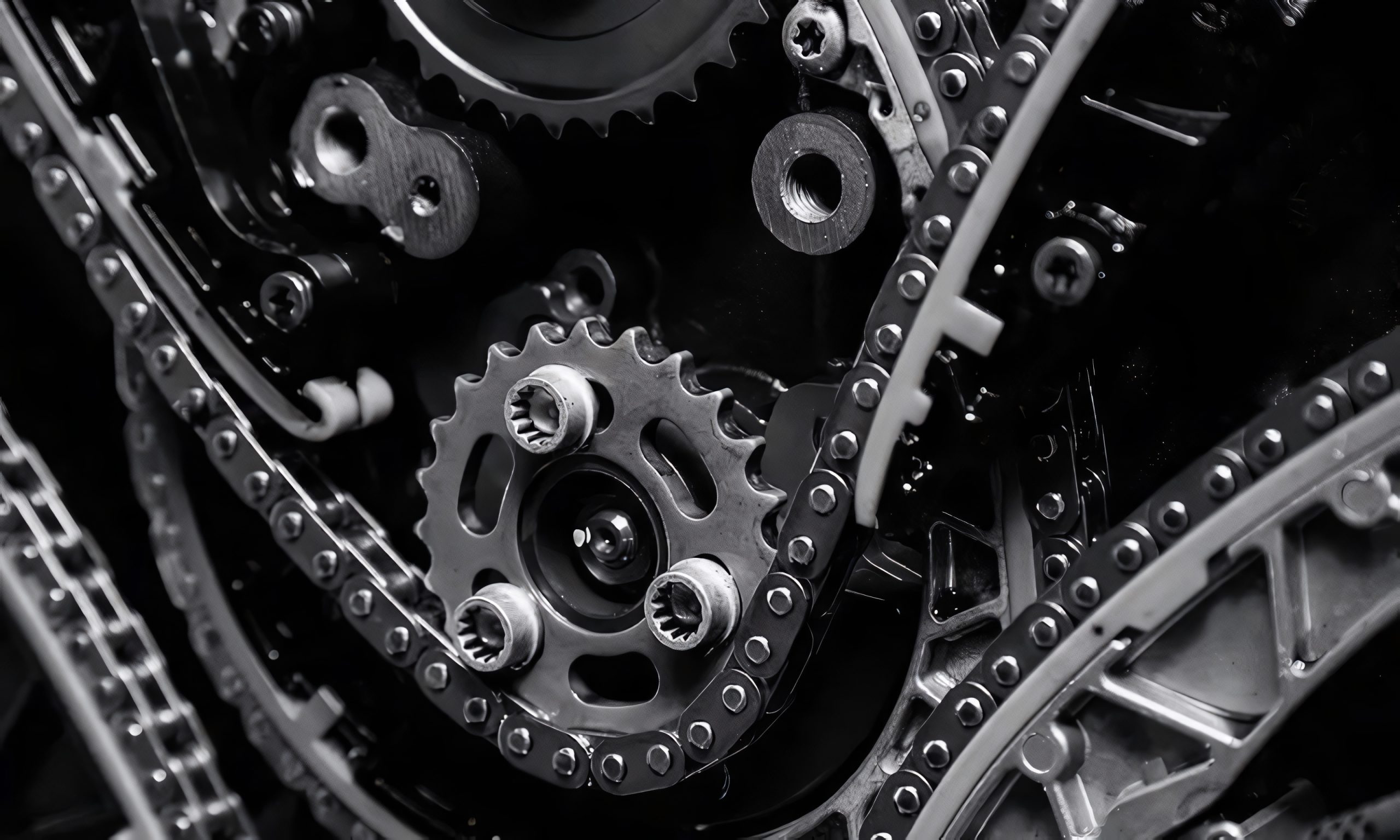
Even timing chains, which are more durable, stretch and wear over this many miles, especially if oil changes were ever neglected. A stretched chain throws off valve timing gradually, causing rough idling, power loss, and check-engine codes before it eventually skips a tooth or breaks outright.
Replacement is labor-intensive because the engine’s front end typically has to be partially disassembled. For that reason, shops often replace the water pump, tensioners, and idler pulleys during the same service. These components are driven by the same belt or chain and tend to fail on a similar timeline.
Skipping this service is one of the few maintenance gambles that can total an otherwise healthy car. It should therefore take priority over almost everything else on this list once the manufacturer’s recommended mileage or age threshold is reached.
2. Transmission Fluid and Filter Change
Automatic transmission fluid performs two essential jobs. It lubricates internal components and provides the hydraulic pressure needed for shifting. By 150,000 miles, even fluid labeled as a “lifetime fill” may be heavily degraded. Heat speeds up this process, especially when the vehicle regularly encounters stop-and-go traffic or heavy towing.
As the fluid deteriorates, its ability to maintain the proper friction characteristics decreases, while metal particles and clutch material can accumulate. Problems often appear gradually through delayed engagement, harsh or slipping shifts, and a burnt smell from the dipstick.
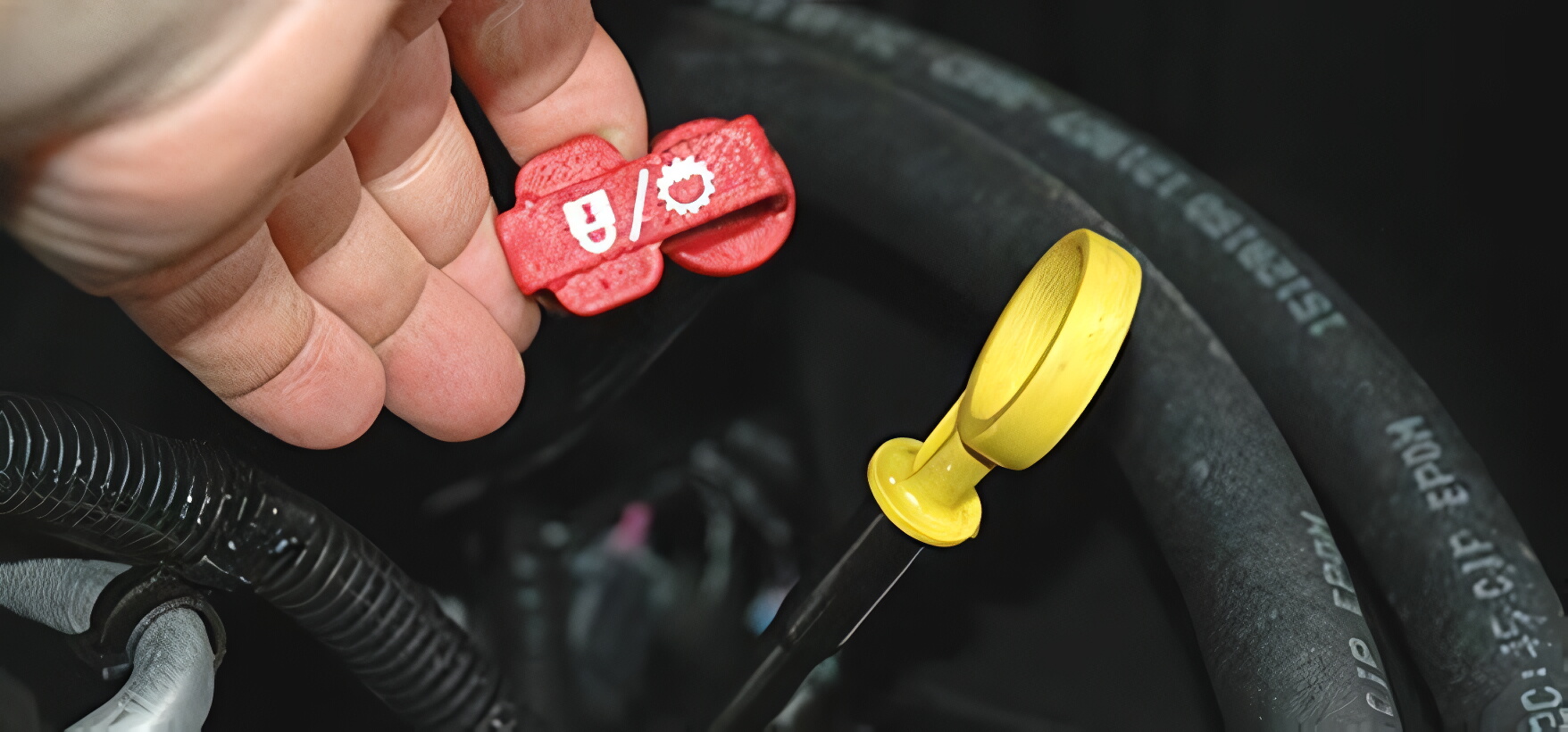
Left unaddressed, contaminated fluid accelerates wear on clutch packs, solenoids, and the torque converter, eventually leading to a transmission that needs a full rebuild costing several thousand dollars. A fluid and filter change, by contrast, typically costs a few hundred dollars and can meaningfully extend the transmission’s remaining life.
The caveat is technique: on transmissions that have never been serviced, a full high-pressure flush can sometimes dislodge sediment and trigger failure in a marginal unit, so many technicians recommend a gentler pan-drop-and-refill instead once a transmission has gone this long without attention.
Manual transmissions are not exempt either. Their gear oil also breaks down over time, although more slowly. Replacing it can help prevent synchro wear and reduce notchy shifting. Either way, this is one of the cheapest forms of preventive maintenance available at this mileage.
3. Struts and Shock Absorbers
Suspension components rarely fail catastrophically, which is exactly why they get ignored, but by 150,000 miles, the hydraulic fluid inside struts and shocks has usually lost much of its damping ability, and the rubber bushings and mounts surrounding them have hardened and cracked from years of road heat and flexing.
Worn struts affect more than ride comfort. They can increase stopping distances by allowing the tires to lose contact with the road for longer after hitting bumps. They can also contribute to uneven tire wear, potentially reducing the lifespan of a new set of tires.
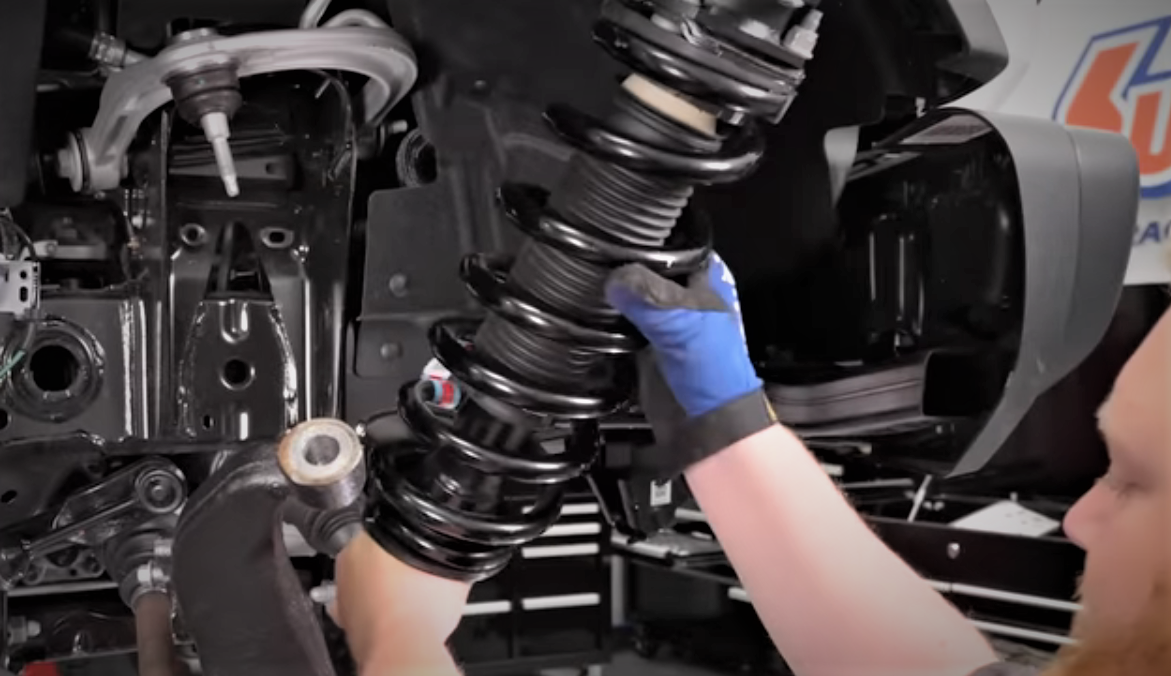
Because the deterioration happens gradually, many drivers do not realize how much the ride has changed. The difference often becomes obvious only after driving a newer vehicle or rental car with properly functioning suspension.
Telltale signs include a nose dive under braking, a rear squat under acceleration, clunking over bumps from worn mounts, and visible fluid leaking down the strut body. Struts and shocks are typically replaced in pairs (front or rear together) to keep handling balanced side to side, and it’s common practice to replace mounts, bearings, and sway bar links at the same time since they’re already exposed during the job.
This is also a good moment to have an alignment done, since worn suspension geometry often throws off camber and toe settings even if the last alignment was performed correctly.
4. Water Pump Replacement
The water pump circulates coolant through the engine block, radiator, and heater core, and it’s driven either by the timing belt, a serpentine belt, or an electric motor depending on the vehicle. On belt-driven pumps, the impeller bearing and seal wear out right around the same 90,000–150,000 mile window as the timing belt itself, which is why replacing them together is standard practice.
The labor to access the pump is nearly identical to the labor already required for the belt, so doing it separately later means paying for that same teardown twice. A failing water pump shows up as coolant seepage from the weep hole, a high-pitched bearing whine, or, in worse cases, sudden overheating when the impeller shaft finally seizes or the bearing collapses entirely.
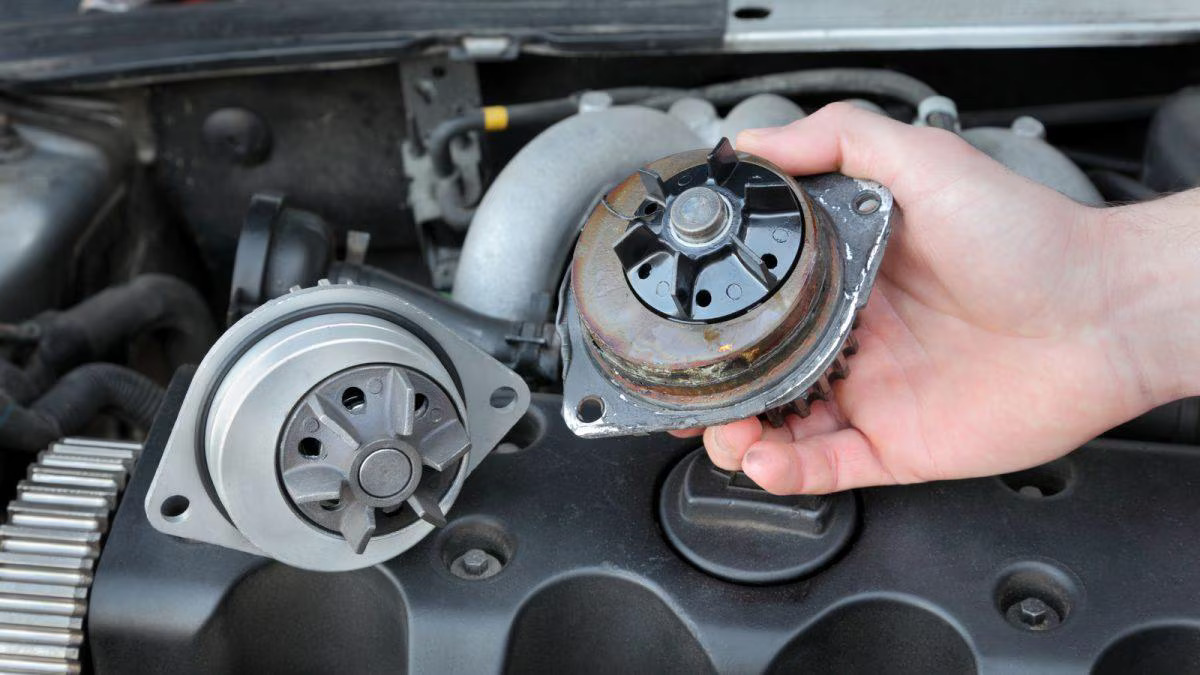
Overheating is the real danger: even a few minutes of running hot can warp a cylinder head, blow a head gasket, or crack an engine block, turning a $300–$600 repair into a $3,000-plus one.
Electric water pumps, increasingly common on newer vehicles, don’t share a belt schedule but still have a finite motor lifespan and tend to fail without much warning, so watching for dashboard coolant-temperature warnings becomes especially important on those platforms. Given how disproportionate the downside risk is compared to the repair cost, this is a job worth doing proactively rather than reactively.
5. Spark Plugs and Ignition Coils
Modern iridium and platinum spark plugs are engineered to last 100,000 miles or more, but 150,000 is comfortably past that rating for most vehicles, and the coils that fire those plugs are aging right alongside them. Worn plugs develop wider electrode gaps and eroded tips, which weakens the spark and forces the ignition coils to work harder to jump the gap.
This extra strain is a major reason coils start failing around the same mileage the plugs should have been changed. The combination shows up as misfires, a rough idle, hesitation under acceleration, reduced fuel economy, and illuminated check-engine lights with misfire codes.
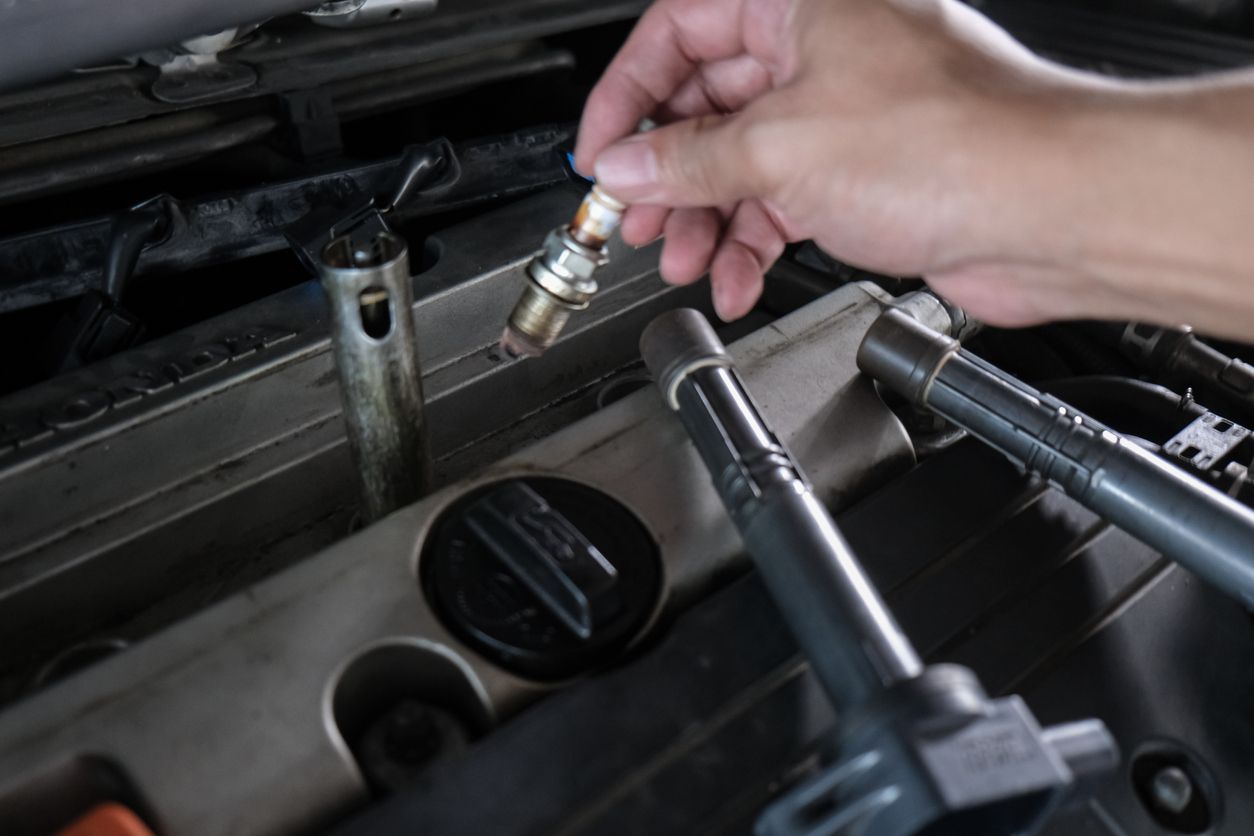
Left unresolved, a misfiring cylinder dumps unburned fuel into the exhaust stream, which can overheat and destroy the catalytic converter, a repair that often costs more than the plugs and coils combined.
On engines with individual coil packs per cylinder (the norm on most modern vehicles), it’s common for one coil to fail first, but replacing plugs and all coils together at this mileage avoids repeat labor charges for pulling the intake manifold or engine cover on jobs where access is difficult.
This is one of the more affordable items on this list, but its downstream consequences for fuel economy, emissions equipment, and drivability make it far more impactful than its price tag suggests.
6. Fuel Pump Replacement
Fuel pumps are submerged in the tank on most vehicles and use the fuel itself as a coolant and lubricant for the pump motor, which is part of why low fuel levels driven habitually accelerate their wear over time.
By 150,000 miles, the internal brushes, bearings, and check valves have logged an enormous number of hours, and it’s common for the pump to start losing pressure consistency before it fails outright.
Early symptoms include the engine sputtering at highway speeds, difficulty starting (especially after the car has sat), a whining noise from the rear of the vehicle that changes pitch, and sudden stalling that resolves itself after a restart a particularly unnerving symptom because it often happens intermittently before becoming permanent.
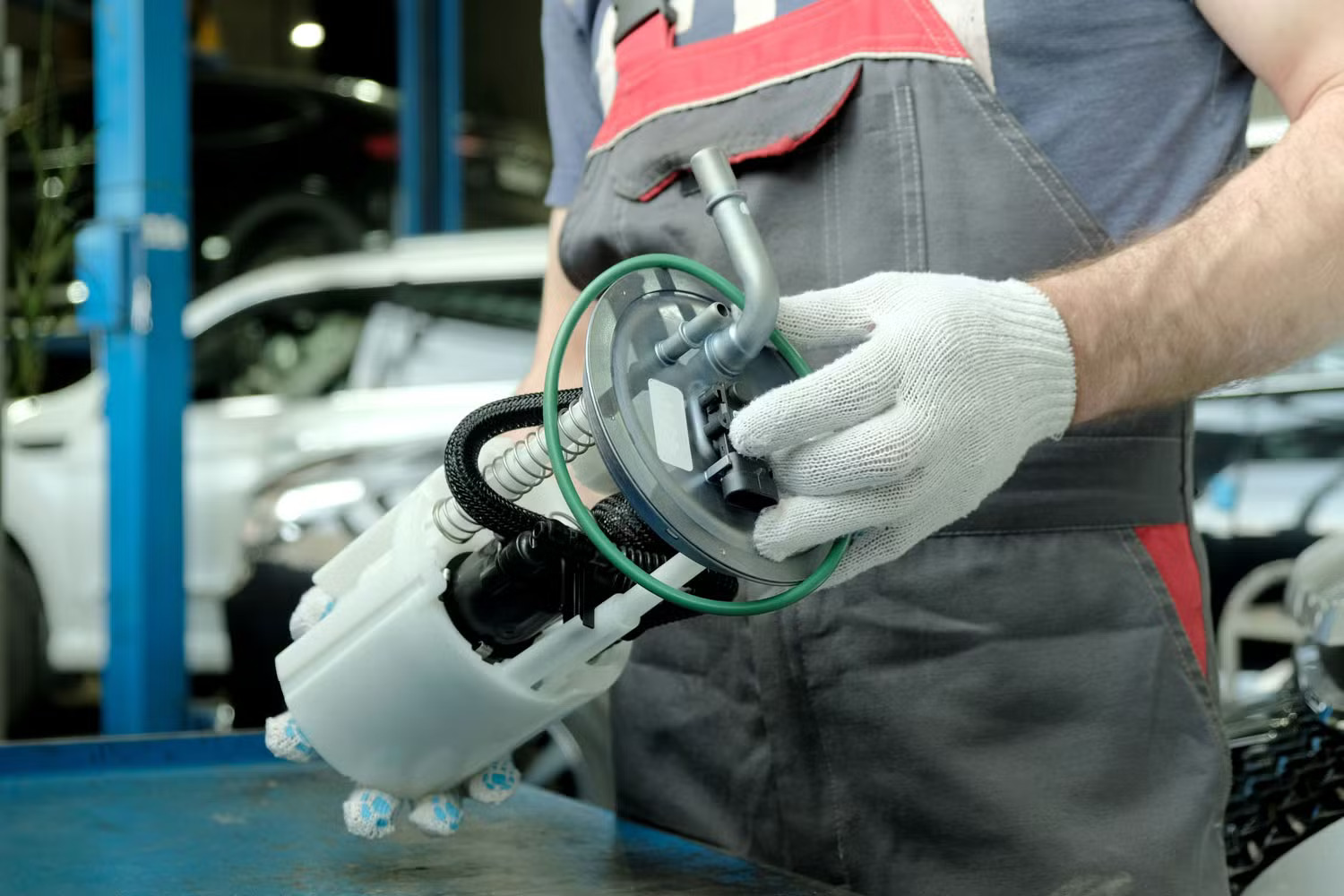
A pump that fails completely leaves you stranded, since the engine simply won’t get fuel, and unlike many of the items on this list, there’s rarely a slow, months-long warning period once true failure begins. Replacement usually requires dropping the fuel tank or accessing it through a panel under the rear seat, which makes labor costs a bigger share of the bill than parts.
Because the symptoms mimic ignition and sensor problems, a fuel pressure test is the most reliable way to confirm the diagnosis before paying for a replacement, but if a pump nearing this mileage is confirmed weak, most technicians recommend acting before it strands you rather than waiting for a total failure.
7. Wheel Bearing Replacement
Wheel bearings support the entire weight of the vehicle while allowing the wheels to spin freely, and they take a beating from potholes, curb strikes, and simple accumulated mileage.
At around 150,000 miles, the grease inside sealed bearing units may have deteriorated significantly, while the precision-ground surfaces can develop pitting from years of use. One of the most common signs is a low, rhythmic growl or hum that becomes louder as vehicle speed increases. The noise may also change while turning because the shift in weight places more load on one bearing than the other.
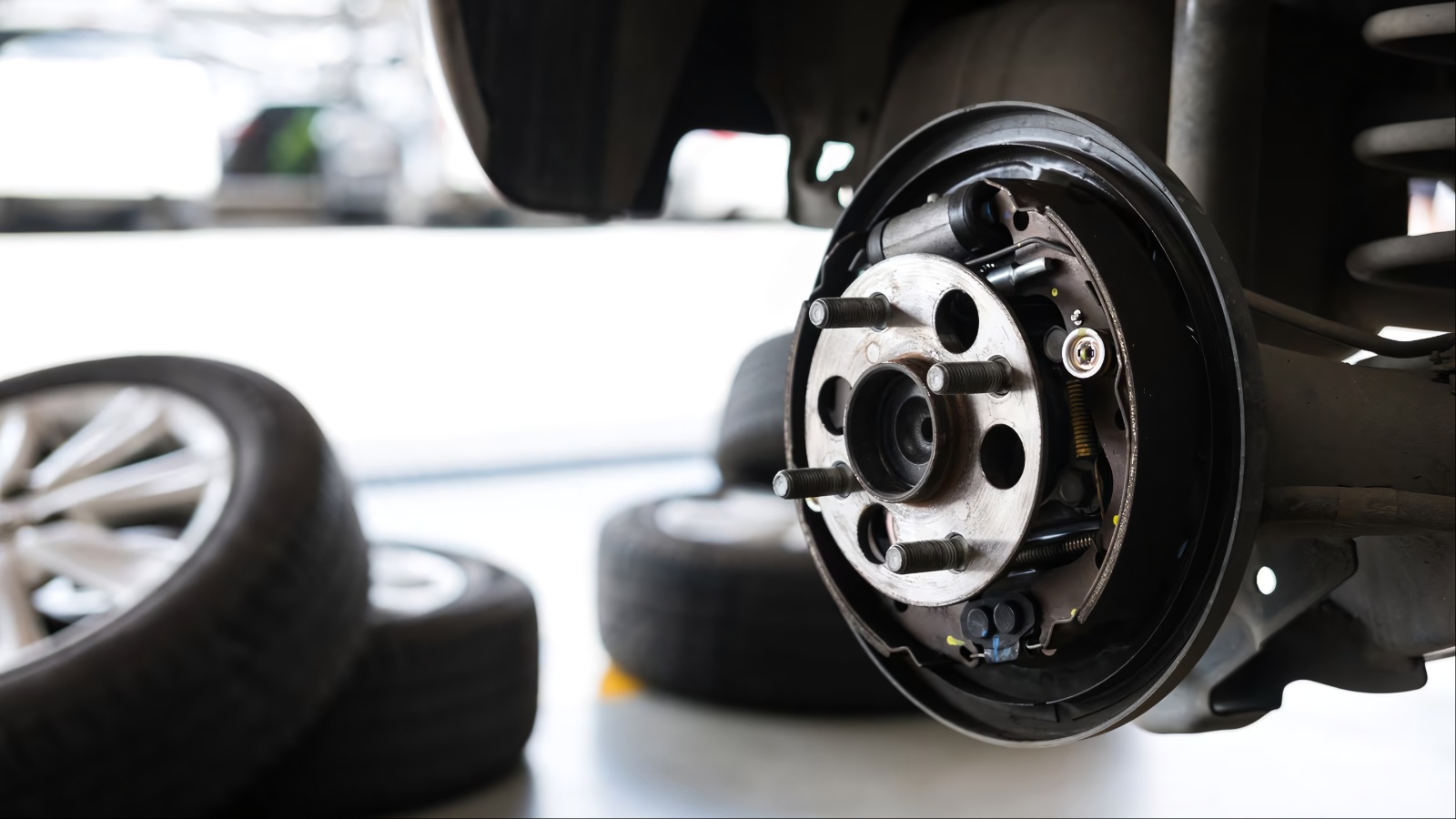
Left unaddressed, a bearing can develop excessive play, allowing the wheel to wobble, which accelerates wear on the CV joint, hub, and even the ABS sensor ring built into many modern hub assemblies. In the worst-case scenario, a bearing can seize or fail entirely while driving, causing the wheel to lock up or, more rarely, separate from the vehicle a genuine safety hazard rather than just a comfort issue.
Most vehicles today use sealed hub-bearing assemblies that bolt on as a single unit rather than the old press-in bearing-and-race design, which makes replacement more straightforward than it used to be, though not necessarily cheaper in parts.
Because the noise is easy to dismiss as “road noise” or a tire issue, many drivers put off diagnosis longer than they should; a simple test drive with a mechanic listening for the sound’s location is usually enough to confirm which corner needs attention.
8. CV Axle and Joint Replacement
The constant-velocity (CV) joints on the ends of your drive axles allow power to reach the wheels smoothly through the full range of steering and suspension travel, and they’re protected by a flexible rubber boot packed with grease.
By 150,000 miles, those boots have often cracked from age and road debris, letting grease escape and dirt and water intrude, which sands away at the joint’s internal bearings far faster than normal wear ever would.
The unmistakable warning sign is a clicking or popping noise when turning, especially sharply at low speed, like in a parking lot a sound that gets louder as the joint deteriorates.
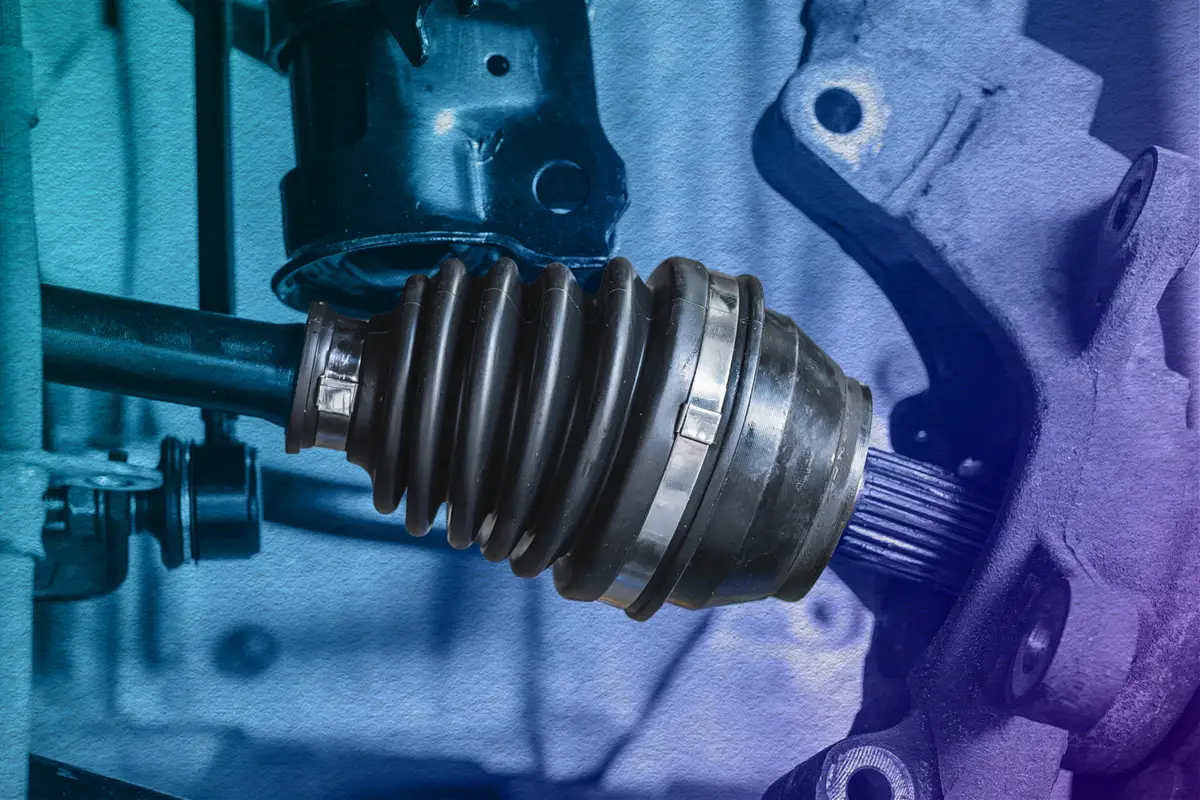
If ignored long enough, a joint can fail completely, causing a loud clunk, a vibration that intensifies with speed, or, in rare cases, the axle separating from the transmission entirely, leaving the vehicle unable to move under power.
Catching a torn boot early is the cheapest version of this repair, since the boot alone can sometimes be replaced and repacked with grease for a fraction of the cost of a full axle.
Once the joint itself is contaminated and worn, though, most shops replace the entire half-shaft assembly as a unit rather than rebuilding the joint individually, since remanufactured axles are widely available and often cost less than the labor to service the old one properly.
9. Brake Rotors, Calipers, and Lines
Brake pads get replaced multiple times over 150,000 miles, but the rotors, calipers, and rubber brake lines they work with often make it to this mileage on their original components, and all three are now due for scrutiny.
Rotors that have been resurfaced repeatedly become too thin to safely machine again and start warping under heat, producing a pulsation you can feel through the brake pedal or steering wheel during hard stops.
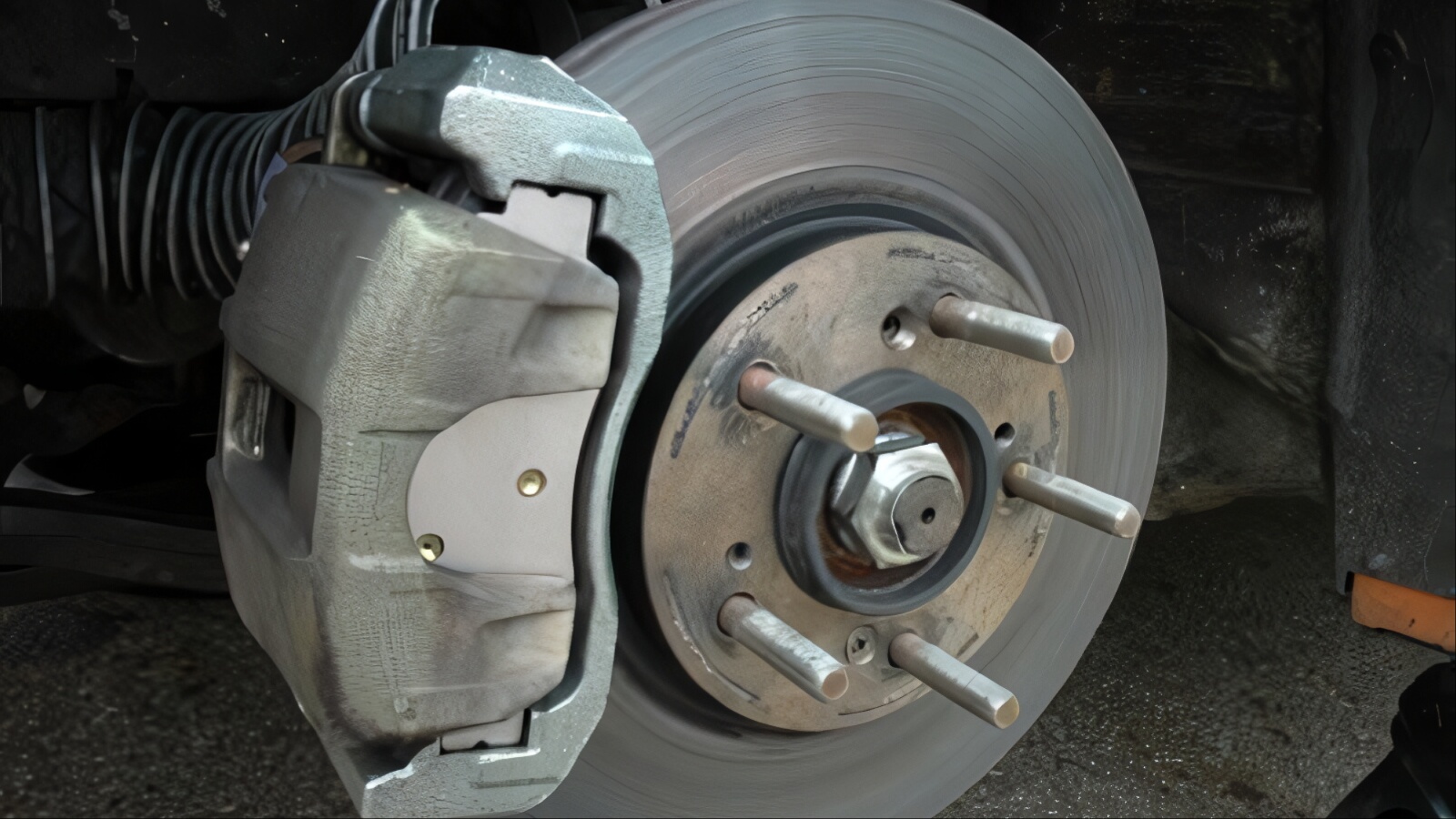
Calipers can also develop problems as they age. Their rubber seals and slide pins may become stiff or corroded over time. When a caliper fails to release properly, it can keep the brake pad pressed against the rotor. This creates constant friction that can overheat the wheel area, wear out the pads prematurely, and gradually reduce fuel economy.
Rubber brake lines and hoses degrade from the inside out, developing tiny cracks that can bulge or, less commonly, burst under pressure, leading to a sudden loss of braking power at the worst possible time.
Because these parts fail quietly and gradually rather than all at once, a thorough brake inspection at 150,000 miles, checking rotor thickness, caliper slide movement, and line condition, not just pad depth, catches problems that a rushed pad-only replacement would miss. Given that this is quite literally the system responsible for stopping the car, it’s one of the few items on this list where “wait and see” is genuinely poor judgment.
10. Engine and Transmission Mounts
Engine and transmission mounts are easy to forget because they don’t leak fluid or make an obvious noise until they’re significantly degraded, but by 150,000 miles the rubber inside them has typically hardened, cracked, or, in hydraulic mounts, lost the fluid that damps vibration.
Their job is to hold the engine and transmission securely in place while absorbing the torque and vibration generated every time you accelerate or shift gears; when they fail, that vibration transmits directly into the cabin instead.
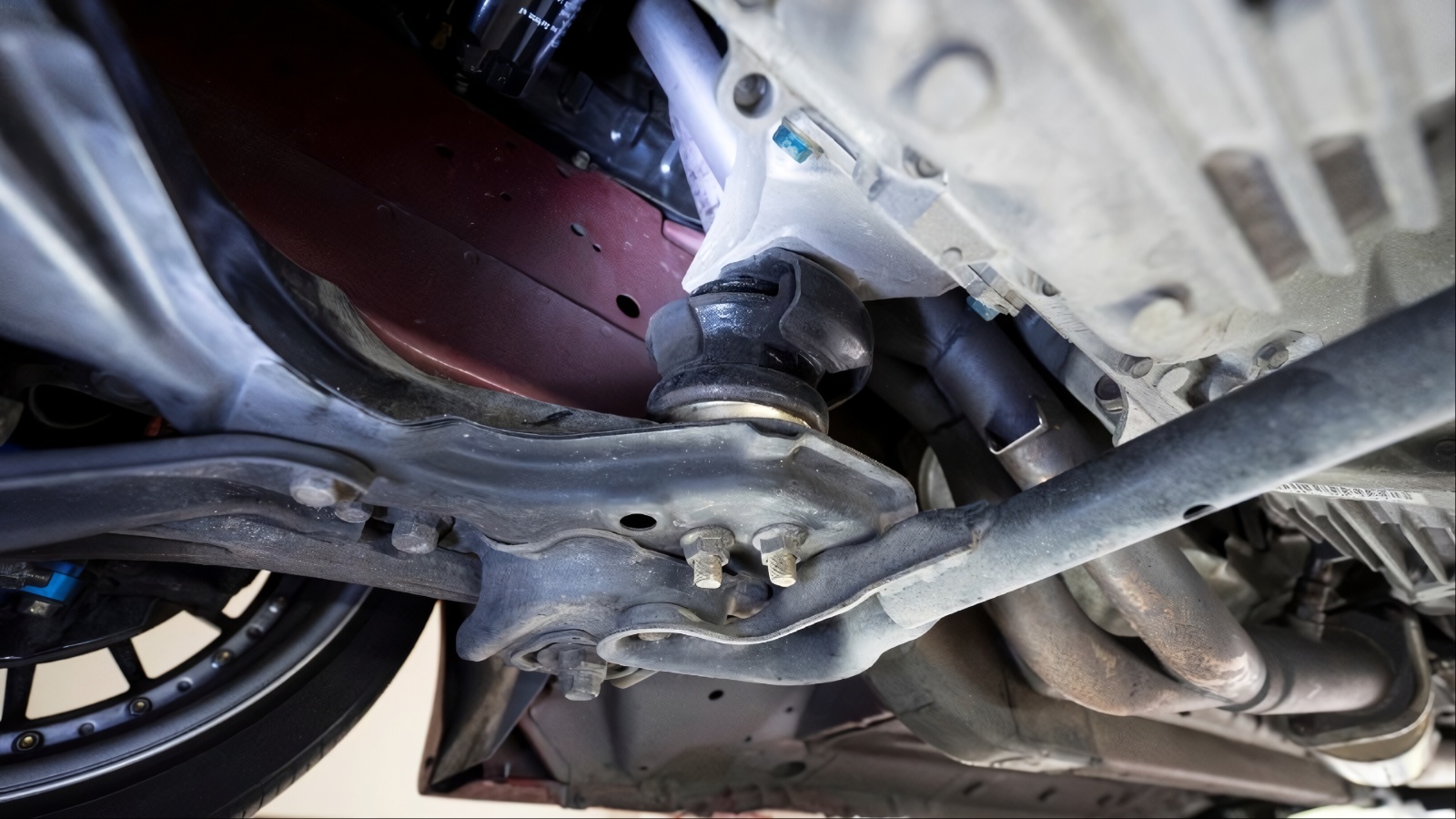
Drivers often describe a noticeable shudder or clunk when shifting from park into drive, a rough idle that seems to shake the whole car, or an unusual thump felt through the floor during acceleration.
Beyond the annoyance, a badly failed mount lets the engine shift position under load, which can stress and eventually damage exhaust components, cooling hoses, or wiring harnesses that weren’t designed to flex that much, and in severe cases allows enough movement to interfere with drive belts or the radiator fan.
Mounts are also a common source of a mystery “check engine” light, since excess engine movement can trip knock sensors or throw off sensor readings that assume a stable engine position.
Replacement cost is modest compared to almost everything else on this list, but diagnosis benefits from a visual and physical inspection: a mechanic loading the engine against the mount while watching for excessive movement, since visually a cracked mount can still look intact from the outside.
