
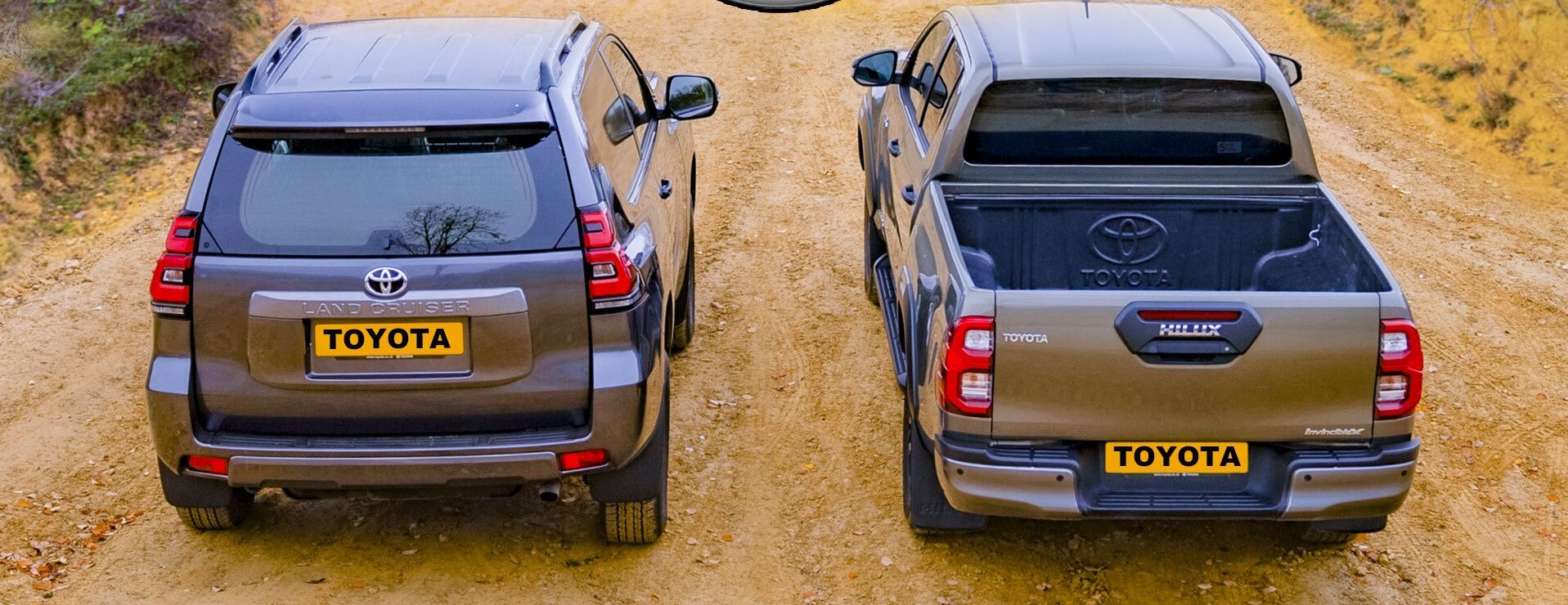
Toyota sells a huge variety of vehicles across different markets, yet some of its most interesting models never reach U.S. showrooms. From rugged pickups and old-school 4x4s to luxury vans, tiny roadsters, and rally-bred hatchbacks, these Toyotas show just how different the company’s international lineup can be.
Some are designed around needs that are less common among American buyers, while others occupy vehicle categories that Toyota does not offer here. A few are especially intriguing because they seem like natural fits for American roads. Here are ten Toyota models sold in other markets that Americans cannot officially buy new through U.S. Toyota dealers.
1. Toyota Hilux
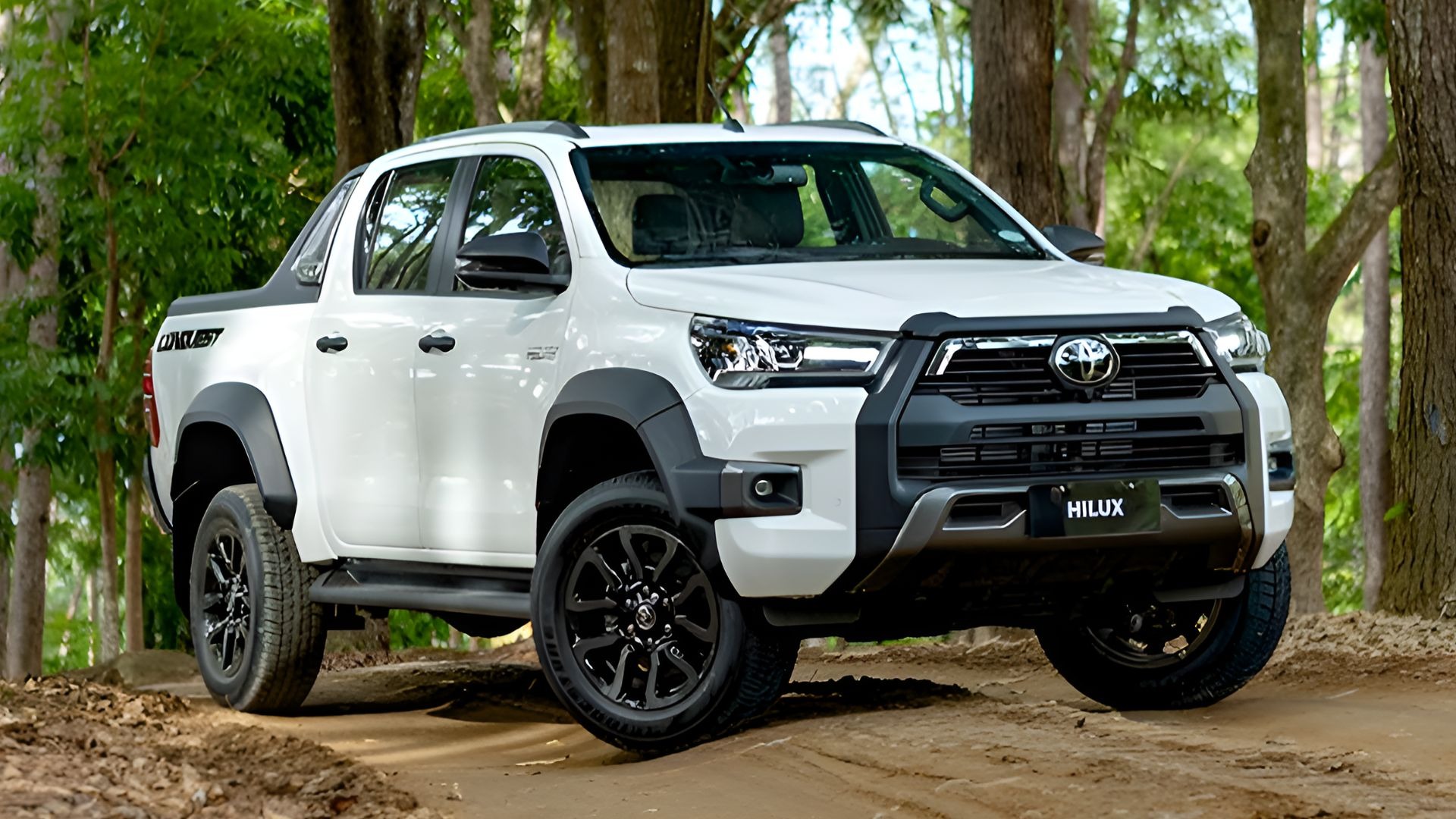
The Toyota Hilux is one of the company’s most recognizable international vehicles, especially among drivers who value durability and straightforward utility.
It serves as a midsize pickup in many markets, but its character differs from the Toyota Tacoma sold in the United States. The Hilux is often built with a strong work-truck focus, giving buyers practical configurations intended for hauling, job sites, and demanding driving conditions.
Diesel engines are an important part of the Hilux lineup in many countries. These powertrains can provide strong low-speed pulling power and useful fuel economy, qualities that make sense for commercial users and people who regularly carry heavy loads.
Depending on the market, buyers can also find different cab styles, bed configurations, and equipment levels. Its appeal is easy to understand.
The Hilux has earned a reputation for being tough, serviceable, and ready for hard use. It does not need an enormous list of luxury features to justify its place in a buyer’s driveway. Americans already have access to the Tacoma, so Toyota has a capable midsize pickup here.
Still, the Hilux has a distinct personality and a strong international reputation. For U.S. shoppers, seeing one on the road abroad can naturally raise the question of why this pickup is not sold in the United States.
The answer comes down to Toyota’s market strategy, regulations, and the existing role of the Tacoma in the American lineup.
2. Toyota Land Cruiser 70 Series
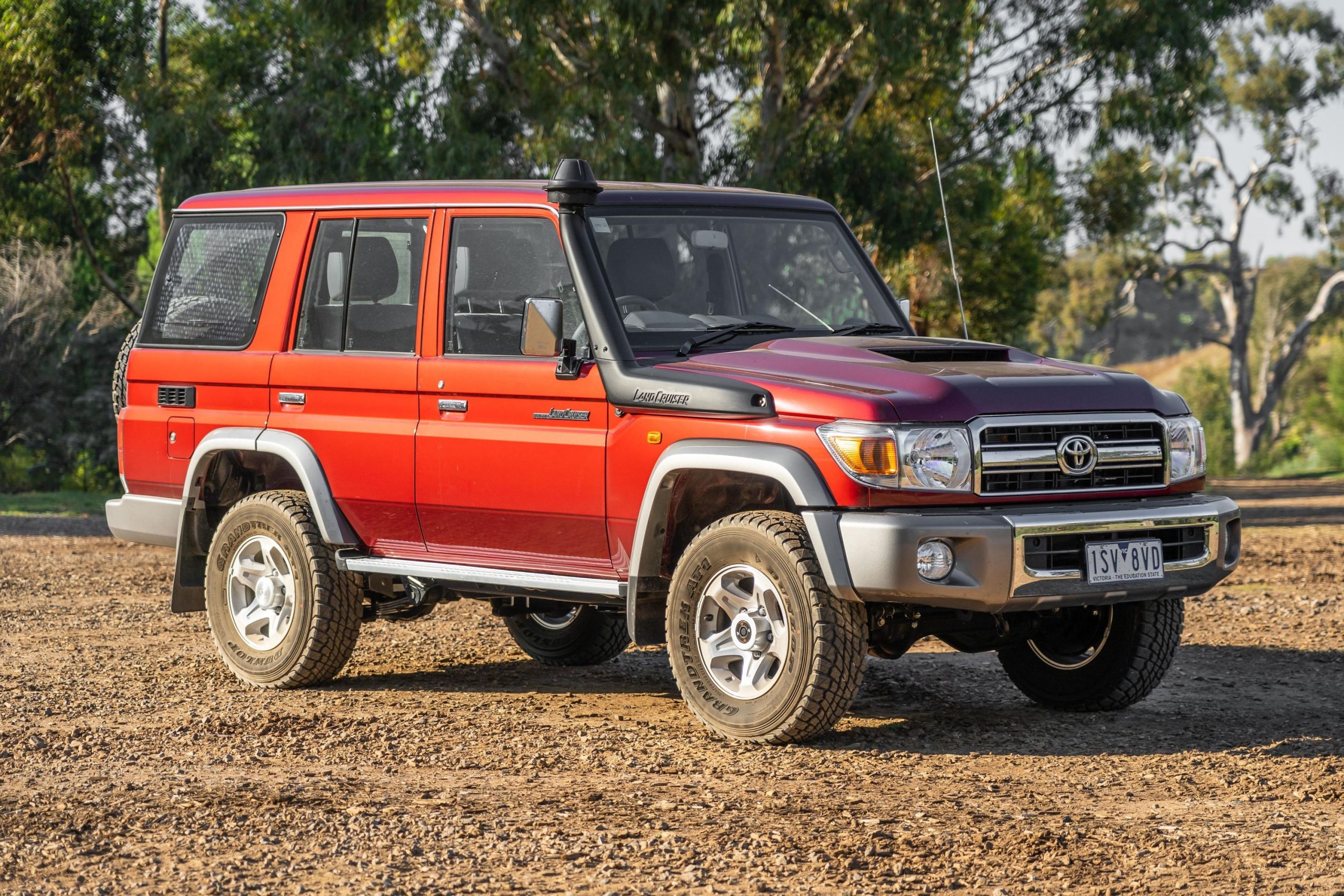
Some vehicles are built to keep up with modern trends, while others stay true to the simple ideas that made them dependable for many years. The Toyota Land Cruiser 70 Series belongs to this second group, featuring a strong ladder-frame chassis and simple mechanical systems.
Its diesel engines are especially appreciated by owners who value easy servicing and practical repairs rather than depending heavily on electronic technology. For people living or working in remote areas, this kind of design can be very useful.
A mechanic can often handle repairs with basic tools and practical experience, without needing advanced diagnostic equipment or regular software updates. Many collectors and off-road enthusiasts see the 70 Series as a proper work vehicle rather than a luxury SUV.
Its boxy shape, simple interior, crank windows, and vinyl flooring in some versions show that practicality has always been its main purpose. Strict American emissions and safety regulations make official importation difficult.
However, enthusiasts can still bring in older models once they meet the required age limits. For buyers who value durability, easy maintenance, and straightforward engineering, the Land Cruiser 70 Series remains a rare and highly desirable vehicle.
3. Toyota Alphard
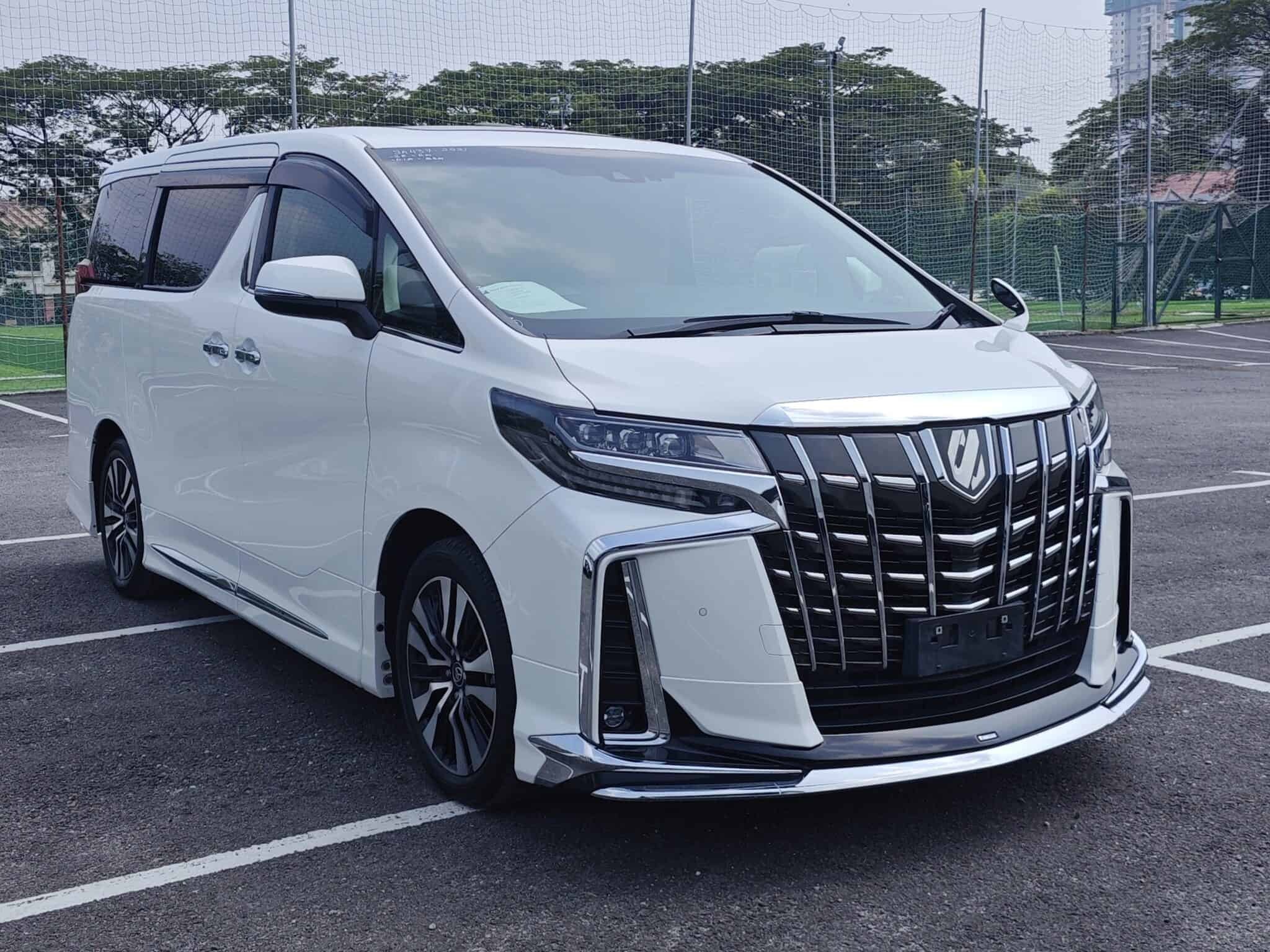
Step inside a Toyota Alphard and the experience feels closer to a luxury lounge than a conventional minivan. Toyota designed this model around passenger comfort, particularly for buyers who place a premium on rear-seat space and executive-style accommodations.
The Alphard is sold in markets outside the United States and has become especially popular among customers seeking a high-end people mover.
Depending on specification, passengers can enjoy reclining second-row seats, generous legroom, premium materials, ambient lighting, and other comfort-focused features. Hybrid powertrains are also available.
That combination makes the Alphard quite different from the minivans Americans commonly see. U.S. minivans already offer sliding doors, flexible seating, and family-friendly interiors, but the Alphard places extra emphasis on luxury and rear passenger comfort.
Imagine being driven to a meeting while sitting in a large reclining chair rather than behind the wheel. That is the type of experience the Alphard is designed to provide. Families can also appreciate the spacious cabin, especially when comfort matters as much as carrying capacity.
Toyota does not officially sell the Alphard in the United States, leaving American buyers without direct access to this luxury-minivan concept through local dealerships.
Its absence is particularly interesting because American shoppers have historically embraced large family vehicles. Still, the Alphard occupies a premium niche that Toyota has chosen to serve elsewhere.
For buyers who want limousine-like comfort in a practical van body, the Alphard is one of Toyota’s most intriguing international models.
4. Toyota Land Cruiser FJ
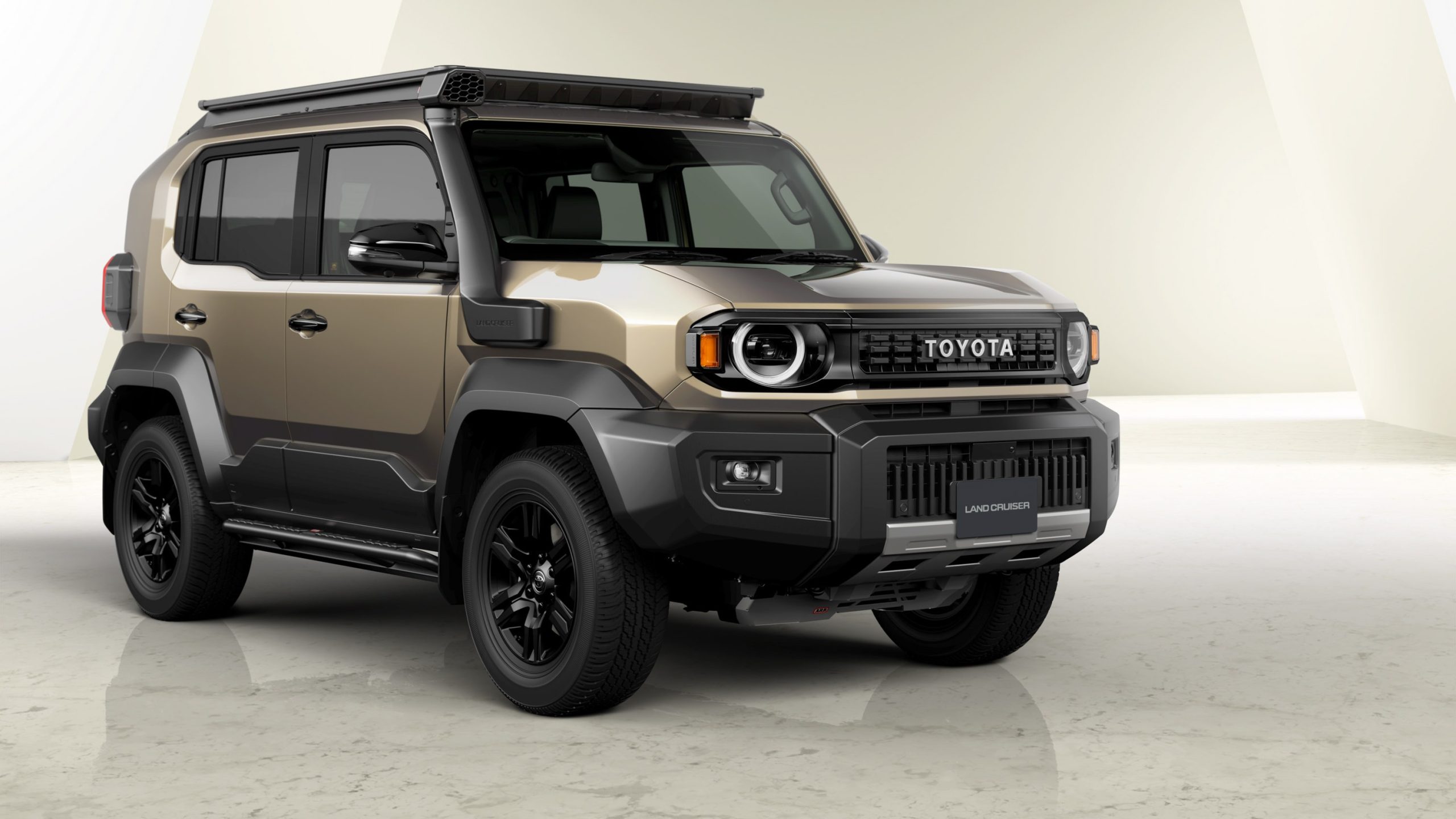
The Toyota Land Cruiser FJ takes the familiar Land Cruiser idea and packages it into a smaller, more recreational SUV. Rather than aiming for the size and presence of a large luxury 4×4, this model focuses on compact proportions, off-road ability, and a distinctive design.
That recipe gives the FJ a different personality from the larger Land Cruiser and the 4Runner. A smaller body can be useful on narrow trails and in urban areas, while an off-road-focused setup keeps the vehicle ready for outdoor adventures.
For an American buyer, the concept is easy to appreciate. The U.S. market has a strong appetite for compact and midsize SUVs, particularly vehicles that can serve as daily transportation during the week and adventure machines on weekends.
Yet Toyota has not offered this particular FJ model through American dealers. Its appeal is not based solely on appearance. The vehicle’s purpose centers on combining useful ground clearance and four-wheel-drive capability with dimensions that remain manageable.
That can make a vehicle more approachable for drivers who do not need a large SUV. The FJ name also carries a special connection to Toyota’s off-road heritage, which gives the model added personality.
It occupies a space between everyday crossover convenience and traditional 4×4 capability. For American shoppers, the Toyota Land Cruiser FJ represents the type of compact adventure vehicle that could attract buyers who want something smaller than a full-size off-roader without giving up the Toyota badge’s rugged reputation.
5. Toyota Crown Estate
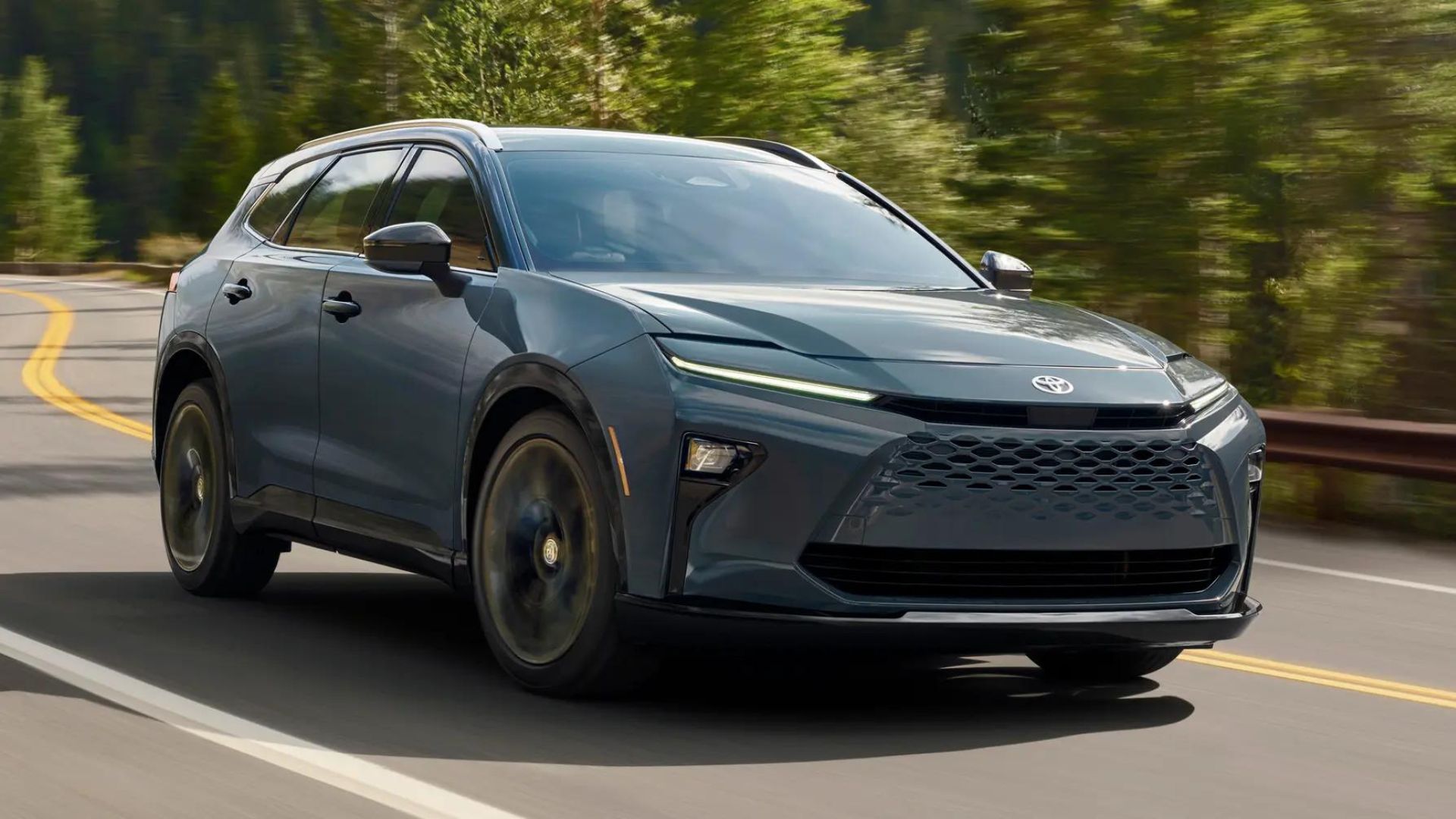
The Toyota Crown Estate takes a familiar idea and gives it a modern hybrid interpretation. Instead of being a conventional sedan or a bulky SUV, it uses a wagon-like body with crossover characteristics.
That creates a useful middle ground for drivers who want generous cargo capacity without committing to a large SUV. Its design is especially appealing for practical reasons.
A flat cargo floor can make loading luggage, groceries, sporting equipment, or other belongings easier. The elevated driving position also provides some of the qualities buyers associate with crossovers.
Hybrid powertrains add another reason to pay attention. Toyota has extensive experience with hybrid technology, and the Crown Estate applies that approach to a vehicle aimed at combining everyday usefulness with efficient operation.
For an American shopper, the formula is intriguing because the U.S. market has moved heavily toward crossovers and SUVs. Wagons have become less common, even though they can offer excellent cargo flexibility and a lower, more car-like driving experience.
The Crown Estate offers a different answer to that demand. It provides useful cargo room without adopting the proportions of a massive SUV. Its design also gives it a more distinctive appearance than many conventional family crossovers.
Toyota has not officially made the Crown Estate available to American customers, so U.S. buyers interested in this format have to look at other vehicles.
The model stands out because it demonstrates how a hybrid wagon-like crossover can combine efficiency, passenger comfort, and useful cargo space in one package.
6. Toyota Crown Sport
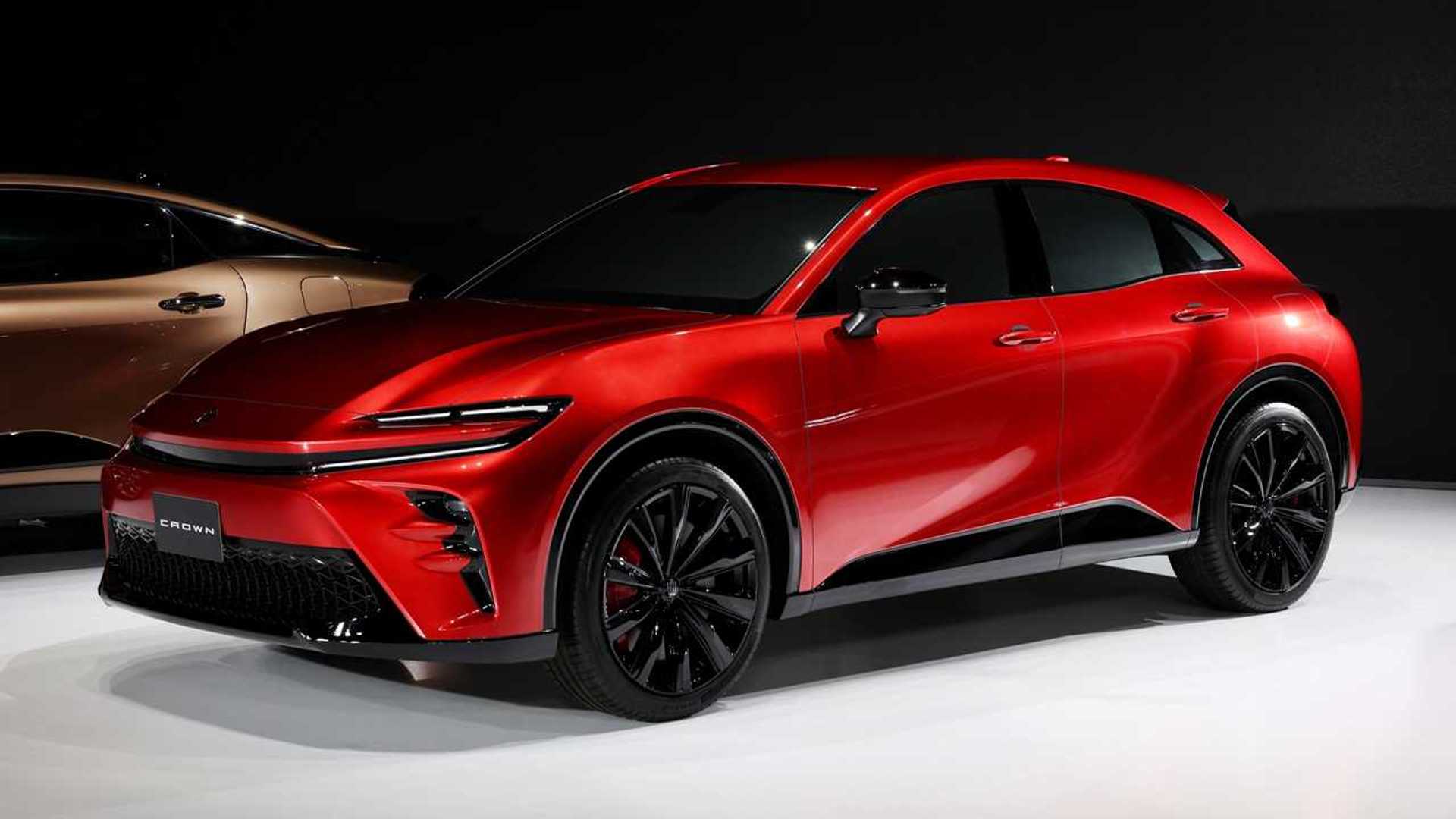
Sporty and expressive aren’t words typically associated with Toyota’s Crown nameplate here in America, but the Crown Sport variant flips that expectation entirely. This plug-in hybrid crossover embraces a genuinely low-slung, coupe-like profile that prioritizes visual drama over maximum interior space, something increasingly rare among modern crossovers regardless of manufacturer.
Toyota clearly designed this model to compete against increasingly stylish international competitors rather than following the boxier, more upright approach dominating American crossover design trends.
Sharp character lines, an aggressive front fascia, and a roofline that slopes dramatically toward the rear all contribute to genuine road presence uncommon within Toyota’s typically conservative styling language.
Plug-in hybrid technology adds legitimate performance credibility alongside the aggressive looks, delivering both efficiency and genuinely quick acceleration when drivers want to access the electric motor’s instant torque.
This isn’t purely a styling exercise; the mechanical underpinnings support the sporty exterior with actual driving dynamics to match. American buyers do have access to the standard Crown sedan, but this more athletic Sport variant remains exclusive to international markets, at least for now.
Given Toyota’s demonstrated willingness to bring select Crown variants stateside already, some industry observers speculate this could eventually change depending on sales performance and consumer reception elsewhere.
Until then, drivers wanting this particular blend of hybrid efficiency and genuine styling flair need to look beyond domestic Toyota dealerships entirely.
7. Toyota GR Yaris
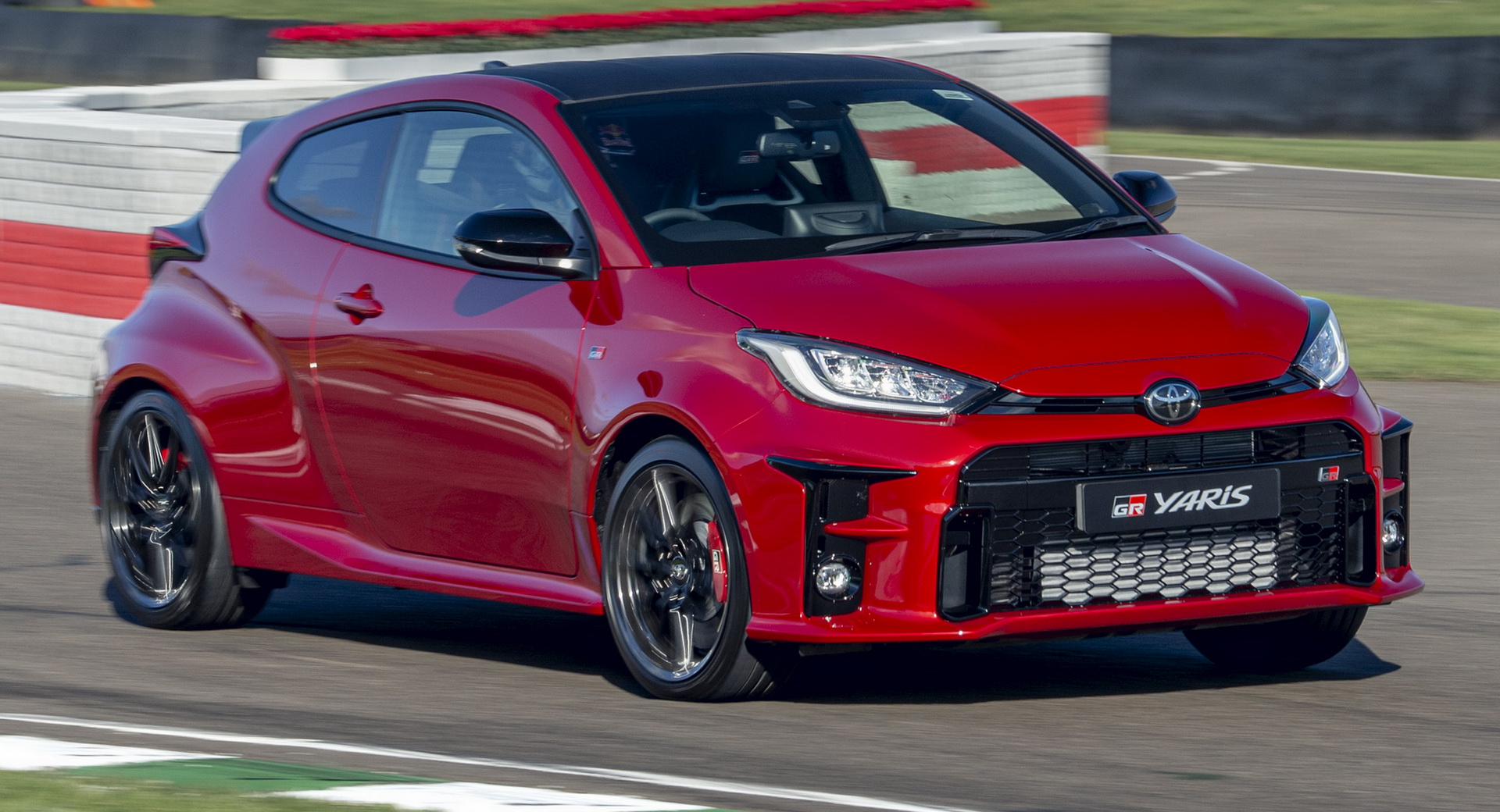
For people who take rally cars seriously, the Toyota GR Yaris stands out as one of the most exciting small performance cars available. Toyota developed it to meet rally competition requirements, giving it a turbocharged 1.6-liter three-cylinder engine and a proper all-wheel-drive system.
Despite its compact size, the car delivers the kind of performance many drivers would expect from a much larger machine. During development, Toyota placed strong attention on keeping the car light.
Engineers used special materials and construction methods commonly associated with motorsport. The result is a lightweight body that responds quickly through corners and gives drivers a more engaging experience on the road.
Availability has remained limited in several regions because Toyota produced the GR Yaris mainly for markets where demand and competition rules supported it. The company did not plan to sell the model in large numbers worldwide.
Many American enthusiasts have expressed disappointment about its absence from local dealerships. Certification requirements for its engine and Toyota’s cautious approach to low-volume performance cars have played a role.
Older examples can eventually enter the U.S. through age-based import rules, but buyers must be prepared for paperwork, costs, and careful planning.
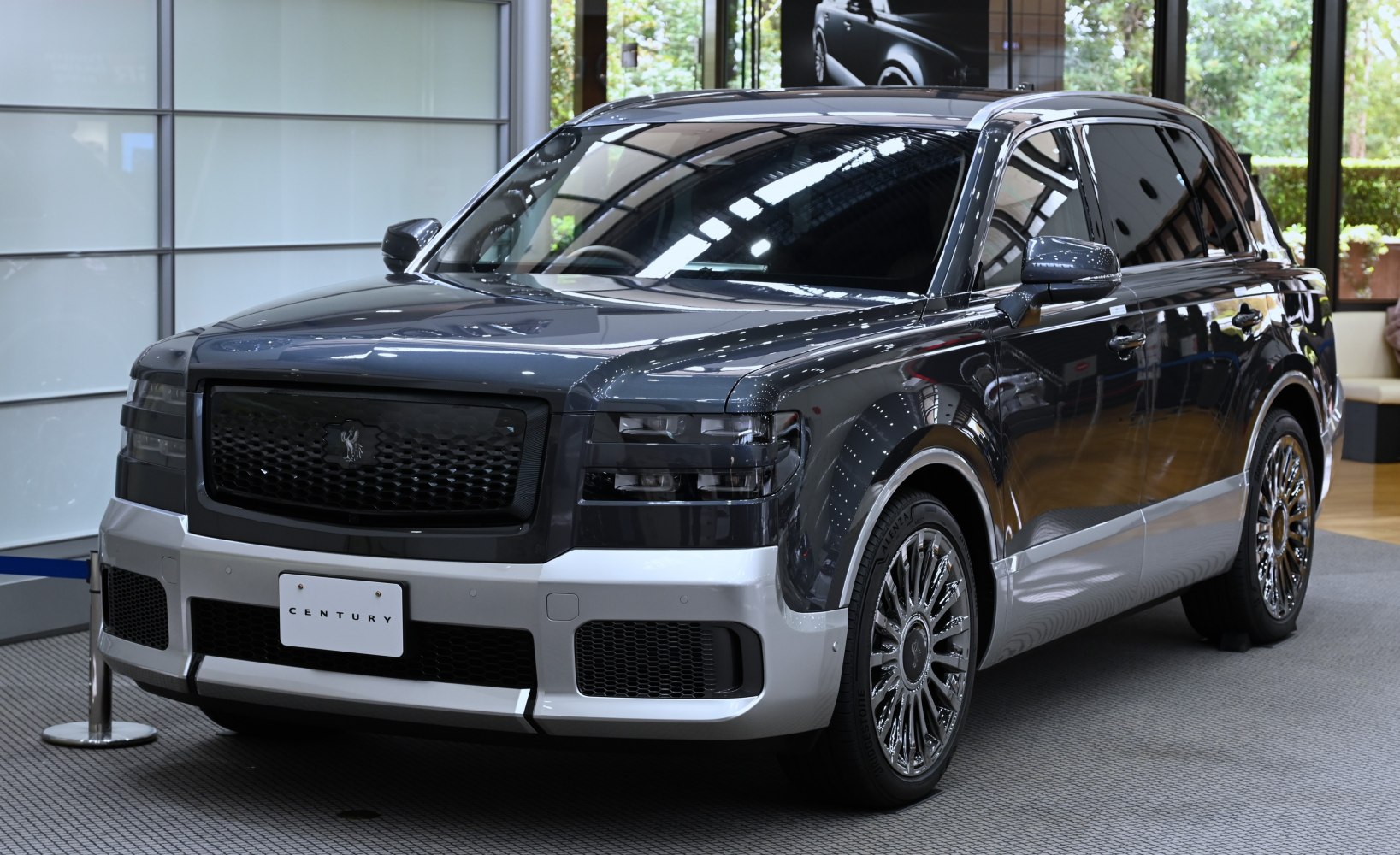
8. Toyota Century SUV
The Toyota Century SUV represents Toyota’s most luxurious side. The Century name has long been associated with high-end Japanese transportation, and the SUV version carries that premium philosophy into a larger, more contemporary body style.
Power comes from a 3.5-liter plug-in hybrid V6, giving the vehicle a blend of strong performance and electrified operation. Yet the rear passenger compartment may be the most interesting part. Fully reclining rear seats and advanced comfort features make the SUV particularly suited to passengers who expect a first-class experience.
This is not simply a premium version of a mainstream Toyota. The Century SUV aims at a much higher level of luxury, placing it in territory associated with vehicles from brands such as Rolls-Royce and Bentley.
American buyers already have access to many expensive luxury SUVs, so Toyota’s absence from this category is not due to a lack of potential competition. Instead, the Century SUV remains tied closely to Toyota’s Japanese luxury strategy and is not officially sold through U.S. Toyota dealerships.
The vehicle also demonstrates how much the definition of a luxury SUV can vary by market. Rather than focusing exclusively on aggressive styling or driver-oriented performance, the Century emphasizes quiet travel and rear-seat comfort.
For Americans interested in ultra-luxury vehicles, the Century SUV is an especially fascinating forbidden fruit. It carries Toyota engineering beneath a level of craftsmanship and passenger-focused equipment rarely associated with the mainstream Toyota name.
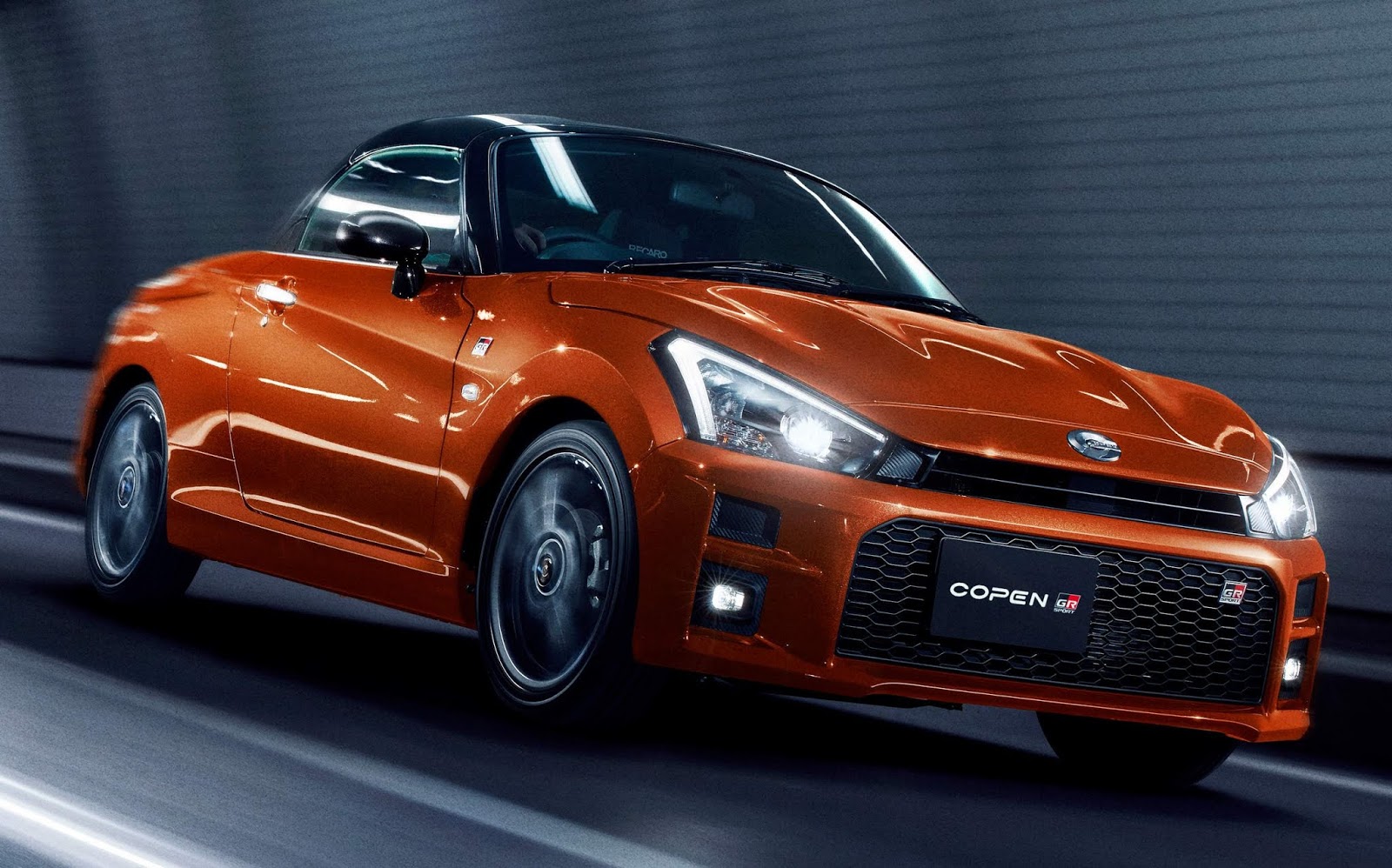
9. Toyota Copen GR Sport
Small does not have to mean boring, and the Toyota Copen GR Sport proves that point. This tiny roadster belongs to Japan’s kei-car category and uses a 660cc turbocharged three-cylinder engine.
Its compact dimensions and lightweight construction give it a completely different personality from Toyota’s larger sports cars. The Copen GR Sport is designed around simple driving enjoyment.
Rather than chasing enormous horsepower figures, it uses low weight and small dimensions to create an agile driving experience. Its roadster body adds another layer of fun, especially for drivers who enjoy open-air motoring.
The GR Sport treatment brings Toyota’s performance division into the picture, giving the little car a sportier character. Yet it remains firmly rooted in Japan’s kei-car format, which is based around strict size and engine limits.
That classification is a major reason the car feels so different from vehicles sold in America. U.S. regulations, consumer preferences, vehicle sizes, and safety requirements create a very different market environment.
American drivers looking for a tiny convertible have far fewer options. The Copen GR Sport offers something unusual, combining an affordable approach with a lightweight roadster philosophy in a market where small sports cars are becoming increasingly rare.
Toyota does not officially sell this model in the United States. For enthusiasts, its appeal comes from exactly what makes it unusual. It is compact, turbocharged, open-top, and designed around low weight rather than brute force.
In an era of increasingly large vehicles, that recipe gives the Copen GR Sport a refreshing personality.
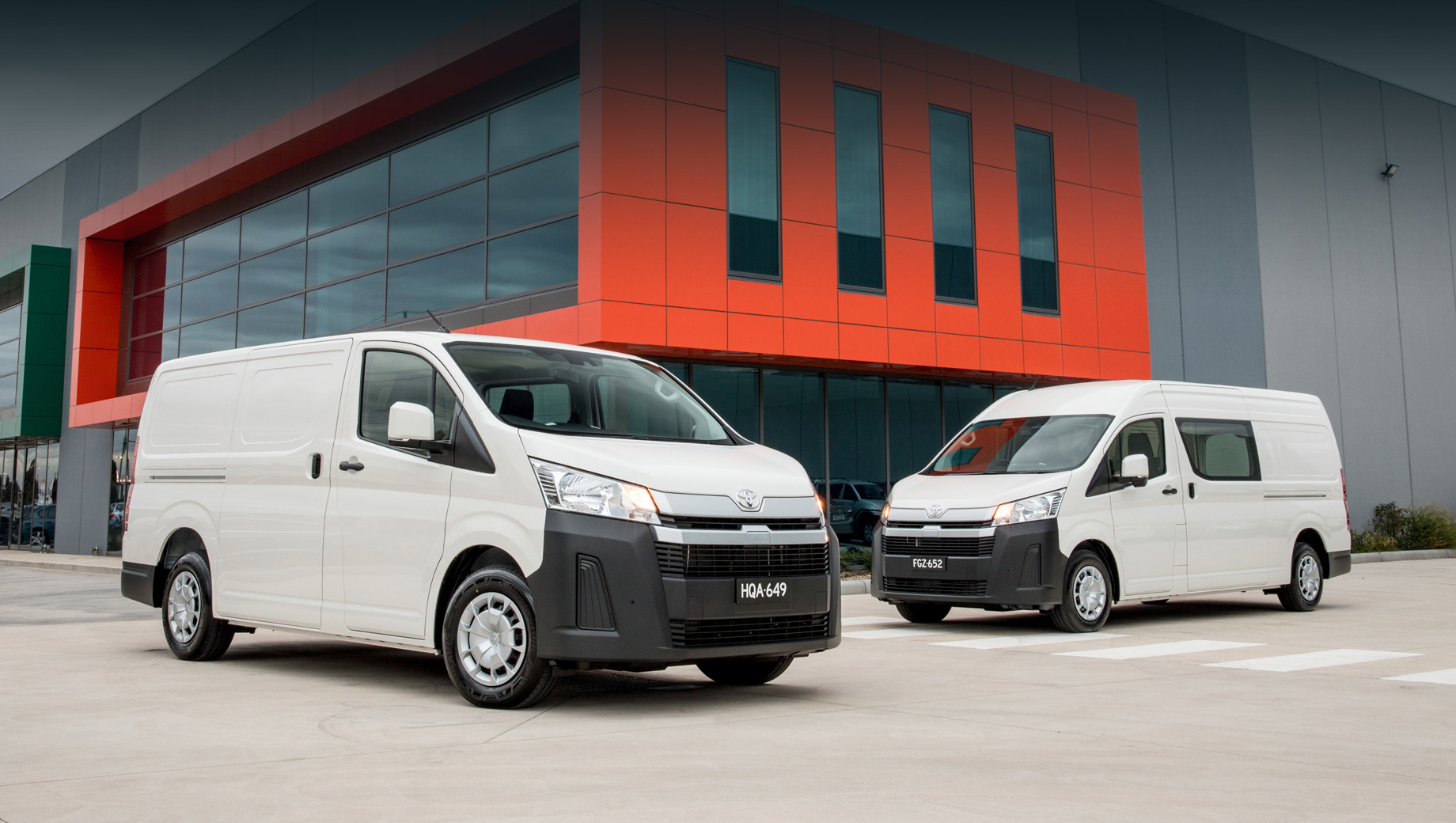
10. Toyota HiAce / GranAce
The Toyota HiAce has been a familiar name in international markets for decades, serving as a practical van for commercial operators, passenger transportation, and private users.
Its upscale relative, the GranAce, takes the basic people-moving concept and adds more comfort-oriented equipment. The appeal of the HiAce is straightforward. It can be configured for different transport duties, giving businesses and families a highly flexible vehicle.
Depending on the market, versions can accommodate passengers, cargo, or specialized uses. GranAce models place greater emphasis on passenger comfort, making them more suitable for buyers who want generous seating and a premium cabin.
That gives the pair a broader range of uses than many conventional vans. Americans do have access to Toyota vans in certain commercial applications, but the HiAce and GranAce are not officially sold as new vehicles through U.S. Toyota dealerships.
Their absence is especially interesting because the American market has a long history with large vans and people movers. The HiAce also has a reputation for being practical and durable, qualities that have helped it remain popular in many countries.
Its straightforward design makes it useful for work, transportation, and family duties. For U.S. shoppers, the GranAce is perhaps the more intriguing of the two because it combines the basic van format with a more premium passenger experience.
Both models show how Toyota adapts its products to different markets, leaving American buyers with only a portion of the company’s enormous global vehicle lineup.
