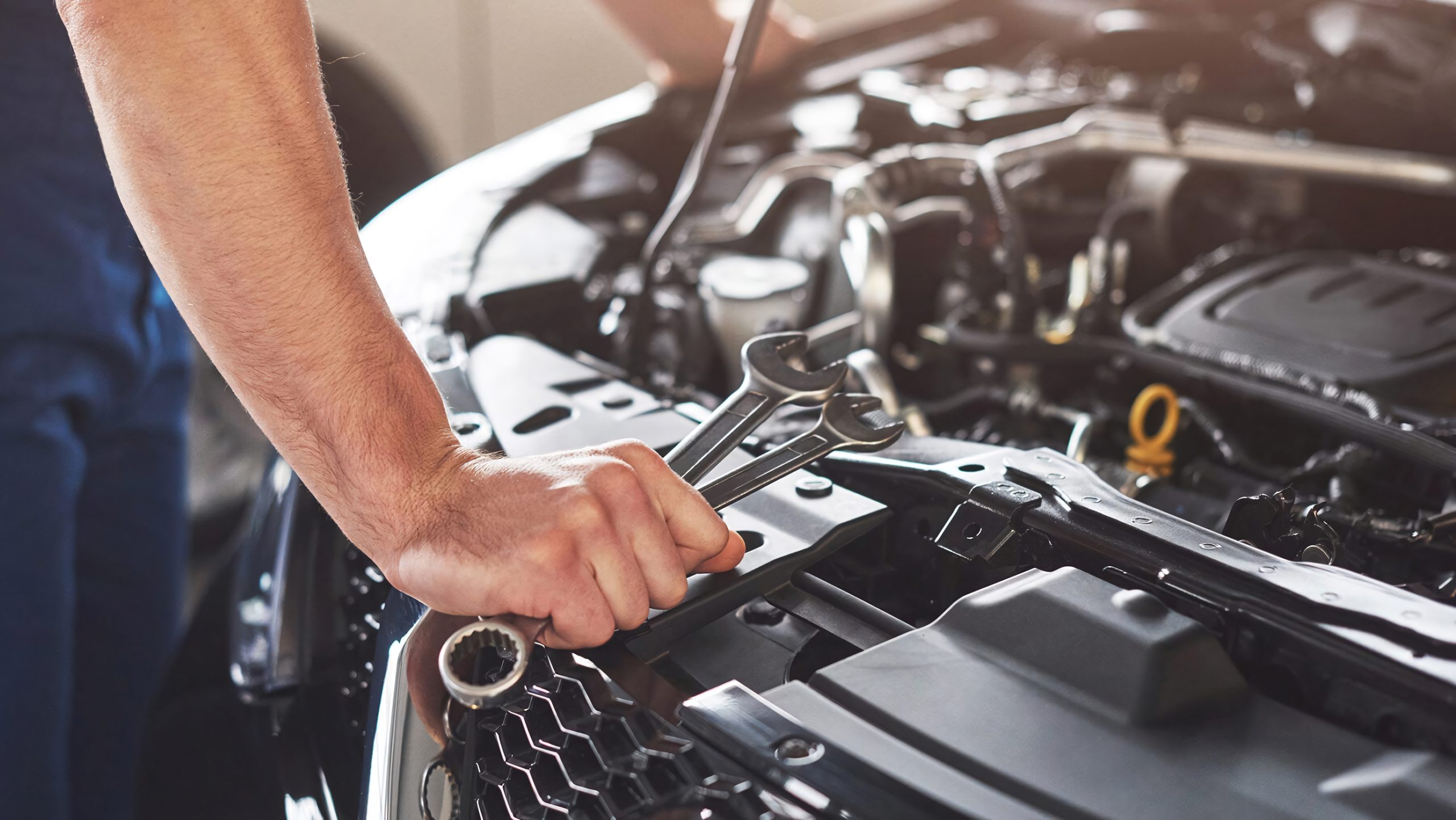
Engine failure rarely happens out of nowhere. In the vast majority of cases, it’s the end result of a small, ignored problem that was allowed to compound over weeks, months, or even years.
A worn belt, a low fluid level, or a clogged filter might seem like minor inconveniences on their own, but each one is capable of triggering a chain reaction that ends with a seized, overheated, or mechanically destroyed engine. The good news is that nearly all of these failures are preventable with routine attention and a modest investment of time and money.
This guide covers eight maintenance items that have a significant impact on engine longevity. These are not obscure or exotic procedures.
They are fundamental maintenance tasks that professional technicians repeatedly identify as important when diagnosing catastrophic engine damage. Staying on top of them won’t just help you avoid an expensive rebuild or replacement; it will keep your engine running smoothly, efficiently, and reliably for the life of the vehicle.
1. Regular Oil and Filter Changes
Engine oil is the single most important fluid for protecting your engine’s internal components. It lubricates moving parts, reduces friction between metal surfaces, carries away heat, and suspends contaminants so they don’t grind against bearings, cylinder walls, and camshafts.
When oil is neglected, left in the engine too long, allowed to run low, or never changed at all, it breaks down chemically, loses its lubricating properties, and turns into a sludge-like substance that can clog oil passages entirely. Once oil stops flowing properly to critical components like the crankshaft bearings and camshaft lobes, metal-on-metal contact begins almost immediately, and the damage is often irreversible.
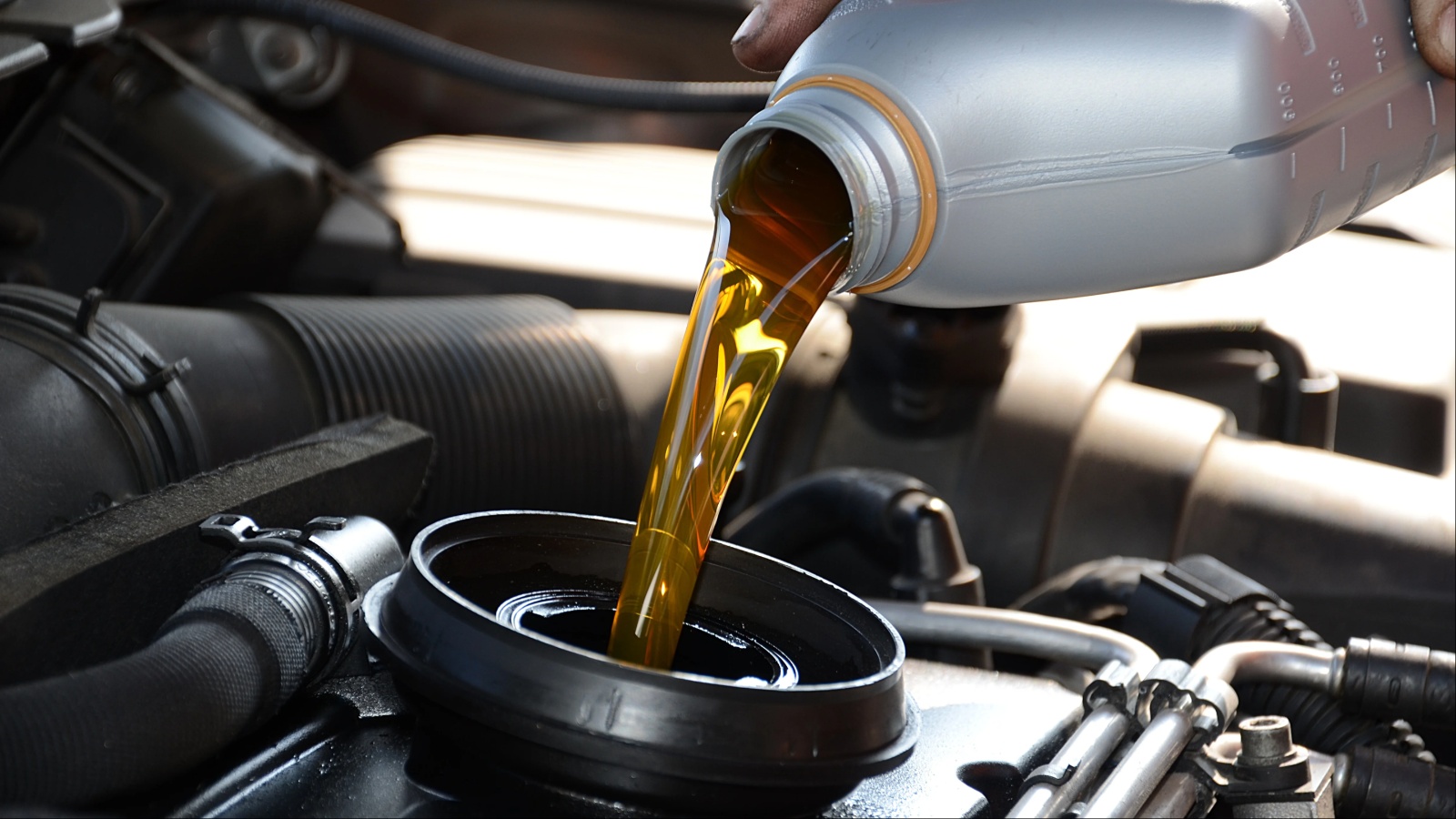
Most manufacturers recommend changing conventional oil every 5,000 to 7,500 miles. Full synthetic oil can often last up to 10,000 miles or more, depending on the vehicle and driving conditions. Mileage is not the only factor, though. The oil filter is just as important as the oil itself because a clogged filter can restrict oil flow and force the engine to operate with dirty, unfiltered oil.
Checking your oil level and color between changes takes less than five minutes and can catch a developing problem, such as a leak or excessive consumption, before it becomes a full-blown engine failure. Skipping oil changes is consistently ranked by mechanics as the number one cause of preventable engine death.
2. Cooling System Maintenance (Coolant Flush and Refill)
An engine generates an enormous amount of heat, and the cooling system’s job is to keep that heat within a safe operating range. Coolant, also called antifreeze, circulates through the engine block, absorbs heat, and carries it to the radiator to be dissipated. Over time, coolant degrades.
It loses its corrosion-inhibiting additives, can become acidic, and may no longer transfer heat as effectively. When this happens, or when coolant levels drop due to a slow leak, the engine is left vulnerable to overheating, which is one of the fastest and most destructive ways an engine can fail.
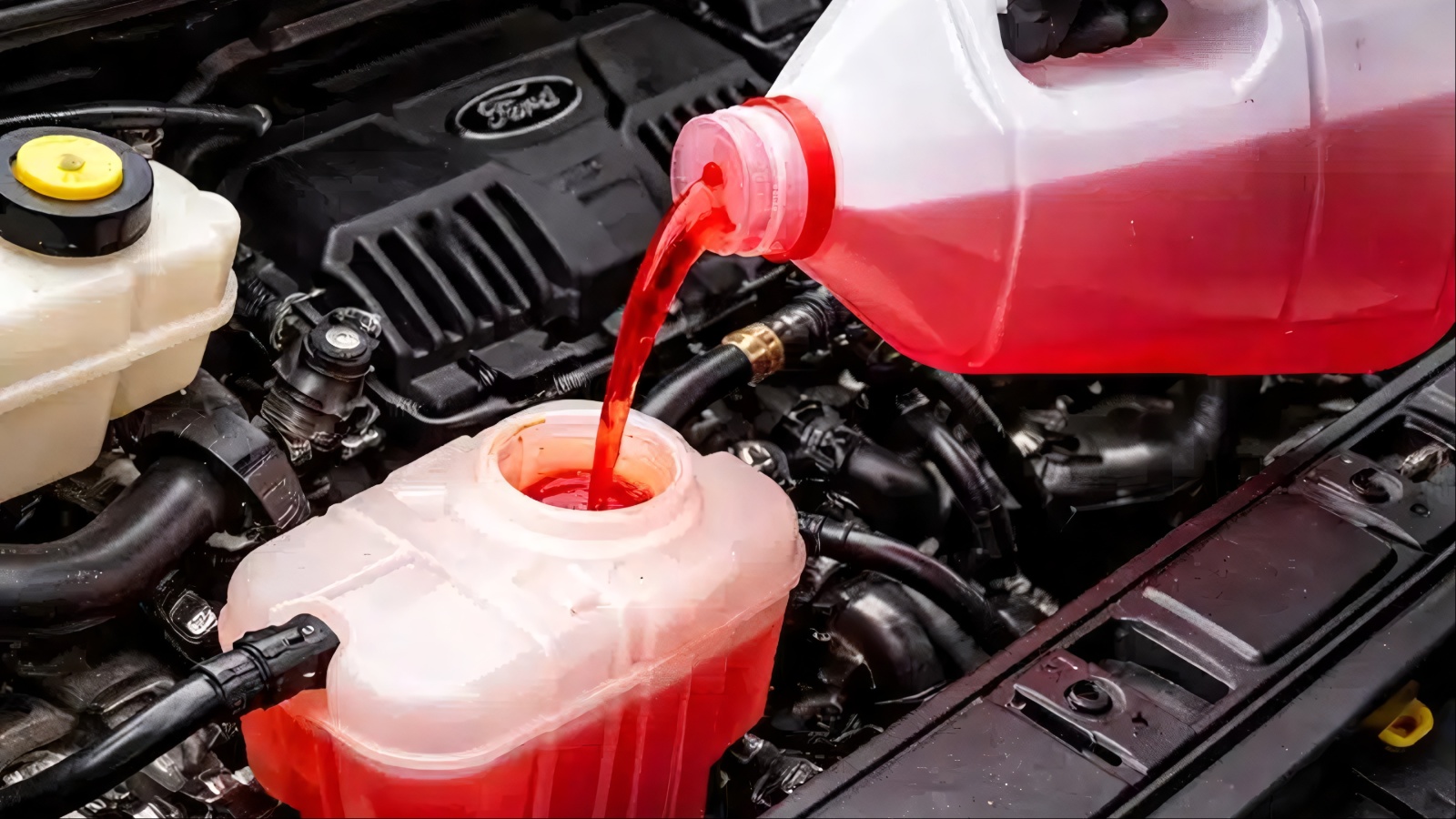
Overheating causes metal components to expand unevenly, which can warp cylinder heads, blow head gaskets, and crack engine blocks damage that frequently costs more to repair than the vehicle is worth. Most manufacturers recommend flushing and replacing coolant every 30,000 to 60,000 miles, though intervals vary by coolant type and vehicle.
Beyond the scheduled flush, it’s worth periodically inspecting hoses for cracking or bulging, checking the radiator cap’s seal, and watching the temperature gauge during drives. A cooling system that’s properly maintained, with no air pockets, correct coolant concentration, and no leaks, is one of the most effective safeguards against sudden and total engine failure.
3. Timing Belt or Timing Chain Replacement
The timing belt or chain synchronizes the rotation of the crankshaft and camshaft, ensuring that the engine’s valves open and close at precisely the right moment relative to the pistons. This synchronization is critical, especially in “interference” engines, where the pistons and valves occupy the same physical space at different points in the rotation.
If a timing belt snaps or a timing chain skips a tooth, the valves and pistons can collide inside the cylinder, bending valves, cracking pistons, and sometimes destroying the cylinder head entirely damage that usually requires a full engine rebuild or replacement.
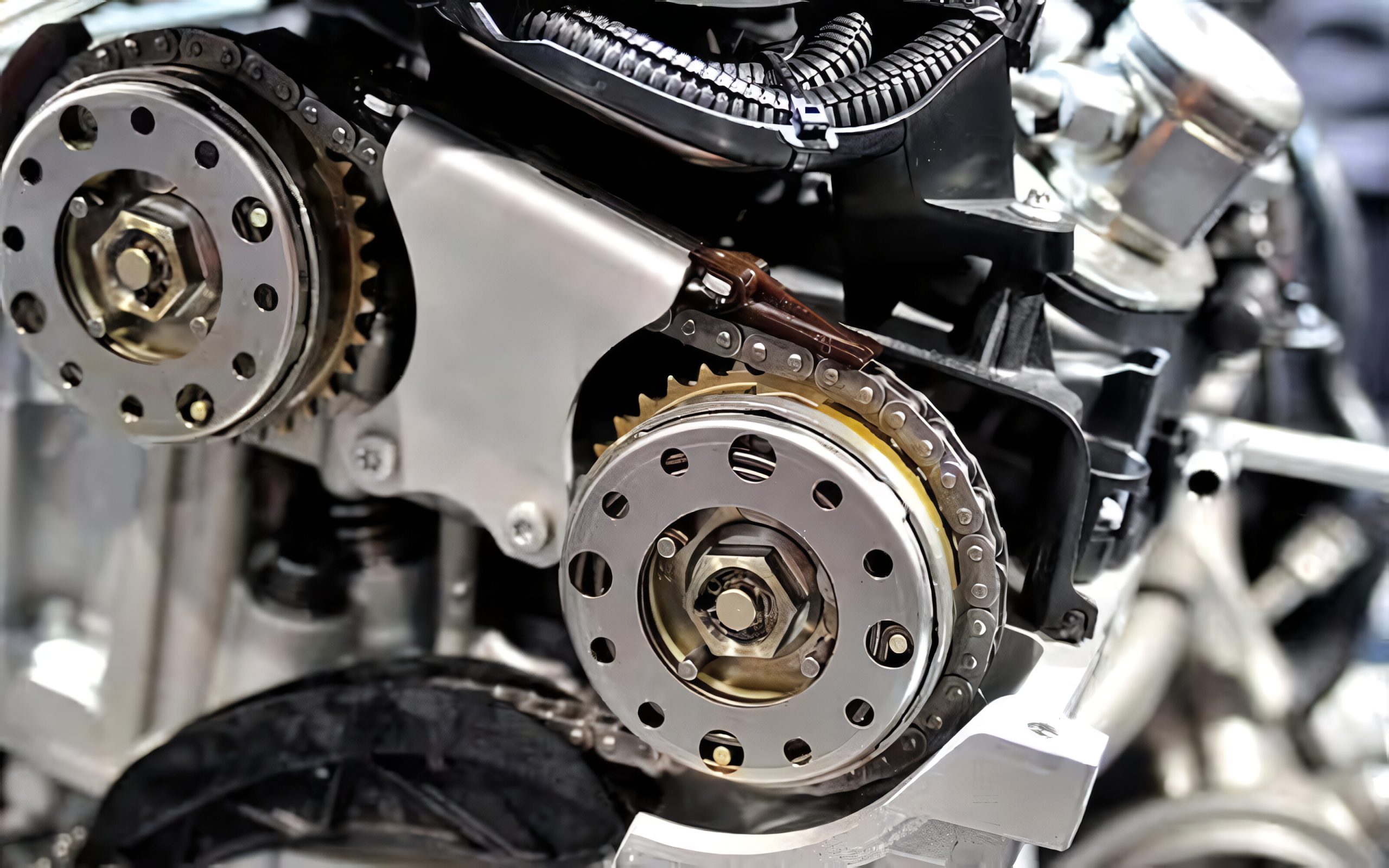
Timing belts are made of reinforced rubber and can deteriorate with age and heat exposure, even when a vehicle is driven infrequently. Manufacturers typically recommend replacing them between 60,000 and 100,000 miles. This interval should be treated as non-negotiable because there is rarely any warning before failure.
The belt can simply break. Timing chains are more durable and often last the life of the engine, but they can still stretch or wear out, particularly if oil changes have been neglected. Because replacing a timing belt is labor-intensive, it’s also common practice to replace the water pump, tensioner, and idler pulleys at the same time, since they’re already exposed and share a similar lifespan.
4. Air Filter Replacement
An air filter may seem like a simple component, but it plays an important role in protecting the engine. Its primary job is to prevent dirt, dust, debris, and other small particles from entering the intake system. Since every combustion cycle depends on a precise mixture of air and fuel, the air entering the cylinders must first pass through the filter.
When the filter becomes clogged with accumulated debris, airflow is restricted, which throws off the air-fuel ratio, causes the engine to run rich, and forces components like spark plugs and fuel injectors to work outside their intended parameters.
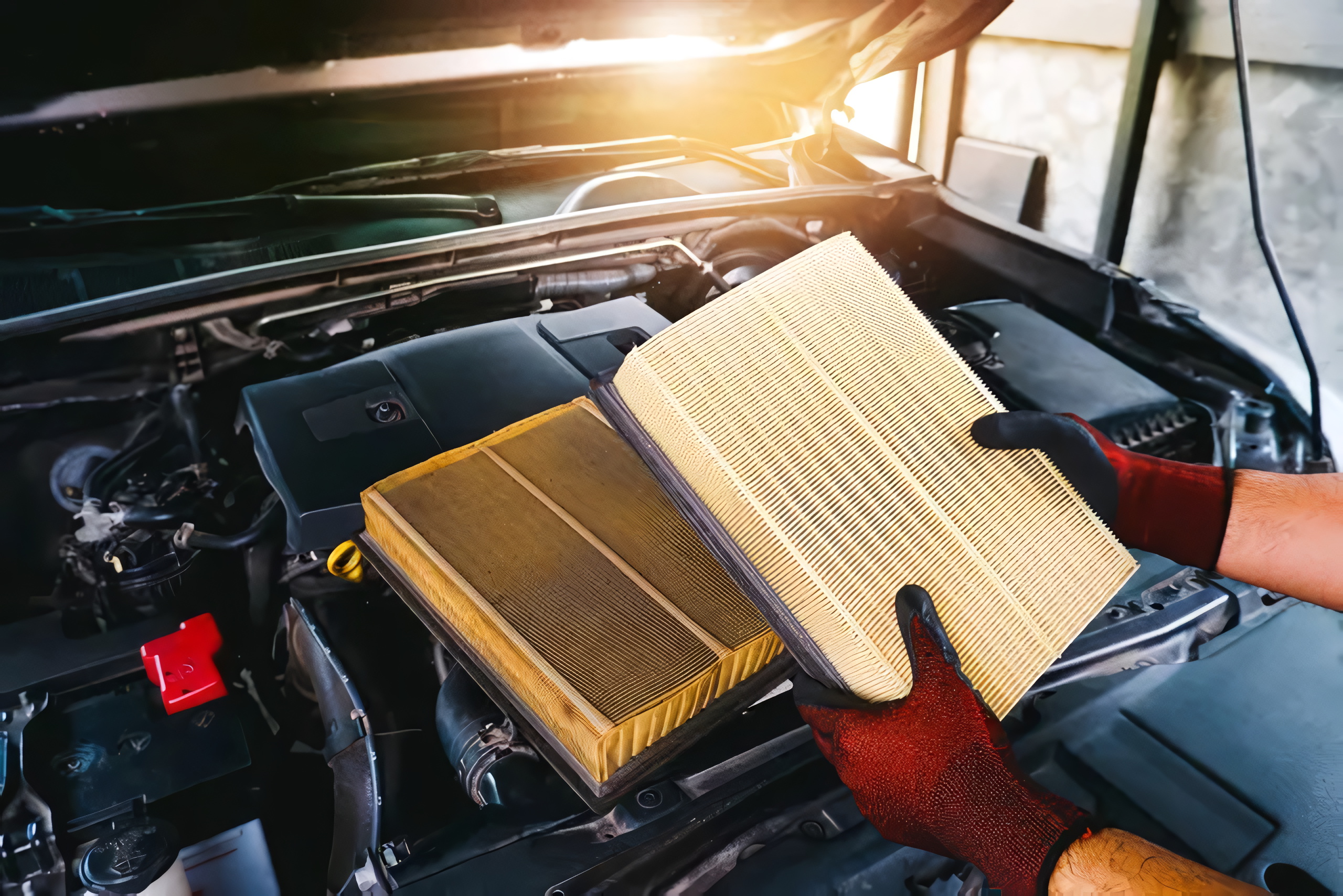
Over time, a severely neglected air filter can allow unfiltered particles to bypass the filter media entirely and enter the combustion chamber, where they act as an abrasive on cylinder walls and piston rings.
This accelerates wear on the very components responsible for maintaining compression and oil control, gradually reducing the engine’s power and efficiency until performance drops sharply or damage compounds into a bigger failure.
Fortunately, air filters are inexpensive and easy to replace, typically every 12,000 to 15,000 miles, or more frequently if you drive in dusty or polluted conditions. Regularly inspecting the filter by holding it up to light to check how much passes through is a simple way to judge whether it needs changing sooner than the standard interval.
5. Fuel System and Fuel Filter Care
Modern engines rely on a clean, consistent supply of fuel delivered at the correct pressure to keep combustion efficient and components properly lubricated. The fuel filter removes rust, dirt, and other contaminants from the fuel before it reaches the injectors, protecting these precision components from damage.
A clogged filter can restrict fuel flow and lead to symptoms such as sputtering, power loss, or stalling. In more severe cases, the restriction can force the fuel pump to work harder than intended. Over time, this added strain can shorten the pump’s lifespan and may eventually lead to complete failure.
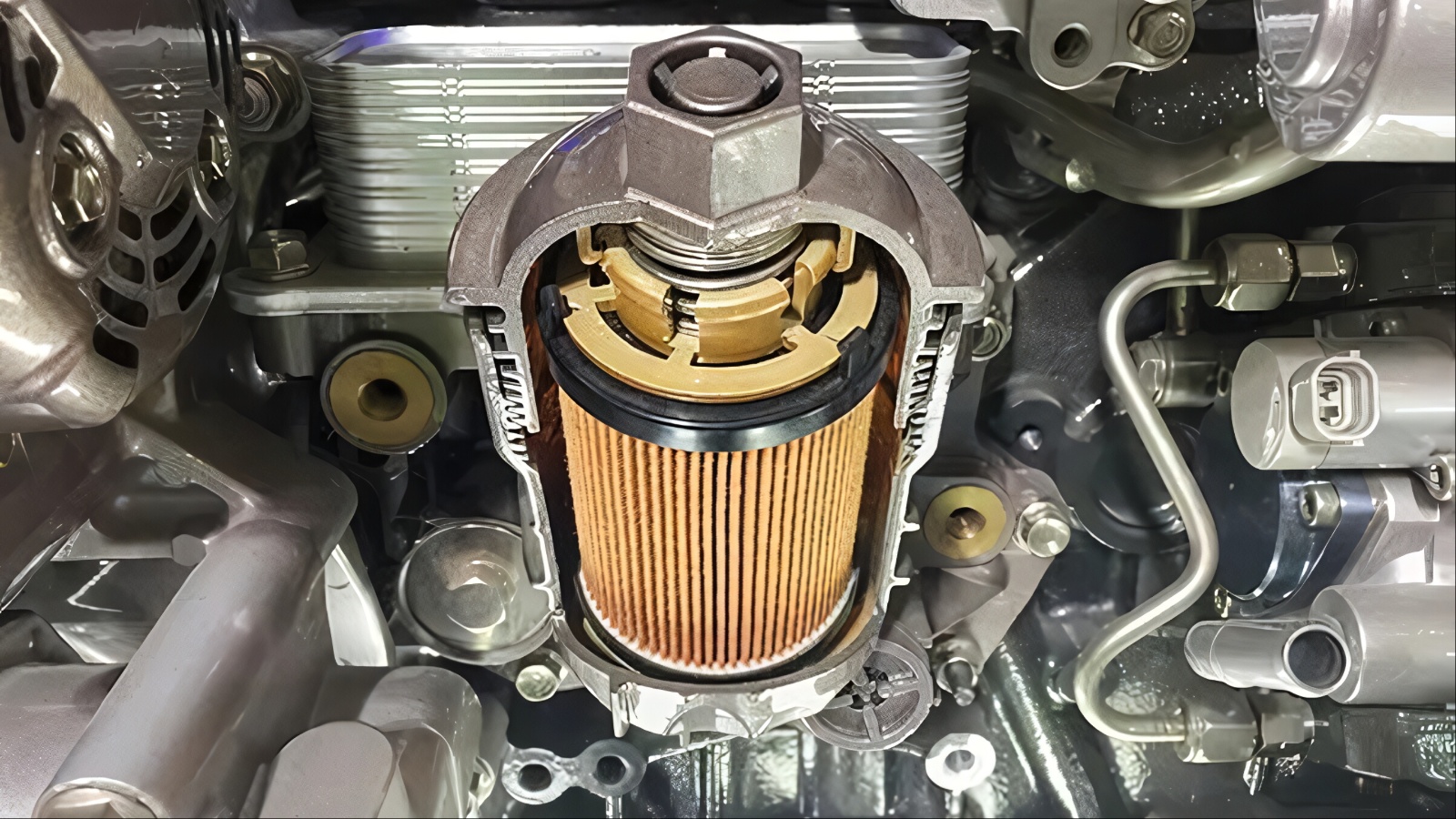
Contaminated or low-quality fuel compounds the problem by leaving deposits on injectors and valves, which disrupts the spray pattern needed for efficient combustion and can lead to misfires, poor lubrication of upper cylinder components, and increased carbon buildup.
Over the long term, a poorly maintained fuel system contributes to inefficient combustion, which increases stress on pistons, rings, and valves.
Replacing the fuel filter according to the manufacturer’s schedule, often every 20,000 to 40,000 miles, though some vehicles use lifetime filters integrated into the fuel pump assembly, along with using quality fuel and periodic fuel system cleaner treatments, keeps the entire system operating as designed and protects the engine from preventable wear.
6. Serpentine Belt Inspection and Replacement
The serpentine belt is a single, continuous belt that drives several critical engine accessories at once, often including the alternator, power steering pump, water pump, and air conditioning compressor. Because it’s responsible for so many systems simultaneously, its failure has a cascading effect.
If the belt snaps while driving, the water pump may stop circulating coolant, leading to rapid overheating, while the alternator stops charging the battery, potentially leaving you stranded. In engines where the water pump is belt-driven, a broken serpentine belt can result in overheating severe enough to warp the cylinder head within minutes.
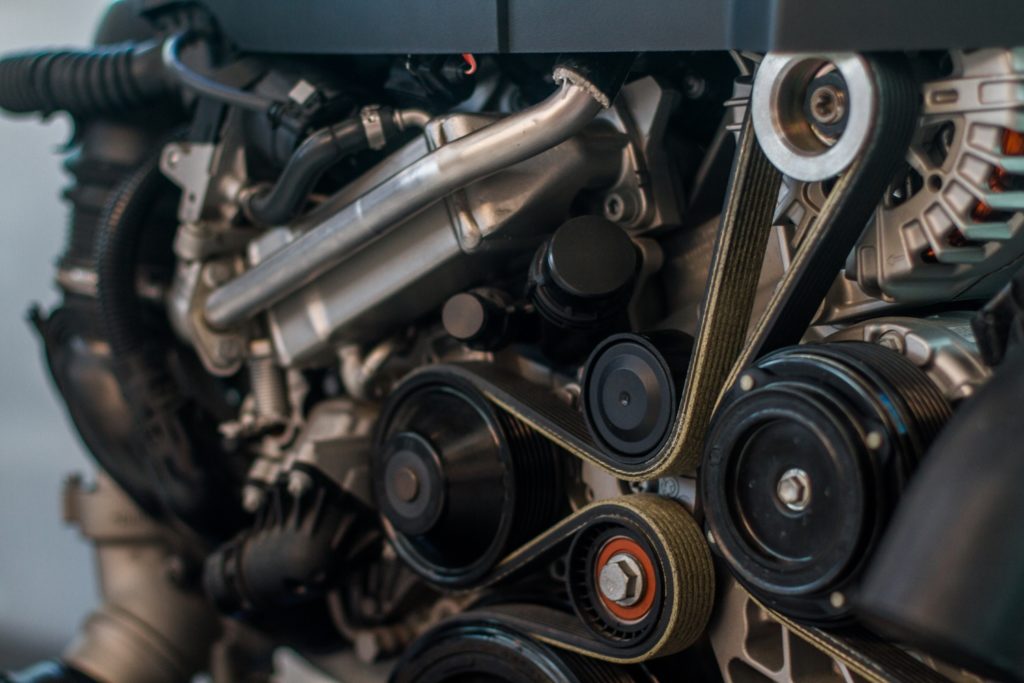
Made from reinforced rubber compounds, serpentine belts gradually deteriorate as they age and endure repeated heat cycles. Cracking, glazing, and fraying are common signs of wear. Most belts last between 60,000 and 100,000 miles, but they should be inspected regularly for cracks, missing sections, glazing, or excessive looseness around the tensioner.
A telltale squealing noise on startup or during acceleration is often an early warning sign that the belt or its tensioner is failing. Because this single belt affects so many interconnected systems, replacing it proactively, rather than waiting for it to fail, is one of the cheapest forms of insurance against a sudden and inconvenient breakdown that can escalate into serious engine damage.
7. Spark Plug and Ignition System Maintenance
Spark plugs ignite the compressed air-fuel mixture in each cylinder, and their condition directly affects combustion efficiency. Worn or fouled spark plugs produce a weaker or inconsistent spark, which leads to incomplete combustion, misfires, and unburned fuel entering the exhaust system.
While a single misfire might not seem dramatic, chronic misfiring allows raw fuel to wash down cylinder walls, diluting the oil film that protects against metal-on-metal contact and accelerating wear on pistons and rings. Persistent misfires also send unburned fuel into the catalytic converter, where it can overheat and melt internal components, creating a costly secondary failure.
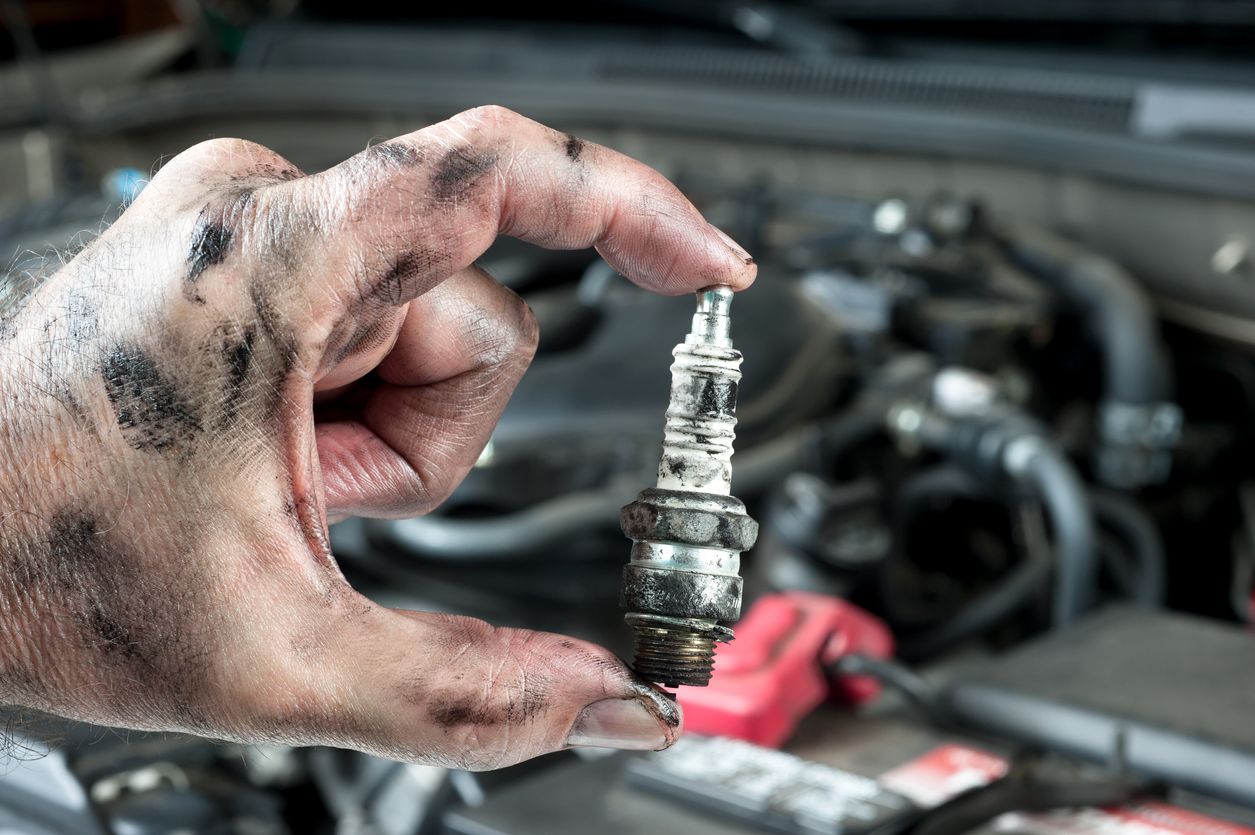
Ignition coils, which supply the high voltage that spark plugs need to fire, are just as important and often overlooked. A failing coil produces the same symptoms as a bad spark plug and can put additional strain on the engine control system as it tries to compensate.
Spark plug replacement intervals vary widely depending on the plug material, ranging from 30,000 miles for standard copper plugs to 100,000 miles or more for iridium or platinum plugs. Staying within these intervals, along with promptly investigating any rough idle, hesitation, or check-engine light, prevents the kind of chronic, low-grade combustion problems that quietly wear an engine down over time.
8. Monitoring and Maintaining Engine Sensors and Warning Lights
Modern engines rely on a network of sensors oxygen sensors, mass airflow sensors, coolant temperature sensors, and oil pressure sensors, among others that constantly feed data to the engine control unit. This data allows the engine to adjust fuel delivery, ignition timing, and other parameters in real time to keep combustion efficient and components protected.
When a sensor fails or provides inaccurate readings, the engine control unit may make incorrect adjustments, running the engine too rich, too lean, too hot, or with delivery timing that increases mechanical stress, even if the driver notices nothing beyond a slight change in performance.
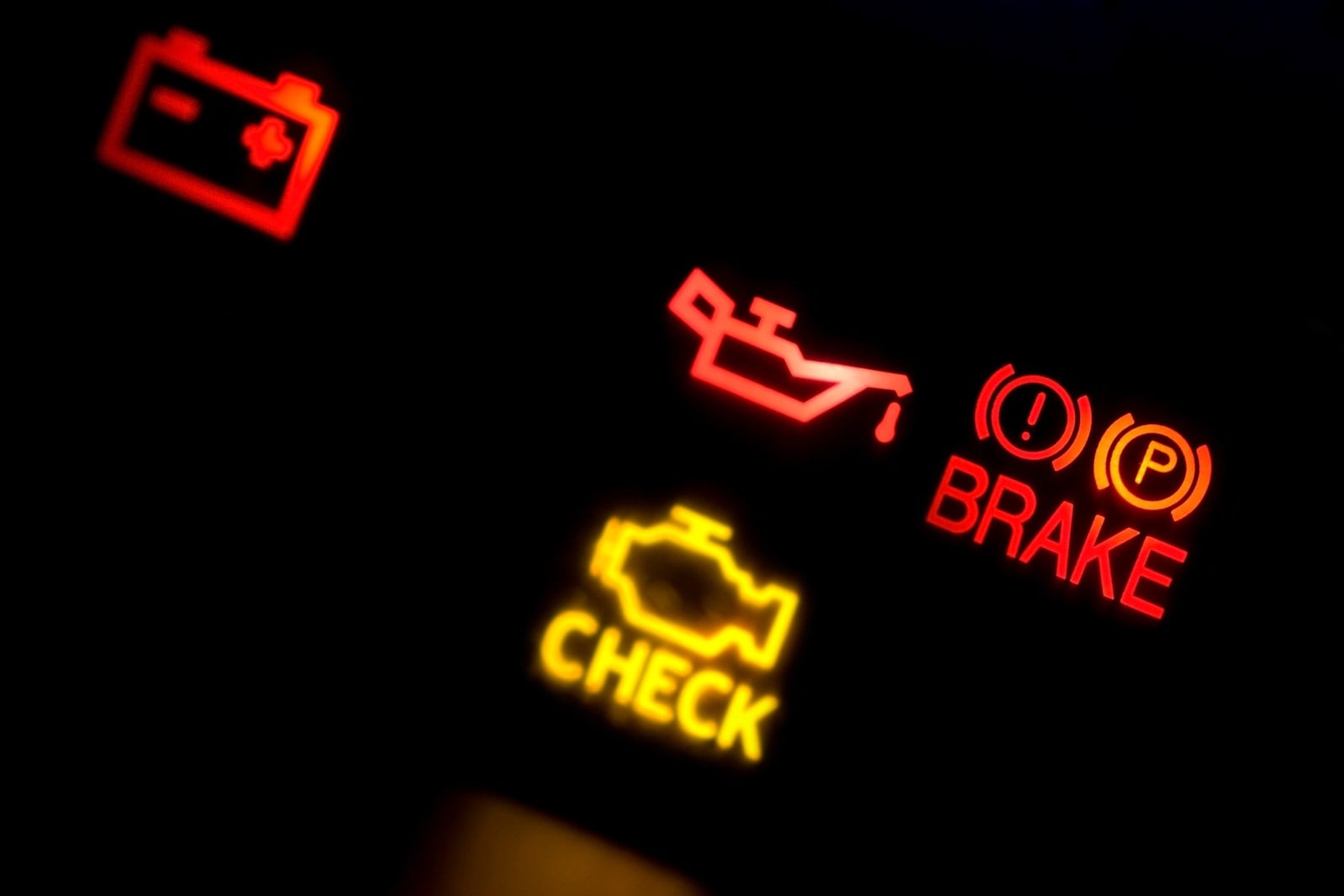
The check-engine light and other dashboard warnings exist specifically to flag these problems before they escalate, yet many drivers ignore them for months, assuming the vehicle still “seems fine.” This is a mistake, especially with oil pressure and temperature warnings, which can indicate that the engine is actively being damaged in real time.
A low oil pressure light, for example, means components may not be receiving adequate lubrication at that exact moment, and continuing to drive can cause irreversible bearing damage within minutes. Treating dashboard warnings as immediate signals to pull over or schedule diagnostics, rather than optional suggestions, is one of the most effective ways to catch a developing engine problem before it turns into total failure.