
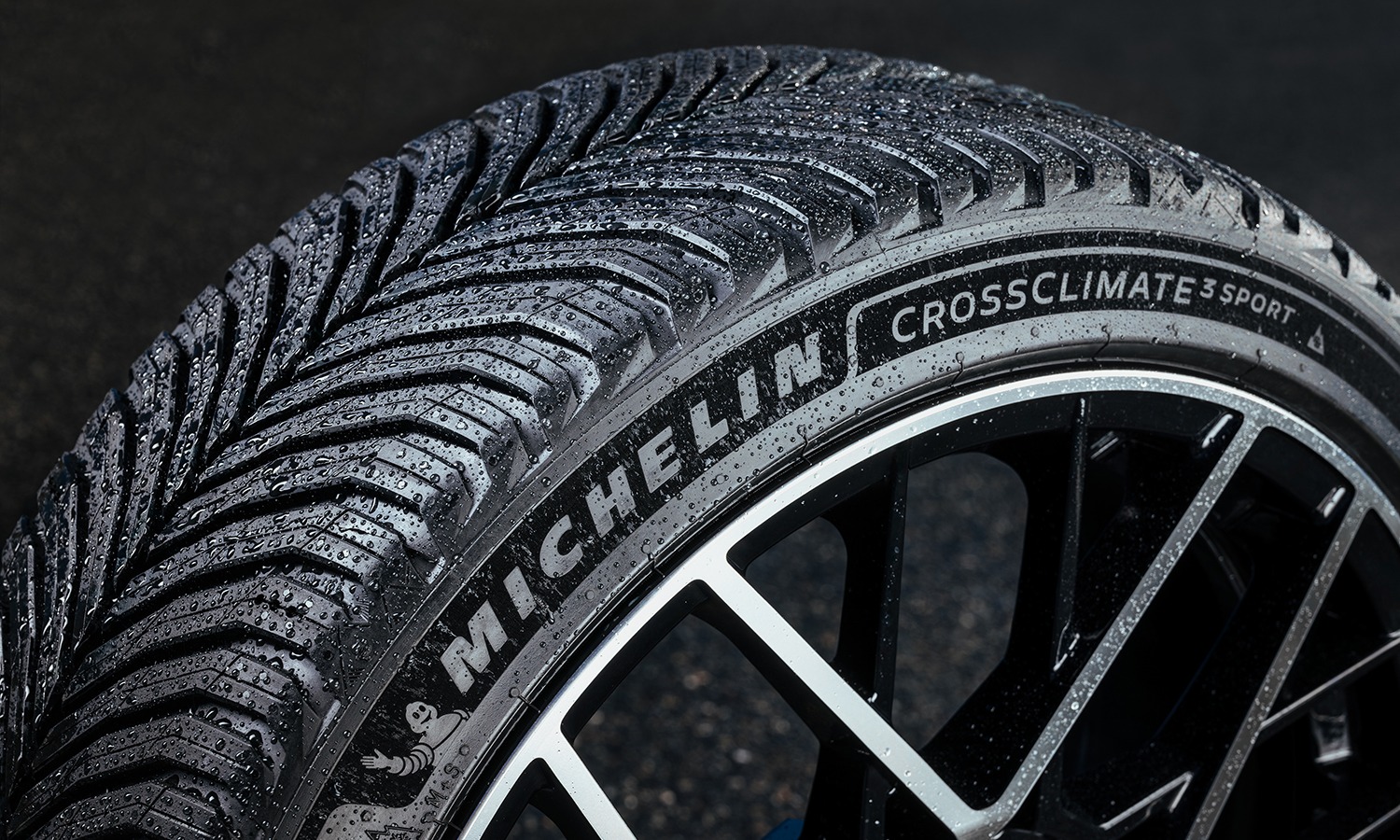
When rain starts falling, tire quality matters more than a fancy badge on the sidewall. Michelin has earned a strong reputation for wet-weather performance, but shoppers do not always need to spend premium money to get confident traction.
Several tire brands offer impressive grip, water evacuation, braking, and steering control for less. Some even compete closely with Michelin in specific tire categories, especially when the right model is matched to the vehicle.
Falken, Firestone, Kumho, BF Goodrich, Toyo, Continental, GT Radial, Mastercraft, and Nexen all have options worth considering. The best choice depends on your vehicle, driving habits, climate, and tire size. Here are eight affordable brands that can deliver strong wet-road performance without forcing you to pay top-tier prices.
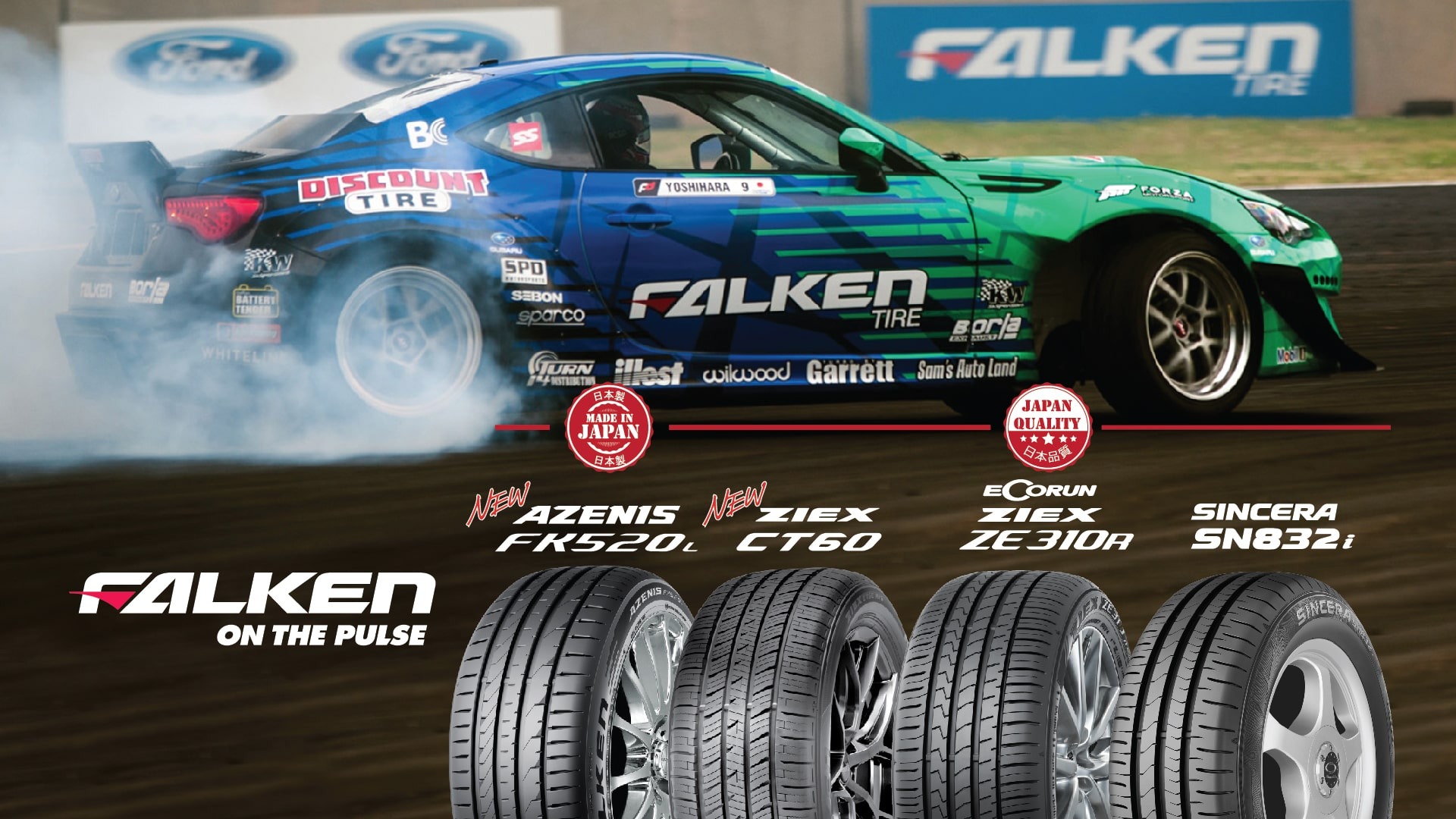
1. Falken
Falken built its name in Japan, and it carried that engineering discipline straight into the American market. Drivers who cross-shop this brand against Michelin often walk away surprised, because the difference in sticker price rarely matches the difference in performance.
The Azenis RT660+ stands out as a favorite among enthusiasts who want a summer tire that won’t betray them the moment clouds roll in. Its tread compound and grooving work together to push water away from the contact patch quickly, which keeps the rubber connected to the road instead of skating across a film of rainwater.
The FK460 A/S takes a different approach, aiming at everyday commuters rather than weekend track days. It still delivers strong wet handling, thanks to a design that channels water efficiently while maintaining stability during hard braking.
Buyers frequently mention how composed the tire feels when a sudden downpour hits during a highway drive, which speaks to the confidence this brand has earned.
Price is where Falken separates itself most clearly from Michelin. You can often find comparable models sitting fifteen to twenty-five percent cheaper, without sacrificing the wet weather security that matters most on unpredictable roads.
For anyone tired of paying extra simply for a name, Falken offers a practical middle ground. The brand combines dependable engineering, fair pricing, and a track record that stands up to independent testing. It is a tire maker that clearly understands how quickly conditions can change when tires encounter standing water at speed.
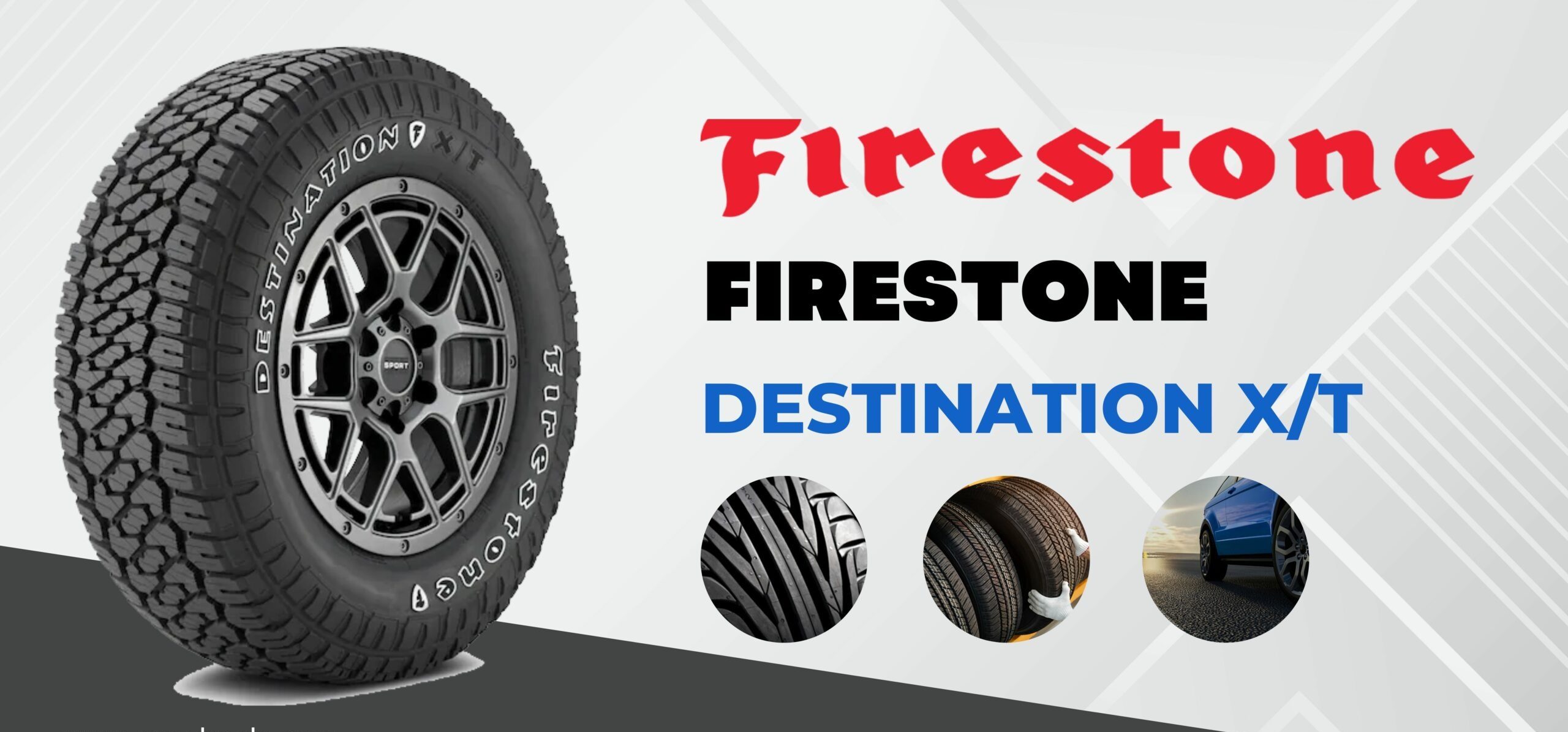
2. Firestone
Firestone takes a different approach, focusing on practical performance that works for a wide range of vehicles. The brand is owned by Bridgestone and has a long history in the tire business, giving buyers access to engineering experience without requiring a premium-brand budget.
The Firehawk Indy 500 V2 is the more performance-focused option, while the Destination LE3 is designed with everyday driving in mind. Both are built to provide dependable traction when roads become wet.
That makes Firestone appealing to drivers who spend plenty of time commuting but still want confidence when a storm arrives. One useful feature is the brand’s attention to water management.
The Firehawk Indy 500 V2 uses pulse grooves and an advanced tread pattern to help move water away from the contact area. Keeping water moving through the tread can reduce the chance of hydroplaning and help maintain steering control.
The Destination LE3 takes a more comfort-oriented approach while still emphasizing wet traction. It can suit drivers who want a dependable all-season tire rather than a sporty setup.
Firestone may not always beat Michelin in every category or tire test, but certain models offer a compelling combination of wet-road performance and price. For budget-conscious shoppers, that balance can make Firestone worth serious consideration.
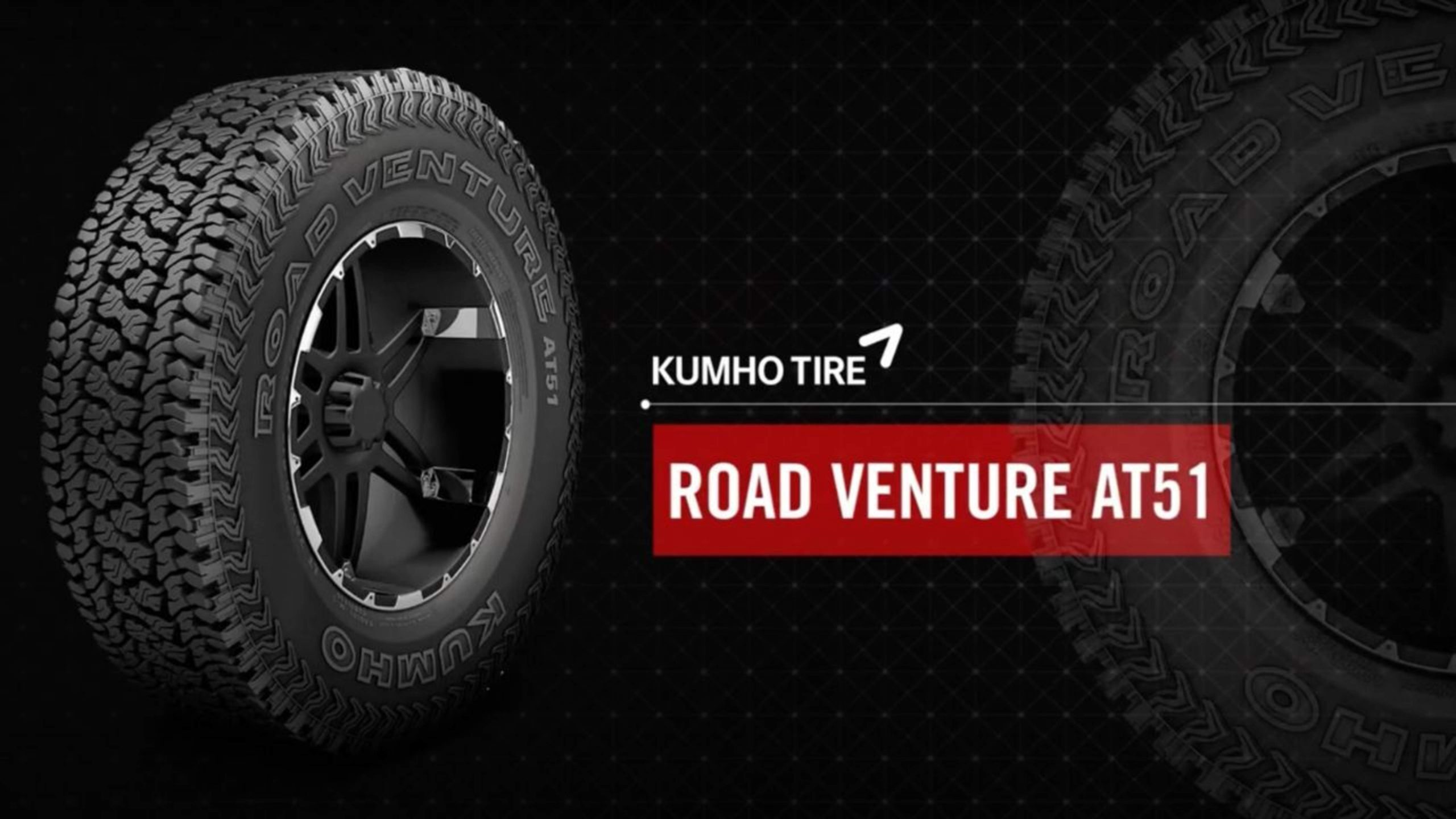
3. Kumho Tires
Kumho doesn’t always get the attention it deserves, but drivers who’ve tried this South Korean brand tend to become loyal customers. The company built its reputation on all-season and summer tires that perform reliably without asking buyers to pay Michelin-level prices.
The Solus line, in particular, has earned a following among people who drive through unpredictable weather on a regular basis. Wet grip is where Kumho quietly shines.
Testing labs and independent reviewers have measured braking distances on the Solus series that rival, and sometimes beat, far more expensive competitors.
That kind of result matters most in situations where accidents can happen in an instant, such as a sudden rainstorm on a busy highway filled with vehicles traveling at high speeds.
Warranty coverage adds another reason to consider this brand seriously. Some Kumho models come with protection stretching up to 75,000 miles, a number that puts pressure on premium brands charging far more for similar mileage promises.
Drivers get long-term value alongside short-term safety, which is a difficult combination to find elsewhere. Price remains the most obvious selling point. Kumho tires routinely sell for noticeably less than comparable Michelin products, sometimes by a wide enough margin to cover an extra tire or two down the road.
For budget-conscious drivers who still refuse to compromise on rain safety, Kumho represents one of the smarter choices available today. It proves that a lower price doesn’t have to mean lower confidence when the pavement turns slick.
4. BF Goodrich
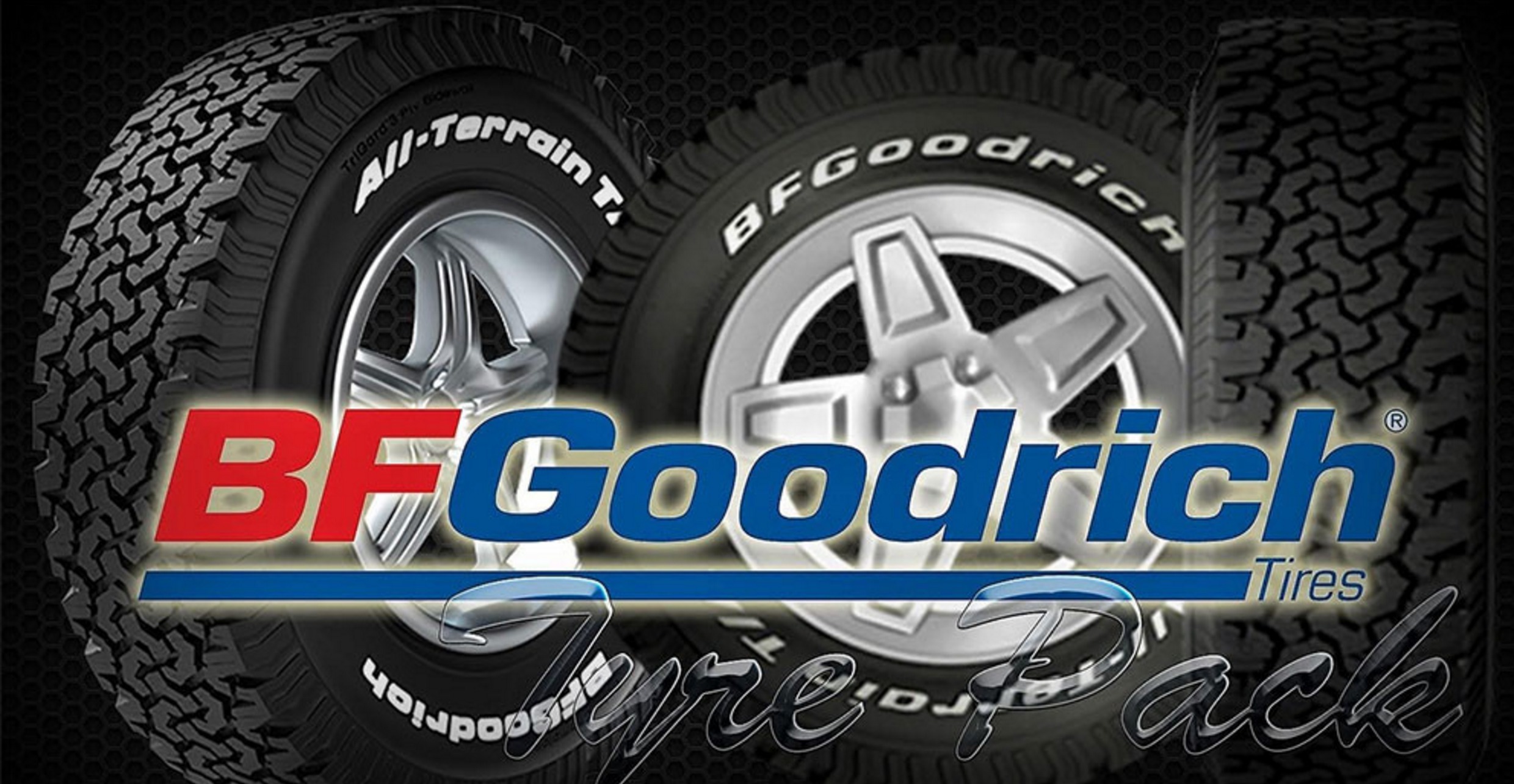
BF Goodrich is an interesting name on this list because it belongs to Michelin. That connection means shoppers can access technology from the same corporate family while choosing a brand that often costs less than Michelin-branded alternatives.
The brand is particularly well known for products designed for all-season driving and off-road use. Yet wet-road performance remains an important part of several models.
The Advantage Control all-season tire is a good example. It uses Active Sipe Technology to create additional biting edges while helping manage water across the tread.
That design can be useful during ordinary rainy driving, where the tire needs to maintain traction while water sits between the rubber and pavement. Good water management helps the tread maintain contact with the road, which can support more predictable steering and braking.
BF Goodrich also gives shoppers plenty of choices across different vehicle types. A driver with a family sedan may want an all-season model, while someone with a truck or SUV can choose from products designed for heavier vehicles and more demanding use.
Calling BF Goodrich a bargain brand would be misleading in every case, since prices vary by model and size. Still, many of its products cost less than comparable Michelin options while delivering strong wet-weather performance.
For shoppers who like Michelin engineering but want another price point, BF Goodrich deserves attention.
5. Toyo Tires
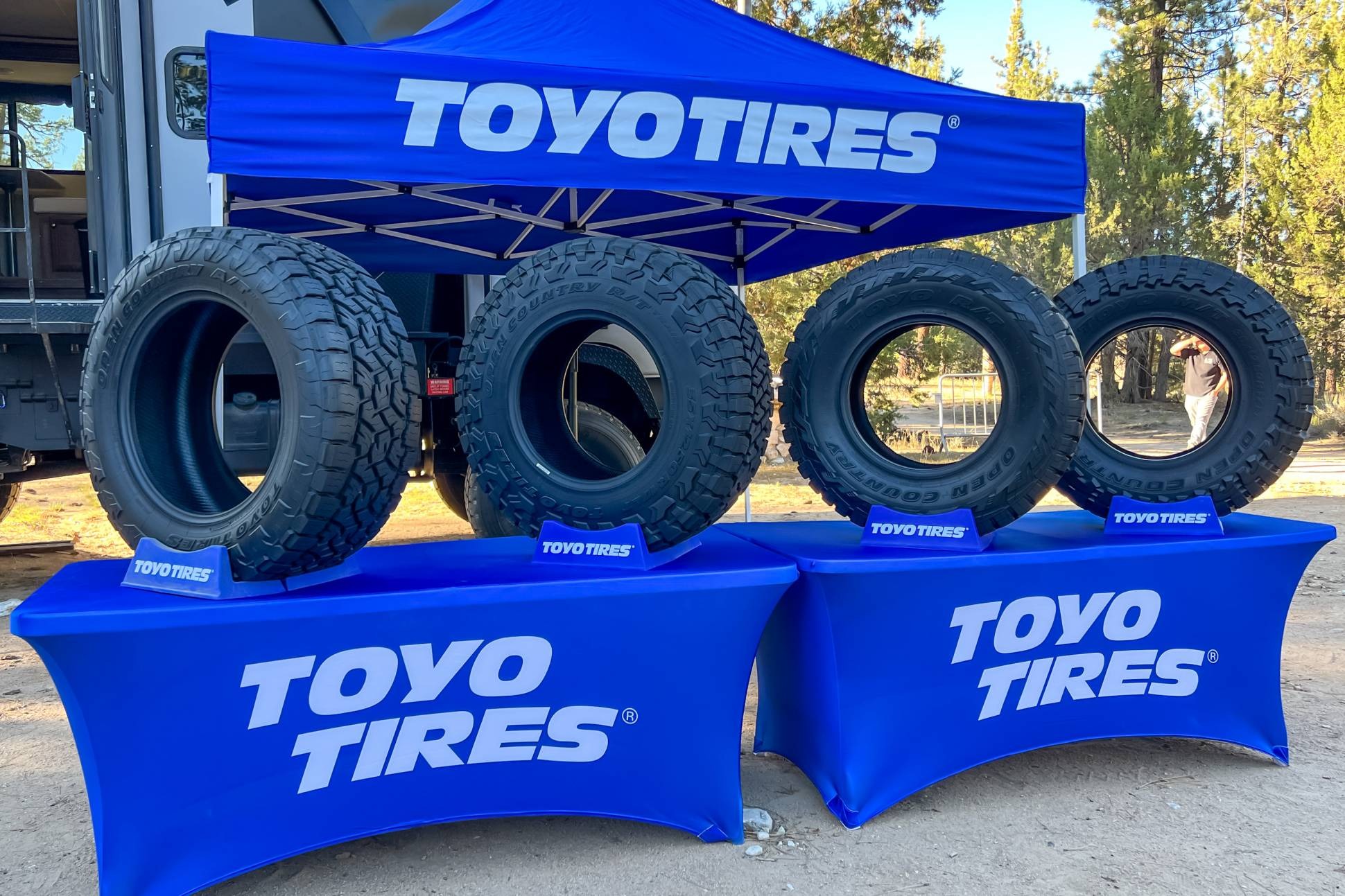
Toyo has spent years building a reputation among performance drivers, and that attention to detail extends fully into wet-weather engineering. The brand’s asymmetric tread designs aren’t just for show.
They serve a functional purpose, directing water toward the outer edges of the tire while keeping the inner tread focused on dry traction and stability. The Proxes Sport A/S+ stands as one of the more impressive examples of this approach.
It manages to deliver confident handling in rain without sacrificing the responsive feel that performance-minded drivers expect. Independent test results have shown this tire holding its own against far pricier competitors when measuring braking distance on wet pavement, which says a lot about how seriously Toyo approaches this category.
The Proxes Sport 2 pushes those same principles even further, refining the compound and tread pattern to squeeze out additional grip during cornering. Drivers who push their vehicles harder, even on public roads, tend to appreciate how planted the car feels when a road turns wet without warning.
What really sets Toyo apart is the range it offers. This isn’t a brand chasing one impressive tire while neglecting the rest of its lineup. Multiple models across different categories share the same commitment to rain performance, giving buyers options regardless of vehicle type or driving style.
When you factor in pricing that consistently sits below Michelin’s comparable offerings, Toyo becomes an easy brand to recommend for anyone serious about handling rain safely.
6. Continental
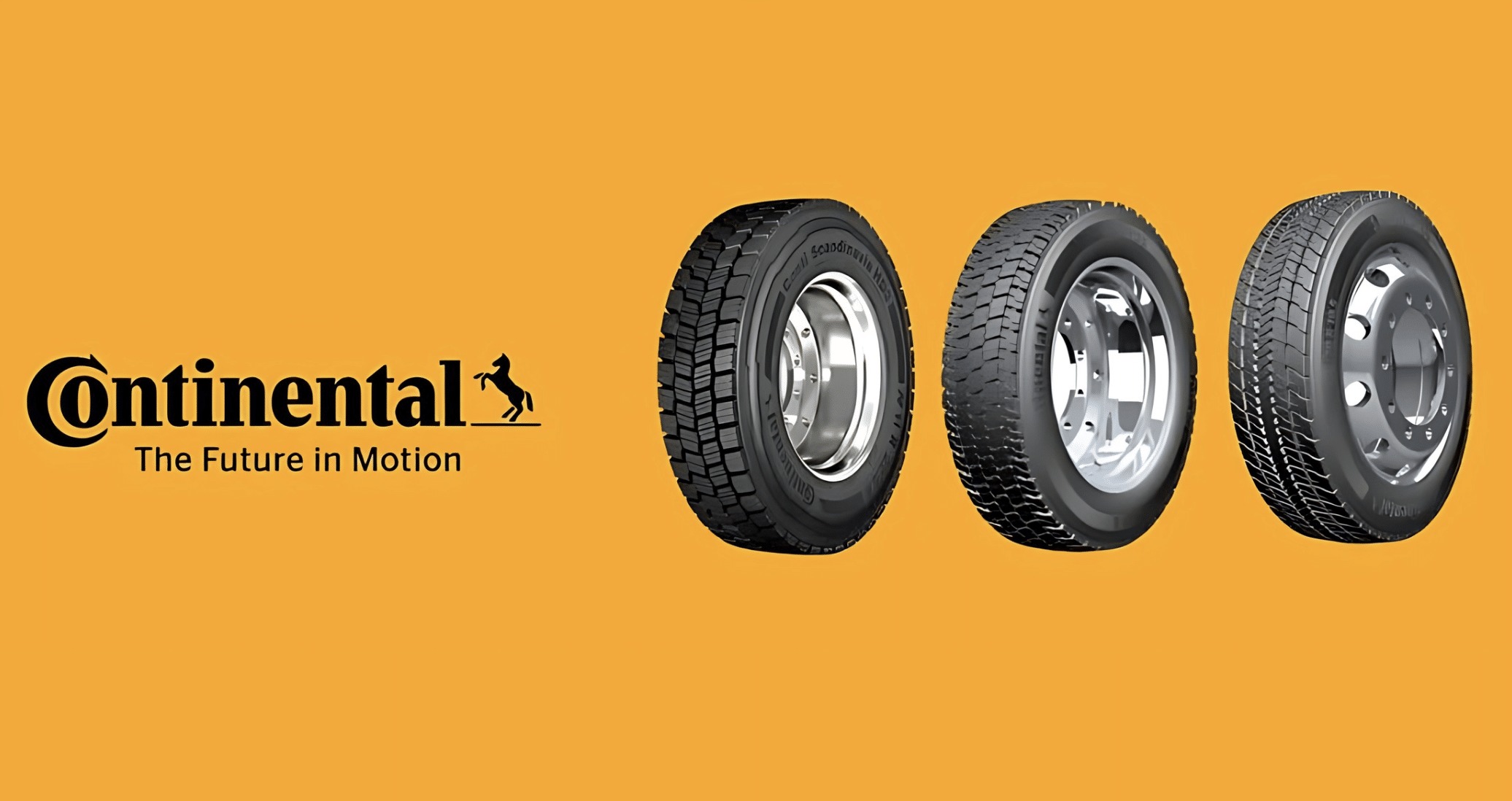
Continental may seem like an unusual choice for a list focused on affordable tires, but some Continental models can cost less than premium Michelin alternatives while delivering excellent wet-road behavior.
The German manufacturer has a strong reputation for tire engineering, and several of its products are built specifically for changing weather.
The ExtremeContact DWS06 Plus is a standout option for drivers who want all-season performance. Its design focuses on handling and traction across wet and dry pavement, making it useful for drivers who experience rain throughout the year.
The tire also carries features intended to help maintain control as conditions change. For colder regions, the VikingContact 7 brings a different set of strengths.
It is designed for winter driving and uses PolarPlus technology to support traction in cold, wet, and snowy conditions. That makes it particularly useful for drivers who regularly face winter weather rather than occasional summer rain.
Continental’s SportPlus technology also contributes to wet-road handling and braking performance. These features show why the brand can compete with more expensive choices while still offering reasonable value.
Prices depend heavily on tire size, vehicle, and retailer, so Continental should not be treated as the cheapest option in every case. Still, when a particular size is priced below a comparable Michelin product, the combination of engineering, wet traction, and handling can make Continental an attractive purchase.
7. GT Radial
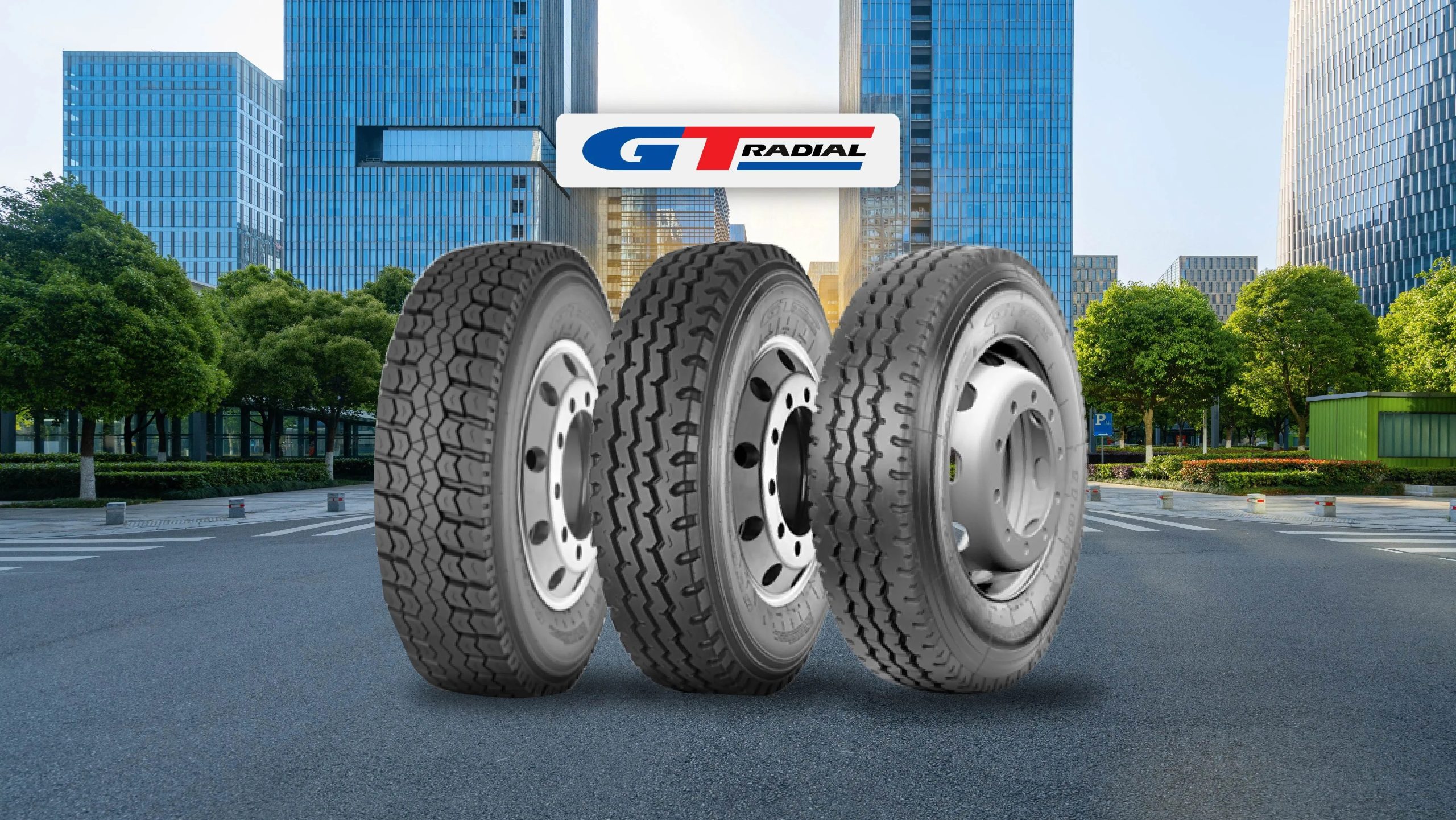
GT Radial doesn’t carry the brand recognition of Michelin, but the Champiro UHP A/S has quietly earned respect among reviewers who focus on wet weather testing.
Wide shoulder channels run along the tire’s outer edges, giving water a clear path away from the contact patch during hard cornering, which happens to be exactly when hydroplaning risk peaks.
A 3PMSF rating adds credibility to this tire’s all-weather claims. That certification means the tire has passed specific testing for severe conditions, a standard that not every budget brand bothers pursuing.
For drivers who deal with unpredictable weather throughout the year, that rating offers reassurance beyond simple marketing claims. Handling feedback from real drivers backs up the lab results.
People who’ve switched from premium brands often mention how surprised they were by the confidence this tire delivers during sudden rain, especially compared to what they expected given the price difference.
That gap between expectation and reality tends to build strong word-of-mouth support for a brand still working to establish itself in a market dominated by bigger names.
Pricing seals the deal for many buyers. GT Radial routinely undercuts Michelin’s Pilot Sport All Season series by a wide margin, sometimes allowing drivers to replace all four tires for close to what a pair of premium tires would cost.
For anyone willing to look beyond familiar branding, GT Radial offers genuine value backed by real testing data rather than reputation alone.
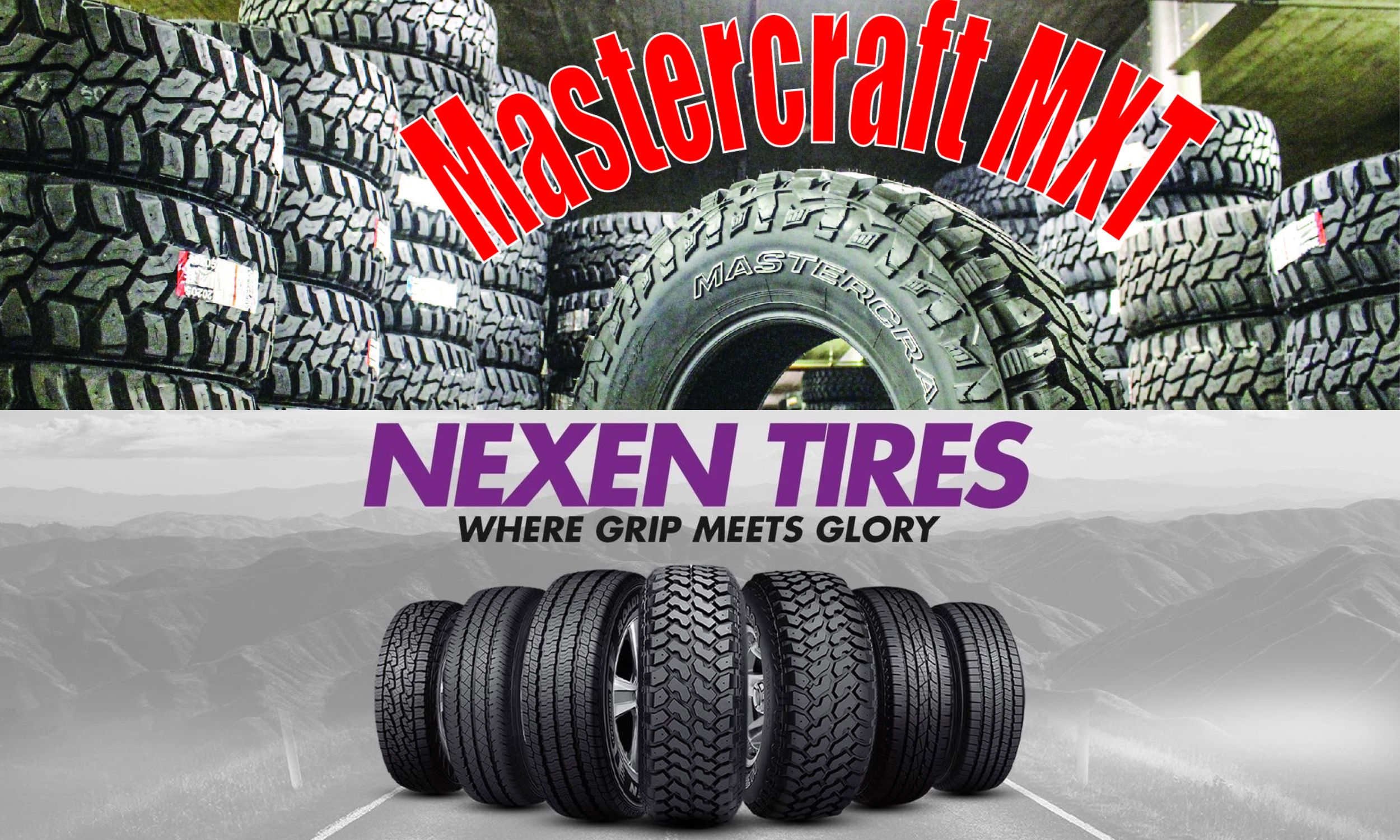
8. Mastercraft and Nexen
Mastercraft and Nexen bring two affordable options to shoppers who care about wet traction but do not want to spend premium money on tires. Both brands offer products suited to regular commuting, making them especially interesting for drivers whose main priorities are dependable road manners and low ownership costs.
Mastercraft’s Avenger G/T is one example of the brand’s value-focused approach. Nexen also offers several all-season products aimed at everyday driving. These tires are designed to provide useful traction in normal weather conditions, including wet pavement.
Their pricing can be the biggest attraction. Some Mastercraft and Nexen tires start at roughly $55 to $57 per tire, although actual prices depend on size, vehicle, retailer, and availability.
A lower price can make a major difference when replacing four tires at once, particularly for an older vehicle where keeping maintenance costs reasonable matters.
Neither brand should be judged solely by price, though. Wet traction depends on tread design, rubber formulation, tire condition, inflation, and the specific model being purchased.
A high-quality tire that is correctly sized and maintained can provide much better results than simply choosing the cheapest tire available. For routine commuting, Mastercraft and Nexen can offer a sensible balance between cost and wet-weather performance.
They may not match every premium tire in every test, but their affordability gives drivers another way to find capable tires without stretching the budget.
