
Most aftermarket modifications do not automatically increase a car’s resale price. In fact, Edmunds warns that many customizations can reduce trade-in value because dealers may need to return the vehicle to stock before retailing it.
Exceptions include modifications that solve a practical problem, protect an expensive part of the vehicle, or closely replicate equipment buyers already expect from the factory.
This ranking therefore focuses on useful, professionally installed upgrades with a clear connection to condition, utility, or buyer demand.
Even then, the modification itself may not recover its full cost. The real benefit can come from preserving the vehicle’s condition or making it more desirable to a specific buyer group.
1. Professional Spray-On Bedliner for a Pickup
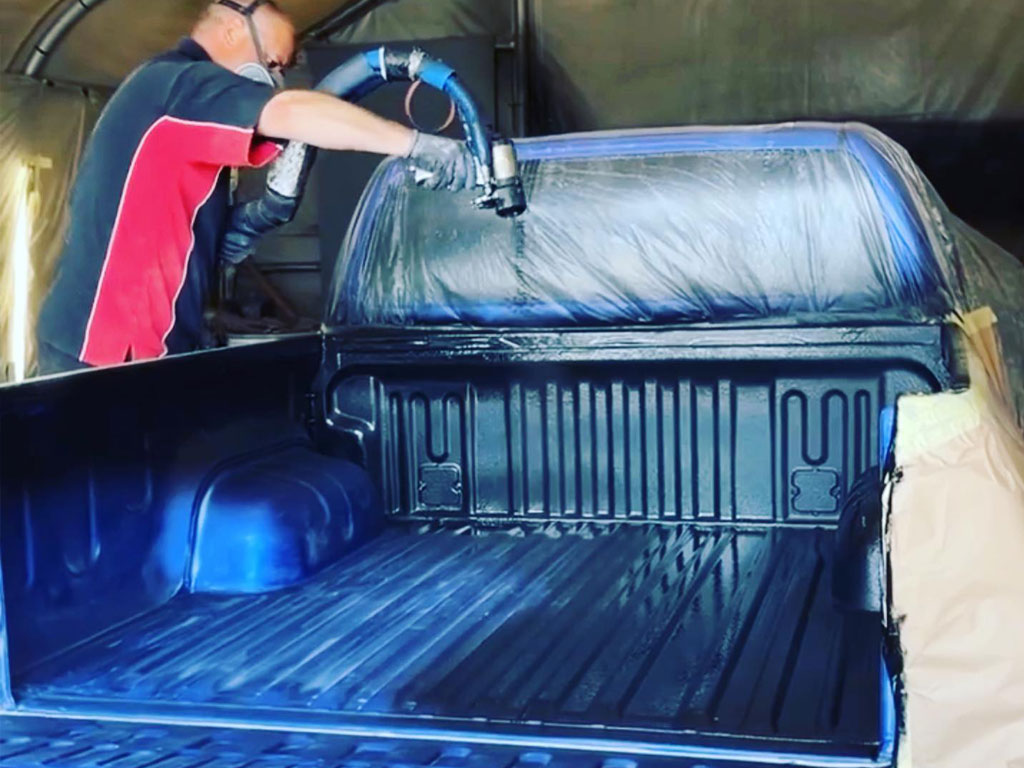
A spray-on bedliner is one of the rare aftermarket additions with a straightforward connection to resale value because it protects an area that is otherwise extremely easy to damage. Every time a pickup carries lumber, tools, landscaping supplies, motorcycles, furniture, or other heavy cargo, the bed is exposed to scratches, dents, and abrasion.
Kelley Blue Book specifically notes that a bedliner helps maintain a truck’s value by protecting the cargo area from the damage caused by hauling. It estimates aftermarket spray-on liners at roughly $300 to $900, depending on the product and installation.
KBB also notes that manufacturers offer spray-on liners as factory options, which is useful evidence that buyers already recognize the feature as legitimate truck equipment.
The resale advantage is not really the coating itself. It is the condition underneath it. Consider two otherwise identical used pickups with similar mileage. One has a clean, professionally applied liner covering the floor and sidewalls.
The other has exposed paint covered with gouges, dents, and signs of years of hard hauling. The first truck gives a prospective buyer less reason to budget for cosmetic repairs.
A professional application also matters. KBB recommends professional installation for spray-on liners because achieving an even, durable finish requires experience. Poor preparation or an uneven coating can make an otherwise useful modification look cheap.
This upgrade makes the most sense on trucks that actually get used as trucks. On a lightly used luxury pickup that spends most of its time commuting, the cost-benefit calculation is less compelling.
It also should not be presented as a guaranteed dollar-for-dollar investment. Consumer Reports notes that aftermarket equipment does not necessarily translate into additional trade-in money.
The stronger argument is that a quality liner helps preserve an expensive and highly visible part of the vehicle, which can make the truck easier to sell and easier for a buyer to justify paying for.
2. OEM-Grade Trailer Hitch With Proper Wiring
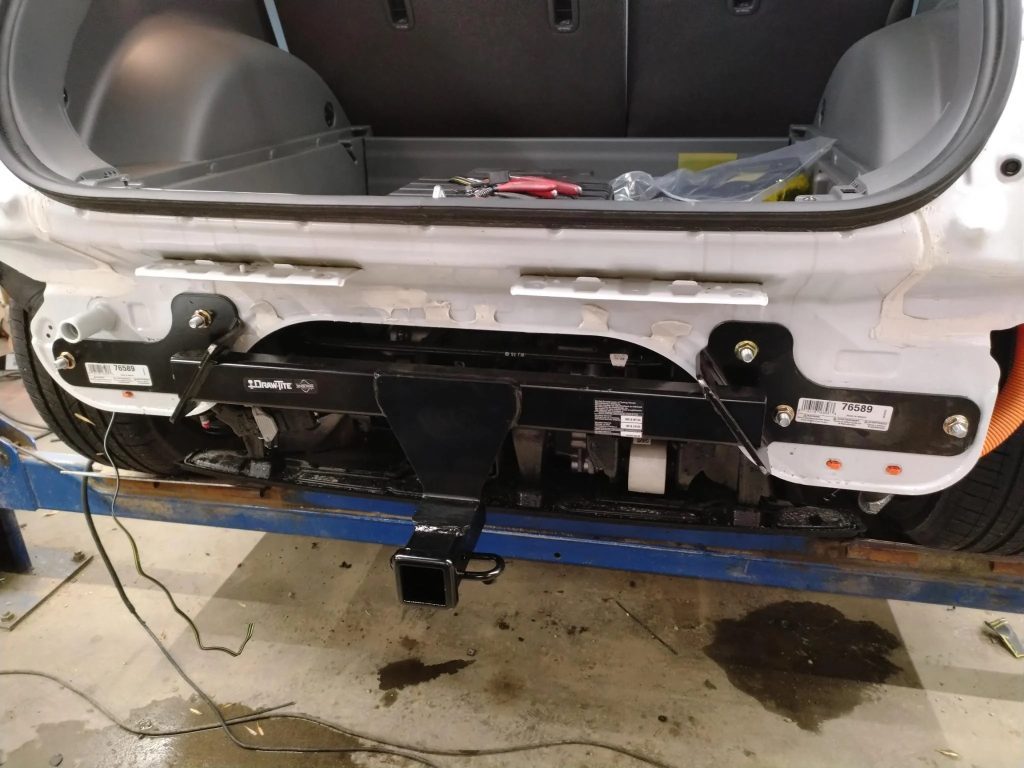
A professionally installed trailer hitch can add practical appeal to the right vehicle because it turns an ordinary crossover, SUV, or pickup into a more useful piece of equipment. The key is choosing a setup that looks and functions like factory equipment rather than attaching an oversized aftermarket assembly simply for appearance.
This distinction matters because resale value follows buyer usefulness more reliably than modification cost. Consumer Reports has noted that pickup accessories can make trucks more useful and can help resale value, while Edmunds cautions that many aftermarket additions have little or no dependable resale valuation.
A proper towing upgrade should include more than the receiver itself. Depending on the vehicle and intended trailer, the installation may involve a vehicle-specific wiring harness, trailer connector, mounting hardware, and, where appropriate, a factory-compatible trailer brake controller.
The wiring is particularly important. A receiver hanging beneath the bumper without correctly integrated electrical connections leaves the next owner with additional work. A clean installation that follows the vehicle’s intended wiring architecture is much easier to understand and trust.
There is another reason this modification can make a vehicle more appealing to buyers. It expands the pool of people who can put the vehicle to use immediately. A used SUV equipped to tow a small utility trailer, boat, or cargo trailer may attract buyers who would otherwise need to spend additional money on modifications after the purchase.
The hitch should still be matched to the vehicle’s actual towing capability. Adding hardware does not increase the manufacturer’s maximum tow rating. The trailer, hitch, wiring, brakes, payload, tongue weight, and vehicle rating all need to remain within their respective limits.
This is especially valuable on SUVs where factory towing equipment was available, but the original buyer skipped it. A quality retrofit can recreate some of that utility without fundamentally changing the vehicle.
The modification will not necessarily increase a dealer’s appraisal by the amount spent. However, it can make the vehicle more useful to the next owner, which is a much stronger resale argument than decorative modifications that appeal only to a narrow audience.
3. OEM-Style Roof Rack With Documented Load Capacity
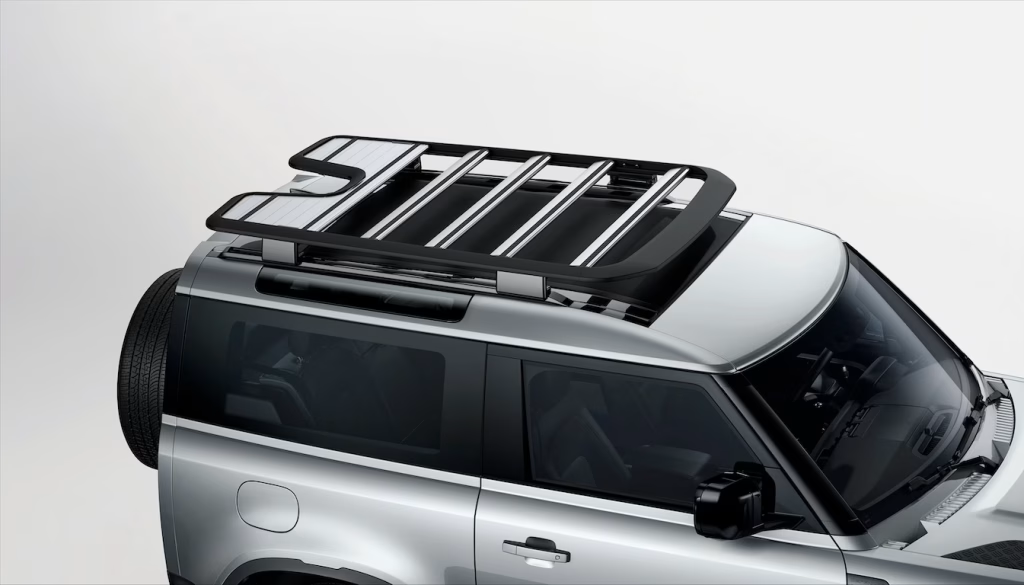
A roof rack can be one of the smarter resale-oriented modifications when it solves a problem the vehicle was designed to handle. The important distinction is between a properly engineered, vehicle-specific rack and a universal setup that looks like an accessory bolted onto the roof.
The resale argument comes from utility. Buyers of crossovers and SUVs often want additional carrying capability for bicycles, skis, kayaks, cargo boxes, or other recreational equipment.
A quality rack can therefore save the next owner from buying and installing the equipment themselves. More importantly, it can do so without changing the vehicle’s fundamental character.
The strongest version of this modification is an OEM-style system that uses the manufacturer’s intended mounting points.
A factory accessory or high-quality vehicle-specific rack is easier for a buyer to understand than a heavily modified roof with drilled mounting points. Proper installation also reduces concerns about leaks, loose hardware, and roof damage.
Load limits are critical. A rack does not automatically increase the vehicle’s roof-load rating. The rack, crossbars, mounting system, and vehicle roof must all remain within their respective limits. Exceeding those limits can compromise handling and create a safety problem.
Documentation can make a surprising difference at resale. Keeping the installation receipt, manufacturer’s specifications, and original mounting hardware gives the next buyer evidence that the equipment was professionally installed rather than improvised.
The modification can also be reversible, which matters because many used-car buyers prefer factory condition. Experian notes that aftermarket parts can help value when they improve function or safety, but the effect depends heavily on the specific modification and installation quality.
A roof rack therefore works best as a utility upgrade, not a styling exercise. The closer it resembles equipment the manufacturer could have supplied, the easier it is for a prospective buyer to see its usefulness.
4. A Factory-Integrated Dash Camera
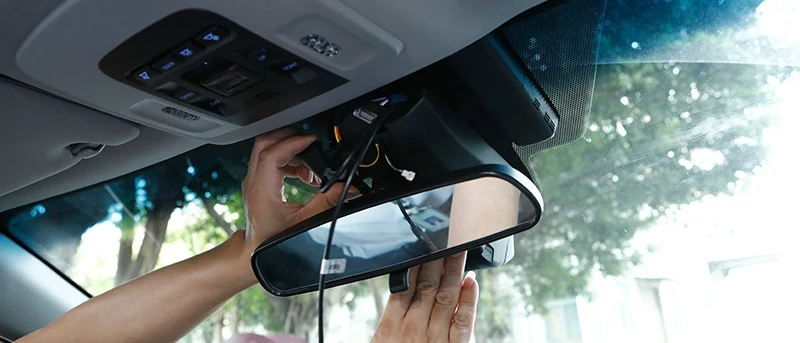
A dash camera normally would not be considered a resale-value modification, but the installation method changes the equation. A clean, factory-looking camera that uses an appropriate mounting position and concealed wiring can make a used vehicle more appealing without making it look heavily modified.
The advantage is not that a future buyer will necessarily pay the full price of the camera. The value comes from reducing the amount of work the buyer needs to do after purchasing the vehicle.
A good system can provide front and rear recording, parking surveillance, and incident documentation while leaving the original dashboard, windshield, and infotainment system intact.
The distinction between an integrated installation and a messy aftermarket setup is important. Visible cables running across the dashboard, adhesive mounts placed in the driver’s sightline, or electrical connections that look improvised can have the opposite effect. Buyers may start wondering what else has been altered.
A factory-style installation also preserves reversibility. If the next owner dislikes the camera, it can usually be removed without changing the vehicle’s structural components. That is much safer for resale than cutting trim panels or splicing factory wiring unnecessarily.
The same principle applies to other electronics. Experian notes that aftermarket equipment can either help or hurt resale depending on the modification, with professionally installed upgrades generally being less concerning than poorly executed customization.
There is another benefit that is easy to overlook. Good documentation can add value when the vehicle is sold. Keeping the purchase receipt, installation paperwork, and product information gives the next owner a clear record of what was installed.
A dash camera is therefore unlikely to transform a $20,000 used car into a $22,000 one. Its resale contribution is subtler. It can make the vehicle feel more complete and carefully maintained while avoiding the visual penalties associated with highly customized electronics.
The best approach is simple. The technology should blend seamlessly into the vehicle rather than making it look modified around the technology.
5. High-Quality All-Weather Floor Liners
All-weather floor liners can protect one of the most valuable parts of a used car’s presentation. The interior. Unlike decorative accessories, they address damage buyers can immediately notice when they open the doors. Mud, road salt, spilled drinks, sand, snow, and water can leave permanent stains on carpeting, especially in areas where winter road salt is common.
The resale benefit comes primarily from preserving the original carpet rather than from the liner itself. Kelley Blue Book notes that keeping a vehicle’s interior in good condition is important when determining its value, while Consumer Reports advises owners to protect the cabin from wear and damage as part of maintaining resale appeal.
A vehicle-specific liner is preferable to a universal mat. It should fit the footwell correctly, stay securely positioned, and ideally have raised edges capable of containing liquids and debris. Some aftermarket products are molded specifically around the vehicle’s contours, creating a much cleaner appearance than generic rubber mats.
This upgrade becomes particularly sensible for SUVs and trucks used for outdoor activities or family transportation. Those vehicles frequently encounter wet shoes, dirt, sand, and spilled cargo.
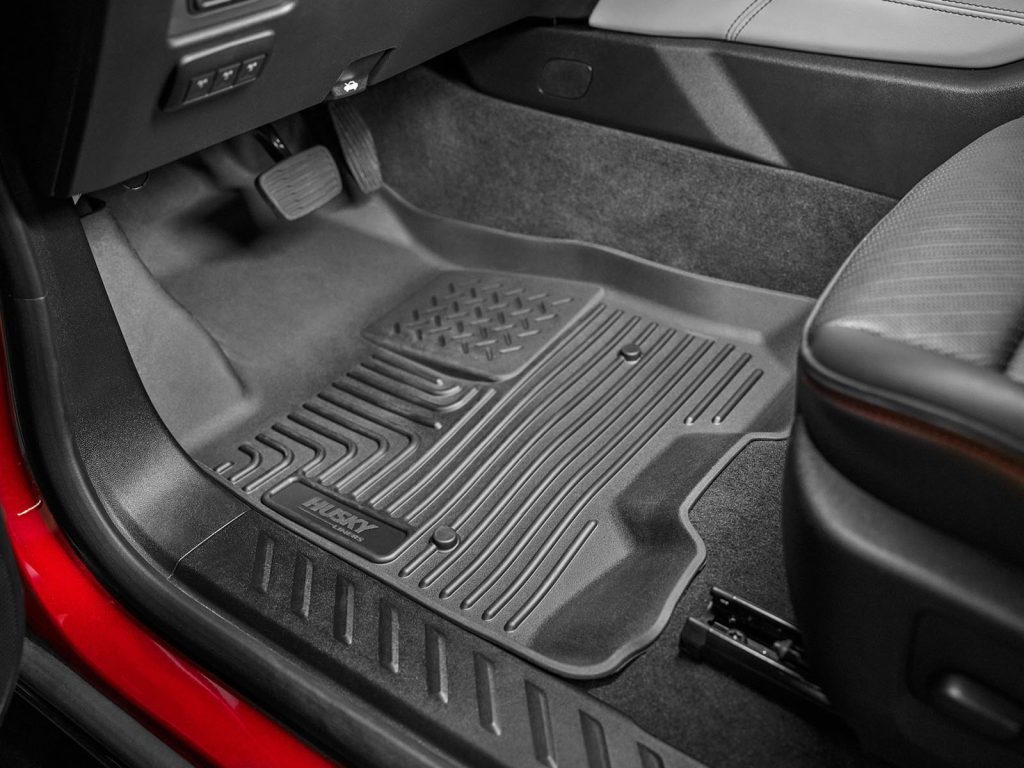
There is another benefit at trade-in time. A clean, original carpet gives an evaluator fewer obvious signs of heavy use. A $150 to $300 set of quality liners cannot guarantee a higher appraisal, but protecting carpeting for several years can prevent a much more expensive cosmetic problem.
The smartest move is to keep the factory carpet mats stored safely and reinstall them before selling if they remain in excellent condition.
6. Paint Protection Film on High-Impact Areas
Paint protection film can make sense as a resale-focused modification when it is installed selectively on areas that naturally accumulate damage. Instead of covering an entire vehicle, owners can protect the front bumper, hood edge, mirror caps, door edges, and other vulnerable surfaces.
The connection to resale value is straightforward. A vehicle with well-preserved original paint is generally easier to sell than one covered in chips and other damage. XPEL, an established manufacturer in this category, describes paint protection film as a polyurethane material designed to protect painted surfaces from rock chips, road debris, and other environmental damage.
This is particularly useful for vehicles driven extensively on highways, where small stones can repeatedly strike the leading edges. Once chips accumulate, correcting them may require touch-up work or repainting. Keeping the original finish intact avoids that problem.
Installation quality matters enormously. Poorly fitted film can develop visible edges, contamination, or lifting, which can make a vehicle appear less cared for rather than better maintained. Professional installation with a quality product is therefore much more defensible at resale than a cheap DIY application.
Selective coverage is also more rational financially. Covering every painted panel can become expensive, and the additional cost may never be recovered when the vehicle is sold. Protecting the areas most likely to suffer road damage provides a clearer preservation benefit.
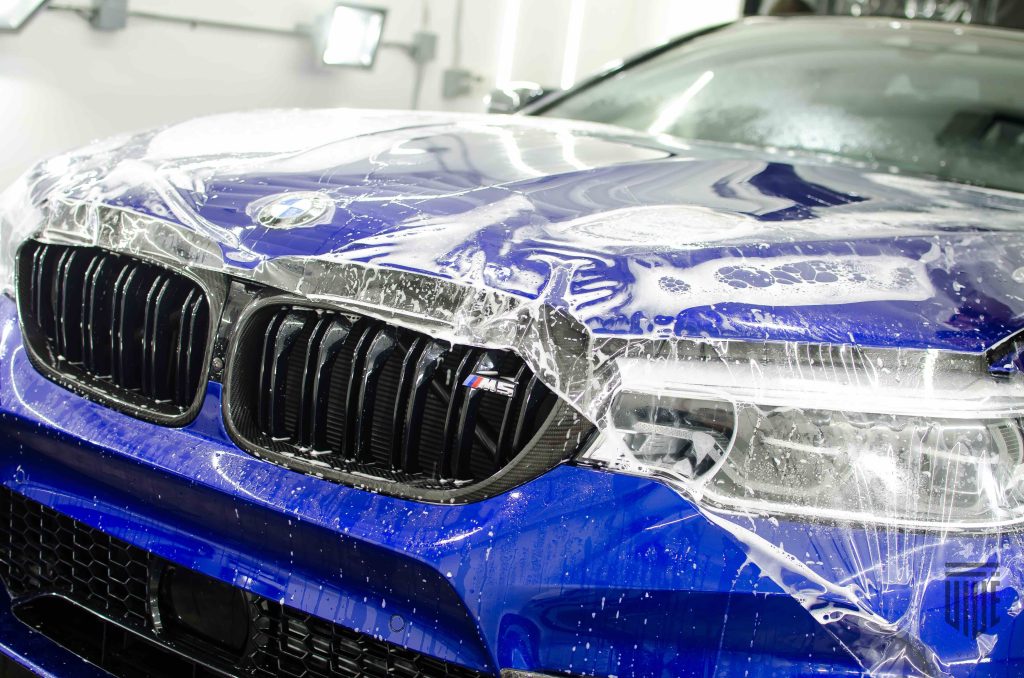
There is no guarantee that buyers will pay a premium simply because paint protection film is installed. Its strongest financial benefit is more indirect. The film can help preserve the vehicle’s appearance, making it look like a better-maintained example when it comes time to sell.
For an enthusiast car, luxury SUV, or vehicle with an expensive paint finish, that distinction becomes especially important. A clean, chip-free front end can make the entire vehicle appear younger.
7. Professionally Installed Trailer Brake Controller
For a truck or SUV that is regularly used for towing, a trailer brake controller can add more practical value at resale than many costly appearance upgrades. It serves a specific purpose by allowing the driver to control the electric brakes on a compatible trailer from inside the tow vehicle.
The key is integration. A properly installed, vehicle-compatible controller can look almost factory-installed and operate predictably. A poorly mounted universal controller with exposed wiring can make the vehicle look modified rather than upgraded.
This equipment is especially relevant because trailer braking requirements vary by state, trailer weight, and configuration. The Federal Motor Carrier Safety Administration notes that trailer braking requirements can apply based on vehicle and trailer combinations, while state requirements also govern many noncommercial towing situations.
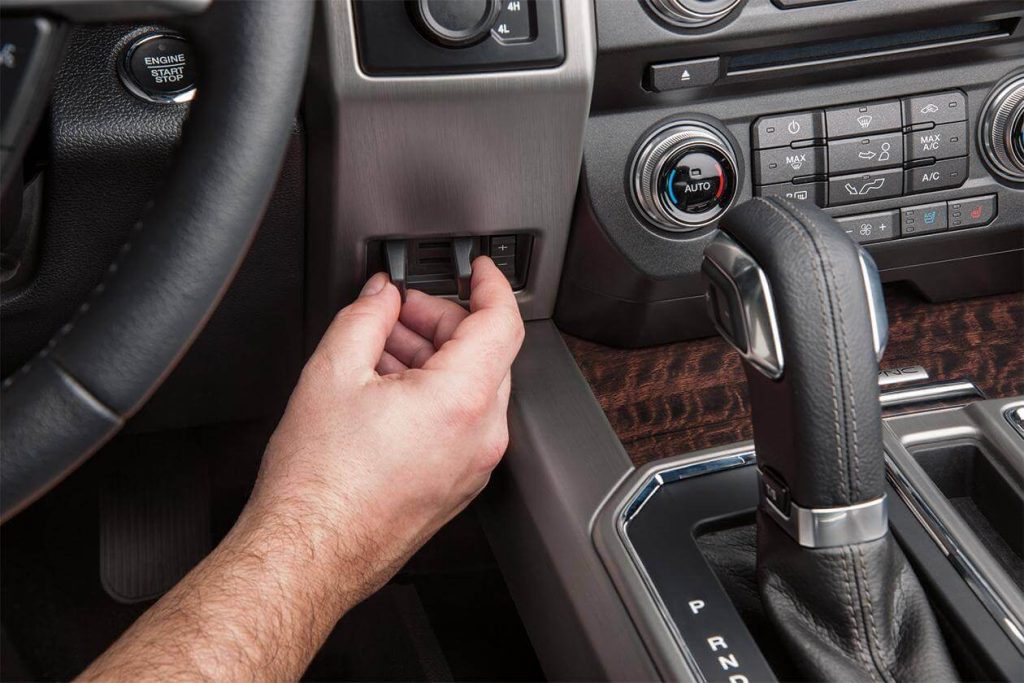
A buyer who regularly tows may therefore see an integrated controller as useful equipment rather than an unnecessary accessory. It can save installation time and make the vehicle immediately more suitable for towing.
The modification does not increase the manufacturer’s tow rating. The vehicle, hitch, trailer, tires, payload, and braking system still have to remain within their rated limits.
Keeping the installation documentation is worthwhile because it shows the equipment was professionally fitted.
8. A Quality Ceramic Window Tint
High-quality window tint can preserve interior condition while making a vehicle more comfortable, but its resale benefit depends heavily on choosing a legal, conservative installation.
The useful part is not making the windows as dark as possible. Quality automotive film can reduce solar heat and ultraviolet exposure, potentially helping protect interior surfaces from long-term sun exposure.
The International Window Film Association describes automotive window film as providing solar-control benefits, including reduction of solar heat and UV radiation.
That can matter in sunny regions where dashboards, seats, and door panels receive substantial exposure. A clean installation can also make an older vehicle’s cabin feel better preserved.
Window tint can also create a resale problem because of legal restrictions. State laws set limits on visible light transmission, and those requirements vary significantly. A tint that is legal in one state may violate the law in another. Excessively dark film can therefore limit the number of interested buyers and leave the seller facing the added cost of removing it.
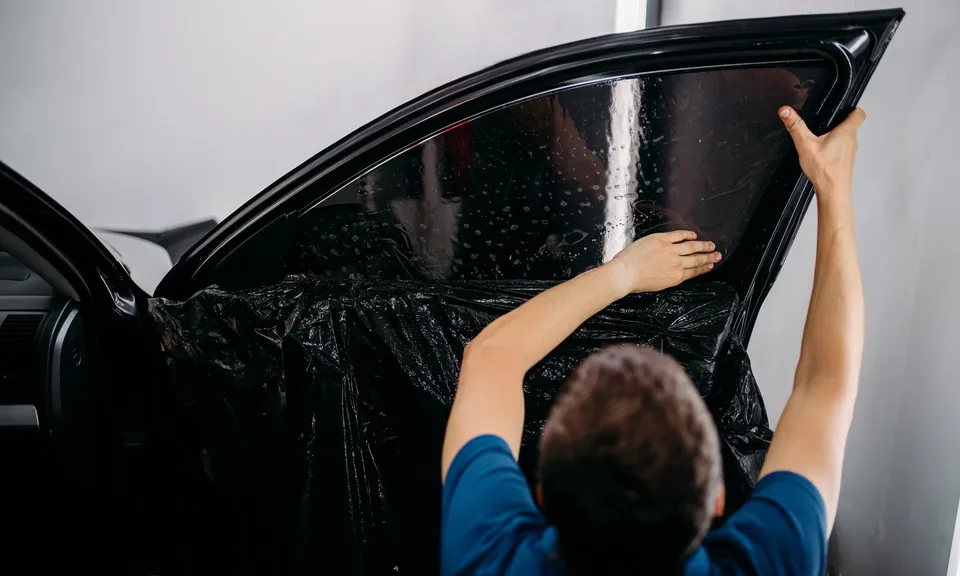
Ceramic film is also not automatically superior simply because it costs more. The actual product quality, installation, and legal darkness matter more than marketing language.
For resale, a moderate shade with professional installation is the safer choice. Keep the original glass untouched, avoid bubbling or purple discoloration, and retain documentation showing the film’s specifications.
This modification is best viewed as an interior-preservation measure rather than a guaranteed price increase.
