
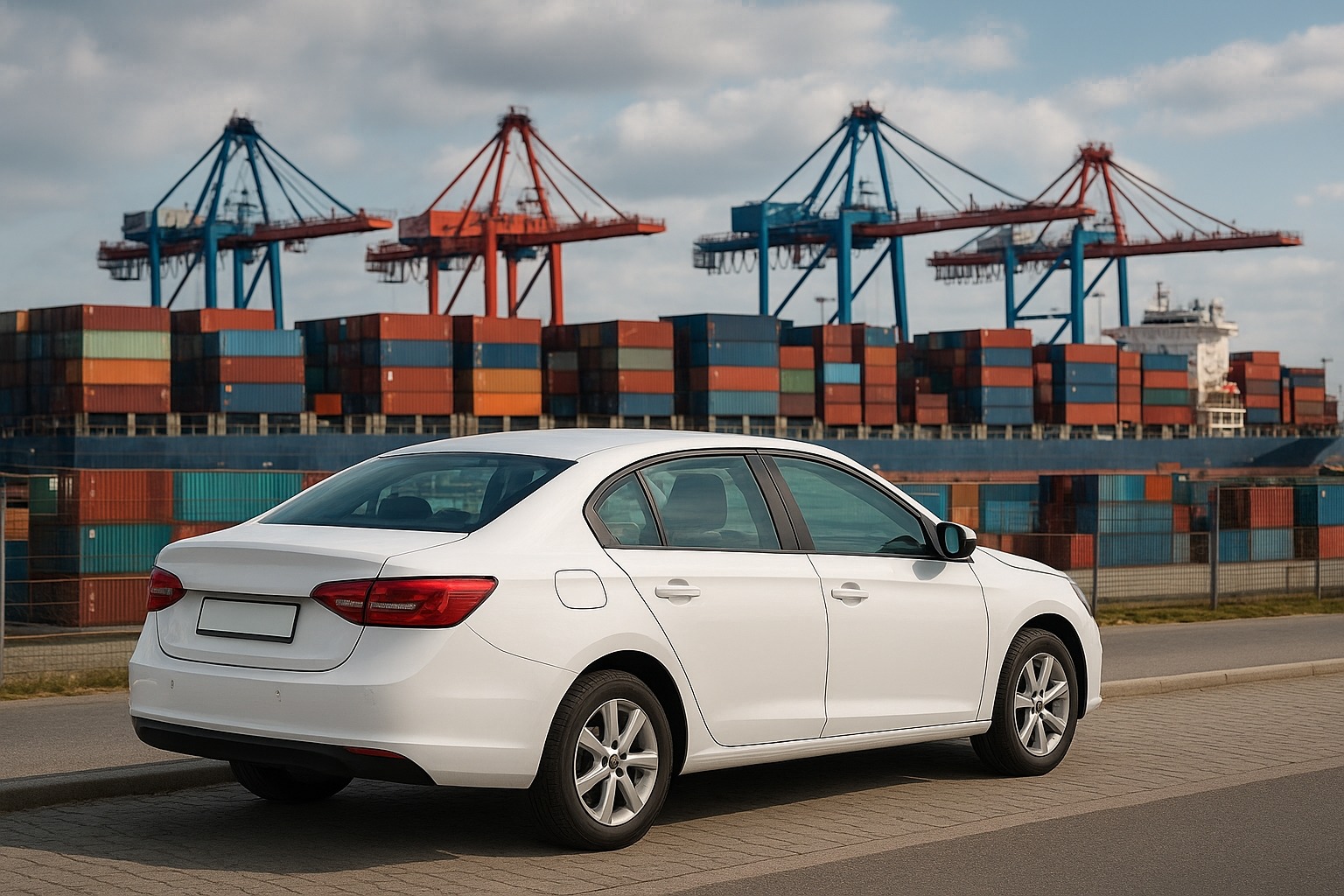
Buying a car from another country can look like a bargain until the extra bills start appearing. The purchase price is only the starting point. Shipping, customs charges, taxes, port services, paperwork, inspections, and delivery can all add to the amount you actually pay. Some expenses are predictable, while others depend heavily on where the car comes from, where it is going, and whether it meets local rules.
That does not mean importing a vehicle is always expensive or a bad idea. It simply means the numbers should be checked before money changes hands. Here is a clear look at what goes into the cost of importing a car.
The Purchase Price Is Only the Beginning
Start with the car itself, but do not stop at the advertised price. A private seller, dealer, or auction may charge additional fees before the vehicle is ready to leave the country. Buyers may also pay for an inspection, storage, title documents, or an export agent.
Currency exchange rates can matter as well. A car priced attractively in another currency may become more expensive if exchange rates move before payment is completed. Bank transfer charges and international payment fees can also add to the purchase bill.
The vehicle’s value often affects later expenses, too. Customs duties and certain processing charges may be based partly on the declared value of the car. That means a higher-priced vehicle can create higher costs long after the purchase is complete.
Before making an offer, calculate the full acquisition amount rather than focusing only on the seller’s asking price. A cheap car with expensive shipping and heavy customs charges can cost more than a similar model already available locally.
Shipping Can Change the Entire Budget
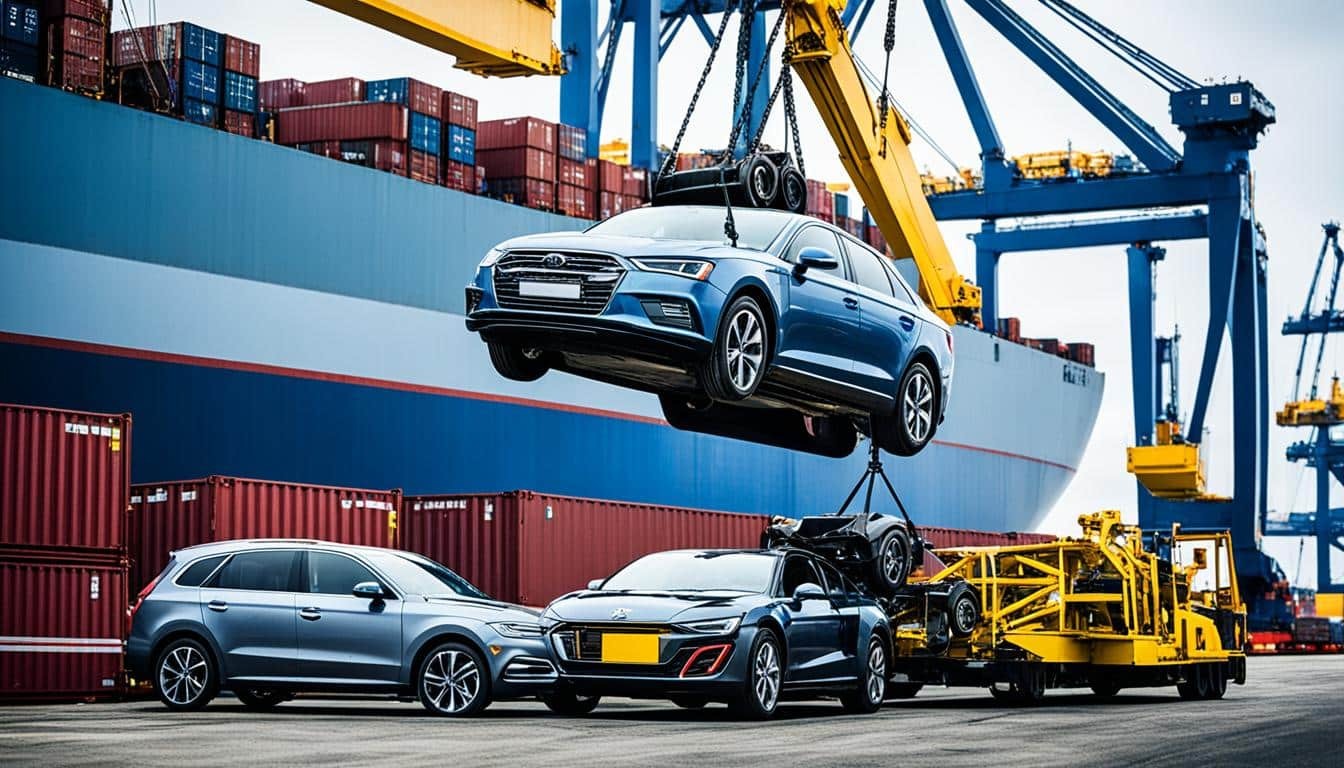
Getting a car across an international border can involve several transportation stages. First, the vehicle may need to travel from the seller’s location to a departure port.
After that comes ocean, air, or land transportation, followed by delivery from the arrival point to the buyer. Ocean shipping is often used for international car imports.
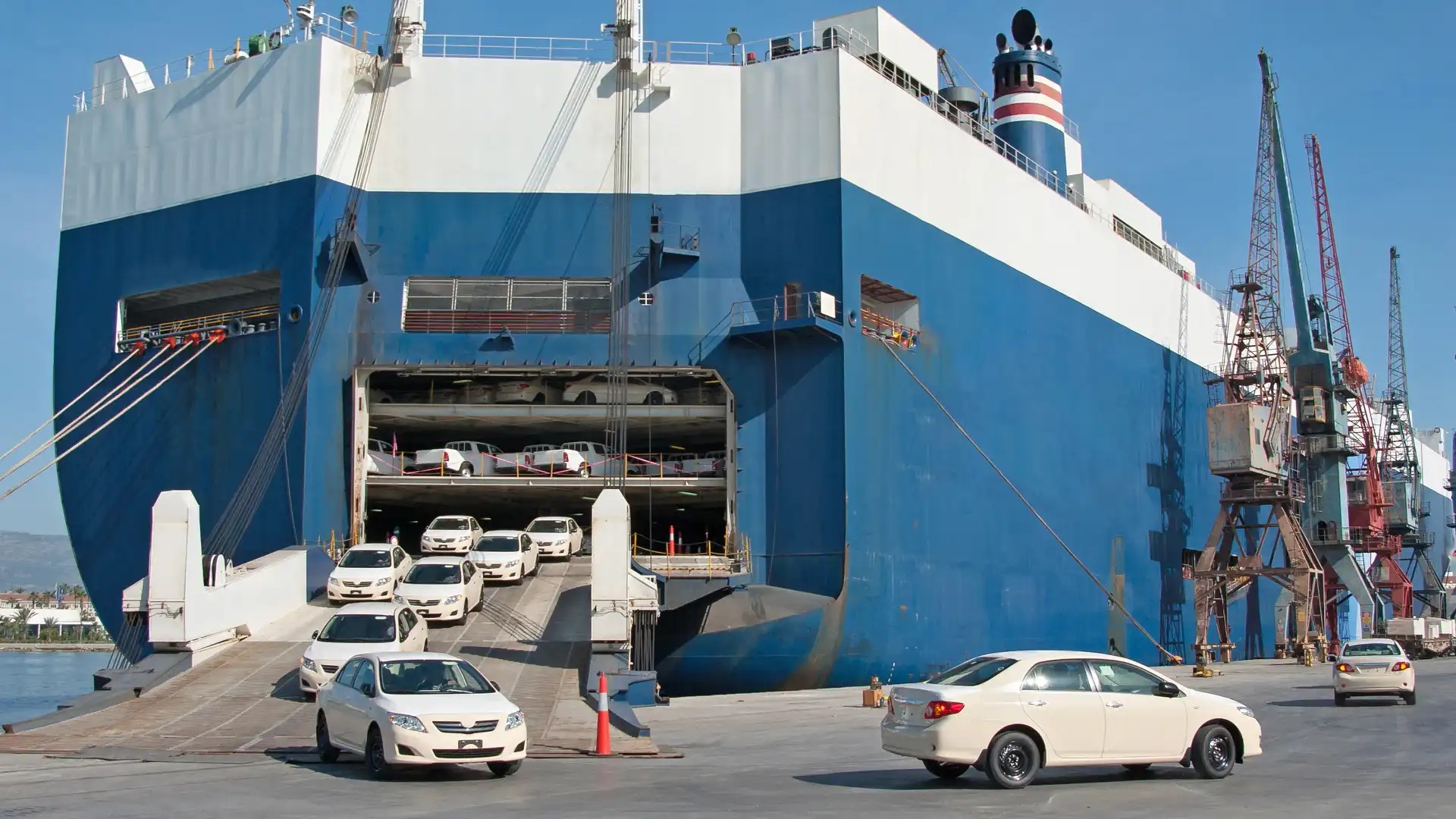
Buyers may choose roll-on/roll-off service, commonly called RoRo, or container shipping. RoRo can be less expensive for suitable vehicles, while a container may offer greater protection and allow extra handling options.
Shipping prices depend on the route, vehicle size, departure port, arrival port, season, and service selected. Air freight can move a car much faster, but it is usually far more expensive.
A quote that covers only port-to-port shipping does not tell the whole story. Pickup from the seller, cargo handling, destination fees, and final delivery may appear separately.
Ask exactly what the shipping quote includes before comparing one company with another.
Customs Duties and Taxes Add More Costs
Government charges can be one of the largest parts of an import bill. The amount depends on the destination country, the vehicle’s type, its declared customs value, and its country of origin.
In the United States, import rules can involve customs duties, tariffs, and government processing fees. Current treatment may also depend on the vehicle’s classification and where it was manufactured rather than simply where it was purchased.
Other countries may charge import duty, value-added tax, sales tax, goods and services tax, registration taxes, or several of these charges at once. A car that appears inexpensive before shipment can therefore become much more costly after government fees are added.
Buyers should check official rules before completing a purchase because tax rates and tariff policies can change. Do not rely solely on a seller’s estimate of what customs will charge.
The safest approach is to estimate these costs early and leave room in the budget for changes. Customs charges are usually not optional, and errors in declarations can cause delays or additional expenses.
Port Fees and Paperwork Can Surprise Buyers
Once the vehicle reaches its destination, another group of expenses may appear. Port handling charges, terminal fees, unloading services, customs processing, and storage can all increase the final bill.
Storage deserves special attention. If paperwork is incomplete or customs clearance takes longer than expected, the car may remain at the port while daily charges continue to build.
Even a small documentation problem can become expensive when a vehicle cannot be released quickly. Many importers also use a customs broker. The broker can prepare or submit required documents, help classify the vehicle, and coordinate the clearance process.
This service adds a fee, yet it may help prevent mistakes that lead to longer delays. Documentation requirements can include proof of ownership, purchase records, shipping documents, and forms related to customs or vehicle regulations.
Missing information can hold up the import process. Treat port and paperwork costs as part of the original budget, not as minor extras. They are easy to overlook when comparing cars online, but they can add hundreds or even thousands of dollars.

Storage and Documentation Charges Sneak Up Fast
Nobody budgets for storage fees until they’re staring at one. Once a car arrives at port, it doesn’t just sit there for free while you sort out paperwork. Most ports charge daily storage rates, and those add up quickly if customs clearance takes longer than expected.
A delay of even a week can result in several hundred dollars in unexpected costs. The required documentation can also add to the expense, as title transfers, registration paperwork, and translation services for foreign documents may all come with additional fees.
Missing paperwork is one of the most common reasons imports get stuck, so double-check every form before your vehicle ships. Working with an experienced customs broker can reduce this risk, since they know exactly what’s required and can flag missing items early.
That said, brokers aren’t free, and their fees should be factored into your total budget from the start. Insurance during transit is another cost that’s easy to forget.
Protecting your investment while it crosses an ocean or sits at a port isn’t optional if you want peace of mind, and premiums vary with the car’s value and the trip length.
Final Costs Vary by Country and Vehicle Type
There’s no single answer to what importing a car will cost you, because every country applies its own rules, taxes, and fees. A budget sedan from a neighboring country will cost far less to bring in than a luxury SUV from across an ocean.
Some nations offer reduced rates for electric vehicles or older classic cars, while others tax those same categories more heavily. Age restrictions matter too; certain countries won’t allow vehicles past a specific age, which limits your options regardless of budget.
Before you commit to any purchase, research your destination’s specific import rules, since a small oversight can turn a good deal into an expensive mistake.
Total costs, including shipping, duties, taxes, inspections, and paperwork, often add 20% to 40% on top of the vehicle’s purchase price. That’s a wide range, but it reflects how much variation exists between different regions and vehicle categories.
Get quotes early, ask questions often, and treat every fee as real money rather than a rounding error. A well-planned import can still save you money compared to buying locally, but only if you go in with accurate numbers instead of hopeful guesses.

Compliance and Final Delivery Complete the Bill
A vehicle that arrives in a country is not always ready to drive immediately. Depending on its age and destination, it may need to meet safety, emissions, lighting, or other regulatory requirements before it can be registered.
Older vehicles may qualify for exemptions in certain places, while newer imported models can require extensive work. In some cases, the cost of bringing a modern vehicle into compliance can be much higher than expected.
There may also be inspection fees, registration charges, local taxes, insurance, and repairs needed before the car is used regularly. If replacement parts or specialized labor are required, ownership costs can rise even further.
Then there is final delivery. Transporting the vehicle from the arrival port to your home can be inexpensive for a short trip but costly for a long one.
Open and enclosed transport options may also carry different prices. The best way to judge an import is to add every expected expense before buying the car.
Include the purchase price, seller fees, transport, customs charges, port services, compliance work, registration, and delivery. Only then can you see what the imported vehicle is likely to cost from start to finish.
