
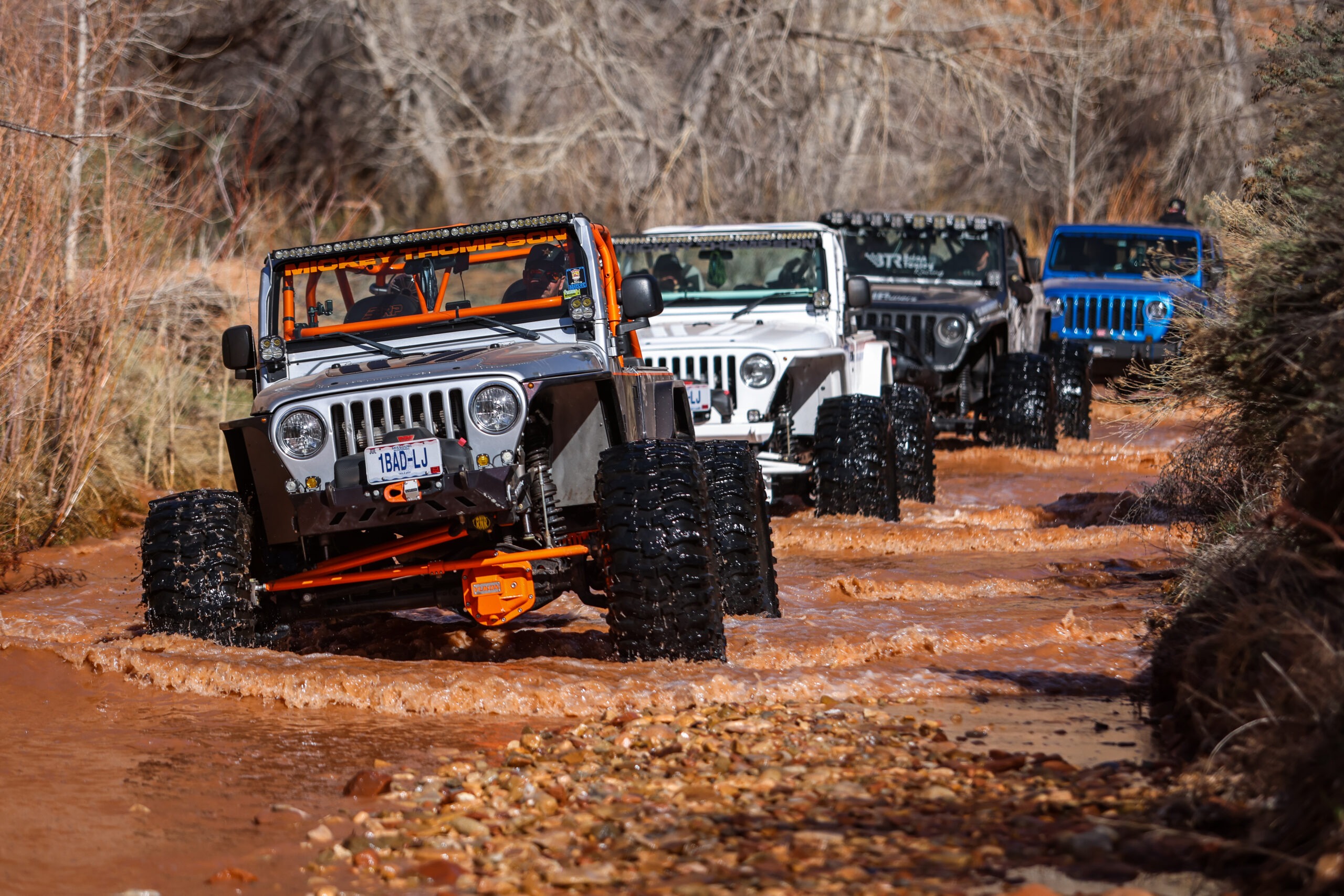
Talk to experienced off-road drivers about what went wrong with a vehicle build, and a common mistake often comes up. Some owners focus on accessories such as snorkels and mud tires before addressing the upgrades that have a greater impact on overall performance. For a daily driver, the goal is to find a practical balance.
The vehicle should be comfortable and reliable enough for everyday errands while still being capable of handling challenging trails on the weekend. It should also achieve this without creating unnecessary maintenance issues or putting too much strain on your budget.
The good news? A properly ordered upgrade path gets you real trail capability while keeping your commute smooth and your wallet intact. Skip the guesswork. Below is a ranked, research-backed path built around what genuinely helps a vehicle that spends most of its life on pavement but occasionally wanders off it.
1. All-Terrain Tires
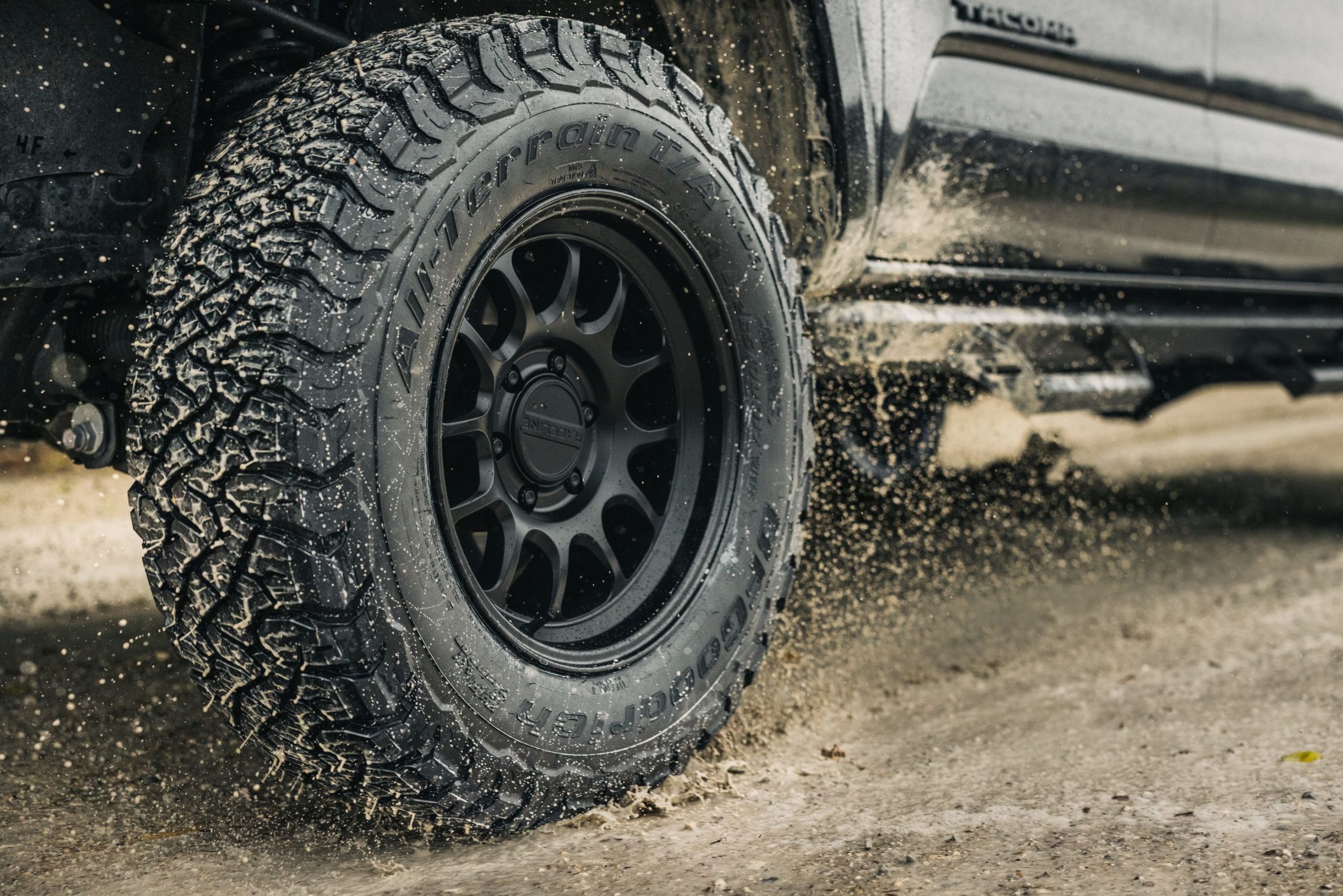
If you can make only one off-road upgrade to a daily-driven truck or SUV, start with the tires. They are the only part of the vehicle that directly contacts the road, gravel, dirt, rocks, or sand, so their design has a direct effect on acceleration, braking, steering, ride quality, and grip.
For most daily drivers, an all-terrain tire is the better choice than a mud-terrain tire. Modern A/T designs offer useful off-pavement traction while retaining better road manners than more aggressive tires.
Tire Rack’s recent testing separates A/T products into on-road, off-road, and rugged categories because their strengths and compromises can vary considerably.
Its testing found that pavement-focused A/T tires can provide strong wet-road behavior and comfort, while more aggressive options provide greater capability away from pavement.
Your tire choice should match your actual use. A vehicle that spends most of its time commuting may benefit from an on-road A/T. Regular trail use may justify a more aggressive A/T, while frequent mud or serious rock work can justify a mud-terrain design.
Avoid oversized tires unless the vehicle can properly accommodate them. Check load rating, clearance, wheel fitment, gearing, braking, and manufacturer specifications before buying.
2. Tire-Pressure Management + Portable Air Compressor
Tire pressure deserves a place near the top because the right pressure can make a major difference once pavement ends. Lowering pressure within an appropriate range can increase the tire’s contact area and help it conform to loose or uneven surfaces. It can also improve ride comfort on rough roads.
The trick is knowing when to air down and when to air back up. There is no universal off-road pressure that works for every vehicle. Tire construction, wheel size, vehicle weight, load, speed, and surface conditions all matter. Going too low can increase the risk of sidewall damage, bead separation, or loss of control.
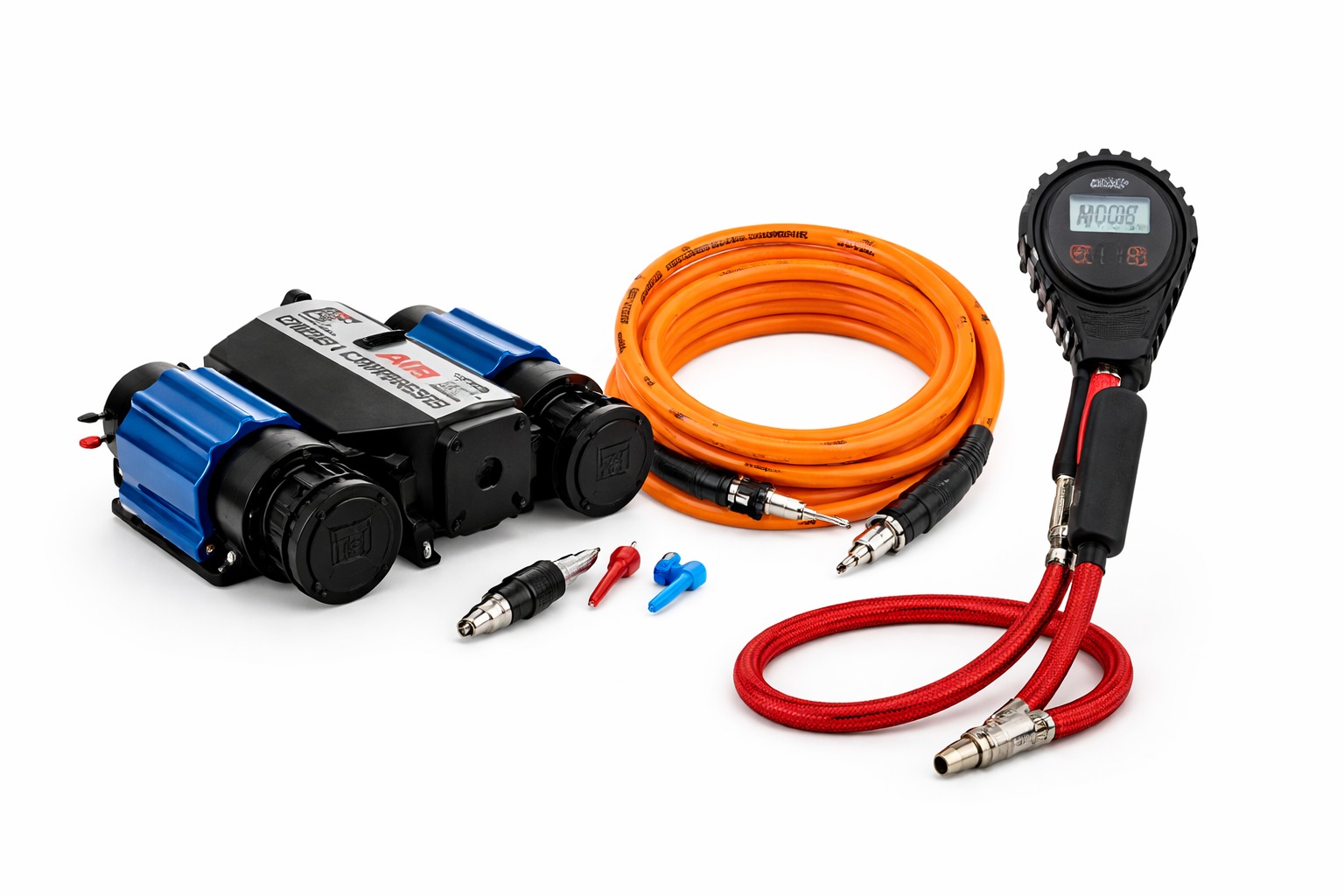
A quality compressor turns this process from a hassle into a practical routine. ARB describes compressors as useful for airing tires back up after off-road driving and offers both portable and onboard systems.
A useful tire-pressure kit should include a dependable gauge, deflation tool, compressor, suitable hose, and tire-repair equipment. Keep the manufacturer’s recommended road pressure available as your reference before returning to normal driving.
For a vehicle used every day, this upgrade offers an added benefit because it keeps the original setup largely intact. You can install the equipment when necessary and remove it when it is no longer needed, allowing the vehicle to retain much of its factory configuration.
3. Rated Recovery Points + Recovery Gear
Getting stuck happens to everyone eventually, even careful drivers on familiar routes. What separates a minor delay from a genuinely bad afternoon is whether you’ve got proper recovery gear sitting in your vehicle when it happens.
Start with the points themselves. Factory tow hooks, especially the ones meant purely for trailer loading, are frequently not rated for the sudden loads involved in a dynamic recovery.
Vehicle-specific recovery points, bolted to structural mounting locations, exist specifically to handle that kind of stress without tearing loose or becoming a dangerous projectile under tension.
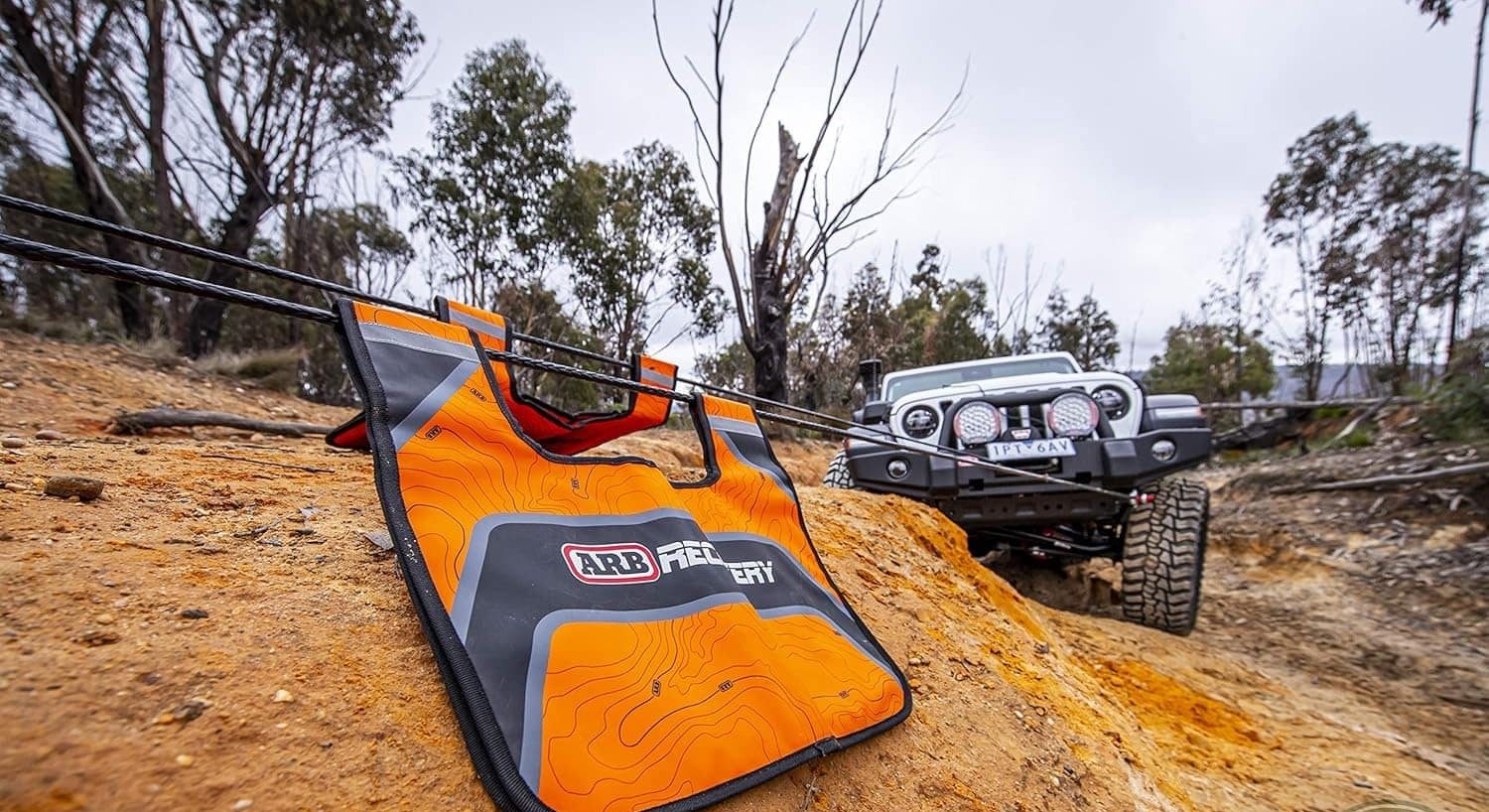
Beyond the mounting points, a sensible kit includes a recovery rope matched to your vehicle’s weight, rated shackles or compatible hardware, a set of traction boards, gloves, and basic tire repair tools. None of this needs to be expensive or bulky.
It needs to be correct for your vehicle and accessible when you actually need it, not buried under camping gear in your trunk. Manufacturers have started recognizing how central this equipment is to real off-road capability.
Several current factory off-road trims now ship with proper recovery hooks and underbody protection built in from the factory floor, rather than treating them as aftermarket afterthoughts.
Never assume a random tie-down loop or decorative bumper attachment can handle a real recovery situation. Confirm ratings, use compatible hardware, and treat this category as essential the moment your trips take you somewhere getting stuck could turn into a serious problem rather than a minor delay.
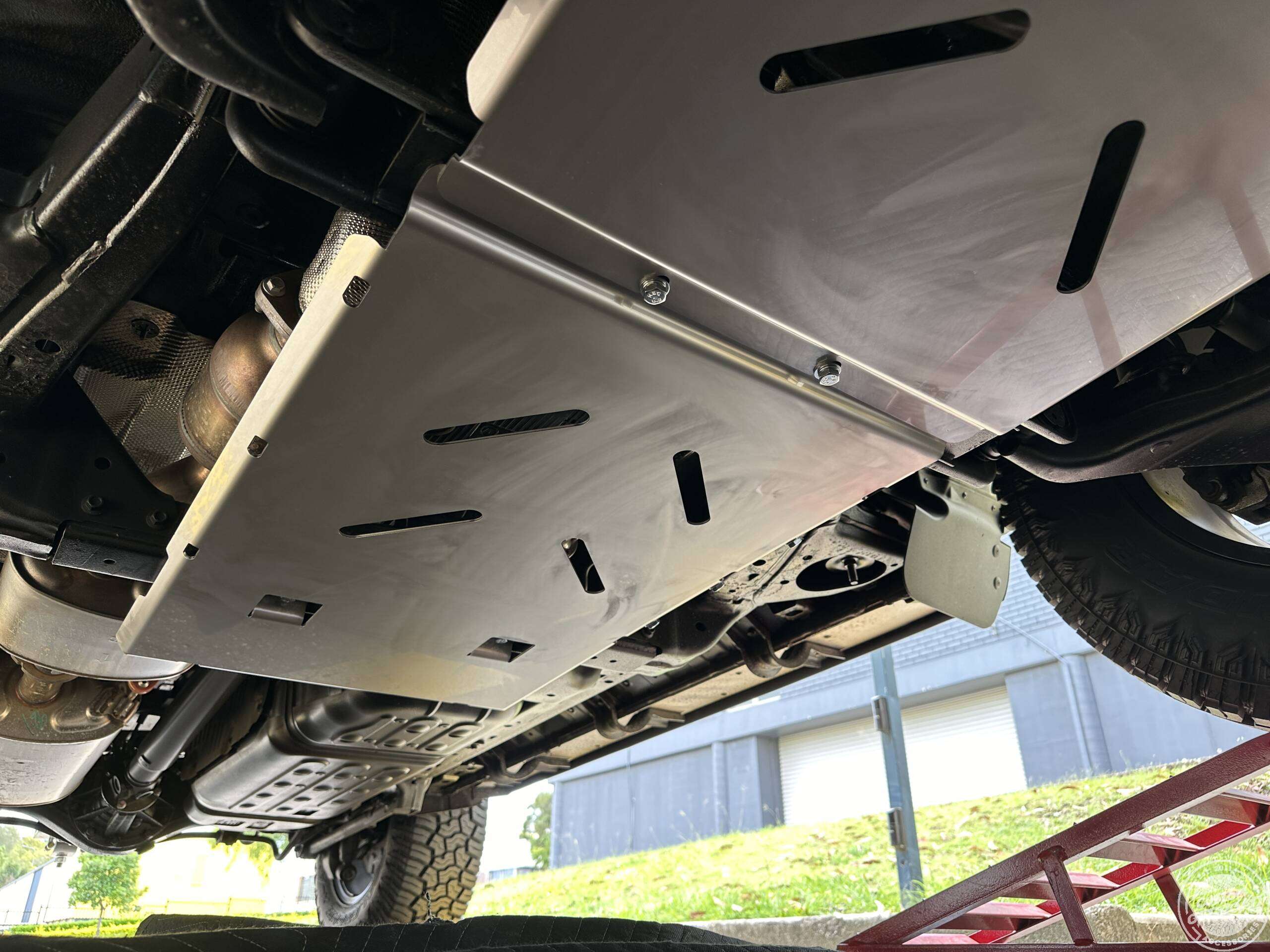
4. Underbody Protection and Rock Sliders
Not every daily driver needs a full suit of armor bolted underneath it. What matters is protecting the specific components most exposed on your particular vehicle, rather than buying a generic package because it looked impressive online.
Depending on your setup, priority protection typically covers the oil pan, transmission, transfer case, fuel tank, and differential housing, whichever sits lowest and closest to rocks and ruts during typical trail use.
Rock sliders serve a different purpose entirely, guarding the rocker panels and lower body when a trail narrows and there’s simply no way around an obstacle without brushing against it.
Material choice involves real tradeoffs. Steel handles direct impacts exceptionally well but adds noticeable weight, which affects fuel economy and handling on your daily commute.
Aluminum and certain composite materials cut weight substantially while still offering solid protection, though they behave differently under a hard strike compared to steel. Skid plates and sliders solve different problems, and treating them as a single purchase misses that distinction.
A vehicle running frequent rocky trails benefits enormously from both. One traveling mostly gravel roads with occasional light trail use might reasonably start with just the most vulnerable underbody components and add sliders later if trips become more demanding.
This upgrade rewards thinking about your actual driving pattern rather than assuming more armor automatically equals more capability. Match the protection to where your vehicle spends its time, and you’ll get genuine value without unnecessary weight.
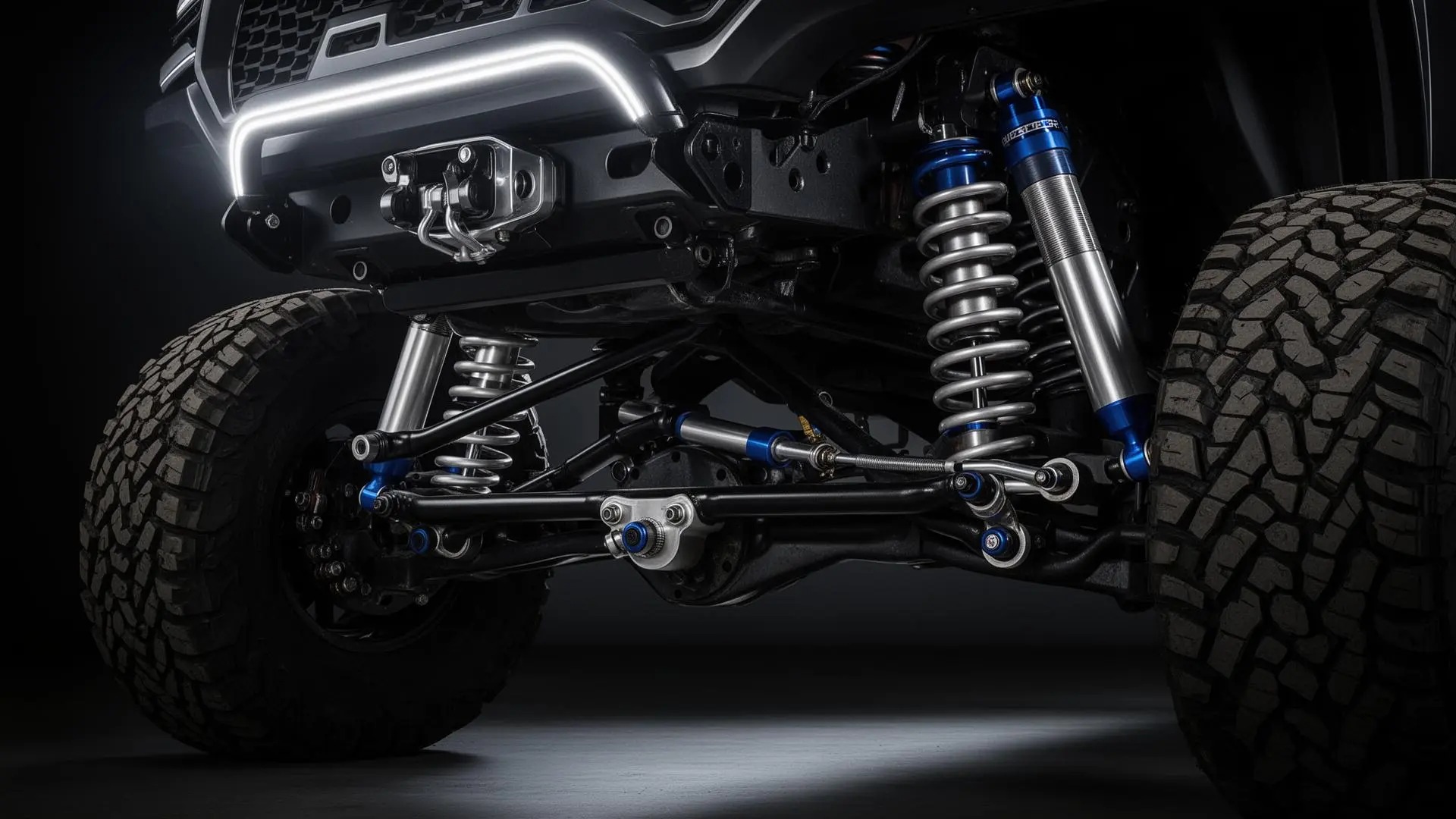
5. Quality Suspension and Dampers
Suspension upgrades are often associated with lift kits, but better suspension does not always mean raising the vehicle. For a daily driver, quality dampers can improve body control, wheel movement, ride behavior, and stability without changing ride height.
A good shock absorber controls how quickly the suspension compresses and rebounds after bumps. That matters on broken pavement as well as rough roads.
BILSTEIN’s B6, for example, is designed as a bolt-on shock upgrade for vehicles at factory ride height, with vehicle-specific tuning aimed at improving control while retaining everyday usability.
Drivers who carry extra equipment, passengers, or camping gear may also benefit from suspension components selected for the added load. The correct setup depends on the vehicle’s weight, intended use, spring rates, damping, and available suspension travel.
Avoid choosing components solely because they advertise the tallest lift or the most aggressive appearance. Poorly matched suspension parts can hurt ride quality and may create geometry, alignment, or clearance problems.
Before purchasing, check whether the upgrade requires new control arms, alignment changes, brake-line modifications, bump stops, or other supporting parts.
A properly matched suspension system should make the vehicle more controlled and capable without making the weekday commute unpleasant.
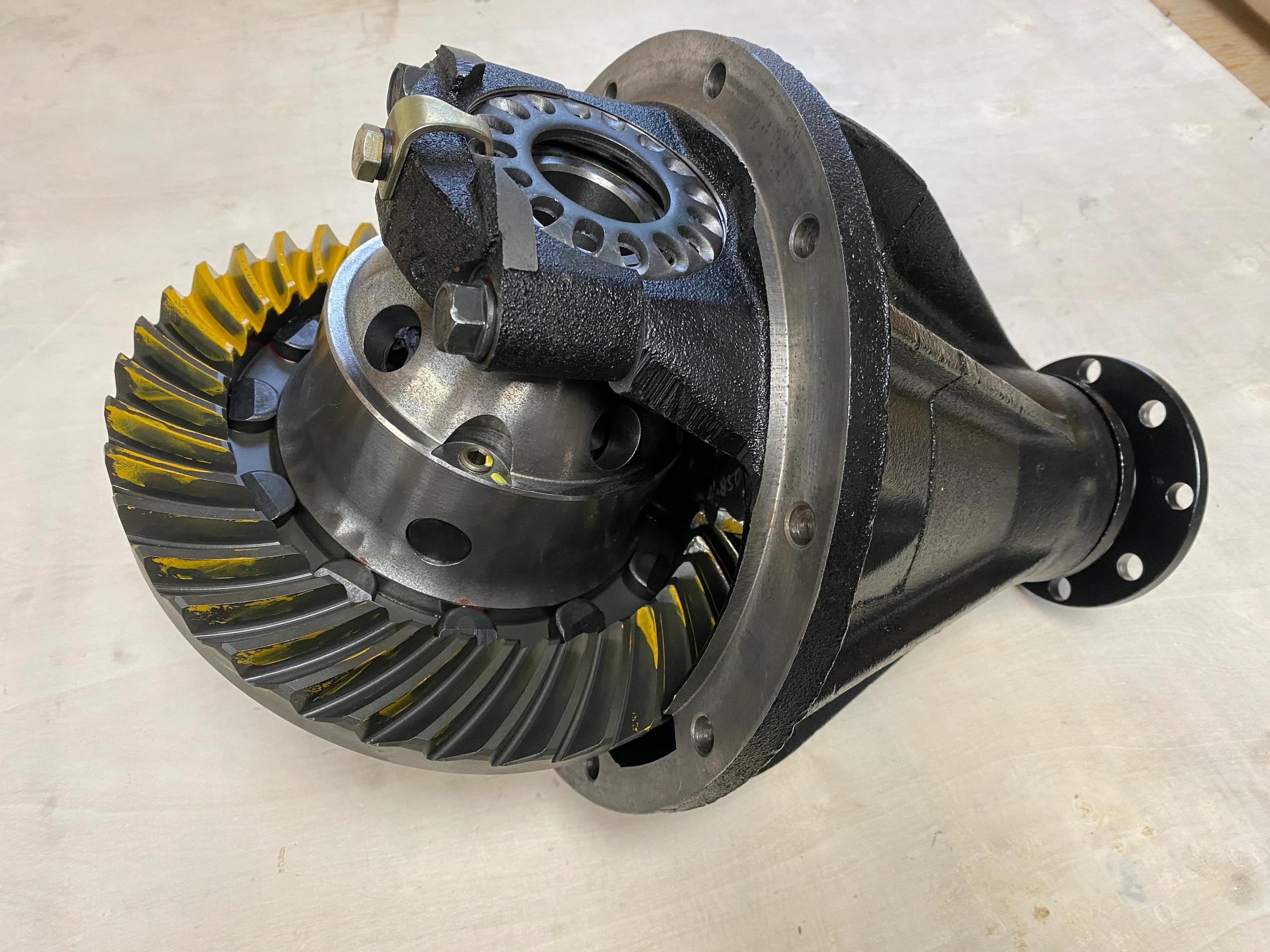
6. Selectable Differential Locker / Traction Upgrade
For drivers who regularly encounter deep ruts, loose surfaces, steep climbs, rocks, or situations where a wheel can lose contact, a traction upgrade can provide a major advantage.
An open differential allows the wheels on an axle to rotate at different speeds, which is useful during normal road driving. The limitation appears when one wheel has very little grip.
A selectable locker can mechanically connect the axle’s wheels when additional traction is needed, then return to normal differential operation when disengaged.
ARB describes its Air Locker as a selectable system that provides open-differential behavior during normal driving and additional traction when activated.
That makes a selectable locker particularly appealing for a daily driver because you do not need the differential locked during ordinary street use. However, not every vehicle needs one.
Many modern 4x4s already have effective electronic traction-control systems or factory locking differentials. A locker also requires proper installation and responsible use.
Engaging one in situations where it is not appropriate can affect steering behavior or increase drivetrain stress. Before spending the money, understand what your vehicle already has.
If factory traction control is strong and your driving is limited to gravel and mild trails, tires and recovery equipment may deliver more value.
For serious low-speed off-road driving, though, a properly selected locker can be one of the most effective capability upgrades available.

7. Lift / Increased Ground Clearance
One thing to remember when building an off-road vehicle is that adding more lift does not always improve its performance. Focusing too heavily on ground clearance from the beginning can create other problems and may ultimately lead to a setup that does not perform as well as expected.
Yes, additional clearance helps you clear obstacles, fit larger tires, and sometimes improves approach and departure angles depending on your specific vehicle.
Those benefits are real and worth pursuing once your foundation, tires, protection, and traction is already solid. What gets overlooked is what a lift changes beyond clearance.
Raising your vehicle raises its center of gravity too, which affects stability during hard cornering or emergency maneuvers on regular roads. Larger tires add rotating mass, which can dull acceleration, strain your brakes, and quietly reduce fuel economy every single day you drive to work.
Modest, properly engineered lift systems built specifically for combined daily and trail use tend to serve most drivers far better than extreme lifts chasing maximum height.
Current suspension manufacturers increasingly offer lift options in the one- to two-inch range specifically targeted at vehicles splitting time between pavement and trails, rather than dedicated trail rigs that rarely see a highway.
Sequence matters here. Address tires, recovery gear, and protection first. Add clearance once you understand exactly what obstacles you’re actually encountering, rather than guessing at a number before you’ve spent real time on the trails you intend to drive.
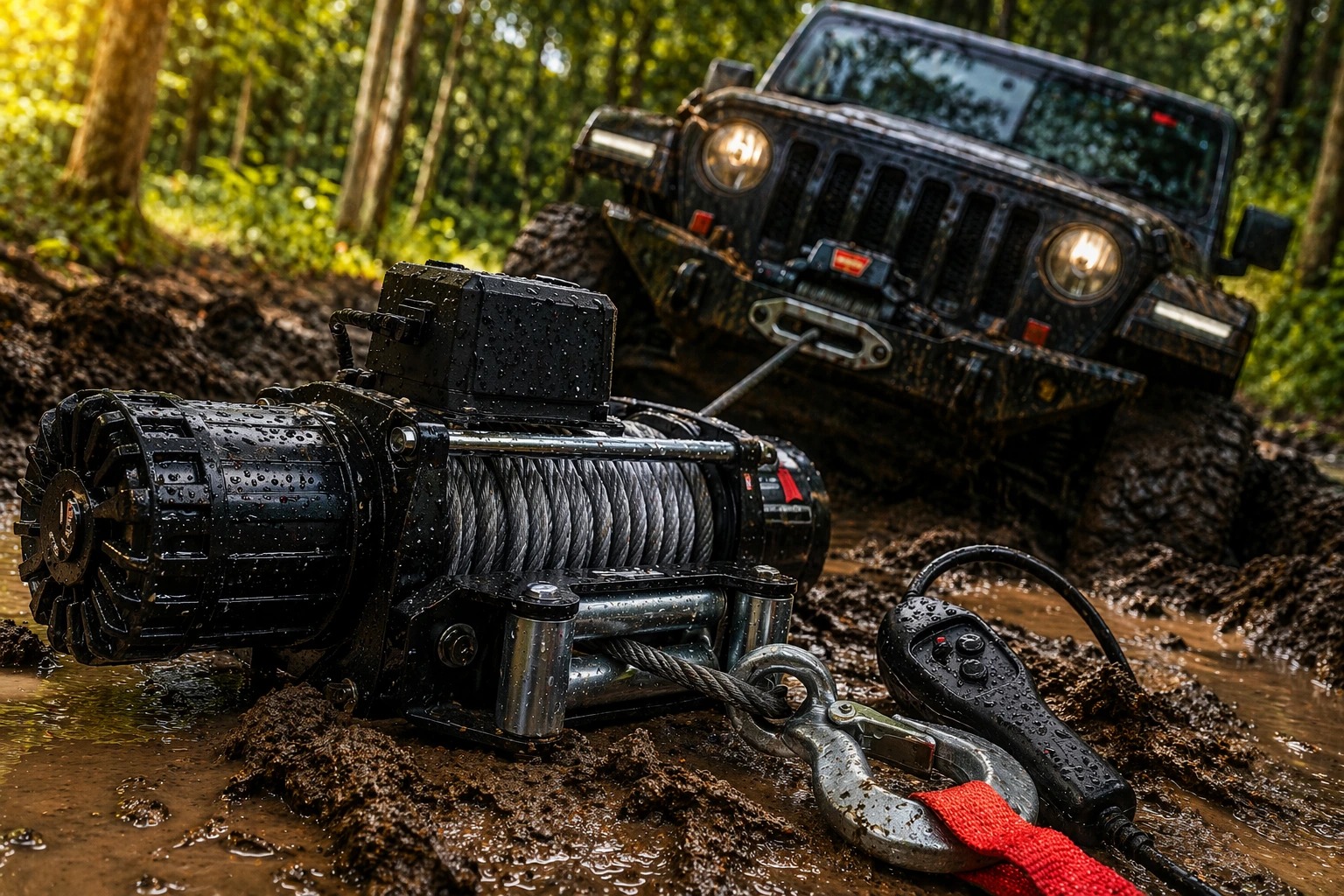
8. Winch
A winch can be extremely useful, but it is not mandatory equipment for every daily-driven 4×4 or SUV. Its value rises as the driving becomes more remote, difficult, or dependent on self-recovery.
A properly mounted winch can help pull a vehicle away from mud, sand, rocks, or other obstacles when driving out is not possible. It can also reduce the need for another vehicle to perform a recovery.
WARN’s off-road guidance emphasizes proper recovery points, suitable mounting, and responsible winching practices. The installation needs to match the vehicle.
Consider winch capacity, mounting structure, electrical requirements, line type, fairlead, bumper compatibility, and recovery accessories. The winch should not be treated as a standalone rescue device.
For someone who sticks to maintained gravel roads and moderate trails, recovery boards and properly rated recovery equipment may provide a better balance of cost, weight, and usefulness. Someone traveling alone in remote areas may place a much higher value on a winch.
A winch also adds weight to the front of the vehicle, which can affect suspension performance and payload. The installation should therefore be considered alongside the vehicle’s front axle rating and suspension setup.
If you install one, learn proper winching technique before your first difficult recovery. Equipment cannot replace good judgment, proper attachment points, and safe positioning.
9. Communication, Navigation and Trail Visibility
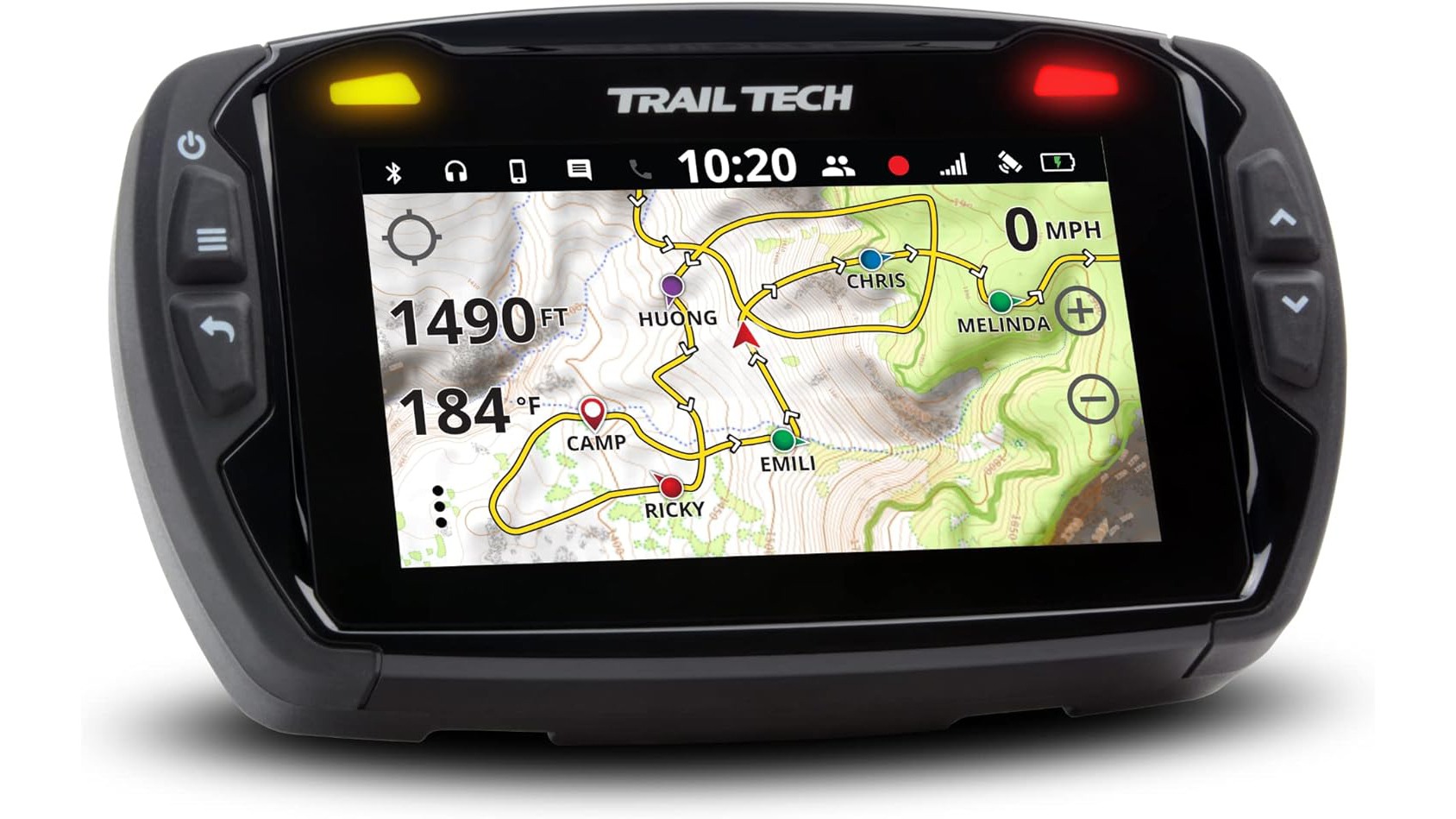
Getting stranded somewhere without cell service turns a minor mechanical hiccup into a genuinely stressful situation fast, which is exactly why communication and navigation gear deserves its own dedicated attention rather than being lumped in as an afterthought.
A reliable two-way radio, compliant with your local regulations, keeps you connected with travel companions even where phone signals disappear entirely.
For trips venturing further from populated areas, a satellite communicator provides a safety net that cellular coverage simply cannot match, letting you call for help even in locations with zero bars.
Offline navigation matters just as much as staying connected with others. Cell coverage vanishes unpredictably in rural and mountainous regions, and having downloaded maps or a dedicated GPS unit prevents you from relying entirely on a signal that might disappear exactly when you need directions most.
Auxiliary lighting rounds out this category for anyone driving trails during early morning or evening hours. These lights genuinely help visibility in situations where factory headlights fall short, though they should supplement rather than replace properly functioning stock lighting, and installation needs to respect local road regulations regarding brightness and placement.
This entire category matters considerably more for extended trips into genuinely remote areas than for a quick afternoon trail run fifteen minutes from home. Match your investment here to how far you actually travel and how reliably you can expect help if something goes wrong.
10. Snorkel / Raised Air Intake
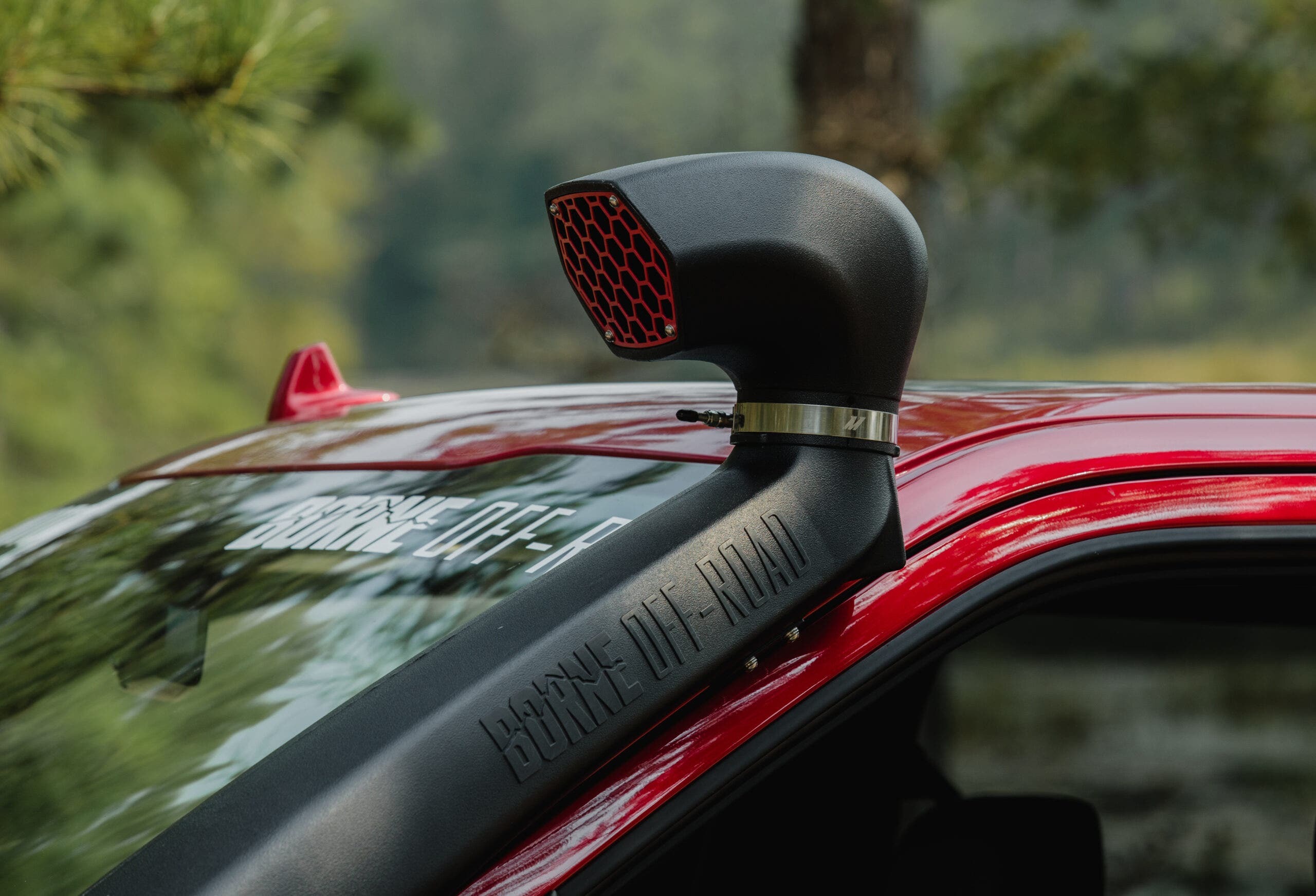
A snorkel is a specialized upgrade, not a universal requirement for a daily driver. Its main purpose is to move the engine’s air intake higher, which can help reduce the risk of drawing water into the engine during an appropriately planned water crossing and may help in dusty conditions.
It is important not to confuse a raised intake with unlimited water-crossing capability. Water can still enter through other components, and vehicle manufacturers specify limits that must be respected.
Toyota owner documentation warns that water entering the engine intake can cause severe engine damage and explains that water can also affect wheel bearings, differentials, transmissions, and transfer cases.
A vehicle intended for repeated water crossings may also require attention to differential and drivetrain breathers, electrical components, seals, and other vulnerable areas.
The manufacturer’s specified wading depth should remain the controlling reference. For a daily driver that rarely encounters deep water, a snorkel may offer little practical benefit.
For drivers who regularly face dusty routes or properly assessed water crossings, it can be a worthwhile specialized addition. Installation quality matters too. A poorly sealed intake system can create the very problem the snorkel was intended to reduce.
Check every connection and follow the vehicle and snorkel manufacturer’s installation requirements. The best reason to install a snorkel is a real need for one, not simply the appearance of an expedition-style build.
