
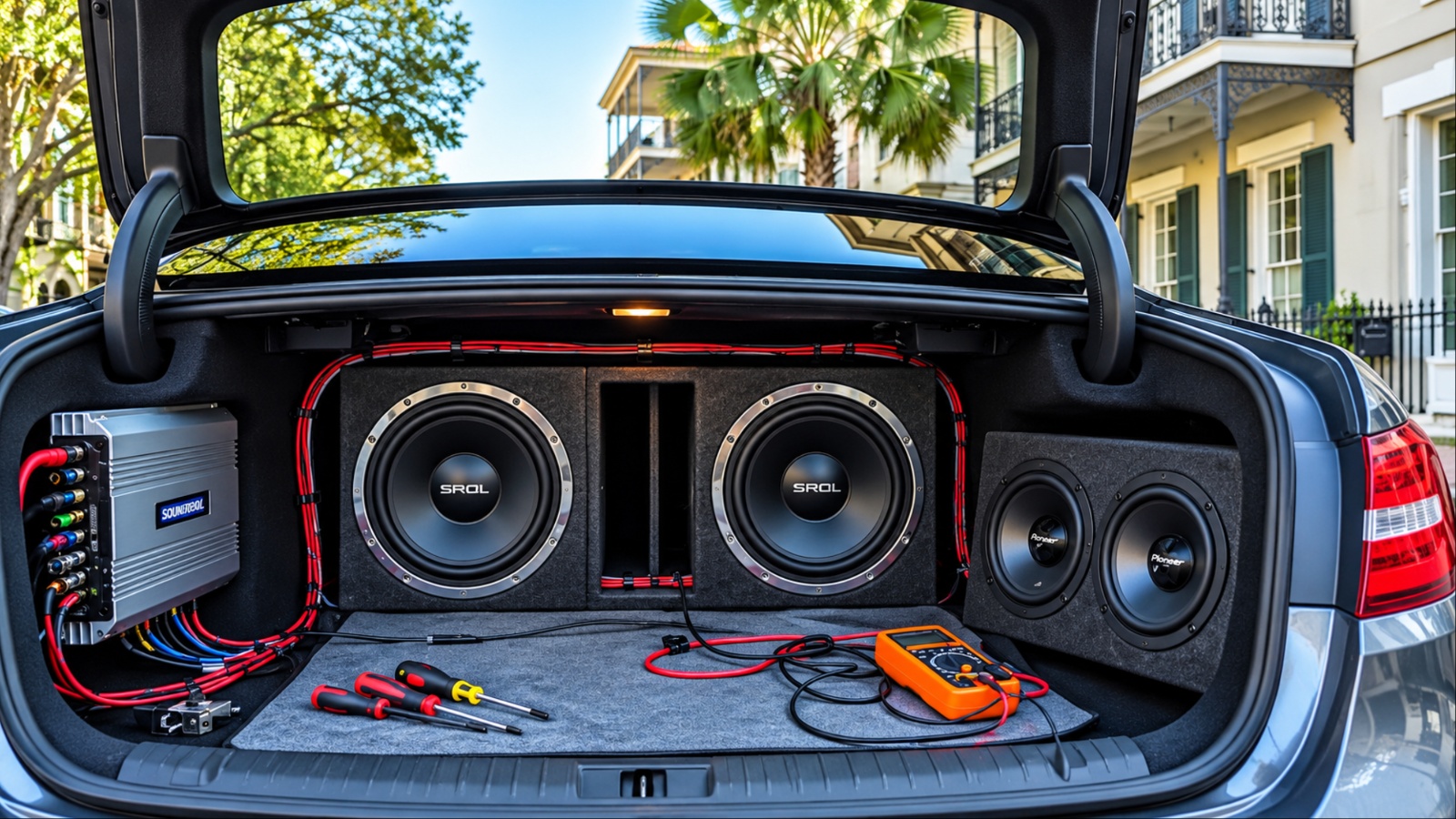
Before getting started, it is worth clarifying the scope of the research. The available material focuses on off-road truck upgrades such as tires, suspension lifts, and winches rather than car audio equipment. Since the goal here is to improve your car’s sound system, this article focuses on accurate information about audio upgrades. Poor speakers can ruin your favorite song almost as quickly as a dead phone can derail a long road trip.
If your factory stereo sounds weak, overly loud in the wrong places, or lacks clarity, you do not have to live with it. A few well-chosen upgrades can make your daily drive much more enjoyable. This guide ranks ten car audio upgrades worth considering, starting with the options that can make the biggest difference before moving to smaller improvements. With the right tools and equipment, better sound may be closer than you think.
1. Component Speakers
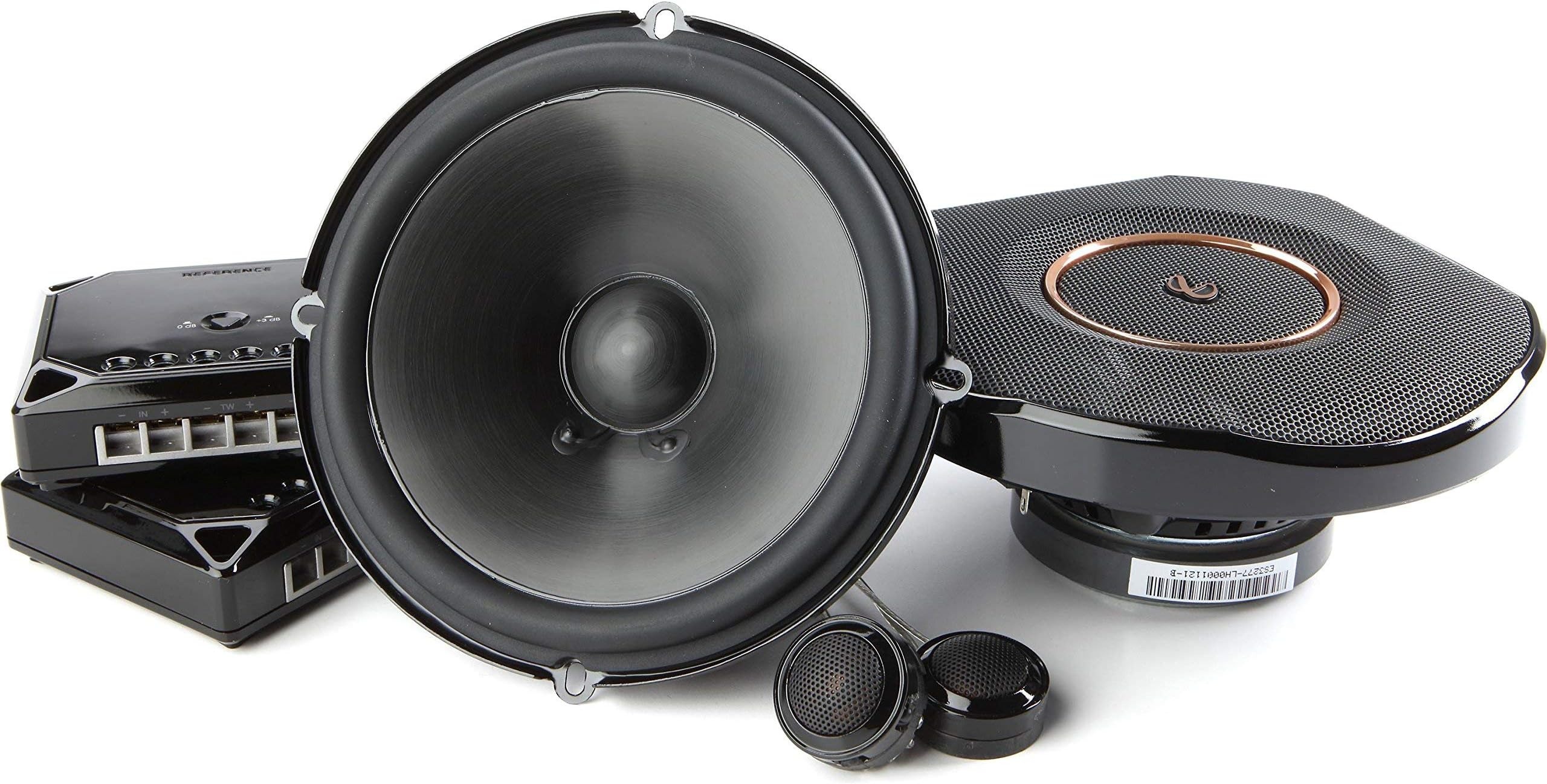
Factory car speakers are usually designed to keep costs low rather than deliver impressive sound. Replacing them with a good component speaker system can make one of the clearest improvements to your car audio.
You will hear the difference almost immediately after starting the car and playing your favourite song. Component speakers separate the tweeter from the woofer, allowing each speaker to handle the frequencies it is designed for.
This arrangement helps produce cleaner highs, richer midrange sounds, and better detail. Instead of asking one small driver to reproduce everything, each part has a specific job.
Coaxial speakers place the tweeter and woofer together in one unit. They are affordable and suitable for ordinary listening, but their sound may not remain clear when you increase the volume or listen carefully to your music.
A quality component set can provide better clarity and reduce unwanted distortion. The amount you spend will depend on your vehicle and the speakers you choose.
A decent component set can cost between $150 and $600. More expensive options often use stronger magnets, better speaker cones, and improved crossover networks.
These features help the speakers produce cleaner sound, especially when the volume is high. For someone planning their first major car audio upgrade, replacing the factory speakers is a sensible place to start.
Good speakers give the rest of the audio system a stronger foundation. When you later add an amplifier or subwoofer, those upgrades can perform better because the speakers are already capable of producing quality sound.
2. Subwoofer
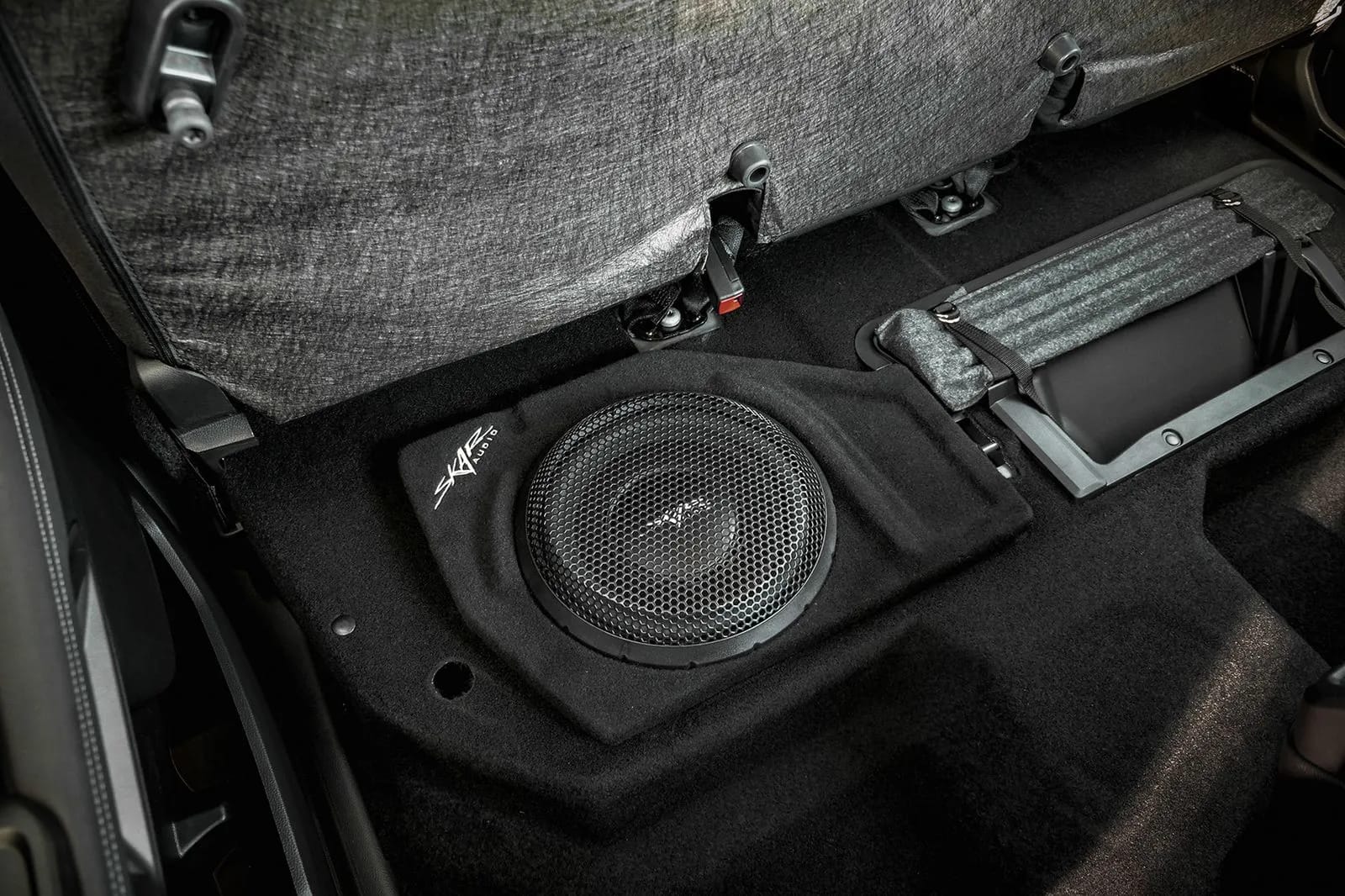
For many car owners, bass is one of the first upgrades they notice after improving an audio system. Factory speakers can handle basic sound, but they often struggle to reproduce deep, powerful low frequencies properly.
Without a dedicated subwoofer, songs with heavy bass may sound thin, empty, or incomplete. Choosing a subwoofer involves more than simply selecting the biggest speaker available.
The size of the subwoofer and the type of box used can greatly affect the sound. A 10-inch model in a sealed enclosure usually produces tight and controlled bass, which works well with hip-hop and rock music.
Larger 12-inch and 15-inch models in ported boxes can produce louder and deeper bass, making them a popular choice for electronic music lovers. Neither option is better for everyone, so personal music preferences should guide the decision.
Affordable subwoofers can cost around $50, but a model worth considering for a proper installation will usually fall between $100 and $400, depending on the brand and size.
The price can increase after adding a suitable enclosure and the required wiring. Powered subwoofer boxes, which come with an amplifier already installed, can make the installation process easier for people who do not want to deal with a separate amplifier.
One important point is that even a high-quality subwoofer needs enough power to perform properly. A poorly powered unit can sound weak and disappointing. This is why choosing a suitable amplifier should be the next step when planning a serious car audio upgrade.
3. Amplifier
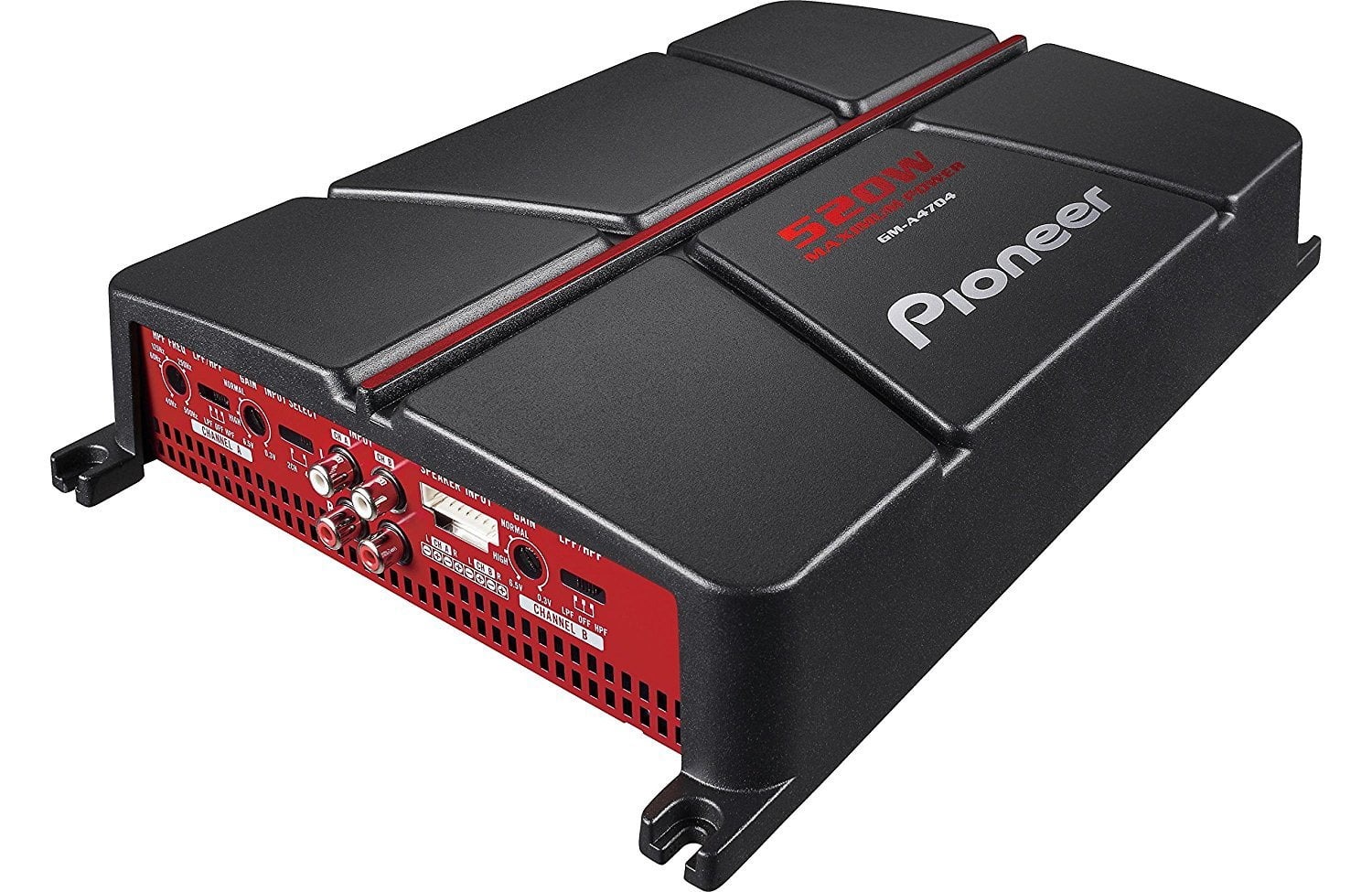
Power is everything in car audio, and factory head units simply don’t provide enough of it. An external amplifier changes that equation entirely.
A factory stereo can only deliver so much power, and pushing it beyond those limits can leave your music sounding strained or distorted. An amplifier gives the speakers and subwoofer the power they need to perform at their best. Even high-quality speakers can sound weak and uninspiring when they do not receive enough power.
Adding an amplifier solves that problem by delivering consistent wattage across the entire volume range, which means music stays clear even when you crank it up.
Distortion at higher volumes, one of the most common complaints with stock systems, disappears almost entirely once proper amplification enters the picture.
Multi-channel amps power several speakers at once, while mono amps are built specifically for subwoofers. Most serious setups use both. Prices range widely, starting around $80 for basic models and climbing past $500 for high-output units designed for competition-level systems.
Installation requires running power and ground wires, along with remote turn-on leads, so this upgrade often calls for professional help unless you’re comfortable working under the dash and through the firewall. The payoff, though, is a system that finally sounds the way it was designed to.
4. Head Unit
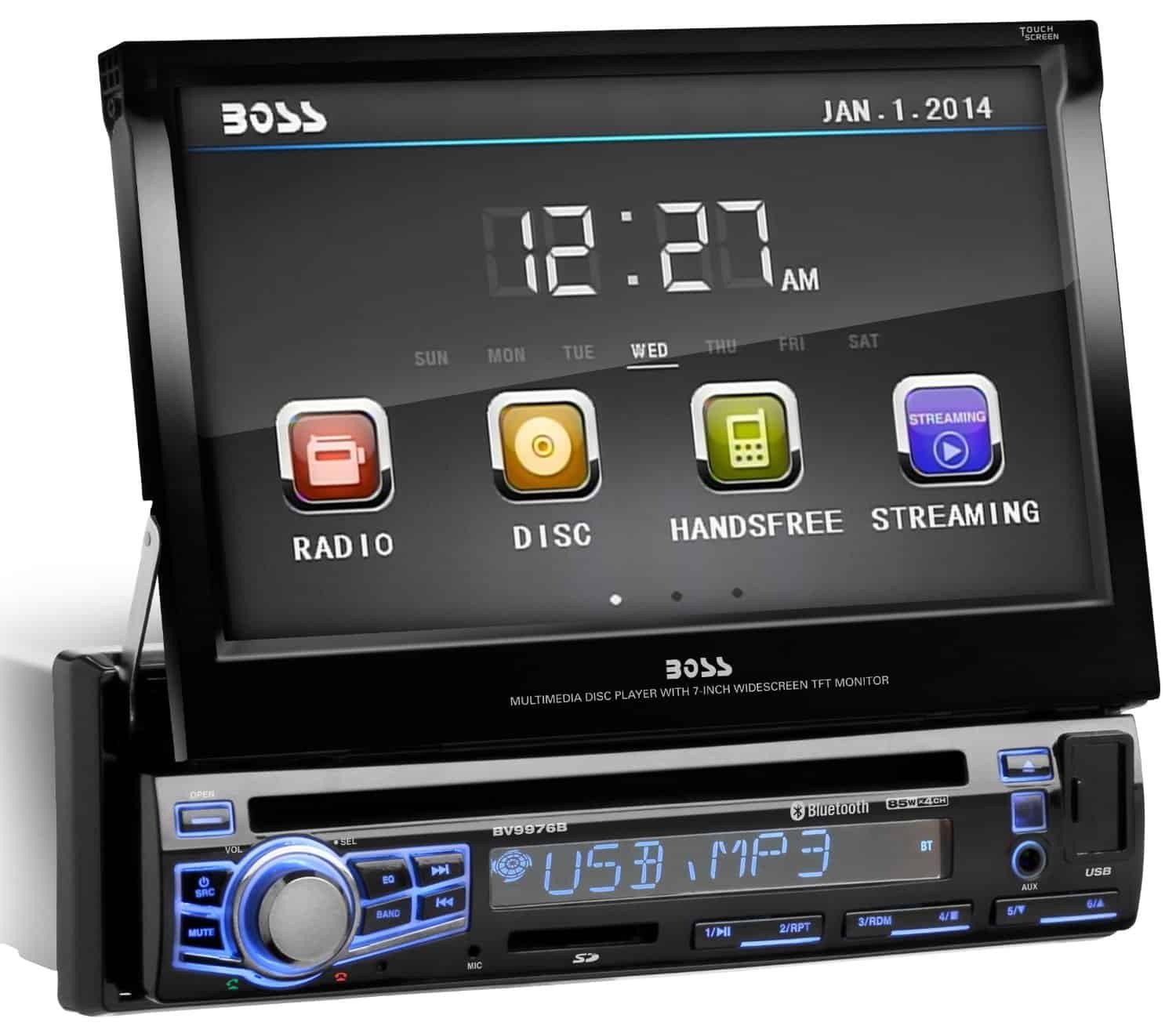
The head unit serves as the control center of the entire audio system, but factory units often leave plenty of room for improvement. An aftermarket receiver can add features that many stock systems lack, including higher-quality digital-to-analog conversion, more detailed equalizer controls, and seamless smartphone integration through Apple CarPlay and Android Auto.
Sound quality improves here in ways that are easy to overlook until you hear the difference directly. Better internal components mean cleaner audio signals going out to your speakers and amplifier, which affects everything downstream.
A high-quality head unit paired with mediocre speakers still sounds better than a cheap unit paired with expensive ones, because the signal quality sets the ceiling for everything else in the chain.
Pricing spans a wide range. Basic units with touchscreen displays and phone connectivity start around $100, while premium models with built-in amplifiers, advanced tuning options, and support for high-resolution audio formats can run past $1,000.
Installation difficulty depends heavily on your vehicle’s dashboard design. Some cars accept a direct swap, while others require adapter kits to match wiring harnesses and dashboard trim.
Either way, this upgrade touches every part of your system, making it one of the more impactful changes on this entire list.
5. Sound Deadening
Many car owners do not realise how much road noise affects their audio system until they install sound deadening. Tyre noise, engine vibrations, wind noise, and rattling panels can make music harder to hear clearly.
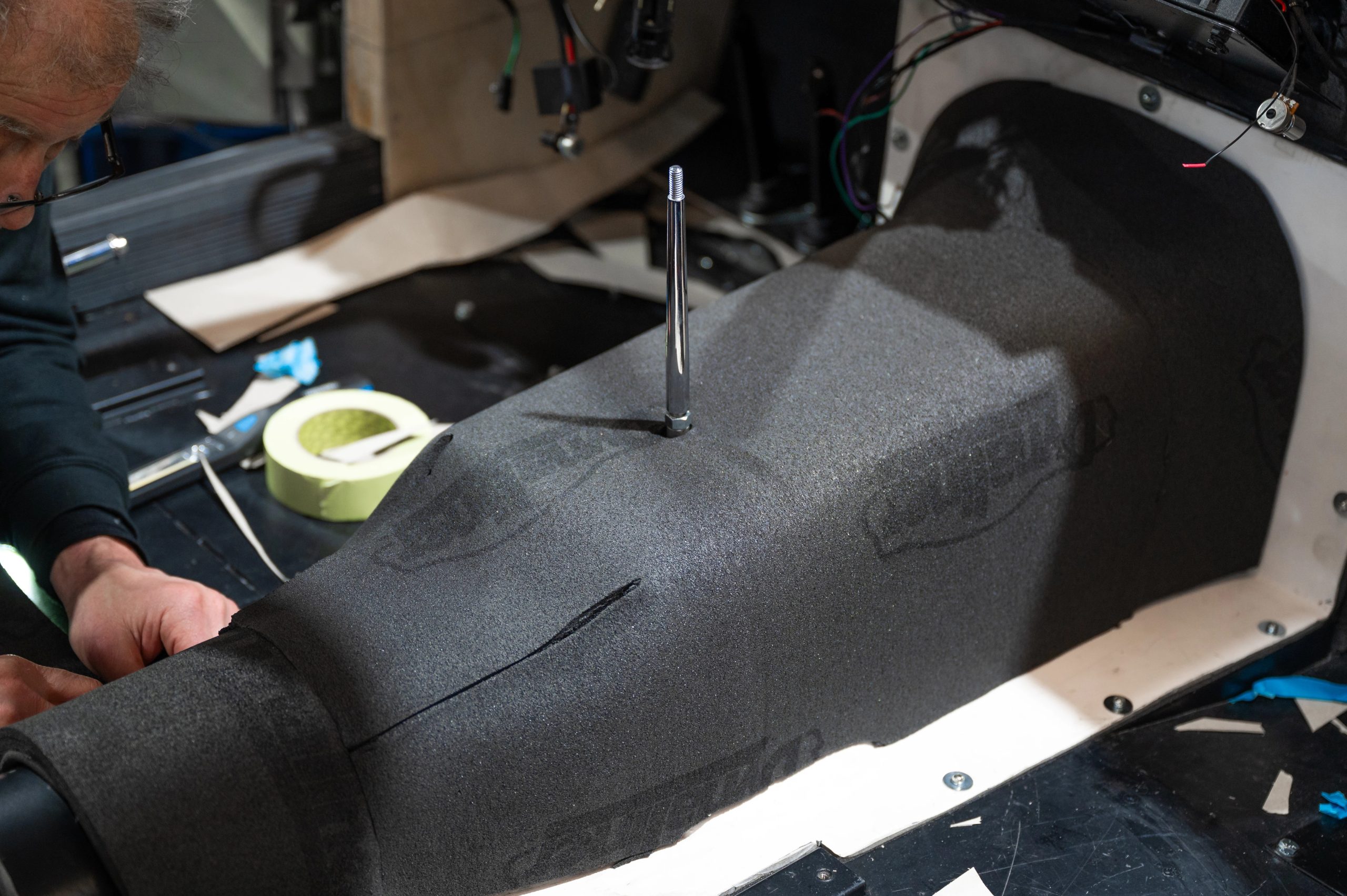
Upgrading speakers alone may not solve these problems, but treating the vehicle can make a clear difference. Sound-deadening materials are usually made from butyl rubber or similar compounds that help reduce vibrations.
When these materials are applied to doors, floors, and trunk panels, they prevent metal surfaces from vibrating excessively. This is especially useful when speakers are installed inside the doors.
With less panel movement, the speakers can produce cleaner bass and clearer midrange sound without unwanted buzzing or rattling. The treatment can also make the cabin quieter.
With less noise coming from the road and tyres, you may not need to turn up the volume as much to hear smaller details in your music. This can make longer drives more comfortable while allowing your audio system to sound more controlled.
The price depends on how much of the vehicle you want to treat. A small kit for two doors may cost around $50, while a complete treatment covering the doors, floor, and trunk can cost $300 or more. Labour may add to the bill because interior panels have to be removed, measured, cut, and installed carefully.
Sound deadening may not look impressive, but it can improve the performance of other audio upgrades. For anyone serious about getting better sound, it is worth considering.
6. Digital Signal Processor
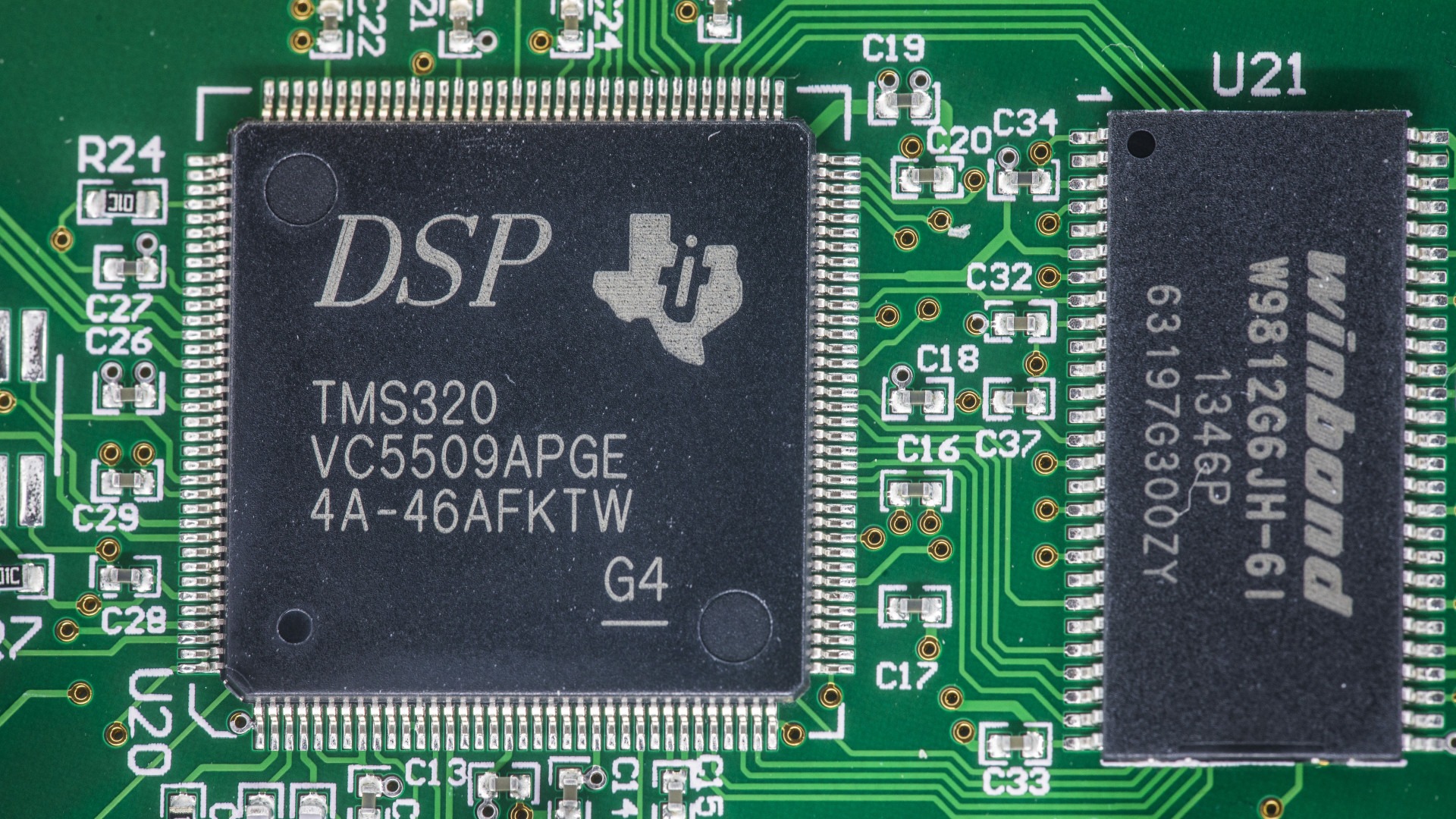
A digital signal processor, commonly called a DSP, fine-tunes how sound reaches your ears inside a space that was never designed with acoustics in mind.
Car interiors are full of odd angles, reflective glass, and asymmetric speaker placement, all of which distort audio in ways a standard equalizer can’t fully correct.
Here’s where a DSP earns its price tag. It allows precise time alignment, meaning it adjusts the exact moment sound from each speaker reaches your seating position, which corrects for speakers being different distances from your ears.
That single feature can transform a system from sounding scattered to sounding like the music is coming from one focused point in front of you.
Advanced DSPs also offer detailed equalizer bands, far more precise than what any head unit provides on its own, letting you correct frequency dips and peaks caused by your vehicle’s specific interior shape.
Expect to pay between $150 and $600 for a quality processor, with installation requiring some technical know-how or professional tuning to get the settings dialed in correctly.
This isn’t the first upgrade most people make, but for anyone chasing accurate, detailed sound rather than just loud sound, a DSP delivers results nothing else on this list can match.
7. Wiring Kit
Cheap wire kills good audio, plain and simple. Undersized or low-quality wiring creates resistance, which robs power from your amplifier and speakers before it ever reaches them.
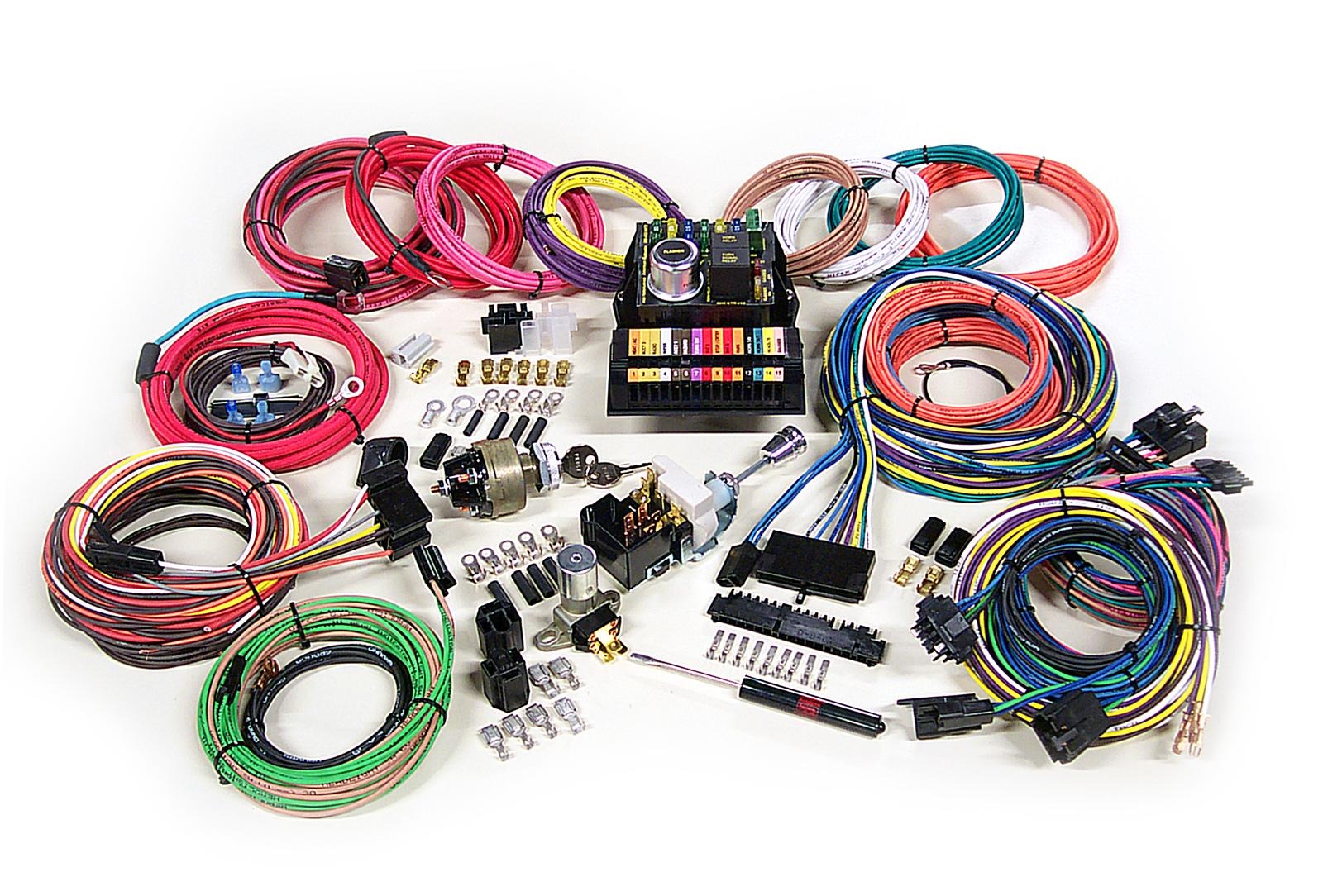
A proper amp wiring kit, matched to your system’s power draw, solves this problem at the source. What goes into a good kit? Power wire, ground wire, remote turn-on wire, and RCA interconnect cables, all sized appropriately for the amperage your system demands.
Skimping here creates a bottleneck no amount of amplifier power can overcome, since electricity still has to travel through wire that’s fighting it the entire way.
Gauge matters more than people expect. A system running a large subwoofer and multiple amplifiers needs thicker wire than a modest single-amp setup.
Getting this wrong doesn’t just hurt performance either; it creates genuine safety risks, including overheating wires or blown fuses under heavy load. Complete kits typically cost between $30 and $150 depending on wire gauge and length needed for your vehicle.
It’s an unglamorous purchase, no doubt, sitting far below flashy subwoofers and sleek head units on the excitement scale. But skipping it undermines every dollar spent on the equipment those wires are supposed to power.
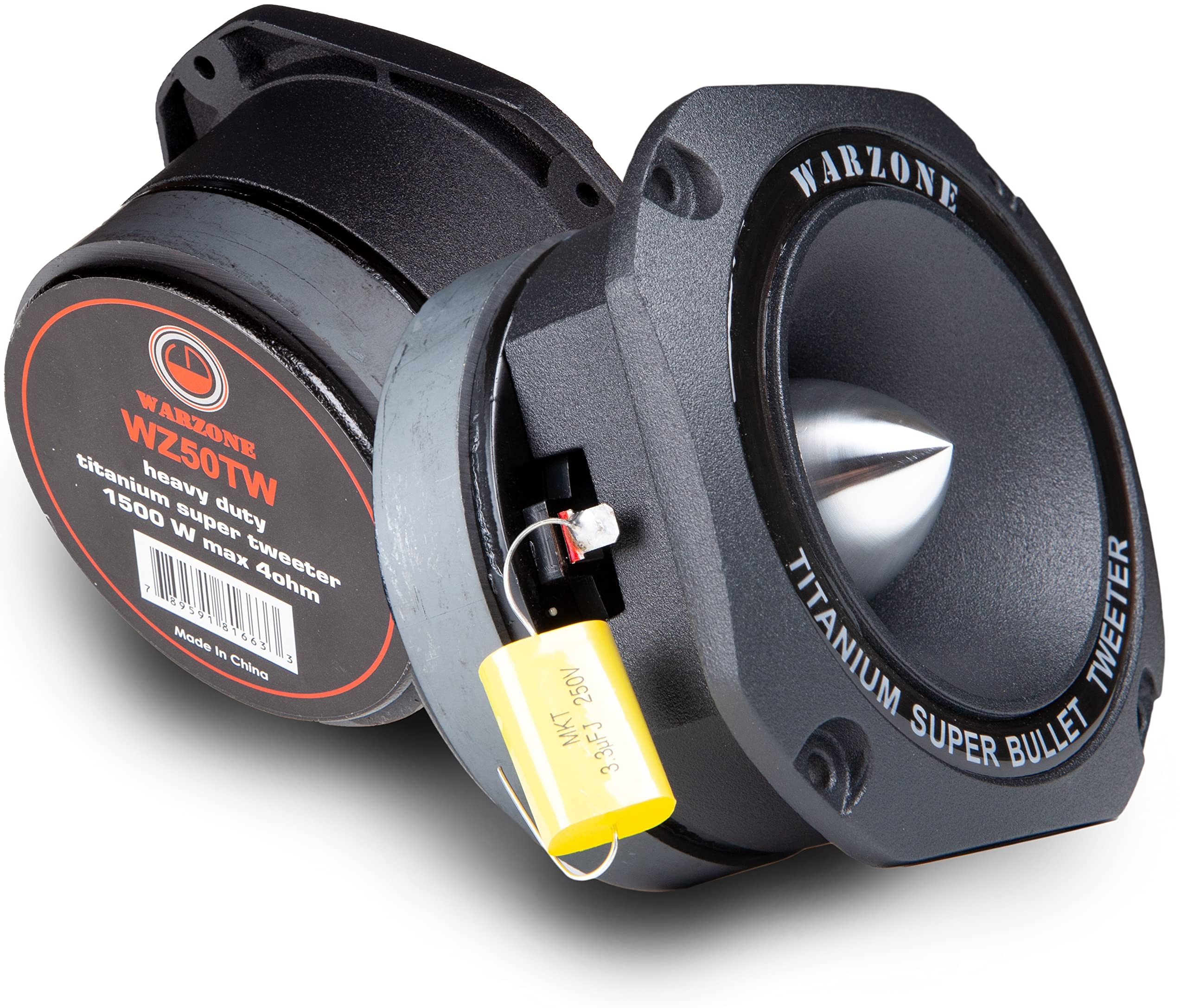
8. Tweeters
Clear high frequencies can make music feel more lively by bringing out details that lower frequencies cannot reproduce properly. Factory speakers sometimes struggle with this part of the sound range, causing vocals, cymbals, and other high notes to sound dull. Adding dedicated tweeters can help bring those details forward.
Where you install the tweeters also matters. Placing them higher on the dashboard or inside the sail panels near the side mirrors can direct sound toward your ears more effectively.
Factory speakers are often positioned low in the doors, which can make high-frequency sounds feel less clear. A better position can give vocals more presence and make small details easier to notice.
Silk dome tweeters are usually preferred by people who like smooth and warm high notes. Metal dome tweeters can produce a brighter and sharper sound.
Neither type is automatically the right choice, so your music preference should guide your decision. The good thing is that tweeters are relatively affordable.
A decent pair can cost between $30 and $150, depending on the brand and quality. Many component speaker packages already come with tweeters, but you can also buy them separately if you want to improve the high-frequency performance of your existing system.
Tweeters alone will not completely change the sound of your car. However, when they are combined with good midrange speakers, they can make the audio feel clearer and more balanced. For drivers who enjoy detailed music, this small upgrade can be worth the money.
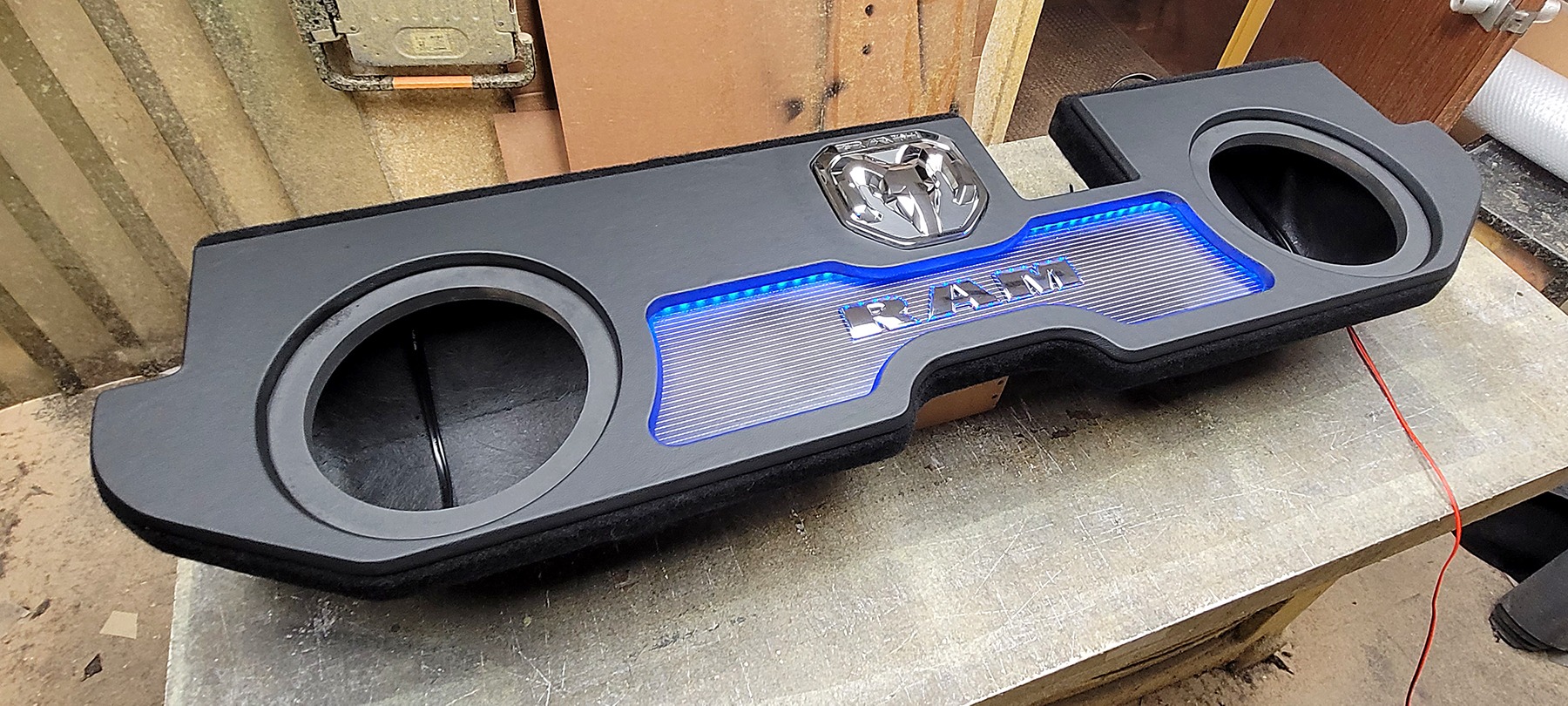
9. Speaker Enclosure/Box
The box around a subwoofer plays a major role in the way the system sounds. Even an expensive speaker can deliver poor results when it sits inside a weak, poorly designed, or badly constructed enclosure.
A proper box helps the subwoofer use its power efficiently and produce cleaner bass. Sealed boxes are a good choice for listeners who prefer controlled and accurate sound.
They deliver quick bass response, making them suitable for music where clarity and precision matter. Ported boxes use a carefully tuned opening to produce louder bass and reach lower frequencies.
This option suits people who enjoy bass that is both easy to hear and easy to feel. Bandpass boxes focus on producing strong output within a limited frequency range, although they may sacrifice some sound accuracy.
Before choosing an enclosure, check the specifications provided for the subwoofer. Manufacturers usually recommend particular box sizes and, where required, port measurements.
Following these guidelines can prevent poor bass quality and distortion. Simply adding more power will not correct problems caused by an unsuitable enclosure.
Ready-made subwoofer boxes typically cost between $40 and $200, depending on their size and the quality of the materials used. Custom boxes designed around the available space in a vehicle can cost more because of the extra labour and construction involved.
Many car owners focus first on amplifiers, speakers, or head units when improving an audio system. However, the enclosure has a direct effect on bass quality.
Choosing the correct design can mean the difference between clean, controlled bass and sound that feels weak, messy, or poorly defined.
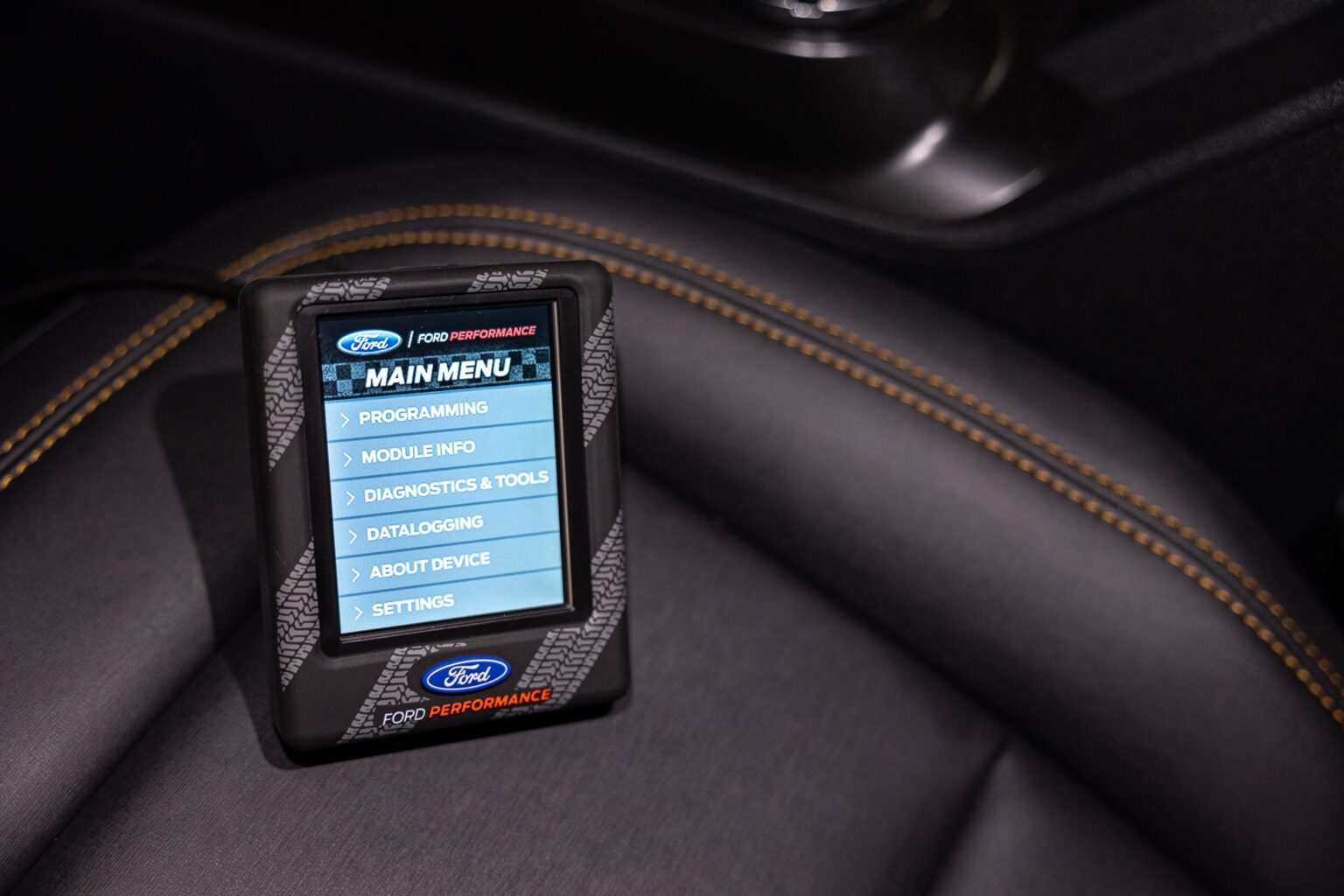
10. Full System Tuning/Calibration
Spending money on quality car audio equipment is only part of getting good sound. If the system is not properly tuned, even expensive speakers, amplifiers, subwoofers, and processors may not perform as they should.
Professional tuning helps all these parts work together and gives you a more balanced listening experience. During a tuning session, an experienced technician uses special microphones and computer software to check how sound moves inside your particular vehicle.
The technician can then adjust settings such as the equalizer, speaker timing, and crossover points. These adjustments help correct sound problems caused by the shape of the cabin and the position of each speaker.
This matters because two vehicles can have exactly the same audio equipment and still produce different results. The size of the cabin, the materials used inside it, and the location of the speakers can all affect how you hear the music.
Proper tuning helps deal with these differences and makes the system sound cleaner and more natural. Professional tuning usually costs between $100 and $400, depending on the equipment involved, the amount of work required, and the technician’s experience.
More advanced tuning for car audio competitions can cost more because it requires extra testing and careful adjustments. Tuning may not be the first upgrade people think about, but it can make a major difference.
A properly adjusted system with reasonably priced equipment can sound better than an expensive system that has never been tuned. For anyone who cares about sound quality, professional calibration is money well spent.
