
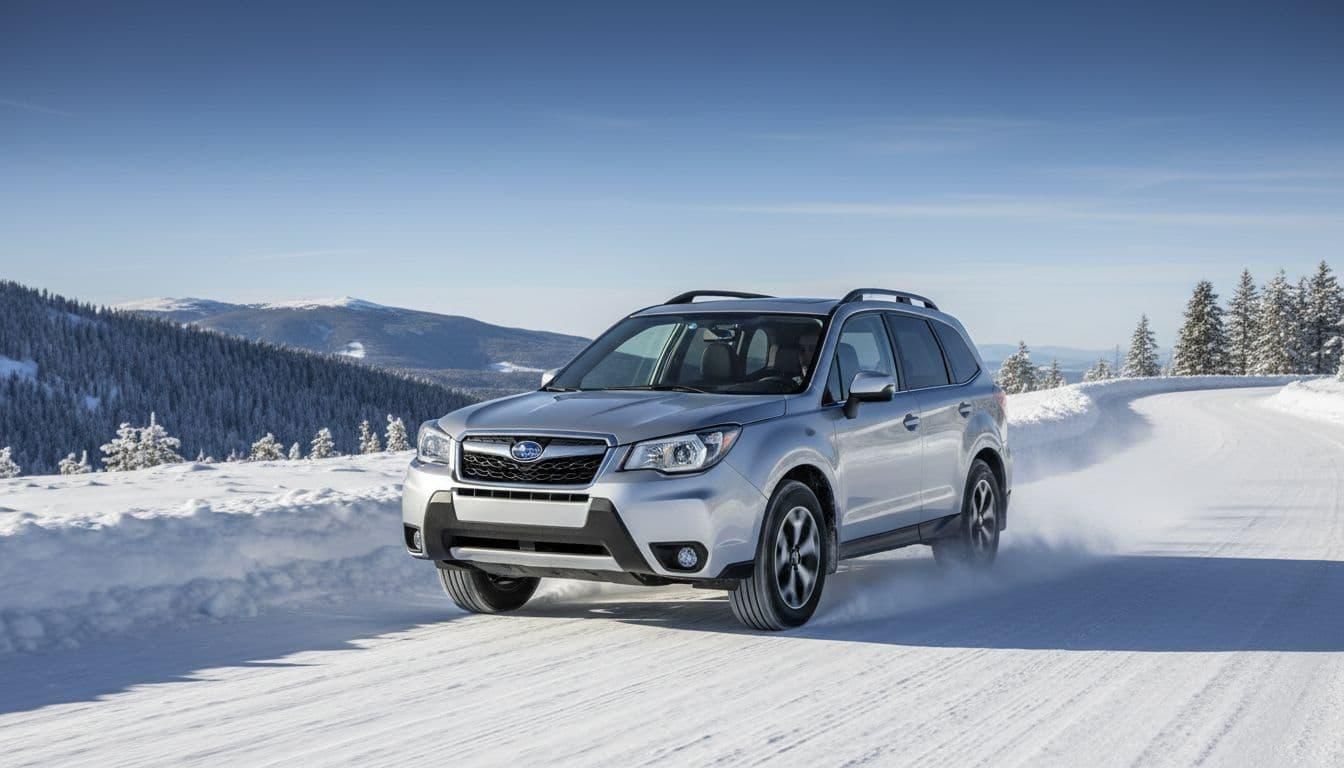
All-wheel drive means very different things depending on the badge on the trunk. Some systems run a genuine center differential, locking hardware, and low-range gearing built for real torque transfer.
Others are front-wheel-drive cars with a clutch pack bolted on for insurance. That clutch only wakes up once the front tires are already spinning. It reacts to slip instead of preventing it. The car has already lost grip by the time power shows up at the rear wheels.
The difference shows up in snow, mud, and hard cornering. It rarely shows up on a spec sheet or window sticker. Automakers know “AWD” sells SUVs and crossovers. So the term gets stretched to cover systems with wildly different levels of commitment.
Some brands build full-time mechanical drivetrains meant to survive rally stages or rock trails. Others build front-drivers with a rear motor or clutch added purely for wet-road confidence.
Here are five systems that earn the AWD name mechanically, and five that mostly earn it in the brochure. Knowing which is which matters before you buy, not after you’re stuck.
5 Cars Where the AWD Is Real
The Subaru WRX STI uses a planetary-gear center differential with driver-adjustable torque split. The Audi Quattro (RS/S-line) relies on a mechanical Torsen differential with instant torque redirection.
The Jeep Wrangler Rubicon offers true 4WD with locking differentials and low-range gearing. The Porsche 911 Turbo’s PTM predicts slip before it happens, and the Toyota Land Cruiser maintains full-time power to both axles with a lockable center differential.
1. Subaru WRX STI (Symmetrical AWD with DCCD)
Subaru’s flagship system uses a planetary-gear center differential. It sits inline with the boxer engine and transmission. That layout gives a 41:59 front-rear torque split by default. Power leans rearward for sportier balance and reduced understeer.
The Driver Controlled Center Differential adds a mechanical limited-slip unit backed by an electronic one. Both work together, not in sequence. Drivers can manually adjust the lockup on the fly. Six settings let you bias torque toward grip or agility depending on the road.
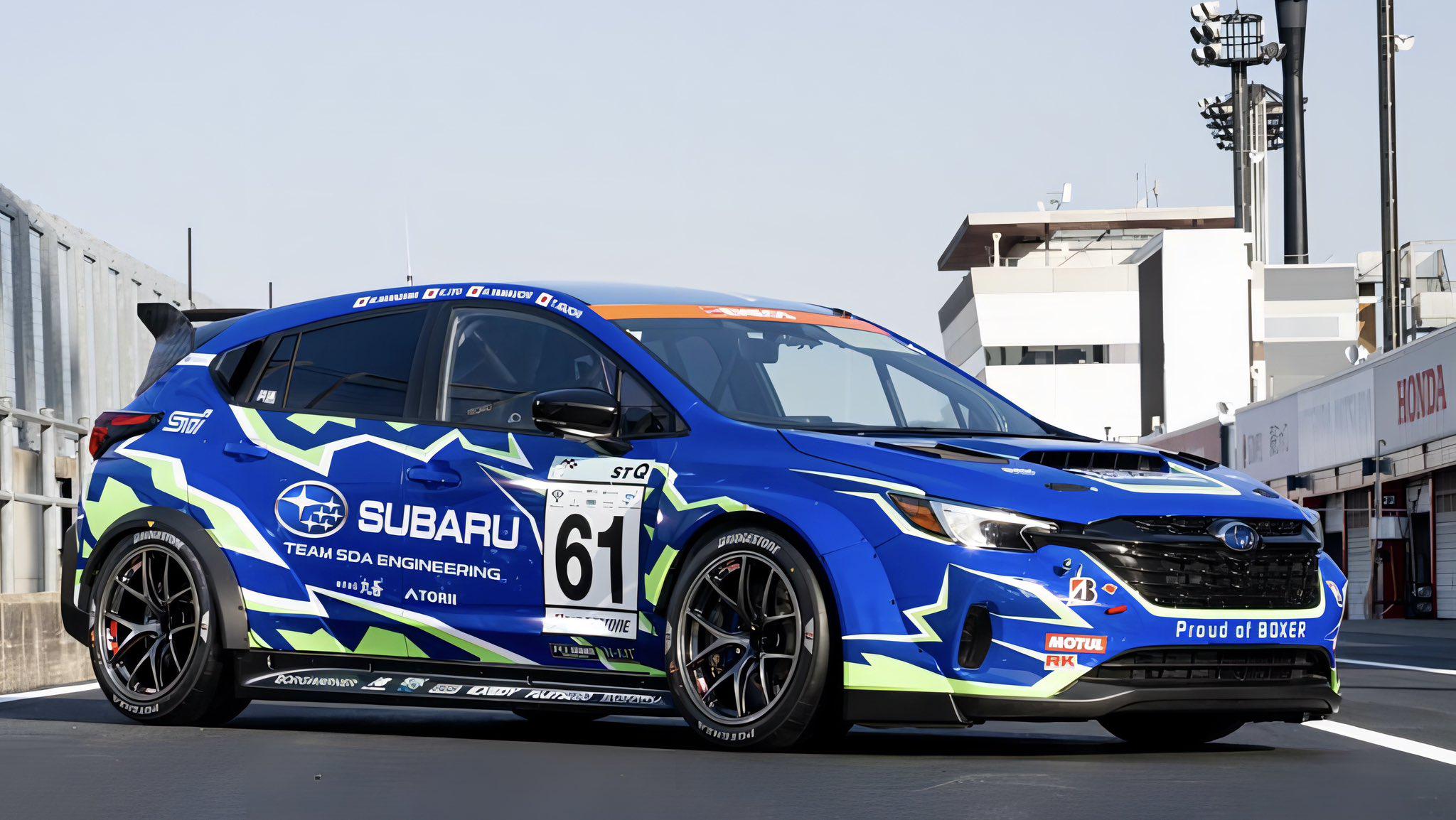
Auto mode reads yaw, wheel speed, and throttle input constantly. It tightens or loosens the center diff in real time, hundreds of times per second.
This isn’t a system waiting for slip to happen. Torque is always flowing through both axles simultaneously, even in a straight line on dry pavement.
Even Subaru’s lesser CVT-based Active Torque Split cars use a true center clutch, not a rear-only add-on. The STI’s version is simply the most mechanically committed of the lineup.
Rally heritage explains the engineering choices here. Group A and WRC-era cars needed differentials that survived gravel stages and tarmac corners in the same competitive run.
That durability requirement never really left the road car. It’s part of why STI transmissions and differentials are overbuilt relative to their power output.
2. Audi Quattro (Torsen-based, longitudinal models)
Classic quattro, still used on Audi’s RS and S-line longitudinal-engine cars, relies on a Torsen planetary center differential. It’s a purely mechanical torque-sensing unit.
No electronics decide the split under normal conditions. Gear geometry does the work instantly, without waiting on a sensor or computer command.
Default torque distribution runs 40:60 front to rear. That bias sends more power rearward for a sportier, more neutral chassis balance in corners. When one axle starts to slip, the Torsen unit automatically redirects torque to the axle with grip. It does this through mechanical resistance within the gearset, not a clutch engaging.
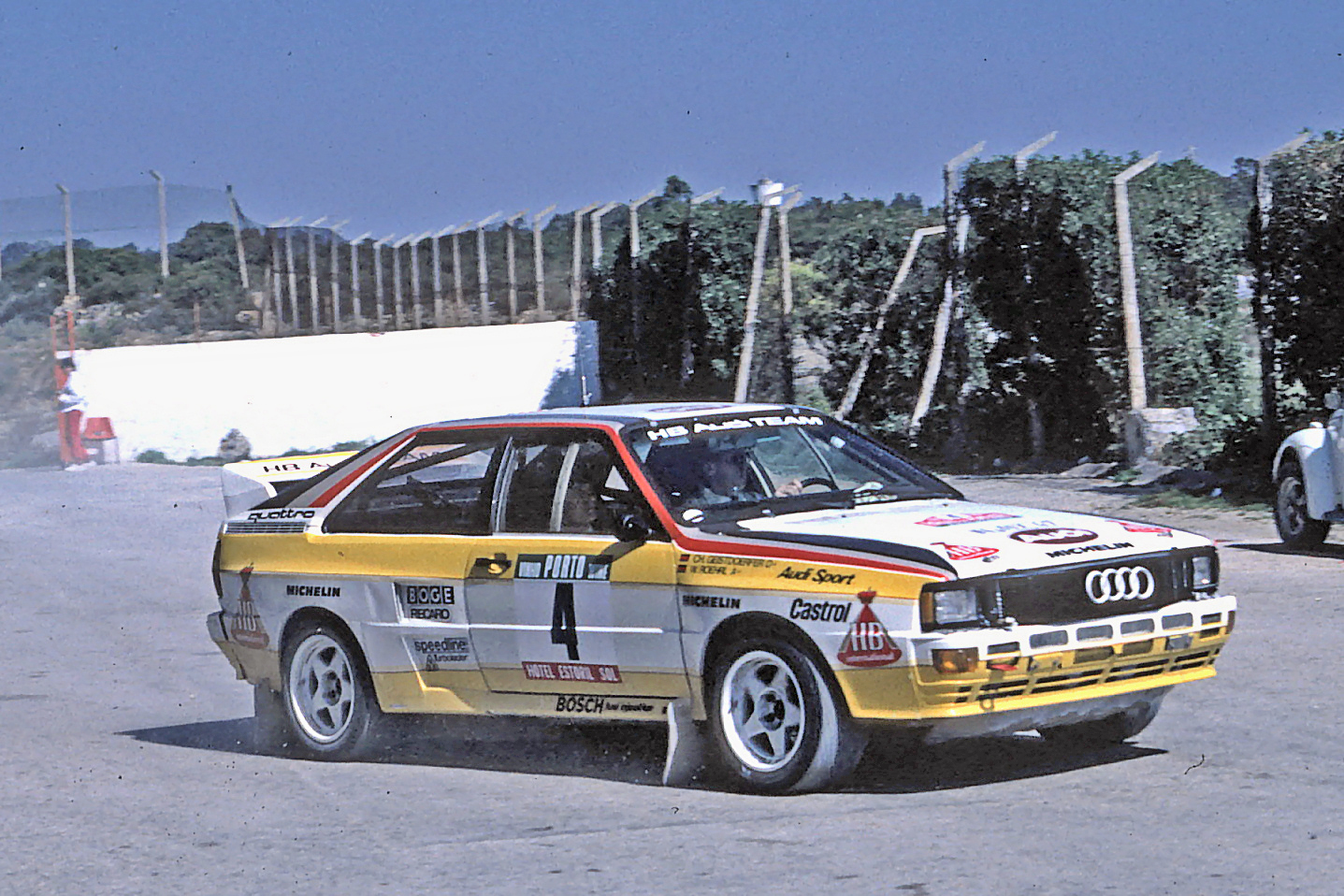
Response is measured in milliseconds because there’s no clutch pack waiting to be told what to do. The gears themselves resist speed differences the instant they occur.
This is why old-school quattro Audis felt planted on ice decades before electronic stability control existed. The hardware handled it alone, long before software got involved.
Newer performance Audis add a rear sport differential too. It vectors torque left-to-right across the rear axle using electrohydraulic clutches for sharper cornering.
Audi does also sell a lighter “quattro ultra” system on lower-output models. That version leans electronic and disconnects the rear axle entirely for efficiency. But the Torsen-based system on RS models remains genuinely mechanical and permanent. It doesn’t wait for a problem before reacting.
3. Jeep Wrangler Rubicon (Rock-Trac 4×4)
The Rubicon isn’t really an “AWD crossover” comparison at all. It’s a true four-wheel-drive system, and a serious one at that. Rock-Trac uses a two-speed transfer case with a 4:1 low-range ratio. That multiplies torque dramatically at crawling speeds on steep or technical terrain.
Front and rear Dana 44 axles come standard, with Tru-Lok electronic locking differentials on both ends. Drivers can lock either axle independently using a dash-mounted switch.
Locked differentials force both wheels on an axle to spin at exactly the same speed. That’s real, forced traction, not electronically simulated traction through braking.
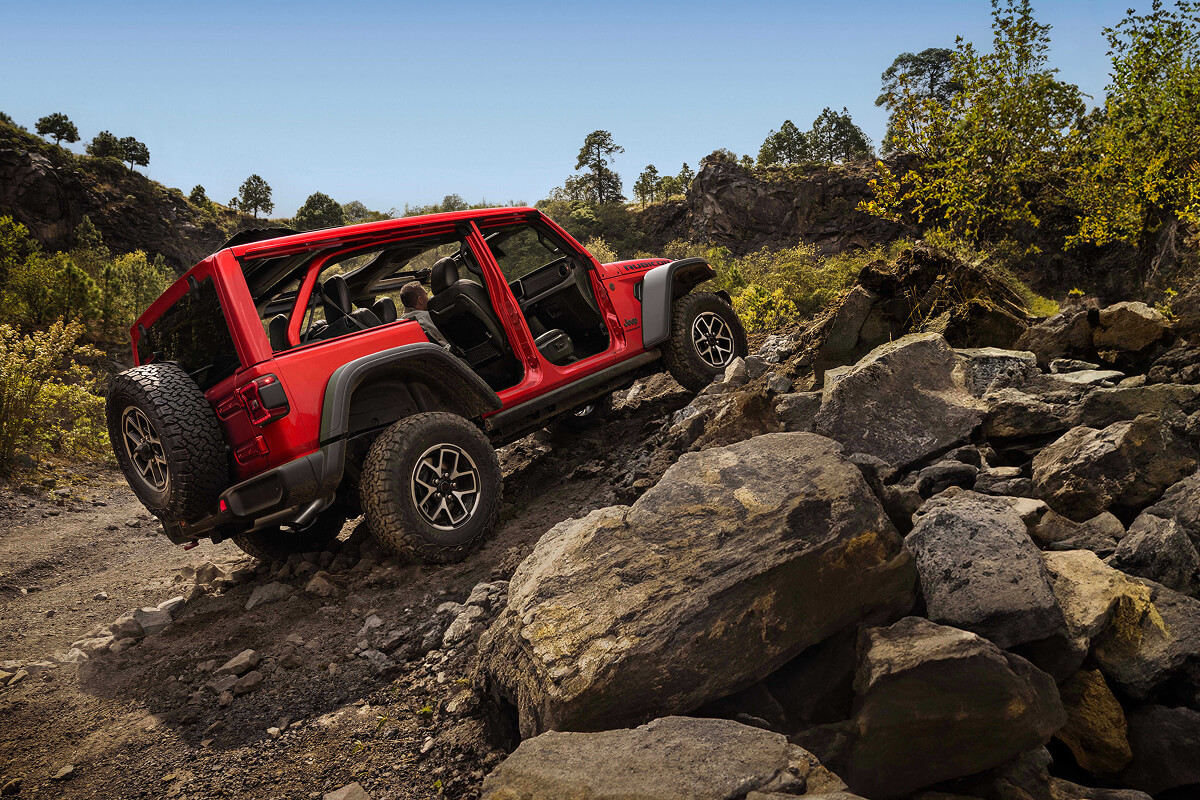
An electronic front sway-bar disconnect adds serious wheel articulation on rough terrain. It lets the suspension flex far beyond what any street-tuned SUV allows.
Combined with the manual transmission, Rubicon’s crawl ratio reaches over 84:1. That’s an enormous mechanical advantage when climbing rock ledges or steep grades.
None of this is simulated by software running in the background. It’s solid axles, real mechanical lockers, and low-range gearing, all proven on Jeep’s namesake Rubicon Trail.
This is the opposite philosophy from a crossover’s reactive clutch pack. Everything here is proactive, driver-selected, and permanently available on demand.
4. Porsche 911 Turbo (PTM All-Wheel Drive)
Porsche’s 911 Turbo uses a mechanical multi-plate clutch at the front axle, managed by the Porsche Traction Management system. Power is naturally rear-biased since the engine sits behind the rear axle. Front torque gets added actively the moment it’s needed.
What separates PTM from a typical crossover clutch is response speed and torque capacity. It can send meaningful power forward almost instantly under hard acceleration off the line.
The system reads lateral acceleration, steering angle, and wheel speed continuously. It behaves predictively, not just reactively after slip has already begun.
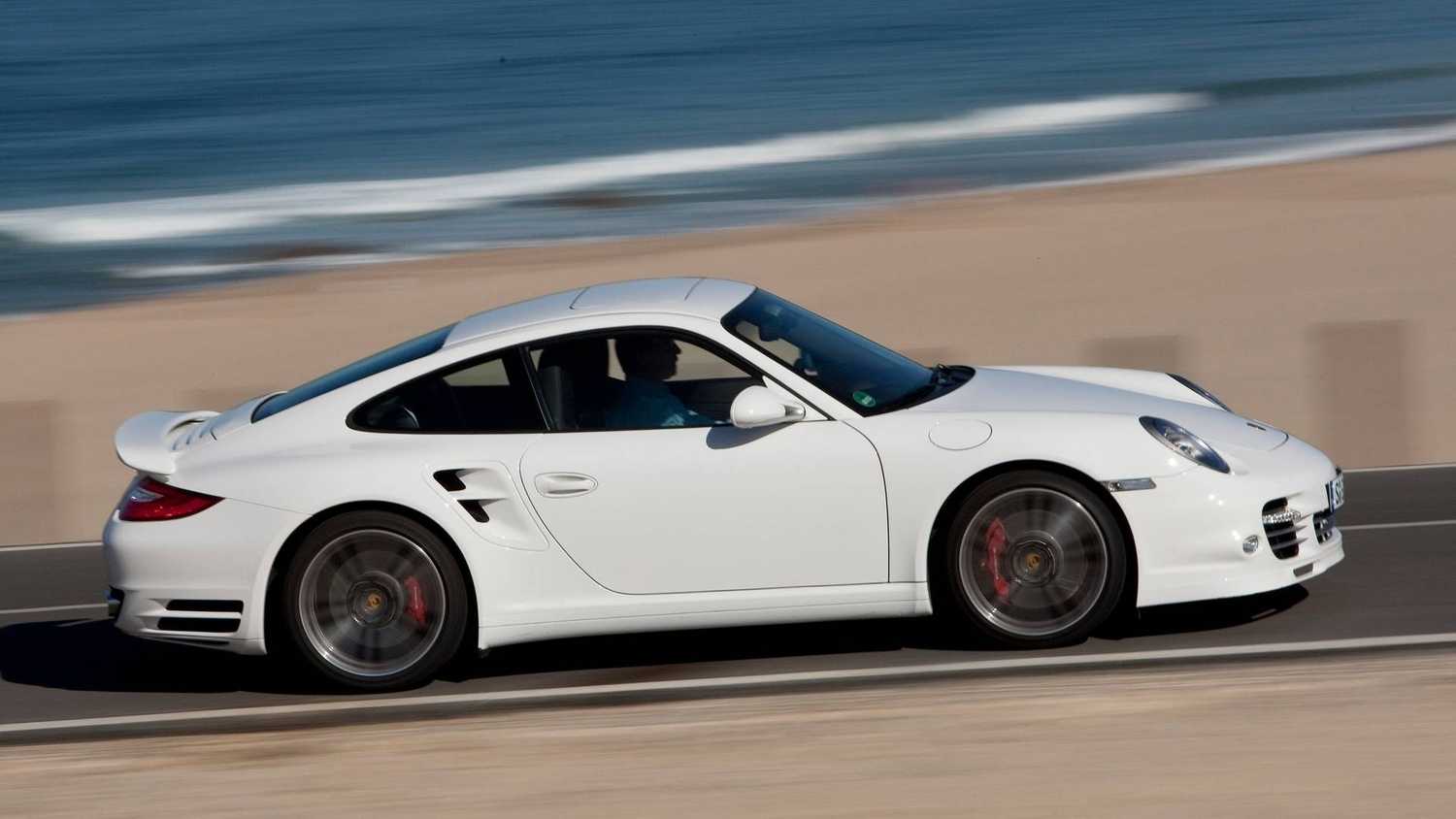
Porsche pairs this with rear torque vectoring on some trims, using brake-based intervention. That sharpens cornering rather than simply adding straight-line grip.
The result is AWD tuned specifically for performance, not just winter safety. It’s designed to help a car with well over 600 horsepower put that power down cleanly.
This system exists because rear-engine cars are naturally tail-happy under hard throttle. AWD here solves a genuine physics problem, not a marketing checkbox on a features list.
5. Toyota Land Cruiser (Full-Time 4WD with locking center diff)
The Land Cruiser uses a proper full-time four-wheel-drive system built around a Torsen or lockable center differential, depending on trim level. Both axles receive power continuously, not on demand. There’s no clutch pack sitting idle and waiting for wheel slip to occur first.
A low-range transfer case is standard equipment, giving serious torque multiplication for towing and off-road crawling. This is genuinely absent on nearly every crossover sold today. On upper trims, the center differential can be manually locked. That forces a true 50:50 split regardless of how much grip either axle actually has.
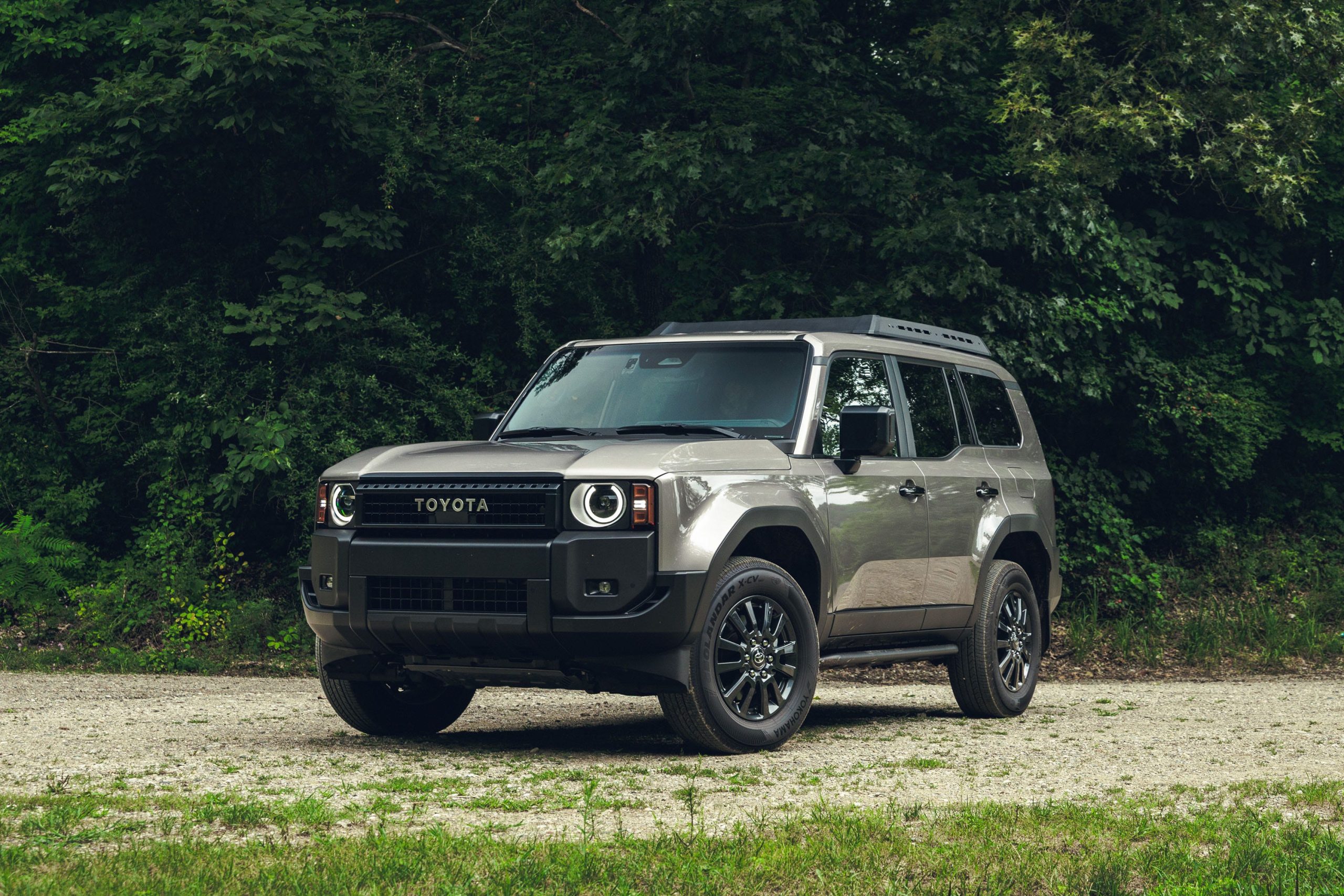
Toyota also adds Multi-Terrain Select and crawl control on higher trims. These modulate individual wheel braking to mimic a locking differential electronically when needed.
But the foundational hardware, historically solid axles, and permanent 4WD engagement remain mechanical first. Electronics assist the system rather than substitute for it.
This is why Land Cruisers have survived Sahara crossings and outback routes for decades running. The drivetrain was engineered around worst-case terrain, not wet parking lots.
5 Where It Is Marketing
The Honda CR-V’s Real Time AWD stays front-wheel drive until slip is detected, with noticeable lag. The Toyota RAV4 Hybrid’s AWD-i uses a separate electric motor with no mechanical link.
The Nissan Rogue and Chevrolet Equinox rely on reactive clutch packs, and the Kia Seltos/Hyundai Tucson’s HTRAC system only engages after front wheels lose grip.
1. Honda CR-V (Real Time AWD)
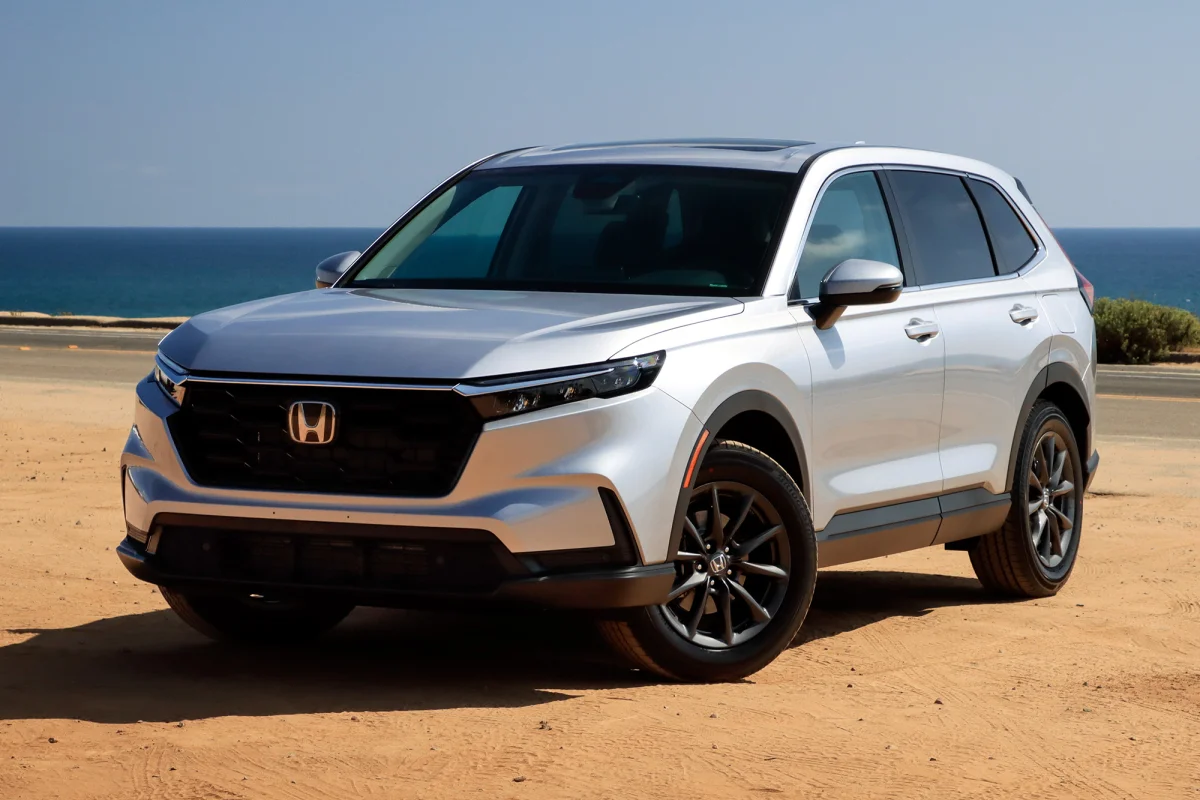
Despite the name, Real Time AWD is a front-wheel-drive system by default. The rear wheels stay disengaged entirely until slip is detected up front.
A multi-plate clutch sits inside the rear differential. Hydraulic pumps continuously monitor front-to-rear wheel speed differences as you drive. Only once that gap hits roughly 2 to 3 percent does the clutch actually engage. Power then transfers rearward, but with a noticeable, well-documented lag.
Owners have long reported a delay before the rear wheels contribute anything meaningful. In a genuinely all-wheel-drive car, that delay simply wouldn’t exist.
This design exists for fuel economy, not outright capability. Running front-wheel drive most of the time reduces drivetrain friction and improves gas mileage.
That’s a reasonable engineering tradeoff for a commuter SUV. But it means the CR-V behaves like a front-driver with a safety net, not a true four-wheel system.
There’s no low range, no locking differential, and no meaningful torque sent rearward until you’re already losing grip up front. It’s traction insurance, not traction by design.
2. Toyota RAV4 Hybrid (AWD-i)
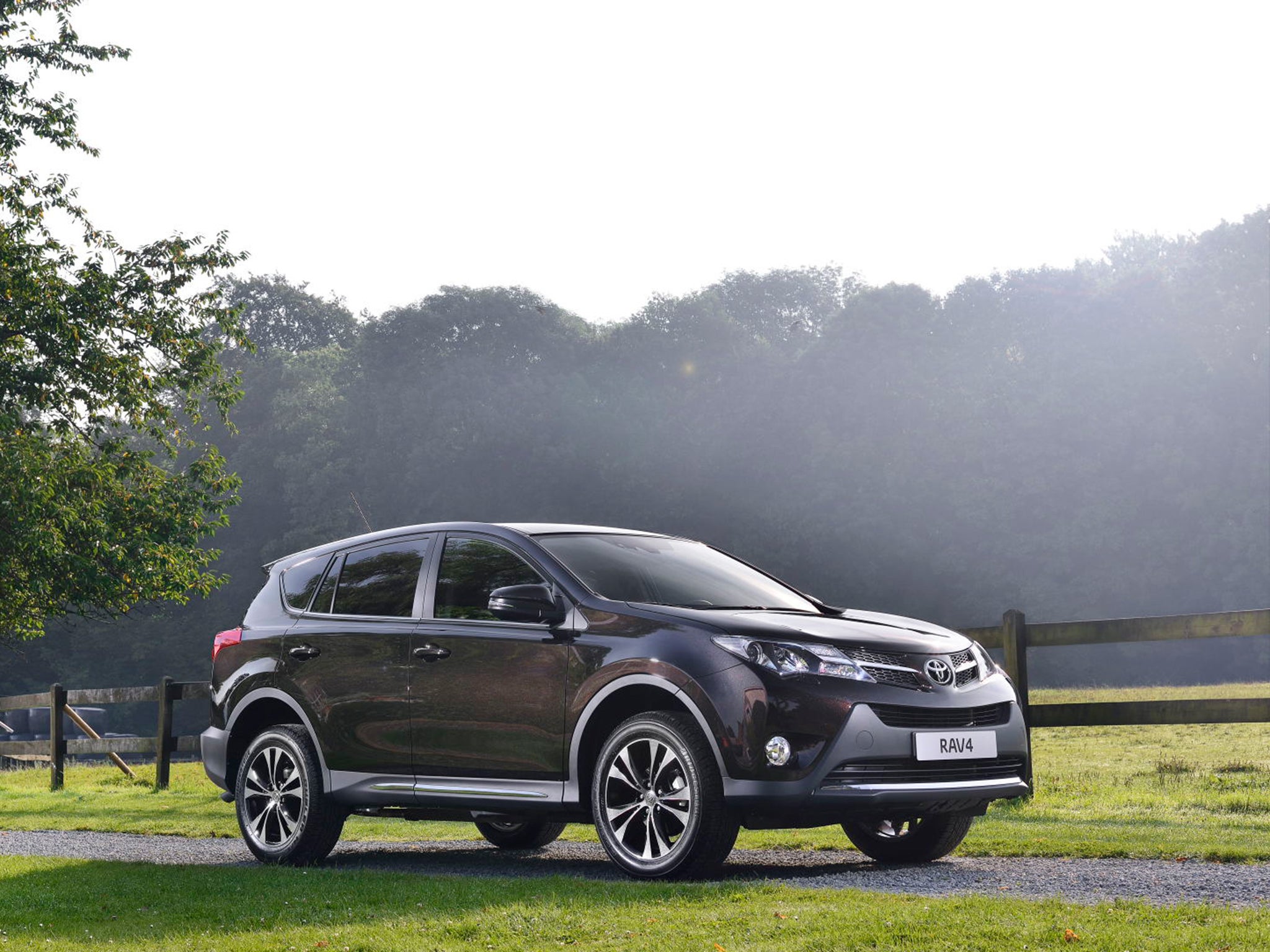
The RAV4 Hybrid’s AWD-i system has no mechanical connection between the front and rear axles whatsoever. Instead, a separate electric motor drives the rear wheels independently. It only activates when the computer decides extra grip is actually needed.
Toyota states this setup can send up to 30 percent of torque rearward. But that torque comes from a small electric motor, not the gas engine itself.
There’s no driveshaft, no center differential, and no permanent mechanical link between front and rear. It’s electronically summoned power, not a constant connection.
Compare that to the RAV4’s own Dynamic Torque Vectoring AWD, offered on gas-only Adventure and Limited trims. That version uses a real rear differential with dual clutches and can send up to 50 percent of engine torque back.
The hybrid’s setup is a much lighter-duty system marketed under the exact same “AWD” umbrella. Most buyers never actually learn the difference between the two. It works fine for light snow and wet roads day to day. But calling it equivalent to a mechanical AWD system stretches the definition considerably.
3. Nissan Rogue (Intelligent AWD)
The Rogue’s AWD system runs front-wheel drive by default, with a clutch pack that distributes power rearward electronically when called on. Nissan calls it “Intelligent AWD” and pairs it with a five-mode drive selector. That branding suggests more built-in capability than the hardware actually delivers.
There’s no low range available. There’s no locking differential on either axle. The system exists to redistribute torque during slip or aggressive cornering, using sensors and clutch engagement rather than a permanent mechanical center differential. It’s reactive engineering wrapped in proactive-sounding language.
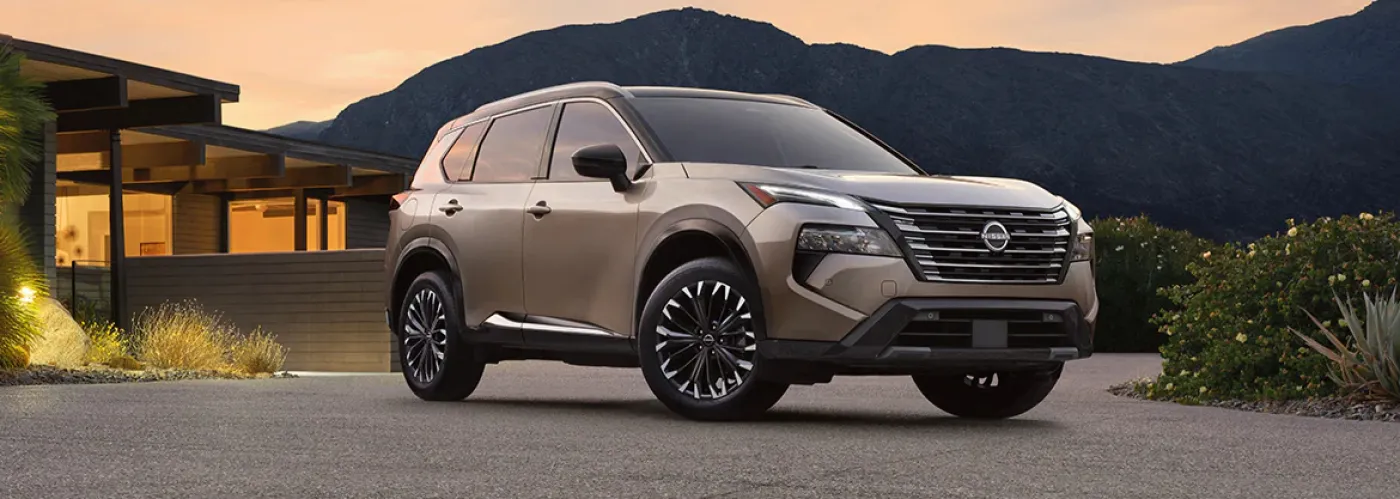
Nissan’s marketing leans heavily on phrases like “adapts to road conditions in real time.” In practice, that means the same slip-triggered clutch logic most compact crossovers already use.
It’s genuinely useful for rain, light snow, and gravel driveways. It is not built for serious off-roading or towing through sustained low-traction terrain.
The gap between the name and the actual hardware is exactly the pattern buyers should watch for. “Intelligent” doesn’t automatically mean mechanically committed.
4. Chevrolet Equinox (AWD with electronic disconnect)
The Equinox’s AWD system defaults to front-wheel drive under most everyday conditions. A twin-clutch rear differential fully decouples at highway speed to save fuel.
That means for long stretches of steady-state driving, the rear axle contributes nothing at all. It physically disconnects to reduce drag and improve mileage numbers.
When conditions call for it, the system re-engages the rear clutch pack quickly. Response time is decent by segment standards, but the process is still fundamentally reactive.
There’s no low-range gearing, no locking differential, and no permanent torque split maintained at all times. The system is tuned entirely around fuel economy first, traction second.
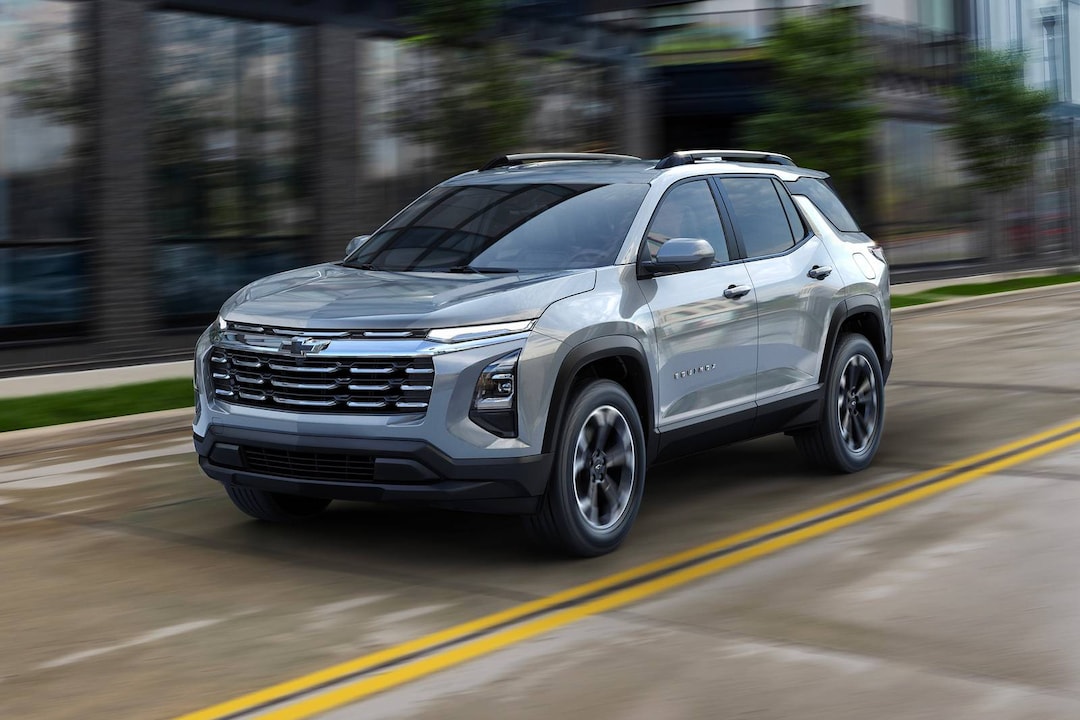
GM markets this the same way most compact SUV makers do, framing it as all-weather security for daily driving. That’s actually a fair description of its real job.
It’s not designed, and was never intended, to replace a genuine four-wheel-drive system. It’s a wet-road and light-snow tool wearing AWD branding on the window sticker.
5. Kia Seltos / Hyundai Tucson (HTRAC and equivalent clutch-based AWD)
Hyundai and Kia’s compact crossovers use variations of a front-biased electronic clutch system, broadly similar in concept to Honda’s and Nissan’s setups.
Under normal conditions, torque runs almost entirely to the front wheels. A multi-plate clutch sends power rearward only once sensors detect reduced front-axle traction.
These systems typically max out around a 50:50 split under slip conditions, which sounds capable on paper. But getting there requires the front wheels to already be struggling for grip.
There’s no mechanical center differential maintaining a constant, permanent split. There’s no low range available for genuinely difficult terrain.
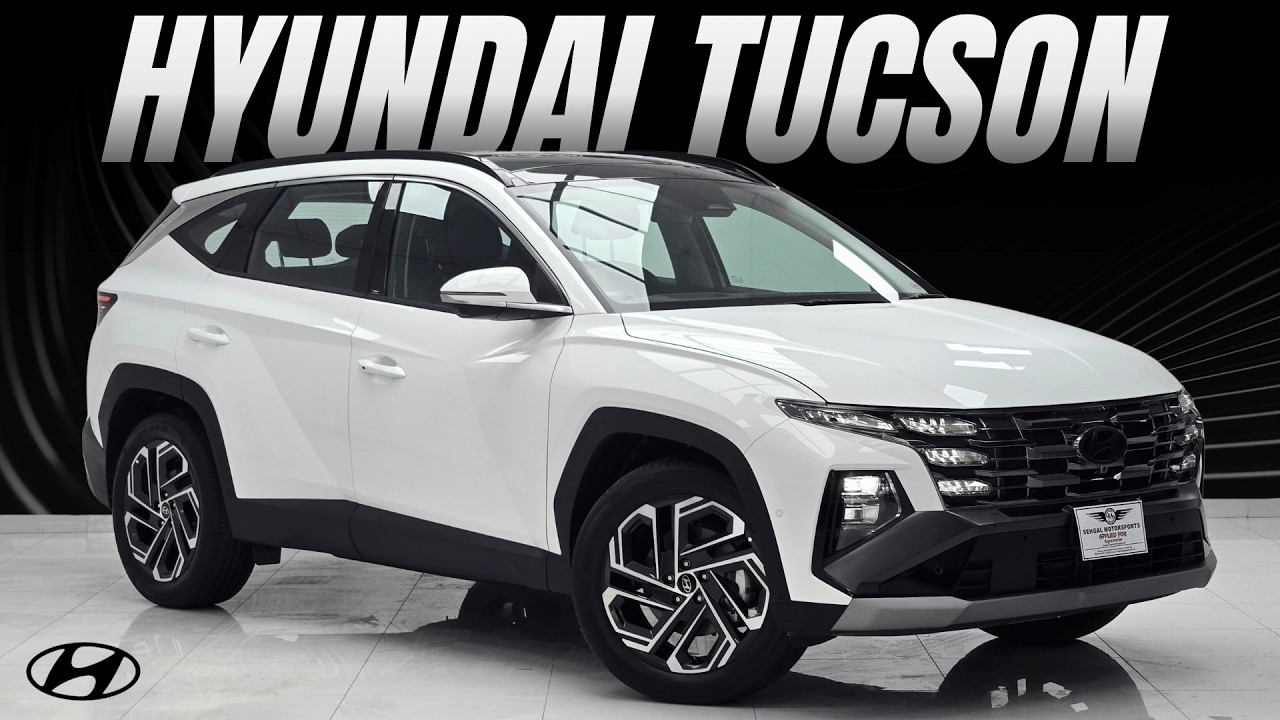
Marketing materials often show these vehicles climbing snowy inclines or crossing gravel trails. The imagery implies far more off-road ability than the underlying hardware actually supports. In fairness, these systems do meaningfully improve traction over a comparable front-wheel-drive model. They’re not useless by any stretch.
But they’re tuned for slick pavement and light snow commuting, not backroads or sustained low-traction driving. The “AWD” badge here really functions as shorthand for “traction assist,” not a true four-wheel-drive system in the traditional mechanical sense.
