
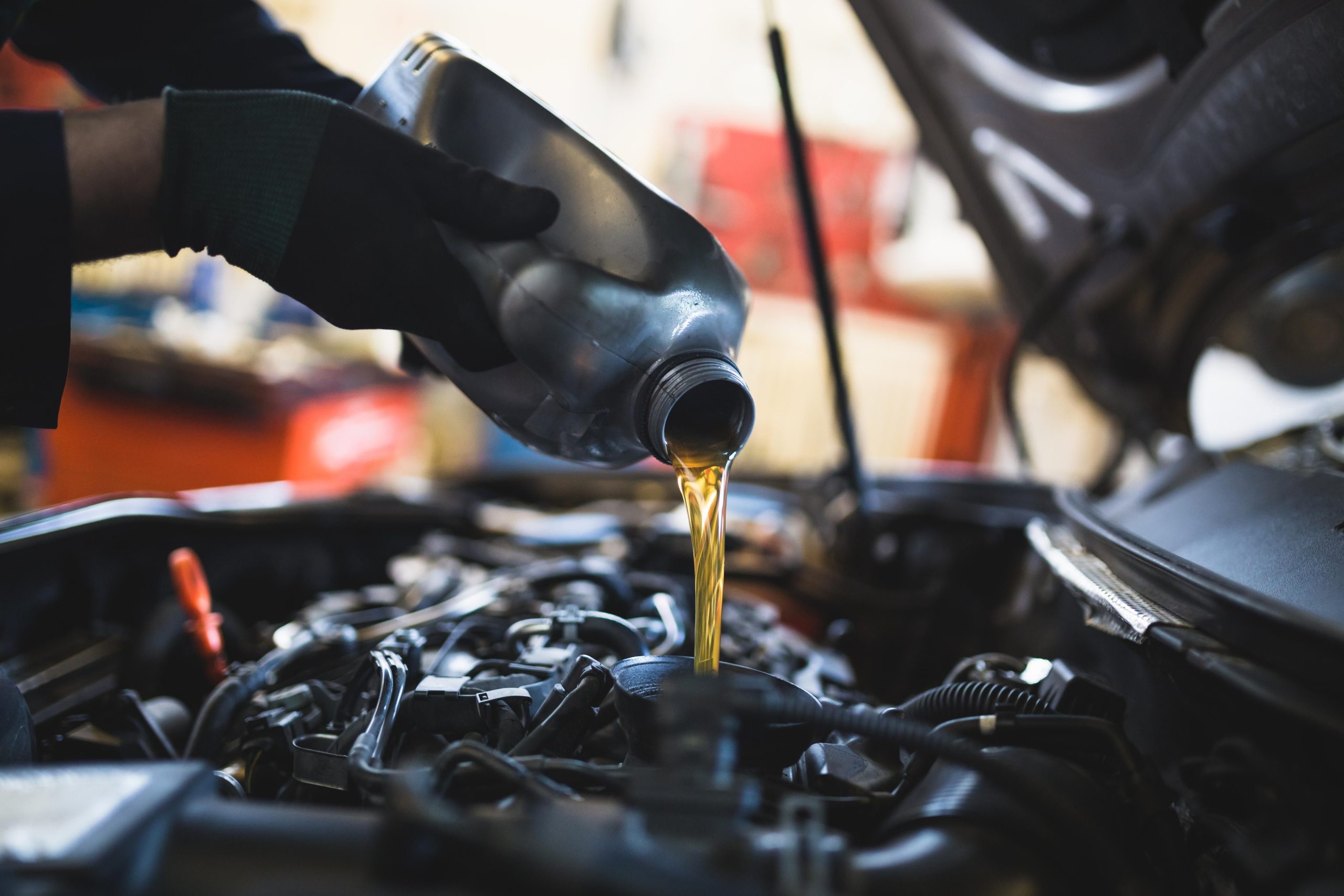
Choosing the right motor oil is one of the most overlooked decisions car owners make. It directly affects engine longevity and performance. Cheap oil can lead to sludge buildup over time. Premium oil can extend engine life by thousands of miles.
America’s oil market includes both legacy giants and specialty formulators. Some brands lean on decades of racing pedigree. Others built their reputation through synthetic chemistry innovation. This ranking looks at additive packages, certification standards, and real-world performance data.
Each brand below has been evaluated on API and ILSAC ratings. Viscosity range availability matters too. So does documented performance in extreme temperatures and high-mileage engines. The list favors companies with transparent formulation practices. Marketing claims alone were not enough to earn a spot here.
Whether you drive a work truck or a daily commuter, oil choice shapes engine health. This ranking should help narrow that decision. It’s based on chemistry, not just brand recognition.
1. Mobil 1
Mobil 1 remains the benchmark for full synthetic motor oil in the United States. ExxonMobil developed the brand’s PurePlus Technology using natural gas as a base stock. This process yields a purer base oil than traditional crude refining.
The Extended Performance line carries a 20,000-mile change interval claim. Independent lab testing has generally supported oil integrity up to 15,000 miles. Mobil 1 also holds Dexos1 Gen 3 approval for GM vehicles. This certification requires stricter deposit control than older API standards.
Mobil 1’s Annual Protection formula specifically targets low-mileage seasonal drivers. It’s designed for vehicles parked for extended periods. The oil resists chemical breakdown even when the engine sits idle. This addresses a common problem with classic car and RV owners.
Racing heritage plays a real role in Mobil 1’s formulation research. The brand supplies oil to Porsche Motorsport and NASCAR teams. Data from track conditions feeds back into consumer product development. Extreme heat tolerance testing happens well above typical street conditions.
Mobil 1’s viscosity lineup spans from 0W-16 to 15W-50. This range covers nearly every gasoline engine on American roads. The 0W-16 grade specifically supports newer fuel-efficiency-focused engine designs. Toyota and Honda both recommend this thinner grade for select models.
Price positions Mobil 1 in the premium synthetic tier. It typically costs more than store-brand synthetics. Independent oil analysis services frequently rank it among top performers for wear metal control.
2. Valvoline
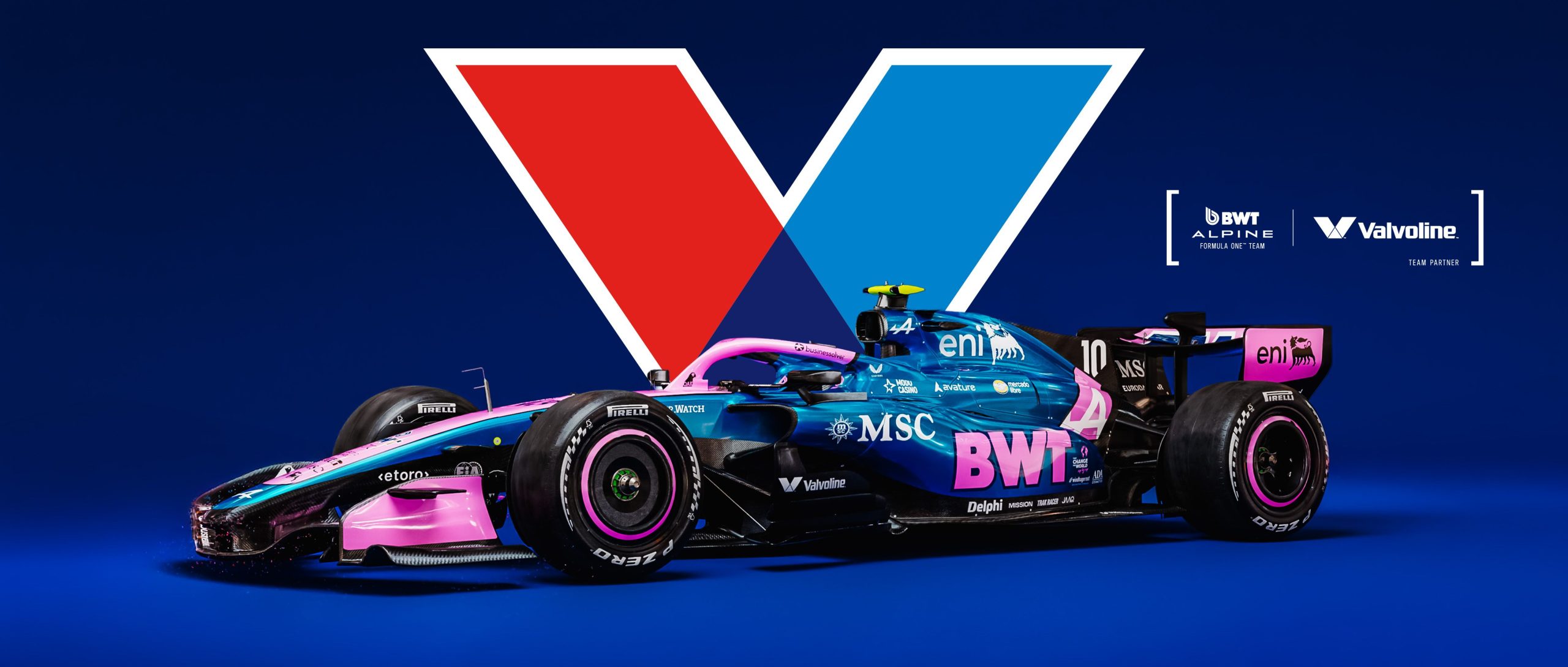
Valvoline holds the distinction of being America’s second-oldest oil brand still in operation. The company traces its founding back to 1866. Its longevity comes from consistent reinvestment in additive chemistry research.
The Restore & Protect line targets engines with existing wear. It contains a higher concentration of anti-wear additives than standard formulas. This formula aims to reduce friction in engines already showing mileage-related stress. Valvoline markets this specifically toward vehicles over 75,000 miles.
Valvoline’s High Mileage synthetic blend includes seal conditioners. These additives target rubber gaskets that shrink with age. Older engines often develop minor leaks from hardened seals. The conditioners work to restore some flexibility to these components.
The brand operates over 1,800 Valvoline Instant Oil Change locations nationwide. This service network gives it a distribution advantage over lab-only competitors. Consumers can access professional application alongside retail purchase. Few oil brands maintain this scale of direct service infrastructure.
Valvoline discontinued its own base oil refining operations in 2023. It now sources base stocks from third-party synthetic producers. This shift mirrors industry consolidation trends among traditional oil manufacturers. Formulation control remains in-house despite the refining change.
API SP and ILSAC GF-6 certifications cover Valvoline’s current full synthetic lineup. These standards address low-speed pre-ignition prevention in turbocharged engines. This issue became a documented problem in modern direct-injection engines.
3. Castrol
Castrol built its American reputation through Formula One and endurance racing partnerships. The brand’s Edge line uses Fluid Titanium Technology. This process adds titanium compounds to strengthen the oil film under pressure.
Independent testing organizations have measured Castrol Edge’s film strength under simulated engine loads. Results generally show reduced metal-on-metal contact during high-stress conditions. This matters most in turbocharged and high-revving performance engines. Titanium reinforcement helps the oil resist shearing at extreme pressure points.
Castrol GTX serves as the brand’s conventional and semi-synthetic entry point. It targets budget-conscious owners of older vehicles. The formula includes what Castrol calls Double Action Formula additives. These work to clean existing sludge while preventing new deposit formation.
The company’s UK origins trace back to 1899 under founder Charles Cheers Wakefield. American operations expanded significantly after BP’s acquisition of the brand. BP’s ownership brought expanded refining capacity to Castrol’s supply chain. This vertical integration helps control base oil quality consistency.
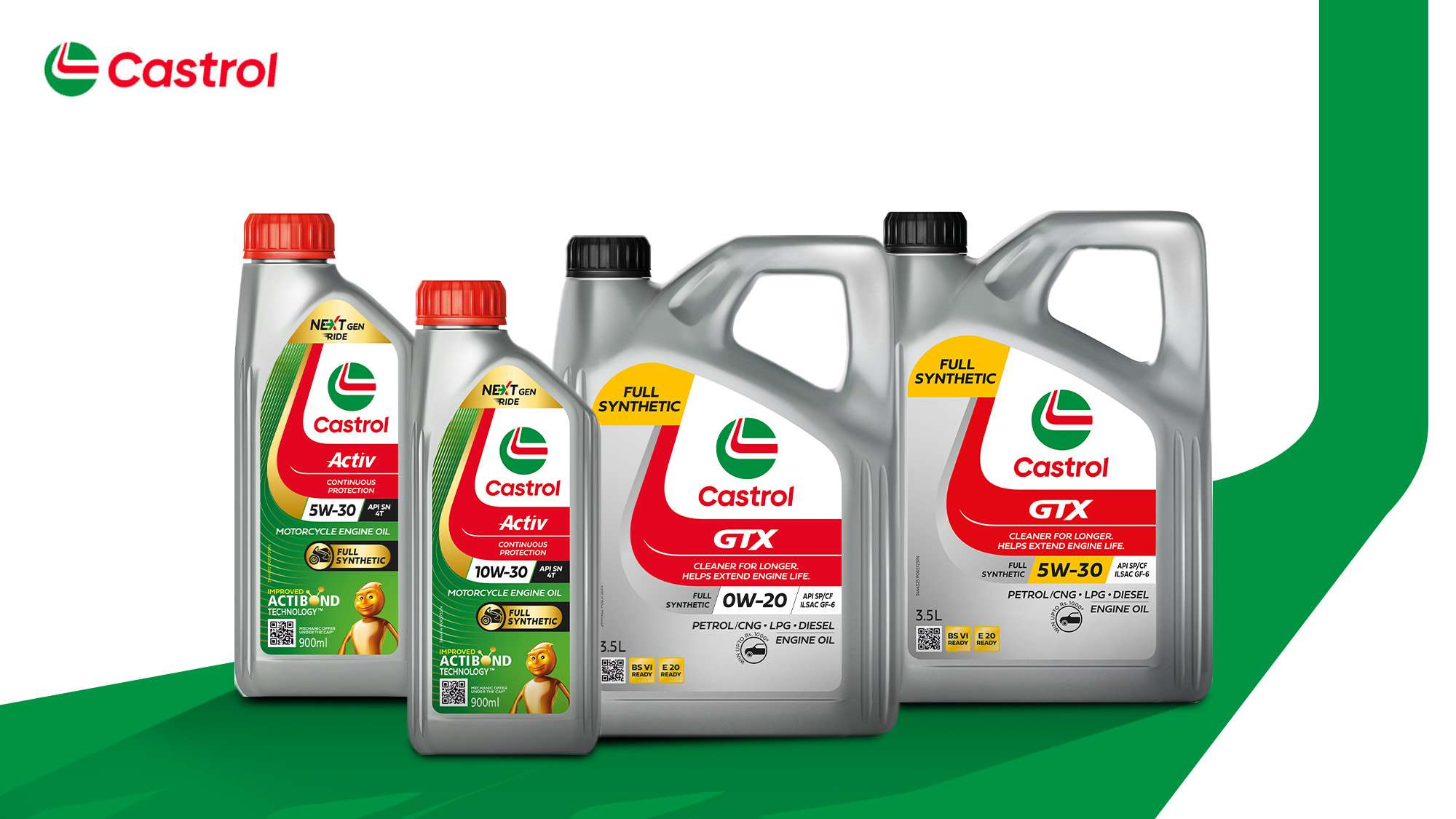
Castrol Edge Extended Performance carries API SP certification alongside a 20,000-mile interval claim. This matches Mobil 1’s extended-life positioning directly. The two brands compete closely in the premium synthetic segment. Both target enthusiast and high-performance vehicle owners specifically.
Availability spans nearly every major auto parts retailer in America. Castrol’s retail footprint rivals Valvoline and Mobil 1 combined. This makes it one of the more accessible premium synthetic options.
4. Pennzoil
Pennzoil differentiates itself through PurePlus natural gas-to-liquid base oil technology. This process is licensed and shared with sister brand Shell. The technology converts natural gas into a synthetic base stock. Pennzoil claims this yields fewer impurities than crude-derived alternatives.
The Platinum and Ultra Platinum lines target increasingly demanding engine specifications. Ultra Platinum specifically markets itself around keeping pistons cleaner. Independent piston deposit testing has shown measurable cleanliness advantages in controlled trials. This matters for direct-injection engines prone to carbon buildup.
Pennzoil’s racing involvement centers heavily on NASCAR and NHRA drag racing. The brand has sponsored teams for multiple decades running. This differs from Mobil 1’s road-racing focus internationally. Domestic motorsport marketing shapes much of Pennzoil’s brand identity.
Shell’s ownership of Pennzoil dates back to the 2002 acquisition. This merger combined two major American refining histories under one parent. Base oil production now happens at shared Shell-Pennzoil facilities. Quality control processes are largely unified across both brands.
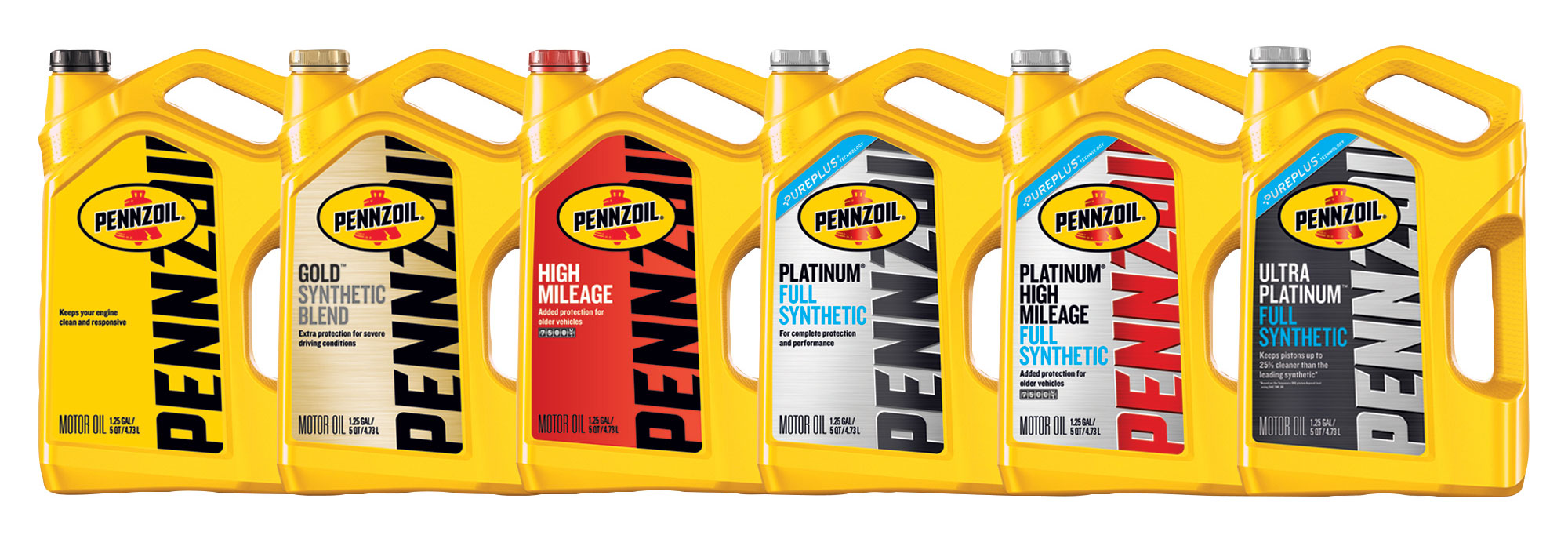
Pennzoil High Mileage Vehicle formula adds seal conditioners similar to competitor offerings. It targets the growing population of vehicles exceeding 75,000 miles. This segment represents a significant and expanding portion of the American vehicle fleet.
API SP and Dexos1 Gen 3 certifications appear across Pennzoil’s synthetic range. Viscosity options span from 0W-20 to 5W-40. This covers most gasoline passenger vehicles sold domestically today.
5. Royal Purple
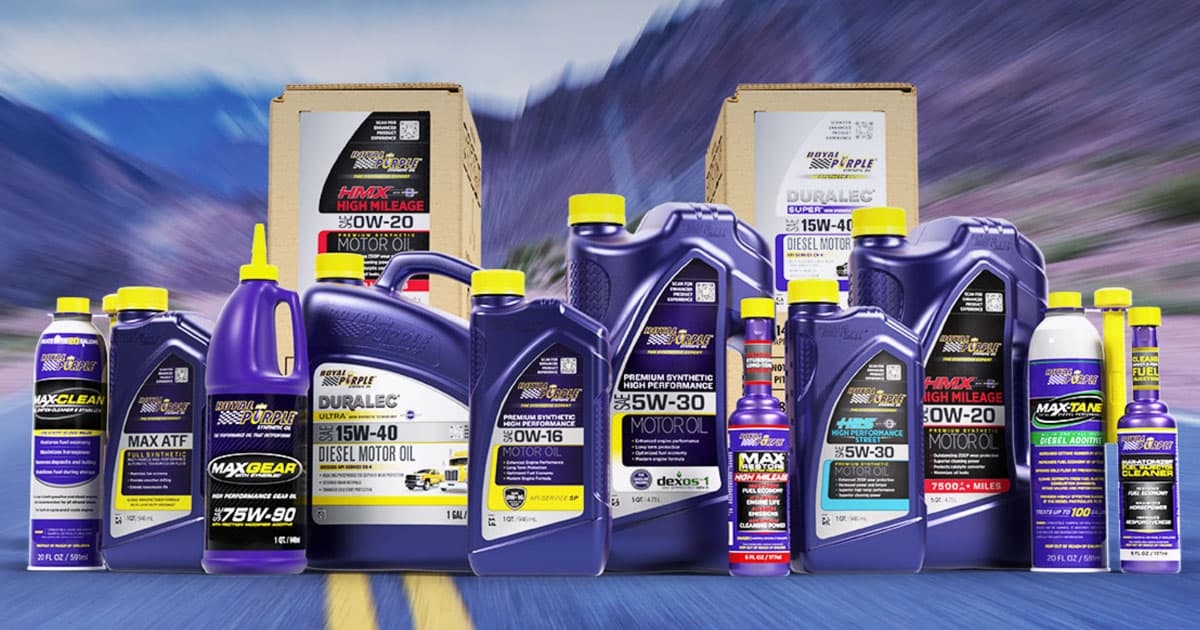
Royal Purple positions itself specifically toward performance and racing applications. The company was founded in 1986 in Porter, Texas. Its proprietary Synerlec additive technology is the brand’s central selling point.
Synerlec is described by the company as a synthesized ester-based formula. It aims to bond to metal surfaces at a molecular level. This creates what Royal Purple calls a slicker, more durable film layer. Dyno testing commissioned by the brand has shown modest horsepower gains in some engines.
The API Motor Oil Guide does not currently license Royal Purple’s High Performance line under standard API service categories. This is a deliberate brand choice rather than a certification failure. Royal Purple markets these products for racing and off-highway use specifically. Its API-licensed street formulas exist as a separate product line.
Royal Purple’s Max Life line targets standard passenger vehicles instead. This formula does carry full API SN Plus and ILSAC GF-6 certification. It’s positioned as the everyday-driver counterpart to the racing-focused product line.
The brand built its reputation initially through industrial lubricant manufacturing. Automotive oil came later as a market expansion. This industrial background shaped Royal Purple’s heavy emphasis on extreme-pressure additive chemistry.
Distribution skews toward specialty performance retailers more than mass-market chains. Enthusiast and racing communities represent Royal Purple’s core customer base. This narrower focus differentiates it from broadly marketed competitors on this list.
6. AMSOIL
AMSOIL claims the title of America’s first API-licensed synthetic motor oil producer. The company introduced its synthetic formula in 1972. This predates Mobil 1’s synthetic launch by several years.
The Signature Series line advertises a 25,000-mile change interval under normal conditions. This exceeds even Mobil 1’s extended-performance claims by a notable margin. AMSOIL supports this claim through its own oil analysis laboratory data. The company operates AMSOIL Test Labs to track long-term formula performance.
AMSOIL sells primarily through a direct dealer network rather than retail shelves. This distribution model differs sharply from Valvoline or Pennzoil’s mass-market approach. Customers often order online or through independent AMSOIL dealers directly. Retail availability exists but remains more limited than major competitors.
The company’s Dominator racing line targets professional motorsport applications specifically. It’s formulated without the mileage-extension focus of consumer products. Racing formulas prioritize shear stability under sustained high RPM conditions instead.
AMSOIL manufactures its own base oils at a Wisconsin production facility. This vertical control differs from brands that outsource base stock production. In-house manufacturing lets the company adjust formulations more directly. Fewer supply chain intermediaries are involved in the final product.
API SP, ILSAC GF-6, and Dexos1 Gen 3 certifications cover AMSOIL’s mainstream synthetic lineup. Viscosity grades span common ranges from 0W-20 through 5W-40 for passenger vehicles.
7. Liqui Moly
Liqui Moly brings a distinctly European formulation approach to the American market. The company was founded in Germany in 1957. Its molybdenum disulfide additive technology became a signature ingredient early on.
Molybdenum disulfide, sold under the MoS2 branding, bonds to metal surfaces under pressure. It creates a secondary protective layer beyond the base oil film. This technology originated in Liqui Moly’s earliest product formulations decades ago. It remains present in select modern product lines today.
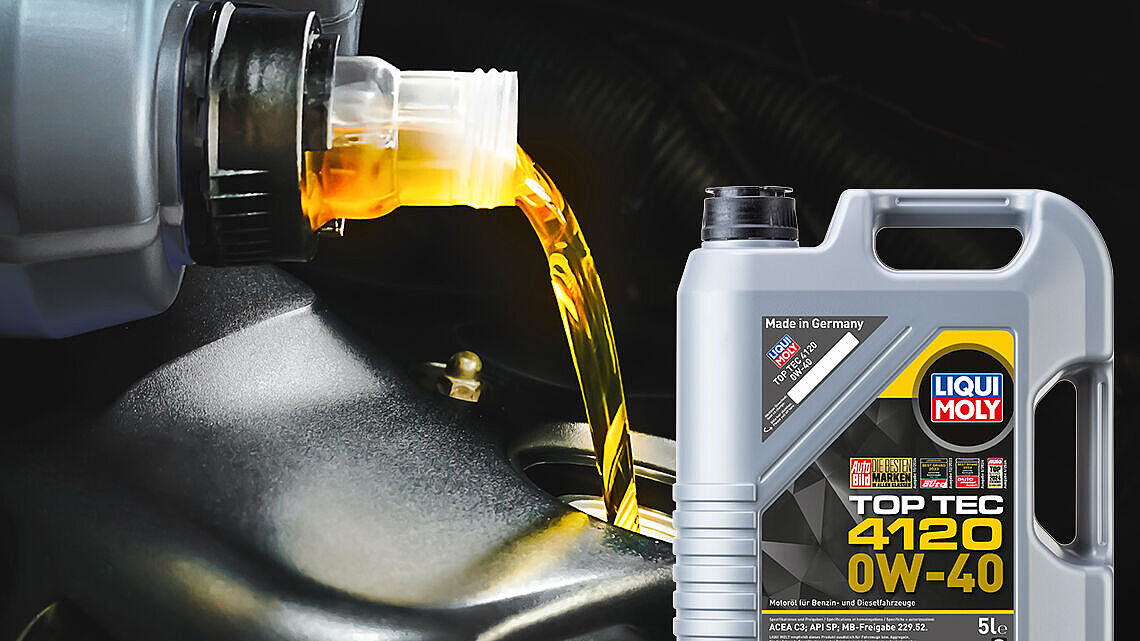
The brand’s Leichtlauf line targets European vehicle specifications specifically. Formulas meet manufacturer-specific approvals from BMW, Mercedes-Benz, and Volkswagen directly. These approvals often exceed generic API certification requirements in testing rigor. European manufacturers typically mandate stricter deposit and volatility limits.
Liqui Moly expanded its American distribution meaningfully over the past decade. Import vehicle owners represent a significant portion of its domestic customer base. Specialty European auto parts retailers stock the brand more consistently than general chains.
Manufacturing remains centralized primarily at German production facilities. This differs from domestically manufactured competitors on this ranking. Import logistics can affect pricing and availability compared to American-made alternatives.
API SN certification appears alongside European ACEA ratings on many Liqui Moly products. Viscosity options include grades less common among American-focused brands, such as 0W-30 and 5W-30 blends tuned for European engine tolerances.
8. Shell Rotella
Shell Rotella built its reputation specifically in heavy-duty diesel applications. The brand launched in 1955 targeting commercial trucking fleets. It has since expanded into passenger diesel and gasoline formulas.
Rotella T6 Full Synthetic remains the brand’s flagship diesel product. It carries API CK-4 certification for modern low-emission diesel engines. This standard addresses soot handling and oxidation resistance under sustained heavy loads. Fleet operators frequently cite extended drain intervals as a key purchase driver.
The brand shares PurePlus base oil technology with sister company Pennzoil. Both operate under Shell’s ownership umbrella following past corporate consolidation. This connection gives Rotella access to the same natural gas-to-liquid refining process.
Shell Rotella Gas Truck formula addresses a specific and growing market segment. Heavy-duty gasoline pickup trucks now represent significant sales volume domestically. This formula bridges Rotella’s diesel heritage with gasoline engine requirements directly.
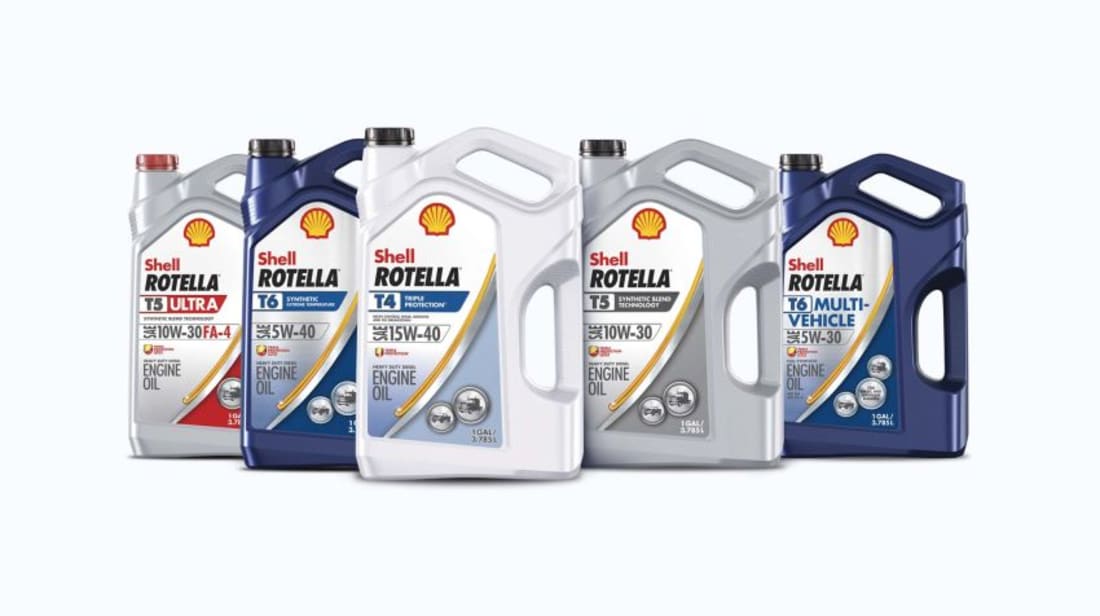
Commercial trucking fleets represent Rotella’s core historical customer base still today. Truck stops and commercial parts distributors stock the brand heavily as a result. Passenger vehicle availability has grown but remains secondary to diesel-focused retail placement.
API FA-4 certification appears on Rotella’s newer low-viscosity diesel formulas. This standard specifically targets fuel economy in modern diesel engine designs. It represents a departure from thicker traditional diesel oil viscosities.
9. Lucas Oil
Lucas Oil built its brand around a no-frills, ingredient-transparency marketing approach. The company was founded in 1989 in Corona, California. Its slogan emphasizes what the company calls a “no gimmicks” formulation philosophy.
The brand’s synthetic and conventional lines both emphasize zinc and phosphorus additive content. These anti-wear additives, known as ZDDP, matter significantly for older flat-tappet engines. Modern low-ZDDP formulas can accelerate cam lobe wear in pre-1990s engine designs. Lucas Oil markets specific formulas that retain higher ZDDP levels for this reason.
Lucas Oil Stabilizer represents a distinct product category from standard motor oil. It’s designed as an additive poured alongside existing oil. The stabilizer aims to reduce oil consumption in engines with worn piston rings. This product has built substantial brand loyalty among high-mileage vehicle owners specifically.
Motorsport sponsorship plays a major role in Lucas Oil’s marketing strategy. The company sponsors off-road racing and drag racing series extensively. Its name appears prominently across NHRA and Lucas Oil Off Road Racing Series events.
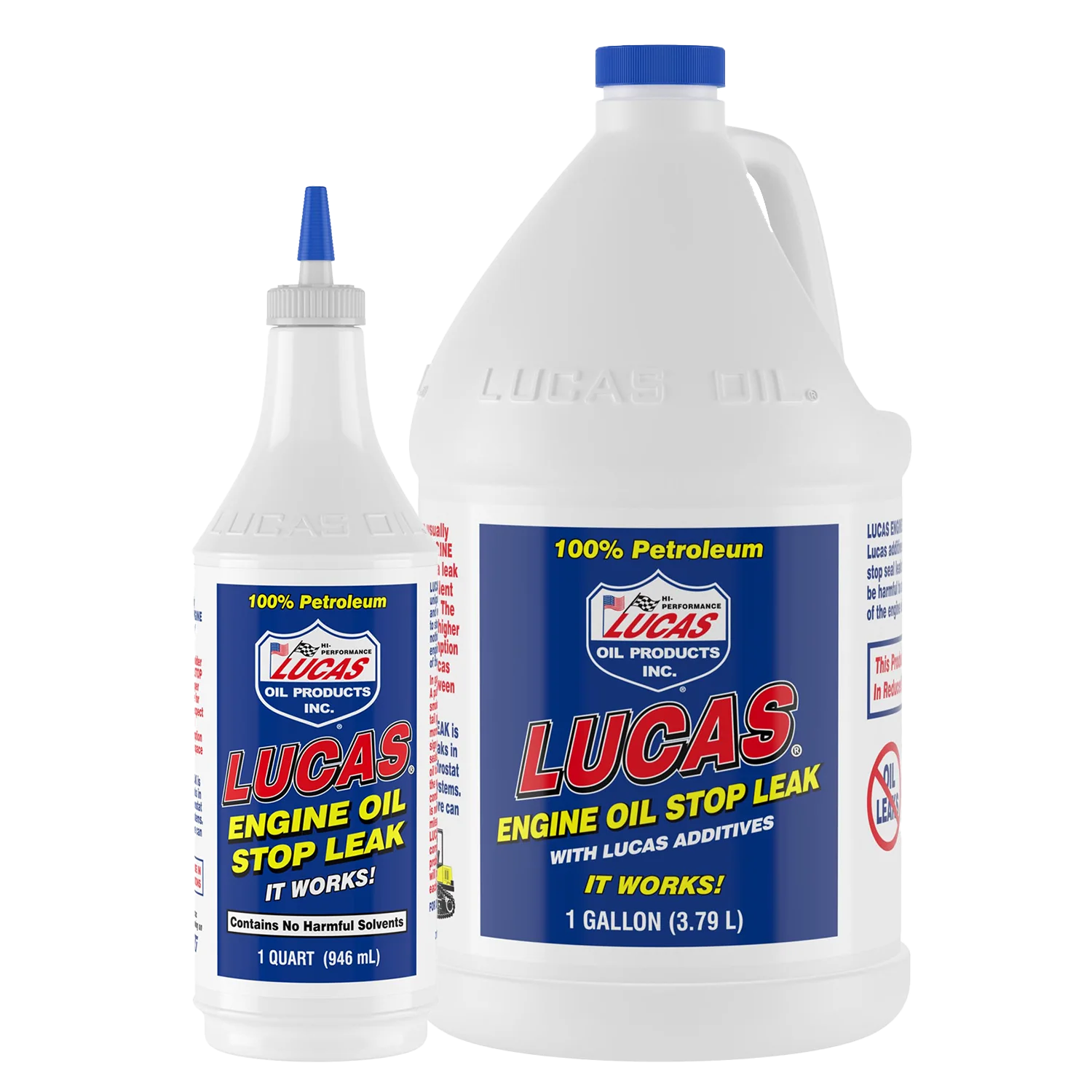
Manufacturing happens at domestic Lucas Oil facilities in California. The company maintains tighter control over production compared to brands using contract manufacturers. This ownership structure supports its transparency-focused marketing claims directly.
API SN and SP certifications cover Lucas Oil’s mainstream synthetic product lines currently. Classic car and hot rod communities remain a notably strong customer segment.
10. Red Line Synthetic Oil
Red Line closes this ranking as the most specialized, enthusiast-focused brand included. The company was founded in 1979 in Benicia, California. It builds its entire product line around ester-based synthetic chemistry.
Polyol ester base stocks form the foundation of Red Line’s formulations. These esters offer inherently strong lubricity without relying heavily on friction-modifier additives. This chemistry differs meaningfully from the polyalphaolefin base stocks common among mass-market competitors.
Red Line’s product catalog extends well beyond passenger car motor oil. The company manufactures specialized gear oil, two-stroke oil, and racing fuel additives. This breadth reflects its origins serving motorsport and aviation lubricant markets first. Passenger vehicle motor oil came later as a market expansion.
Independent oil analysis reports frequently note Red Line’s strong high-temperature viscosity retention. Ester chemistry resists thinning under sustained thermal stress better than some conventional synthetics. This makes it a common choice among track-day and autocross participants specifically.
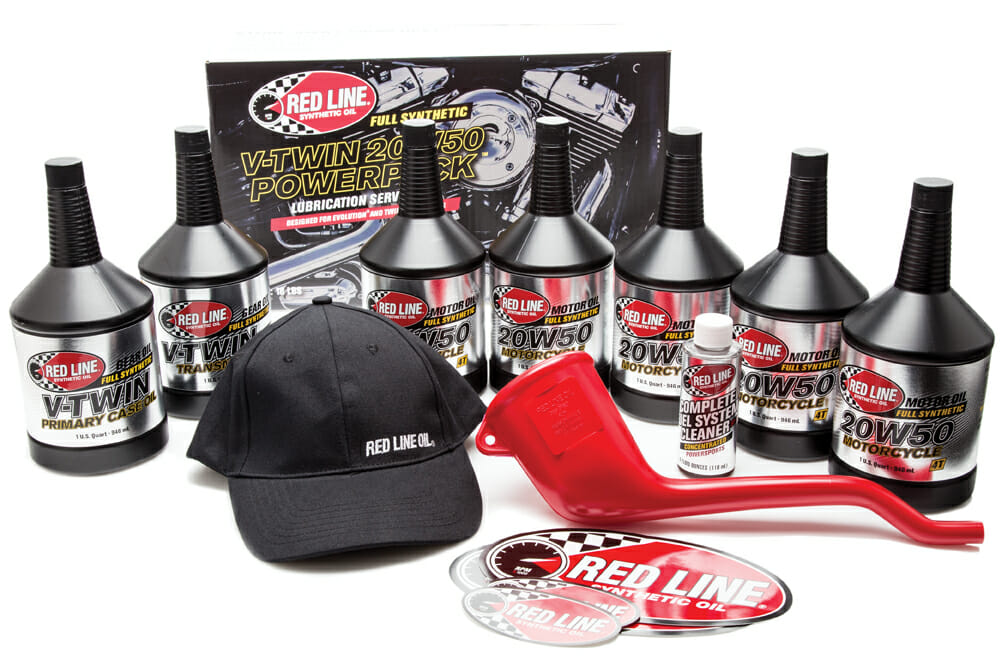
Distribution concentrates heavily through specialty performance and racing parts retailers. General mass-market retail presence remains limited compared to brands like Valvoline or Pennzoil. This narrower footprint keeps Red Line positioned as a premium, enthusiast-oriented choice.
API SN certification covers Red Line’s street-legal passenger car formulas. Pricing sits at the higher end of the synthetic oil market, reflecting its specialized ester-based formulation approach.
