
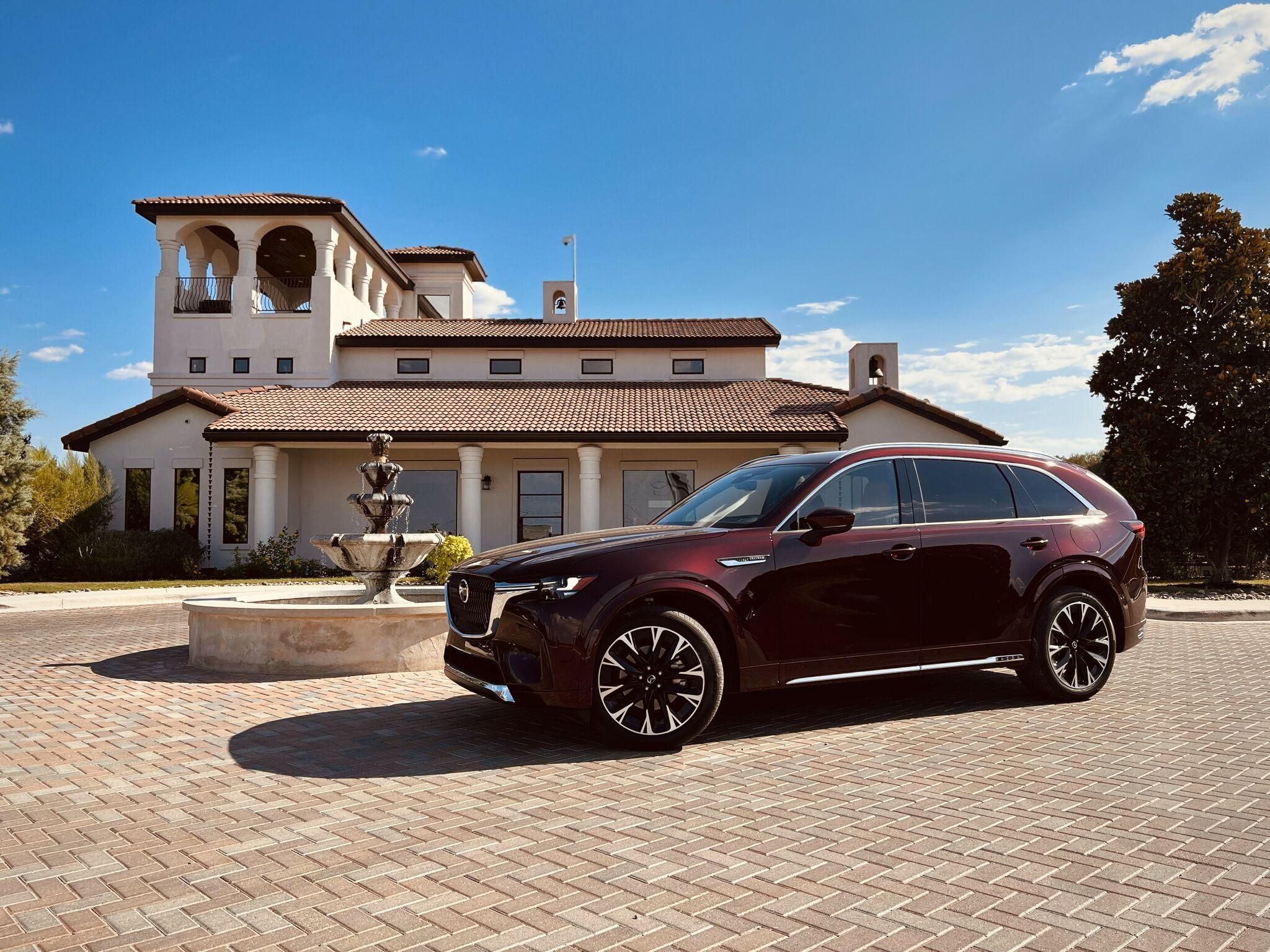
SUVs are playing a clever game right now. They’ve borrowed design cues once reserved for genuine luxury brands. Sculpted body lines, big touchscreens, and coupe-like rooflines used to signal a $50,000-plus price tag. That’s no longer true.
Mainstream automakers now build SUVs that photograph like premium products. A Buick Envista looks like a shrunken BMW X6. A Mazda CX-30 feels like a mini luxury crossover inside.
A Hyundai Tucson has a light signature bold enough to be mistaken for a Genesis. This list is built entirely on verified, current MSRP data from the U.S. market, as of September 2026. Every SUV here starts under $37,000.
Yet each one is regularly mistaken for something costing $10,000 to $20,000 more, whether because of its road presence, its cabin finish, or its brand halo. We’re not ranking these best-to-worst. We’re ranking them by how big the gap is between how expensive they look and what they actually cost.
1. Buick Envista – Starts at $26,495
The Buick Envista might have the single biggest looks-to-price gap in the entire U.S. market right now. Buick designed the Envista with a swooping, coupe-like roofline. Its silhouette echoes far pricier SUV coupes like the BMW X6 and Mercedes GLE Coupe.
Edmunds noted this directly, describing the Envista as looking and feeling like a considerably more expensive crossover than its sticker suggests. The front fascia uses a bold, low-slung grille with sharp LED lighting. Nothing about the exterior screams “entry-level.”
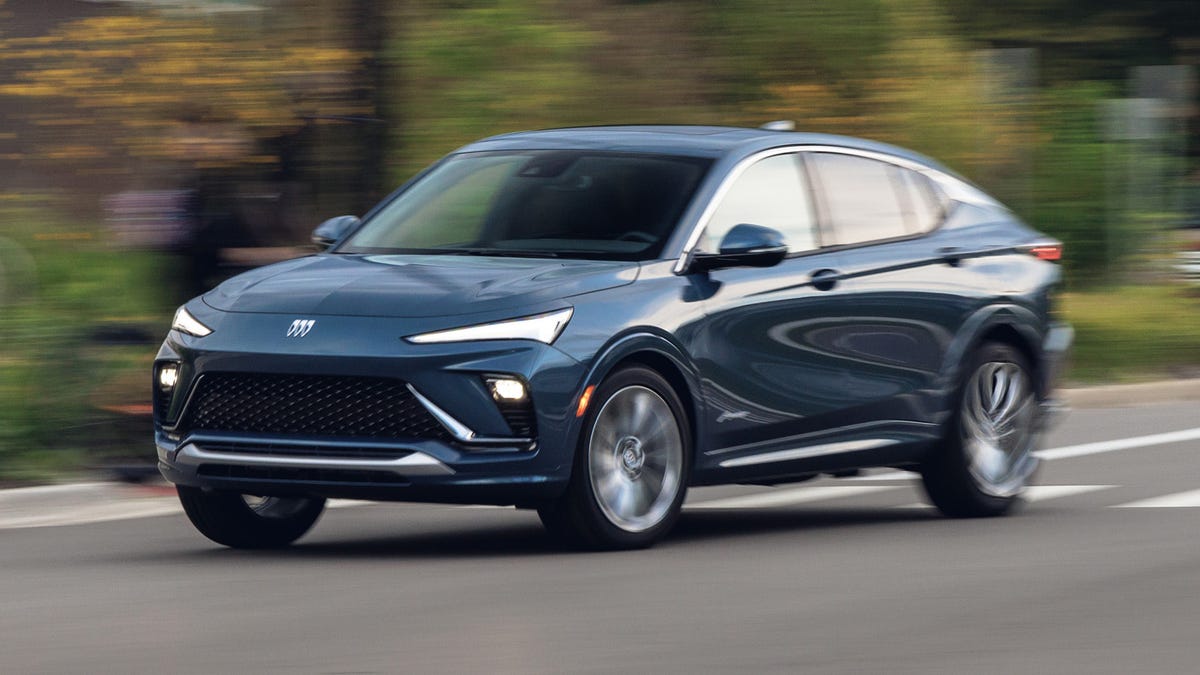
Inside, the cabin uses a wide horizontal infotainment display. It’s clean, uncluttered, and avoids the busy layouts common on budget SUVs. Cars.com pointed out the Envista brings the panache of pricier SUV coupes to the masses, at a base price far below those rivals.
Standard equipment includes Buick’s Driver Confidence suite. That means forward collision warning, automatic emergency braking, and lane departure alert come standard, not as pricey add-ons.
An Advanced Safety Package adds adaptive cruise control and blind-spot monitoring. This tech typically appears on cars costing $10,000 more. TrueCar’s review called the ride “calm and well-damped,” language usually reserved for luxury-brand test drives, not sub-$27,000 crossovers.
The trade-off is the engine. A 137-horsepower turbocharged three-cylinder isn’t quick, and all-wheel drive isn’t offered at all. For buyers who prioritize looks, calm cruising, and daily-driver ease over performance, that hardly matters.
The Envista wins on pure visual and material impact. At an average transaction price closer to $25,000 after typical discounts, it remains one of the smartest style-per-dollar buys in America today.
2. Mazda CX-30 – Starts at $25,975
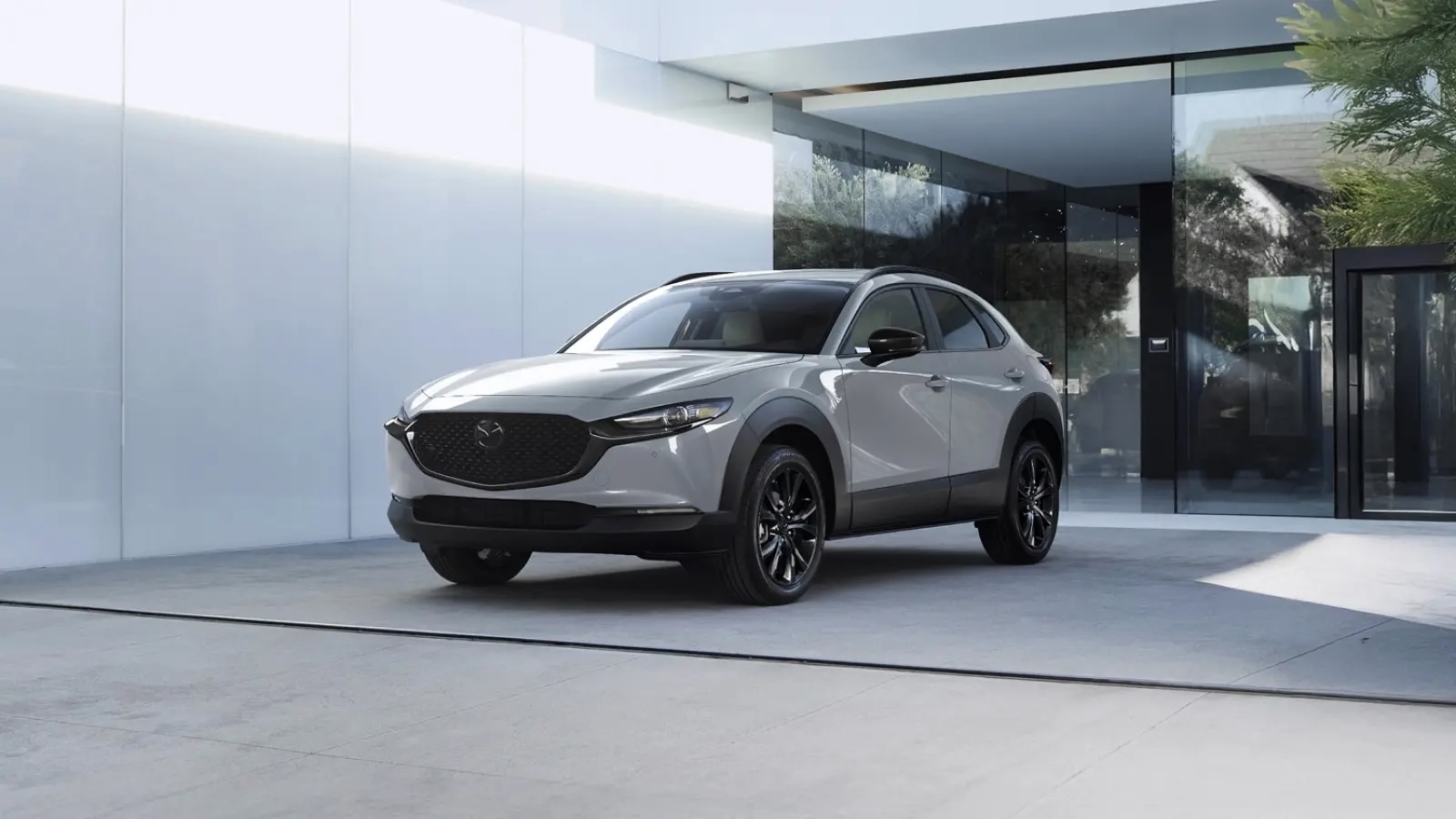
The Mazda CX-30 has quietly built a reputation as the class’s premium impostor. U.S. News specifically called its interior “suave and modern, with the look and feel of an entry-level luxury vehicle.”
That’s a remarkable claim for a subcompact SUV starting under $26,000. Yet reviewers keep repeating it. Mazda’s Kodo design language gives the CX-30 flowing body lines and minimal creases. It’s a deliberately understated look that mimics European design restraint rather than flashy chrome.
The cabin uses soft-touch materials and tightly stitched surfaces throughout. Edmunds noted the CX-30 has one of the quietest cabins in its class, lending it a genuinely upscale feel.
Standard all-wheel drive comes on every trim. That’s unusual at this price point, where most rivals charge extra or don’t offer it at all. Higher trims add a Bose premium sound system, a head-up display, and a 360-degree camera. These features typically appear on cars costing $8,000 to $10,000 more.
The available turbocharged engine produces 227 horsepower. That gives it genuine hot-hatch energy wrapped in SUV bodywork. TrueCar described the CX-30 as delivering a “mini-hot-hatch feel with SUV utility,” a combination rarely found this cheap.
Its main weakness is rear-seat and cargo space, which trails some rivals like the Taos. Mazda clearly prioritized driving feel and cabin polish over outright practicality.
For buyers cross-shopping the CX-30 against a $35,000-plus luxury subcompact, the comparison isn’t as lopsided as the price tags suggest. At roughly $25,975 to start, with most well-equipped trims landing near $29,000, the CX-30 remains one of the most convincing “looks expensive” SUVs on sale.
3. Mazda CX-5 – Starts at $29,990
The Mazda CX-5 takes everything that works on the CX-30 and applies it to a larger, more mainstream compact SUV body. Mazda’s design team gave the CX-5 a longer hood and a more assertive front grille. It reads as noticeably more substantial than its compact-SUV classification suggests.
Every trim comes standard with Mazda’s i-Activ all-wheel drive. Rivals like the Kia Sportage and Honda CR-V often reserve AWD for pricier trims. Whitten Mazda’s dealer comparison directly noted the CX-5 offers more high-end features than the similarly priced Sportage, including leather upholstery and a premium sound system on higher trims.
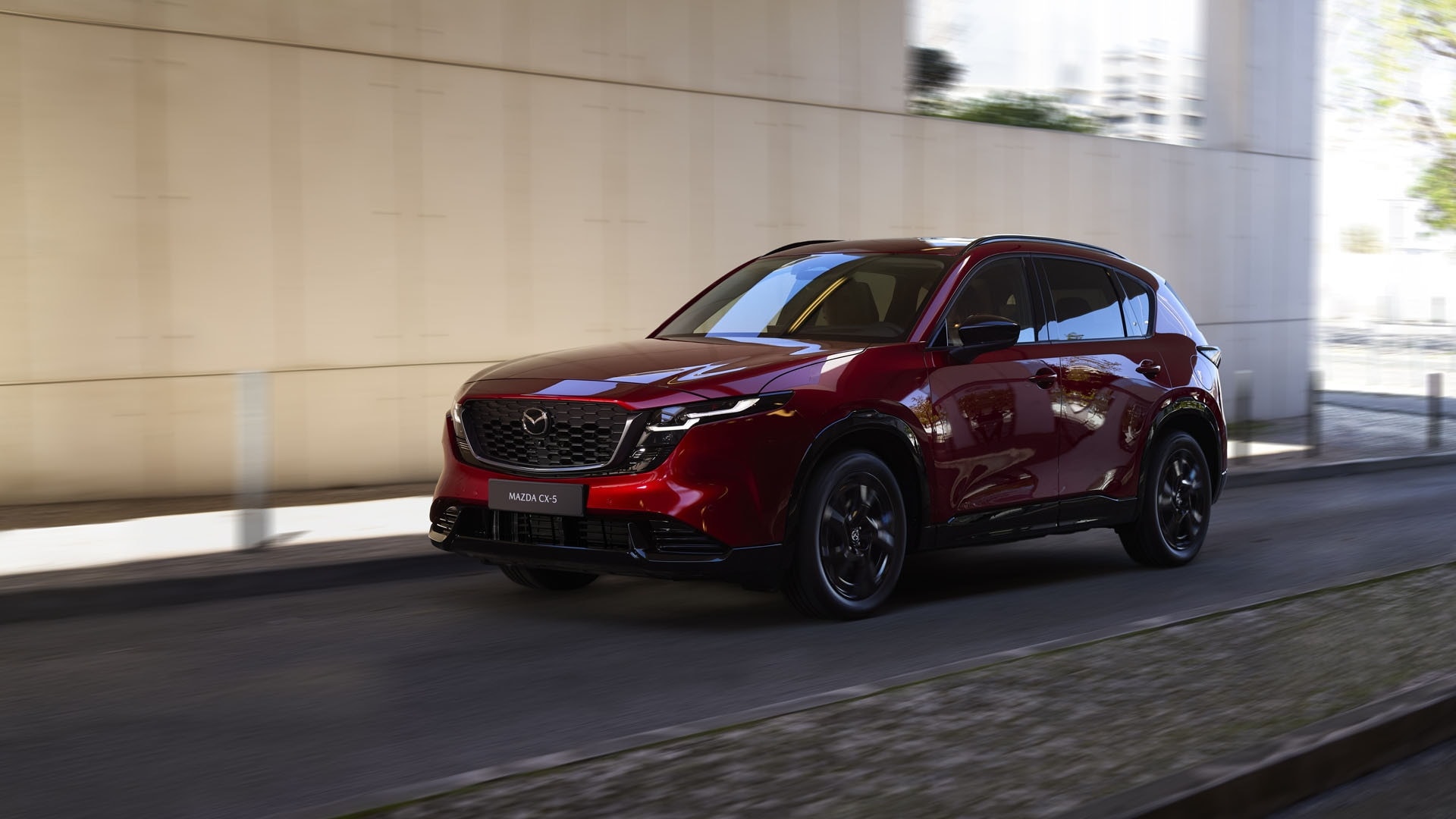
The 2.5-liter engine produces 187 horsepower and 186 lb-ft of torque, genuinely strong output for the segment. Interior fit and finish lean heavily on rotary control knobs and analog-style gauges. This deliberately restrained approach mimics the design philosophy of brands like Audi and Volvo.
Buyers consistently mistake the CX-5’s cabin for something out of a luxury compact SUV. Reviewers have compared its material quality favorably against SUVs costing $8,000 to $10,000 more.
Boot space and rear headroom remain competitive within the segment despite the sportier roofline. Practicality doesn’t feel sacrificed for style here.
The CX-5’s biggest advantage might be consistency. Even the base 2.5 S trim gets standard AWD, a design that doesn’t change dramatically across the lineup.
That’s unlike some competitors, which strip out visual flair on cheaper trims. Mazda kept the CX-5’s premium feel intact throughout its range. For $29,990 to start, and most well-equipped mid-trims landing near $33,000, the CX-5 delivers a driving and cabin experience that regularly punches above its price class.
4. Hyundai Tucson – Starts at $29,700
Hyundai completely reshaped the Tucson’s design a few years back, and the results still turn heads today. The Tucson’s parametric grille hides its LED daytime running lights inside a jewel-like pattern. It’s one of the most distinctive front fascias in the entire compact SUV segment.
That design has drawn direct comparisons to Hyundai’s luxury sibling brand, Genesis. Many buyers assume the Tucson costs meaningfully more simply because of how futuristic it looks.
At $29,700 to start, per AutoFinder’s pricing data, the Tucson undercuts the Buick Envision by more than $11,000 while offering a comparably bold design statement.
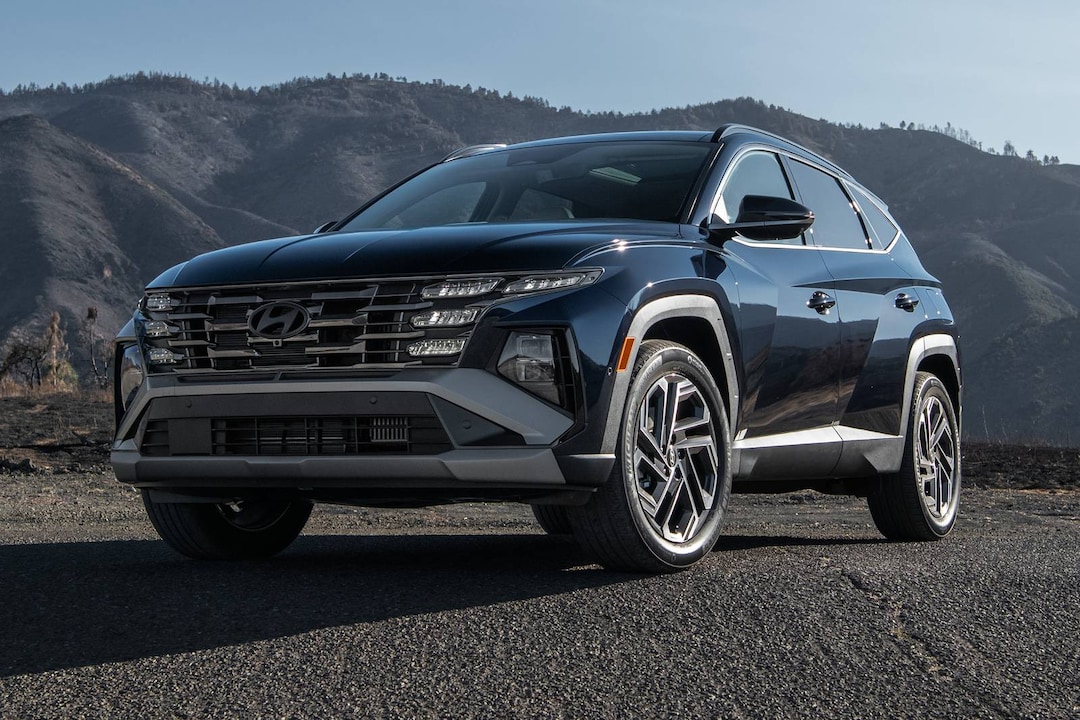
Interior design uses a wide, unbroken dashboard panel housing dual screens. This “floating” display layout mirrors what you’d find in European luxury SUVs costing far more.
Hyundai also equips higher Tucson trims with a panoramic sunroof, ventilated seats, and a Bose sound system. These features typically signal a significantly pricier vehicle.
Cargo capacity is genuinely generous too. TrueCar’s comparison data shows the Tucson offering up to 38.7 cubic feet with all seats in place, beating rivals like the Subaru Outback.
Fuel efficiency is another strong point, with the Tucson rated at 25 city and 33 highway mpg according to TrueCar’s figures. Hyundai’s Highway Driving Assist and forward collision avoidance systems come standard or nearly standard across the range. This safety tech usually accompanies pricier trims from other brands.
Build quality inside has improved significantly over past generations. Panel gaps and switchgear feel tighter than what you’d expect from a sub-$30,000 SUV.
The Tucson essentially uses design shock value to punch above its actual price. Hyundai clearly bet correctly that buyers respond strongly to a distinctive, premium-looking front end. For roughly $32,000 to $35,000 in well-equipped mid trims, the Tucson delivers genuinely head-turning looks well ahead of its actual cost.
5. Kia Sportage – Starts at $30,285
Kia’s “tiger nose” grille design language reaches full expression on the current Sportage. It’s arguably the boldest-looking compact SUV sold in America today.
TrueCar’s comparison data shows the Sportage starting at $30,285, making it $1,200 less than the similarly sized Mazda CX-5. That price difference is worth noting because the Sportage can appear more expensive than some of its closest competitors at first glance, even though its entry price is actually lower.
Higher Sportage trims include a massive dual-panoramic display spanning much of the dashboard. Screen real estate like this is more commonly associated with electric vehicles costing $15,000 more.
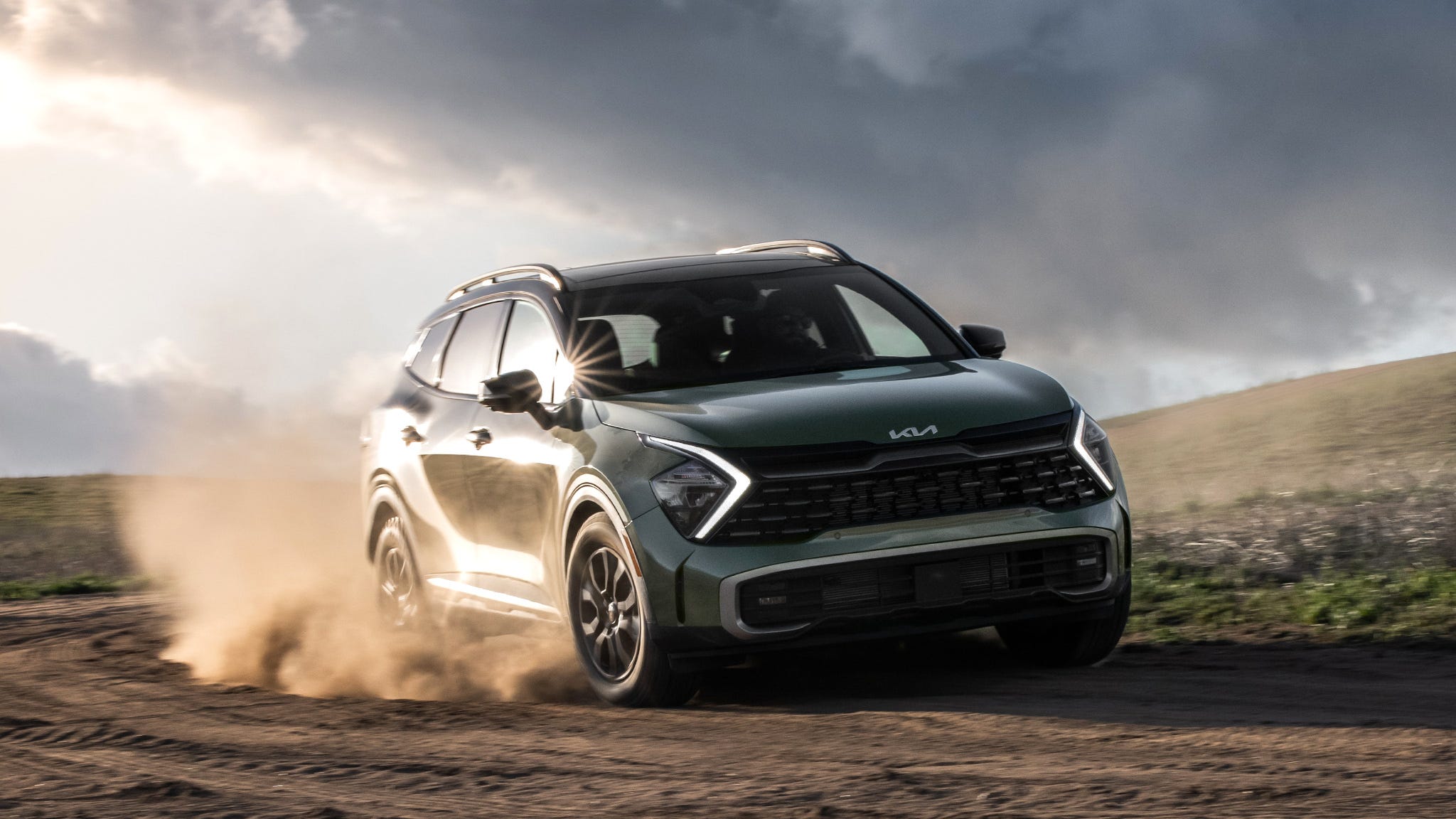
Kia also offers a full suite of Level 2 driver-assistance features on upper trims, including Highway Driving Assist and a 360-degree camera system. Fuel economy comes in at 25 mpg city and 33 mpg highway per TrueCar’s figures, genuinely competitive for a gas-only compact SUV.
Interior materials use a mix of soft-touch panels and piano-black trim extensively. This aesthetic mirrors what premium German brands use in their own compact SUVs.
Cargo capacity edges out the CX-5 according to TrueCar’s comparison, giving the Sportage a practical edge alongside its striking looks. Kia’s warranty coverage, among the longest in the industry, also reinforces buyer confidence that this isn’t a corners-cut budget product.
Build quality and fitment feel notably tight. Switchgear feedback and door-closing sounds both feel more substantial than the sticker price would suggest.
The Sportage essentially weaponizes bold design and a generous feature list to punch above its price bracket. Kia clearly understood American buyers respond strongly to visible tech and styling drama.
For roughly $33,000 to $36,000 in well-equipped mid trims, the Sportage delivers a genuinely premium-feeling ownership experience well beyond what its price tag implies.
6. Chevrolet Trailblazer – Starts Around $24,000-$25,000 (Trims Extend to ~$31,000)
The Chevrolet Trailblazer punches above its price primarily through aggressive, sport-styled trim options rather than raw luxury cues. Its RS trim adds a blacked-out grille, unique 19-inch wheels, and a lowered sport suspension. Visually, it reads more like a performance crossover than an entry-level subcompact SUV.
Edmunds directly reviewed the CX-30’s touchscreen as feeling “a whole generation behind systems in competitors like the Hyundai Kona and Chevrolet Trailblazer,” a rare instance of a budget SUV winning a tech comparison against a costlier rival. That’s notable. The Trailblazer’s infotainment system genuinely competes with, and sometimes beats, pricier competitors on usability.
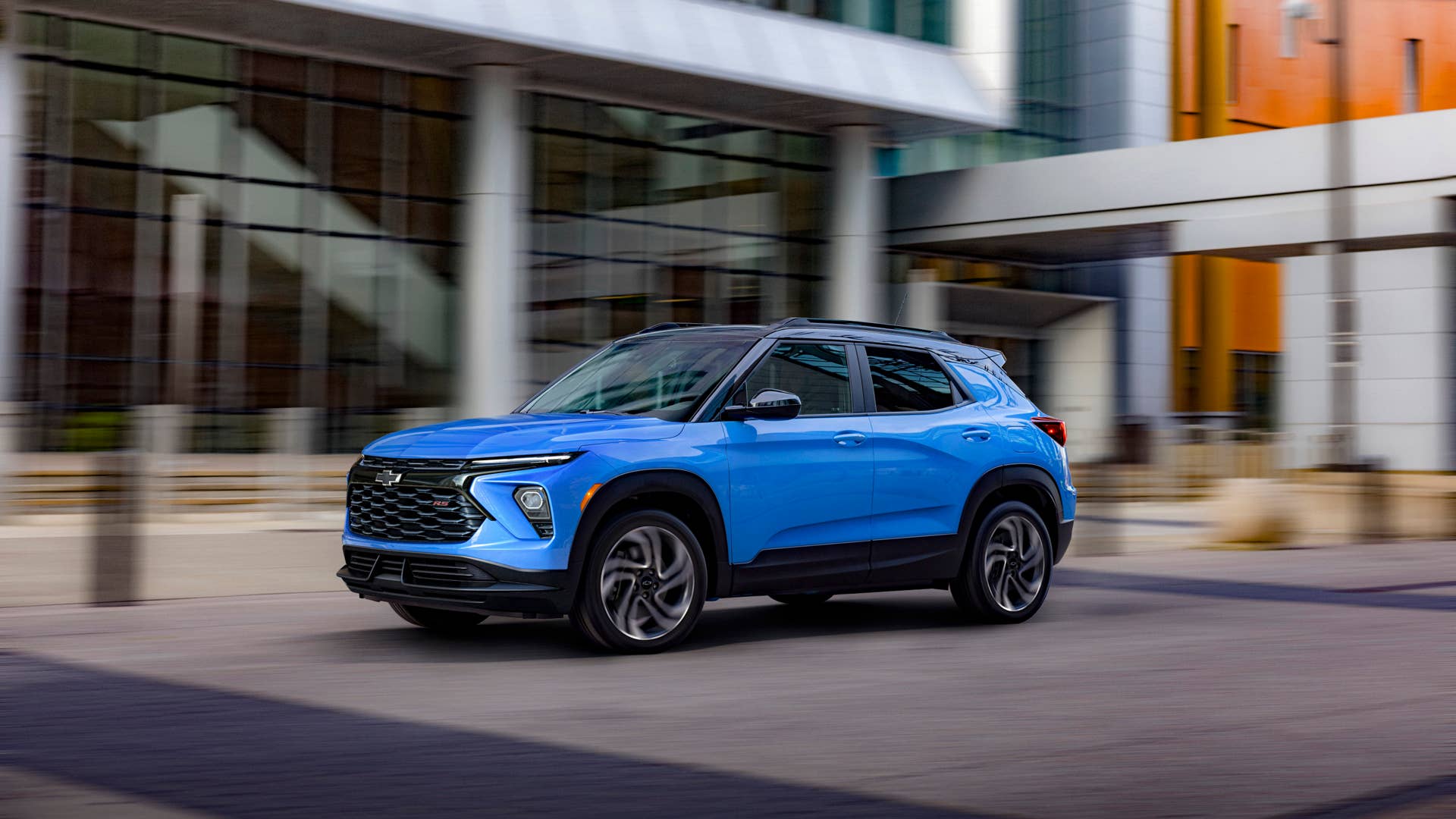
Interior design uses a floating touchscreen and clean horizontal air vents. It avoids the cluttered, button-heavy dashboards common on older budget SUVs.
The available turbocharged 1.3-liter engine, paired with a CVT, delivers genuinely spry acceleration for the segment. It doesn’t feel like a compromise despite the accessible price.
Chevrolet also offers the Trailblazer with a bold two-tone roof option on higher trims. This styling touch usually appears on SUVs costing $10,000 more.
Standard safety tech includes forward collision alert and automatic emergency braking across most trims. Chevy didn’t reserve these features exclusively for top-spec models.
The ACTIV trim leans into a rugged, off-road-styled aesthetic instead, with unique black cladding and a different wheel design. Buyers essentially get two distinct premium-looking personalities in one nameplate.
Ground clearance and stance feel genuinely SUV-like despite the compact footprint. It doesn’t feel like a stretched hatchback wearing an SUV badge.
Resale value has historically lagged some Japanese and Korean rivals. That’s the Trailblazer’s main financial trade-off for its aggressive, style-forward pricing strategy. For a well-equipped RS trim landing in the high-$20,000s to low-$30,000s, the Trailblazer delivers sport-SUV looks well ahead of its actual cost.
7. Volkswagen Taos – Starts at $27,975
The Volkswagen Taos carries genuine German engineering DNA into America’s crowded subcompact SUV segment. KBB’s review specifically highlights the Taos’s “German handling dynamics and spirited turbocharged engine,” language typically reserved for pricier VW products like the Golf GTI.
Volkswagen’s badge alone carries meaningful brand equity in the U.S. market. Buyers instantly associate it with European engineering credibility, even on entry-level models. The Taos starts at $27,975 per KBB’s current data, undercutting the Honda CR-V by roughly $4,395 according to TrueCar’s direct comparison.
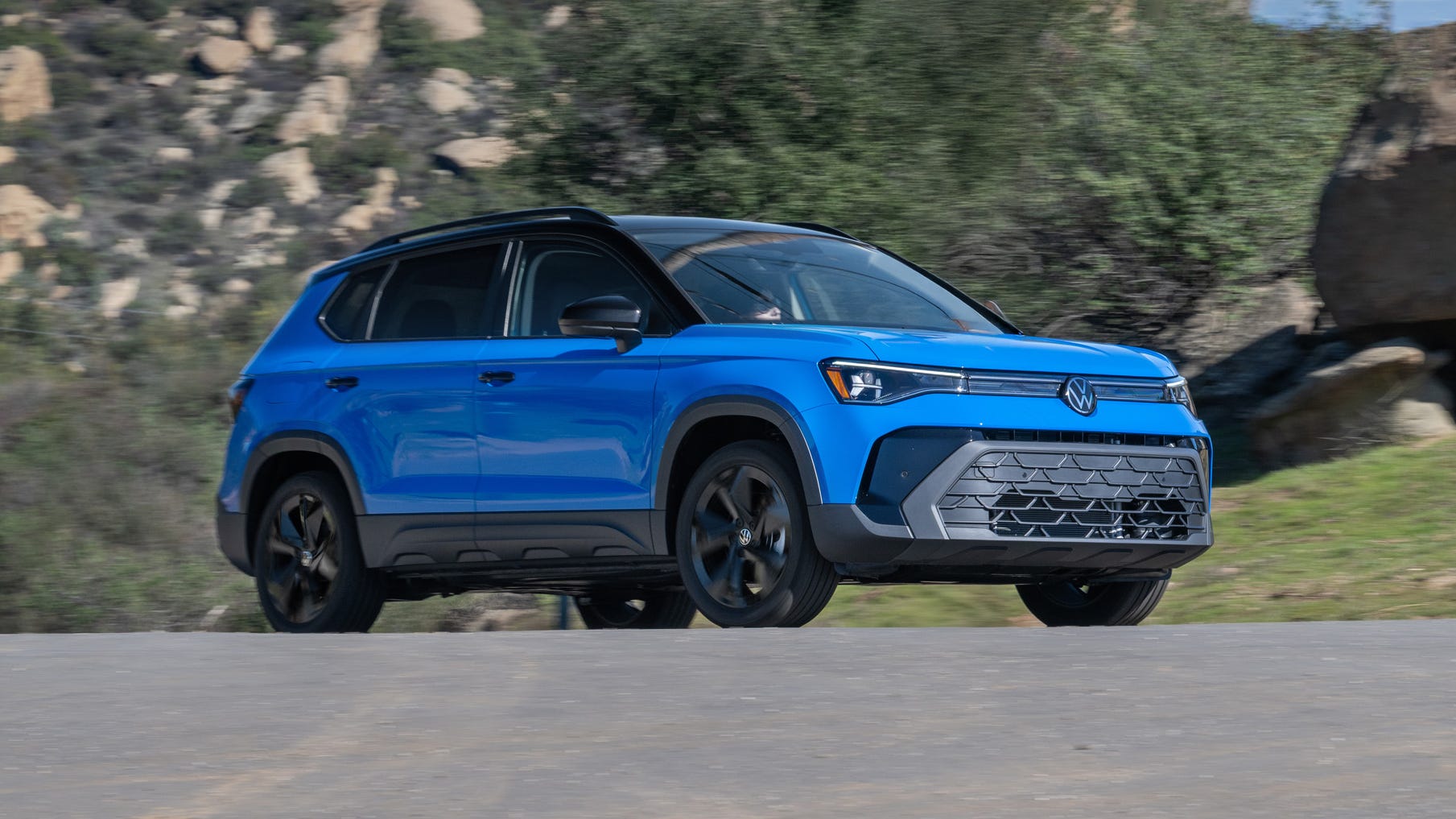
Despite its subcompact classification, the Taos offers genuinely generous interior space. U.S. News specifically noted it has the roomiest cargo area in its class, exceeding 65 cubic feet with seats folded.
Exterior design uses sharp, horizontal LED lighting and a wide, low-slung stance. It looks noticeably more substantial than its footprint actually is. Higher SEL trims add leatherette upholstery, a panoramic sunroof, and adaptive cruise control. These features usually accompany a meaningfully higher price tag.
The turbocharged 1.5-liter engine produces 174 horsepower paired with an 8-speed automatic. That gearbox technology is typically found in pricier performance-oriented vehicles.
Build quality feels dense and reassuring, a hallmark Volkswagen carries across its entire lineup regardless of price point. Interior design keeps things clean and driver-focused, avoiding excessive ornamentation in favor of understated European minimalism. This restraint often reads as more expensive, not less.
4Motion all-wheel drive is available on most trims for a modest upcharge, adding genuine all-weather capability without a major price jump. For roughly $30,000 to $33,000 in well-equipped SE and SEL trims, the Taos delivers authentic European driving dynamics and space that regularly surprises buyers expecting a budget crossover.
8. Subaru Outback – Starts at $36,445
The Subaru Outback stands apart from conventional SUVs with its wagon-like shape, elevated ride height, and more upscale character than its price would suggest. TrueCar’s comparison data lists a starting MSRP of $36,445, putting it above most of the other SUVs on this list. Even so, the Outback remains considerably more affordable than the luxury wagons and crossovers its design and premium feel bring to mind.
Subaru’s design language leans into rugged, understated confidence. Wide fender flares and a raised ride height give the Outback genuine off-road presence.
Standard all-wheel drive comes on every single trim, a rarity even among pricier competitors. Subaru has built its entire brand reputation around this feature.
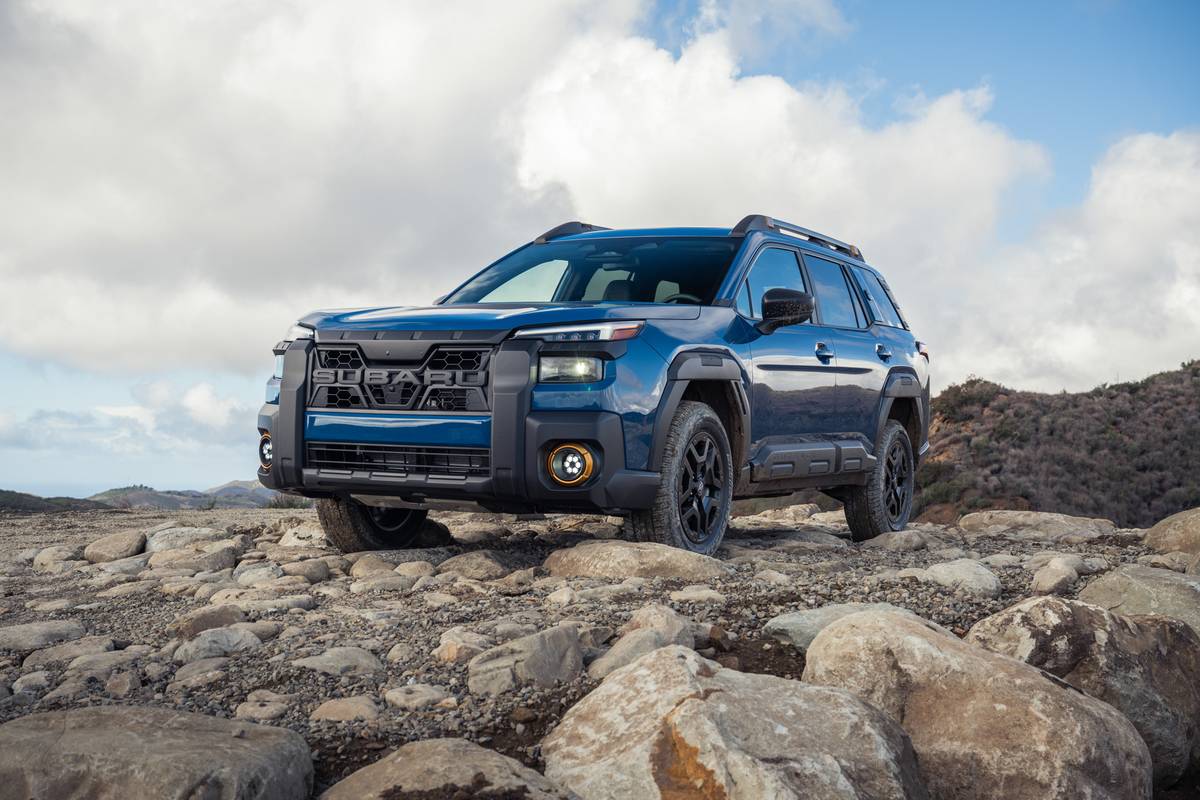
Interior materials on higher Touring and Wilderness trims include Nappa leather and expansive glass roofs. These touches typically appear on SUVs costing $10,000-$15,000 more.
Edmunds’ broader segment comparisons repeatedly place the Outback alongside midsize SUVs like the Honda Passport and Mazda CX-70, despite its lower starting price.
Standard safety tech includes Subaru’s EyeSight suite, bundling adaptive cruise control, lane-centering, and automatic emergency braking as base equipment rather than a costly add-on package.
Cargo versatility remains a genuine strength, with a low load floor and wagon-like practicality that many taller SUVs can’t match. The Outback’s understated exterior actually works in its favor psychologically. It doesn’t scream for attention, which paradoxically makes it feel more expensive and considered.
Long-term reliability data and strong resale value further reinforce buyer confidence in the underlying engineering quality. Its main trade-off versus true luxury wagons is badge prestige rather than actual capability or comfort.
For buyers wanting genuine off-road capability wrapped in a refined, quietly upscale package, the Outback delivers an experience that consistently outpaces its price positioning.
9. Volvo XC40 – Starts at $41,195
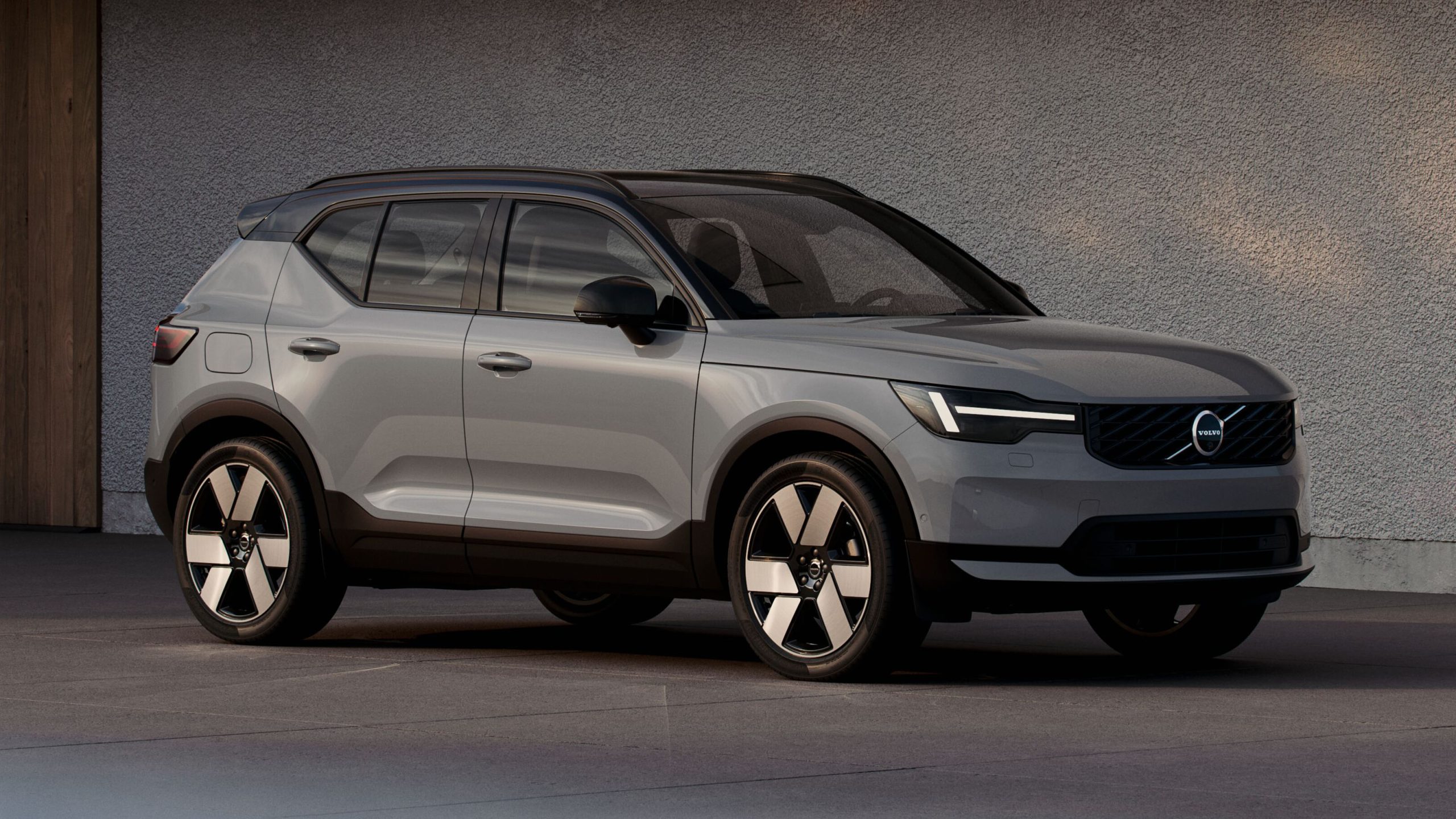
The Volvo XC40 sits at the top of this list price-wise, but it earns its spot by delivering a genuine luxury-brand experience at the most accessible end of that category.
Compared to full-size luxury SUVs from BMW, Mercedes, or Audi costing $55,000 and up, the XC40 undercuts them by a wide margin while wearing the same prestigious badge.
Its boxy, confident silhouette looks distinctly Scandinavian, borrowing design cues directly from Volvo’s much pricier XC60 and XC90 models. Standard equipment includes Volvo’s Pilot Assist system, which modulates speed and assists steering on highways, a feature that’s a genuine boon on long commutes.
The interior runs Google Built-In software natively, with Google Maps and app store access baked directly into the vehicle. This tech integration feels genuinely ahead of many pricier rivals.
A vertical center touchscreen dominates the dashboard, an aesthetic choice that immediately signals Volvo’s premium design language rather than a mainstream economy layout.
Volvo has built its brand reputation heavily around safety, and the XC40 carries stellar crash test ratings that reinforce that legacy. Interior materials use genuinely upscale textiles and metal accents, even on lower trims. Volvo rarely cuts corners on cabin ambience regardless of price tier.
The XC40 Recharge, Volvo’s electric variant, extends this same premium feel into EV ownership at a price point below many competing luxury electric crossovers.
Resale value for Volvo products has historically trailed German rivals slightly, a minor trade-off against the brand’s otherwise strong value proposition.
For buyers who associate luxury SUV ownership exclusively with $55,000-plus price tags, the XC40 offers a genuine entry point into that world for considerably less. At $41,195 to start, it remains the most convincing “actual luxury brand, unexpectedly reachable price” pick on this entire list.
10. Honda CR-V – Starts at $30,920
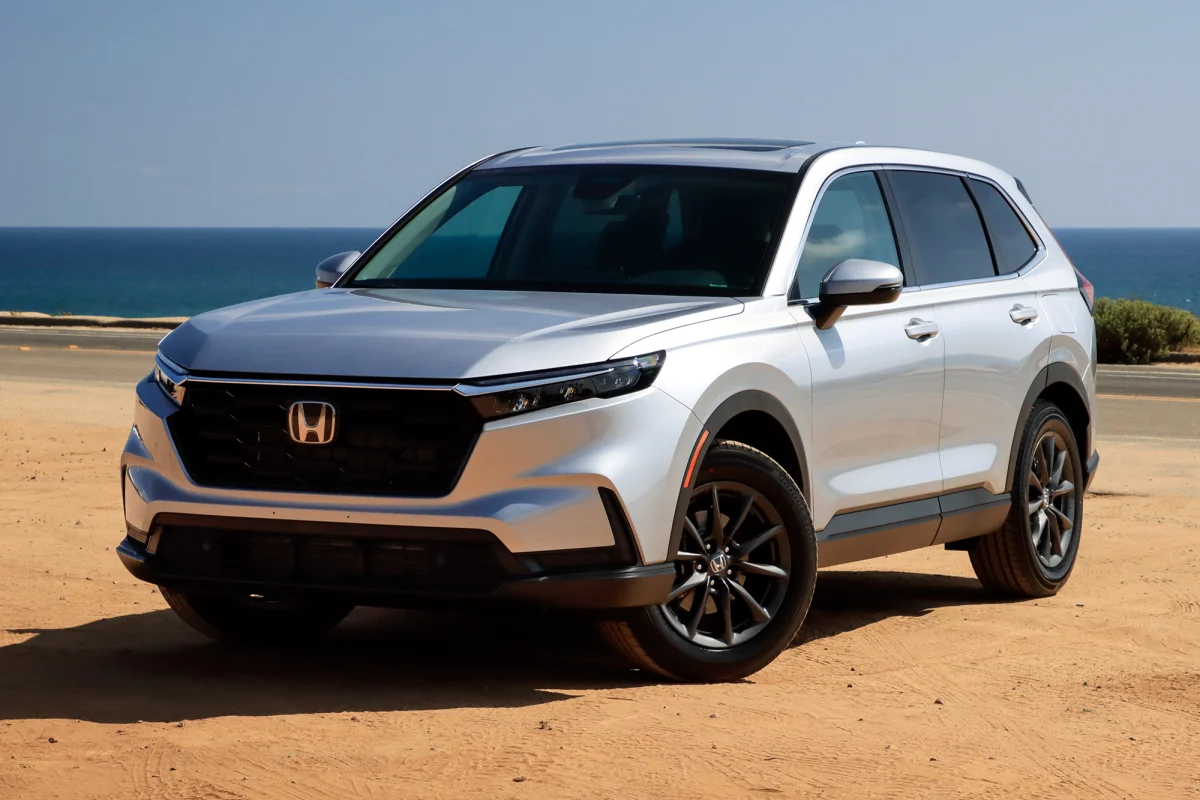
The Honda CR-V closes this list not through flashy design tricks, but through consistently refined execution that quietly outclasses its price bracket.
TrueCar’s data shows the CR-V starting at $32,370, while Cars.com lists it slightly lower at $30,920, positioning it firmly in mainstream compact SUV territory.
Despite that accessible pricing, the CR-V offers more interior space than most direct rivals. TrueCar’s comparison shows it beating the Volkswagen Taos in both cargo capacity and legroom.
Exterior design uses clean, confident lines with minimal ornamentation. Honda’s restraint here mirrors the same understated approach used by pricier Japanese luxury brands like Lexus.
Interior build quality remains a Honda hallmark, with tightly fitted panels and switchgear that feels notably more substantial than the price tag suggests.
Honda’s Sensing suite, bundling adaptive cruise control, lane-keeping assist, and collision mitigation braking, comes standard across nearly the entire lineup, not reserved for top trims.
The CR-V also earns a 5-star NHTSA safety rating, edging out the Volkswagen Taos in that same comparison, according to Cars.com’s data. Higher EX-L and Sport Touring trims add leather upholstery, a panoramic moonroof, and a wireless charging pad. These features typically accompany a noticeably pricier badge.
Resale value remains exceptionally strong across the CR-V lineup, a financial reality that reinforces buyer confidence in the underlying build quality.
Fuel economy checks in around 28 mpg city and 33-34 mpg highway, competitive figures that support the CR-V’s reputation for dependable, low-drama ownership.
The CR-V doesn’t chase design shock value the way some rivals on this list do. Instead, it wins through sustained material quality and engineering polish.
For roughly $33,000 to $36,000 in well-equipped mid trims, the CR-V delivers a refined, premium-feeling ownership experience that has quietly earned its reputation over decades.
