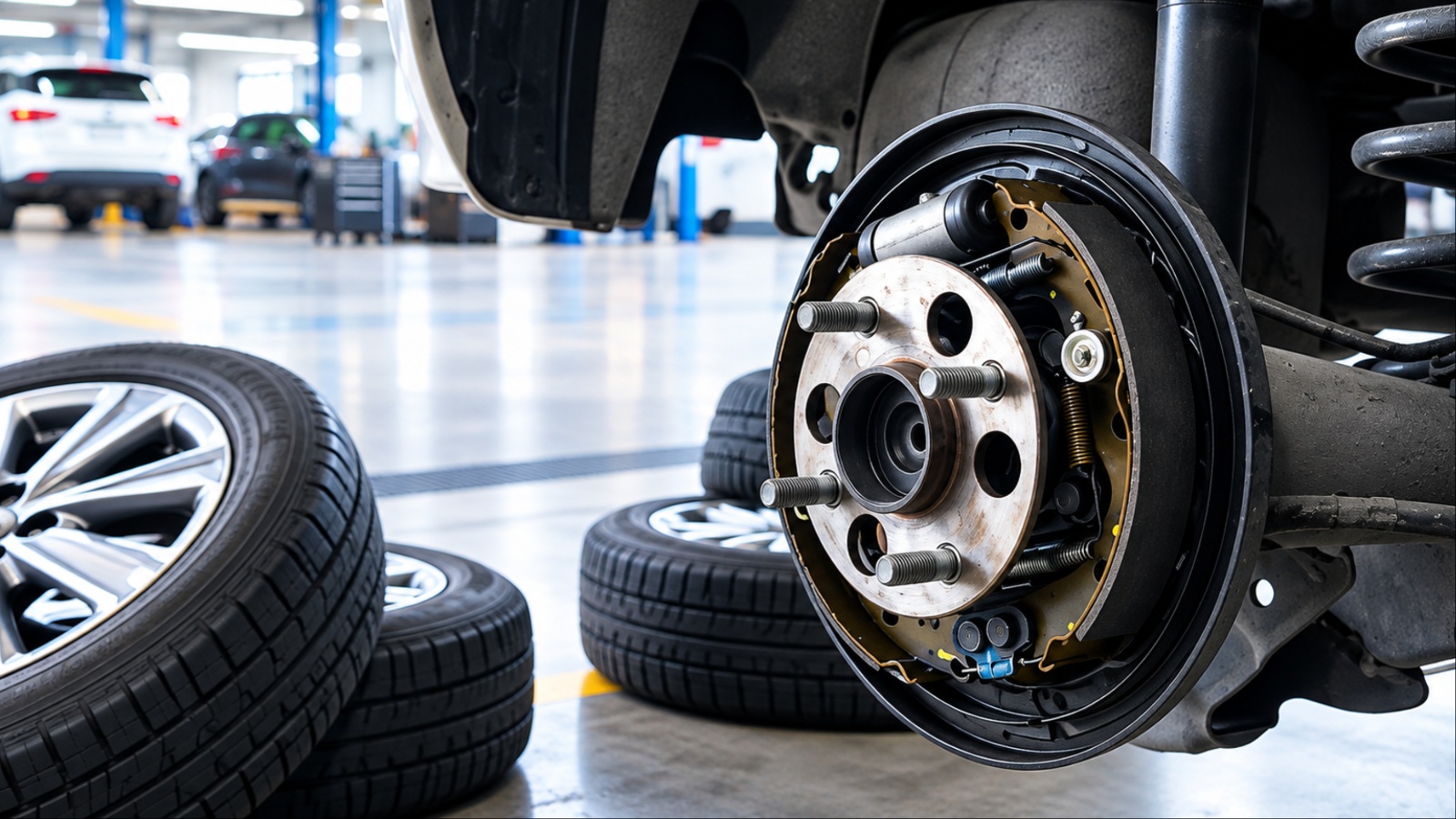
Wheel bearings are one of those components that quietly do their job for years until, suddenly, they don’t. Tucked inside the hub assembly, they allow your wheels to spin freely while supporting the full weight of your vehicle and absorbing the stress of every turn, bump, and braking event. Because they’re constantly under load, they wear down gradually, and the early warning signs are often easy to dismiss as “just road noise” or a minor rattle.
Ignoring a failing wheel bearing is a mistake that can turn an inexpensive repair into a dangerous, expensive one. A bearing that fails completely can cause a wheel to wobble, lock up, or even separate from the vehicle while driving. Knowing what to listen and feel for can help you catch the problem early, save money, and most importantly, stay safe on the road. Below are ten telltale signs that your wheel bearing may be on its way out.
1. A Persistent Humming or Growling Noise
The single most common symptom of a failing wheel bearing is a low-pitched humming, growling, or rumbling sound that comes from the area of the affected wheel. This noise typically grows louder as your vehicle picks up speed and may fluctuate subtly when you shift your weight side to side while driving on a straight road.
Many drivers describe it as sounding like an aircraft taking off, a knobby off-road tire on pavement, or a low mechanical drone that wasn’t there before.

What makes this sound distinct from tire noise is that it usually changes in pitch or volume when you make a turn. If the bearing is worn on the driver’s side, the noise often gets louder when you turn right, shifting more load onto that side, and quieter when turning left, and vice versa for a bearing on the passenger side. Tire-related noise, on the other hand, tends to stay fairly consistent regardless of steering input.
It’s worth ruling out other causes before assuming it’s a bearing, since worn tires, an unbalanced wheel, or even a failing CV joint can produce similar sounds.
However, if the humming increases steadily with speed and doesn’t change when you brake or accelerate, a wheel bearing is a prime suspect. Getting the vehicle on a lift so a technician can isolate the noise to a specific wheel is the most reliable way to confirm the diagnosis before the bearing degrades further.
2. Grinding or Metal-on-Metal Sounds
If a humming noise is the early warning stage, a grinding or grating sound is the next, more urgent level. This happens when the bearing has worn down enough that the internal rollers or balls are no longer riding smoothly on their races, and metal components are beginning to make direct contact with one another. It’s a sound that’s hard to ignore, often described as a harsh, scraping, or crunching noise that seems to originate directly from the wheel well.
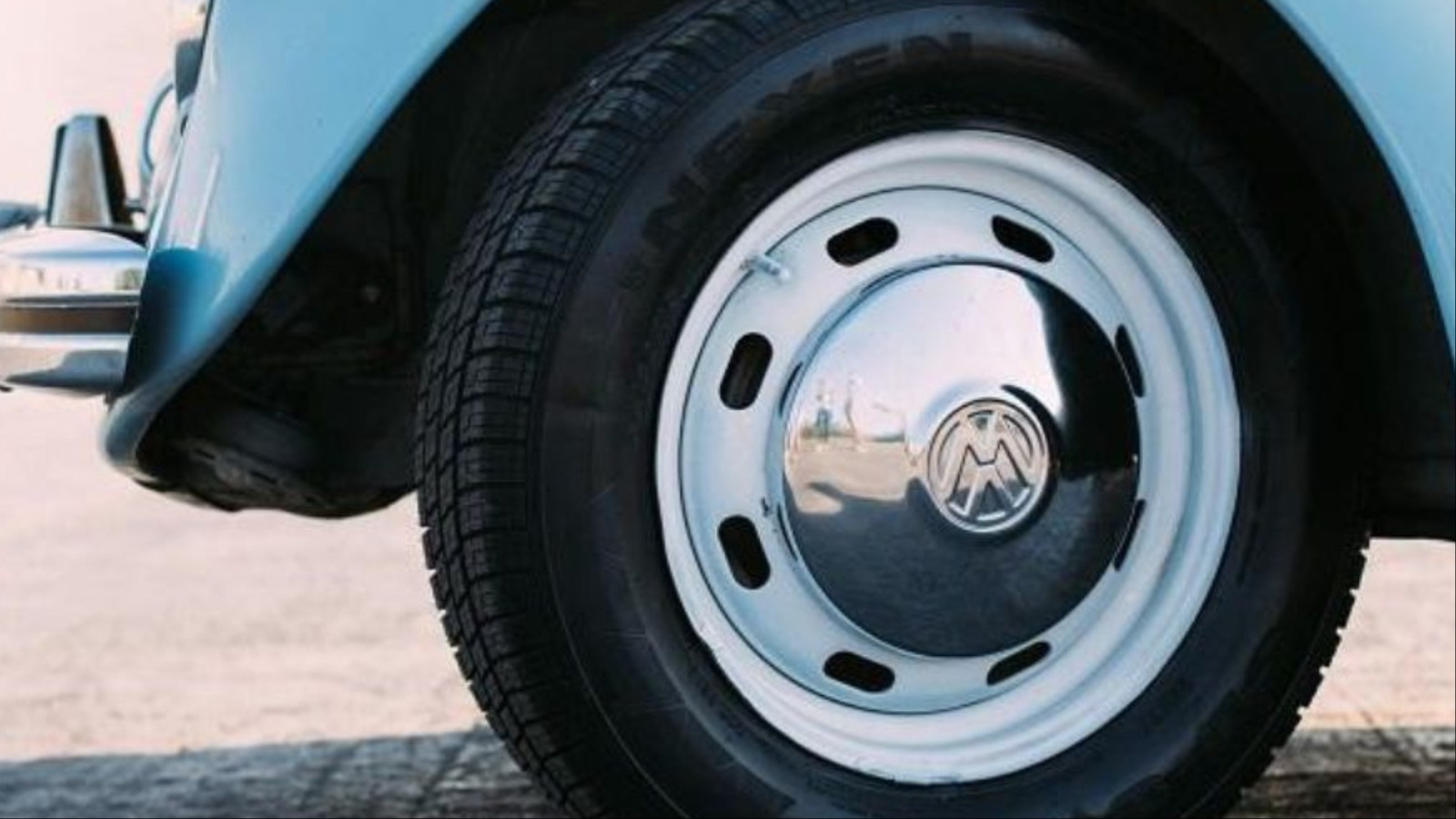
Grinding is particularly concerning because it indicates the bearing has moved well past the early stages of wear and into a phase where structural failure could occur relatively soon. Unlike the fluctuating hum of an early-stage bearing issue, grinding tends to be constant and often gets worse the longer you drive, since the damaged metal surfaces continue to wear against each other with every rotation.
This symptom can sometimes be confused with worn brake pads that have reached their metal wear indicators, which also produce a grinding sound. The key difference is that brake pad grinding usually only occurs when you apply the brakes, while a bearing-related grind is present continuously while the wheel is turning, whether you’re braking or not.
If you notice this sound, it’s best to have your vehicle inspected as soon as possible, as continuing to drive on a bearing in this condition significantly increases the risk of sudden failure.
3. Wheel Wobble or Vibration
A wheel bearing in advanced stages of failure often develops excessive play, meaning the wheel is no longer held as snugly in place as it should be. This can result in a noticeable wobble or vibration, particularly at higher speeds, that you can feel through the steering wheel, the floorboard, or even the entire body of the vehicle.
It may feel similar to driving on a poorly balanced tire, but it typically won’t go away no matter how many times the wheels are balanced or rotated.
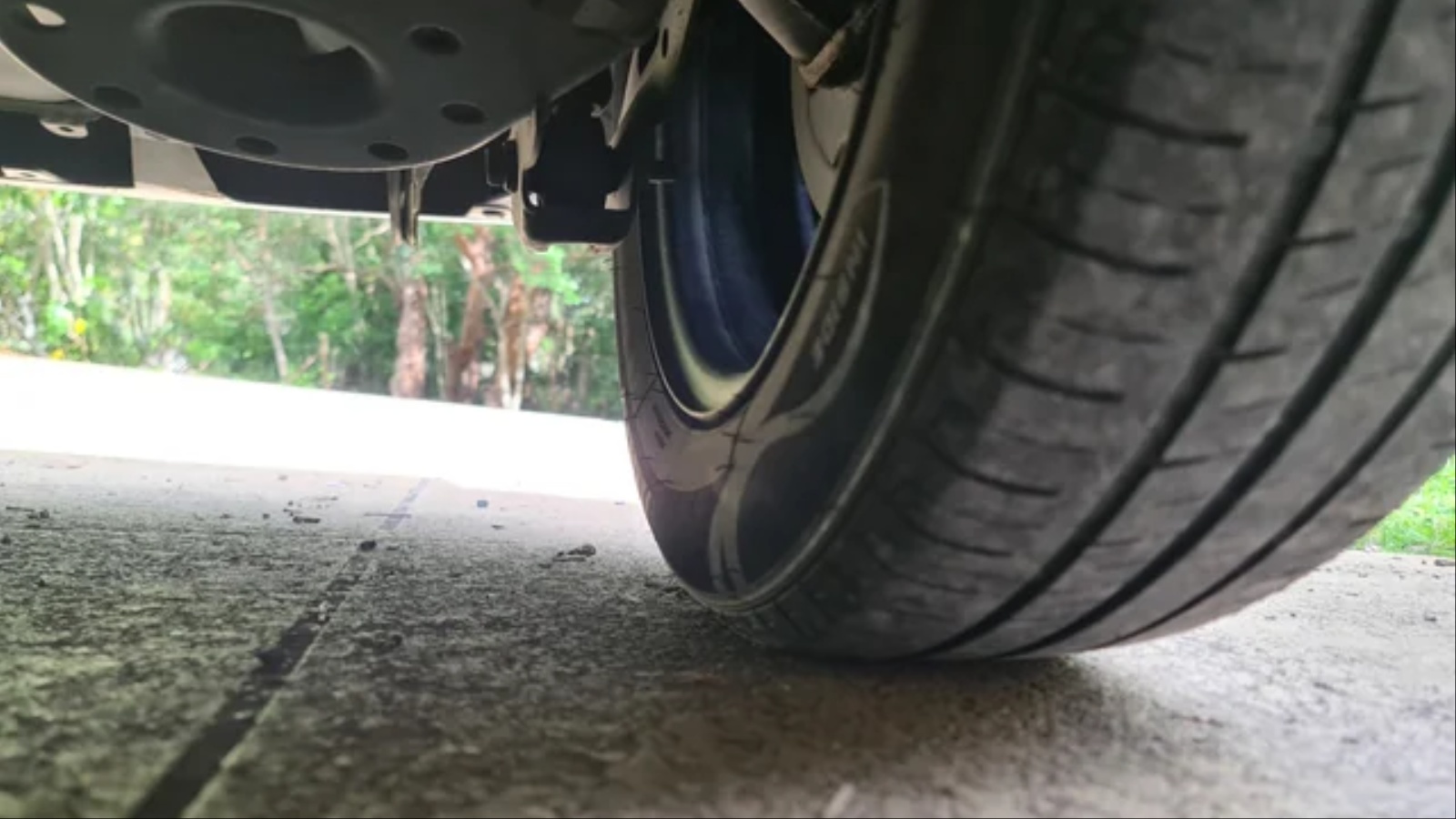
This vibration tends to intensify as speed increases and can become alarming on the highway, sometimes making the car feel unstable or difficult to control confidently. In some cases, the wobble is subtle enough that it’s mistaken for a suspension issue, an alignment problem, or a bent wheel, which is why proper diagnosis matters rather than guessing at a fix.
Checking for this symptom is a simple process for a technician. Once the vehicle is safely raised, the technician can hold the tire at the 12 and 6 o’clock positions and gently rock it back and forth to check for excessive movement.
Excessive play or a noticeable clunk indicates a bearing with worn-out internal components. If you notice a persistent wobble that intensifies with speed and isn’t resolved by tire balancing, it’s a strong indicator that a wheel bearing has deteriorated to the point where it needs immediate attention.
4. Uneven or Abnormal Tire Wear
While tire wear is influenced by many factors, including alignment, inflation pressure, and suspension condition, a failing wheel bearing can also contribute to abnormal wear patterns.
When a bearing develops excessive play, the wheel is no longer held in perfect alignment relative to the hub, which can cause it to sit or move slightly differently than it should during rotation. Over time, this subtle misalignment can lead to uneven wear across the tire’s tread, particularly wear that’s isolated to one tire more than the others.
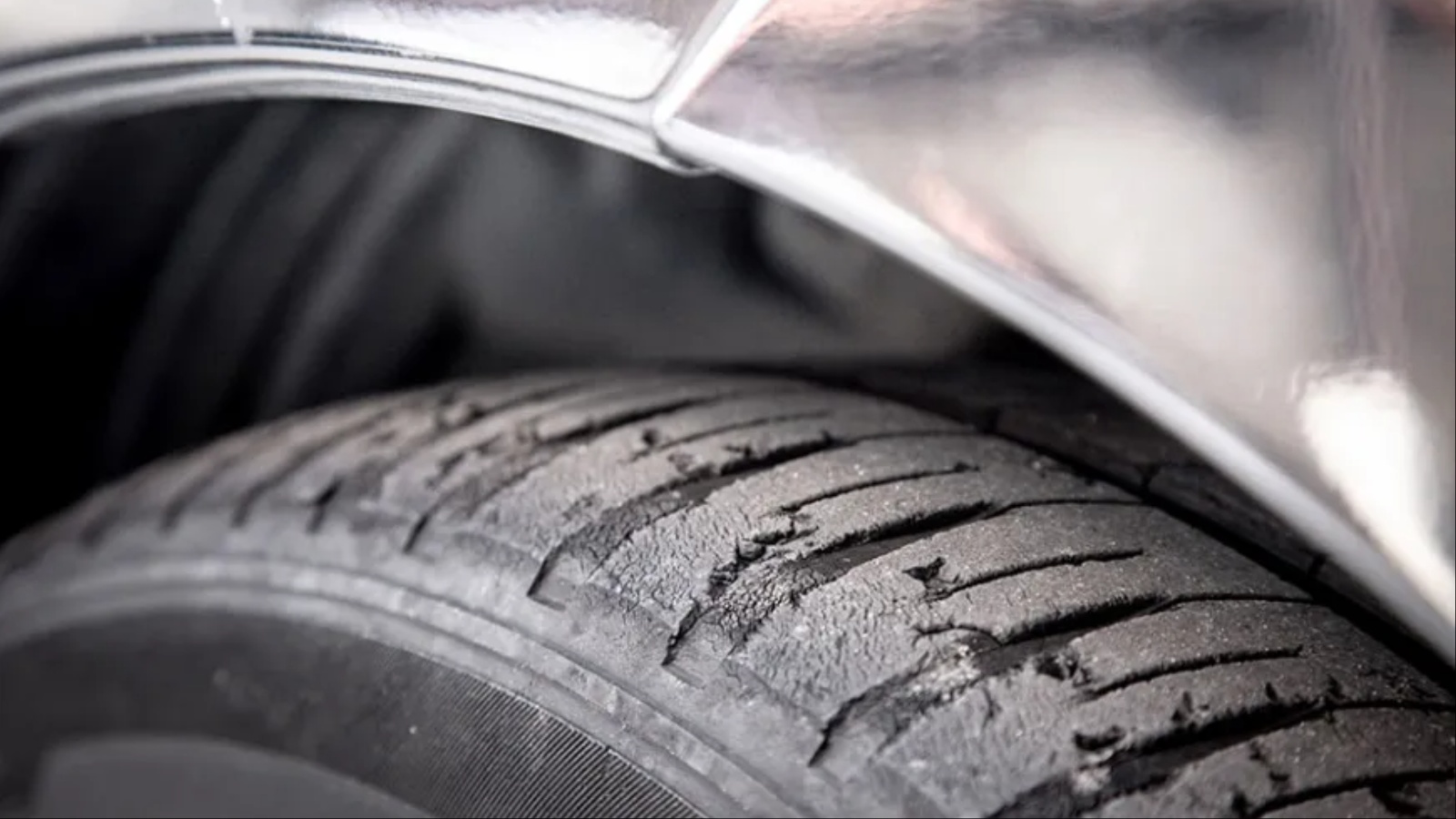
This symptom is often overlooked because most drivers, and even some mechanics, jump straight to alignment or suspension components as the cause of uneven wear. A bearing issue should be considered, especially if the uneven wear is paired with any of the other symptoms on this list, like noise or vibration from the same wheel showing the abnormal wear pattern.
Regularly inspecting your tires for patchy, cupped, or scalloped wear patterns can help you catch this issue before it becomes severe. Cupping, in particular, where small dips form around the tire’s circumference, is often linked to a wheel that isn’t rotating with perfect smoothness due to bearing play.
If you notice this pattern developing on one tire while the others remain relatively even, it’s worth having the corresponding wheel bearing inspected alongside your usual tire and alignment checks.
5. Steering Wheel Vibration or Looseness
Because the front wheel bearings are directly tied into the steering system, a failing bearing on the front axle can transmit unusual sensations straight through to the steering wheel.
This might manifest as a vibration that pulses in rhythm with your wheel speed, or as a general looseness that makes the steering feel less precise and responsive than it used to. Some drivers describe it as the steering wheel feeling “sloppy” or having a small amount of unexpected play before it engages.

This is different from vibration felt through the seat or floorboard, which can come from a wider range of sources including tires, brakes, or suspension. Steering wheel-specific vibration or looseness points more directly toward a front wheel bearing, since that’s the component with a direct mechanical link to the steering assembly through the hub and knuckle.
It’s important not to dismiss this symptom, since a compromised connection between the steering system and a worn-out bearing can affect your ability to control the vehicle precisely, especially during quick maneuvers or emergency avoidance situations.
If you notice your steering feeling less tight or more vibration-prone than usual, particularly at speed, it’s worth having a technician check the front wheel bearings along with the rest of the steering and suspension components to pinpoint the source.
6. Uneven or Pulsating Brake Feel
A wheel bearing that has developed play can subtly affect how your brakes perform, since consistent, even contact between the brake pads and rotor depends on the wheel and hub assembly staying properly aligned. When a bearing loosens up, it can allow for slight movement in the rotor’s position relative to the caliper, which may translate into a pulsating sensation in the brake pedal, similar to what you’d feel from a warped rotor.
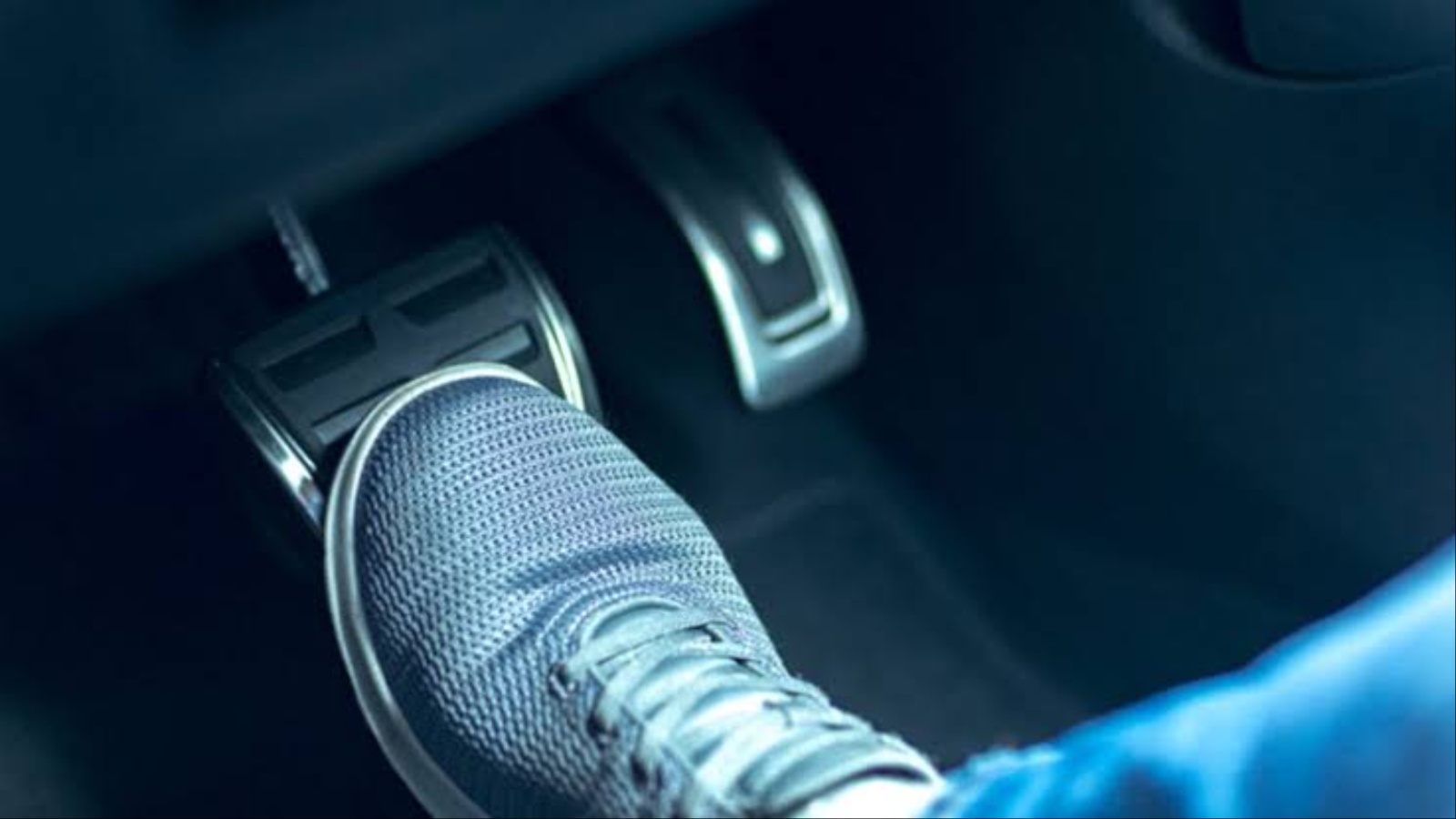
This symptom is easy to misdiagnose, since pulsating brakes are commonly associated with rotor issues alone. However, if you’ve recently had your rotors resurfaced or replaced and the pulsation persists, or if it’s accompanied by noise or vibration from the same wheel, a wheel bearing issue should be on your list of possible causes. The two problems can also coexist, since a bad bearing can accelerate uneven rotor wear over time.
Because braking performance is directly tied to safety, any change in how your brakes feel, whether it’s pulsation, unevenness, or a soft spot in the pedal, deserves prompt attention. Rather than assuming it’s purely a rotor problem, ask your mechanic to check the wheel bearings on the affected side as part of the diagnostic process, particularly if other bearing-related symptoms are also present.
7. Clicking, Popping, or Snapping Noises When Turning
While a steady humming noise often points to a bearing wearing down gradually, a distinct clicking, popping, or snapping sound specifically when turning can indicate a more advanced or different type of bearing damage, sometimes involving a related component like the CV joint that shares space near the wheel hub.
This noise typically becomes most noticeable during low-speed maneuvers, such as pulling into a parking space or navigating a tight corner, when the steering angle is greatest.

This symptom often results from a bearing that has developed significant internal damage, sometimes including pitting or flat spots on the rolling elements, which create noise as they pass through the load zone during a turn. Because clicking sounds during turns are also a classic sign of CV joint wear, a proper diagnosis matters here more than with some other symptoms, since the repair approaches for these two issues are different.
A technician can often distinguish between the two by inspecting the CV boot for tears or grease leakage, which would point to the CV joint, while also checking bearing play through the rocking test described earlier.
If you notice this clicking or popping specifically during turns, especially paired with any humming or vibration during straight-line driving, get both the CV joints and wheel bearings inspected to correctly identify the source before repairs begin.
8. Vehicle Pulling to One Side
A wheel bearing with significant wear can occasionally cause your vehicle to pull subtly to one side while driving, particularly under braking. This happens because uneven resistance or play in the wheel assembly can create an imbalance in how each wheel responds to braking force or rolling resistance, causing the car to drift toward the side with the compromised bearing.

This symptom is frequently attributed to alignment issues, since pulling is one of the classic signs of a car that’s out of alignment. However, if you’ve recently had an alignment performed and the pulling persists, or if it’s accompanied by noise from a specific wheel, a bearing problem becomes a more likely explanation.
Uneven tire pressure and dragging brake calipers can also cause similar pulling, so a full inspection is usually necessary to narrow down the exact cause.
Because pulling affects your ability to keep the vehicle traveling in a straight line without constant steering correction, it’s a symptom that shouldn’t be ignored regardless of the underlying cause. If a mechanic rules out alignment, tire pressure, and brake issues as the source, checking the wheel bearings should be a natural next step, especially if the pulling is more pronounced during braking than during normal acceleration or cruising.
9. ABS Malfunction or Warning Light
Modern wheel bearing assemblies often include a wheel speed sensor that feeds data to your vehicle’s Anti-lock Braking System, allowing it to monitor how fast each wheel is rotating.
When a bearing wears down and develops excessive play, it can affect the sensor’s ability to read wheel speed accurately, sometimes triggering an ABS warning light on your dashboard or causing the ABS system to behave erratically, engaging when it shouldn’t or failing to engage when it should.
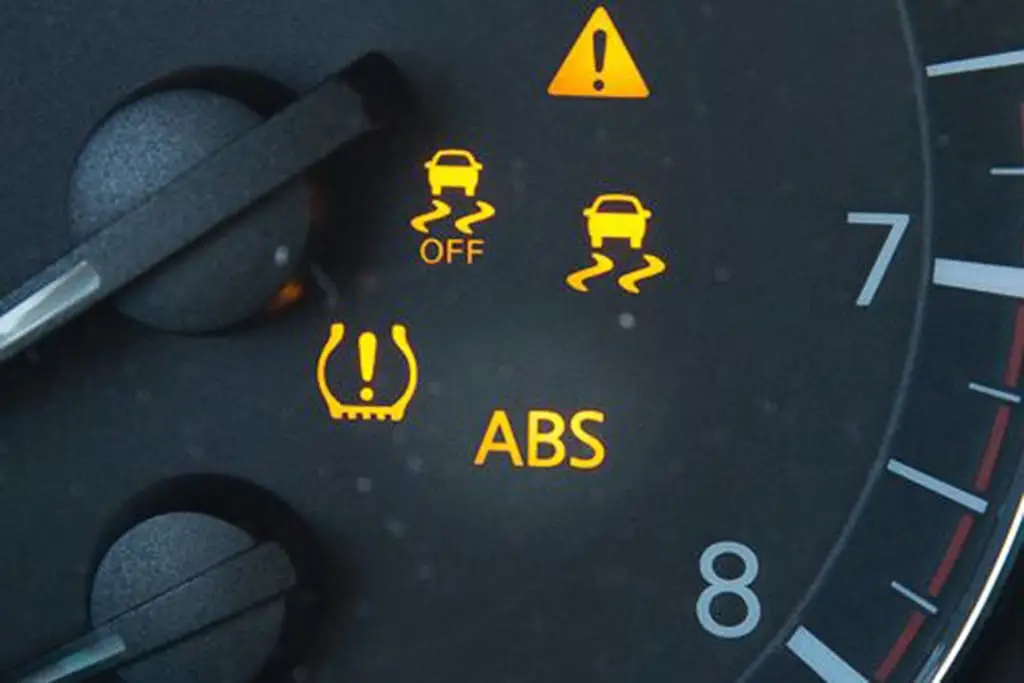
This is a symptom that many drivers wouldn’t immediately connect to a wheel bearing, since an illuminated ABS light more commonly makes people think of sensor wiring issues or a failing module. However, because the speed sensor is physically integrated into or mounted near the bearing on many modern vehicles, bearing wear and damage are a legitimate and fairly common cause of ABS-related trouble codes.
If your ABS light comes on and a diagnostic scan reveals a wheel speed sensor fault or inconsistent readings between wheels, it’s worth having the corresponding wheel bearing inspected physically rather than simply replacing the sensor. In many cases, the sensor itself is fine, and the underlying issue is bearing play or damage affecting the sensor’s ability to get a clean, consistent reading as the wheel rotates.
10. Heat Coming From the Wheel Hub Area
As a wheel bearing deteriorates, increased friction between its worn internal components generates excessive heat that wouldn’t be present in a healthy bearing. If you place your hand near the center of a wheel, being careful to avoid the hot brake components, after a drive and notice one hub feels distinctly hotter than the others, it can be a sign that a bearing is struggling and generating abnormal friction as it fails.
This symptom is often one of the more advanced warning signs, since a bearing typically has to be fairly deteriorated before friction reaches a level where heat becomes noticeable to the touch.
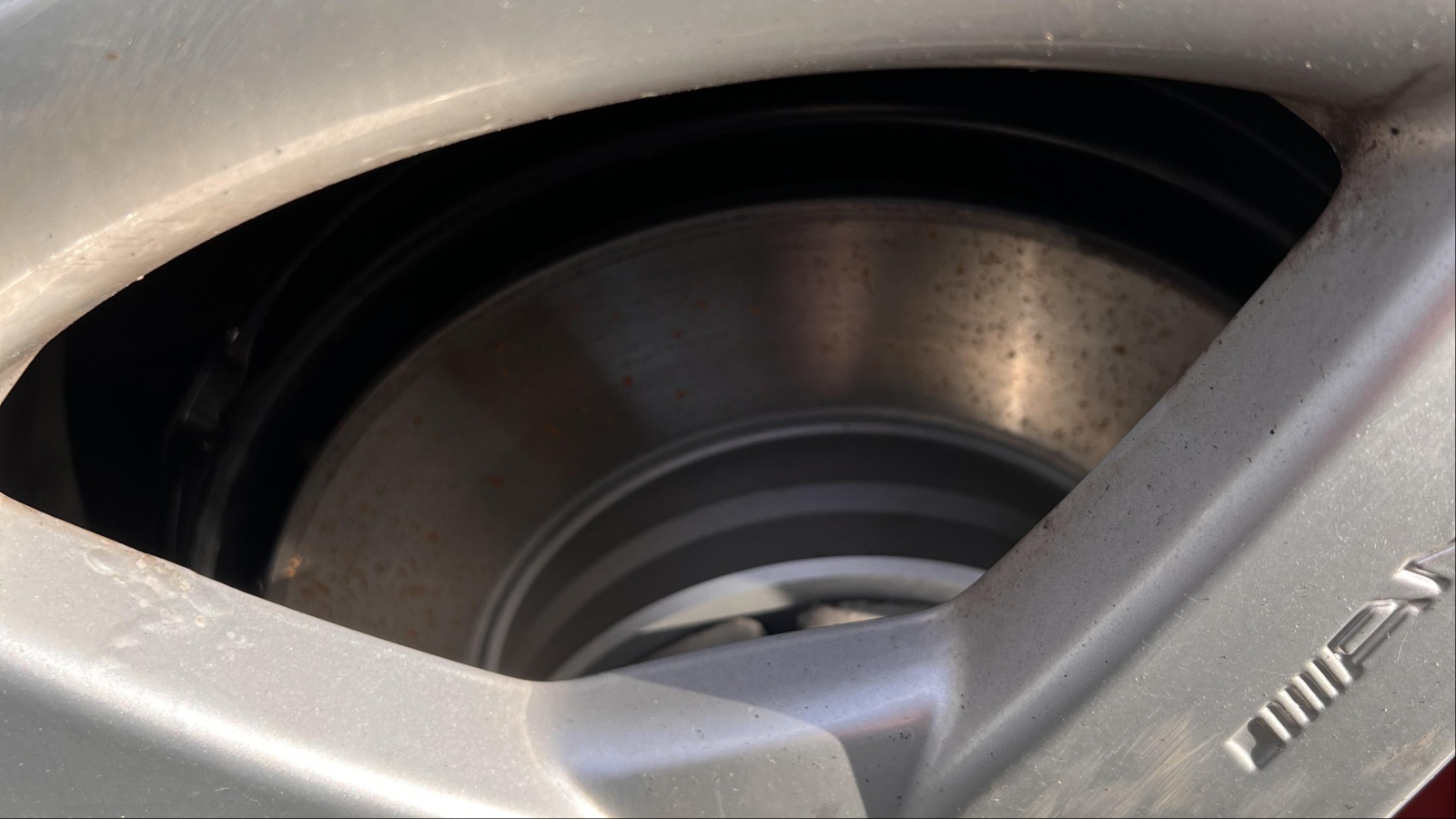
In more severe cases, an overheating bearing can produce a faint burning smell, particularly if the excess heat begins to affect surrounding grease or nearby components. Some drivers have even reported smoke or discoloration around the hub in extreme, neglected cases.
Because a bearing generating significant heat is likely close to catastrophic failure, this symptom should prompt urgent action rather than being added to a list of things to check “eventually.”
If you notice unusual heat, discoloration, or any burning smell near a wheel hub after driving, it’s best to have the vehicle towed or driven minimally and carefully to a repair shop rather than continuing to put miles on a bearing that’s already showing signs of severe thermal stress.