
Winter separates trucks that are merely powerful from those engineered to keep working when temperatures fall hard. Cold weather affects engine oil, diesel fuel, battery output, starter speed, and the amount of heat available for combustion.
Some pickups address those problems with glow plugs, grid heaters, substantial electrical systems, and engine block heaters. Others can become noticeably more demanding when the temperature drops, especially when maintenance or fuel quality is less than ideal.
This comparison looks at ten trucks from different generations and powertrain families, focusing on the mechanical reasons behind their cold-weather behavior rather than relying on reputation alone.
5 Trucks Built for Cold Starts
1. Ford Super Duty
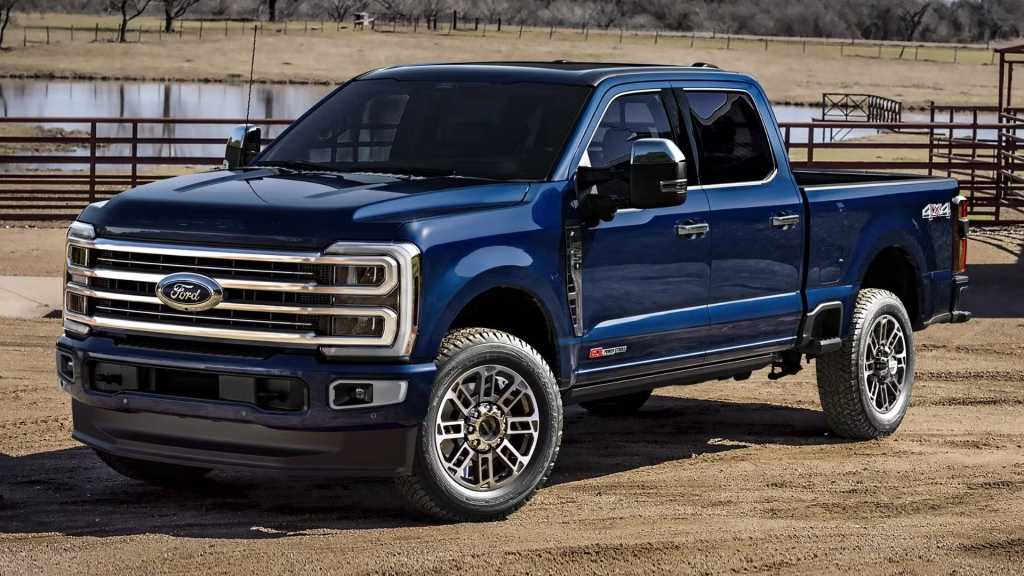
The Ford Super Duty earns its place in this comparison because its diesel starting strategy addresses one of the biggest challenges of winter operation: generating enough heat inside a cold combustion chamber.
The available 6.7-liter Power Stroke V8 is a compression-ignition engine, and Ford’s starting procedure tells the driver to wait for the glow plug indicator before cranking. The current Super Duty manual also notes that the engine can take longer to start as temperatures fall, with several seconds of cranking possible in very cold conditions.
That glow-plug strategy is important because it gives the engine a controlled source of heat before combustion begins.
Ford has used electronically managed glow-plug systems on its Super Duty diesels for years. In earlier documentation, the system used individual glow plugs with a control module and temperature-related inputs to determine how long they should remain energized.
There is another reason the Super Duty makes sense here. Ford provides an engine block heater system specifically intended to improve cold starts.
The 2026 owner’s manual says the heater warms engine coolant and is most effective below 0°F (-18°C). Ford also states that the system reaches maximum temperature after approximately three hours of operation.
The point is not that a Super Duty will fire instantly in every Arctic condition. Its advantage is the amount of engineering devoted to making cold starting predictable. With the correct oil, healthy batteries, and suitable fuel, its starting hardware gives the engine a meaningful head start when winter takes away heat.
The 2026 6.7-liter Power Stroke also produces up to 500 horsepower and 1,200 lb-ft of torque, showing that its heavy-duty design is not built around a lightly stressed powertrain.
2. Ram 2500
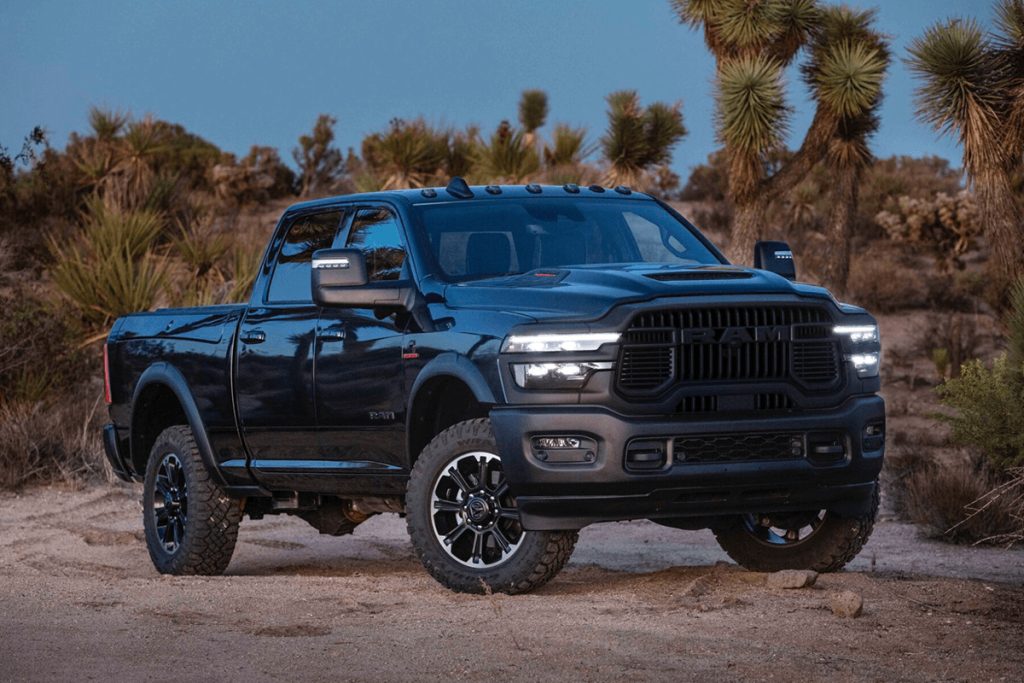
The Ram 2500 takes a different route to the same winter problem when equipped with the Cummins diesel. Instead of relying solely on combustion-chamber heating, the Cummins design uses an electric grid heater to warm intake air before it enters the cylinders.
Cummins describes its grid heater as an electric starting aid intended to enhance engine starting at cold temperatures.
That distinction matters because diesel combustion depends heavily on temperature. When the surrounding air and engine components are extremely cold, compression alone has a harder job creating the conditions needed for ignition. Heating the incoming air helps reduce that burden during the first moments of operation.
Ram has also equipped diesel HD trucks with substantial electrical capacity. In its HD buyer information, Ram specified two 730-amp maintenance-free batteries for diesel applications, while an engine block heater was included with the Cold Weather Group on applicable diesel models.
That combination addresses two common winter starting challenges. The starter needs strong electrical power, while the engine benefits from additional heat before ignition.
The Cummins approach is not simply a marketing feature. Cummins documentation explicitly warns against using starting fluid when a grid heater is installed because ether can create an explosion risk. That warning illustrates how seriously the manufacturer treats the relationship between the intake-heating system and cold starting.
For drivers in genuinely cold regions, this matters more than headline horsepower. A truck may spend most of its life towing, hauling, or commuting, but the hardest mechanical moment can still be the first start on a freezing morning.
The Ram’s combination of intake-air heating, strong electrical support, and available engine heating gives the Cummins-powered 2500 several dedicated tools for handling that moment.
3. Chevrolet Silverado 2500HD
The Chevrolet Silverado 2500HD belongs on the cold-start-friendly side because its Duramax diesel has been developed with dedicated systems for operating in low temperatures.
The current 6.6-liter Duramax V8 uses glow plugs to help establish the heat needed for compression ignition, while Chevrolet also provides an available engine block heater for situations where temperatures become severe.
The glow-plug system is particularly useful during the first start of the day. Diesel fuel does not receive assistance from a spark plug, so the engine must generate enough heat through compression and supplementary heating for combustion to begin reliably.
When the engine has been sitting outside overnight, that task becomes considerably harder. Glow plugs reduce that initial burden by heating the combustion area before and during starting.
Chevrolet’s owner’s information also gives drivers specific cold-weather guidance rather than treating winter operation as ordinary driving.
The Silverado’s diesel documentation discusses the use of diesel fuel formulated for low temperatures and warns that fuel can gel when temperatures become extremely cold. That is important because a truck can have a perfectly healthy starter and battery yet fail to run if the fuel system becomes restricted.
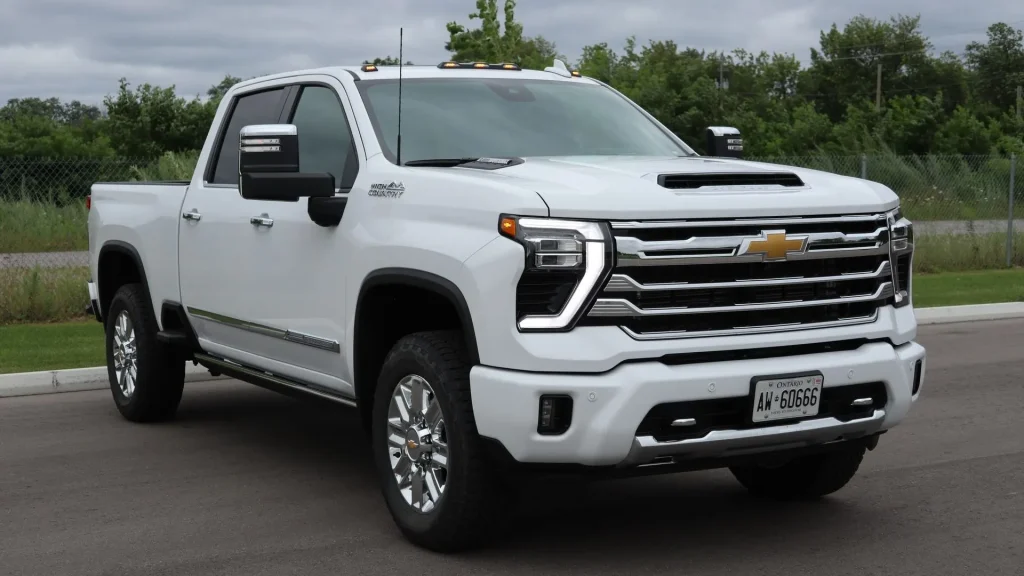
The available block heater adds another layer of protection. Rather than forcing the starter to turn an engine filled with cold, thickened lubricants, preheating the engine brings its temperature closer to normal operating conditions before ignition. This can reduce the effort required during starting and help the engine reach stable operation sooner.
That combination is why the Silverado 2500HD deserves consideration here. Its cold-weather capability does not come from one oversized component. It comes from several systems working together, giving the Duramax a better chance of starting cleanly when winter temperatures make every mechanical process more difficult.
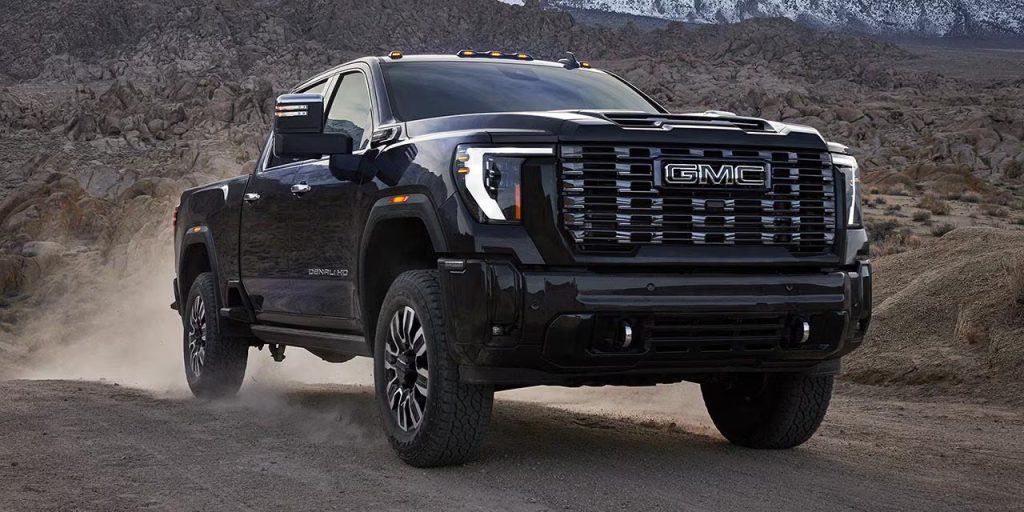
4. GMC Sierra 2500HD
The GMC Sierra 2500HD shares much of its mechanical foundation with the Silverado 2500HD, but its inclusion here is based on how the Duramax powertrain is prepared for low-temperature operation rather than simply its relationship with another GM truck.
The 6.6-liter Duramax diesel uses glow plugs as part of its starting strategy, and GMC provides cold-weather equipment designed to make severe winter operation less demanding.
One useful feature available with the diesel powertrain is the engine block heater. Its purpose is simple. It adds heat to a stationary engine before the driver turns it over, which can become increasingly helpful as temperatures drop. Cold weather makes engine oil more viscous and causes mechanical clearances to change, making the engine harder to crank.
GMC’s diesel documentation also emphasizes fuel quality in cold conditions. This is a critical distinction when judging a truck’s winter credentials. Cold-start reliability is not determined solely by the engine itself.
Diesel fuel can experience wax formation at low temperatures, potentially restricting fuel flow. GMC therefore provides guidance concerning winterized diesel fuel and fuel additives where appropriate.
The Sierra’s diesel starting system also uses glow plugs to provide additional heat during startup. Their role is particularly important after the truck has remained stationary for many hours. A warm engine can produce combustion conditions relatively easily, but a completely cold diesel has to overcome a much larger thermal disadvantage.
That makes the Sierra 2500HD a strong candidate for this list because its winter preparation extends beyond the starter motor. The combination of combustion-chamber heating, optional engine preheating, and attention to diesel fuel behavior gives it several defenses against cold-weather starting problems.
A properly maintained Sierra with the right fuel and oil is therefore much better equipped for winter mornings than a truck whose starting system has to fight the cold without dedicated assistance.
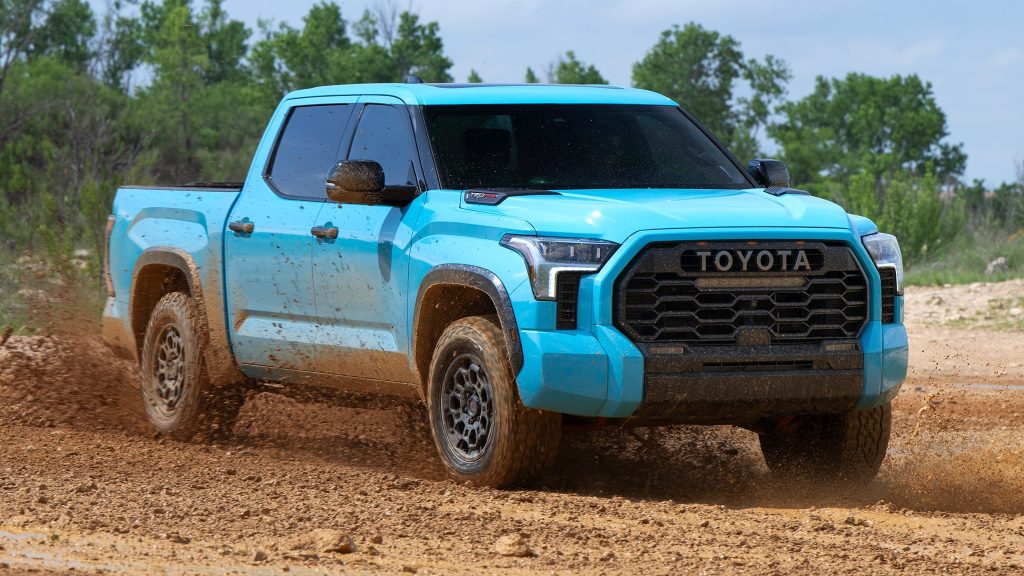
5. Toyota Tundra
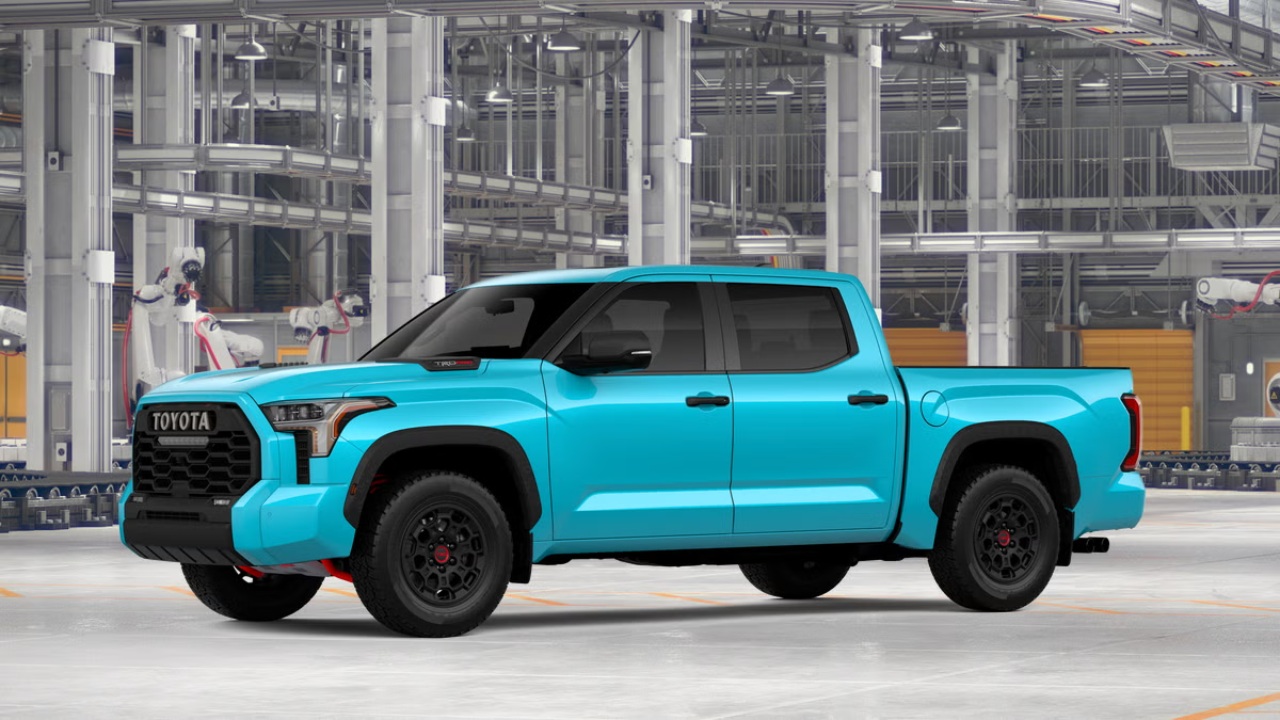
The Toyota Tundra earns a place on the cold-start side for a different reason than the heavy-duty diesel pickups. Its gasoline powertrains avoid the particularly demanding cold-start characteristics associated with diesel combustion, making it a more straightforward choice for drivers who regularly encounter freezing temperatures but do not need a heavy-duty diesel.
The current Tundra uses a twin-turbocharged 3.4-liter V6 as its standard engine, producing up to 389 horsepower and 479 lb-ft of torque. The available i-FORCE MAX hybrid powertrain increases output to 437 horsepower and 583 lb-ft of torque.
Gasoline engines still face cold-weather challenges. Low temperatures increase oil viscosity, reduce battery output, and make fuel vaporization more difficult. However, modern electronic fuel injection and engine-management systems are designed to compensate for changing temperatures and maintain the correct fuel mixture during startup.
The Tundra also offers remote engine start on equipped versions, which can be useful in cold climates because drivers can start the truck before entering it. Toyota’s available remote-connect functions can provide remote starting through the appropriate connected services, depending on equipment and subscription.
There is an important reason to distinguish this truck from the diesel models above: Cold-start capability does not necessarily mean it is designed for extreme Arctic operation. Battery condition, correct oil viscosity, and proper maintenance remain essential.
The twin-turbocharged engine also means owners should be disciplined about servicing and should use the specified oil. Turbochargers depend on proper lubrication, particularly during temperature extremes.
The Tundra makes the list because its gasoline-based powertrain avoids some diesel-specific starting challenges while offering substantial torque and modern cold-start management. For drivers who want a full-size pickup without committing to a diesel, that combination can be attractive.
5 Trucks That Struggle With Cold Starts
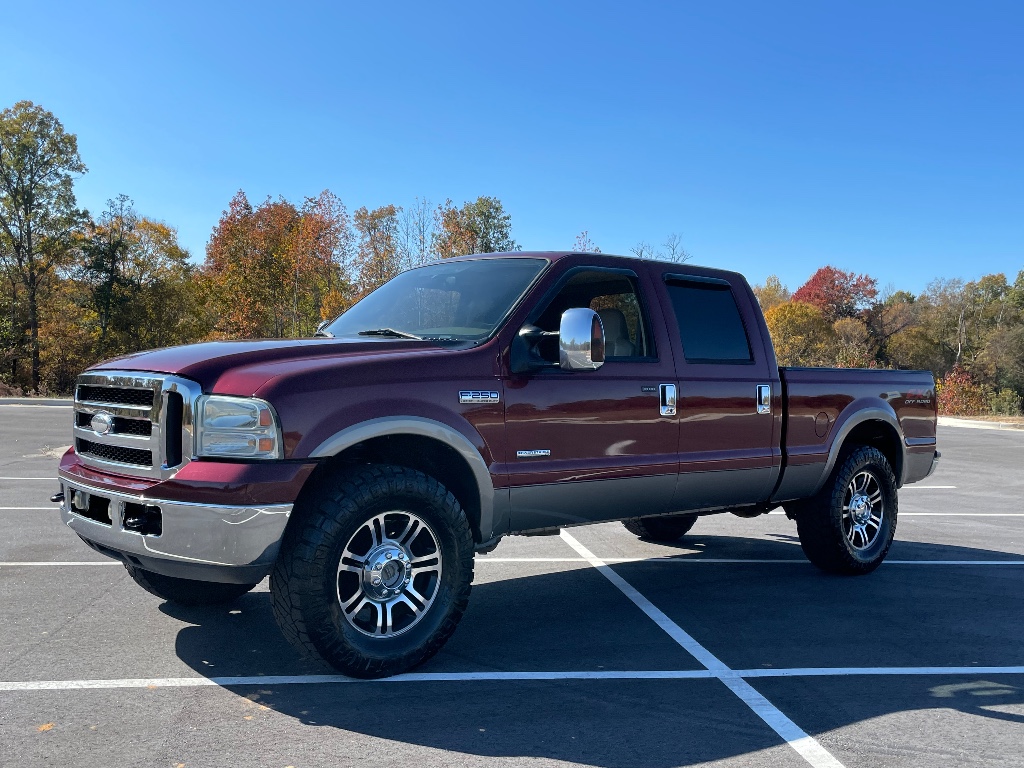
1. 2005 Ford F-250 Super Duty 6.0 Power Stroke
The 2005 Ford F-250 Super Duty equipped with the 6.0-liter Power Stroke diesel is a good example of why model year matters when discussing cold starts. The engine uses glow plugs to assist combustion during startup, and those components become especially important when temperatures fall.
A diesel needs enough heat inside the cylinders to ignite the injected fuel. In warm weather, the engine can reach those conditions relatively easily. In severe cold, however, the starting system has much less room for weakness.
Aging glow plugs, a tired glow-plug control system, weak batteries, or a worn starter can turn a normal startup into prolonged cranking.
The 6.0 Power Stroke also has substantial compression, meaning the starter needs to turn the engine quickly enough to establish the conditions required for combustion. Cold, thick engine oil increases the resistance the starter has to overcome.
Battery condition is therefore critical. A battery that still starts the truck reasonably well during summer may not have sufficient reserve when winter arrives.
The engine block heater is one of the most useful pieces of equipment on a truck like this. Warming the engine before startup can reduce oil viscosity and make the initial cranking process easier.
This truck makes the caution list because age compounds the original cold-start demands. A carefully maintained example can perform well, but a neglected 2005 F-250 can expose every weakness in its starting system when temperatures plunge.
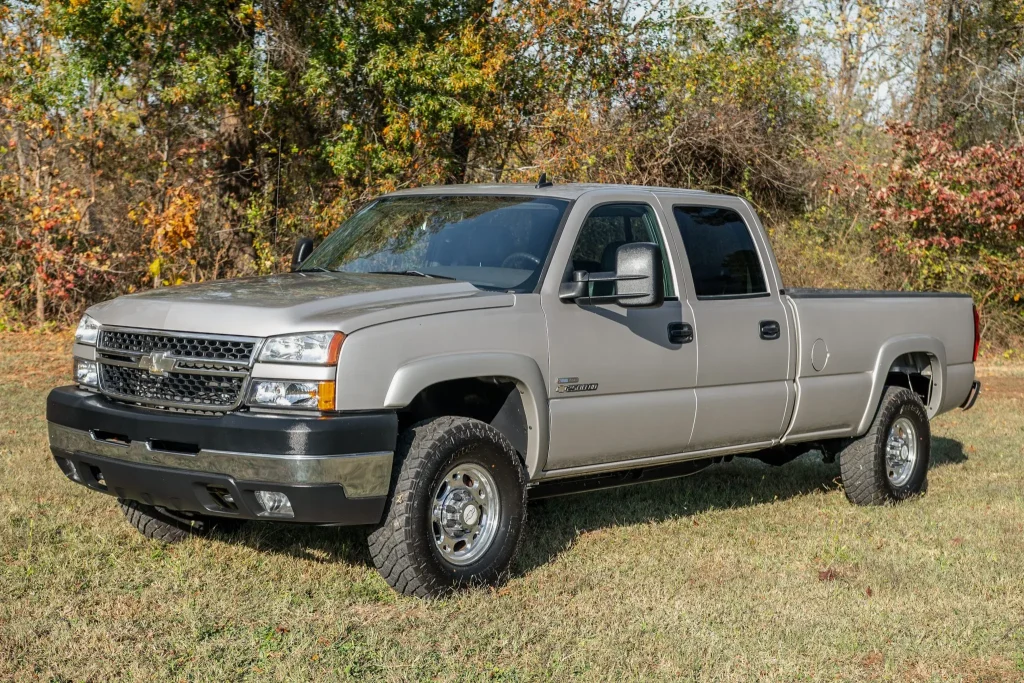
2. 2006 Chevrolet Silverado 2500HD Duramax
The 2006 Chevrolet Silverado 2500HD with the 6.6-liter Duramax diesel is another truck where winter reliability depends heavily on the condition of its starting and fuel systems. The Duramax was designed for demanding work, but this particular truck is now roughly two decades old, and age itself can become a significant factor.
Cold temperatures increase the load placed on the starter and batteries. Diesel engines require substantial cranking power, and the problem becomes more pronounced when cold oil increases internal resistance.
The glow-plug system also deserves attention. Glow plugs assist the combustion process during cold starts, and a weak or malfunctioning system can result in longer cranking or rough startup when temperatures are low.
Fuel quality is equally important. Diesel fuel can develop cold-flow problems in severe weather, potentially restricting fuel delivery. A partially restricted or neglected fuel filter makes the situation worse because the fuel system already has to work under difficult conditions.
A properly functioning engine block heater can make a substantial difference. Preheating the engine reduces the amount of work required immediately after the starter is engaged and can help the engine reach stable operating conditions sooner.
The reason this specific Silverado appears here is not that the Duramax is inherently incapable of winter operation. In fact, these trucks were built for serious work. The concern is what happens when a 20-year-old diesel has accumulated wear across its batteries, starter, glow plugs, wiring, and fuel system.
For anyone considering one as a winter work truck, a professional inspection of the starting and charging systems should be considered essential rather than optional.
3. 2008 Ford F-250 Super Duty 6.4 Power Stroke
The 2008 Ford F-250 Super Duty with the 6.4-liter Power Stroke illustrates another cold-start challenge that comes with an aging diesel work truck. The engine was developed to deliver serious towing and hauling capability, but after many years of service, the condition of its supporting systems becomes just as important as the engine’s original design.
The 6.4 Power Stroke uses glow plugs to assist cold combustion. When temperatures drop, these components become increasingly important because the engine needs additional heat to establish reliable ignition. Weak glow plugs can lead to longer cranking and rough starts, particularly after the truck has spent the night outdoors.
The electrical system is another major consideration. A diesel of this size requires substantial cranking power, and the F-250 uses a dual-battery arrangement. Both batteries need to be healthy. Replacing one weak battery while leaving an aging companion battery can leave the truck vulnerable when temperatures fall.
Engine oil also matters. Cold oil creates additional resistance during cranking, so using the manufacturer-specified viscosity for the prevailing temperature is important. An engine heater can further reduce the effort required to start the truck in severe conditions.
Fuel quality should not be overlooked either. Cold diesel fuel can create flow problems, and an old fuel filter can make an already difficult situation worse.
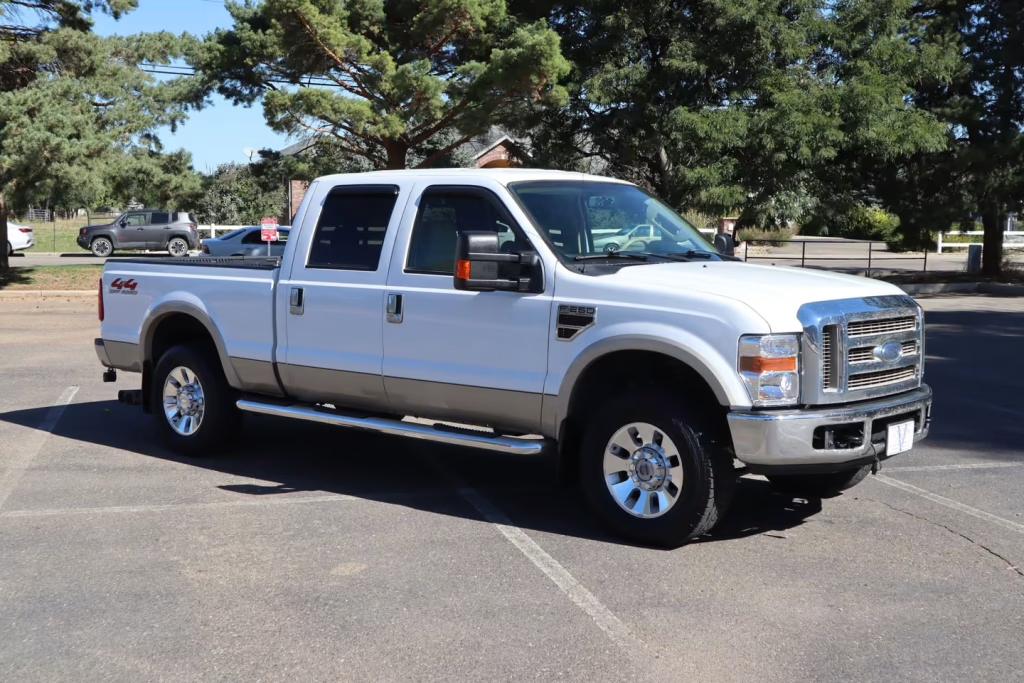
The 2008 F-250 is therefore not a truck that should automatically be dismissed for winter use. Its heavy-duty architecture was built for demanding environments. The concern is that an older 6.4-liter diesel gives owners more systems to maintain, and cold weather exposes weaknesses very quickly.
Anyone buying one today should test the batteries, starter, glow-plug system, charging system, block heater, and fuel delivery before trusting it for regular winter work.
4. 2010 Ram 2500 6.7 Cummins
The 2010 Ram 2500 equipped with the 6.7-liter Cummins is another truck where severe cold can expose weaknesses that are easy to overlook during normal operation. Unlike a gasoline pickup, the Cummins diesel relies on high compression and supporting cold-start systems to establish combustion, making electrical and fuel-system conditions particularly important.
The 6.7-liter Cummins produces approximately 350 horsepower and 650 lb-ft of torque in this era, giving the Ram considerable capability for towing and heavy work. Its inline-six architecture also became well known for strong low-speed torque.
Cold weather changes the starting equation. Diesel fuel can become more difficult to manage at low temperatures, while thick engine oil increases the effort required to rotate the engine. A weak battery or starter can therefore become much more obvious when the thermometer drops.
The truck’s intake-air heating system helps the engine establish the conditions needed for combustion. If the system is not functioning correctly, cold starts can become considerably more difficult. The fuel filter also deserves attention because restricted fuel flow can compound winter starting problems.
Age is perhaps the biggest concern with a 2010 example today. A truck that was perfectly capable of starting in winter when new may have accumulated years of battery, wiring, starter, sensor, and fuel-system wear.
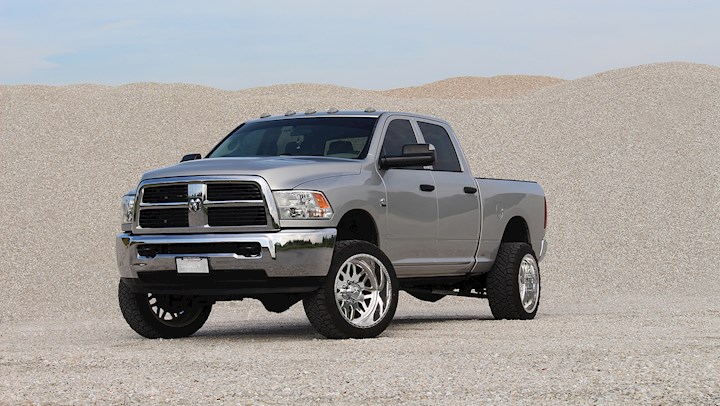
That is why a pre-purchase inspection should go beyond checking whether the engine starts on a warm afternoon. A buyer should investigate the charging system, battery condition, starting performance, fuel filter, engine heater if equipped, and maintenance history.
The 2010 Ram 2500 can still be a capable winter work truck, but its age means preparation matters. It belongs in this group because cold weather gives neglected components very little room to hide.
5. 2011 Chevrolet Silverado 2500HD Duramax
The 2011 Chevrolet Silverado 2500HD with the 6.6-liter Duramax is a capable heavy-duty pickup, but its age now makes cold-weather starting more dependent on the condition of individual components.
This is an important distinction because the truck’s underlying design was built for demanding work. The problem is that winter can expose weaknesses that remain hidden during warmer weather.
The 6.6-liter Duramax diesel produces 397 horsepower and 765 lb-ft of torque in the 2011 Silverado 2500HD. That substantial output requires a strong starting and fuel system, particularly when temperatures fall well below freezing.
Cold diesel engines need assistance establishing combustion. The truck’s glow-plug system helps provide the necessary heat, while the batteries and starter have to turn the high-compression engine fast enough for the combustion process to begin. If either battery is weak, available cranking power can fall dramatically in freezing conditions.
Oil selection matters as well. Lubricant becomes more resistant to movement as temperatures fall, increasing the load placed on the starter during the first moments after ignition. Using the correct oil specification and viscosity for the expected climate is therefore particularly important.
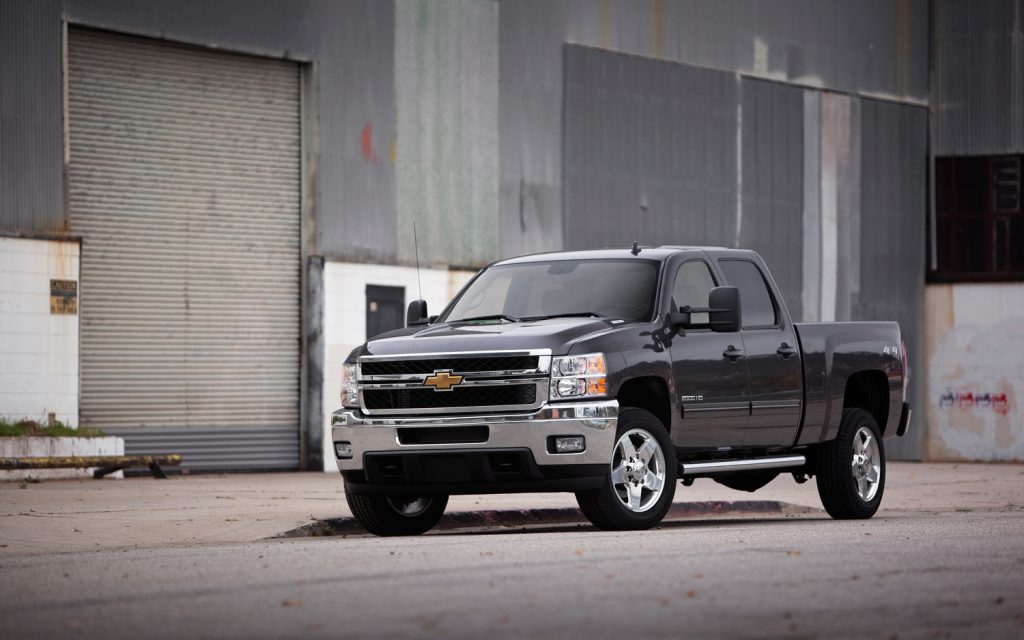
Fuel filtration is another potential weak point. Water or contamination in the fuel system can become especially troublesome in cold weather, while a restricted filter can limit fuel delivery when the engine is already difficult to start.
The 2011 Silverado is included because it represents a truck that can be perfectly capable in winter when properly maintained but considerably less forgiving when neglected. A buyer should inspect the batteries, glow-plug operation, starter, fuel filter, charging system, and engine heater before relying on one in severe cold.
For someone considering this truck today, condition matters more than the badge. A carefully maintained example can remain dependable, while a poorly serviced one can turn a freezing morning into a long wait for assistance.
