
Rural mail routes can turn an ordinary commute into a demanding daily job. A carrier may spend hours behind the wheel, repeatedly stopping, pulling onto unpaved shoulders, dealing with snow or rain, and carrying hundreds of pieces of mail.
The right vehicle therefore needs more than good fuel economy. Ground clearance, traction, cargo space, comfortable seating, easy access, and dependable road manners all matter. Some routes favor a compact vehicle that can maneuver between closely spaced mailboxes, while others demand something tougher for gravel roads and severe weather.
These ten vehicles stand out for the different ways they can handle the practical demands of rural mail delivery across the United States.
1. Subaru Outback
Few vehicles fit the rural mail-carrier role as naturally as the Subaru Outback. Its wagon-like body gives it useful cargo space without the bulk of a full-size SUV, while standard all-wheel drive gives it an important advantage when a route includes snow-covered roads, muddy shoulders, or poorly maintained gravel surfaces.
The 2025 Outback comes standard with a 2.5-liter four-cylinder Boxer engine producing 182 horsepower and 176 lb-ft of torque. Subaru pairs it with a continuously variable transmission and standard Symmetrical All-Wheel Drive.
The standard powertrain can reach up to 32 mpg on the highway, which is valuable for carriers who accumulate substantial mileage during a workweek.
Ground clearance is another reason the Outback makes sense for rural routes. Standard models sit 8.7 inches above the ground, while the Outback Wilderness increases that figure to 9.5 inches. The Wilderness also uses a turbocharged 2.4-liter Boxer engine producing 260 horsepower and 277 lb-ft of torque.
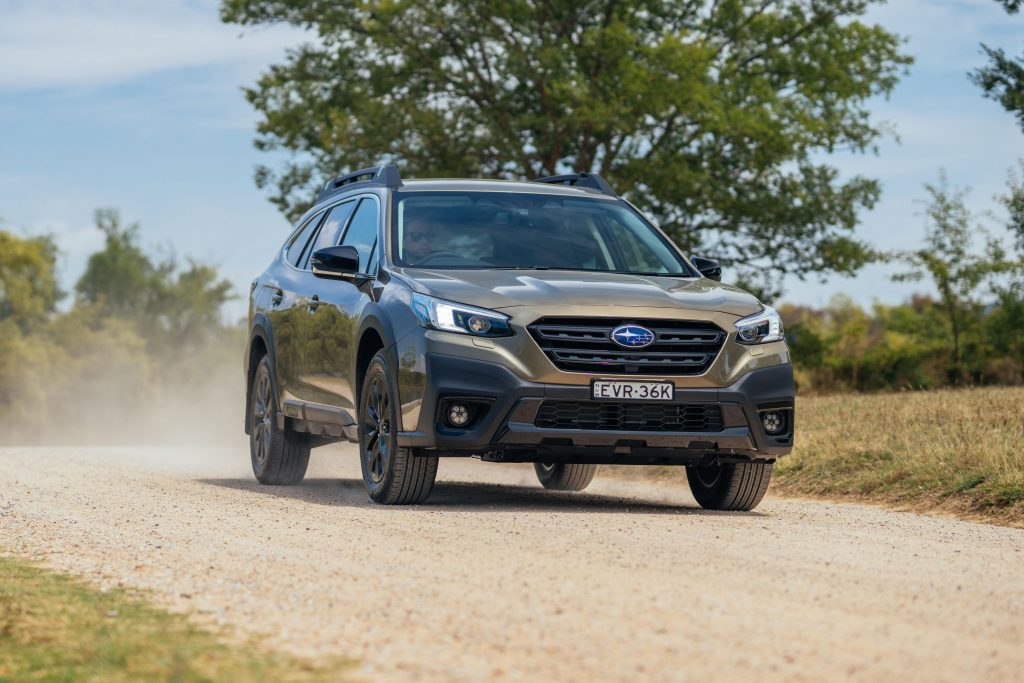
Then there is the cargo area. The Outback provides 32.6 cubic feet behind the rear seats and up to 75.6 cubic feet with them folded. That is enough flexibility to carry mail trays, personal equipment, and other route necessities without turning the passenger cabin into a storage compartment.
At 191.9 inches long and 74.2 inches wide, it remains manageable on narrow rural roads. For carriers facing a mixture of pavement, gravel, and changing weather, the Outback’s combination of clearance, AWD, cargo capacity, and highway efficiency makes it an exceptionally practical choice.
2. Honda CR-V
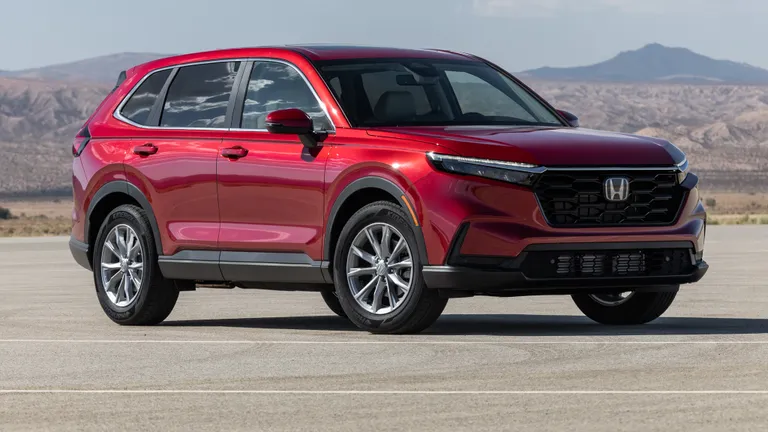
The Honda CR-V approaches rural mail delivery from the efficiency side. It is not designed as an off-road vehicle, but its compact dimensions, comfortable cabin, available all-wheel drive, and generous cargo area make it a practical choice for carriers whose routes are mostly paved with occasional rough sections.
For 2025, the CR-V offers a 1.5-liter turbocharged four-cylinder producing 190 horsepower on gasoline models. Honda also offers a two-motor hybrid system producing 204 horsepower.
Real-time AWD is available on the gasoline versions and included on several hybrid trims, giving carriers the option to add traction without moving into a larger SUV.
The CR-V’s compact footprint can be an asset on a route where the carrier repeatedly pulls to the roadside. At approximately 184 inches long, it is considerably easier to position than a large pickup or three-row SUV. That becomes particularly useful when mailboxes sit close to narrow driveways or when a carrier has to make frequent stops along winding roads.
The hybrid version is especially appealing for routes involving constant acceleration and braking. Its 204-horsepower system can deliver strong efficiency without requiring the driver to sacrifice the higher seating position of a crossover.
The gasoline model remains a sensible option for carriers who regularly travel beyond areas where hybrid fuel savings are most noticeable.
Inside, the CR-V provides a flexible rear seat and cargo area, allowing mail trays and other equipment to be separated from the driver’s immediate space. Honda also includes driver-assistance technology such as Adaptive Cruise Control with Low-Speed Follow and Road Departure Mitigation on the 2025 lineup.
For carriers working primarily on paved rural roads, the CR-V offers an attractive balance of maneuverability, comfort, available AWD, and efficient powertrains.
3. Toyota RAV4 Hybrid
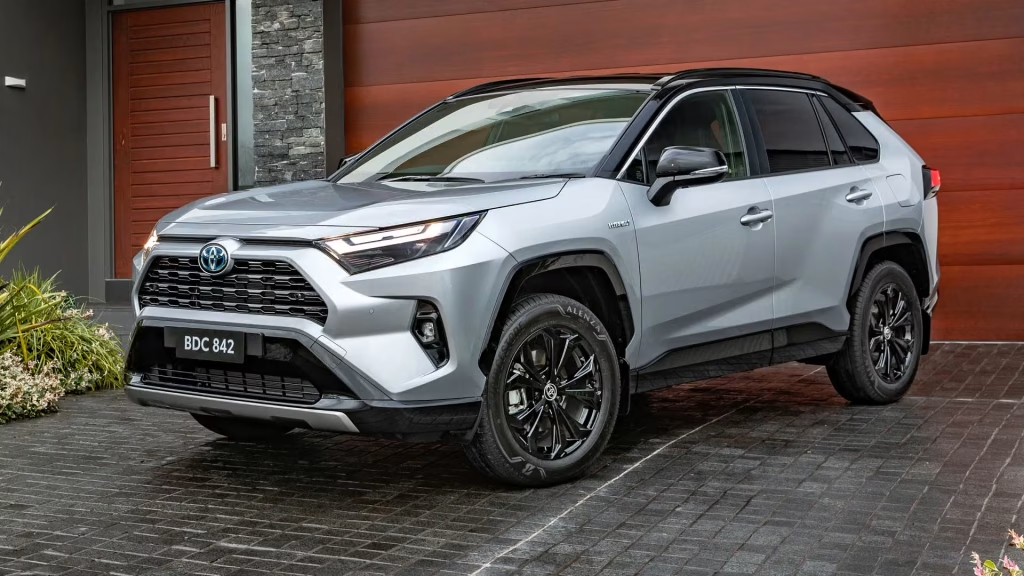
A rural mail route can make fuel economy just as important as traction because the vehicle may spend hours traveling between stops. The Toyota RAV4 Hybrid is particularly well suited to that pattern, combining standard all-wheel drive with an EPA-estimated 39 mpg combined rating.
Toyota rates its hybrid system at 219 net combined horsepower, giving it enough performance for highway sections while keeping fuel consumption reasonable during a high-mileage workweek.
The RAV4’s dimensions also suit a carrier who repeatedly pulls toward roadside mailboxes. At roughly 181 inches long and 73 inches wide, it is compact enough for narrow rural roads without sacrificing useful interior room.
Toyota lists 8.1 inches of ground clearance for the configuration shown in its U.S. specifications, while certain RAV4 versions offer up to 8.6 inches.
Cargo flexibility gives the RAV4 another practical advantage. Toyota lists 37.8 cubic feet behind the rear seats and as much as 69.8 cubic feet with those seats folded. That provides enough room to keep route equipment, personal belongings, and other supplies organized instead of filling the front passenger area.
The hybrid’s standard AWD is arguably its most useful feature for rural carriers. Gravel roads, wet grass, loose shoulders, and winter conditions can create situations where front-wheel drive alone is less desirable.
The RAV4 Hybrid’s electric rear-axle assistance provides all-wheel-drive capability without requiring a traditional mechanical driveshaft running to the rear wheels.
For carriers who spend much of the day stopping, accelerating, and cruising between widely separated addresses, the RAV4 Hybrid offers an unusually sensible combination of efficiency, clearance, cargo room, and all-weather traction.
4. Jeep Grand Cherokee
Some rural routes are far removed from the smooth pavement of suburban neighborhoods. For carriers who regularly encounter gravel roads, steep driveways, muddy sections, or winter conditions, the Jeep Grand Cherokee brings a stronger focus on traction and rough-road capability than many conventional crossovers.
The 2025 Grand Cherokee is offered with a 3.6-liter Pentastar V6 producing 293 horsepower and 260 lb-ft of torque. Four-wheel-drive systems are available, including the Quadra-Trac II system on applicable configurations.
Jeep also offers the Grand Cherokee Trailhawk with additional off-road hardware, making it particularly suited to routes where road surfaces can become difficult.
Ground clearance is another reason the Grand Cherokee deserves consideration. The available Quadra-Lift air suspension can raise the vehicle substantially above its normal ride height, while the Trailhawk configuration provides dedicated off-road equipment.
That extra clearance can be useful when a carrier has to leave the pavement and negotiate rutted or uneven access roads.
There is a practical compromise here. The Grand Cherokee is larger and heavier than a compact crossover, so it will generally require more fuel than vehicles such as the RAV4 Hybrid.
For a carrier covering extremely long routes, that difference can become significant over the course of a year. Its advantage comes when route conditions demand additional capability rather than maximum fuel economy.
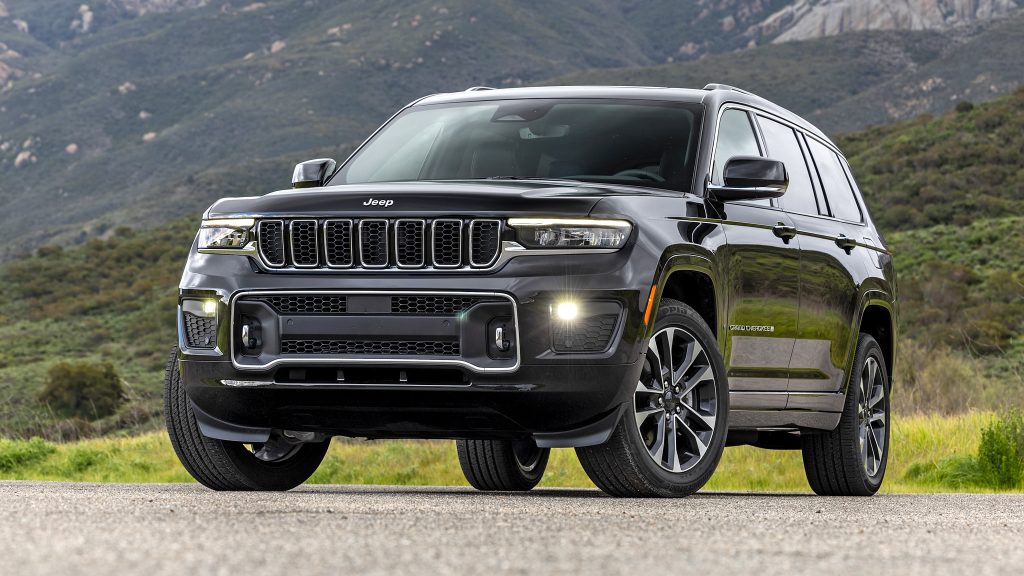
The cabin provides another benefit during long shifts. A carrier can spend several hours in the driver’s seat, so supportive seating, a higher driving position, and a spacious passenger compartment can matter just as much as raw capability.
The Grand Cherokee is therefore best suited to rural routes where the pavement ends frequently. It gives a carrier additional traction and clearance without requiring a full-size truck or a dedicated off-road vehicle.
5. Ford Escape Hybrid
For a rural carrier, fuel economy can become a major operating expense when the route stretches for dozens or even hundreds of miles each day. The Ford Escape Hybrid addresses that problem without becoming a large vehicle that is difficult to maneuver around narrow roads and closely spaced mailboxes.
The 2025 Escape Hybrid uses a 2.5-liter Atkinson-cycle four-cylinder engine paired with an electric motor. Ford lists 180 horsepower for the gasoline engine, while the hybrid system produces 192 horsepower in the standard configuration.
The front-wheel-drive hybrid is EPA-rated at 42 mpg city and 36 mpg highway, making it one of the more economical choices for a high-mileage delivery route.
Size is another advantage. The Escape measures approximately 80.1 inches long and 74.1 inches wide without mirrors in its front-wheel-drive configuration. That compact footprint can make repeated roadside stops easier than they would be in a larger SUV.
There is useful cargo capacity behind the second row as well. Ford lists 34.4 cubic feet for the hybrid, with maximum cargo capacity reaching 60.8 cubic feet when the rear seats are folded. The front seats provide up to 42.4 inches of legroom, giving the driver plenty of space during a long shift.
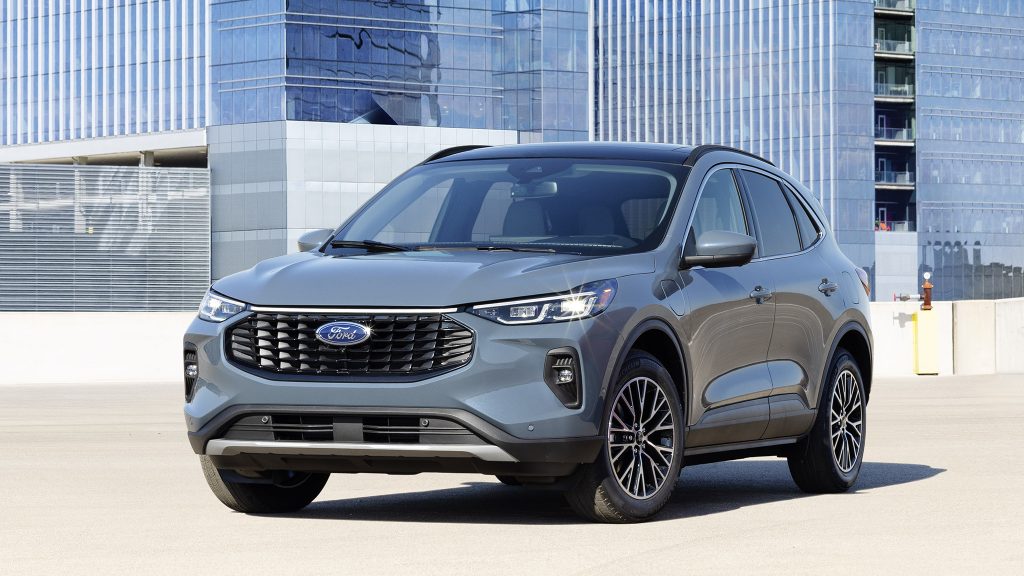
The Escape Hybrid is not intended to tackle deep mud or severe off-road terrain, and its 6.9-inch minimum ground clearance is considerably lower than a Subaru Outback. That makes it better suited to maintained rural roads rather than rough farm tracks.
For carriers whose routes are primarily paved but exceptionally long, the Escape Hybrid’s greatest strength is its ability to turn repeated stops and starts into an efficient driving routine.
6. Toyota Highlander Hybrid
Not every rural mail carrier needs a compact vehicle. Some routes involve substantial equipment, personal belongings, or passengers, making additional interior capacity worthwhile. The Toyota Highlander Hybrid brings three rows of seating and standard all-wheel drive while maintaining a respectable 35 mpg combined EPA rating.
Its 2.5-liter four-cylinder hybrid system produces 243 horsepower and 175 lb-ft of engine torque. Toyota’s U.S. specifications show all-wheel drive on the Highlander Hybrid, giving it useful traction for wet roads, gravel, and winter conditions. The vehicle also provides 8 inches of minimum ground clearance.
The Highlander’s dimensions are substantial, measuring 194.9 inches long and 76 inches wide. That is considerably larger than the Escape or RAV4, so it requires more space when turning around or positioning near roadside mailboxes. In return, however, it provides substantially more interior capacity.
With all three rows in use, cargo volume measures 16 cubic feet. Folding the third row increases that figure to 48 cubic feet, while maximum cargo volume reaches 84.3 cubic feet with the rear seating folded.
That flexibility could be useful for a carrier who needs to carry large quantities of route supplies or occasionally transport another person. The second row offers 38.7 inches of legroom, while the first row provides 42 inches, so long hours behind the wheel do not require sacrificing passenger space.
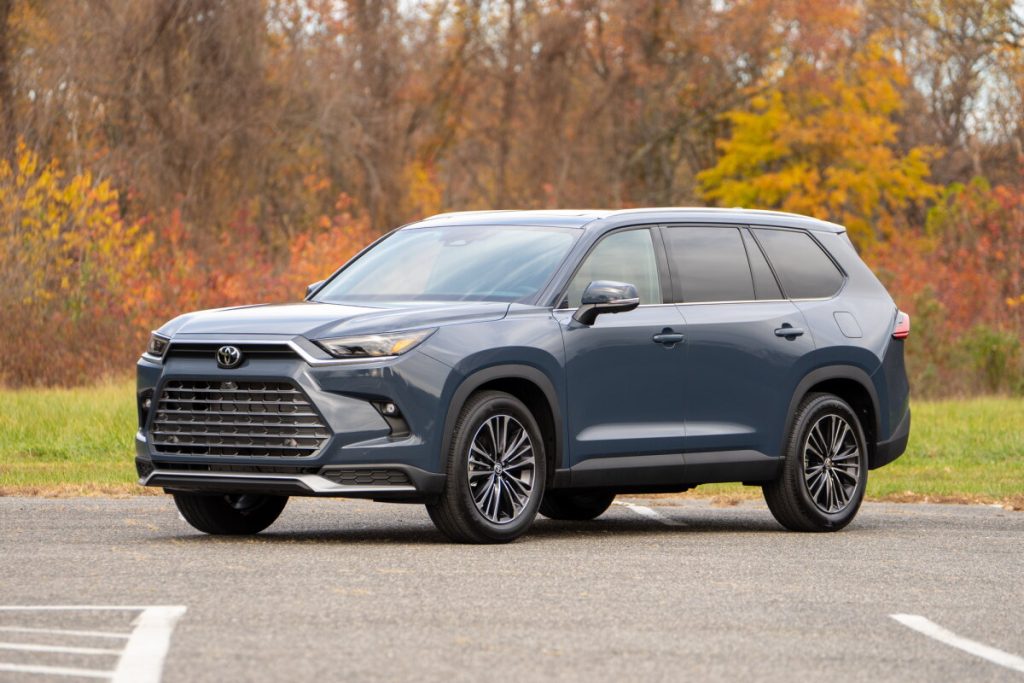
The Highlander Hybrid also has a 17.1-gallon fuel tank, giving its 35 mpg combined rating a theoretical range of nearly 600 miles between full tanks under EPA conditions. Actual route range will vary with weather, traffic, load, and driving habits.
For a carrier who values interior capacity as much as fuel efficiency, the Highlander Hybrid provides a useful middle ground between a compact crossover and a full-size SUV.
7. Subaru Forester
Rural routes do not always follow the kind of roads that appear on a navigation app. A carrier can start on pavement, turn onto gravel, and eventually reach a road where potholes, loose surfaces, or snow become part of the daily routine.
The Subaru Forester is well suited to that progression because every 2025 model comes with Symmetrical All-Wheel Drive and 8.7 inches of ground clearance. Subaru also offers X-MODE for additional traction on slippery surfaces.
The 2025 Forester uses a 2.5-liter horizontally opposed four-cylinder engine producing 180 horsepower and 178 lb-ft of torque. Its EPA estimates reach 33 mpg highway and 29 mpg combined, respectable figures for an AWD vehicle that may spend much of its day moving between widely separated addresses.
Where the Forester becomes especially practical is inside. Subaru lists 27.5 cubic feet of cargo capacity behind the rear seats and up to 69.1 cubic feet with them folded. The wide rear opening also makes loading easier when a carrier has to move mail trays or other equipment into the cargo area.
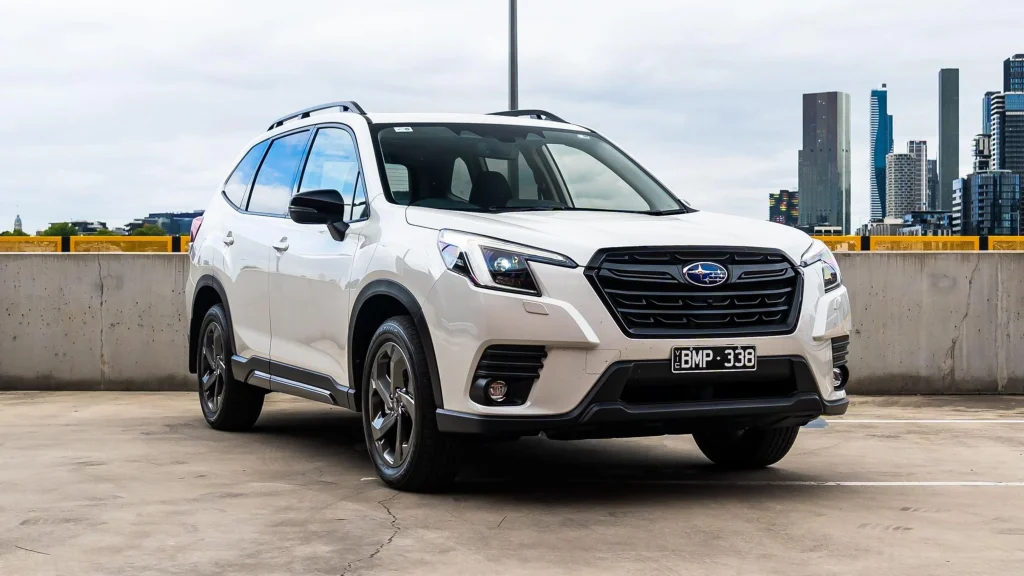
The driver’s position is another consideration. The Forester provides 43.3 inches of front legroom, giving a carrier plenty of space during a long shift. Its 183.3-inch length and 72-inch width also keep it relatively manageable on narrow rural roads.
A carrier who encounters genuine winter weather can choose the Forester Wilderness, which increases ground clearance to 9.2 inches and adds enhanced X-MODE. That version is more specialized, while the standard Forester offers the better balance for mixed pavement and gravel routes.
8. Honda HR-V
Not every rural mail route requires a large vehicle. Some are made up of narrow roads, frequent stops, and relatively short distances between mailboxes. In that environment, the Honda HR-V’s compact dimensions can be more useful than the additional size of a larger SUV.
The 2025 HR-V uses a 2.0-liter four-cylinder engine producing 158 horsepower and 138 lb-ft of torque. Honda offers both front-wheel drive and Real Time AWD with Intelligent Control, allowing buyers to select additional traction when the route regularly encounters snow, rain, or loose surfaces.
The vehicle measures 179.8 inches long and 72.4 inches wide, making it one of the easier vehicles in this group to position repeatedly along narrow roads.
Cargo space is modest compared with larger crossovers, but the HR-V still provides 24.4 cubic feet behind the rear seats and 55.1 cubic feet with the seats folded. For a carrier whose primary cargo is mail rather than bulky equipment, that can be sufficient while keeping the vehicle relatively compact.
The HR-V also offers 41.9 inches of front legroom, which becomes important when a driver’s workday involves repeated hours in the same seat. Its 7.0-inch ground clearance for most configurations is not designed for serious off-road use, but it provides reasonable separation from ordinary road hazards.
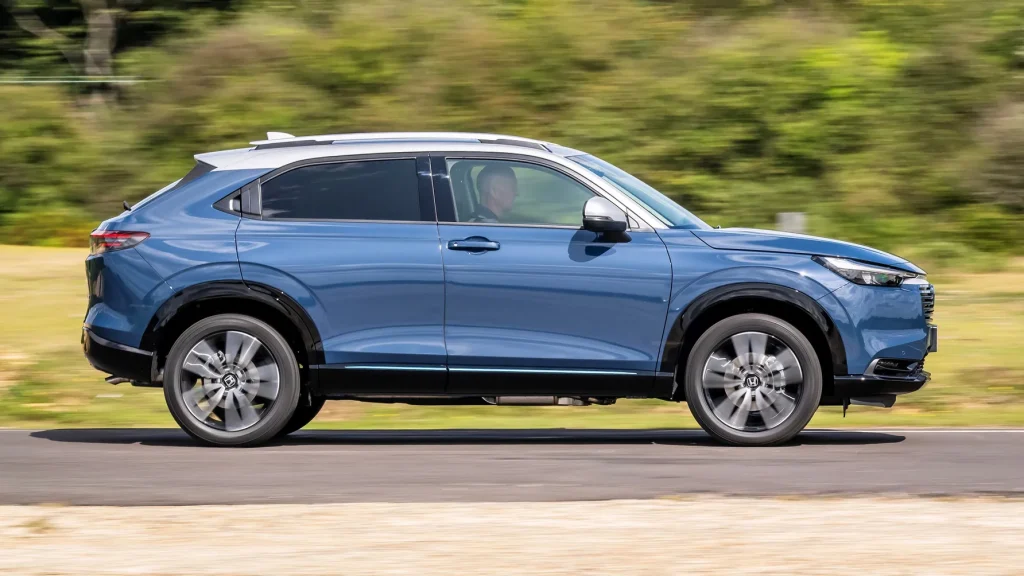
Its strongest quality for rural delivery is maneuverability. A smaller vehicle can be easier to turn around on narrow lanes, position beside roadside mailboxes, and park without occupying excessive space at stops.
For carriers whose routes are mostly on maintained roads with occasional rough sections, the HR-V offers a practical combination of compact dimensions, available AWD, flexible cargo space, and a cabin suited to long hours behind the wheel.
9. Toyota Corolla Cross Hybrid
For rural mail carriers, a smaller crossover can offer a significant advantage. Its compact size makes it easier to position precisely at each mailbox.
The Toyota Corolla Cross Hybrid combines that compact footprint with fuel economy and all-wheel drive, making it particularly attractive for routes where the carrier spends more time stopping than driving at high speed.
The 2025 Corolla Cross Hybrid uses a 2.0-liter four-cylinder engine with Toyota’s fifth-generation hybrid system. Toyota rates the system at 196 net combined horsepower, while electronic on-demand AWD is standard. Its manufacturer-estimated fuel economy is 45 mpg city, 38 mpg highway, and 42 mpg combined.
Those numbers are useful for a job that can involve constant acceleration and deceleration. Instead of carrying the fuel consumption of a larger SUV throughout the route, the Corolla Cross Hybrid is designed around efficiency while retaining a raised driving position.
The vehicle is 176.1 inches long and 71.9 inches wide, making it one of the smallest choices on this list. Its 8.1 inches of ground clearance also gives it a little more separation from uneven road surfaces than a conventional sedan.
Toyota lists 24 cubic feet of cargo capacity in its comparison specifications, while the hybrid’s battery is positioned beneath the rear seat area to preserve useful cargo space.
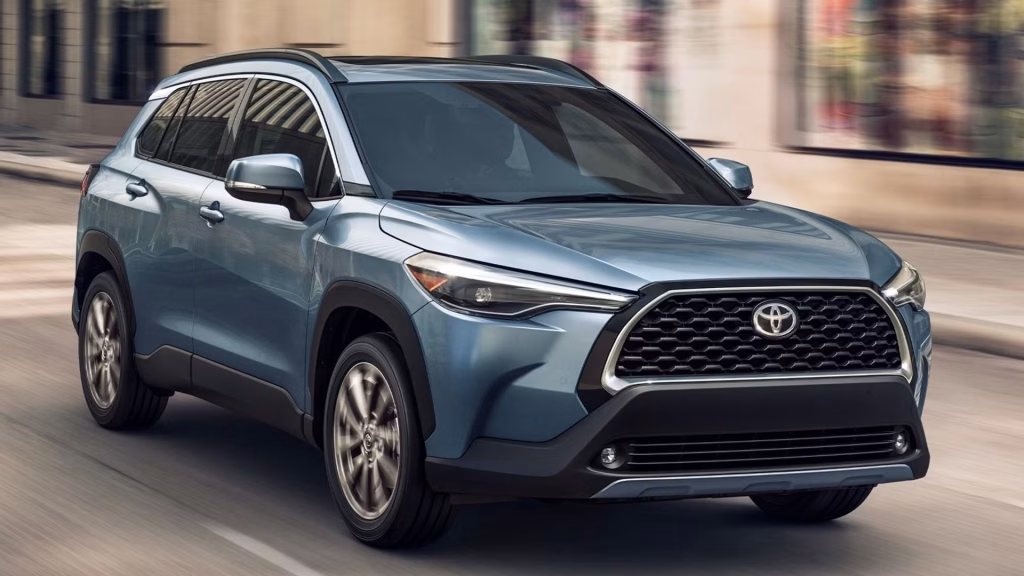
There is also a practical benefit for carriers who occasionally need to transport something beyond mail. Toyota rates the Corolla Cross Hybrid for up to 1,500 pounds of towing capacity, although towing should be based on the exact vehicle configuration and route requirements.
For a carrier working a narrow, winding rural route, the Corolla Cross Hybrid’s compact dimensions can matter just as much as its fuel economy. It is easy to position, reasonably elevated, and equipped with standard AWD, creating a particularly sensible combination for long days of repetitive roadside stops.
10. Ford Maverick Hybrid
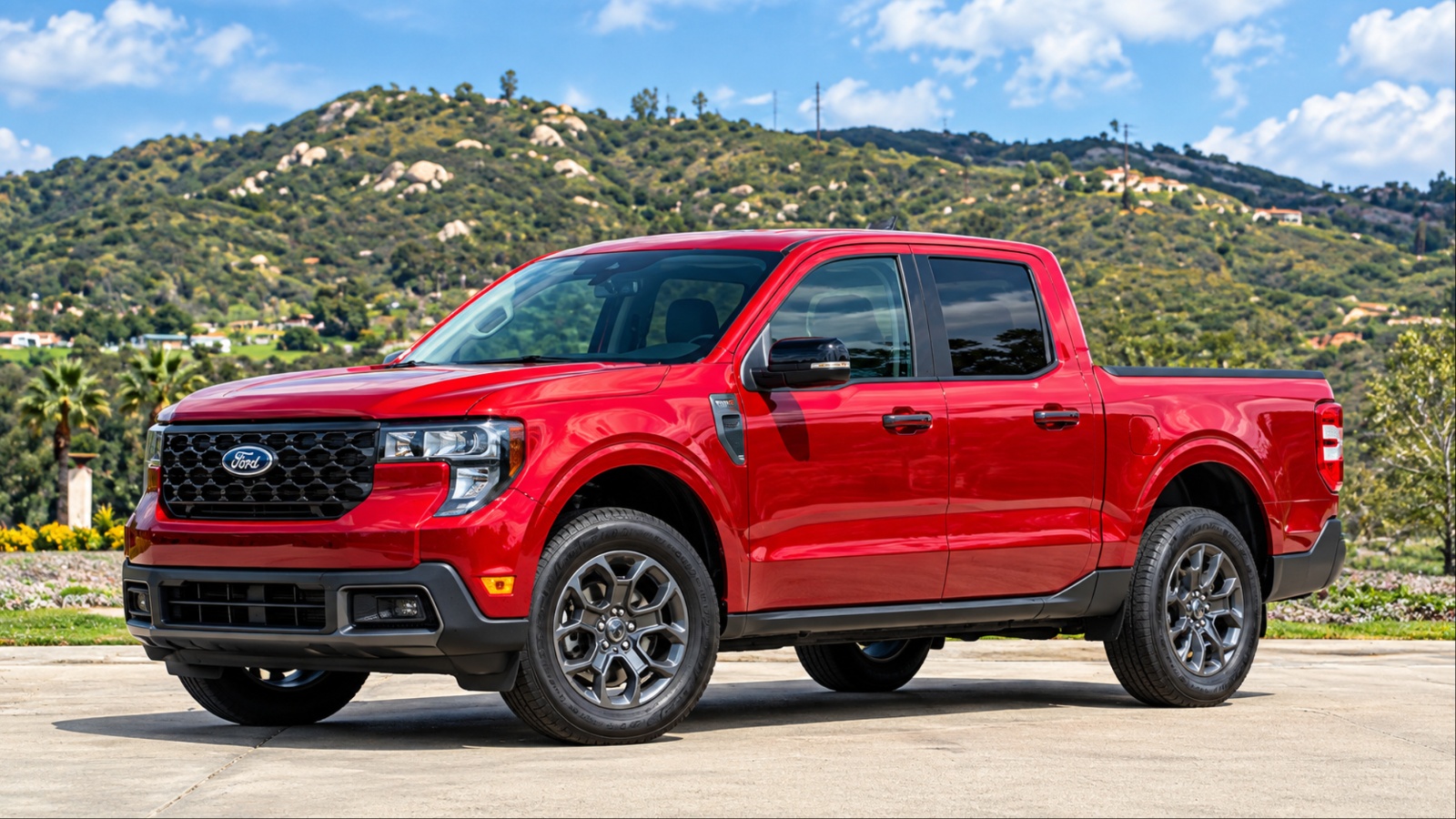
A pickup may seem like an unusual choice for mail delivery, but rural routes can involve more than simply carrying envelopes and packages. When the carrier needs an open cargo area for larger parcels, supplies, or equipment, the Ford Maverick Hybrid offers a useful alternative to another crossover.
The 2025 Maverick uses a 2.5-liter hybrid powertrain producing 191 horsepower and 155 lb-ft of engine torque. The front-wheel-drive hybrid is rated at a targeted 42 mpg city, while Ford introduced hybrid AWD for 2025 with a targeted 40 mpg city rating. That combination makes the small pickup unusually efficient for a vehicle with an open bed.
The Maverick’s 54.4-inch bed is short compared with full-size pickups, but its FLEXBED system makes the available space more useful. Built-in pockets and slots can accommodate dividers and other organization solutions, allowing a carrier to separate parcels or prevent loose equipment from sliding around. Ford lists 33.3 cubic feet of pickup-bed cargo volume.
Payload is another reason the Maverick earns a place here. The maximum available payload reaches 1,500 pounds, although the actual capacity depends on configuration and equipment. The truck can also tow up to 2,000 pounds as standard or 4,000 pounds with the available 4K Tow Package on eligible versions.
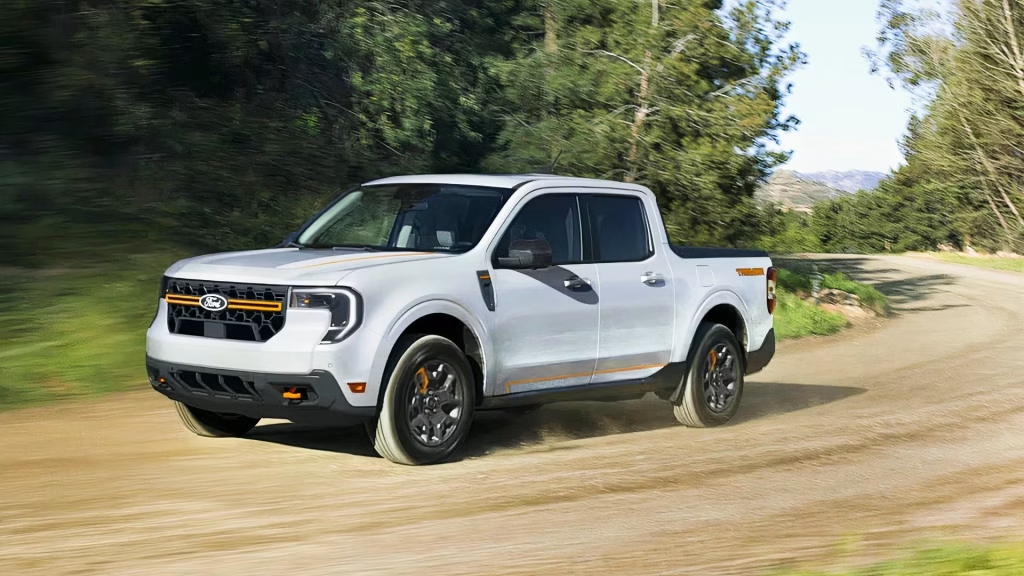
At 199.8 inches long and 72.6 inches wide, the Maverick is still compact enough for roads where a full-size pickup would feel cumbersome. Its 8.1-inch minimum ground clearance on the hybrid provides some useful protection when a route includes uneven shoulders or gravel sections.
For rural carriers who handle larger parcels or need an exposed cargo area for dirty equipment, the Maverick Hybrid offers a unique combination. It provides the utility of a pickup truck while retaining the fuel efficiency of a hybrid powertrain.
