Traveling nurses can spend thousands of miles each year moving between hospitals, clinics, and temporary assignments, so a suitable car needs to do much more than look good in a parking lot. Fuel economy, highway comfort, cargo space, reliability, safety, and reasonable ownership costs all become important when the vehicle is effectively part of the job.
A good choice should also handle long interstate drives without making every trip exhausting.
The following cars are ranked for U.S. traveling nurses using measurable factors such as EPA fuel-economy ratings, available cargo capacity, passenger space, and useful technology. The goal is practical transportation that works between assignments, not simply an attractive commuter car.
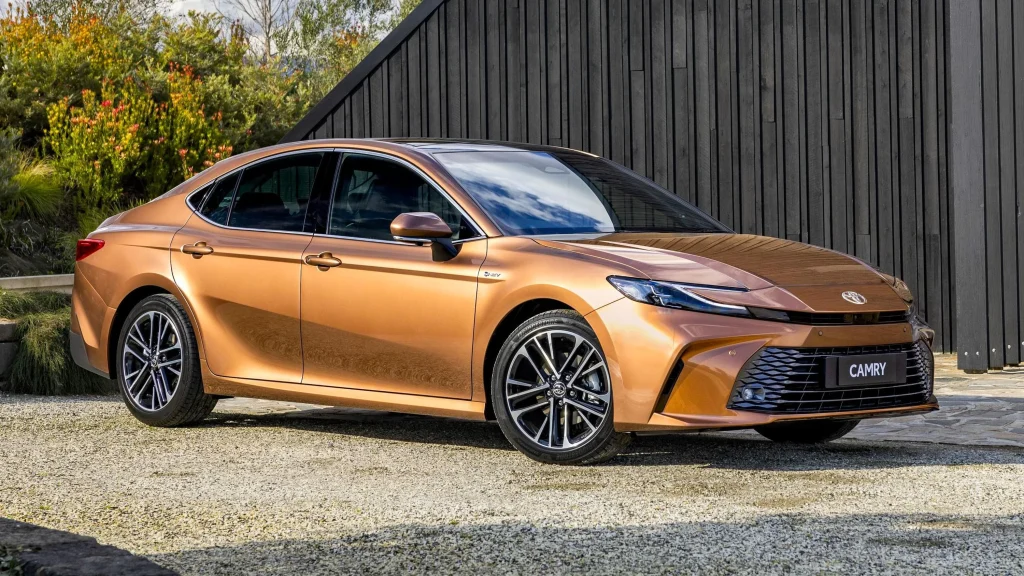
1. Toyota Camry Hybrid
The Toyota Camry Hybrid is an exceptionally strong match for a traveling nurse because it combines long-distance efficiency with the comfort and practicality of a midsize sedan.
The current generation uses Toyota’s fifth-generation hybrid system with a 2.5-liter four-cylinder engine, and front-wheel-drive versions can achieve up to 53 mpg city and 50 mpg highway, according to Toyota. All-wheel drive is also available, giving nurses working in snowy states another option without giving up the basic hybrid architecture.
Fuel economy matters when a temporary assignment is several states away. A vehicle capable of roughly 50 mpg on the highway can significantly reduce fuel spending compared with a large gasoline SUV, particularly for someone driving long distances between contracts.
The Camry also has a 15.1-gallon fuel tank on certain trims, providing useful highway range between stops.
The interior is another reason it works well for this job. The Camry provides seating for five and a 15.1-cubic-foot trunk, enough for luggage, work equipment, and personal belongings without requiring the driver to manage a large SUV.
Toyota also gives the 2025 Camry a standard suite of driver-assistance technologies through Toyota Safety Sense 3.0. The package includes features such as adaptive cruise control, lane-departure alert with steering assist, and a pre-collision system.
For a traveling nurse, the Camry’s biggest advantage is balance. It does not specialize in one thing. Instead, it provides excellent fuel economy, enough space for normal travel, available all-wheel drive, and a comfortable sedan layout without the operating demands of a larger SUV.
2. Honda CR-V Hybrid
The Honda CR-V Hybrid makes an excellent vehicle for traveling nurses because it offers a practical combination of space and efficiency. It can carry a surprising amount of equipment without the size and bulk of a larger SUV.
Its compact SUV dimensions make it easier to park at hospitals and apartment complexes, while the hybrid powertrain helps reduce fuel costs during long commutes.
For 2025, Honda offers the CR-V Hybrid with a 2.0-liter four-cylinder engine and two-motor hybrid system. Front-wheel-drive Sport Hybrid models are rated at 43 mpg city and 36 mpg highway, while all-wheel-drive versions are rated at 40 mpg city and 34 mpg highway.
That distinction is useful for nurses choosing between climates. Someone working primarily in Florida or Texas may prioritize the highest fuel-economy configuration, while a nurse accepting assignments in Colorado, Michigan, or other snowy regions may consider available all-wheel drive more valuable.
Cargo capacity is one of the CR-V’s strongest practical features. Honda lists up to 76.5 cubic feet of cargo volume with the rear seats folded, giving the vehicle enough room for substantial luggage and personal belongings when relocating temporarily for an assignment.
The cabin also has the kind of upright seating position many drivers appreciate after long shifts. A traveling nurse may spend hours on the highway before arriving at a new facility, so visibility and easy entry can matter just as much as fuel economy.
Honda includes the Honda Sensing suite of driver-assistance technologies, with features such as Collision Mitigation Braking, Road Departure Mitigation, Adaptive Cruise Control, and Lane Keeping Assist.

The CR-V Hybrid ultimately stands out because it offers the efficiency of a hybrid without requiring the compromises of a sedan.
There is enough room for relocation luggage, useful rear-seat flexibility, and an available all-wheel-drive system, making it particularly suitable for nurses whose assignments can change both geographically and seasonally.
3. Toyota RAV4 Hybrid
The Toyota RAV4 Hybrid is a particularly practical choice for traveling nurses because it combines strong fuel economy with the cargo flexibility of a compact SUV.
A nurse moving between assignments may need to carry luggage, work supplies, groceries, and personal equipment, and the RAV4’s square rear cargo area is much easier to load than the trunk of a sedan.
The 2025 RAV4 Hybrid uses a 2.5-liter four-cylinder engine with front and rear electric drive motors, producing 219 net combined horsepower. Toyota rates most hybrid trims at up to 41 mpg city and 38 mpg highway, with standard electronic all-wheel drive.
That combination is especially useful for nurses accepting assignments in regions with snow, heavy rain, or poor winter road conditions.
Cargo space is another major advantage. Toyota lists 37.6 cubic feet behind the rear seats and 69.8 cubic feet with those seats folded in its fleet specifications. The rear seats also fold 60/40, allowing a nurse to carry longer objects without completely sacrificing passenger seating.

The RAV4 Hybrid also has up to 8.1 inches of ground clearance, which is useful when an assignment involves an apartment complex, rural medical facility, or poorly maintained access road. It is not an off-road truck, but its ride height provides more flexibility than a low sedan.
Another useful feature for someone spending substantial time behind the wheel is Toyota’s driver-assistance technology. The RAV4 Hybrid includes Toyota Safety Sense 2.5, with features designed to assist with highway driving and collision avoidance.
The combination is what makes the RAV4 Hybrid so compelling. It is efficient enough for long commutes, spacious enough for temporary relocation, and equipped with standard AWD without requiring the size and fuel consumption of a midsize SUV.
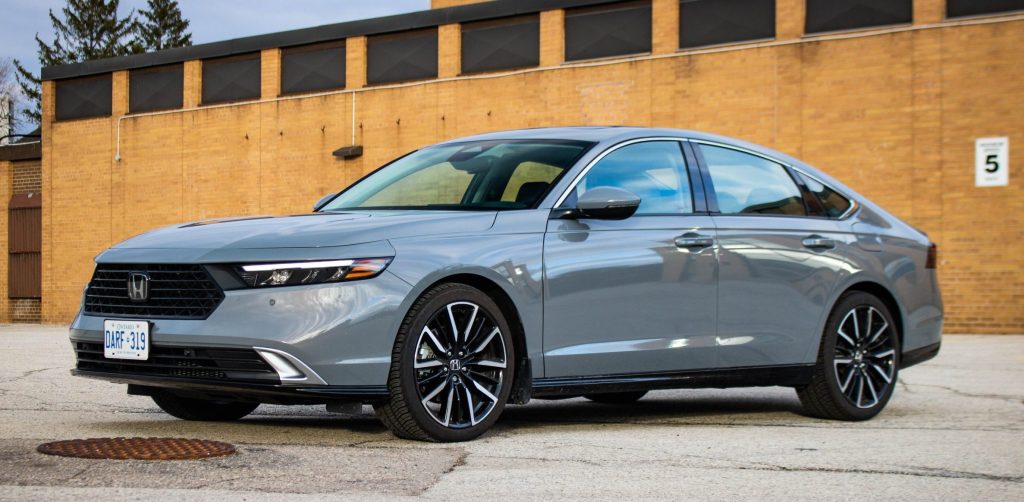
4. Honda Accord Hybrid
For traveling nurses who spend most of their time on highways rather than carrying large amounts of equipment, the Honda Accord Hybrid is one of the most sensible alternatives to an SUV.
It delivers strong fuel economy while retaining the longer wheelbase and low seating position of a midsize sedan, characteristics that can make extended highway trips feel more settled.
The current Accord Hybrid uses Honda’s two-motor hybrid system with a 2.0-liter four-cylinder engine. Depending on trim, Honda’s U.S. specifications rate the hybrid at up to 51 mpg city and 44 mpg highway. That is particularly valuable for a traveling nurse whose temporary assignment could involve a lengthy daily commute.
The sedan’s 16.7-cubic-foot trunk is also more useful than its exterior appearance suggests. A large trunk can swallow luggage without requiring the rear seats to be folded, leaving the cabin available for passengers. That can be important when moving between assignments with several bags but without needing SUV-sized cargo capacity.
The Accord’s long body also contributes to its highway character. Its wheelbase is 111.4 inches, providing a substantial footprint for a midsize sedan. The vehicle is 195.7 inches long and 73.3 inches wide, giving it enough cabin room to function comfortably as a primary vehicle rather than merely a commuter car.
Honda Sensing is standard and includes technologies such as Collision Mitigation Braking, Adaptive Cruise Control with Low-Speed Follow, Lane Keeping Assist, and Road Departure Mitigation.
Those systems can provide useful assistance during long highway journeys, although they remain driver-assistance features rather than substitutes for attentive driving.
The Accord Hybrid’s main limitation is clear. It does not offer the cargo flexibility of the RAV4, which may make an SUV more practical for nurses carrying several large items. For those who prioritize fuel economy, highway comfort, and a spacious trunk, however, the Accord Hybrid is an excellent choice for long-distance travel.
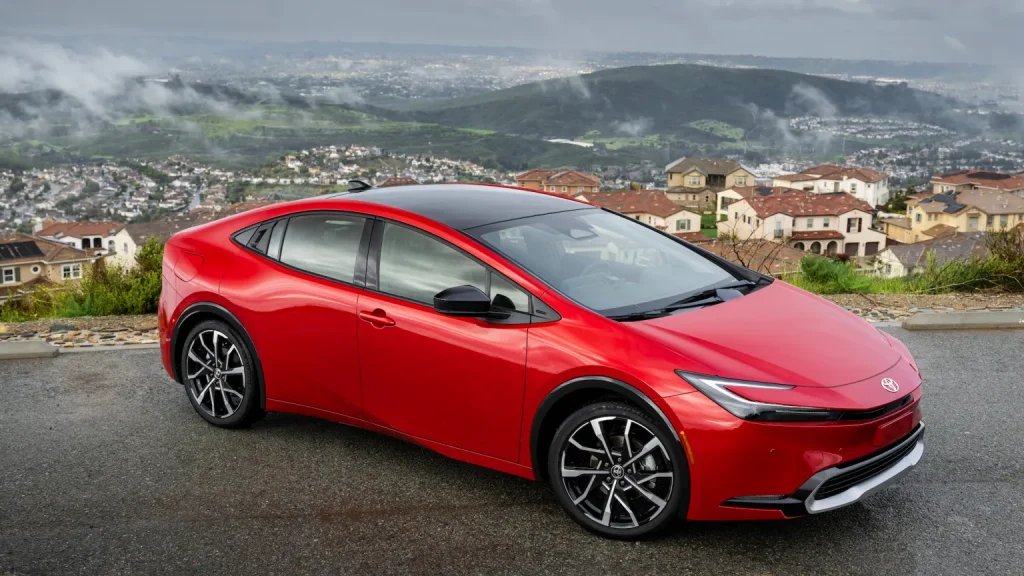
5. Toyota Prius
For a traveling nurse whose biggest expense is the amount of driving involved, the Toyota Prius remains hard to overlook. Its purpose is simple. It is designed to cover long distances while using as little gasoline as possible.
That makes it particularly attractive for nurses who accept assignments far from home or commute substantial distances between housing and medical facilities.
The 2025 Prius LE is rated at up to 57 mpg combined, with Toyota listing 57 mpg city and 56 mpg highway for that configuration. Even versions with all-wheel drive remain highly efficient, with the Prius LE AWD rated at 53 mpg city and 54 mpg highway.
The current Prius is also considerably more powerful than older generations. Toyota lists 194 net combined horsepower for front-wheel-drive models and 196 horsepower for all-wheel-drive versions. That gives the car enough performance for highway driving without sacrificing its primary efficiency advantage.
Cargo capacity is another reason it works for traveling professionals. Toyota lists 23.8 cubic feet of cargo space behind the rear seats for the 2025 Prius, giving it more useful luggage capacity than many traditional compact sedans. The hatchback design also makes loading bags considerably easier than working through a conventional trunk opening.
The Prius measures 181.1 inches long and 70.2 inches wide, keeping it relatively easy to maneuver around crowded hospital parking garages and urban streets. Its compact footprint can be a genuine advantage when assignments place nurses in dense metropolitan areas.
Toyota also equips the Prius with Safety Sense 3.0, including features such as Full-Speed Range Dynamic Radar Cruise Control and Lane Tracing Assist.
The Prius does have a lower seating position than the CR-V or RAV4, so nurses who prioritize easy entry or maximum cargo flexibility may prefer an SUV. For someone who spends enormous amounts of time on highways and wants to minimize fuel stops and gasoline expenses, however, the Prius is one of the strongest choices available.
6. Subaru Outback
The Subaru Outback is especially well suited to traveling nurses whose assignments take them into areas where weather and road conditions can change quickly. Unlike the hybrid sedans higher on this list, the Outback’s main advantage is its combination of standard all-wheel drive, generous interior space, and relatively high ground clearance.
The 2025 Outback uses a 2.5-liter horizontally opposed four-cylinder engine producing 182 horsepower and is rated at up to 32 mpg highway and 26 mpg city. Every Outback comes with Subaru Symmetrical All-Wheel Drive, making AWD standard rather than an expensive upgrade.
That standard AWD becomes particularly useful for nurses accepting temporary assignments in regions with frequent snow and ice. The system is designed to distribute power when wheel slip occurs, while available X-MODE provides additional traction management for slippery surfaces.
The Outback’s interior is where it separates itself from many sedans. Subaru lists 32.6 cubic feet of cargo capacity behind the rear seats and up to 75.6 cubic feet with the rear seatbacks folded. Passenger volume reaches 109 cubic feet, providing plenty of room for a nurse relocating with several bags and personal belongings.
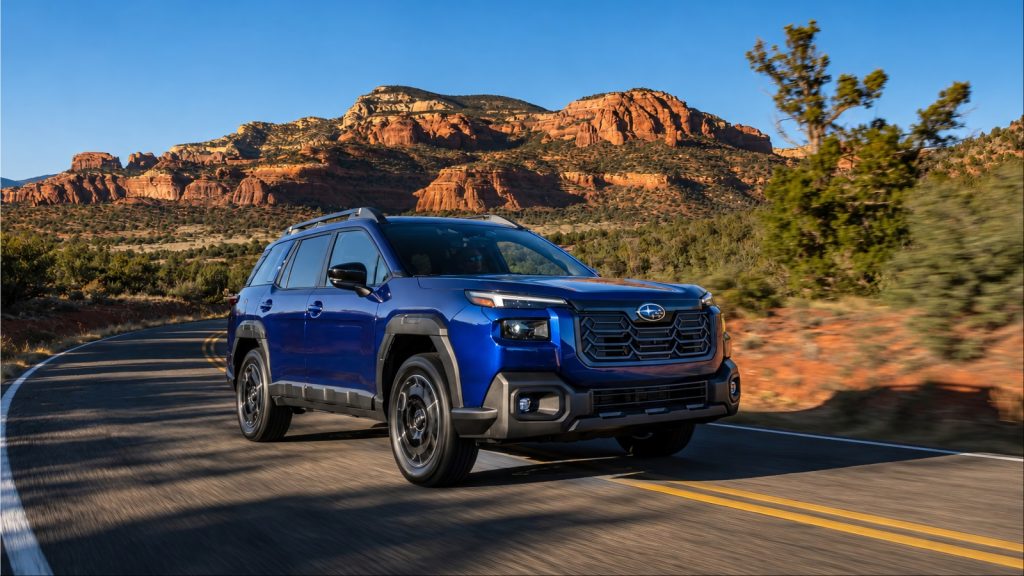
Ground clearance is 8.7 inches on standard models and rises to 9.5 inches on the Wilderness version. That extra clearance can be useful when dealing with unplowed roads, uneven parking areas, or rural access roads.
The Outback also offers a practical advantage for nurses who carry more than luggage. Roof rails and available crossbars provide additional carrying options, while higher trims can be equipped with a hands-free power rear gate.
It is not the fuel-economy champion here, but that is not its mission. The Outback makes sense when a traveling nurse values weather capability, space, and versatility enough to accept somewhat higher fuel consumption.
7. Hyundai Tucson Hybrid
The Hyundai Tucson Hybrid is a strong option for traveling nurses who want SUV practicality without stepping into a larger, less efficient vehicle. Its compact footprint makes it manageable around hospitals and city streets, while the hybrid powertrain provides enough power for long interstate drives and everyday commuting.
For 2025, the Tucson Hybrid uses a 1.6-liter turbocharged four-cylinder engine paired with an electric motor. The system produces 231 combined horsepower and 271 lb-ft of combined torque. Hyundai’s U.S. specifications rate the Tucson Hybrid at 35 mpg city, 35 mpg highway, and 35 mpg combined for its all-wheel-drive configurations.
The 35 mpg combined figure is not as impressive as what the Prius or Camry Hybrid can deliver, but the Tucson offers something those cars cannot. It provides considerably more cargo flexibility. Hyundai lists 38.7 cubic feet of cargo space behind the rear seats and up to 74.5 cubic feet with the seats folded, based on SAE measurements.
That is useful when a traveling nurse is moving between assignments with several suitcases, work equipment, and personal belongings.
The Tucson also has 8.3 inches of ground clearance and a 13.7-gallon fuel tank. Its 182.7-inch length keeps it reasonably easy to park while still providing 41.4 inches of front legroom.
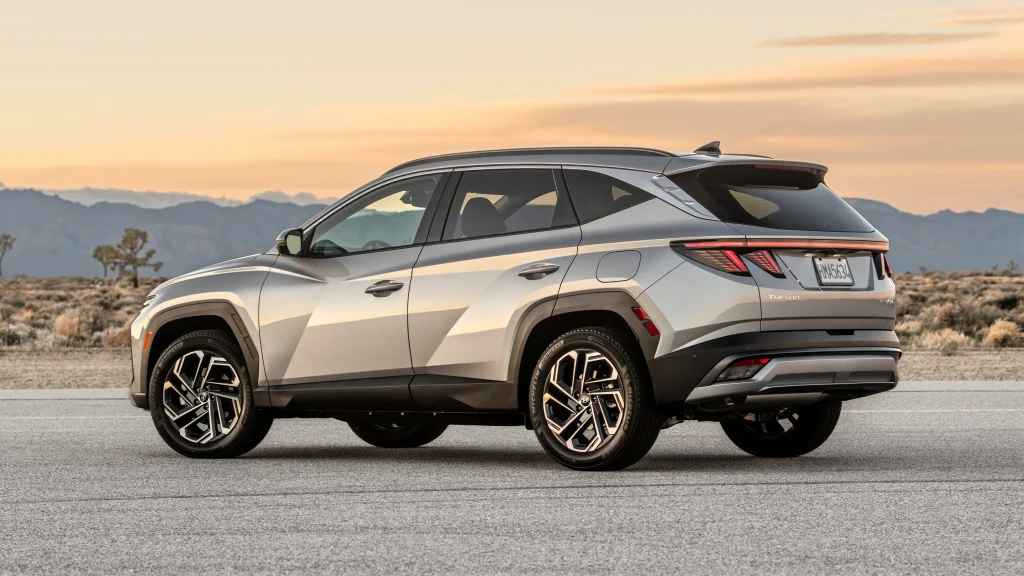
Another practical consideration is power. The 231-horsepower hybrid system gives the Tucson enough muscle for merging onto highways and carrying a full load without feeling like a slow economy vehicle.
For nurses accepting assignments in different states, that balance is valuable. The Tucson Hybrid is not the absolute fuel-economy leader, but it offers a compelling mixture of efficiency, AWD, cargo capacity, power, and manageable dimensions.
8. Toyota Corolla Cross Hybrid
The Toyota Corolla Cross Hybrid makes sense for traveling nurses who want an efficient vehicle with an SUV-style body but do not need the larger dimensions of a RAV4. It is easier to maneuver through crowded hospital parking areas, yet its hatchback-style rear cargo area is more useful for luggage than a conventional compact sedan.
Toyota’s U.S. fleet information lists the Corolla Cross Hybrid with a 2.0-liter four-cylinder hybrid powertrain producing 196 horsepower. Electronic on-demand all-wheel drive is standard, while EPA estimates are 45 mpg city, 38 mpg highway, and 42 mpg combined.
That fuel economy makes a meaningful difference for someone who drives extensively. The Corolla Cross Hybrid is not simply efficient during city commuting. Its 38 mpg highway rating also makes it well suited to traveling nurses who routinely drive between states or make long weekend trips home.
Cargo capacity reaches 21.5 cubic feet behind the rear seats, according to Toyota’s fleet specifications. That is considerably less than the Tucson or RAV4, so nurses who frequently relocate with large amounts of luggage may want a bigger SUV. For lighter travel, however, the Corolla Cross provides enough room for everyday bags without requiring a large vehicle.
The vehicle is also relatively compact at 176.1 inches long in published U.S. specifications. Its smaller footprint can be useful in urban areas where hospital parking spaces and apartment garages are tight.
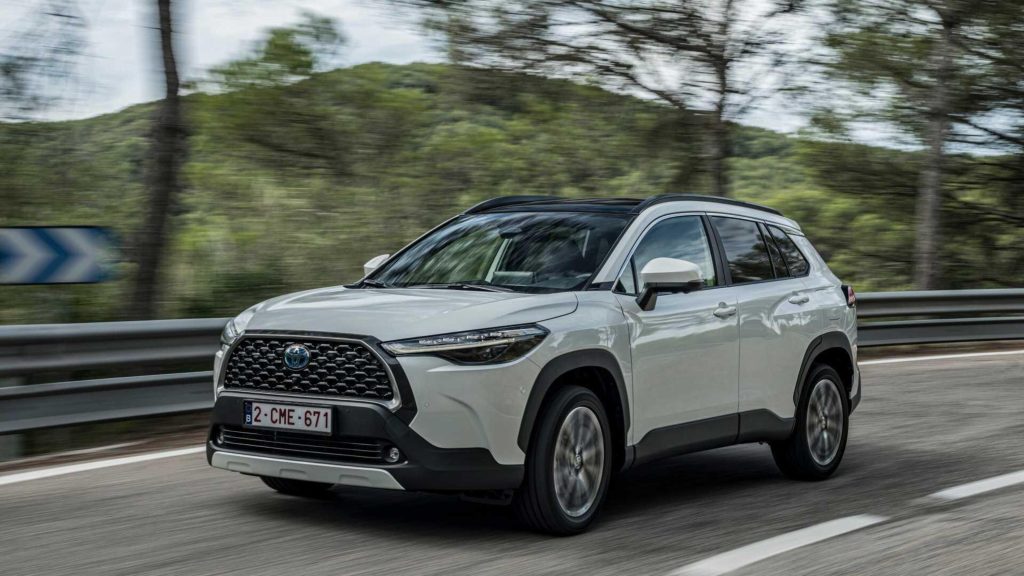
Toyota Safety Sense 3.0 is included, bringing driver-assistance technology such as Dynamic Radar Cruise Control and Automatic High Beams.
What makes the Corolla Cross Hybrid particularly appealing is its compromise-free approach to basic travel needs. It gives nurses hybrid efficiency, standard AWD, a useful driving position, and a compact exterior without forcing them into a large crossover.
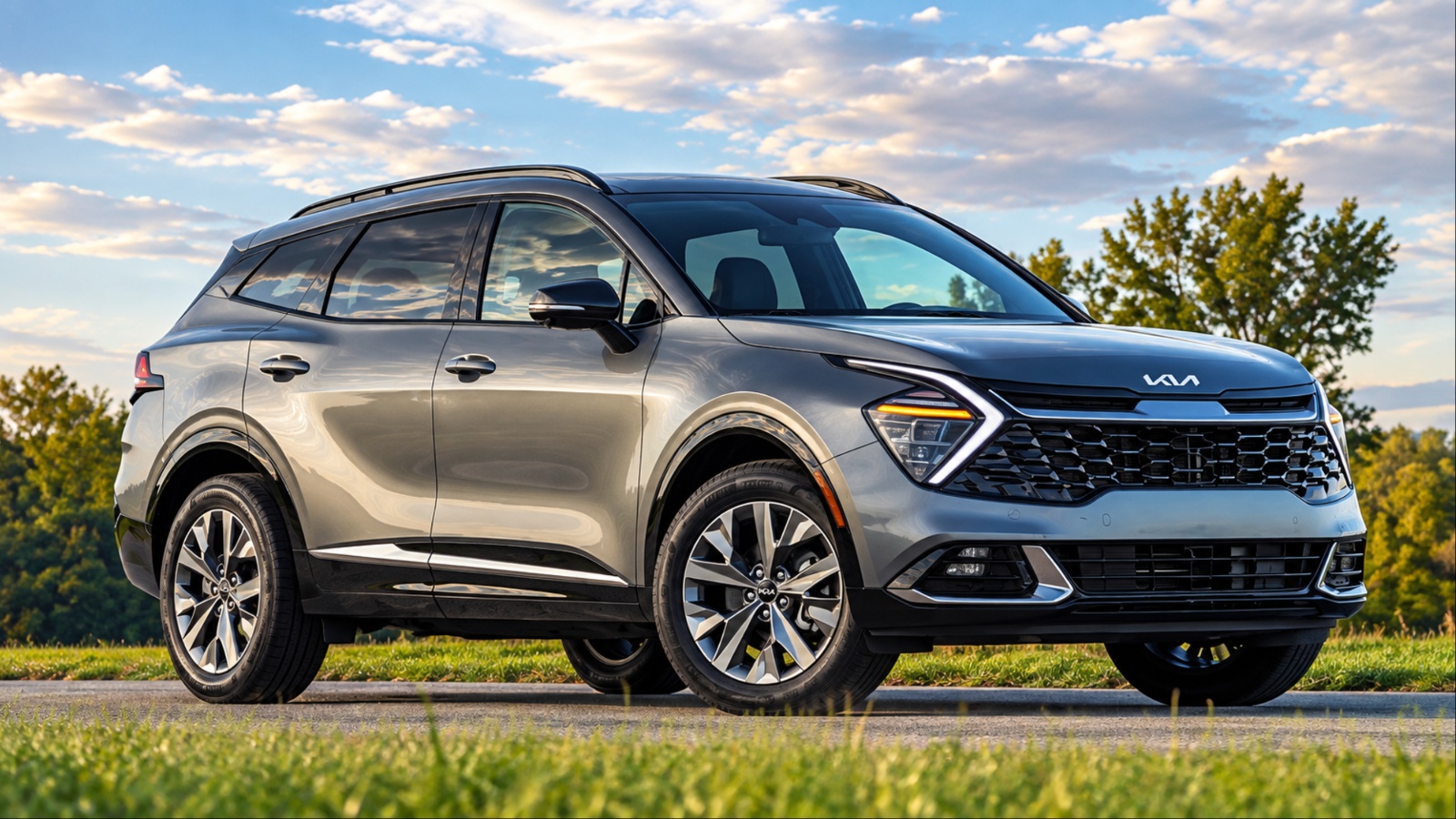
9. Kia Sportage Hybrid
For traveling nurses who regularly carry more than a couple of bags, the Kia Sportage Hybrid offers one of the strongest combinations of efficiency and usable interior space in this group. Its boxier proportions are particularly helpful when loading luggage, work equipment, groceries, and other belongings that do not fit neatly into a sedan’s trunk.
The 2025 Sportage Hybrid uses a 1.6-liter turbocharged four-cylinder engine and electric motor combination producing 227 horsepower and 258 lb-ft of combined torque.
The hybrid is available with front-wheel drive or all-wheel drive, giving buyers the option to prioritize fuel economy or additional traction depending on where their assignments take them. Kia lists up to 42 mpg city and 44 mpg highway for the front-wheel-drive version, while AWD models are rated at 38 mpg city and 38 mpg highway.
Cargo capacity is one of the Sportage’s biggest advantages. Kia lists 39.5 cubic feet behind the second row and 73.7 cubic feet with the rear seats folded when using the lower cargo-floor position. That gives a traveling nurse considerable flexibility during a temporary relocation.
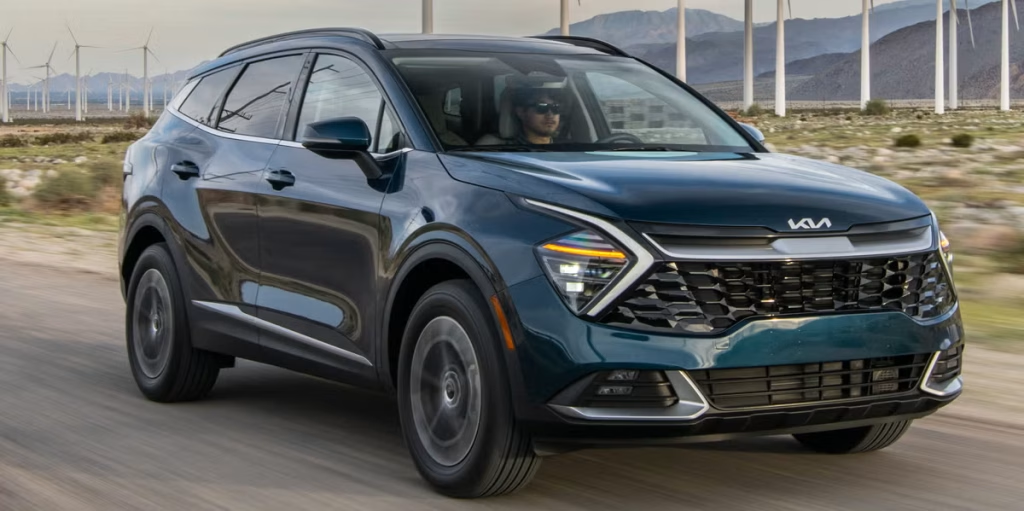
The cabin is also well suited to long drives. Front legroom measures 41.4 inches, while rear passengers get 41.3 inches, so the vehicle does not force passengers into a cramped second row. At 183.5 inches long, it remains substantially easier to handle than a three-row SUV.
For someone driving thousands of miles between assignments, the front-wheel-drive version is particularly attractive because its 43 mpg combined rating reduces fuel stops without sacrificing the cargo versatility of an SUV.
Nurses working in regions with frequent snow or poor weather can instead choose AWD and still retain respectable fuel economy.
10. Mazda CX-50
The Mazda CX-50 earns its place for a different reason. Traveling nurses often spend hours behind the wheel, and a vehicle that combines practical space with more engaging road manners can make repeated highway trips less monotonous.
The CX-50 also comes with standard all-wheel drive across its 2025 lineup, adding another layer of usefulness for assignments in regions with challenging weather.
The conventional 2.5-liter CX-50 produces 187 horsepower and 185 lb-ft of torque, while the newly available CX-50 Hybrid uses a hybrid system that delivers an EPA-estimated 38 mpg combined. Mazda specifically introduced the hybrid for drivers seeking greater fuel efficiency while retaining the crossover’s utility.
That hybrid version is the more compelling choice for a nurse with a long commute. A 38 mpg combined rating will not match the most efficient Toyota hybrids, but it represents a substantial improvement over the conventional CX-50.
Mazda also says the hybrid can provide more than 100 additional miles of driving range compared with the 2.5 S models under the same calculation methodology.
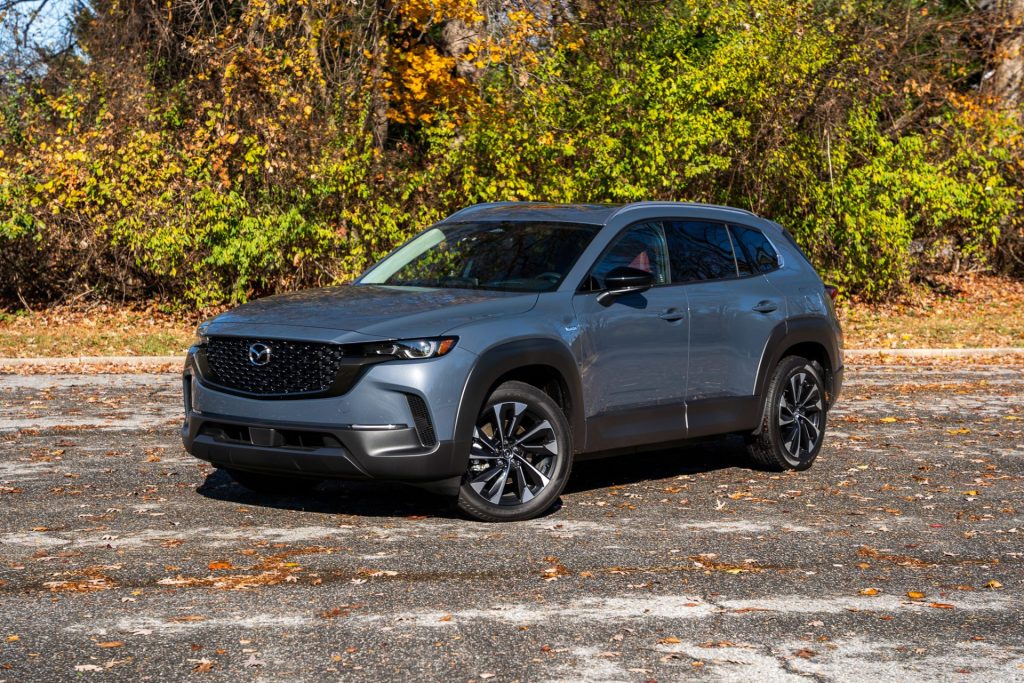
The CX-50 measures 186 inches long and 76 inches wide, giving it a more substantial footprint than smaller crossovers such as the Corolla Cross. Cargo capacity reaches 31.4 cubic feet behind the rear seats and 56.3 cubic feet with them folded in, according to published specifications, providing enough room for luggage without moving into a large SUV.
Its 42-inch front legroom and approximately 100 cubic feet of passenger volume also give the driver enough room for extended journeys. For traveling nurses who place highway comfort, cargo usefulness, and all-weather capability ahead of absolute fuel-economy leadership, the CX-50 is a well-rounded choice.