
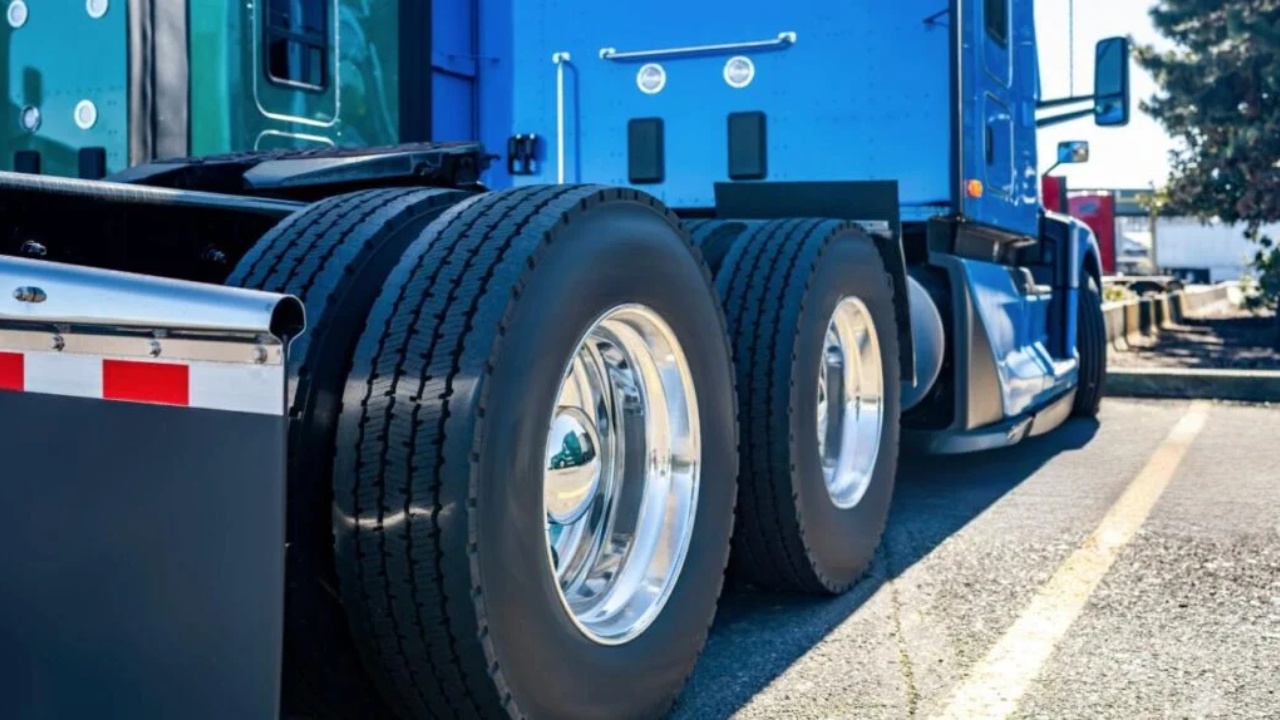
Choosing a truck tire is not simply about finding the most aggressive tread or the longest mileage warranty. Pickup owners use their trucks for very different jobs, from daily highway commuting to towing, construction work, winter driving, and serious off-road use.
A good tire brand therefore needs a broad range of products, dependable construction, and proven performance across multiple applications. This ranking considers the strength of each brand’s U.S. truck lineup, tread technology, durability, warranty coverage, traction capability, and reputation.
The list also separates brands by what they do best, because the ideal tire for a work truck is not necessarily the right choice for an off-road pickup or a daily-driven half-ton.
1. Michelin
Michelin takes the top position because few tire manufacturers combine highway refinement, longevity, wet-road performance, and truck-specific product depth as effectively. Its U.S. pickup lineup includes tires designed for drivers who spend most of their time on pavement but still need the durability and load capability expected from a truck.
The Defender LTX M/S2 is one of Michelin’s strongest examples. It is designed for pickups and SUVs and emphasizes long tread life, wet-road traction, and year-round usability.
Michelin’s emphasis on highway manners is particularly important for truck owners who may spend thousands of miles commuting before ever attaching a trailer or leaving pavement.
Another reason Michelin ranks first is its ability to serve different truck categories rather than relying on one universal tread design.
The company’s lineup includes highway-oriented products alongside tires intended for more demanding terrain. That allows buyers to choose based on actual use rather than simply selecting the most aggressive-looking tire.
Michelin also has a strong position in original equipment and replacement markets. The U.S. International Trade Commission has identified Michelin among the premium Tier 1 tire producers, a category associated with high quality, major OEM relationships, national programs, and strong warranties.
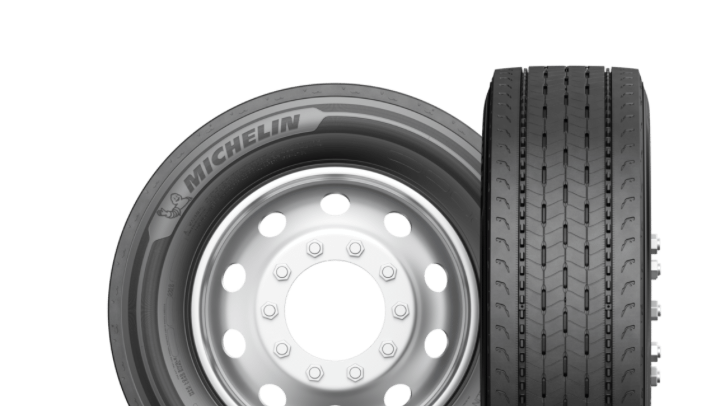
Independent customer data provides another reason for the ranking. In J.D. Power’s 2022 U.S. Original Equipment Tire Customer Satisfaction Study, Michelin scored 807 points in the Truck/Utility segment, placing second behind BFGoodrich and well above the segment average of 786.
For truck owners who want one brand capable of delivering quiet highway behavior without abandoning durability, Michelin is difficult to beat.
2. BFGoodrich
BFGoodrich earns second place because its identity is closely connected to pickup trucks, SUVs, and demanding terrain. While Michelin has the broader premium-road advantage, BFGoodrich has an especially strong argument when a truck actually has to leave the pavement.
The All-Terrain T/A KO3 is the brand’s standout modern example. BFGoodrich classifies it as an all-weather tire for CUVs, SUVs, and pickups, gives it a severe-snow rating, and backs it with a 50,000-mile mileage warranty. The tire is designed to combine off-road toughness with enough road capability for everyday driving.
That balance is important because many truck owners do not want to choose between an aggressive off-road tire and an ordinary highway tire. A tire such as the KO3 is intended to handle dirt, gravel, snow, and rough trails while remaining usable during normal commuting.
BFGoodrich also has products aimed at heavier-duty applications. Its HD-Terrain T/A KT is marketed as a tire for demanding jobs, while the company’s commercial range includes products designed around durability and prolonged tire life.
Customer satisfaction data strengthens the brand’s position. J.D. Power’s 2022 U.S. study ranked BF Goodrich is first among truck/utility original-equipment tire brands with 812 points, ahead of Michelin’s 807 and the 786-point segment average.
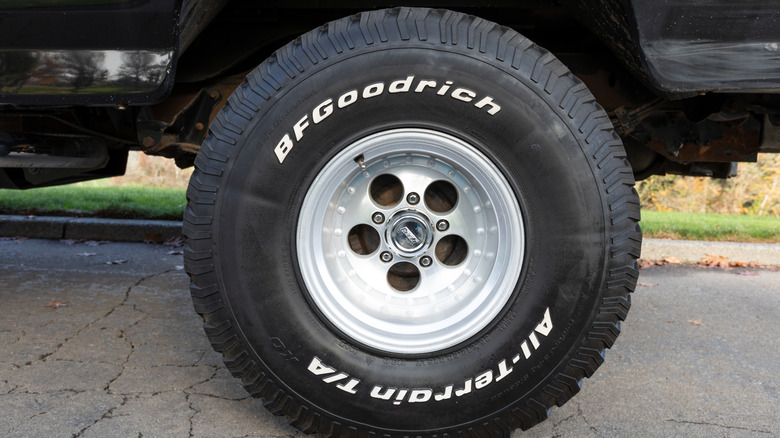
BFGoodrich therefore gets the edge when the ranking considers the needs of actual pickup owners rather than simply measuring highway comfort.
Its combination of severe-snow capability, all-terrain experience, off-road credibility, and truck-focused products makes it one of America’s strongest choices for drivers who expect their tires to do more than simply cover pavement.
3. Goodyear
Goodyear ranks third because its truck-tire lineup covers an unusually wide range of jobs. A truck owner can move from a highway-oriented tire to an all-terrain or severe-snow-rated design without leaving the brand.
That breadth matters because pickup use varies dramatically between a commuter truck, a towing rig, and a vehicle that regularly sees gravel, mud, or snow.
The Wrangler family is the centerpiece. Goodyear currently lists products such as the Wrangler TrailRunner AT, Wrangler DuraTrac, Wrangler DuraTrac RT, Wrangler Workhorse AT, and Wrangler Steadfast HT. The company’s U.S. truck catalog includes tires with warranties ranging from 50,000 to 70,000 miles depending on the model and application.
The Wrangler DuraTrac remains particularly important because it combines all-terrain construction with the Three-Peak Mountain Snowflake designation on applicable versions.
Goodyear lists a 50,000-mile treadwear warranty for the DuraTrac and DuraTrac RT, giving buyers a measurable expectation for tread life rather than simply relying on the tire’s aggressive appearance.
Goodyear also has a strong argument for work truck owners. Its Workhorse line is designed around light-truck applications, while the TrailRunner AT targets drivers who need a balance between pavement use and off-road traction. That makes the brand particularly useful for owners who do not want to sacrifice highway usability just to gain tougher tread.
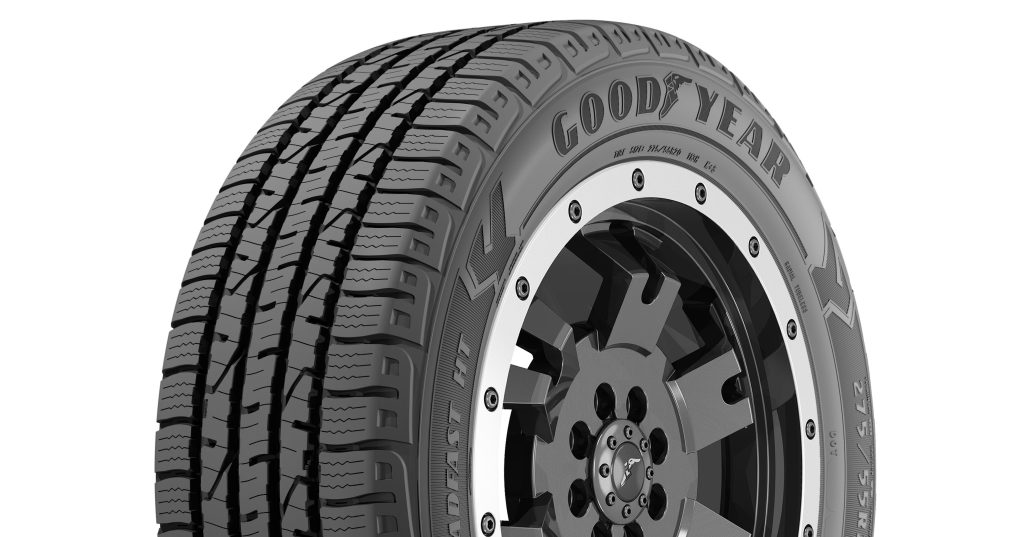
The reason Goodyear sits behind Michelin and BFGoodrich is not a lack of capability. Those two brands have particularly strong positions in premium touring and all-terrain markets.
Goodyear stands out for its broad range of truck tires, with options designed for highway driving, all-terrain conditions, severe snow, and demanding work applications, all available under one brand.
For American pickup owners who want plenty of choices within one established brand, Goodyear remains one of the safest bets.
4. Falken
Falken takes fourth place because it has become a particularly strong name among truck owners who want aggressive capability without immediately stepping into a mud-terrain tire. The brand’s Wildpeak family has helped establish that reputation, especially among owners of midsize and full-size pickups who spend time both on pavement and away from it.
The Wildpeak A/T4W is the clearest reason for Falken’s position. Falken describes it as an all-terrain, all-weather tire and gives it the Three-Peak Mountain Snowflake designation for severe-snow performance. Depending on size, the tire carries a tread-life warranty of up to 65,000 miles, while LT sizes receive a 60,000-mile warranty.
Construction is another important part of the equation. Selected A/T4W sizes use Falken’s three-ply DURASPEC sidewall technology, while the tread incorporates full-depth sipes intended to maintain winter traction as the tire wears.
Falken also added heavy-duty sizes and updated heat-management technology to improve towing capability compared with the previous generation.
The brand’s lineup extends well beyond the A/T4W. Falken offers the H/T02 for highway-focused pickup use, the M/T for maximum off-road traction, and the R/T for rugged-terrain applications. That range gives truck owners more choices based on how their vehicle is actually used.
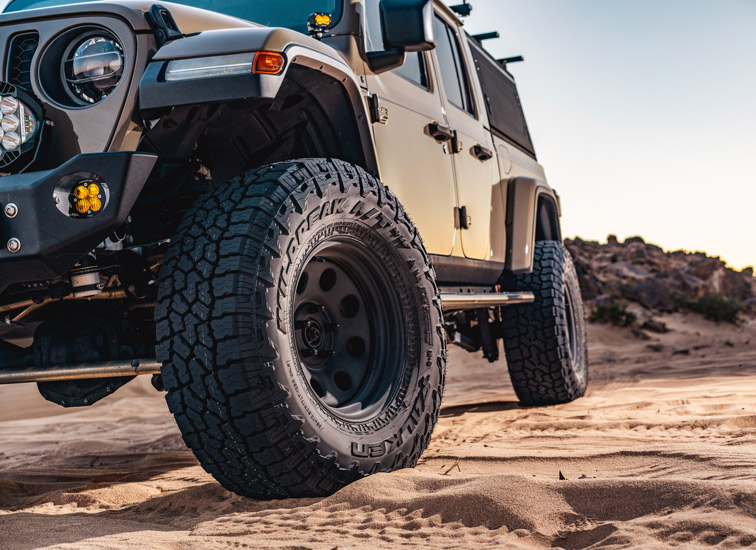
Falken does not rank higher because its greatest strength is concentrated around the truck enthusiast and all-terrain market rather than the entire spectrum of premium tire applications. Yet for owners who prioritize snow, gravel, trails, and towing while still spending plenty of time on highways, that specialization becomes an advantage.
The A/T4W’s 65,000-mile maximum warranty and severe-snow rating are especially compelling for drivers who want one tire to handle several seasons and several types of terrain.
5. Continental
Continental takes fifth because it is particularly strong when a truck spends more time on pavement than on difficult trails.
Its truck lineup does not rely entirely on aggressive tread patterns. Instead, Continental emphasizes highway stability, wet braking, ride comfort, and predictable handling, qualities that matter to owners who use a pickup as both a work vehicle and a daily driver.
The TerrainContact H/T is a good example. Continental designed it specifically for pickup trucks and full-size SUVs, with a focus on durability, tread life, and wet braking.
The company offers the tire in both metric and LT-metric sizes, with rim diameters ranging from 16 to 22 inches. Continental also backs applicable versions with mileage coverage, although the exact warranty varies by size and speed rating.
For drivers who want an all-terrain tire, the TerrainContact A/T gives Continental a more capable option. It is intended to provide a compromise between everyday road manners and off-pavement traction rather than pushing the design toward extreme mud performance.
That road-focused philosophy is why Continental does not rank above BFGoodrich or Falken for serious off-road use. A truck owner spending every weekend on rocky trails has better-suited choices. But that is not necessarily a weakness.
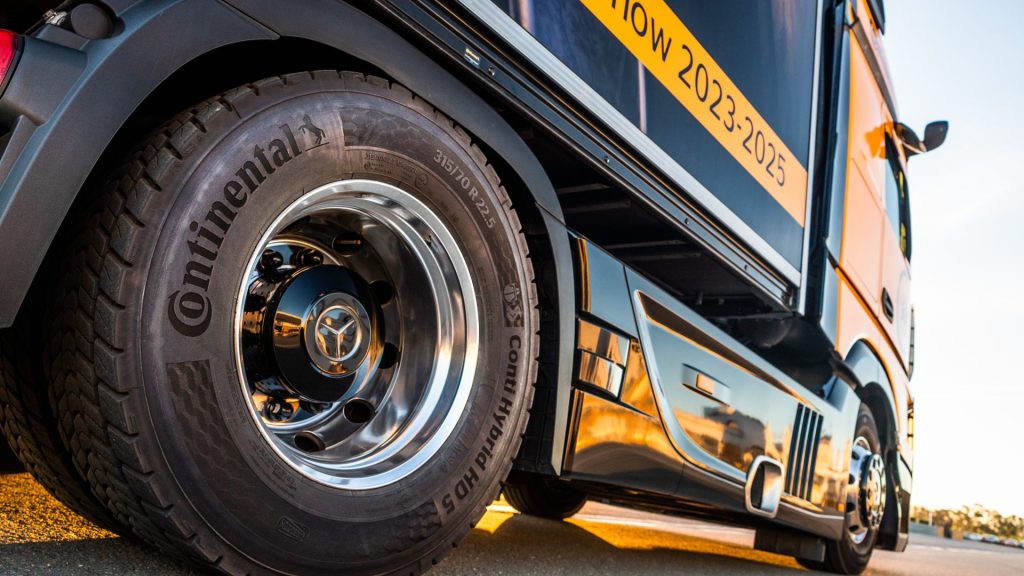
Many American pickup owners spend the vast majority of their miles on asphalt and still need enough toughness for occasional gravel roads, towing, and bad weather.
Continental’s CrossContact LX25 also demonstrates the company’s emphasis on smooth road behavior and wet performance. The manufacturer highlights wet stopping capability, snow traction, and fuel-efficiency technology on the product.
For a truck that functions primarily as a commuter, tow vehicle, and highway cruiser, Continental deserves its place in the upper half of this ranking.
6. Cooper
Cooper earns sixth place because its truck lineup delivers a particularly attractive combination of price-conscious ownership, all-terrain capability, and substantial mileage warranties. It may not carry the same premium positioning as Michelin, but that does not mean its truck tires lack serious engineering.
The Discoverer family is the main reason Cooper ranks this highly. The Discoverer AT3 4S, for example, carries a 65,000-mile treadwear warranty and a Three-Peak Mountain Snowflake designation.
Cooper’s design uses Adaptive-Traction technology for changing surfaces, Snow-Groove technology for snow traction, and channels intended to reduce hydroplaning risk during heavy rain.
For heavy-duty pickups, the Discoverer AT3 LT moves the formula toward greater load capability. Cooper gives it a 60,000-mile warranty and the severe-snow designation, while its tread design includes features intended to control stone retention and maintain more even wear.
The AT3 XLT goes even further for owners who tow and haul regularly. Cooper specifically markets it for heavy hauling and towing, offers Load Range E sizes, and gives it a 60,000-mile treadwear warranty.
One 265/70R18 E-rated version has a maximum load rating of 3,525 pounds per tire, illustrating how different truck tires can be from ordinary passenger-car products.
Cooper’s current U.S. all-terrain range also includes the Discoverer Stronghold AT, Road+Trail AT, and Rugged Trek, giving buyers several levels of off-road capability.
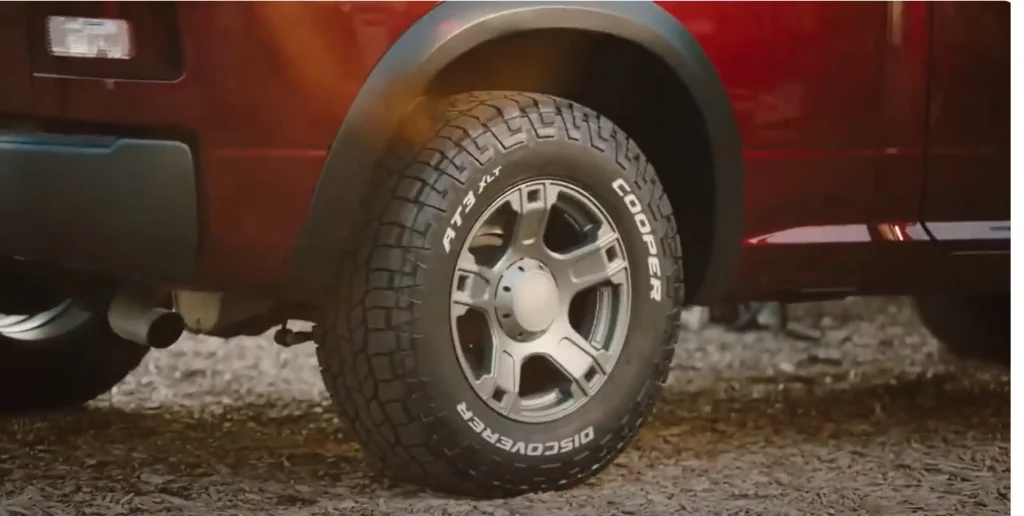
Cooper falls behind the premium brands because those companies have stronger reputations for overall refinement or specialized off-road capability. Cooper’s main strength lies in offering solid performance and capability at a more accessible price.
For a pickup owner who wants a durable all-terrain tire, useful snow capability, and a substantial mileage warranty without automatically paying premium-brand prices, Cooper is one of the most convincing choices.
7. Bridgestone
Bridgestone holds the seventh position because its tires are designed to meet the everyday needs of truck owners. The brand combines a comfortable highway ride with dependable performance for towing, hauling, and varying weather conditions.
Its Dueler family covers a broad range of pickup and SUV applications, with products designed for highway, all-terrain, and heavy-duty use.
Bridgestone specifically describes the Dueler range as combining durability, tread life, and a comfortable ride, which makes it particularly relevant for trucks that spend most of their time on paved roads.
The Dueler H/T 685 is especially interesting for work-oriented pickups. Bridgestone engineered it with heavy-duty steel belts and two-ply polyester construction, specifically addressing towing and carrying heavy loads.
Its wide grooves are designed to move water away from the contact patch, while the tread design is intended to retain traction in snowy conditions.
That combination gives Bridgestone an advantage for owners who use their trucks as working equipment rather than recreational toys. A contractor hauling tools during the week may care more about load durability, wet-road confidence, and predictable wear than extreme rock-crawling capability.
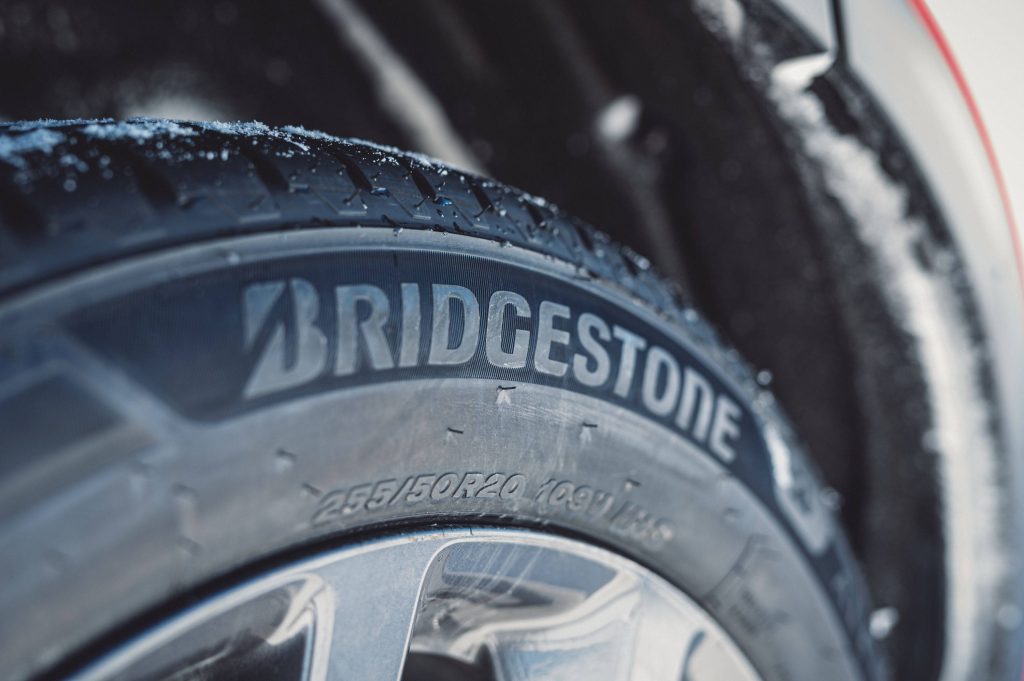
The Dueler A/T RH-S provides a different approach. Bridgestone describes it as an all-terrain tire designed for trucks and SUVs, with an emphasis on off-road grip without sacrificing on-road comfort. It is also used as original equipment on select vehicles, which demonstrates that the brand works directly with automakers on truck applications.
Bridgestone does not rank higher because its strongest truck offerings lean toward balanced road performance rather than the particularly aggressive all-terrain specialization offered by brands such as BFGoodrich, Falken, and Toyo.
For truck owners who tow, haul, and commute in roughly equal measure, however, that balance is exactly what makes Bridgestone attractive.
8. Toyo
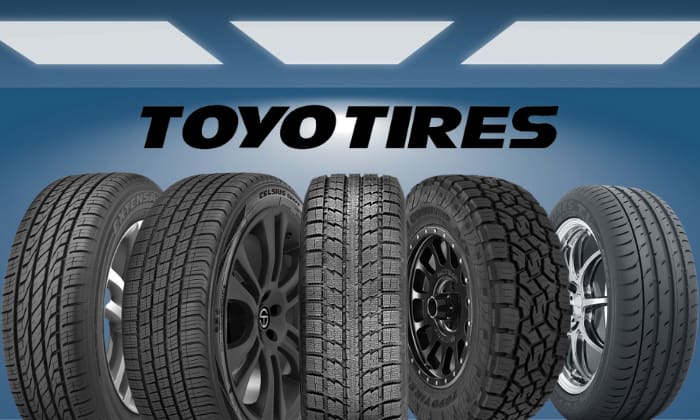
Toyo earns eighth place largely because of the strength of its Open Country range. The brand has built a substantial following among American pickup owners who want an aggressive all-terrain tire that remains civilized enough for daily highway driving.
The Open Country A/T III is the centerpiece. Toyo describes it as an on/off-road all-terrain tire for light trucks, SUVs, and crossovers, with an emphasis on wet performance, durability, treadwear life, and predictable road handling. The tire is also Three-Peak Mountain Snowflake, qualified for severe snow conditions.
Its warranty is another major reason for the ranking. Toyo provides up to a 65,000-mile treadwear warranty on P and Euro-metric sizes, while LT and flotation sizes receive a 50,000-mile warranty. That distinction is important because heavy-duty truck applications place very different demands on a tire than lighter-duty passenger configurations.
Toyo also pays considerable attention to the transition between pavement and dirt. The A/T III uses staggered shoulder lugs to increase off-road traction, stone-ejecting blocks to reduce debris retention, and additional lateral grooves to improve traction on surfaces including snow.
Three-dimensional sipes are intended to improve wet and snow performance while helping limit irregular wear.
That makes Toyo especially appealing to truck owners who regularly encounter gravel roads, construction sites, hunting trails, or winter conditions but still drive substantial highway mileage.
The company even rates the A/T III’s ride and stability strongly within its own product comparisons, reflecting its attempt to avoid the harsh road manners associated with more extreme mud-terrain designs.
Toyo sits below the top seven because its strongest reputation is concentrated in enthusiast-oriented all-terrain and off-road applications rather than the entire truck-tire market. For drivers who specifically want a tough all-terrain tire with legitimate snow credentials, however, Toyo is a very strong choice.
9. Yokohama
Yokohama ranks ninth because its truck-tire strength is concentrated in the Geolandar family, particularly for owners who want serious all-terrain capability without moving straight to an extreme mud tire. The brand has built a strong U.S. pickup following around products that combine off-road traction with enough road manners for everyday driving.
The Geolandar A/T4 is a major reason for its position. Yokohama offers it in both P-metric and LT-metric sizes, giving the tire a wide range of applications across light trucks and SUVs. Depending on size, Yokohama provides a 55,000-mile warranty for LT-metric and high-flotation versions and up to 65,000 miles for P-metric and Euro-metric sizes.
That distinction matters for truck owners because an LT tire is built around a different load requirement than a passenger-metric tire. Someone using a heavy-duty pickup for towing and hauling should not choose a tire simply because its tread looks aggressive. The tire’s load rating, size, and construction have to match the truck’s requirements.
Yokohama also offers the Geolandar X-AT, aimed at drivers who want greater off-road toughness. The company’s warranty information lists a 45,000-mile warranty for LT-metric X-AT sizes and 50,000 miles for Euro-metric versions.
For drivers who spend most of their time on pavement, the Geolandar H/T G056 provides a different answer. It carries a warranty of up to 70,000 miles in P-metric and Euro-metric sizes, showing that Yokohama has not limited its truck business to aggressive off-road products.
Yokohama’s weakness compared with the brands above it is breadth of market reputation. Michelin, Goodyear, BFGoodrich, and Bridgestone have deeper mainstream fleet and OEM exposure across numerous truck categories. Still, Yokohama deserves this position for offering well-developed all-terrain products and substantial mileage coverage.
10. General Tire
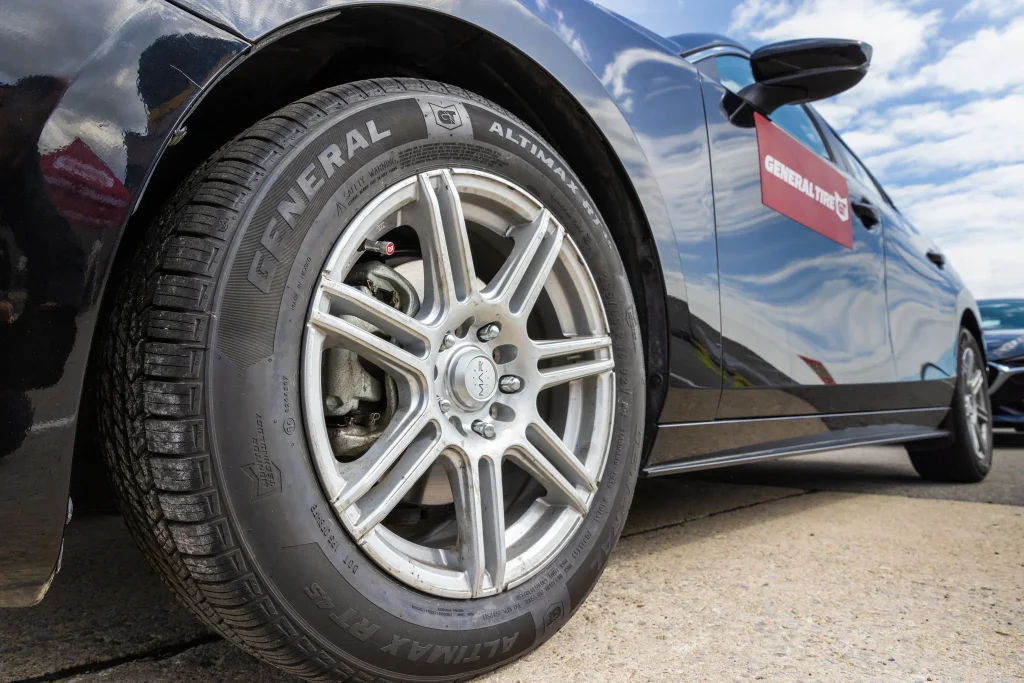
General Tire rounds out the ranking because it offers a particularly convincing option for truck owners who want aggressive all-terrain traction without giving up the ability to use the vehicle every day. Its Grabber family is the brand’s strongest argument, with the Grabber A/TX standing out as a tire designed around both off-road capability and year-round road use.
The Grabber A/TX carries the Three-Peak Mountain Snowflake designation, meaning it meets the U.S. Tire Manufacturers Association’s severe-snow service requirements. General Tire also makes the design studded, giving drivers in regions with serious winter conditions another way to increase ice traction where local laws permit studded tires.
Construction is one of its biggest selling points. General Tire uses its Duragen technology to improve cut and chip resistance, while StabiliTread is designed around a larger footprint and optimized tread stiffness for more even wear.
The tire also uses full-depth sipes and reinforced tread and shoulder elements to maintain traction across different surfaces.
Warranty coverage varies according to tire size. General Tire lists a 60,000-mile limited treadwear warranty for applicable metric sizes and 50,000 miles for LT-metric and flotation sizes. That makes the distinction between a daily-driven half-ton pickup and a heavier work truck important when comparing expected tread life.
The reason General Tire finishes tenth is not that its products are weak. The brands ranked above it generally have either broader truck lineups, stronger premium positioning, or a more established reputation in specialized pickup applications.
General Tire is instead a strong value-oriented choice for drivers who want a serious all-terrain tire with severe-snow credentials.
For the right truck owner, particularly someone dealing with snow, gravel, and occasional off-road work, the Grabber A/TX provides considerably more capability than its tenth-place ranking might suggest.
