
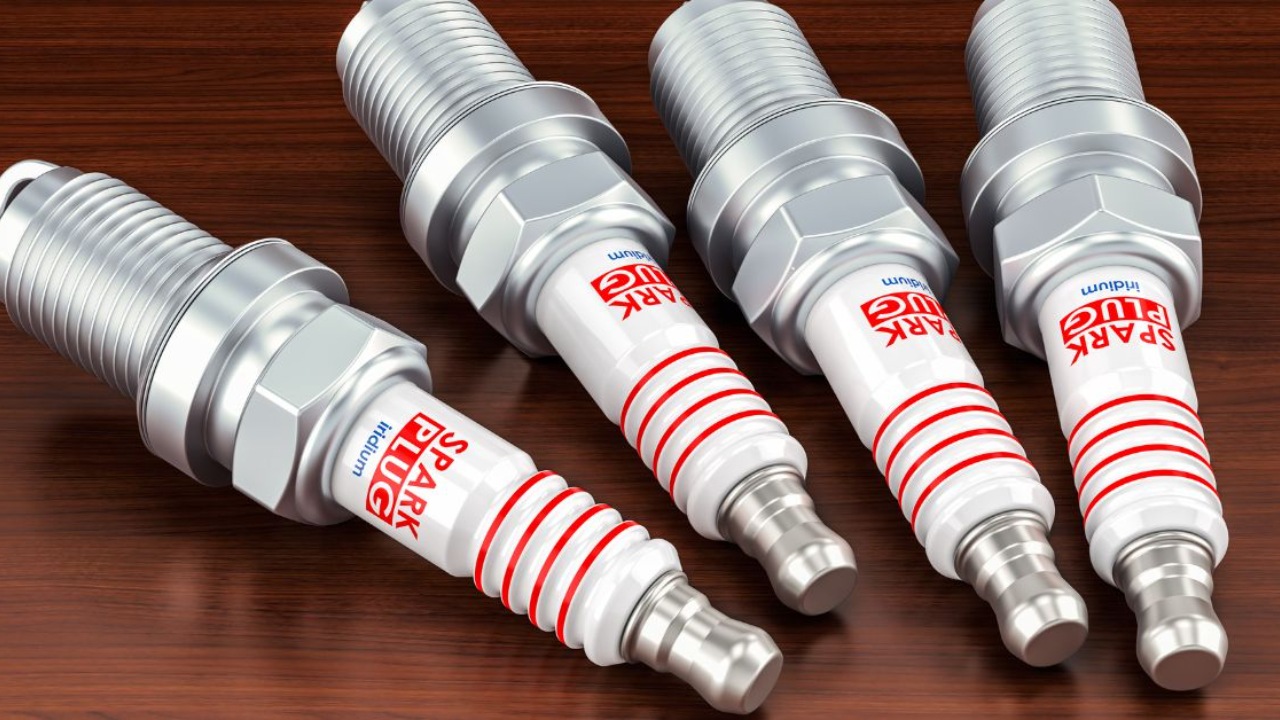
A spark plug looks simple, but the small component inside an engine has an enormous job. Every time the ignition system fires, the plug must create a reliable spark under pressure, heat, and vibration while resisting electrode wear and deposits.
The best brands are not necessarily the ones with the most aggressive advertising. What matters is engineering, electrode materials, manufacturing consistency, OE involvement, and how well a particular plug matches the engine it is designed for.
This ranking focuses on brands with established automotive experience, strong U.S. aftermarket coverage, and documented spark plug technology. The correct application always matters more than brand popularity.
1. NGK
NGK takes the top position because its strength is not limited to selling replacement spark plugs. The company has a long history of developing ignition components alongside vehicle manufacturers, giving its products unusually strong OE credentials.
NGK says its spark plugs come standard on more vehicles in North America than any other manufacturer, while its OE-style range is designed to provide the same fit, form, and function expected from original equipment.
That makes the brand particularly convincing for ordinary daily drivers where correct combustion characteristics matter more than chasing dramatic performance claims.
NGK also offers a broad range of technologies rather than relying on one plug design. Its Laser Iridium line uses a fine-wire center electrode and is developed alongside OEMs to meet manufacturer-specific quality and durability requirements.
The Iridium IX range takes a different approach, using a fine iridium tip designed for high ignitability, durability, and resistance to fouling. NGK also offers ruthenium technology for selected applications.
That range is important because there is no universally superior spark plug. An enthusiast running a modified turbocharged engine may want something different from a driver replacing plugs in a naturally aspirated commuter car. NGK’s extensive application coverage gives it an advantage in both situations.
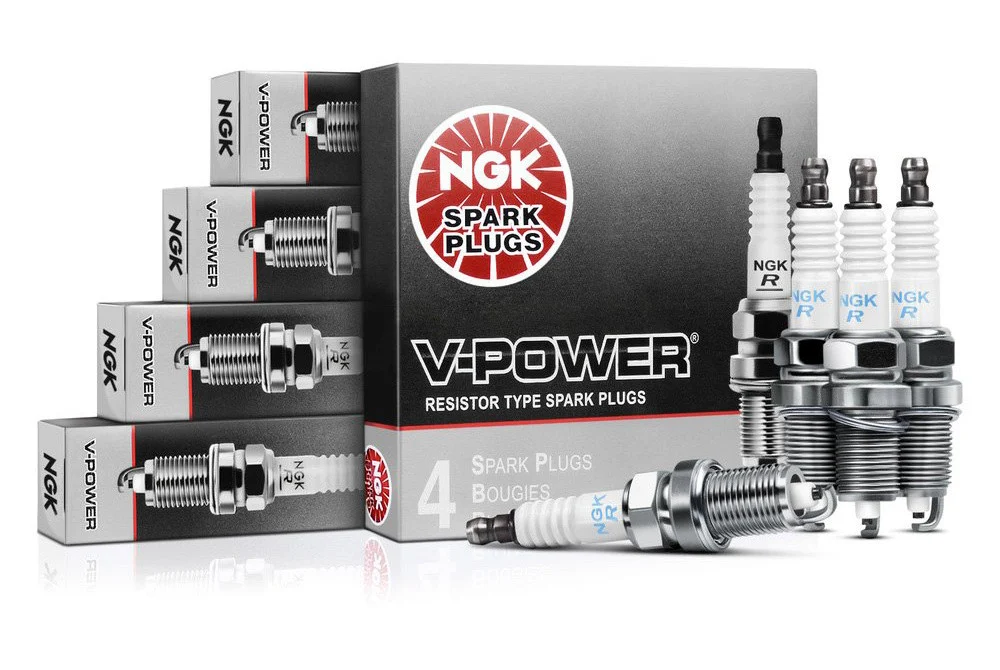
Its OE background is another reason the brand ranks first. NGK says it has partnered with automakers to develop ignition technology and has maintained U.S. manufacturing and engineering operations for decades. The company established its U.S. subsidiary in 1966 and began assembling spark plugs in the United States in 1976.
For buyers who want a combination of OE credibility, advanced electrode technology, and broad application coverage, NGK is the strongest all-around choice.
2. DENSO
DENSO comes extremely close to NGK because its spark plug engineering is deeply connected to original-equipment automotive development.
The company has been producing spark plugs for decades and developed technologies that influenced the design of modern fine-wire and precious-metal plugs. DENSO’s history records its first Toyota spark plug order in 1960 and the introduction of its iridium spark plug in 1997.
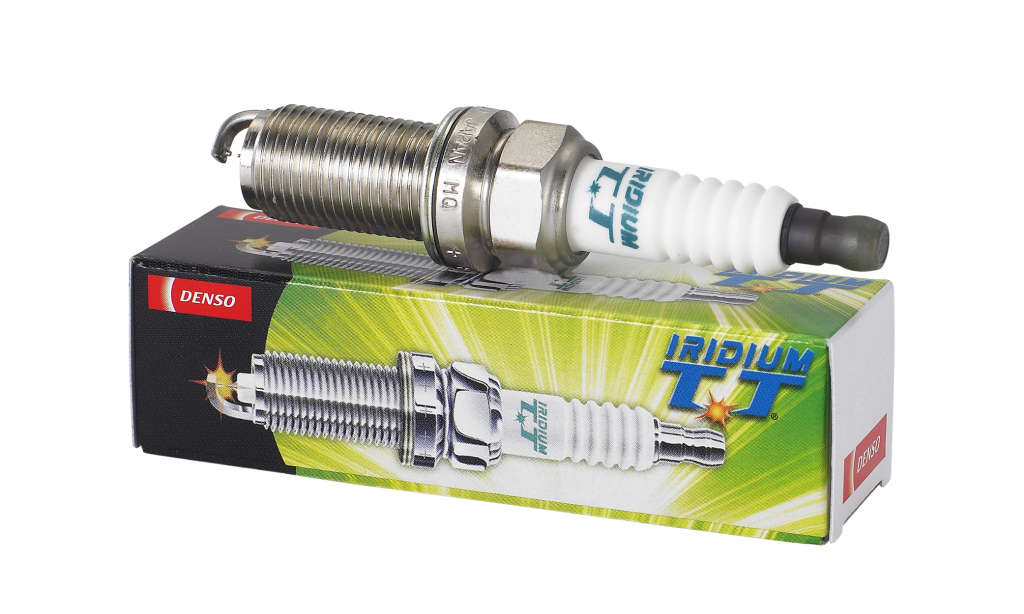
One of DENSO’s biggest strengths is its attention to electrode dimensions. Its Iridium TT plug, for example, uses a 0.4-millimeter iridium center electrode and a 0.7-millimeter platinum ground electrode.
DENSO says the fine center electrode reduces the voltage required to create a spark and improves ignitability. The design also uses 360-degree laser welding around the electrode assembly.
DENSO’s product range is not limited to performance-oriented iridium plugs. Its U.S. aftermarket catalog includes Double Platinum, Iridium Long Life, Iridium Power, Iridium Racing, Iridium TT, and U-Groove products.
The Iridium Long Life design combines a fine-wire iridium center electrode with a platinum ground electrode and is intended for demanding applications.
That variety makes DENSO particularly strong for Japanese vehicles, although its catalog covers numerous domestic and import applications as well.
The company also maintains a manufacturer cross-reference system covering brands such as NGK, Bosch, Champion, Autolite, and Motorcraft, showing the breadth of applications its catalog addresses.
DENSO earns the second position because it combines genuine OE heritage with highly developed electrode technology. For many engines, choosing between the correct DENSO and NGK application can come down to the exact factory specification rather than a meaningful difference in basic quality.
3. Bosch
Bosch earns the third position because its spark plug business combines a huge automotive engineering background with several distinctly different plug technologies.
That matters because spark plugs are not interchangeable pieces of hardware simply because they have the same thread size. Heat range, reach, electrode design, and firing characteristics all have to match the engine.
Bosch’s premium offerings include Double Iridium spark plugs, which use iridium for both the center and ground electrodes. The company also offers Double Platinum and other designs for different applications.
The double iridium construction is particularly attractive for modern engines because the fine electrodes can support reliable ignition, while the precious-metal construction is designed to resist electrode wear over a long service life.
Bosch’s aftermarket strength is another reason it ranks highly. The company supplies ignition components across a wide range of U.S. vehicle applications, including domestic and import models. That makes it easier for owners to find an application-specific Bosch plug rather than adapting a generic design.
One important point separates Bosch from brands that market spark plugs primarily around horsepower claims. A quality replacement plug should not be expected to magically increase an otherwise stock engine’s output.
Its job is to deliver the correct spark reliably under the conditions for which the engine was designed. Bosch’s approach is therefore more convincing when viewed through durability, ignition consistency, and application-specific engineering.
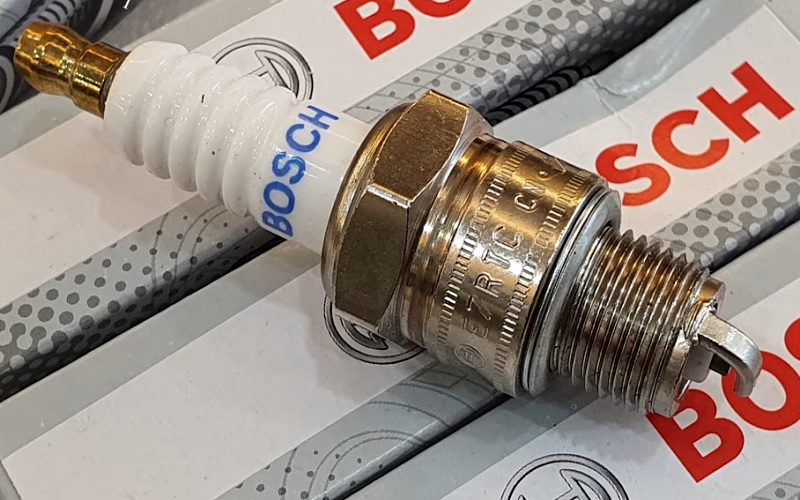
For drivers maintaining a modern vehicle, Bosch’s premium iridium products are particularly compelling when the vehicle manufacturer specifies a precious-metal plug. The brand also has enough product breadth to cover older engines where a less expensive platinum or conventional design may be appropriate.
That combination gives Bosch a strong position near the top of the ranking. It may not have the same universal OE reputation as NGK or DENSO in every application, but its engineering depth and broad aftermarket presence make it one of the safest major-brand choices when the exact Bosch application is specified for the engine.
4. Champion
Champion ranks fourth because few spark plug names have the same historical association with ignition systems. The brand has supplied plugs for automotive and other engine applications for generations, and its current catalog continues to cover everything from conventional copper designs to premium iridium products.
Champion’s Copper Plus range is aimed at dependable replacement use, while its Iridium line targets engines requiring longer-lasting precious-metal electrode technology.
The company describes Champion as a global spark plug manufacturer and says its light-vehicle products are engineered to optimize performance while resisting erosion and minimizing wear.
The important advantage is that Champion does not treat every engine as if it needs the most expensive plug available. Copper plugs remain appropriate for applications designed around them, while iridium makes more sense where the original equipment specification calls for a fine-wire precious-metal design.
Champion also has an unusually broad presence beyond ordinary gasoline passenger cars. Its catalog includes products for CNG applications and other engine categories, reflecting the company’s wider ignition expertise. That experience can be valuable when a vehicle uses an unusual combustion or fuel configuration.
Buyers should still resist the temptation to select a Champion plug solely because it is advertised as a performance upgrade. The correct part number is more important than the logo on the box. A plug with the wrong heat range or incorrect dimensions can cause problems regardless of how sophisticated its electrode material may be.
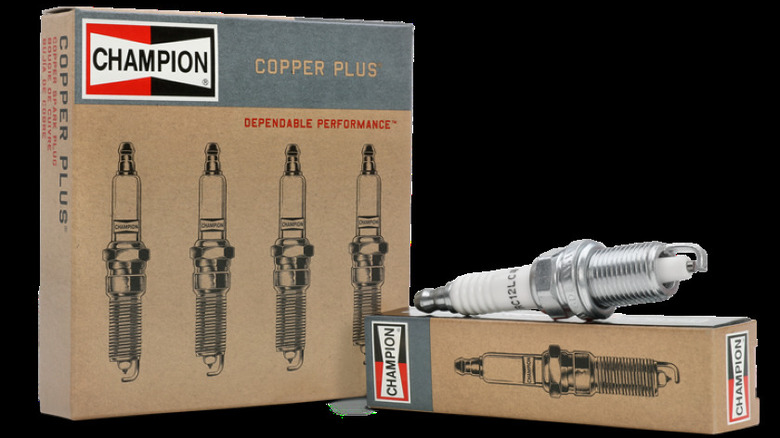
Champion’s fourth-place position reflects that balance. It has a long-established reputation, extensive product coverage, and modern iridium technology, while also retaining conventional products for engines where simplicity is appropriate.
For an owner who wants a recognizable, established ignition brand with options across multiple price points, Champion remains a strong choice.
The brand is particularly interesting for older American vehicles, where Champion’s history in the U.S. automotive market gives it considerable relevance. For modern engines, however, application-specific OE recommendations should still determine the final purchase.
5. Autolite
Autolite earns fifth place because it combines a long-established American spark plug name with a modern range that covers everything from conventional copper plugs to fine-wire iridium designs. That breadth makes the brand relevant to both older vehicles and newer gasoline engines, rather than limiting it to one particular generation of engines.
Its current premium range includes Iridium Ultra and Iridium XP. Autolite describes Iridium Ultra as an OE replacement designed for modern engines, including gasoline direct-injection and forced-induction applications.
Its construction uses an iridium-enhanced laser-welded fine-wire center electrode. The Iridium XP uses an iridium-enhanced fine-wire center electrode paired with a proprietary platinum ground electrode.
Autolite also retains conventional products for engines that do not require expensive precious-metal plugs.
Its Platinum spark plugs use a platinum center electrode intended to reduce gap erosion, while its Double Platinum range puts platinum on both firing surfaces. Autolite says that design reduces gap erosion and is particularly suited to distributorless ignition applications.
That variety is one of the brand’s strongest qualities. A 1990s vehicle with an original copper-plug specification does not automatically need an expensive iridium plug simply because iridium is newer. Autolite’s catalog lets owners select a product according to the engine’s actual requirements.
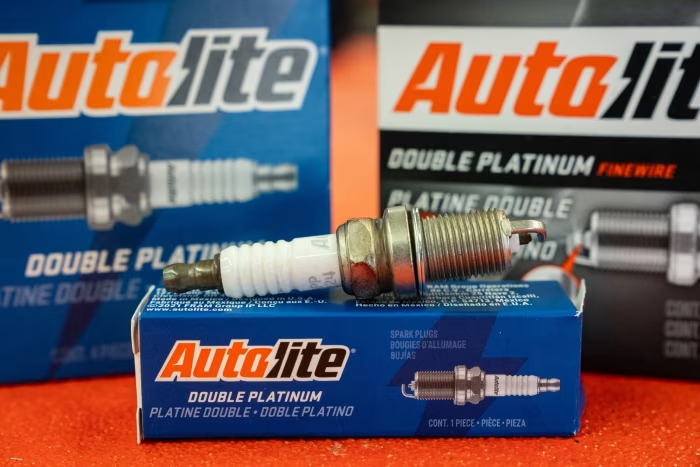
The company itself stresses that spark plugs are not universal. Thread dimensions, heat range, reach, and other specifications have to match the particular engine. Autolite recommends following the vehicle manufacturer’s replacement interval and using the same metallurgy as the original plug or upgrading appropriately to iridium.
That application-focused approach keeps Autolite high on the list. It offers enough technology for modern engines while still providing sensible options for older American vehicles.
6. Motorcraft
Motorcraft earns its place here for a straightforward reason. When the vehicle is a Ford, using a spark plug that matches the engine’s factory specifications can be more important than choosing an aftermarket design that claims to offer better performance. Motorcraft is Ford’s parts brand, and its spark plug lineup is developed with Ford applications in mind.
The company offers several types, including fine-wire platinum-tip, single-platinum, nickel-alloy, extended-tip, and extra-extended-tip spark plugs. Motorcraft says its plugs are recommended by Ford Motor Company and cover domestic and import cars and trucks of different sizes.
Ford’s Motorcraft catalog also provides useful technical evidence about how the brand approaches service life. Depending on the plug construction, published service intervals reach 100,000 miles for certain high-thread, platinum-iridium, and fine-wire double-platinum designs.
Platinum plugs are listed at 60,000 to 100,000 miles, while nickel and standard copper-core designs can be rated up to 60,000 miles depending on the application.
That does not mean every Motorcraft plug should be left in an engine for 100,000 miles. The correct interval remains vehicle- and engine-specific. What the data does show is that Motorcraft offers multiple electrode technologies intended for different service requirements.
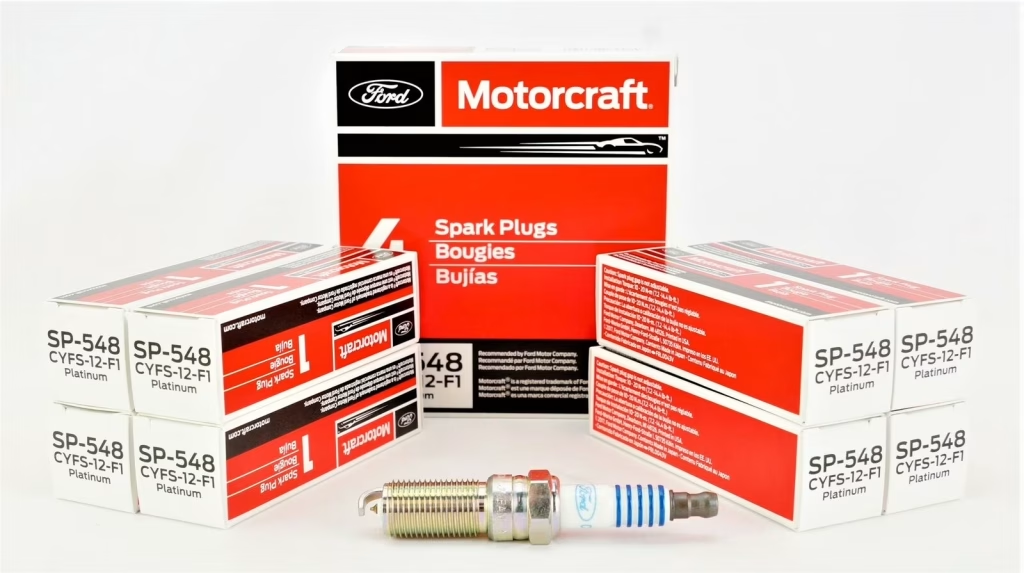
Another advantage is its attention to Ford-specific designs. The catalog includes high-thread spark plugs developed for particular Ford engines, illustrating why using the correct application can be more important than simply selecting the most expensive material.
For Ford owners, that OE connection makes Motorcraft particularly difficult to dismiss. It may not be the universal first choice for every vehicle brand, but within its intended applications, the combination of factory engineering and application-specific part numbers gives it a strong reason to rank above many generic aftermarket alternatives.
7. ACDelco
ACDelco takes seventh place because its strongest advantage is its close connection to General Motors applications. For Chevrolet, GMC, Buick, and Cadillac owners, the brand can be a particularly sensible choice when the vehicle’s original equipment specification calls for an ACDelco plug.
The current ACDelco lineup includes Iridium, Double Platinum, Professional Iridium, and other spark plug designs. Its Iridium plugs use a fine-wire center electrode designed to promote reliable ignition while providing resistance to electrode wear.
The Professional Iridium range is positioned as an OE-style replacement option for applicable vehicles, making application accuracy a central part of the product rather than simply a marketing claim.
That distinction matters because a spark plug is not selected purely by its electrode material. The correct thread, reach, heat range, terminal configuration, and gap are all part of the engineering equation.
ACDelco’s extensive GM application coverage means owners can often select a plug specifically cataloged for their engine instead of trying to convert a generic plug to fit.
ACDelco also offers platinum technology for applications where long service life is required without moving to an iridium design. Double-platinum plugs place platinum on both firing surfaces, helping reduce electrode wear and gap growth over time.
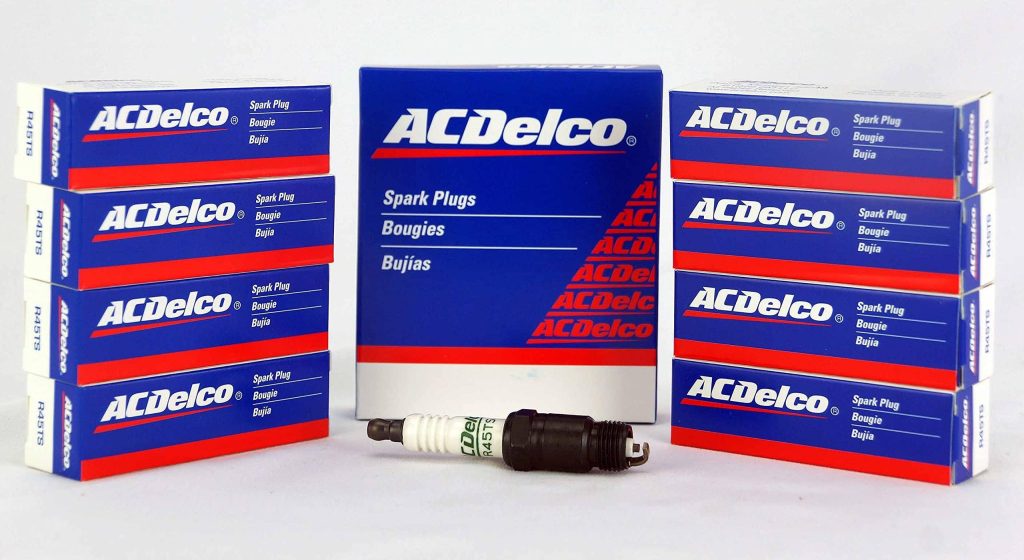
The brand’s position below Autolite and Motorcraft does not mean its products are inferior. The ranking reflects how broadly each brand stands out across the U.S. market. For GM vehicles, ACDelco can arguably move higher because the factory connection becomes much more relevant.
Its greatest strength is therefore specialization. A Chevrolet Silverado, GMC Sierra, or Cadillac with a factory-specified ACDelco plug can benefit from using the exact application rather than assuming that another brand’s premium plug is automatically better.
8. E3
E3 takes eighth because it approaches spark plug design differently from the major OE-focused manufacturers. Its defining feature is the DiamondFIRE electrode, which uses a specialized ground-electrode shape rather than relying solely on conventional electrode geometry.
E3 says its DiamondFIRE design uses a tapered ground electrode and positions the spark closer to the center of the combustion chamber. The company also claims the design can provide a larger ignition kernel and improve flame propagation.
Those are engineering concepts that make the plugs interesting, but they should not be interpreted as a guaranteed horsepower increase for every engine.
That qualification is important when ranking aftermarket spark plugs. A spark plug cannot compensate for an engine’s fuel, ignition, or mechanical limitations. The best product is still the one whose dimensions, heat range, and electrical characteristics are appropriate for the specific engine.
E3 offers plugs for a wide variety of automotive applications, including conventional gasoline vehicles, powersports equipment and other engines. Its automotive range includes DiamondFIRE plugs in different configurations, allowing the brand to cover many common U.S. applications.
Where E3 stands apart is its emphasis on electrode geometry. Traditional plugs generally use a relatively conventional ground electrode positioned over the center electrode. E3’s approach changes the firing-end shape to influence how the spark develops within the combustion chamber.
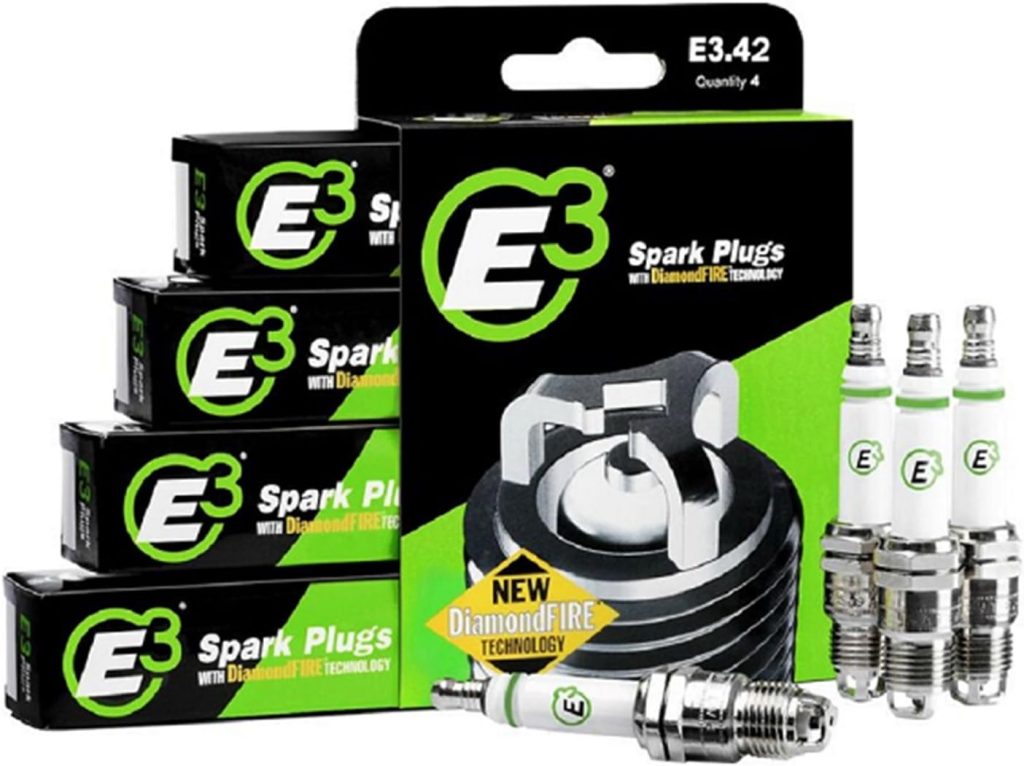
That makes the brand particularly interesting for enthusiasts who enjoy experimenting with ignition components, although factory specifications should remain the starting point for any vehicle that is primarily used for dependable transportation.
E3 does not rank above NGK, DENSO, or Bosch because those manufacturers have much deeper OE integration across a broader range of engines. Still, E3 deserves recognition because it has developed a distinct spark plug design rather than simply competing on electrode material.
For drivers who specifically want that alternative firing-end geometry and have a compatible application, it is a legitimate option rather than a generic bargain plug.
9. Pulstar
Pulstar takes the ninth spot with technology focused on one specific goal: delivering a high-energy ignition event quickly to promote consistent combustion. Its spark plugs use what the company calls Pulse Plugs, which feature an internal capacitor that stores electrical energy and releases it rapidly at the firing tip.
Pulstar says its internal capacitor technology can produce a higher peak current during the spark event than conventional spark plugs. The company’s explanation focuses on the way electrical energy is released rather than simply increasing the amount of ignition voltage supplied by the vehicle’s ignition coil.
That makes Pulstar fundamentally different from brands that compete primarily through iridium or platinum electrode metallurgy. Instead of concentrating only on electrode wear, the company has built its product identity around the electrical characteristics of the spark itself.
There is a practical reason to remain cautious with performance claims, however. Spark plugs operate within an entire ignition and combustion system.
The engine control module, ignition coils, fuel system, compression ratio, combustion chamber, and calibration all influence how effectively the mixture burns. A different plug design cannot guarantee a measurable power increase on every stock engine.
Pulstar’s appeal is therefore strongest among enthusiasts who want to experiment with ignition technology and who have confirmed that the particular plug is appropriate for their engine. Its product catalog covers numerous automotive applications, but application compatibility should be checked carefully before installation.
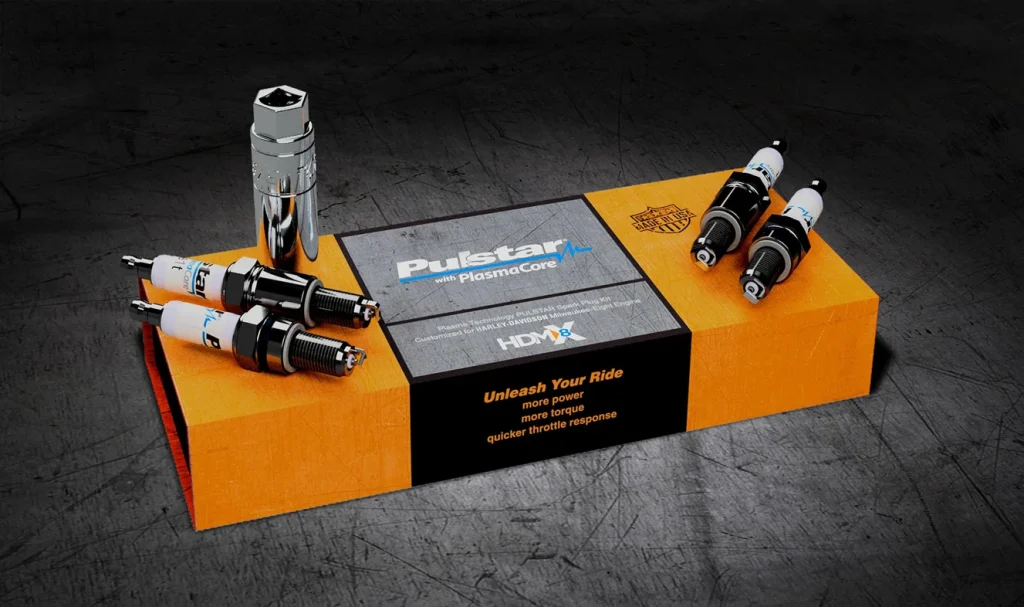
The brand lands ninth because its technology is interesting but less universally established than the major OE suppliers. NGK, DENSO, Bosch, and other established manufacturers have extensive relationships with automakers and enormous application catalogs. Pulstar’s more specialized approach gives it a niche rather than the same broad authority.
For the right application, though, that niche can be useful. A driver interested in ignition experimentation may find Pulstar more compelling than a conventional premium plug, particularly when the goal is to test a different ignition strategy rather than simply maximize replacement intervals.
10. Autolite Copper
Autolite’s conventional copper range closes the ranking, but calling it tenth should not be mistaken for calling it useless. In the correct engine, a basic copper spark plug can be exactly what the manufacturer intended, and paying extra for iridium does not automatically make an engine run better.
Autolite describes its copper plugs as using a copper-core center electrode designed to provide good thermal conductivity, resistance to fouling, and consistent performance. The company specifically identifies copper as an option for older engine applications and designs. (autolite.com)
That is an important distinction in today’s market. Premium spark plugs receive most of the attention because manufacturers can highlight materials such as iridium and platinum.
Those materials can provide important durability benefits, but they are not universal performance upgrades. If an older engine was engineered around a conventional plug, the correct copper plug can remain a perfectly reasonable maintenance choice.
Copper’s other advantage is cost. Conventional plugs are generally less expensive than precious-metal alternatives, which can matter when maintaining older vehicles, work trucks, classic cars, or engines that require relatively frequent plug replacement.
Autolite also explains that its copper-core design helps with thermal conductivity. That characteristic is valuable because a spark plug must transfer heat away from its firing end at an appropriate rate.
Too much retained heat or too much heat removal can both create problems, which is why the specified heat range remains more important than simply selecting the most expensive electrode material.
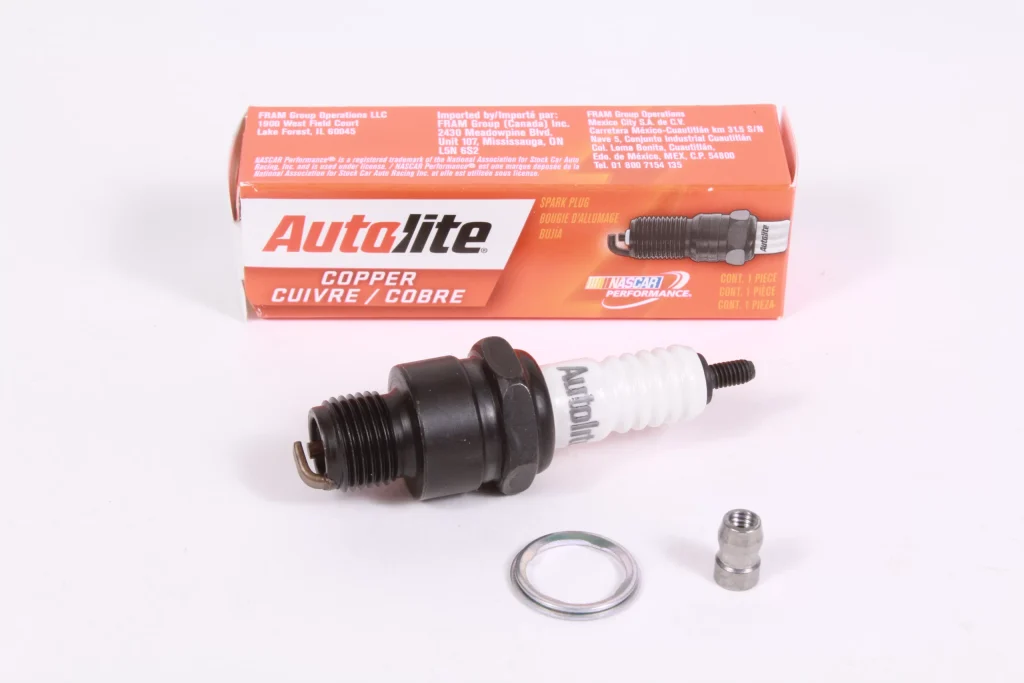
The reason Autolite Copper finishes the ranking is therefore not poor quality. It is simply less technologically sophisticated than the premium products occupying the higher positions. For an older U.S. vehicle designed around conventional plugs, however, that simplicity can actually be an advantage.
The main takeaway is simple. The best spark plug is not necessarily the most expensive option. NGK, DENSO, Bosch, Champion, Autolite, Motorcraft, and ACDelco all offer quality products, but choosing the correct part number for the specific engine should always come before brand preference.
