
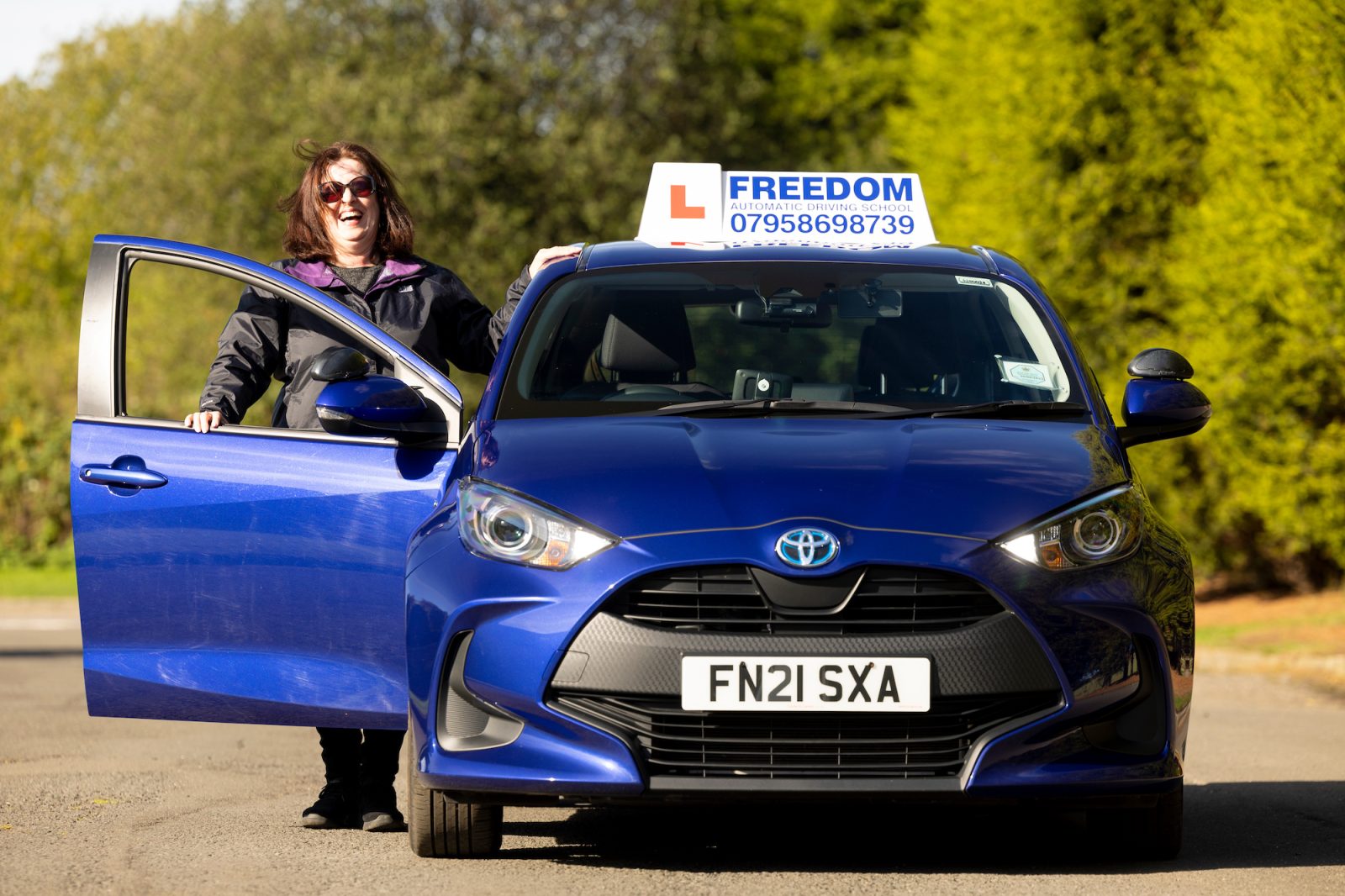
Choosing the right car can make or break a driving instructor’s daily grind. You need something that’s forgiving for nervous beginners, cheap to run mile after mile, and tough enough to survive a few stalls and curb scrapes along the way. Visibility matters too, since spotting a learner’s mistakes before they happen is half the job.
The good news? Automakers have gotten really good at building small, dependable cars that check every box instructors care about. Below are eight standout picks that balance comfort, safety, and value, so you can spend less time worrying about your vehicle and more time turning nervous beginners into confident drivers.
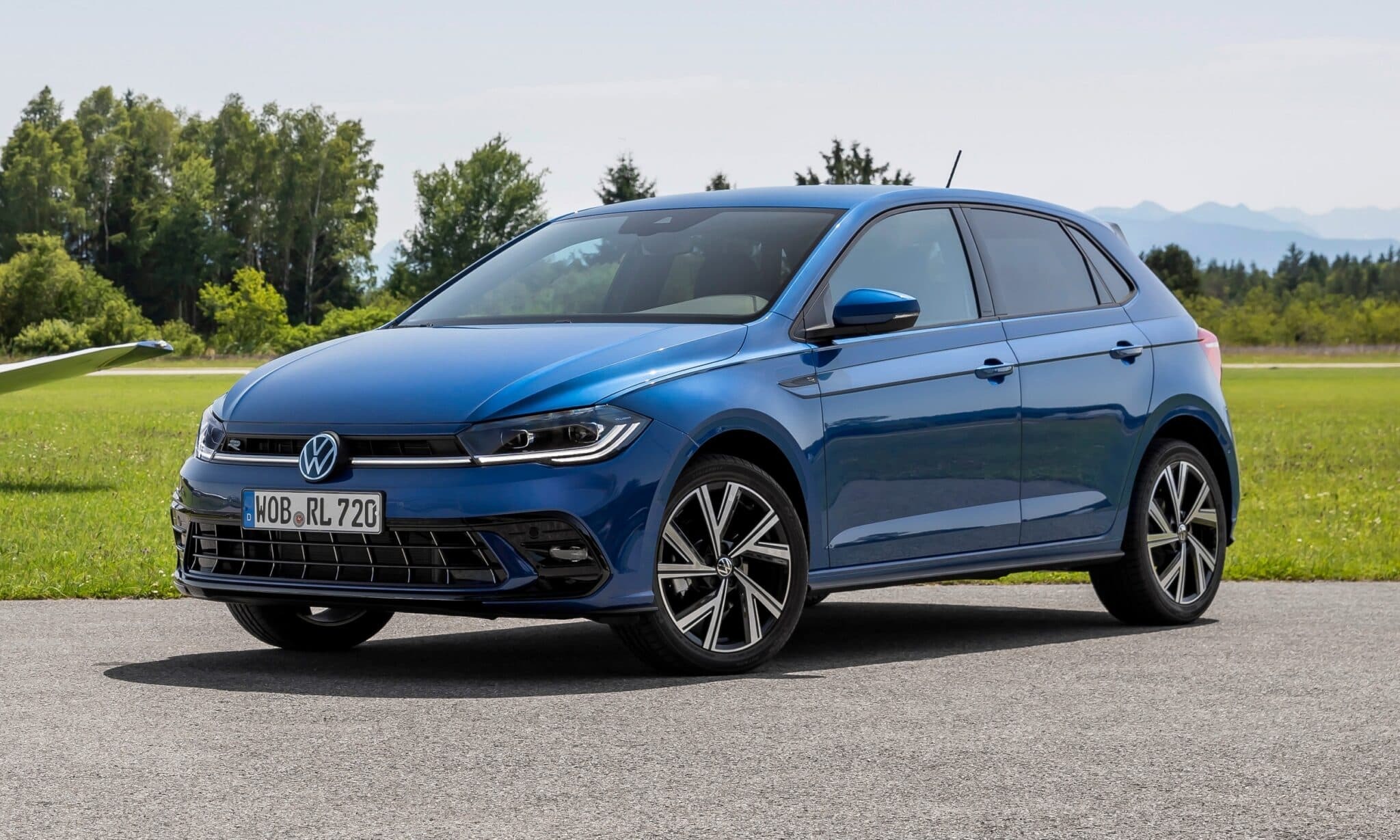
1. Volkswagen Polo
The Polo has earned its reputation as one of the smartest picks for instructors, and it’s easy to see why once you spend a day behind the wheel with a student.
The steering is light enough that new drivers don’t feel intimidated, yet it still gives enough feedback to teach proper car control. Visibility out of the front and sides is genuinely impressive, which matters enormously when you’re trying to catch a student’s blind spot check before it becomes a habit worth correcting.
Under the hood, the 1.0-litre petrol engine strikes a nice balance between economy and drivability, and the 95hp turbocharged version adds just enough pep for confident merging onto faster roads without overwhelming a beginner.
The 351-litre boot handles cones, signs, and extra gear without complaint, while the rear seats offer enough room that a second student can ride along and observe a lesson comfortably.
Safety is another area where the Polo shines. Its 5-star Euro NCAP rating gives instructors and parents alike peace of mind, particularly during those early sessions when unpredictable maneuvers are part of the learning curve.
Reliability has long been a Volkswagen strength, and the Polo continues that tradition with a build quality that holds up under the repetitive stop-start driving that instructor work demands.
Add in reasonable running costs, and you have a car that quietly does its job well, day after day, lesson after lesson.
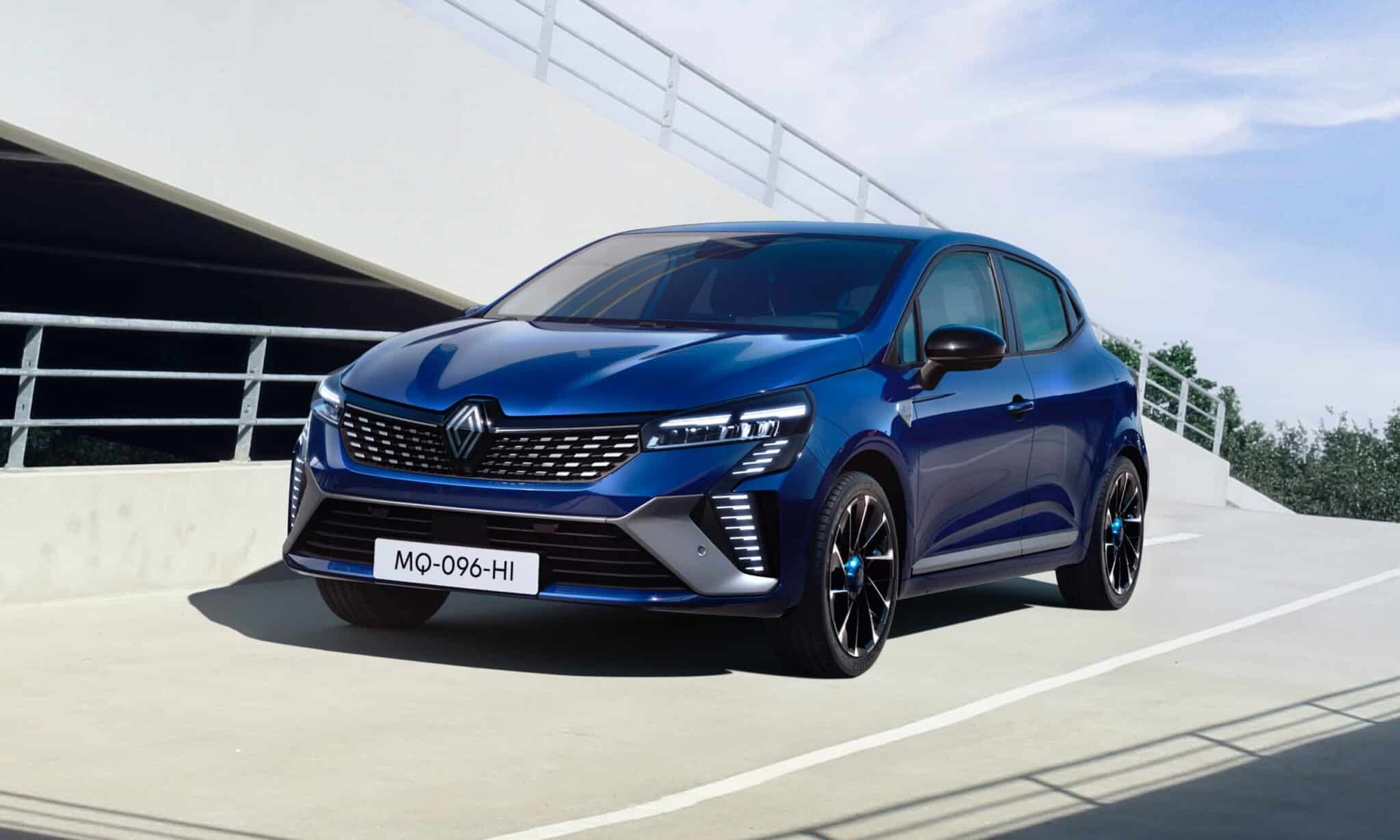
2. Renault Clio
The Renault Clio brings a slightly more stylish feel to the instructor-car category without giving up the practical qualities that matter during lessons. Its compact dimensions make parking exercises easier, and the light steering can help a beginner feel less overwhelmed when learning basic vehicle control.
One useful advantage is the choice of powertrains. Depending on the market and model year, buyers can find gasoline and hybrid versions, along with manual or automatic transmission choices.
That flexibility allows an instructor to select a setup that matches the type of lessons offered. An automatic can be particularly helpful for students who need to concentrate first on steering, observation, positioning, and traffic awareness.
Inside, the Clio offers useful passenger room and a 391-liter cargo area, giving instructors space for personal belongings and everyday teaching gear. Its size also keeps the car approachable for learners who may feel nervous about their first sessions.
Safety adds another reason to consider it. The Clio has received a five-star Euro NCAP rating in applicable testing, although ratings can differ by model year and equipment. That detail is worth checking before purchase.
For instructors seeking a car that feels polished but remains manageable, the Clio offers a practical mix of comfort, efficiency, easy controls, and useful flexibility.
For an instructor, that can simplify vehicle selection when students have varied needs. The Clio’s comfortable ride is welcome when the driver’s seat becomes a workplace for hours. Simple controls keep attention focused on lessons.
Ever wonder why so many automatic-only driving schools gravitate toward the Jazz? It comes down to a formula that just works. The 1.5-litre petrol hybrid engine delivers fuel economy in the range of 60mpg equivalent, which adds up to serious savings over a busy teaching schedule. Fewer gas station stops mean more time actually teaching.
That boxy, upright shape isn’t winning any design awards, but it’s precisely what makes the Jazz so effective as a learner car. Sightlines out of every window are excellent, giving instructors a clear view of a student’s mirror checks and blind spot glances from the passenger seat.
Rear passenger space is genuinely generous for a car this size, so a waiting student can sit comfortably without feeling cramped during a lesson swap.
The 304-litre boot may sound modest on paper, but it’s clever in its use of space and handles typical instructor cargo without a struggle. Where the Jazz really separates itself is in the smoothness of its hybrid drivetrain, which makes stalling essentially a non-issue for automatic-transmission learners.
That alone reduces stress for first-time drivers who are already nervous about everything else happening around them. Reliability data consistently places Honda near the top of the pack, and the Jazz benefits from that reputation directly.
For driving schools running daily back-to-back lessons, a car that starts every time and rarely needs unscheduled maintenance isn’t a luxury. It’s a necessity that keeps the business running smoothly.
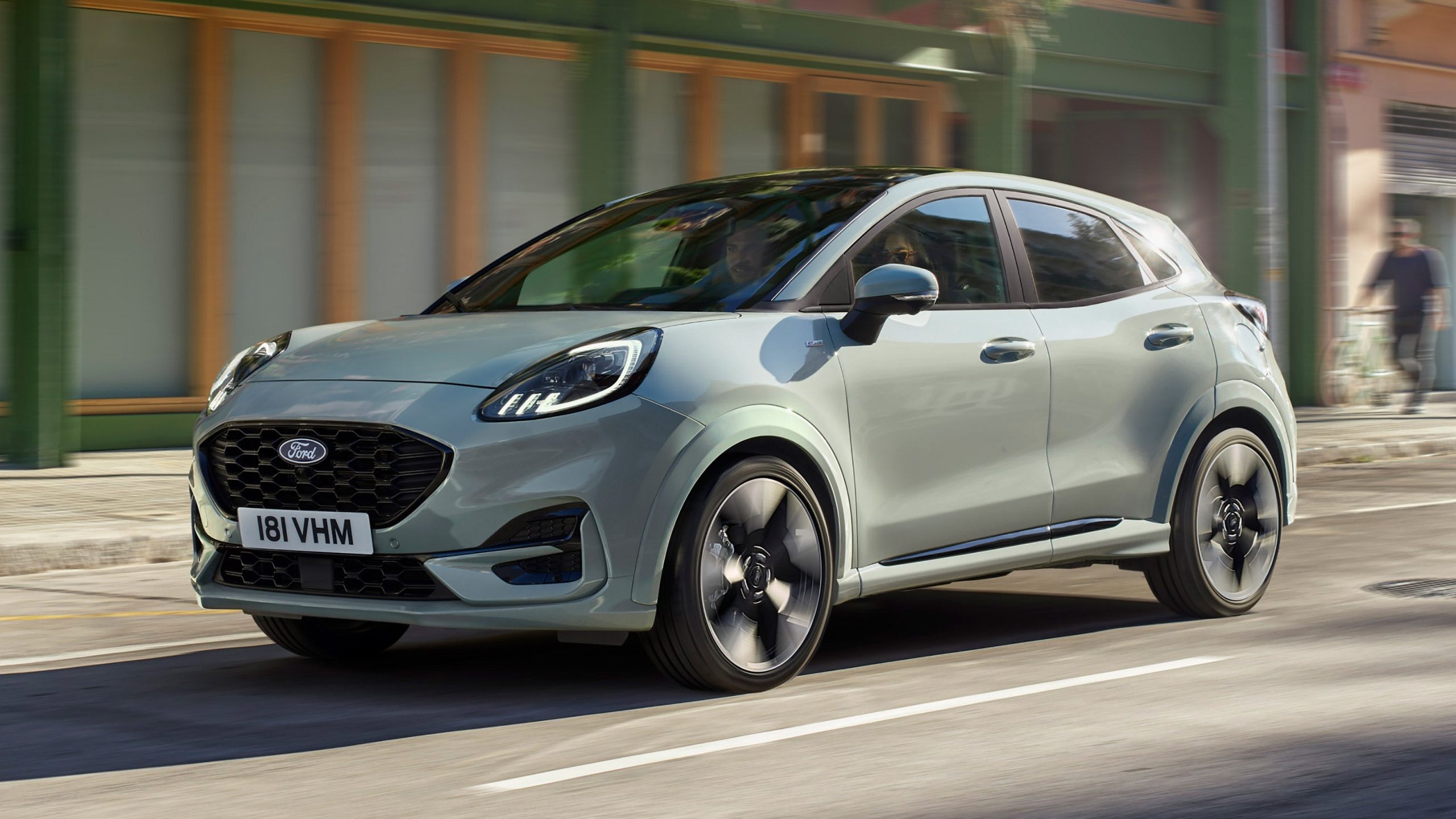
4. Ford Puma
Raised seating positions have become a genuine selling point for instructors, and the Puma delivers exactly that in a compact SUV package that doesn’t sacrifice maneuverability.
Sitting a little higher off the road gives both instructor and student a clearer forward view, which helps beginners judge distances and read traffic patterns more accurately than they might in a low-slung hatchback.
Fuel economy figures ranging from 49.6 to 52.3mpg keep the Puma competitive with smaller cars despite its SUV styling, and the 1.0-litre petrol engines feel lively enough to handle highway merges without hesitation.
That responsiveness matters when a nervous student needs a bit of extra confidence to complete a maneuver smoothly. Cargo space impresses too.
A 456-litre boot ranks among the largest in this class, giving instructors plenty of room for cones, portable signs, and spare equipment without needing to cram everything into the back seat.
Steering remains light and manageable, so parking lot practice sessions don’t turn into arm workouts for first-timers. The Puma’s Euro NCAP 5-star safety rating rounds out an already strong case, offering the kind of protection instructors want when teaching drivers who are still learning to anticipate hazards.
Between the elevated driving position, respectable fuel savings, and genuine cargo practicality, the Puma gives instructors an SUV-flavored option that doesn’t compromise on the fundamentals a good instructor car needs.
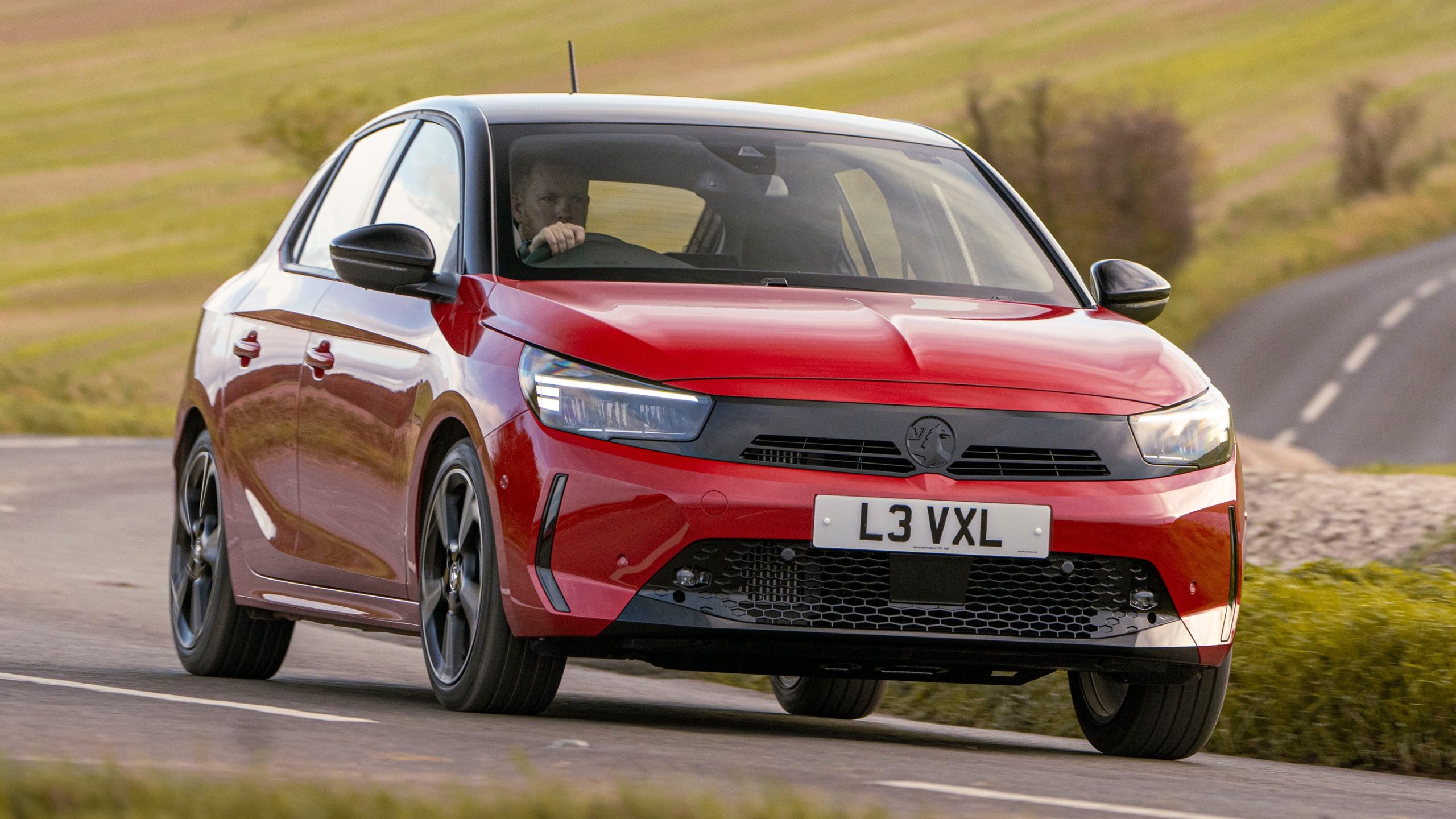
5. Vauxhall Corsa
The Vauxhall Corsa has long made sense as an instructor car because it keeps the basics straightforward. Its small size is useful for beginners learning clutch control, steering, parking, reversing, and positioning.
The light controls also reduce the physical effort required during repeated low-speed exercises. Fuel economy is another reason the Corsa can work well for professional use.
Depending on engine and model, gasoline versions can return claimed figures around the mid-50s mpg, while electric versions have offered a claimed driving range of roughly 222 miles under the relevant testing system.
Real-world results depend on conditions, temperature, speed, and vehicle specification, so instructors should treat published figures as a comparison guide rather than a promise.
The cabin is practical, although rear passenger room is not its strongest feature. That matters less when the car is mainly occupied by an instructor and one learner in the front seats. For lessons that require an occasional rear passenger, the space is usable but not especially generous.
Safety equipment and a strong safety record in applicable testing add confidence for daily teaching duties. The Corsa is also easy to place on the road, which can help students develop a better sense of vehicle position.
For an instructor who values simple controls, modest running costs, compact dimensions, and easy handling, the Corsa remains a sensible choice.
The Corsa’s familiar shape gives students a straightforward reference point during early lessons. It can simplify basic practice. Its simple layout helps beginners focus.
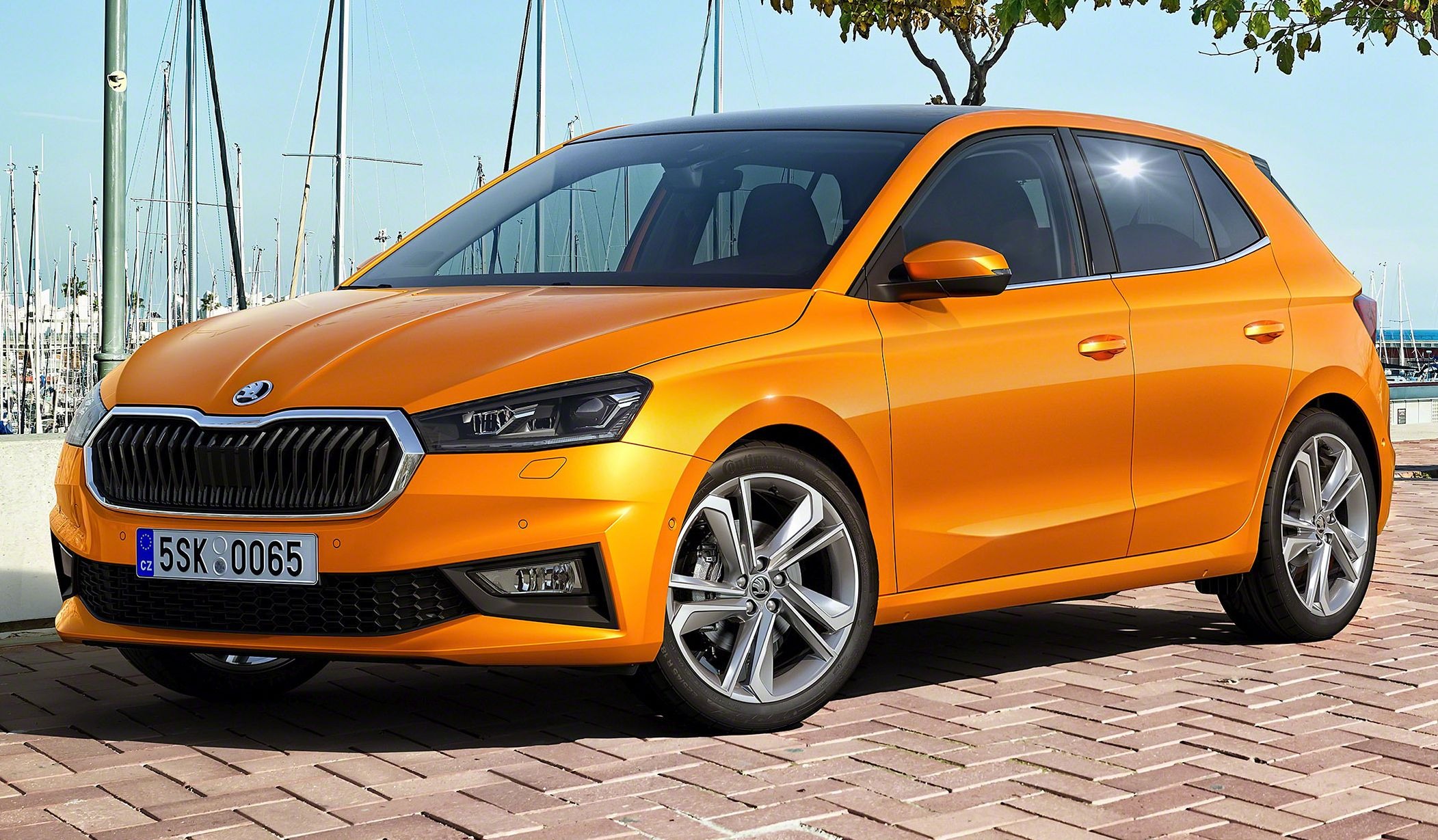
6. Skoda Fabia
No frills. No fuss. Just a car that does exactly what it needs to do, exactly when you need it to. That’s the Fabia in a nutshell, and for many instructors, that simplicity is precisely the point.
Light steering makes parking lot exercises far less intimidating for beginners, while visibility on all sides gives instructors a clear read on how a student is handling their mirrors and blind spots.
Rear seat space holds up well for a car in this class, comfortably fitting a second student or an observer without feeling cramped. Engine options span from 1.0 to 1.5-litre petrol units, giving instructors flexibility depending on how much power they want available for highway lessons versus city driving practice.
Both manual and automatic transmissions are offered, which means one platform can realistically serve two different teaching curriculums. The 380-litre boot handles instructor equipment with room to spare, easily fitting cones, signage, and paperwork without forcing anything into the passenger footwell.
Safety hasn’t been overlooked either, with a 5-star rating that reflects Skoda’s careful attention to structural integrity and driver assistance tech. What really sets the Fabia apart is how unremarkable it feels to drive, in the best possible sense.
There’s nothing quirky or difficult about it, no learning curve for the instructor, no surprises for the student. It simply gets the job done reliably, lesson after lesson, which is precisely what busy driving schools need from a daily workhorse.
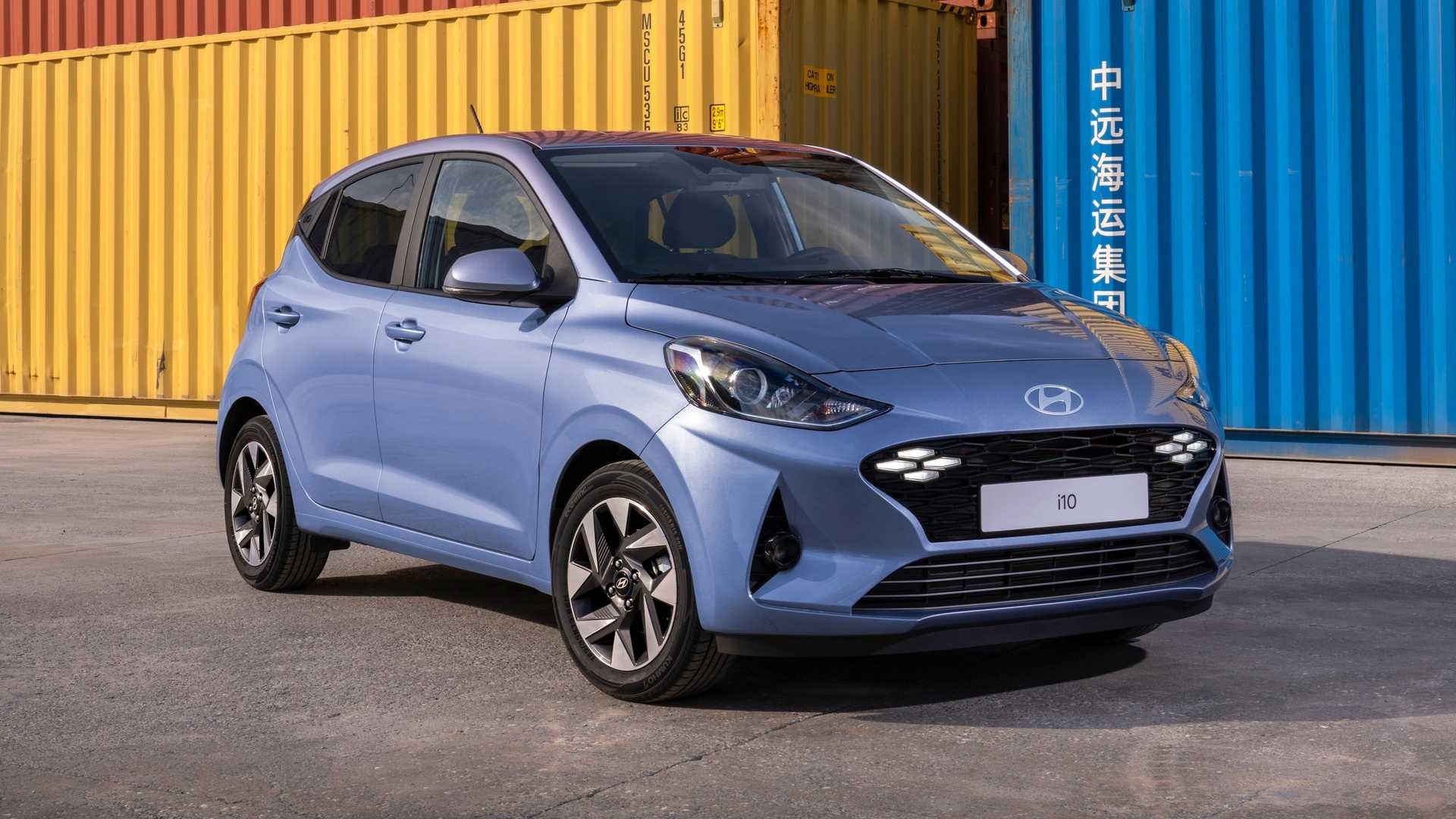
7. Hyundai i10
When purchase cost, maneuverability, and everyday efficiency matter, the Hyundai i10 is easy to understand as an instructor choice. Its small footprint makes it friendly for learners who are still developing their sense of vehicle width and turning space.
Parking practice can also feel less intimidating when the car is compact and easy to place. The i10 works particularly well in urban teaching environments.
Its handling is composed at lower speeds, and the steering is designed to make routine turns and parking exercises relatively simple. Manual and automatic transmissions have been available, allowing instructors to choose the configuration that fits their lessons.
Fuel economy can also help keep operating expenses under control. Depending on engine, transmission, model year, and test method, claimed figures can reach roughly 50 to 55 mpg.
Actual fuel use will depend on traffic and driving habits, especially when the car spends much of the day stopping and starting. Hyundai’s warranty coverage has also been a selling point in markets where its standard five-year warranty applies.
Warranty terms can vary by country, so buyers should confirm the current local coverage before making a purchase. The main compromise is interior and cargo space. The i10 is not the roomiest car here, but its small dimensions are exactly what make it approachable for many new drivers.
For instructors working with tight parking spaces and frequent city lessons, the i10 offers a simple, economical, and easy-to-handle package. Its compact body helps students judge corners easily.
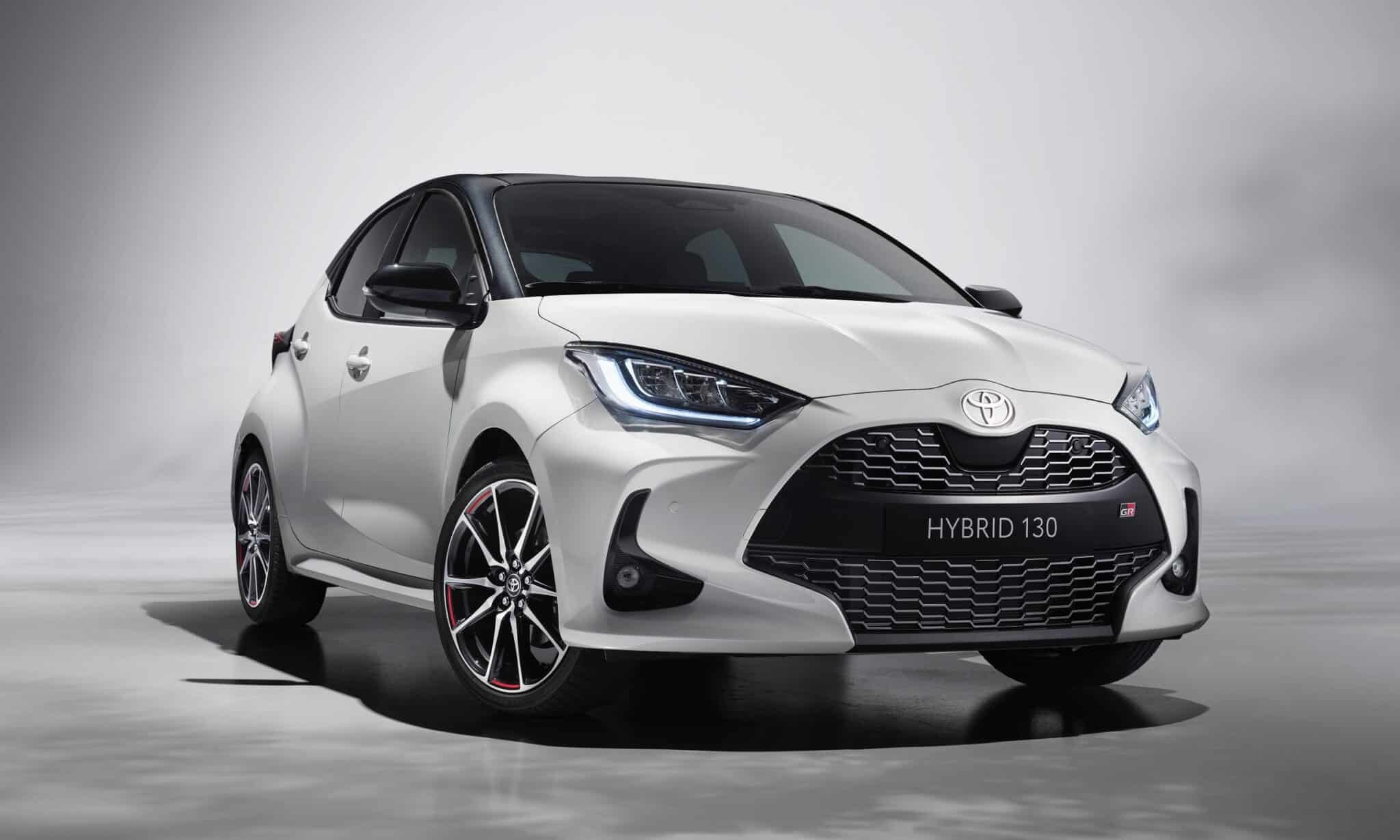
8. Toyota Yaris
The Toyota Yaris is a strong option for instructors who want a small car with hybrid efficiency and easy day-to-day operation. Its hybrid system is especially useful for stop-and-go driving, where smooth low-speed performance can make lessons more comfortable for both the learner and instructor.
Light steering is another advantage. A student practicing turns, parking, or tight maneuvers can control the car without excessive effort. The compact body also makes it easier to judge available space.
A reversing camera, where fitted as standard on the relevant specification, provides another useful aid during parking exercises. Fuel economy is one of the Yaris’s biggest attractions.
Depending on model, wheel size, equipment, and testing method, claimed figures can fall within a broad range around 57 to 69 mpg. Real-world consumption can be lower, particularly with heavy traffic, cold weather, frequent highway driving, or a heavily loaded vehicle.
Safety equipment is also important for an instructor’s working car. Applicable Yaris versions have achieved five-star Euro NCAP ratings, although the exact rating should be checked against the model year and specification being purchased.
Reliability is another reason the Yaris has a strong reputation among long-term owners. For a driving instructor, fewer unexpected interruptions can make a major difference to a busy schedule.
The Yaris makes sense for instructors who want an efficient automatic, easy parking, useful safety equipment, and a compact body that feels approachable to new drivers.
The Yaris’s calm character can help students build confidence during repeated practice.
