
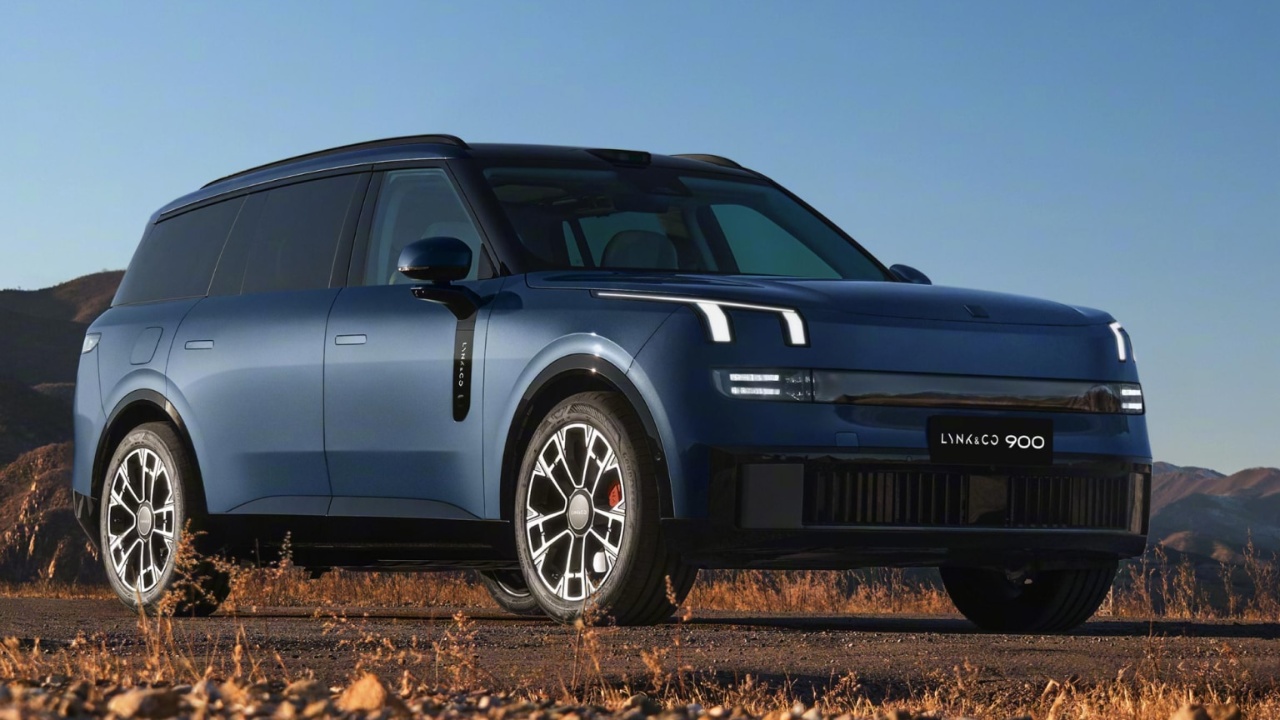
Lynk & Co. is restructuring the way it sells vehicles in Europe, with Volvo Cars set to become the brand’s exclusive distributor across the region from January 2027.
The agreement gives Lynk & Co access to Volvo’s established retail and service infrastructure while allowing the Geely-owned brand to retain responsibility for product development and operations outside Europe.
Announced September 10, the agreement finalizes a commercial partnership first outlined by Volvo Cars and Geely Auto in March. Lynk & Co. says the arrangement is intended to accelerate its European expansion, improve customer access, and create a more consistent retail and service experience.
The change is significant because Lynk & Co has already built a presence across 25 European markets, but it has relied heavily on partner-operated locations rather than a large dedicated retail network. According to the company, more than 140 partner-operated sales points are now open across Europe.
Volvo’s role is designed to turn that existing footprint into a larger commercial platform without turning Lynk & Co. into another Volvo model line.
Volvo Network Becomes the Growth Engine
Under the new agreement, Volvo Cars will use its established commercial infrastructure, retailer network, and service footprint to distribute Lynk & Co vehicles in Europe. That should allow the brand to expand without having to build an entirely separate retail organization in every market.
The companies had already been moving in this direction. When the partnership was announced in March, Volvo said it intended to become the exclusive importer of Lynk & Co vehicles in Europe and take responsibility for commercial and brand operations in relevant markets.
Volvo also planned to use its retailers and sales and servicing systems to support the Chinese-owned brand. The finalized agreement goes further by formally making Volvo the exclusive distributor from January 2027.
For Lynk & Co., the advantage is clear. A larger retail network gives customers more opportunities to see, buy, and service its vehicles. The company says its partnership with Volvo retailers has already helped expand its presence across Europe, while the broader relationship could bring the brand to an even wider range of customers.
Martin Persson, Head of Lynk & Co Europe at Volvo Cars, said the brand has successfully expanded to 25 European markets and established more than 140 partner-operated sales points. He said the next phase will combine Lynk & Co’s product range with Volvo Cars’ commercial reach and operating capabilities.
That distinction between the two brands will be important. Lynk & Co. will remain a separate brand with its own identity, products, and customer experience. Volvo is taking responsibility for distribution and commercial operations, not absorbing Lynk & Co. into the Volvo lineup.
Geely Auto will also retain responsibility for Lynk & Co.’s global product development, certification, and operations outside Europe. That means the partnership is primarily a European commercial arrangement rather than a change in ownership.
A Broader Electrified Lineup
The timing of the agreement comes as Lynk & Co. is expanding beyond the subscription-focused business model that initially defined its European launch.
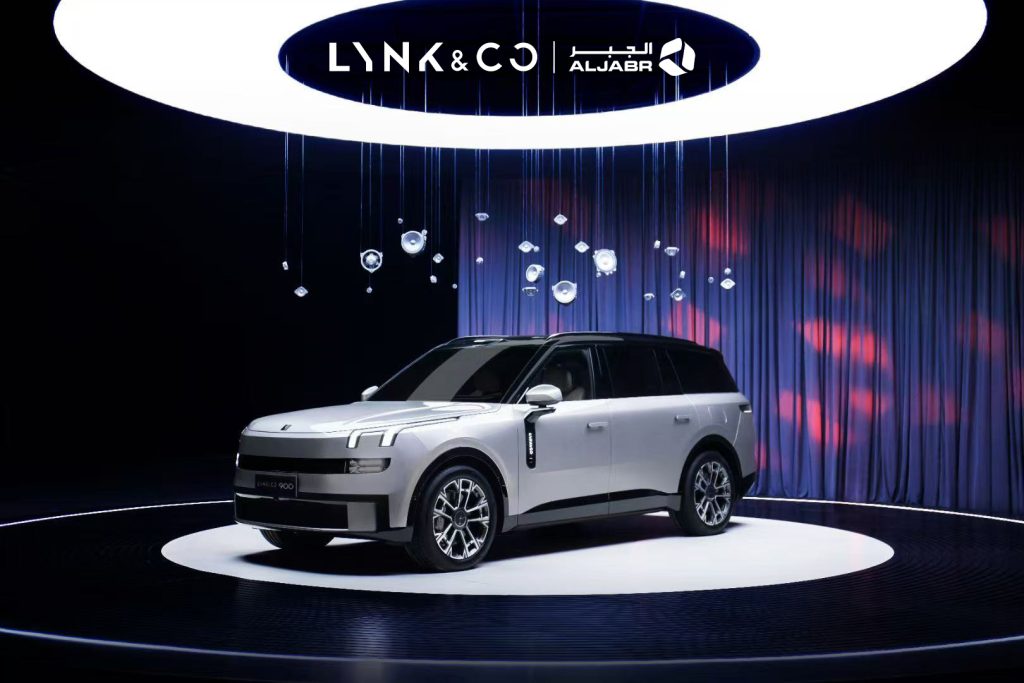
The brand now describes itself as an electrified mobility company with a product range that includes the plug-in hybrid 08, the fully electric 02, and the plug-in hybrid 01. The company has increasingly shifted toward conventional retail sales through local partners, making access to an established dealer network more important.
Volvo can provide that infrastructure, while Lynk & Co. concentrates on developing and positioning its products.
The 08 is particularly important because it gives Lynk & Co a long-range plug-in hybrid in a European market where customers remain split between combustion, hybrid, and battery-electric powertrains. The 02 provides the brand with a fully electric offering in the compact segment.
That broader powertrain mix could help Lynk & Co. adapt to different European markets rather than depending exclusively on rapid EV adoption.
The distribution agreement also potentially gives Volvo retailers a wider product portfolio. Volvo Cars said in March that the partnership could increase the sales and servicing business for its retailer partners while allowing Volvo to complement its own product offering and broaden its consumer base.
This creates a commercial relationship in which both sides have something to gain. Lynk & Co. gets access to infrastructure it would otherwise need years to build, while Volvo retailers gain another brand and additional opportunities to sell vehicles and provide after-sales services.
The arrangement could become particularly valuable as European automakers and Chinese brands compete for customers across a market undergoing rapid changes in electrification, pricing, and technology.
Why the Partnership Matters for Geely
The agreement also highlights the way Geely is using different brands and companies to expand its presence in Europe.
Geely Auto remains Lynk & Co’s parent company and is responsible for the brand’s global product development. Volvo Cars, meanwhile, has a mature European sales and service operation. Both companies are part of the wider Geely ecosystem, making cooperation between them easier than building a completely independent European distribution structure.
For Geely, the arrangement could provide a more efficient route to increasing Lynk & Co sales without requiring the brand to duplicate infrastructure already available through Volvo.
The strategy also fits a wider industry trend in which automakers are looking for ways to reduce distribution costs and make better use of existing retail facilities.
Maintaining separate showrooms, service centers, logistics systems, and administrative operations for multiple brands can be expensive, especially when individual brands are still developing their sales volumes.
Shared infrastructure can reduce that duplication while preserving separate customer-facing identities.
Lynk & Co’s European management structure has already been adjusted in preparation for the next phase. In July, the company appointed Mo Wang as CEO of Lynk & Co International, while Martin Persson took responsibility for the brand’s European business within the planned Volvo Cars partnership.
The latest agreement now provides the commercial framework for that structure to operate from January.
For customers, the immediate effect should be relatively simple. Lynk & Co vehicles will remain Lynk & Co products, but more of the places where customers buy and service them will be connected to Volvo Cars’ retail network. The larger question is how quickly the new arrangement can translate into higher sales.
Lynk & Co. has already established a presence in 25 European markets, but its next stage will require stronger brand recognition and greater access to customers. A larger retail network can solve part of that problem, particularly for buyers who want to see a vehicle in person or have concerns about servicing a relatively new brand.
The partnership does not guarantee success. Lynk & Co still has to compete with established European manufacturers and a growing number of Chinese brands entering the region. Its products must offer convincing pricing, technology, quality, and after-sales support.
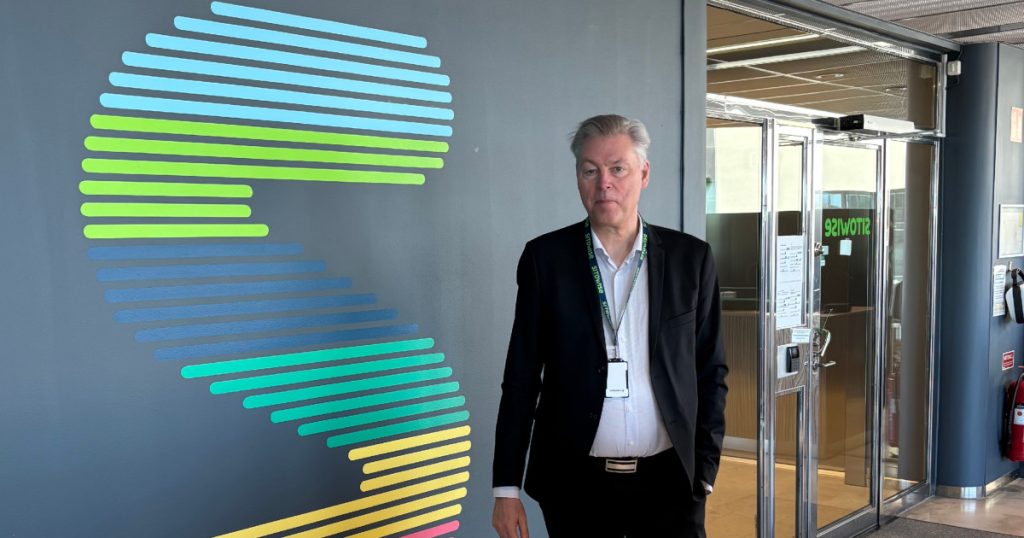
Volvo’s network, however, removes one significant obstacle: physical access. Starting in January 2027, Volvo Cars will become Lynk & Co’s exclusive distributor throughout Europe, giving the brand a much larger commercial platform while leaving its product development and brand identity intact.
For Volvo, the agreement adds another source of retail and service activity and broadens the products available through its retailer network. For Lynk & Co., it provides a faster route to European scale.
The success of the partnership will ultimately depend on whether that expanded reach can convert into sustained sales. But with more than 140 existing partner-operated sales points and operations already covering 25 markets, Lynk & Co enters 2027 with a foundation that is considerably larger than when it first arrived in Europe.
The new Volvo-led distribution model is intended to turn that foundation into the next stage of the brand’s European growth.
