
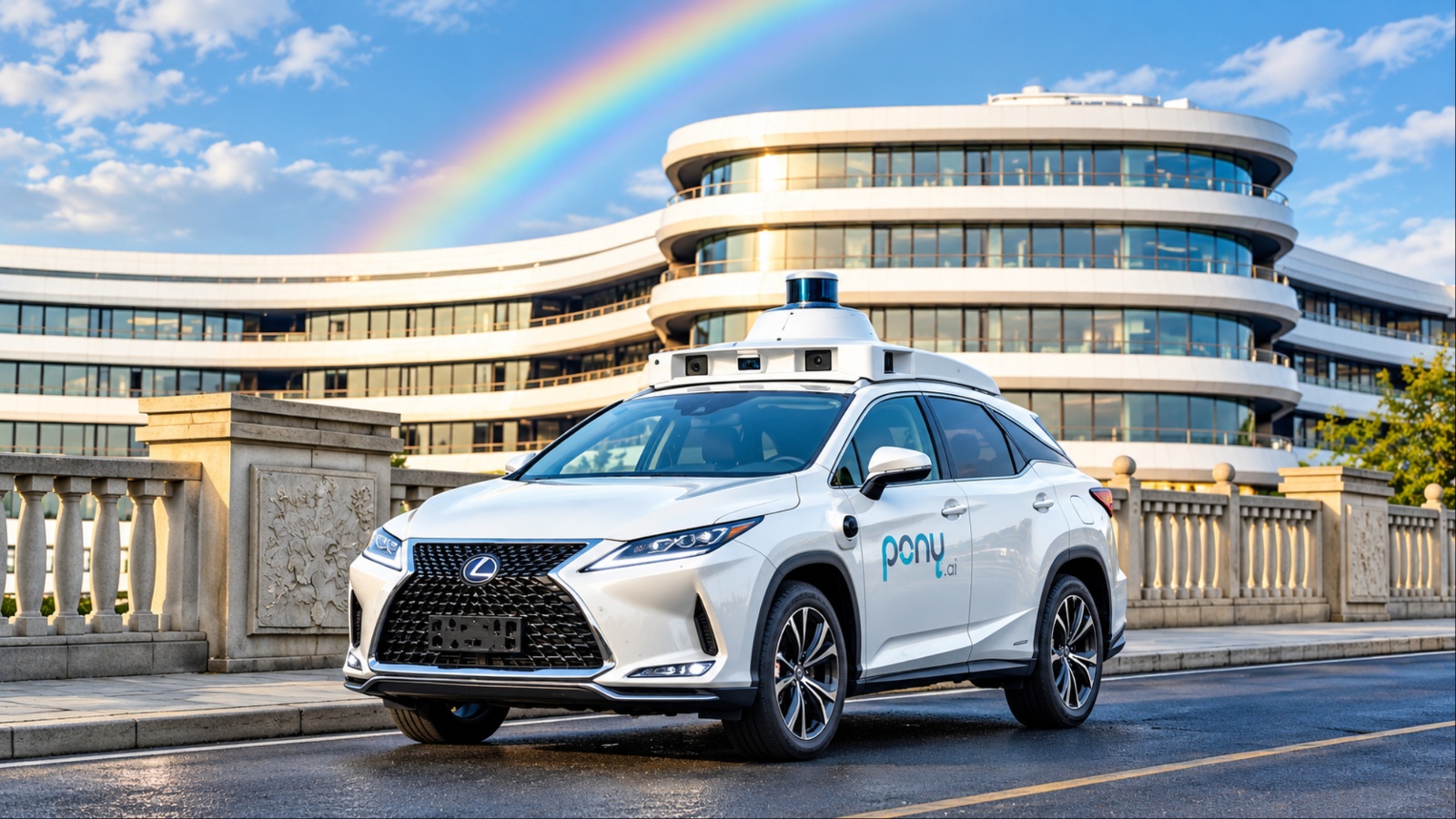
Pony.ai and Verne have begun fully driverless robotaxi passenger testing on public roads in Zagreb, Croatia, marking a major step toward autonomous ride-hailing without a safety operator inside the vehicle.
The companies announced on September 10 that invited passengers can ride without an onboard autonomous-vehicle operator or other personnel. The testing is taking place along a 22-kilometer route linking Verne’s headquarters and one of Zagreb’s main business districts with Franjo Tuđman Airport.
The milestone is particularly significant because it moves the Zagreb program from supervised autonomous operation to a genuinely driverless testing phase.
Verne’s remote operations team continues to monitor the vehicles, but it does not drive them or remotely control their movement. Pony.ai’s autonomous system makes the driving decisions and controls the vehicle.
According to Pony.ai and Verne, the rides are being conducted under applicable Croatian regulations and the approvals required for autonomous-vehicle testing with passengers on public roads. The companies plan to expand the fully driverless routes over the coming months, with the eventual goal of covering the full operating area in Zagreb.
From Supervised Service to Driverless Testing
The latest development follows the launch of Europe’s first commercial robotaxi service in Zagreb in April. Pony.ai, Verne, and Uber are working together under a deployment model in which each company has a distinct role.
Pony.ai supplies the autonomous-driving technology, and Verne manages the fleet and local service operations, while Uber provides access to riders through its platform.
Since Verne’s service began in April, the fleet has accumulated more than 200,000 autonomous kilometers, completed several thousand customer rides, and achieved an average passenger rating of 4.7 out of 5.
That operating history gives the new driverless testing phase a useful foundation. The companies are not beginning autonomous passenger operations from scratch; they are moving an existing commercial service toward a higher level of automation.
Uber also began integrating the Zagreb service into its app in August. At that stage, a licensed operator remained onboard as part of a phased introduction.
The new testing program removes that onboard operator for invited passengers, allowing Pony.ai and Verne to evaluate how the vehicles perform when the automated driving system is responsible for the entire driving task.
The distinction is important. An autonomous vehicle carrying passengers with a trained operator behind the wheel can be monitored and intervened with immediately. A fully driverless vehicle has to manage the road environment independently, with human supervision moved away from the vehicle itself.
The 22-kilometer route also provides a useful test environment because it connects commercial and transportation destinations rather than limiting the vehicles to a small demonstration area. The companies intend to expand the driverless routes further as testing progresses.
Technology Behind the Zagreb Robotaxi
The test rides use Pony.ai’s seventh-generation Robotaxi, equipped with the company’s L4 autonomous-driving system. Pony.ai says the vehicle uses a domain controller built on NVIDIA DRIVE AGX and a safety-certified operating system.
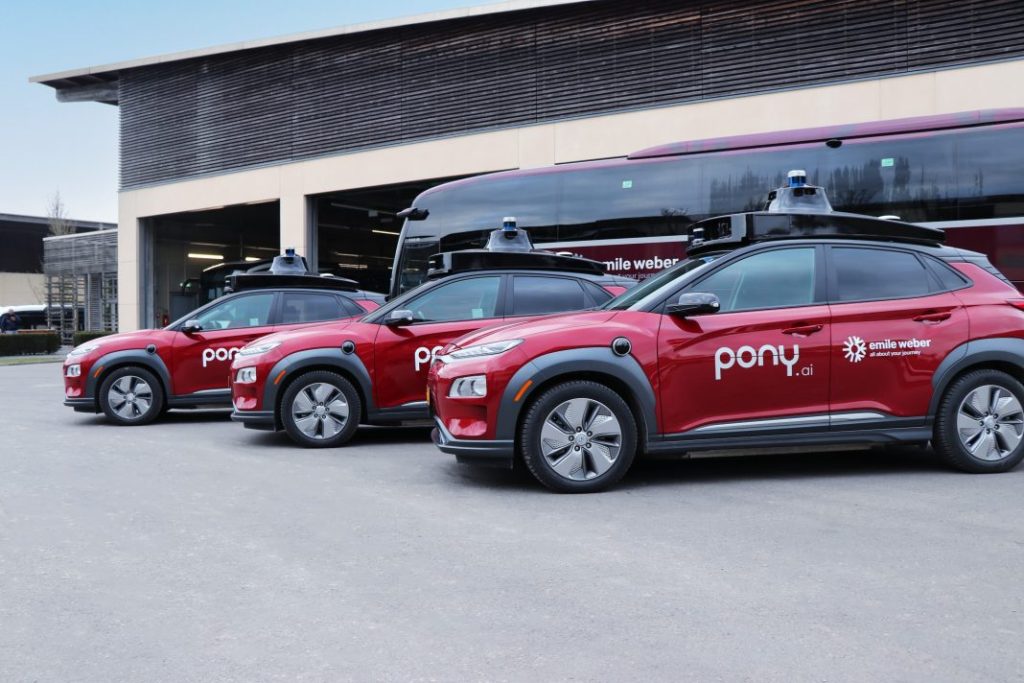
Its sensor architecture provides 360-degree coverage around the vehicle and incorporates multiple layers of redundancy and fail-operational capability. The objective is to ensure that the vehicle can continue operating safely when individual components or systems experience a problem.
Pony.ai says its autonomous-driving architecture has already been validated through fully driverless commercial operations in major Chinese cities, including difficult urban traffic and adverse weather conditions.
The company currently operates fully driverless commercial services in four major Chinese cities. It says its vehicles have accumulated more than 100 million kilometers of autonomous operations worldwide, including more than 40 million kilometers in fully driverless mode.
Those figures are company-reported rather than independent safety assessments, but they demonstrate the operational experience Pony.ai is attempting to transfer from China into European markets.
Verne is also using the Zagreb tests to evaluate a redesigned passenger environment. The vehicle used for this phase removes the front passenger seat, creating additional space for luggage and a more open cabin.
A central console between the rear seats incorporates a touchscreen for ride management and cabin controls, alongside storage and charging features.
The interior is being tested alongside the driverless technology rather than treated as a separate concept. Passenger feedback will help Verne refine the experience as the companies work toward future commercial deployment.
This approach reflects an important change in how autonomous vehicles are being developed. The companies are not simply trying to remove the human driver; they are also redesigning the passenger environment around the assumption that occupants will no longer need conventional driving controls or a front-seat safety operator.
Why Zagreb Matters for European Robotaxis
The Zagreb program is important because European autonomous-vehicle development has generally progressed cautiously, with regulatory approval and public-road passenger testing presenting major hurdles.
Croatia is now becoming an early test market for this technology. Zagreb offers a combination of urban streets, airport traffic, and mixed road environments that can provide a broader operating challenge than a controlled test facility.
Verne says its commercial robotaxi service now covers an operating area of more than 100 square kilometers. The new 22-kilometer driverless route provides a defined environment in which the companies can validate the technology before expanding it.
The airport connection is particularly relevant to a future commercial service. Airport trips tend to involve predictable demand, luggage, longer journeys, and a mixture of urban and higher-speed roads.
Successfully operating such a route without an onboard operator would provide useful evidence that autonomous ride-hailing can move beyond short, tightly controlled urban trips.
The companies are not yet describing the new testing phase as a fully driverless commercial service. That distinction matters. The current rides are tests involving invited passengers, and Pony.ai and Verne still need to validate technology, operating procedures, and regulatory requirements before moving toward broader driverless commercial operations.
The companies nevertheless see Zagreb as a stepping stone toward wider deployment. Pony.ai says its international deployment pipeline now exceeds 4,000 robotaxis, including plans with Uber to deploy more than 2,000 vehicles across Europe.
The company is targeting a global fleet of more than 3,500 robotaxis by the end of 2026 across more than 20 cities.
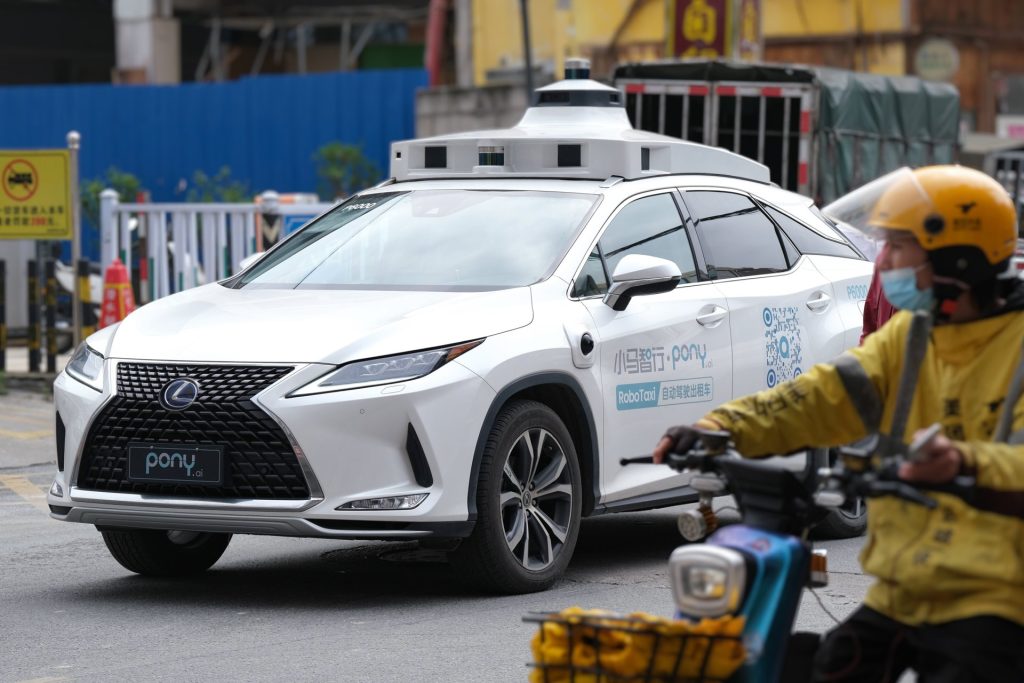
That expansion would give the Zagreb project significance beyond Croatia. If the companies can demonstrate that fully driverless passenger service can be safely tested and eventually commercialized within European regulatory frameworks, the same deployment model could be adapted for additional cities.
For Pony.ai, the strategy is also about proving that technology developed and commercially operated in China can be transferred to international markets. For Verne, the focus is on building the local operational, regulatory, and passenger-service infrastructure needed to make autonomous mobility practical in Europe.
The next stage will be watching how the driverless vehicles perform as the operating area expands. The companies intend to extend the routes over the next few months, eventually aiming to cover the full Zagreb service area.
If that progression succeeds, Zagreb could become one of Europe’s most important proving grounds for robotaxis operating without anyone inside the vehicle responsible for taking over the driving.
The September tests are therefore not the final arrival of fully autonomous ride-hailing in Europe, but they represent a significant step toward making driverless passenger transportation a practical commercial service.
