Getting a car repair quote can be frustrating when the final figure seems far higher than expected. Some repairs genuinely require expensive parts, specialist equipment, or several hours of skilled labor.
However, certain types of repair estimates frequently contain costs that deserve closer attention. Drivers may encounter unnecessary part replacements, inflated labor charges, excessive diagnostic fees, or recommended services that are not immediately required. Knowing which repair quotes deserve a second opinion can help you make better decisions without ignoring important maintenance.
This guide examines ten common car repair estimates that can come in too high and explains what drivers should check before approving expensive work.

1. Brake Repair Quotes With Multiple Unnecessary Parts
Brake repairs are among the most common estimates that can become expensive quickly. A basic brake pad replacement may be relatively straightforward, but a quote can grow considerably when a repair shop recommends pads, rotors, calipers, brake hoses, sensors, and additional hardware at the same time.
Some of these parts may genuinely need replacement, particularly if the vehicle has significant wear or a related mechanical problem. The concern arises when every component is listed without a clear explanation of its condition or the reason it needs to be changed.
A brake inspection should normally identify the source of the problem before parts are ordered. Worn brake pads are different from damaged rotors, sticking calipers, or leaking brake lines.
For example, a squealing noise does not automatically mean that every braking component has failed. Brake noise can have several causes, including pad material, surface condition, contamination, or normal characteristics of certain brake systems. A trustworthy estimate should identify the actual fault rather than simply replacing a long list of components.
Labor charges can also make a brake quote look surprisingly high. Replacing brake pads and rotors on many vehicles is a routine repair, but labor time varies depending on vehicle design and the condition of the hardware.
Rust, seized fasteners, electronic parking brakes, and complicated brake assemblies can increase the work involved. Ask the shop how many labor hours are included and whether the estimate accounts for a specific complication found during inspection.
Parts pricing deserves attention too. Brake components are available at several quality levels, and prices can vary substantially between original-equipment parts, reputable aftermarket components, and premium performance products.
A high price does not automatically mean the parts are better suited to your vehicle. Ask for the brand and part numbers being quoted. Comparing those details with another reputable repair facility can reveal whether the estimate is reasonable.
Before approving a large brake repair, ask for a written breakdown of parts, labor, shop fees, taxes, and any additional services. If the vehicle remains safe to drive, obtaining a second inspection can be useful.
Brake problems should never be ignored simply because a quote seems expensive, but drivers also have the right to understand exactly what they are paying for. A clear diagnosis is more valuable than a long list of replacement parts.
2. Suspension Repair Estimates That Replace Everything
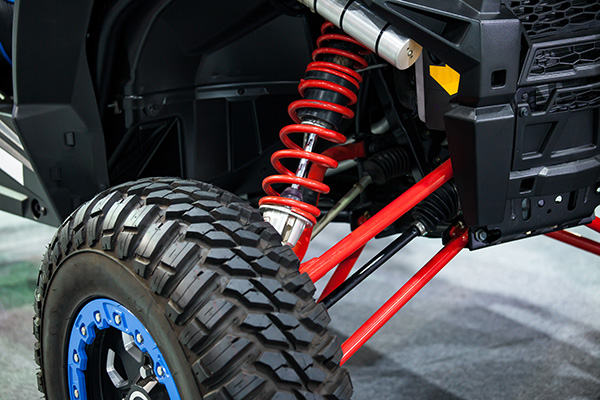
Suspension estimates can become costly when a shop recommends replacing several components at once. A typical quote might include struts, shocks, control arms, ball joints, tie rods, sway bar links, bushings, and an alignment.
Some vehicles can legitimately require multiple suspension repairs after years of use, especially when they have high mileage or have experienced poor road conditions. Still, each component should have a specific reason for replacement.
A worn suspension part usually produces identifiable symptoms or measurable problems. Excessive bouncing may point toward worn shocks or struts, while uneven tire wear can have several possible causes.
A damaged ball joint may create play or movement that can be detected during inspection. A failed bushing can cause noise, vibration, or altered suspension movement. Since different faults can produce similar driving symptoms, a proper inspection matters before committing to a major repair.
Suspension quotes can also become inflated through bundled recommendations. A shop may suggest replacing several components because access to certain parts is easier while another component is already removed.
This can sometimes be a sensible preventive decision, especially if several parts have similar mileage and labor overlap. However, it should be presented as a recommendation rather than treated as an automatic requirement.
Alignment charges are worth checking when suspension components are replaced. Certain repairs can change wheel alignment, making an alignment necessary after the work.
Yet an alignment should correspond to the repair being performed and the vehicle’s requirements. Ask whether alignment is included in the quoted labor, whether it will be performed after installation, and whether the shop will provide alignment measurements.
When a suspension estimate reaches a surprisingly high figure, request the inspection findings in writing. Ask which components have failed, which are showing wear, and which are simply being recommended for preventive maintenance.
A second opinion from a reputable independent mechanic can help separate urgent safety repairs from work that can reasonably wait. This approach can prevent a driver from approving thousands of dollars in repairs without understanding the actual condition of the vehicle.
3. Transmission Repair Quotes That Jump Straight to Replacement
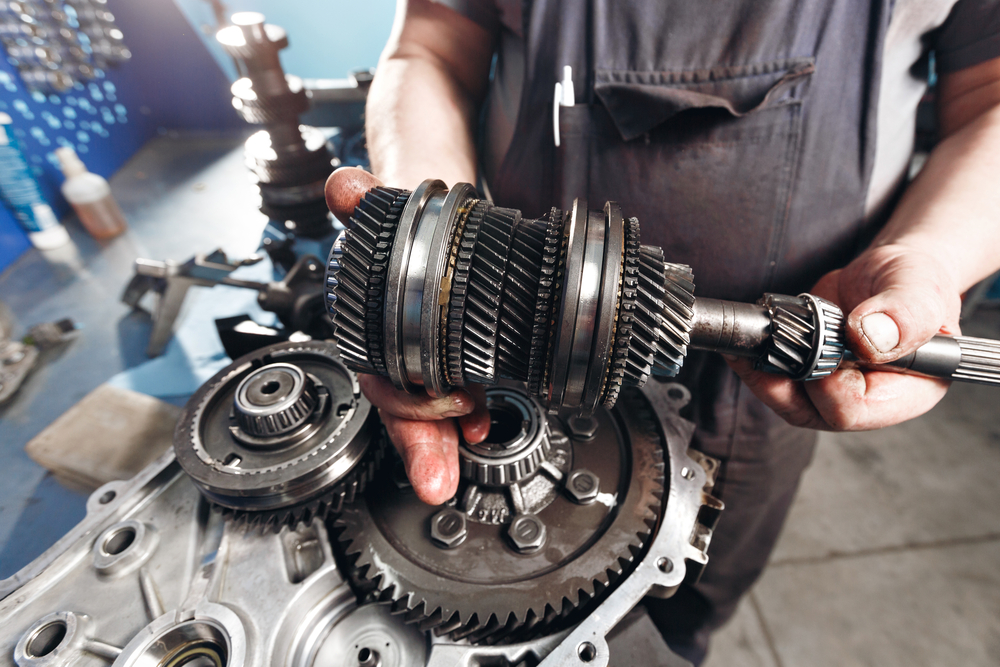
Transmission repairs can produce some of the largest repair bills a vehicle owner encounters. A quote for a complete transmission replacement may run into several thousand dollars depending on the vehicle, transmission type, parts availability, and labor requirements.
Sometimes replacement is the appropriate solution. However, a vehicle experiencing shifting problems does not automatically require an entirely new transmission.
Modern transmissions rely on electronics, sensors, fluid pressure, solenoids, control modules, and mechanical components. A warning light or shifting problem can therefore have multiple causes.
A faulty sensor, electrical issue, low fluid level, contaminated fluid, software problem, or defective solenoid can sometimes create symptoms that resemble a more serious transmission failure. Proper diagnostic testing should be performed before a replacement is recommended.
Transmission fluid also deserves careful consideration. Some vehicles require specific fluid types and service procedures, while certain transmissions have particular maintenance requirements.
A shop should not simply recommend a generic fluid service without confirming what the manufacturer specifies for that vehicle. If the transmission is already damaged internally, a fluid change will not magically restore worn gears or damaged components, so the diagnosis must come first.
When a replacement transmission is quoted, ask what type of unit is being installed. It could be new, remanufactured, rebuilt, or used.
These options have different prices and warranty arrangements. The quote should identify the source of the transmission and explain the warranty. Installation may also require additional components, programming, fluid, seals, or related services.
A transmission replacement quote deserves careful comparison because the financial difference between options can be substantial. Ask another qualified repair facility to inspect the vehicle and provide an independent diagnosis.

4. Air Conditioning Quotes With Extensive Component Replacement
A vehicle’s air conditioning system can be difficult to diagnose because several components work together.
A weak cooling system could involve refrigerant leakage, a compressor problem, condenser damage, an expansion device, electrical controls, or airflow restrictions. A large estimate that replaces several major components at once should therefore be examined carefully.
Refrigerant leaks are particularly important. Adding refrigerant may temporarily restore cooling, but repeatedly charging a leaking system is not a proper long-term repair.
A competent technician should attempt to identify the leak rather than simply adding refrigerant. Depending on the system, specialized equipment and testing methods may be required to locate the source.
Compressors can be expensive, and replacing one may involve additional work. If the compressor has suffered internal failure and contaminated the system, flushing or replacing related components may be appropriate. In other cases, a compressor may not be the actual source of the problem. Electrical faults, pressure sensors, clutch issues, or control problems can create similar symptoms.
Quotes can also become inflated through premium parts that are not necessary for an ordinary vehicle. Ask whether the proposed replacement component is original equipment, aftermarket, remanufactured, or another type.
The cheapest component is not necessarily the best choice, but the most expensive component is not automatically the most appropriate either.
Before approving a major air conditioning repair, request a diagnosis that identifies the failed component. Ask whether the system has been tested for leaks and whether the quoted work includes refrigerant, evacuation, recharging, and any required system cleaning.
Comparing estimates from qualified shops can make it easier to determine whether the price reflects genuine repair requirements or a broad parts replacement strategy.
5. Check Engine Light Quotes That Start With Expensive Parts
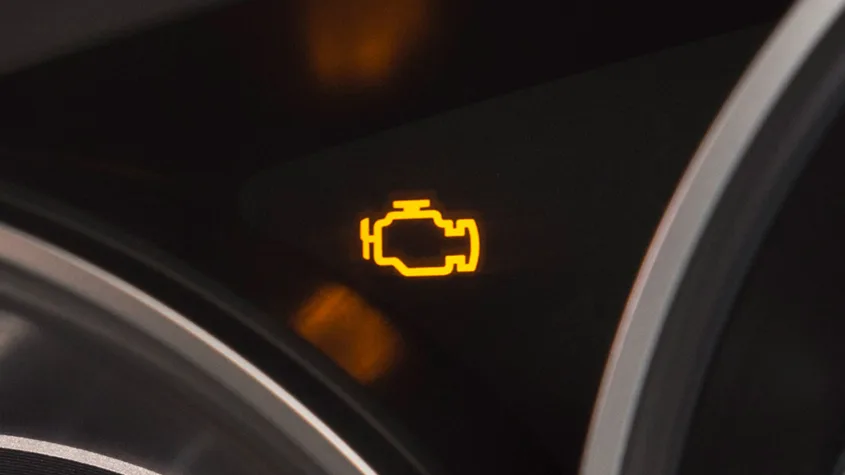
A check engine light can be alarming, but the warning itself does not identify a specific failed component.
Modern vehicles can store diagnostic trouble codes that provide useful information about a system, yet a code does not always mean that the related part must immediately be replaced. This distinction is important when reviewing a repair quote.
For example, an oxygen sensor-related code does not necessarily prove that the oxygen sensor itself is defective. The code may be associated with an air-fuel problem, exhaust leak, wiring issue, vacuum leak, or another condition affecting sensor readings.
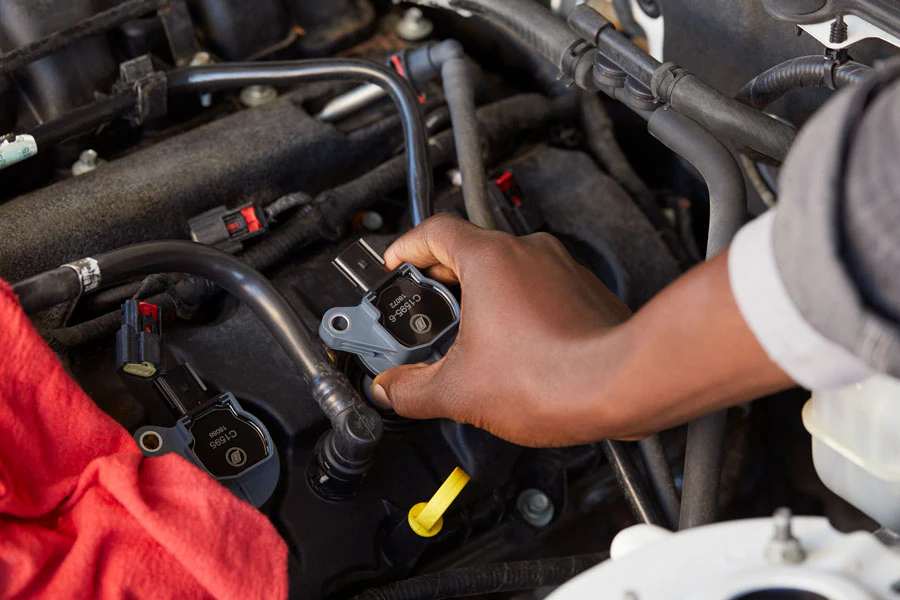
Similar situations can occur with codes related to catalytic converters, ignition systems, emissions equipment, and fuel systems.
Catalytic converter estimates are particularly capable of becoming expensive. A replacement can be justified when the converter has failed, become restricted, or no longer performs correctly. However, a converter can sometimes be damaged by an underlying engine problem. If the original cause is not addressed, a replacement converter could eventually suffer the same fate.
A good diagnostic process should consider the vehicle’s symptoms, stored codes, live data, physical inspection, and relevant testing. The technician should be able to explain why a particular component has been identified as faulty. If the explanation is simply that the diagnostic scanner produced a code, ask for more information before authorizing an expensive repair.
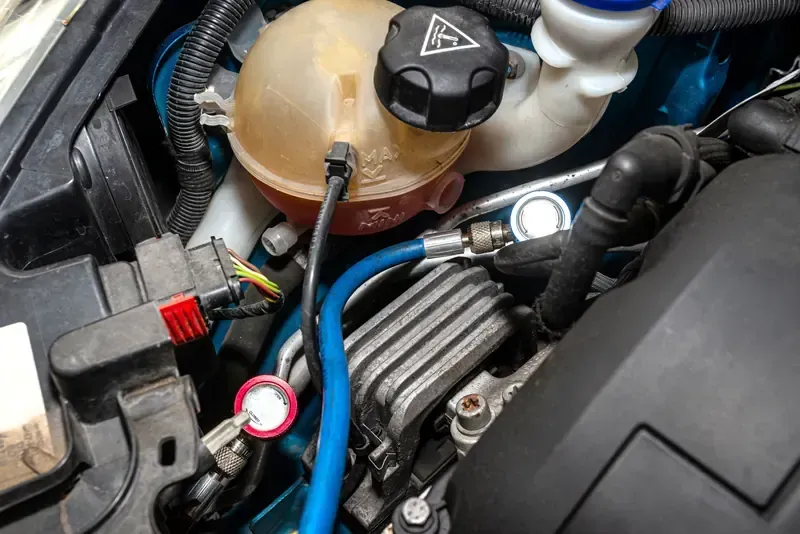
6. Cooling System Quotes That Replace Every Major Component
Cooling system repairs can become expensive when a quote includes the radiator, water pump, thermostat, hoses, cooling fans, expansion tank, and other components.
There are situations where several parts should be replaced together, especially on an older vehicle with extensive wear. Yet a broad replacement list should have clear supporting evidence.
A coolant leak can originate from many places. A cracked hose, loose connection, radiator problem, water pump seal, thermostat housing, or expansion tank can produce similar symptoms. Finding the actual leak is therefore an important first step. Pressure testing and visual inspection can often help identify the source.
Water pump replacement can also vary significantly between vehicles. Some engines place the water pump in an easily accessible location, while others require extensive disassembly.
Certain engines use a timing belt that is associated with the water pump, making replacement of both components during the same service sensible in some circumstances. The quote should explain why those components are included.
Cooling system problems should never be dismissed because overheating can cause serious engine damage. At the same time, urgency should not eliminate the need for a proper diagnosis. If a vehicle is losing coolant, running hotter than normal, or showing signs of overheating, continued driving may increase the damage and repair cost.
Ask the shop to identify the failed component and provide details about the labor required. If multiple parts are recommended, ask which ones have actually failed and which ones are being replaced as preventative maintenance.
This distinction can help you decide whether to approve everything immediately or divide the work into urgent and later repairs.
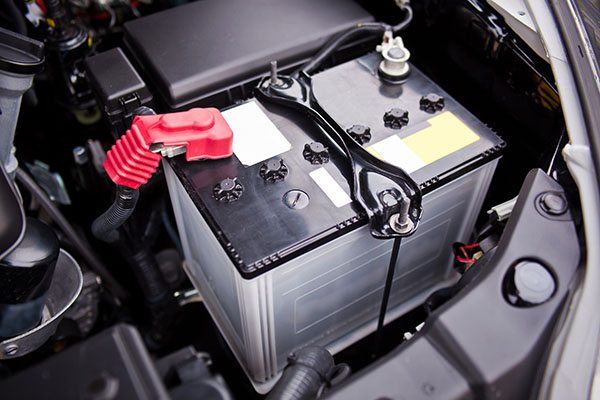
7. Electrical Repair Quotes With Broad Parts Lists
Electrical problems can be among the hardest vehicle faults to diagnose. A single warning light, intermittent starting problem, battery drain, or malfunctioning accessory can have several possible causes. When a quote contains numerous electrical components without a clear testing procedure, it deserves closer attention.
A weak battery, alternator problem, corroded connection, damaged wire, blown fuse, or faulty ground can sometimes create symptoms that look like a much larger electrical failure. Modern vehicles also contain numerous control modules, making diagnosis more complicated. Replacing expensive modules without confirming the fault can become extremely costly.
Labor is often a significant part of electrical diagnosis. Tracking an intermittent electrical problem may require considerable technician time. That does not automatically make a diagnostic charge unreasonable.
A shop should explain whether the quoted amount covers testing, repair, programming, or replacement of a component.
Ask what tests have already been completed. A professional diagnosis might include voltage measurements, circuit testing, scan-tool data, continuity checks, battery testing, or inspection of wiring and connectors. The specific tests depend on the problem, but there should be a logical connection between the symptoms and the proposed repair.
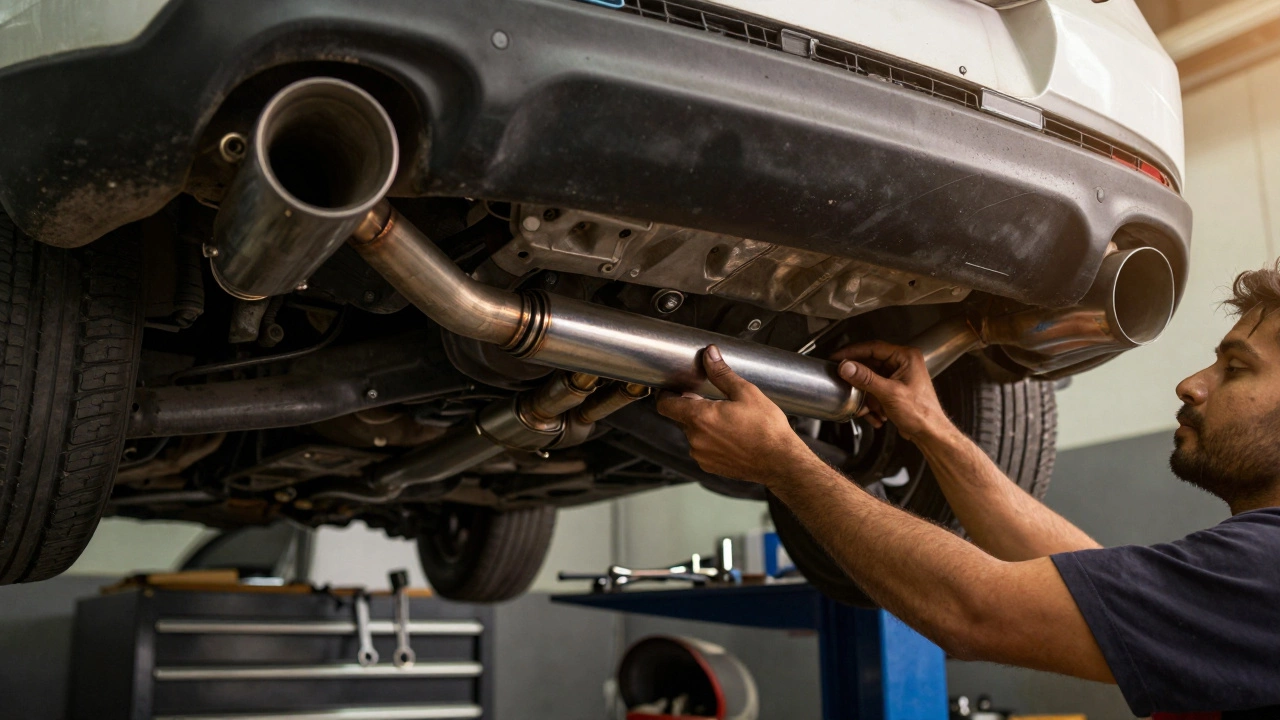
8. Exhaust Repair Quotes With Excessive Replacement Work
Exhaust systems can suffer from rust, physical damage, broken hangers, failed catalytic converters, and deteriorated joints. A repair quote may become surprisingly expensive when a shop recommends replacing large sections of the exhaust system rather than addressing a specific failed area.
A noisy exhaust does not necessarily require replacement of the entire system. A small hole, damaged flange, broken hanger, or deteriorated section may be the actual source of the noise.
Whether a repair is possible depends on the location and condition of the damaged component, along with the vehicle’s exhaust design.
Catalytic converters require particular attention because they can be expensive. If a converter has failed, replacement may be necessary. However, the reason for the failure should be investigated where appropriate.
Engine misfires. Exhaust components vary in construction, material, emissions certification, and price. Vehicles subject to emissions regulations may require specific replacement components. A cheap part that does not meet applicable requirements may cause misfires, fuel mixture problems, and other faults that can contribute to converter damage.
Parts selection can also influence the estimate significantly. Exhaust components vary in construction, material, emissions certification, and price. Vehicles subject to emissions regulations may require specific replacement components. A cheap part that does not meet applicable requirements may create additional problems later.
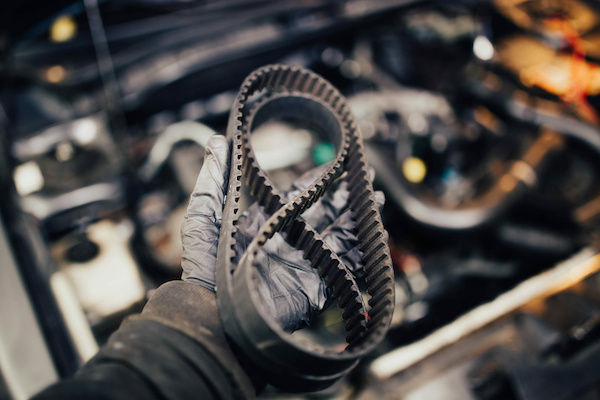
9. Timing Belt Quotes That Include Unrelated Repairs
Timing belt service can be expensive because accessing the belt may require substantial labor. The service can also involve components that are closely related to the timing system, such as tensioners and idler belt components, according to the vehicle manufacturer’s maintenance schedule can be important.
A failed timing belt can cause severe engine damage on certain engines. The recommended replacement interval varies by vehicle, engine, mileage, and time, so owners should consult the manufacturer’s maintenance information for pulleys and sometimes the water pump. A quote becomes questionable when unrelated work is bundled into the job without a clear reason.
Replacing timing belt components according to the vehicle manufacturer’s maintenance schedule can be important. A failed timing belt can cause severe engine damage on certain engines.
The recommended replacement interval varies by vehicle, engine, mileage, and time, so owners should consult the manufacturer’s maintenance information for their specific model.
Water pump replacement is sometimes included because the pump may be located behind the timing belt. If the pump is driven by the timing system, replacing it during belt service can prevent paying similar quotes may also include spark plugs, engine seals, accessory belts, coolant, oil seals, or other services.
Certain items may be reasonable if inspection shows wear or if the maintenance schedule labor costs later. The decision should still be explained clearly rather than presented as an unexplained add-on.
Some quotes may also include spark plugs, engine seals, accessory belts, coolant, oil seals, or other services. Certain items may be reasonable if inspection shows wear or if the maintenance schedule calls for them. However, a timing belt replacement should not become an excuse to automatically authorize every recommended service.

10. Major Engine Repair Quotes Based on Limited Diagnosis
Few repair estimates create more concern than an engine replacement or major internal engine repair.
A quote for thousands of dollars may be justified when an engine has suffered catastrophic internal damage. However, serious symptoms do not always prove that an entire engine needs to be replaced.
Engine problems can involve compression, ignition, fuel delivery, cooling, lubrication, sensors, timing, emissions equipment, and internal mechanical components. A rough-running engine might have a relatively simple cause, while another vehicle with similar symptoms could have severe internal damage. Diagnostic testing is essential for distinguishing these possibilities.
Compression testing, leak-down testing, scan-tool information, oil pressure testing, cooling system testing, and physical inspection can provide important evidence depending on the symptoms.
No single test can diagnose every engine failure. A credible repair estimate should be supported by findings that explain why the proposed repair is necessary.
If an engine replacement is recommended, ask what happened to the original engine. Find out whether there is evidence of low compression, severe bearing damage, overheating damage, internal contamination, or another major failure. Also ask whether the replacement engine is new, remanufactured, rebuilt, or used, and what warranty is included.