Leaving a car running while parked may seem harmless, but prolonged idling can place unnecessary stress on several mechanical and electrical components. An engine that remains switched on without moving has different operating conditions than an engine under normal driving load.
Over time, this habit can contribute to carbon buildup, poor lubrication, overheating, battery strain, and premature wear. Some problems develop slowly and may not produce obvious warning signs at first.
Understanding which car parts are affected can help drivers change their habits, recognize early symptoms, and reduce repair costs. Regular maintenance, sensible driving, and avoiding unnecessary idling can protect your vehicle.
1. Engine Oil and Lubrication Components
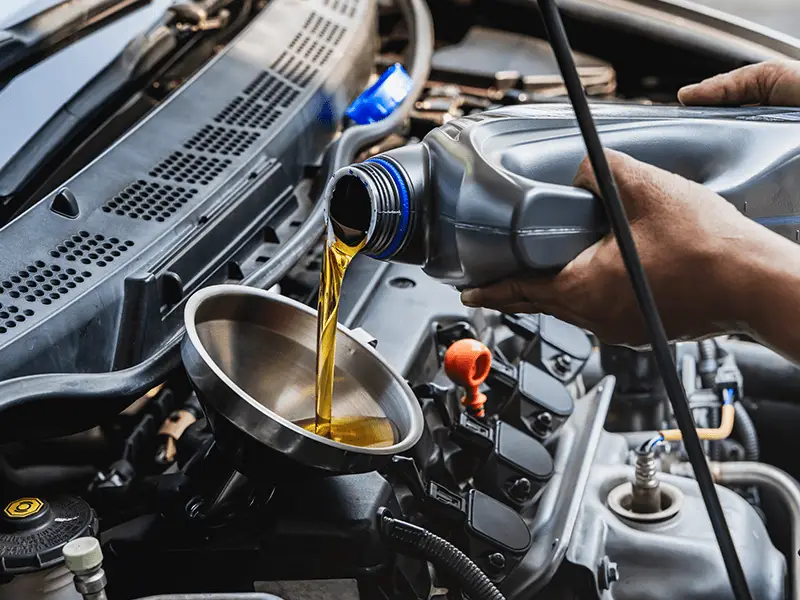
Engine oil plays a vital role in keeping internal components lubricated, cooled, and protected from excessive friction. During extended idling, the engine continues running even though the vehicle is stationary. The oil is still circulating, but the engine is operating under a light load for a prolonged period.
This can contribute to conditions that are less favorable than normal driving, particularly when the engine does not regularly reach or maintain its ideal operating temperature. Short periods of idling are generally not a major concern, but repeated long sessions can contribute to faster oil degradation.
Oil contamination can become a concern when a vehicle frequently idles for long periods. Combustion creates moisture and byproducts that can enter the crankcase, particularly when the engine spends considerable time operating below full temperature.
Fuel can also make its way into the oil under certain operating conditions. When contaminants accumulate, the oil may lose some of its ability to protect bearings, piston rings, camshaft components, and other moving parts. The result can be increased wear over a long period.
Vehicles that spend many hours idling may also require a different maintenance approach than cars used primarily for normal road driving. Conventional service intervals are often based on mileage, but severe operating conditions can justify more frequent inspections and oil changes.
A car that covers very few kilometers while running for many hours can accumulate significant engine operating time without showing much mileage on its odometer. This is particularly relevant for taxis, delivery vehicles, police vehicles, and cars used for extended waiting periods.
Low-quality or heavily contaminated engine oil can increase friction and contribute to sludge formation. Sludge may restrict narrow oil passages and reduce the effectiveness of lubrication in sensitive engine areas.
Modern engines can contain variable valve timing systems, turbochargers, and other components that depend on clean oil. If oil flow becomes restricted, these systems may experience poor performance or accelerated wear. Regular oil changes using the correct specification remain essential for vehicles that frequently idle.
Drivers should pay attention to oil level, oil condition, unusual engine noises, and dashboard warning lights. A sudden change in oil consumption or persistent ticking and knocking sounds deserves professional attention.
Avoiding unnecessary idling is a simple way to reduce engine operating hours that provide little benefit. If the vehicle must idle for work or safety reasons, following a severe-service maintenance schedule recommended for that vehicle can provide better protection.
2. Spark Plugs
Spark plugs are responsible for producing the electrical spark needed to ignite the air and fuel mixture in gasoline engines. Their condition directly affects starting, acceleration, fuel economy, and smooth engine operation.
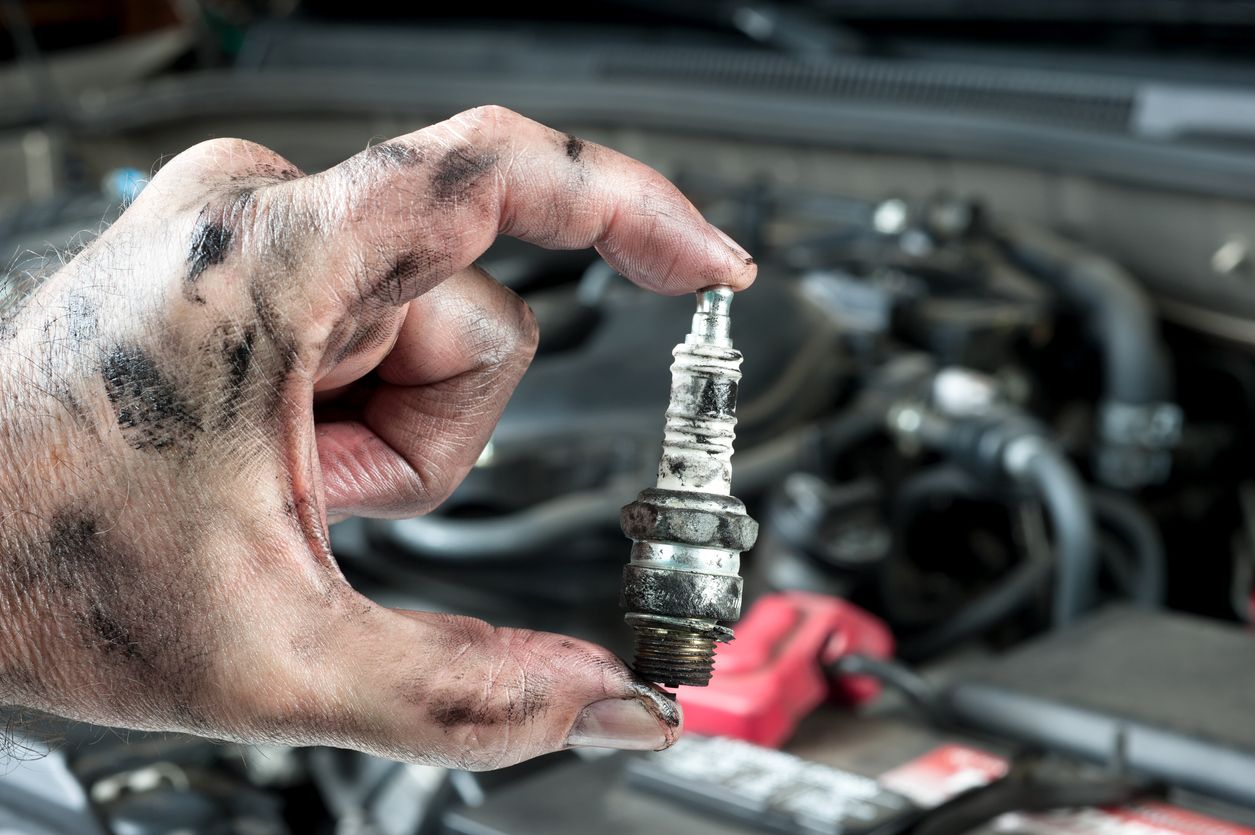
Extended idling can contribute to deposits forming on spark plug electrodes, particularly when combustion temperatures remain relatively low. These deposits can interfere with the quality of the spark and may eventually cause misfires.
During normal driving, engine speed and load change frequently. These changes help the combustion system operate across a broader range of temperatures and conditions.
When a gasoline engine spends long periods at idle, combustion conditions remain relatively limited. If the engine is cold or repeatedly started and left running without being driven, deposits can become more noticeable. The problem can be worse when the engine has an existing fuel, ignition, or air intake issue.
A fouled spark plug may produce several symptoms. The engine can begin to idle roughly, hesitate during acceleration, consume more fuel, or become harder to start.
In some cases, the check engine light may illuminate because the engine control system detects repeated misfires. A misfire should not be ignored because unburned fuel can enter the exhaust system and increase the thermal load on the catalytic converter.
Spark plug condition depends on engine design, plug type, fuel quality, driving conditions, and maintenance. Modern iridium and platinum plugs can last much longer than older conventional designs, but long service life does not make them immune to fouling or other problems.
If an engine has been used extensively for stationary idling, inspecting the plugs during scheduled maintenance can help identify combustion issues before they become more expensive.
Replacing spark plugs is not always the complete solution. If deposits return quickly, the underlying cause needs to be investigated.
Problems involving fuel injectors, ignition coils, air filters, sensors, or engine oil consumption can also affect plug condition. Reducing unnecessary idle time and giving the engine regular opportunities to operate under normal driving conditions can help keep spark plugs cleaner.
3. Catalytic Converter
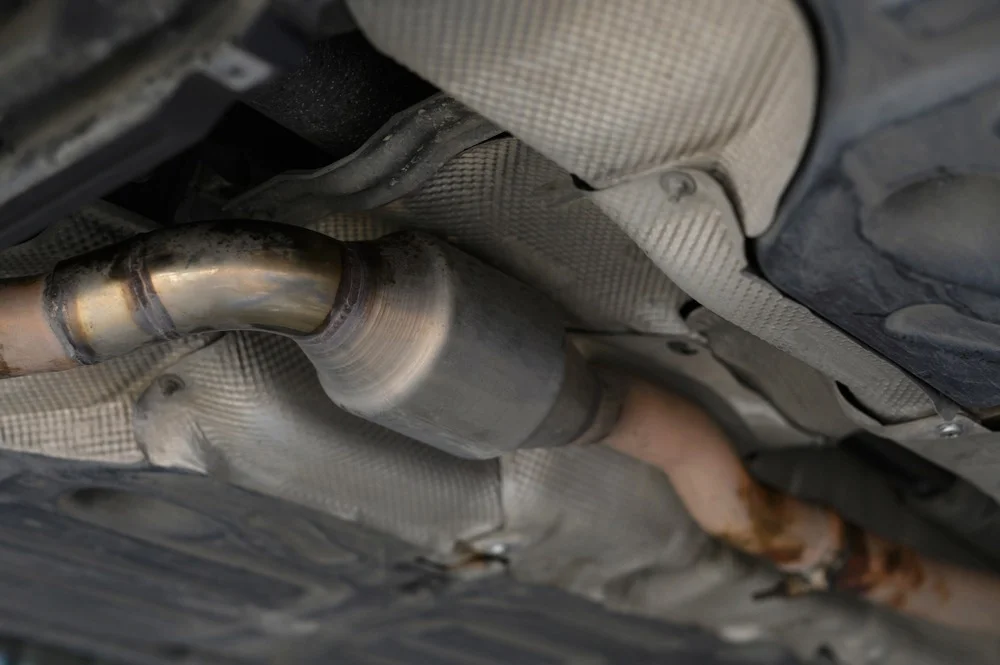
The catalytic converter is part of a gasoline or diesel vehicle’s emissions control system. It helps convert harmful exhaust gases into less harmful substances before they leave the tailpipe.
The converter needs to reach an appropriate operating temperature to work effectively. Long periods of idling can sometimes keep exhaust temperatures lower than they would be during normal driving, especially during cold conditions or when the engine is not under much load.
Repeated low-temperature operation can reduce the effectiveness of emissions control and contribute to deposits within the exhaust system. The exact effect depends on the vehicle, engine design, ambient temperature, fuel system, and length of the idle period.
A healthy engine generally manages short periods of idling without serious problems. Trouble is more likely when extended idling becomes a daily habit or occurs alongside an existing combustion fault.
Misfires present a more serious risk to the catalytic converter. When an engine fails to burn fuel properly, unburned fuel can enter the exhaust system.
The catalytic converter may then have to process this additional fuel, creating excessive heat. Severe or repeated misfires can damage the converter’s internal material. Repairing a damaged catalytic converter can be expensive, making early diagnosis important.
A failing catalytic converter may cause reduced engine performance, poor fuel economy, unusual exhaust smells, or a rattling noise from the exhaust area. A warning light may also appear. In severe cases, a restricted converter can prevent exhaust gases from leaving the engine efficiently. This can result in poor acceleration and a noticeable loss of power.
Drivers should not assume that every catalytic converter problem comes directly from idling. The engine’s fuel system, ignition system, oil consumption, and emissions controls all affect converter life.
If the check engine light flashes, the engine runs poorly, or misfires occur, the vehicle should be inspected promptly. Limiting unnecessary idling can support healthier exhaust operation, but proper engine maintenance is equally important.
4. Battery
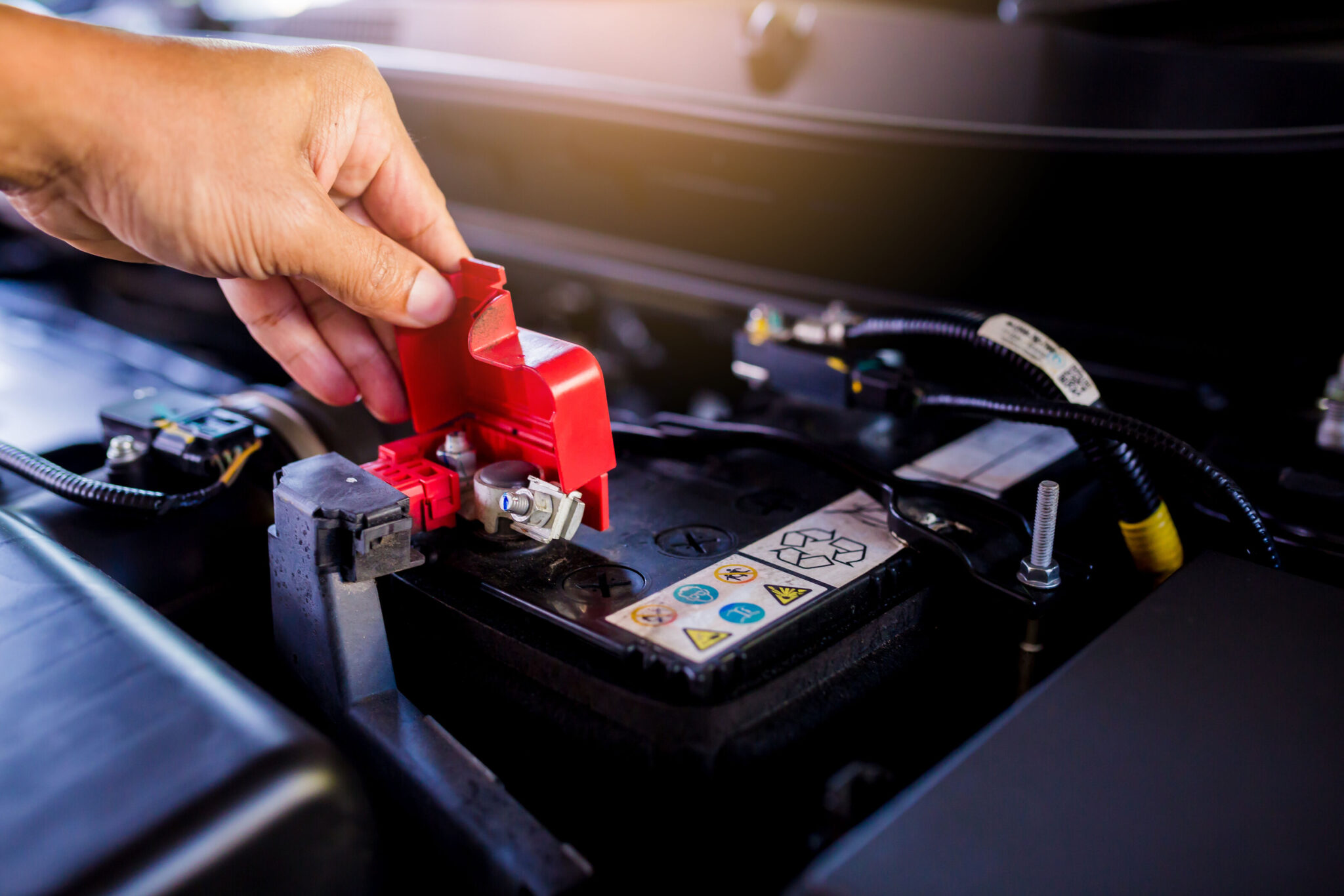
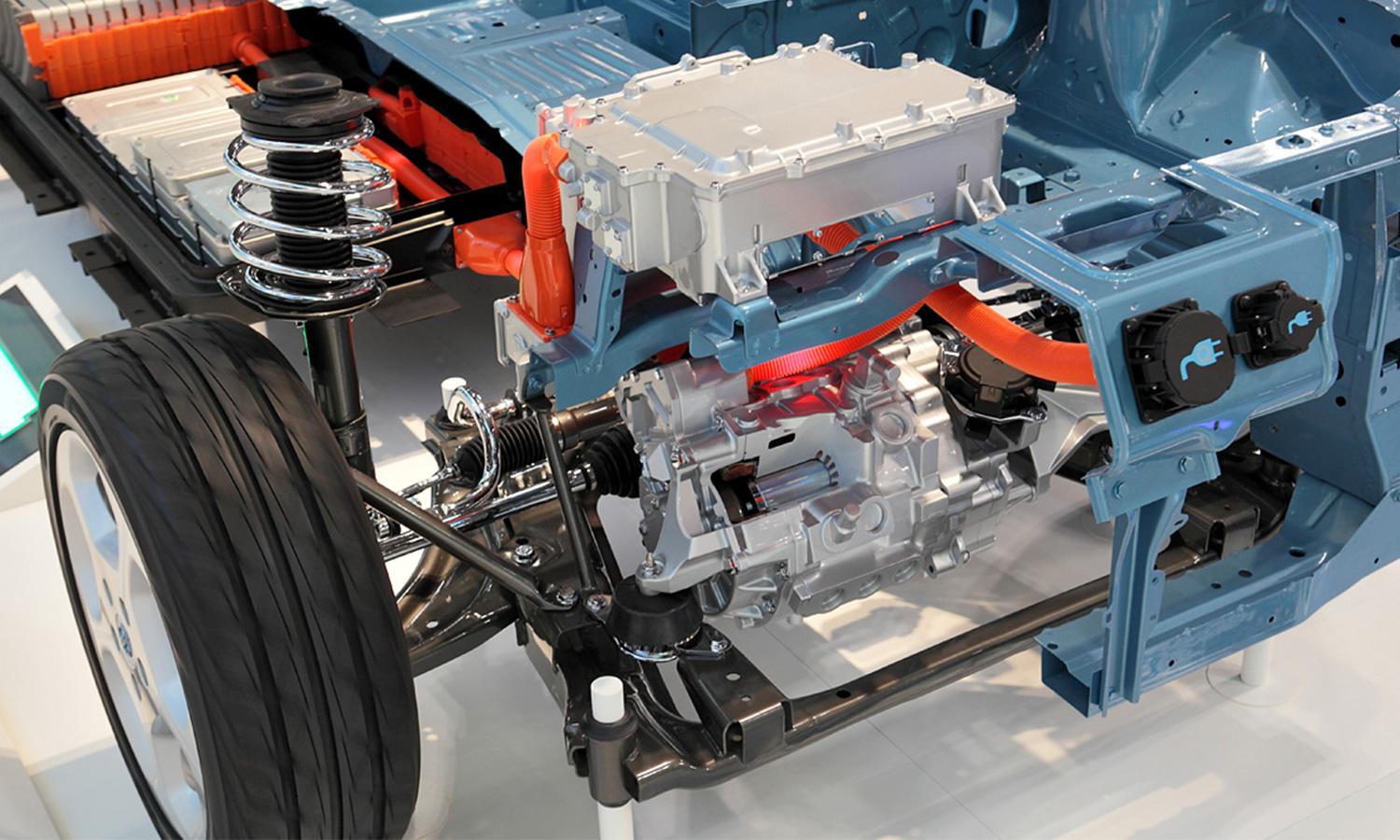
A car’s battery provides electrical power for starting the engine and supports electrical systems when the alternator cannot provide enough output. Once the engine is running, the alternator normally supplies electricity and recharges the battery.
However, extended idling may produce less electrical output than driving at higher engine speeds, depending on the alternator and vehicle design. This can become important when many electrical accessories are being used.
Air conditioning, headlights, entertainment systems, heated seats, cooling fans, phone chargers, and other accessories can create a substantial electrical demand.
If the electrical load approaches or exceeds the alternator’s output while the engine is idling, the battery may help supply the difference. Repeatedly operating in this condition can contribute to battery discharge or shorten battery life, particularly when the battery is already old.
A weak battery may show warning signs before it completely fails. The starter may turn the engine more slowly, interior lights may appear dim, or electronic systems may behave unpredictably. Some modern vehicles may display battery or charging-system warnings.
Drivers who spend long periods parked with the engine running should pay attention to these symptoms rather than assuming the alternator will always keep the battery fully charged.
Battery condition is also affected by temperature and age. Hot climates can accelerate battery deterioration, while very cold temperatures can reduce starting performance.
If a vehicle frequently sits idling with air conditioning and other accessories operating, battery and charging-system inspections become particularly useful. A technician can test battery capacity and alternator performance to determine whether the system is functioning correctly.
Reducing unnecessary electrical loads can help, but the best solution is to avoid excessive idle time when it is not needed. If the vehicle has to remain stationary for extended periods because of work requirements, the charging system should be checked periodically. Replacing an aging battery before it fails can also prevent inconvenient breakdowns.
5. Cooling System Components
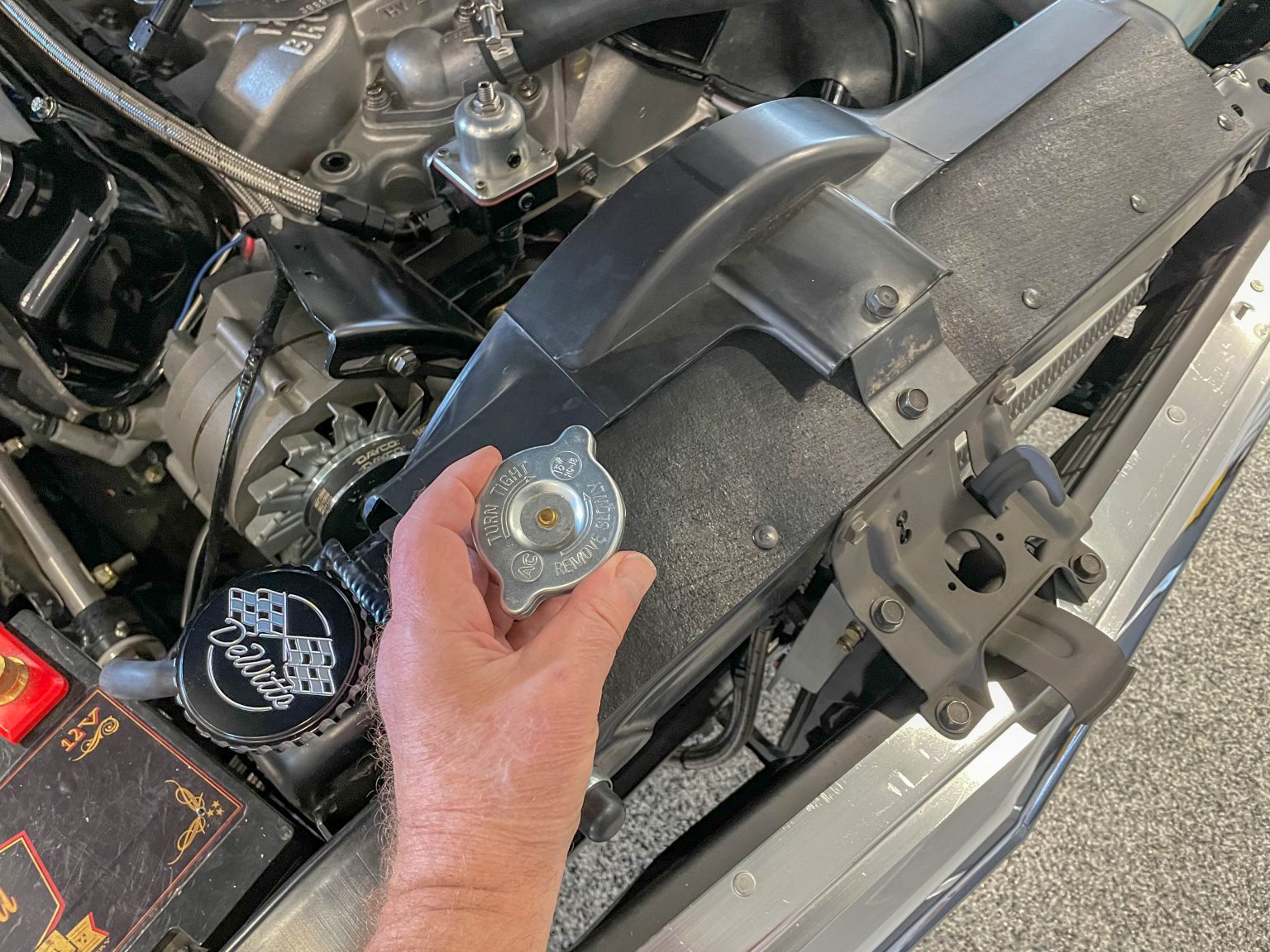
The cooling system keeps engine temperature within a safe operating range. It includes components such as the radiator, coolant, thermostat, water pump, cooling fans, hoses, and related sensors.
When a car is moving, air naturally passes through the radiator and helps remove heat. When the vehicle is stationary, the cooling fans become more important because there is little or no natural airflow through the radiator.
Long periods of idling can therefore place additional demand on the cooling fans and other cooling components. A healthy cooling system is designed to handle stationary operation, so idling alone should not automatically cause overheating.
However, a weak fan motor, blocked radiator, low coolant level, failing thermostat, or damaged water pump can become more obvious during extended stationary operation.
Air conditioning can add further heat and load to the system. When the air conditioner is running, the condenser releases heat near the radiator, and the engine may need additional cooling capacity.
If the cooling fans are not operating correctly, temperatures can rise while the vehicle is stationary. The problem may disappear once the vehicle begins moving because natural airflow improves.
Overheating should never be treated as a minor issue. Excessive engine temperature can damage head gaskets, cylinder heads, seals, hoses, and other components. In severe cases, an overheated engine can suffer permanent internal damage. Drivers should watch the temperature gauge and take warning lights or steam from the engine compartment seriously.
Regular cooling-system maintenance can reduce the risk. Coolant should be maintained at the correct level and replaced according to the vehicle manufacturer’s schedule.
Radiators and cooling fans should remain free from excessive debris, while hoses and belts should be inspected for deterioration. If a vehicle becomes hot while idling but returns to normal temperature during driving, the cooling fan and airflow system deserve particular attention.
6. Fuel Injectors
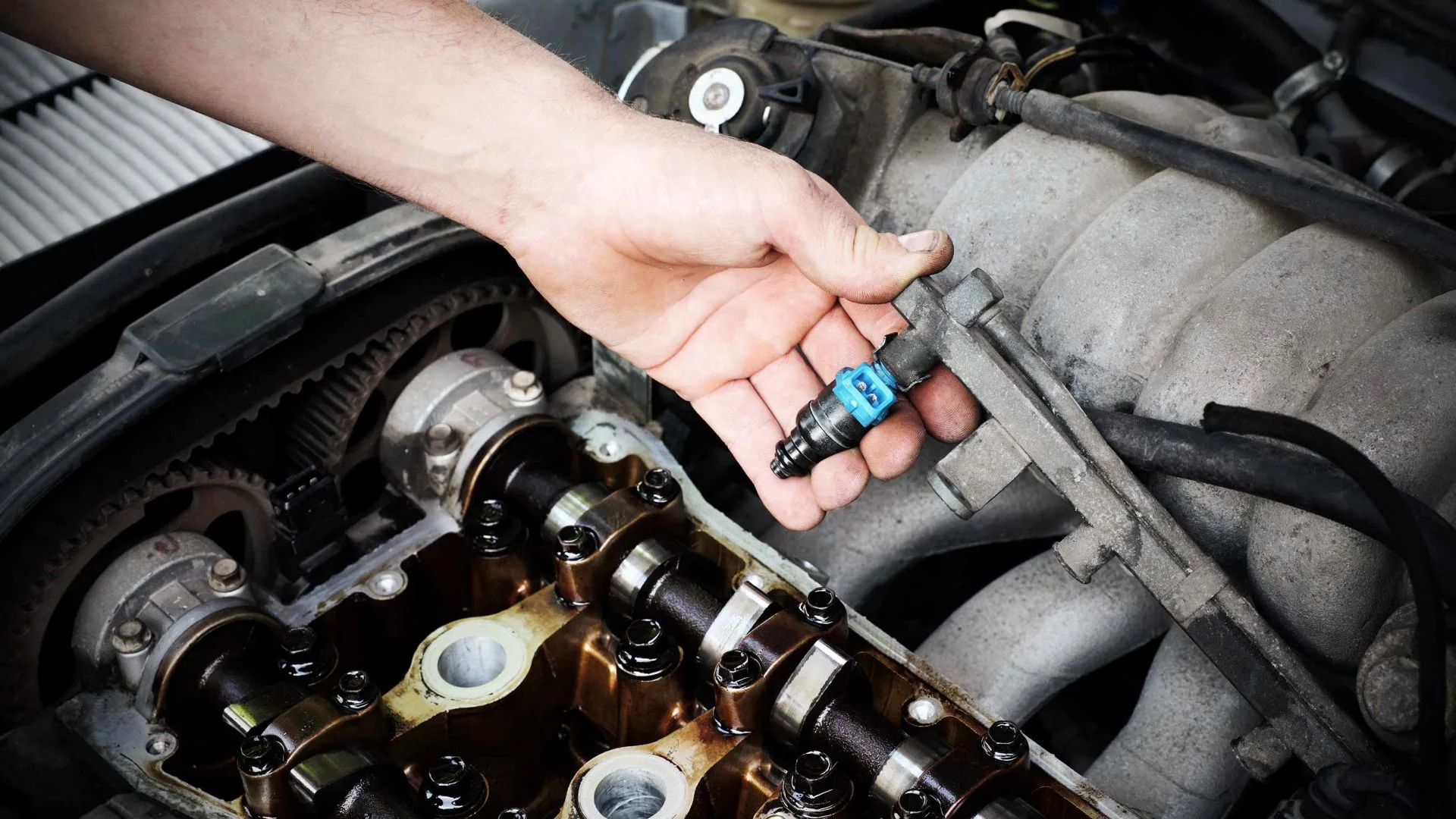
Fuel injectors deliver precisely controlled amounts of fuel into the engine. Modern fuel injection systems depend on accurate fuel delivery to maintain efficient combustion and control emissions.
Long periods of idling can contribute to deposits in some engines, especially when the vehicle is frequently operated under low-load conditions or has fuel-quality and maintenance issues.
Deposits can interfere with the injector’s spray pattern. Instead of producing the intended fine mist, a contaminated injector may deliver fuel less evenly. This can lead to rough idle, hesitation, poor acceleration, and reduced fuel economy. In severe cases, combustion can become unstable enough to trigger misfire-related fault codes.
Extended idling also means fuel is being consumed without producing useful vehicle movement. Fuel economy measured in distance per liter becomes particularly poor when the vehicle is stationary.
Frequent idling therefore increases operating costs even if the engine itself remains mechanically healthy. For drivers who leave their cars running during long waits, the accumulated fuel consumption can become significant over time.
Fuel injector problems can have several causes, including contaminated fuel, internal deposits, electrical faults, and problems elsewhere in the fuel system. Idling is not necessarily the sole cause of injector failure. Still, vehicles that regularly operate under prolonged idle conditions may benefit from more careful fuel-system maintenance.
7. Alternator
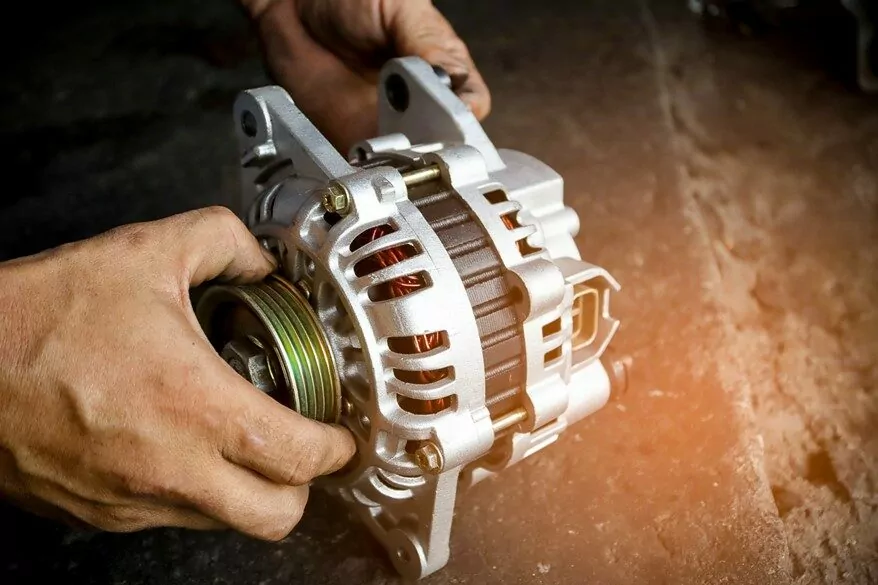
The alternator converts mechanical energy from the running engine into electrical energy. It supplies power to the vehicle’s electrical systems and keeps the battery charged. Alternator output varies with engine speed and electrical demand. At idle, the alternator may produce less power than it does while the engine is running at normal driving speeds.
This becomes particularly relevant when several accessories are operating simultaneously. Air conditioning, headlights, blower motors, audio equipment, heated components, and electronic devices can create considerable electrical demand.
A healthy charging system is designed to cope with normal conditions, but repeated heavy electrical loads at idle can place greater demands on the alternator and its drive belt.
Heat is also an important factor in alternator life. Alternators generate heat while producing electrical energy, and under-hood temperatures can already be high. Repeated operation under heavy electrical demand can increase thermal stress. Bearings, voltage regulators, brushes, diodes, and other internal components may eventually wear or fail.
A failing alternator can produce several recognizable symptoms. The battery warning light may illuminate, headlights may become unusually dim, electrical accessories may behave erratically, or the engine may eventually stop when the battery becomes depleted. Some vehicles may provide more detailed charging-system warnings through the instrument display.
Regular inspection of the alternator, battery, drive belt, and charging voltage can help detect problems early. If a vehicle regularly spends long periods idling while accessories are running, checking charging-system performance becomes especially useful. Avoiding unnecessary electrical loads while parked can also reduce stress on the charging system.
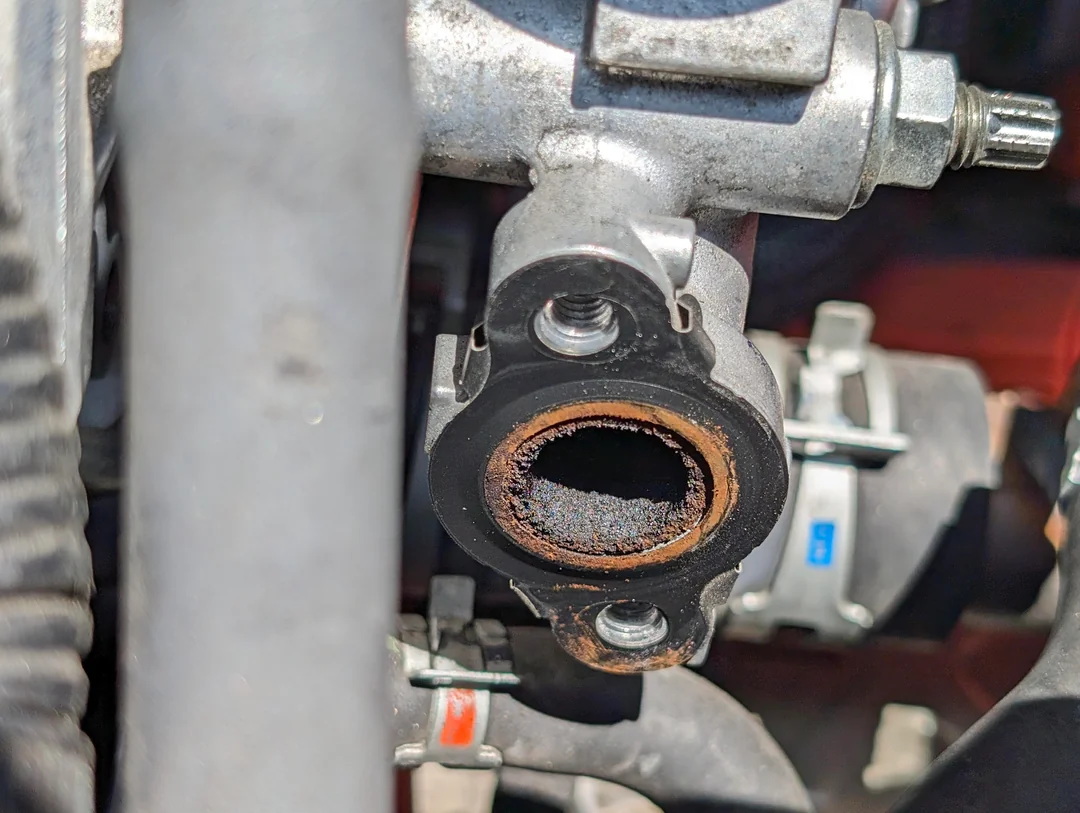
8. EGR Valve and Intake System
The exhaust gas recirculation system, commonly called EGR, helps reduce certain nitrogen oxide emissions by sending a controlled amount of exhaust gas back into the engine’s intake system.
EGR systems can accumulate carbon deposits over time. Vehicles that experience extensive low-speed operation may be more susceptible to intake and EGR contamination, depending on engine design.
Carbon buildup can interfere with the movement of an EGR valve. If the valve sticks open or closed, engine operation and emissions control can be affected. A vehicle may develop rough idle, hesitation, reduced power, poor acceleration, or a check engine light. The exact symptoms depend on the design of the EGR system and the nature of the fault.
Diesel engines can be particularly sensitive to intake and exhaust deposits because their emissions systems often include EGR, particulate filters, turbochargers, and other components. Frequent short journeys and prolonged low-load operation can create conditions that make it harder for some emissions components to maintain their intended operating conditions.
A dirty intake system can also affect airflow. Modern engines rely on precise measurements from sensors and controlled air movement. Deposits around intake passages can alter airflow and contribute to poor engine behavior. This does not mean that every idling vehicle will develop intake problems, but repeated low-load operation can be a contributing factor in some cases.
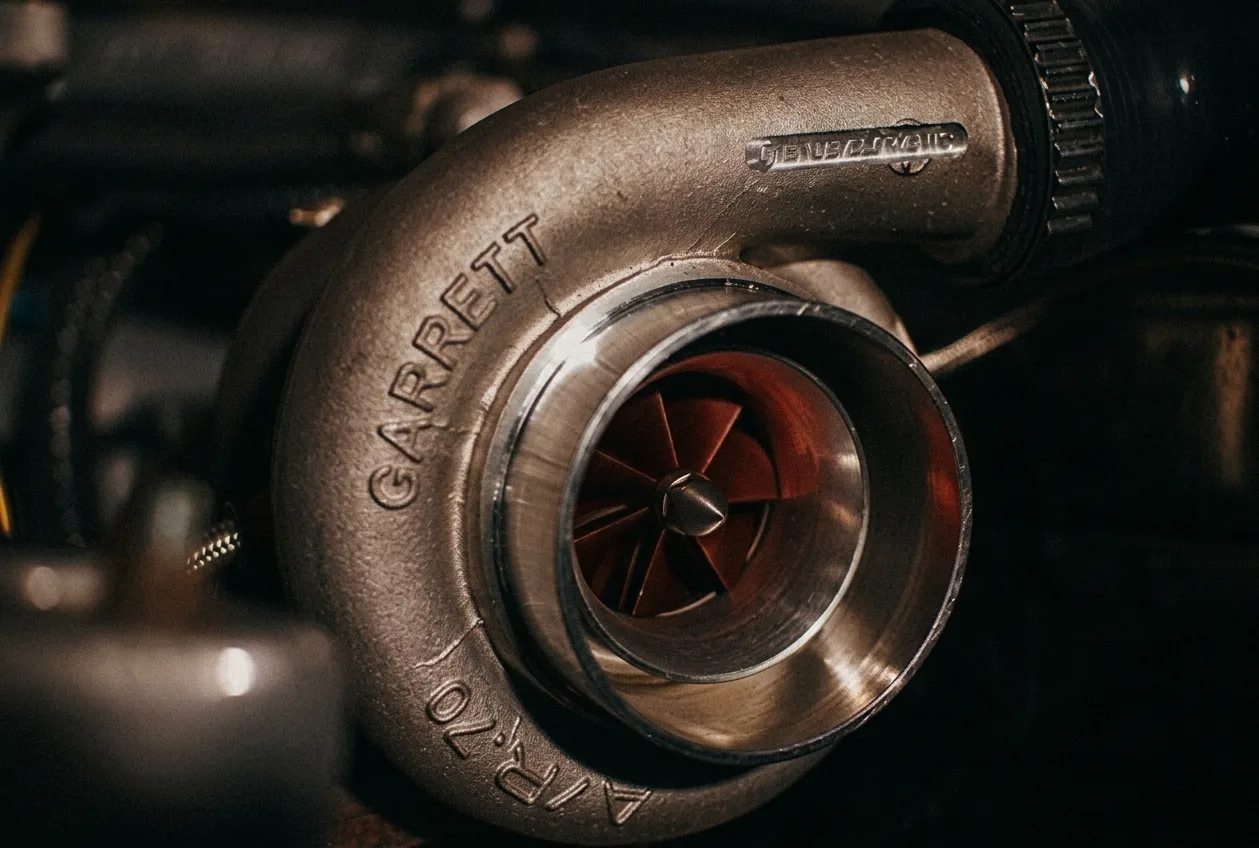
9. Turbocharger
Turbochargers use exhaust energy to force more air into an engine. This allows the engine to produce more power from a relatively compact design.
Turbochargers operate at very high speeds and temperatures, making proper lubrication and cooling essential. Although prolonged idling does not automatically destroy a turbocharger, poor operating habits surrounding idling can contribute to problems.
Oil quality is especially important for turbocharged engines. The turbocharger’s bearings depend on a clean supply of engine oil. If oil becomes degraded or contaminated, lubrication quality can suffer. Repeated long idle periods can contribute to engine operating hours without corresponding road mileage, making time-based maintenance particularly important.
Turbocharged engines also need appropriate warm-up and cool-down practices. Modern vehicles generally do not require long periods of idling to warm up before driving.
Gentle driving soon after startup is usually more useful because it brings the engine and related systems toward operating temperature under controlled load. After demanding driving, a brief idle period may sometimes be appropriate, depending on the vehicle and turbocharger design.
Signs of turbocharger trouble can include unusual whistling, smoke from the exhaust, reduced power, increased oil consumption, or unusual noises. These symptoms can also originate from other engine or exhaust problems, so professional diagnosis is important.
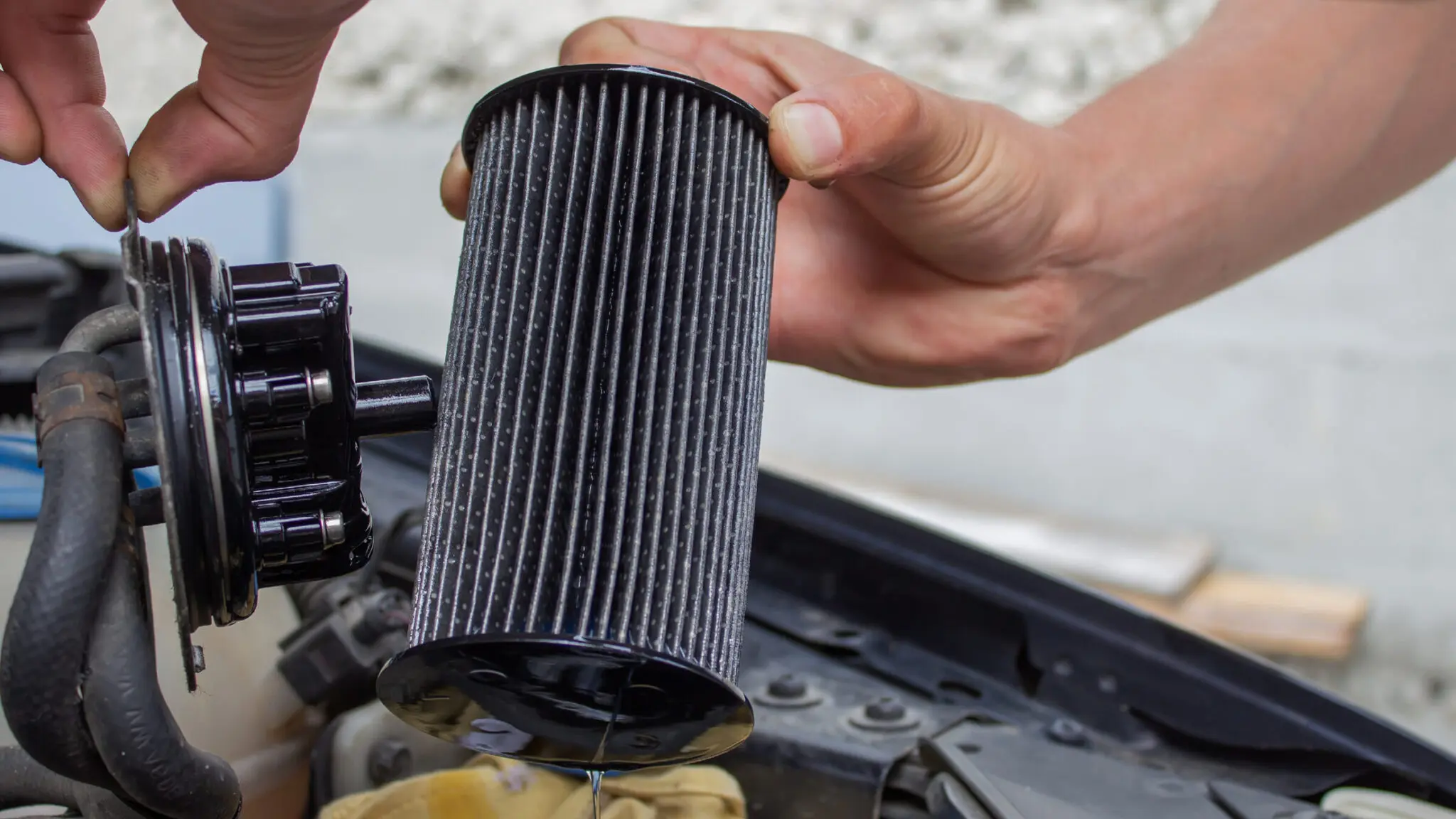
10. Diesel Particulate Filter
Diesel vehicles equipped with modern emissions systems may use a diesel particulate filter, commonly called a DPF. Its job is to capture soot from diesel exhaust. The filter periodically needs to regenerate, a process that raises exhaust temperatures enough to burn accumulated soot. Driving conditions have a major influence on how effectively this process occurs.
Extended idling produces relatively little engine load, which means exhaust temperatures may remain too low for certain regeneration conditions. Frequent idling combined with short journeys can therefore make it harder for some vehicles to complete their normal regeneration cycles. As soot accumulates, the DPF may become increasingly restricted.
A restricted DPF can cause reduced engine performance, higher fuel consumption, warning lights, and eventually more serious emissions-system faults. If the filter becomes severely blocked, professional cleaning or replacement may be required. These repairs can be expensive, particularly on modern diesel vehicles with complex emissions equipment.
Not every diesel vehicle responds to idling in exactly the same way. Manufacturers use different regeneration strategies, sensor systems, exhaust designs, and engine-management software.
Some vehicles can perform regeneration under conditions that vary considerably from others. Drivers should therefore follow the specific operating guidance provided for their vehicle rather than relying on generic advice.
The best protection is to maintain the vehicle according to its service requirements and give it appropriate driving conditions when required for emissions-system operation.
Warning lights should not be ignored. If a DPF warning appears, checking the owner’s manual for the manufacturer’s instructions is a sensible first step. Continuing to idle a vehicle with an emissions warning may allow the problem to become more severe.