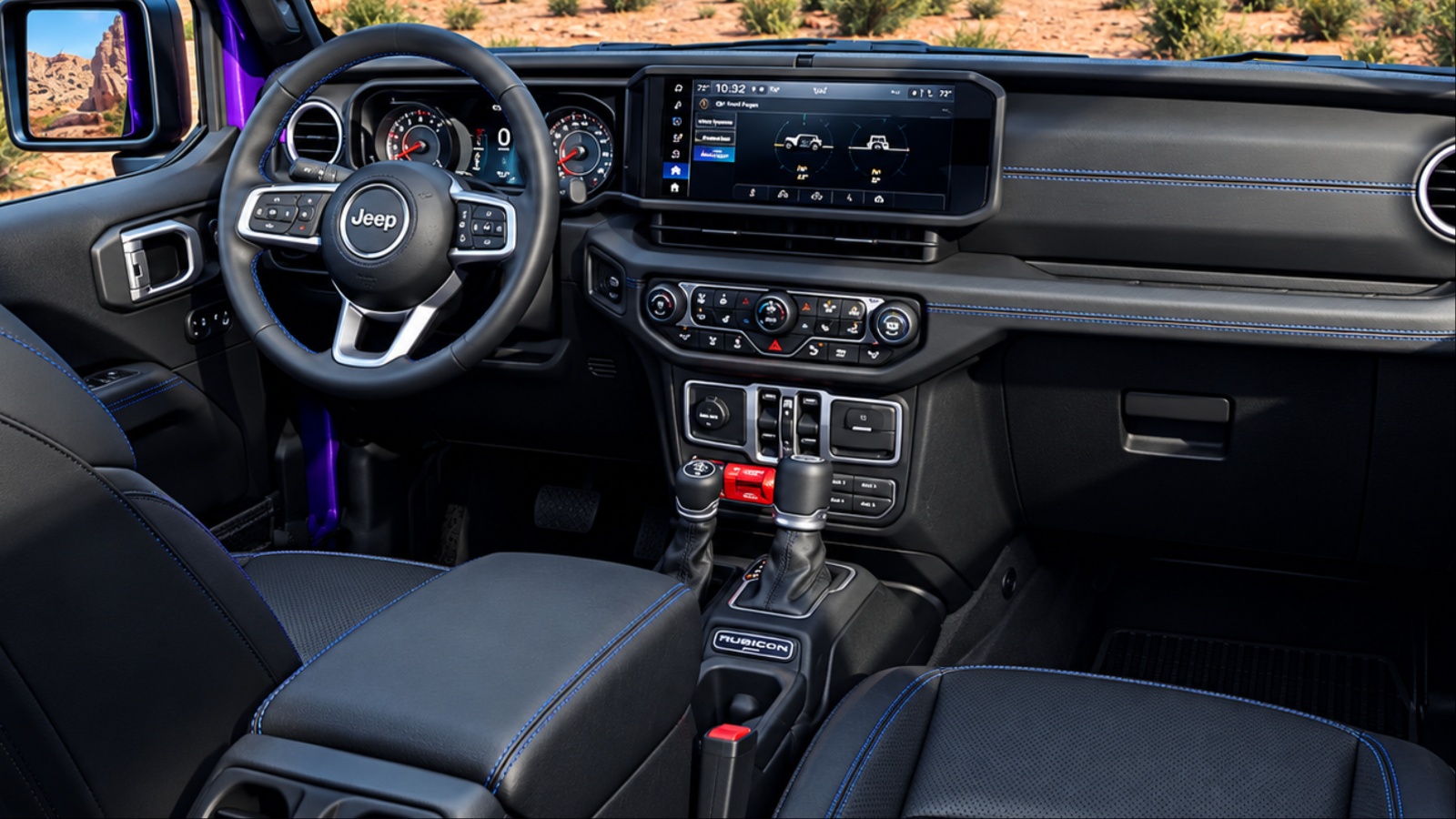
A steering column sounds like a simple mechanical shaft, but on modern vehicles it’s often a bundle of electronics: tilt and telescoping motors, memory presets, heated grips, capacitive touch sensors, airbag modules, and wiring that ties directly into the car’s central computer.
On mainstream vehicles, replacing one typically runs $500 to $1,500. But on certain luxury, performance, and tech-heavy models, the combination of proprietary OEM parts, dealer-only programming, and multi-hour labor can push that bill to $2,000 or more.
Below are ten vehicles where owners have reported steering column repairs approaching or exceeding that $2,000 mark, especially when the job is done at a dealership rather than an independent shop. Costs vary by year, trim, region, and whether the airbag and steering-angle sensors need recalibration, so treat these as realistic ranges rather than fixed quotes.
1. Mercedes-Benz S-Class
The S-Class is Mercedes’ flagship, and its steering column reflects that status. It’s packed with multi-way power adjustment motors, heating elements, capacitive touch controls for the infotainment system, and a column-mounted gear selector stalk that must communicate flawlessly with the transmission control module.
Because the column is so deeply integrated with the car’s electrical architecture, a straightforward part swap is rare; technicians usually need to recalibrate steering-angle sensors and reprogram modules afterward. OEM parts alone can run well over $1,000, and that’s before three to six hours of dealership labor, which is billed at premium rates compared to independent shops.
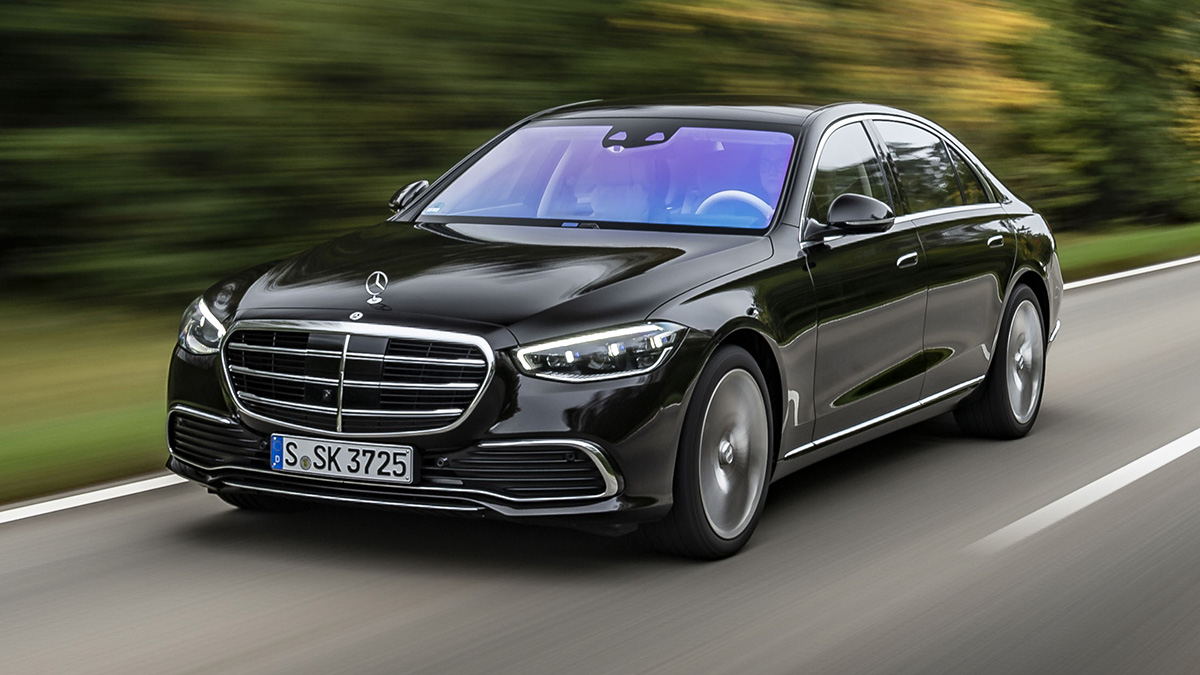
Add airbag clockspring replacement, which is often bundled into the same repair when the column is disturbed, and the total easily clears $2,000. Owners of higher trims with adaptive cruise stalks and massaging steering wheel heat elements report even higher bills.
Because the S-Class uses a CAN-bus network where the column acts almost like a relay station for dozens of vehicle functions, shops are cautious about using aftermarket parts, pushing most customers toward genuine Mercedes components. This combination of complexity, required calibration, and OEM-only sourcing is exactly why S-Class steering column work sits at the top end of the cost spectrum.
2. BMW 7 Series
BMW’s 7 Series shares the same problem as its German rival: a steering column that’s less a mechanical part and more a control hub. It houses the iDrive control stalk, gear selector, adaptive steering interface, and often a heated steering wheel circuit, all wired into BMW’s layered electronic architecture.
When the column fails, whether due to a worn clockspring, a failing tilt motor, or a cracked circuit board, dealers frequently recommend replacing the entire assembly rather than a single component, since BMW parts are often sold as complete units.
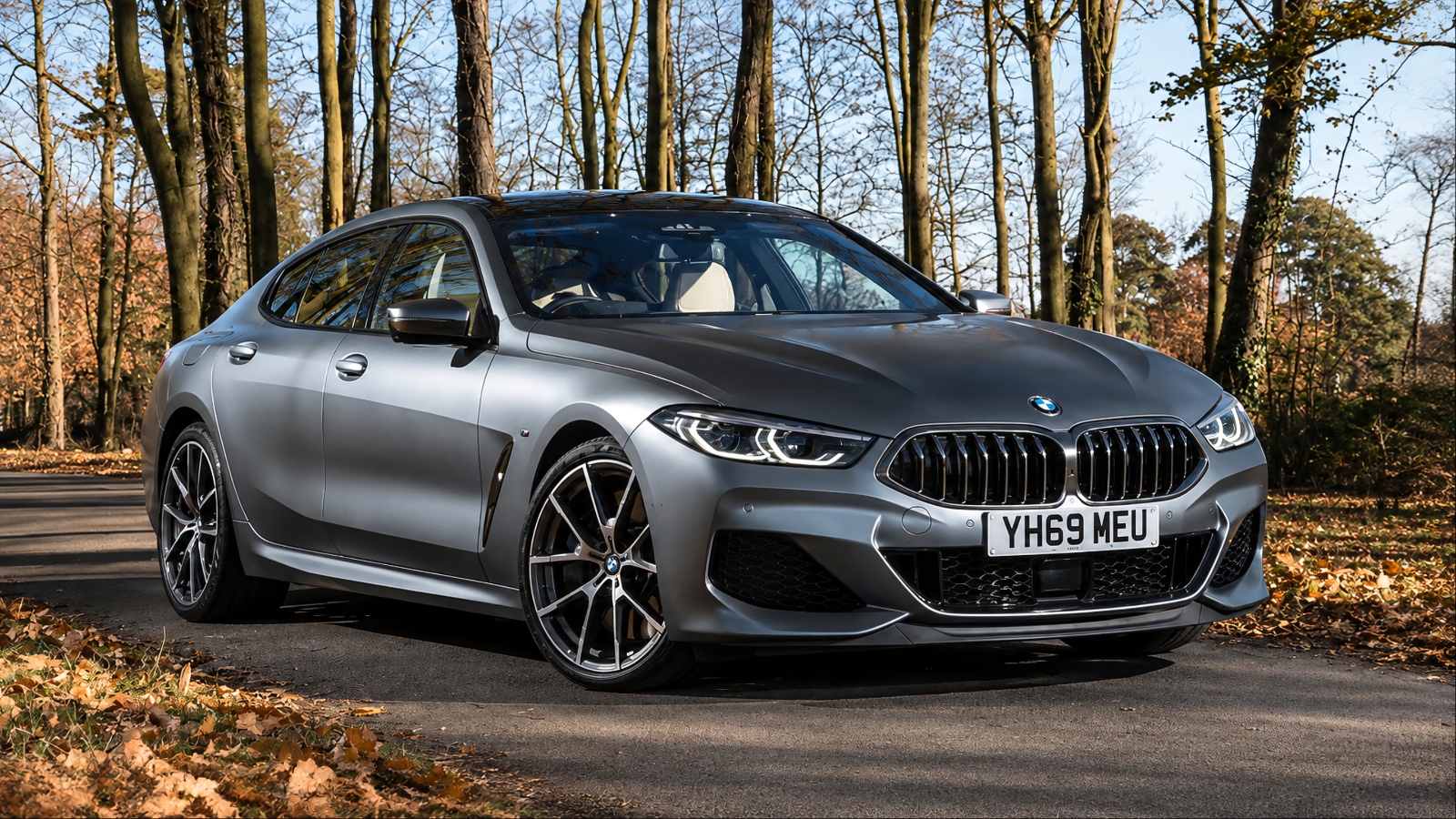
That assembly alone can cost $1,200 to $1,600, and BMW’s labor rates at dealerships, often $200 or more per hour, add another $600 to $900 for removal, installation, and steering-angle sensor recalibration. If the Active Steering or Integral Active Steering system is involved, extra diagnostic time and software coding push the bill higher still.
Independent European specialists can sometimes shave a few hundred dollars off the total by sourcing used or remanufactured columns, but many owners stick with dealerships to preserve warranty coverage on such a safety-critical part. All told, a full steering column job on a 7 Series comfortably lands in the $2,000 neighborhood, particularly on newer models loaded with driver-assistance hardware built into the column itself.
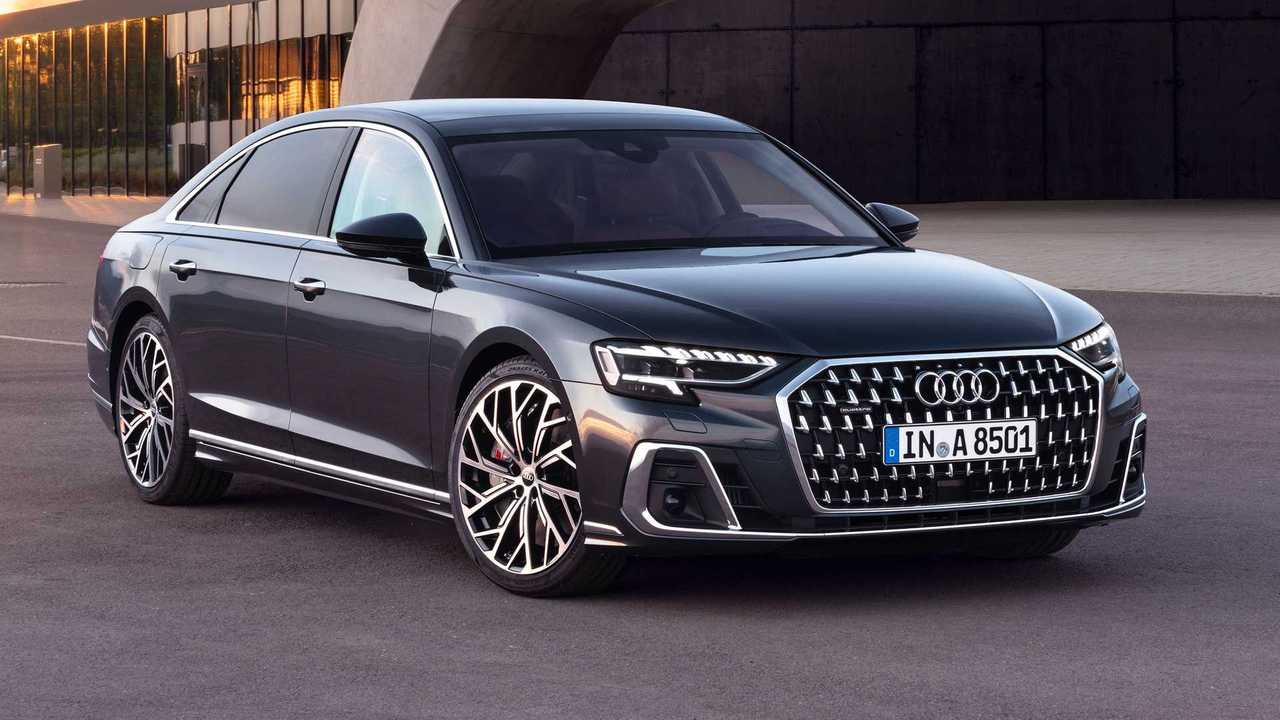
3. Audi A8
The Audi A8 is Audi’s technology showcase, and that shows up clearly in steering column repair estimates. The column integrates with Audi’s MMI system, adaptive cruise control paddle switches, a heated wheel, and in many trims, a column-mounted starter/ignition interlock tied to the keyless system.
Because Audi engineers the column as part of a broader “convenience electronics” module, replacing it isn’t just a mechanical swap; it typically requires VCDS-based coding to marry the new part to the car’s immobilizer and instrument cluster. Parts pricing for A8 columns tends to run higher than for the A6 or A4 due to lower production volume and the extra sensors packed in, often $1,000 to $1,400 for the assembly alone.
Labor at an Audi dealership, factoring in the diagnostic time needed to confirm the column rather than the steering rack or angle sensor is at fault, adds another several hundred dollars.
When the airbag squib connector or clockspring is replaced simultaneously, which is common practice for safety compliance, the total repair bill regularly reaches or exceeds $2,000. Independent Audi specialists exist, but many A8 owners are steered back to the dealership because coding tools capable of properly initializing the new column are not widely available outside Audi’s own network.
4. Range Rover / Range Rover Sport
Land Rover’s flagship SUVs have a reputation for expensive electronics, and the steering column is no exception. Range Rovers pack tilt and telescoping motors, memory-seat-linked steering position presets, heated wheel elements, and paddle shifters into the column assembly, all monitored by the vehicle’s central body control module.
Land Rover parts are notoriously pricier than comparable components from mainstream brands, and steering column assemblies are no different, frequently priced above $1,100 before labor.
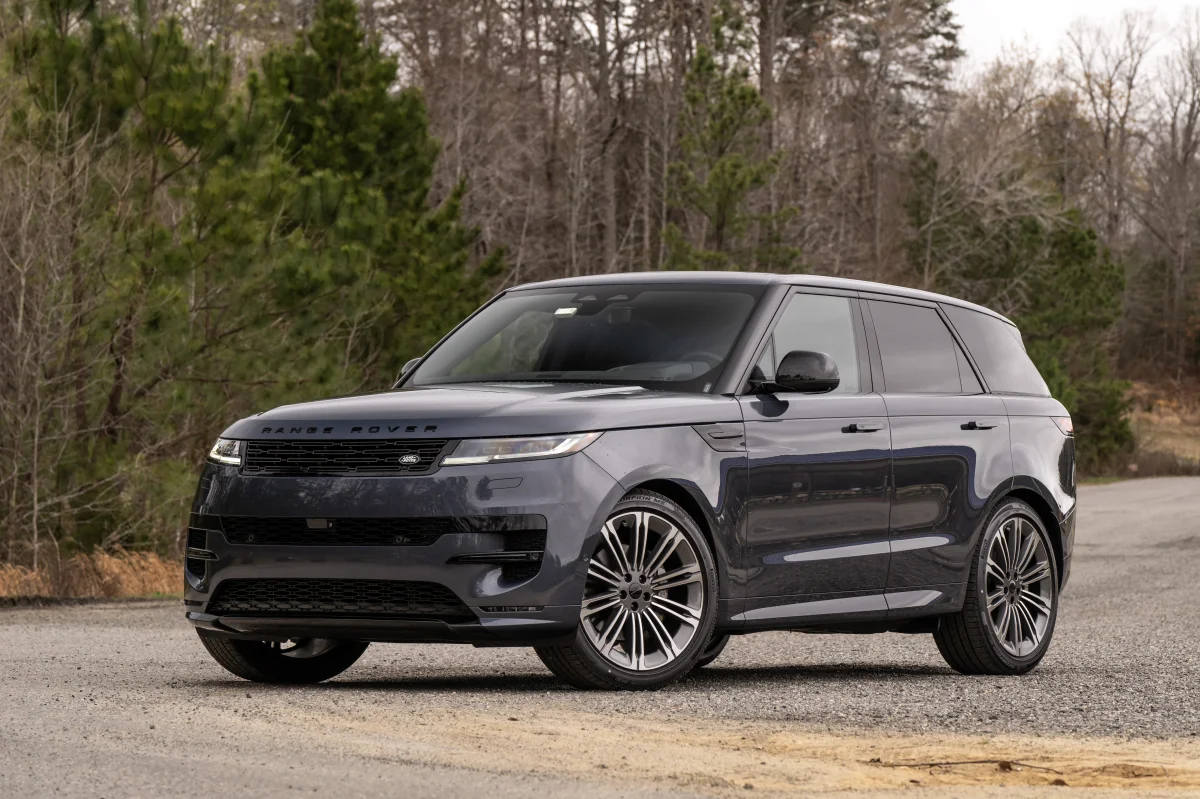
Labor itself tends to run long because of tight dash clearances and the need to remove trim panels, airbags, and wiring harnesses carefully to avoid triggering fault codes elsewhere in the vehicle’s notoriously sensitive electrical system.
Add a required steering-angle sensor recalibration and, on some model years, a software update to the steering column control unit, and shops routinely quote $600 to $900 in labor alone.
Owners report that dealership estimates for a full column replacement, including diagnostics, parts, labor, and calibration, land between $1,800 and $2,400 depending on trim level and whether the column includes the more elaborate Autobiography-spec features.
Land Rover has a reputation for costly repairs, and steering column work is no exception. Once the bill passes $2,000, it is not particularly surprising, especially on newer model years with increasingly integrated electronic systems.
5. Cadillac Escalade
The Escalade brings full-size luxury to a body-on-frame SUV platform, while its steering column handles a substantial amount of electronic equipment. Depending on the generation, this includes a heated steering wheel, memory tilt and telescoping functions linked to driver profiles, a column-mounted shifter, and steering-wheel controls for the large infotainment and driver-assistance systems.
GM parts pricing for Escalade-specific components tends to run higher than for the mechanically similar Suburban or Tahoe, since the column often includes exclusive trim and heating hardware.
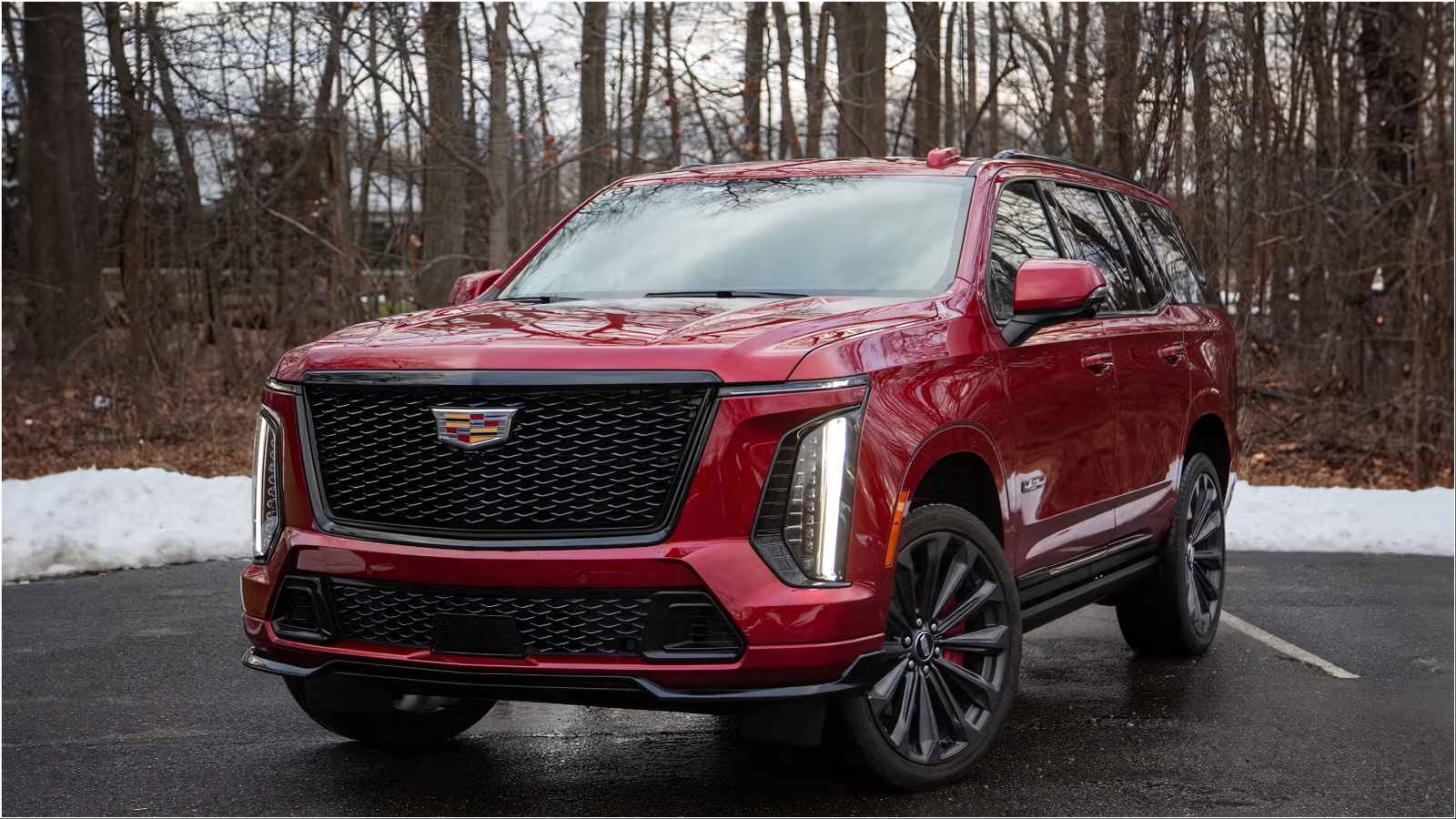
A replacement assembly can cost $900 to $1,300 depending on model year, and that’s before considering the shift-by-wire column shifter found on recent generations, which adds cost and complexity if it needs replacing alongside the column.
Labor typically spans three to five hours once you factor in airbag removal, wiring disconnection, and post-installation calibration of the steering angle sensor, which GM’s stability control system depends on heavily. Dealership labor rates in most metro areas push the labor total to $500 or more.
Combine parts, labor, calibration, and the near-universal recommendation to replace the airbag clockspring during the same job, and total repair estimates for Escalade owners frequently land between $1,800 and $2,200, especially on Platinum and Sport trims with the most heavily loaded column electronics.
6. Porsche Panamera
Porsche’s four-door grand tourer treats the steering column as an extension of its driver-focused cockpit, integrating the Sport Chrono mode dial, heated wheel, paddle shifters, and column-adjacent PDK gear selector electronics.
Porsche parts pricing is famously high across the board, and steering columns are no exception, often priced at $1,300 to $1,700 for the assembly alone. Labor adds substantially to the bill because Porsche technicians must carefully remove the multifunction steering wheel, airbag module, and surrounding trim without damaging the carbon-fiber or leather-wrapped components common on higher trims.
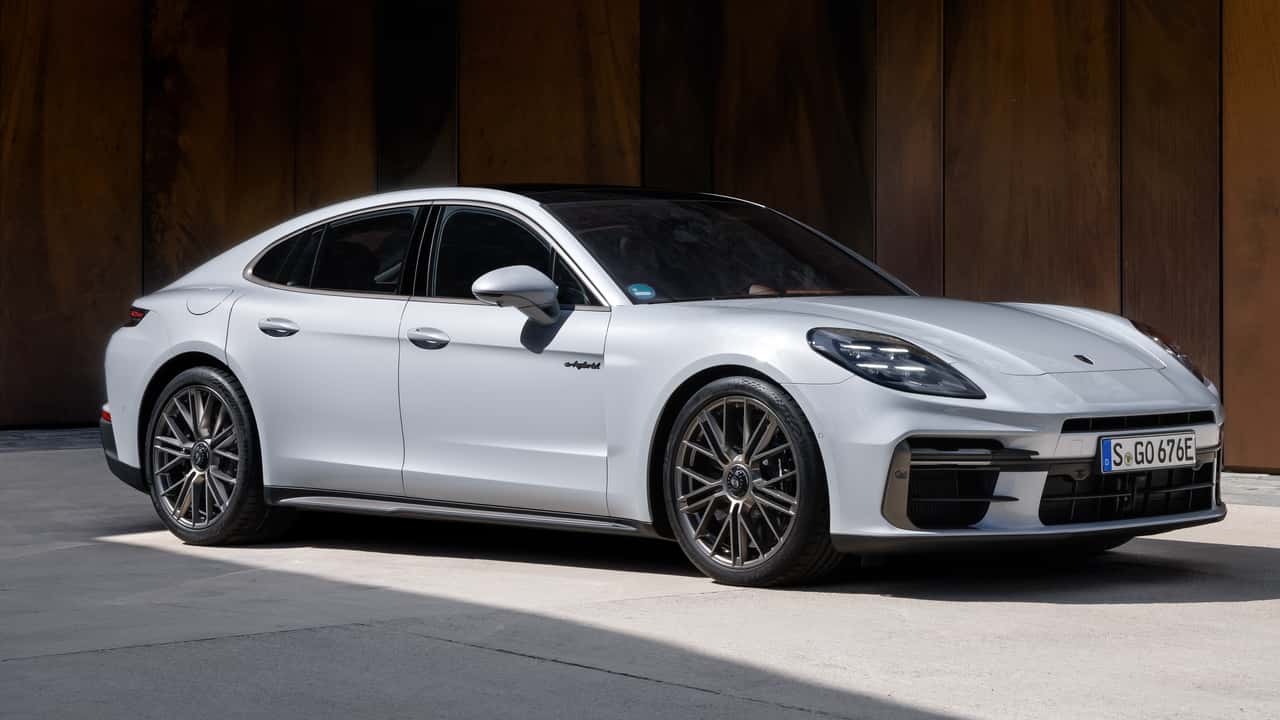
Post-installation, the car requires steering-angle sensor calibration and often a full system scan to confirm the Sport Chrono and PASM systems are communicating correctly with the new column hardware.
Independent Porsche specialists can occasionally source used columns to cut costs, but the risk of incompatibility with software-locked features makes many owners hesitant. Between the premium parts pricing, three to five hours of specialized labor at typically $250-plus hourly dealer rates, and mandatory calibration, total costs for a Panamera steering column replacement commonly reach $2,000 to $2,500.
Owners of Turbo and GTS trims, which pack additional wheel-mounted drive-mode controls, tend to see estimates at the higher end of that range.
7. Tesla Model S
The Tesla Model S steering column, particularly in versions equipped with the yoke-style wheel option, has drawn attention for repair costs that catch owners off guard.
Because Tesla’s steering assembly integrates directly with the car’s over-the-air software architecture, autopilot stalk controls, and, in yoke-equipped cars, a specialized rotary encoder system for tracking wheel position without a traditional full-turn mechanism, replacement parts are both proprietary and expensive.
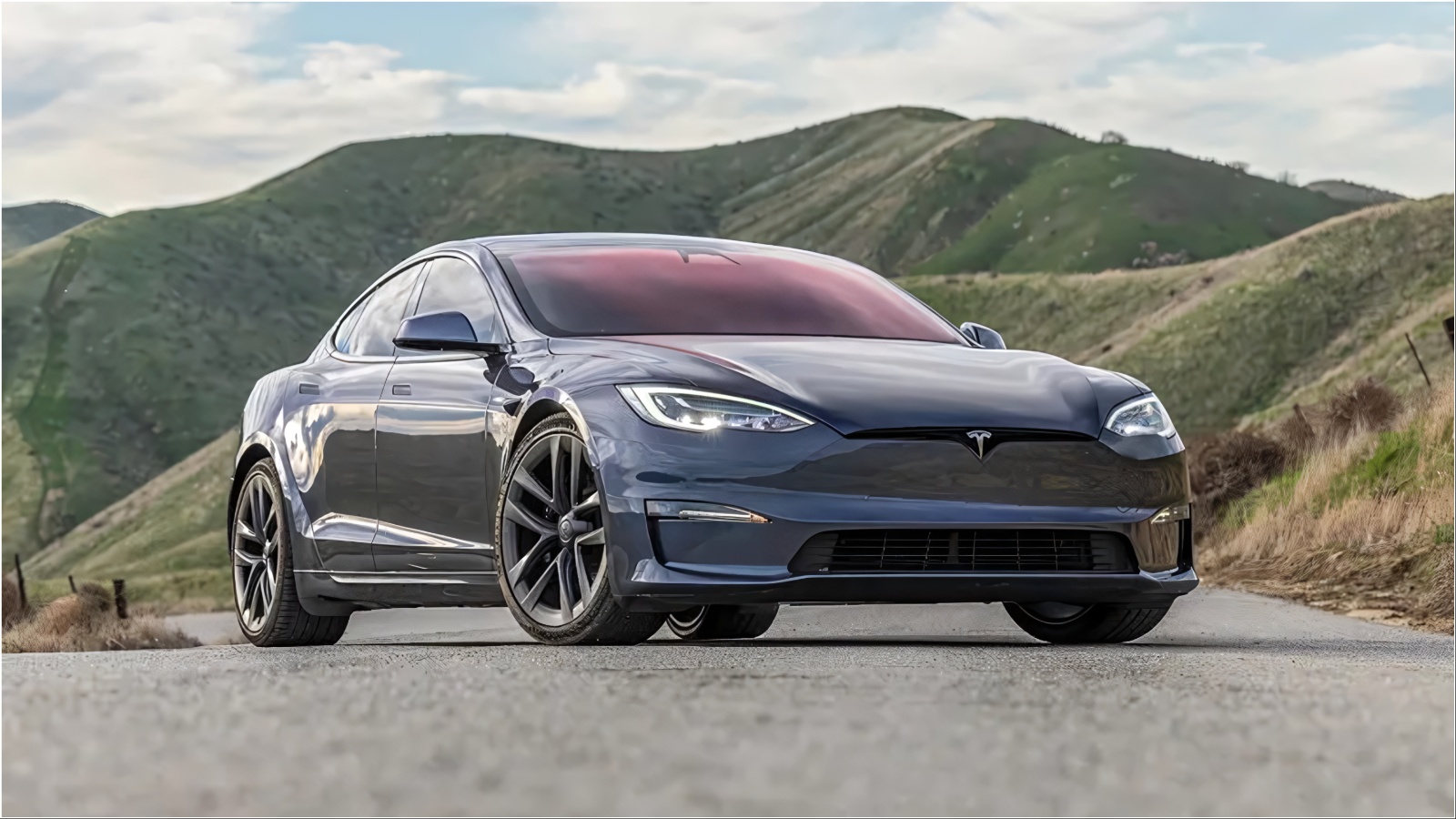
Tesla doesn’t have an independent parts network in the way legacy automakers do, so owners are largely limited to Tesla service centers or Tesla-sourced parts through limited third-party channels, which keeps prices firm.
A column or wheel-and-column assembly replacement, including the necessary software pairing to the vehicle’s computer, has been reported by owners at $1,800 to $2,500, particularly for yoke-equipped cars where the part itself is pricier and less commonly stocked.
Labor is comparatively quick since Tesla’s modular design allows faster swaps than most legacy luxury brands, but the parts cost and lack of competitive sourcing options keep totals high.
Non-yoke Model S columns tend to land at the lower end of this range, while accident-related replacements requiring airbag and column work together frequently push past $2,000 once Tesla’s service center labor is included.
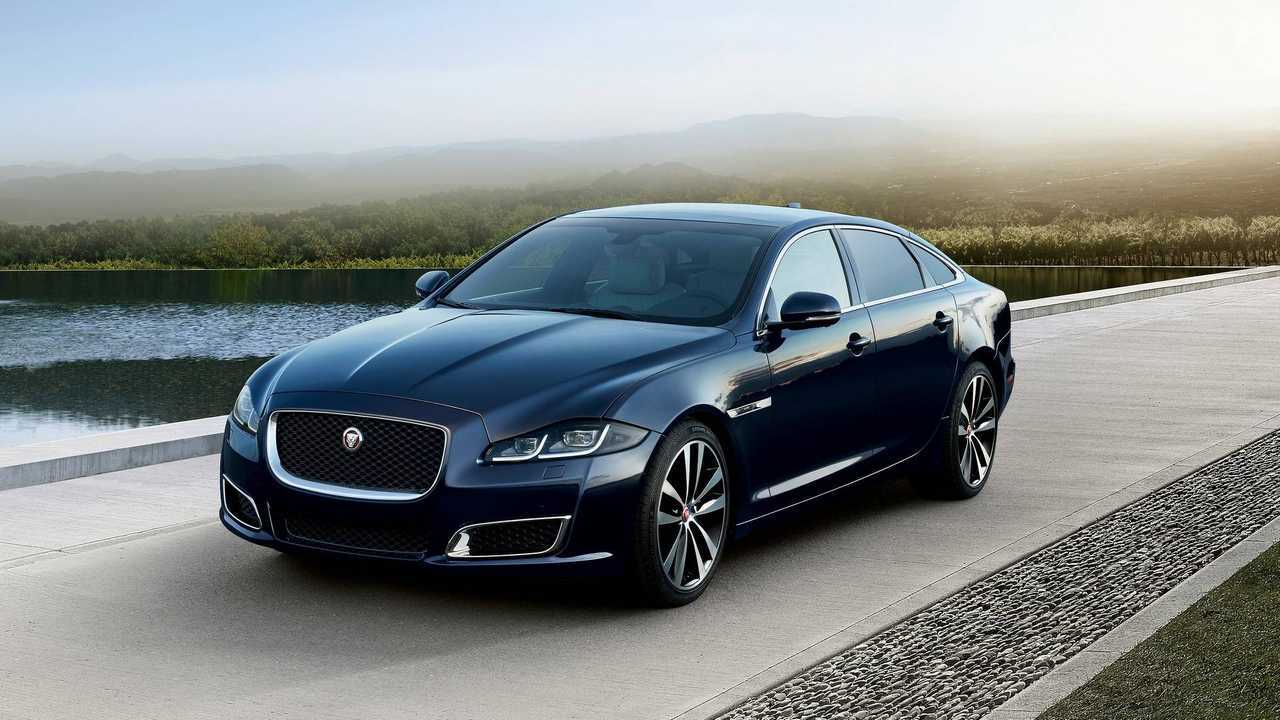
8. Jaguar XJ
The Jaguar XJ may no longer be in production, but plenty remain on the road. Its steering column repairs highlight a common challenge with discontinued luxury models, where limited parts availability can drive repair costs higher. The XJ’s column integrates heated steering wheel elements, memory position motors, and paddle shifters, all connected to Jaguar’s electrical architecture shared with older Land Rover platforms.
Because Jaguar ended XJ production, new-old-stock and OEM replacement columns have become harder to find, and prices for the few available units have risen accordingly, often exceeding $1,200 for the part alone.
Independent shops familiar with Jaguar electrical systems are less common than general mechanics, so labor is frequently billed at specialist rates, and diagnostic time tends to run longer since technicians must rule out the notoriously finicky JLR body control modules before condemning the column itself.
Steering angle sensor recalibration and clockspring replacement are typically bundled in, adding several hundred dollars more. Owners report total repair bills in the $1,900 to $2,300 range, with the scarcity of parts, rather than labor complexity alone, being the primary driver of cost. This makes the XJ a good example of how a discontinued model’s steering column repair can rival or exceed that of a currently produced luxury flagship.
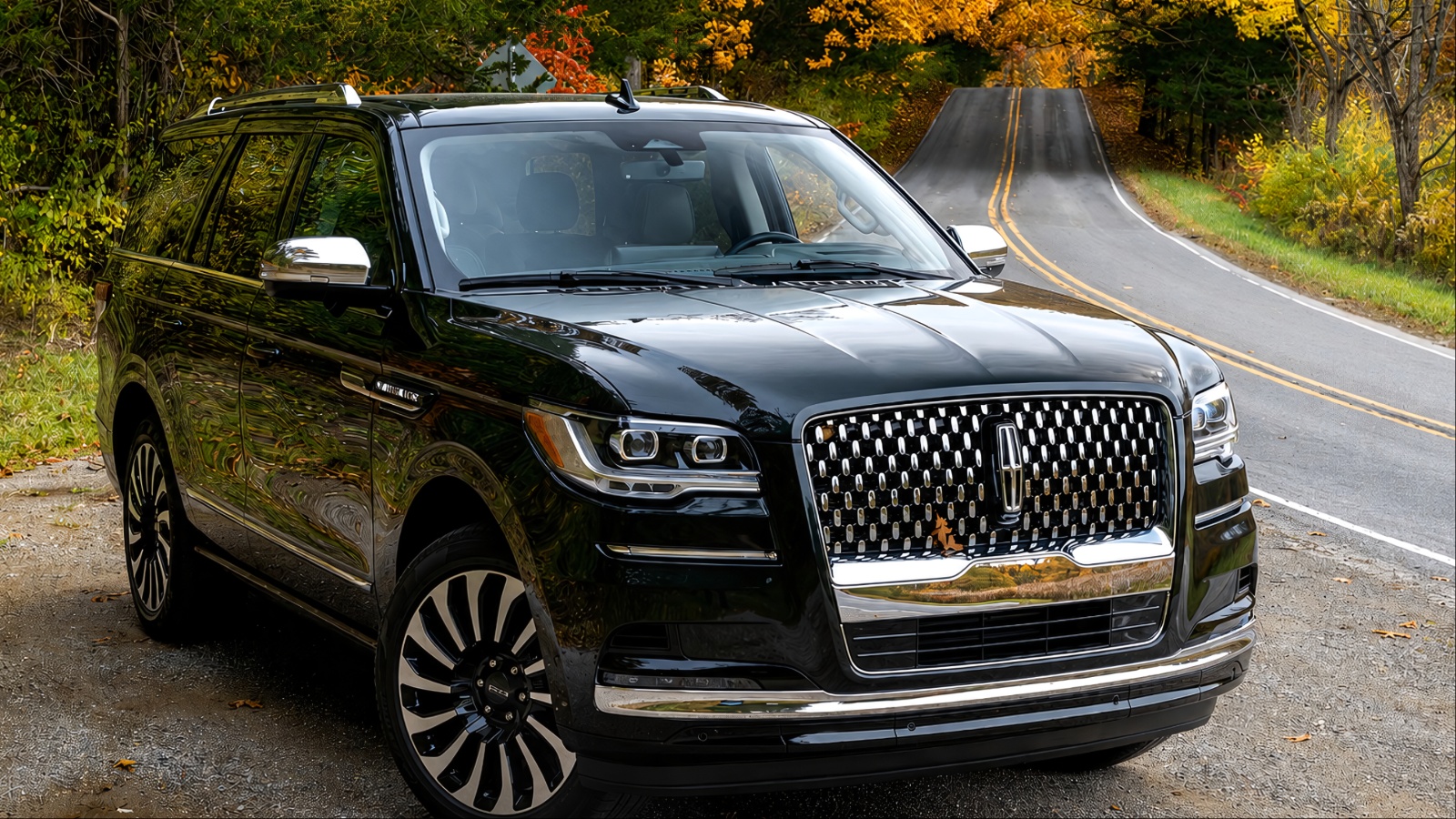
9. Lincoln Navigator
Lincoln’s full-size SUV flagship shares its mechanical foundation with the Ford Expedition, but its steering column incorporates considerably more equipment. Depending on the configuration, it can include heated and cooled steering wheel functions, memory-linked tilt and telescoping motors, and controls positioned near the column for the Navigator’s extensive driver-assistance systems.
Lincoln-specific trim and wiring for these features mean the column assembly is priced above the equivalent Expedition part, often in the $900 to $1,300 range depending on trim level.
Labor for the job typically spans three to five hours, driven by the need to remove airbags, trim panels, and connectors carefully, plus the mandatory steering-angle sensor recalibration that Ford’s stability and lane-keeping systems depend on.
Black Label trim vehicles, which add unique heating elements and upgraded materials to the column shroud, tend to command even higher parts costs. Dealership labor rates for Lincoln service, generally comparable to or slightly above standard Ford rates, add another $500 to $700 to the bill.
Combined with the near-standard practice of replacing the airbag clockspring during this type of repair, total costs for Navigator owners frequently fall between $1,800 and $2,200, with higher-trim vehicles and those requiring simultaneous lane-keep sensor recalibration landing at the top of that range.
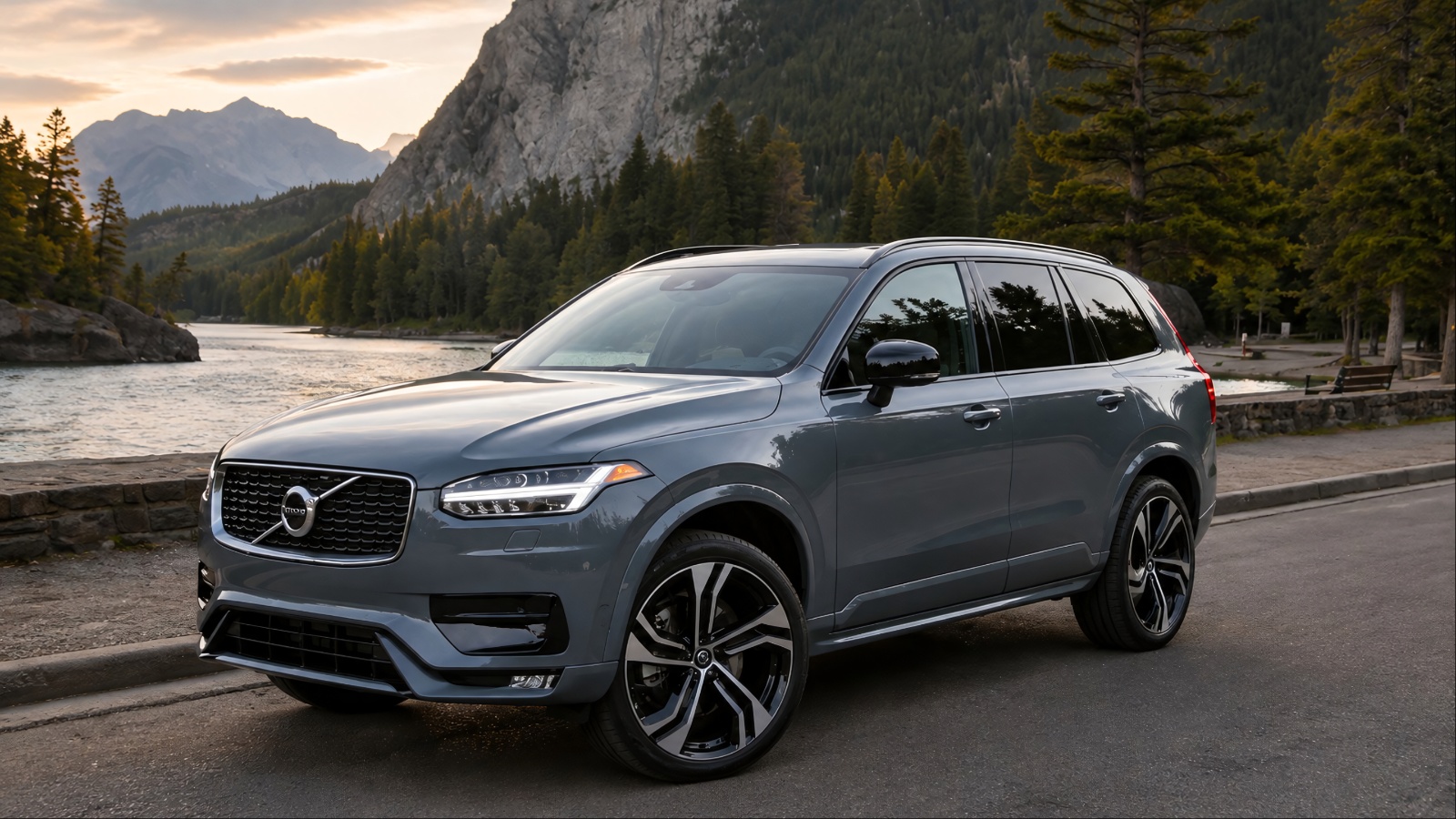
10. Volvo XC90
Volvo’s flagship SUV integrates its steering column tightly with the brand’s Pilot Assist driver-assistance suite, heated wheel, and memory-linked adjustment motors, making it more electronically complex than a typical mainstream SUV column.
Volvo parts pricing, particularly for components tied to its semi-autonomous driving features, tends to run higher than equivalent parts from mass-market brands, with column assemblies often priced between $900 and $1,300.
Labor is complicated by the need to carefully disconnect and later recalibrate the forward-facing camera and steering-angle sensor systems that Pilot Assist depends on, a process that can add an hour or more of diagnostic and calibration time beyond the physical swap itself.
Volvo dealership labor rates, while somewhat lower than German luxury competitors, still add $500 or more to the total once diagnostic time is included. Because the column houses wiring for both the heated wheel and the paddle-shift-style gear controls found on higher trims, technicians frequently recommend replacing the airbag clockspring simultaneously to avoid a second teardown later.
Altogether, owners have reported total steering column repair costs in the $1,700 to $2,100 range, with Inscription and Polestar Engineered trims, which carry additional wheel-mounted controls, tending toward the higher end of that spread.