
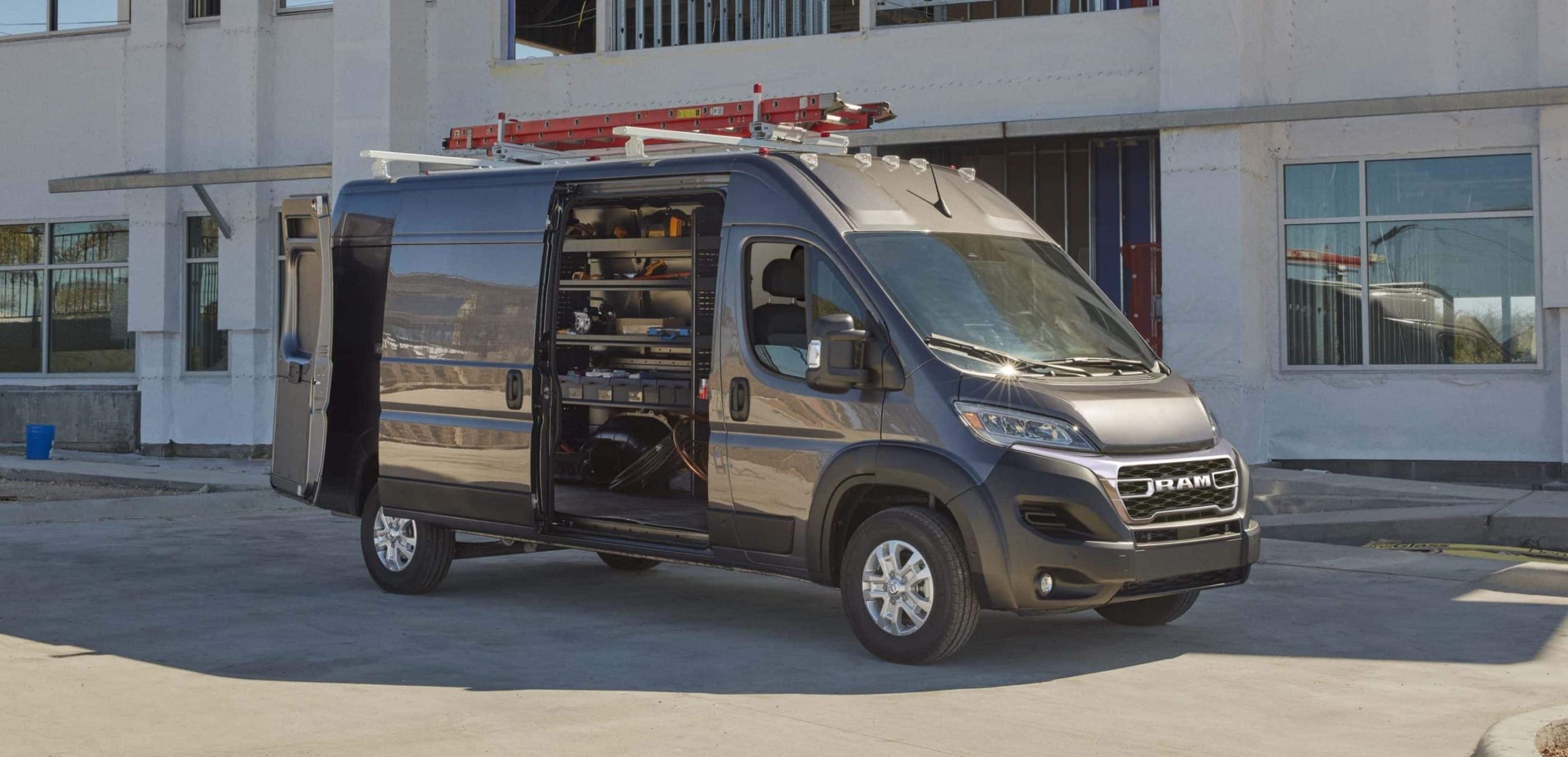
A good mechanic’s van is more than a way to get from one job to another. It is a mobile workshop, parts carrier, tool locker, and daily work partner. That means the right van needs generous cargo room, dependable mechanical performance, useful loading access, and enough flexibility to fit shelves, drawers, compressors, jacks, and other equipment.
Some vans stand out for their huge interiors, while others earn praise for durability and lower ownership costs. The best choice depends on how much equipment you carry and where you work. Below, these 10 vans are ranked with space and reliability weighted most heavily, while practicality, maintenance, maneuverability, and configuration options also shape their placement.
1. Mercedes-Benz Sprinter
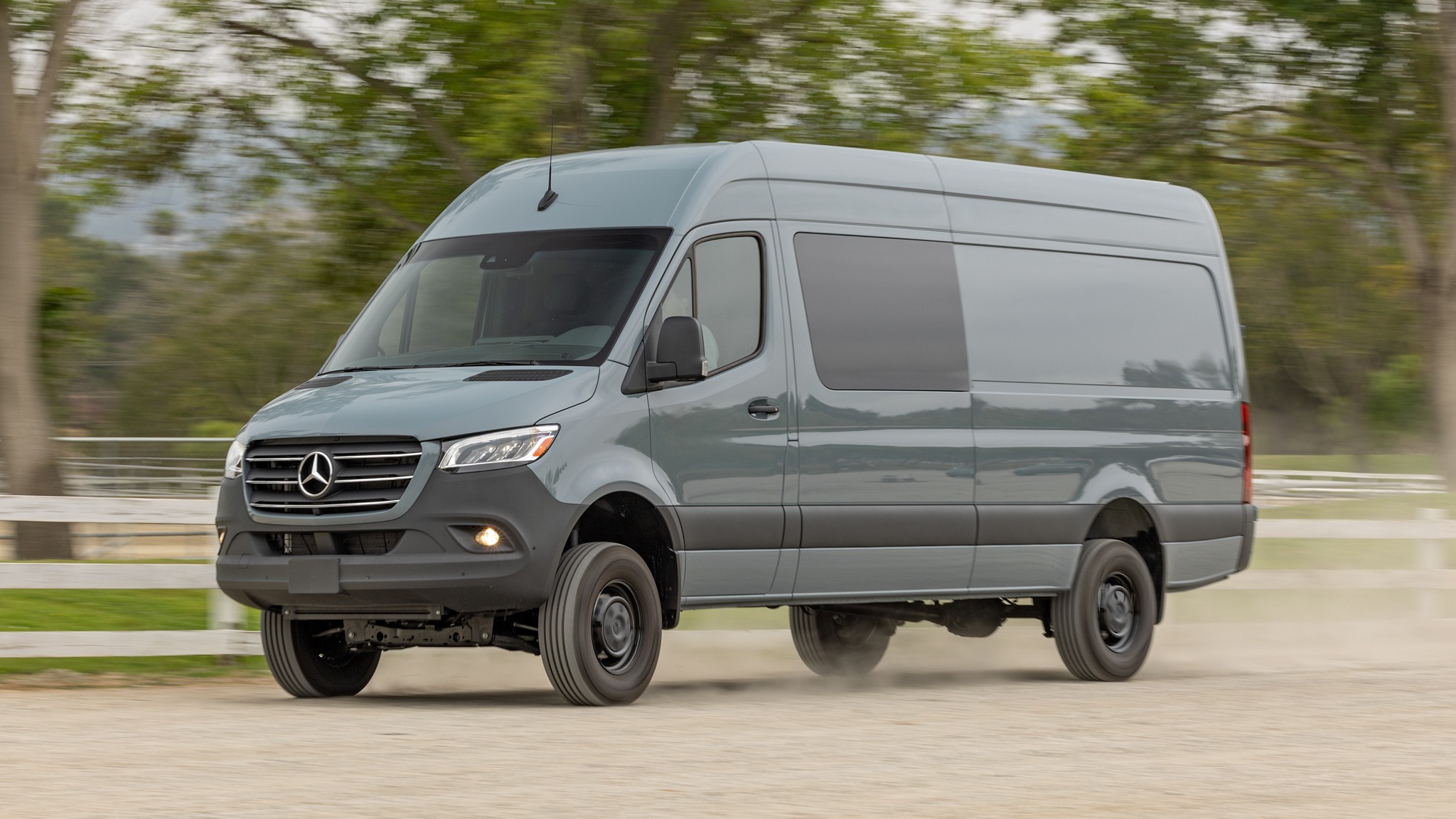
Step into a Sprinter and you immediately notice why mechanics gravitate toward this brand for mobile operations. Cargo volume reaches up to five hundred thirty-three cubic feet in top configurations, giving technicians room for tool chests, lift equipment, and a genuine workbench setup without feeling cramped.
High-roof models let taller workers stand fully upright while organizing shelving, something that matters after a long day bent over engine bays. Buyers get real flexibility here too.
Multiple wheelbase lengths, roof heights, and interior layouts mean a diesel specialist and a general repair technician can each outfit their Sprinter differently based on actual daily needs.
Advanced safety systems, including collision mitigation and stability control, come standard or are available across most trims, adding confidence during highway runs between service calls.
Reliability numbers consistently place the Sprinter near the top of its class, backed by decades of Mercedes-Benz commercial engineering refined through several generations.
Dealer networks and parts availability across the country make ownership less of a headache than some assume for a European-branded van. None of this comes cheap, though.
Pricing sits well above domestic alternatives, and towing capacity trails behind vans built specifically for heavy pulling duty. For mechanics who prioritize interior volume, upfit flexibility, and proven durability over towing muscle, few vans on the market match what the Sprinter brings to a mobile repair operation.
2. Ram ProMaster
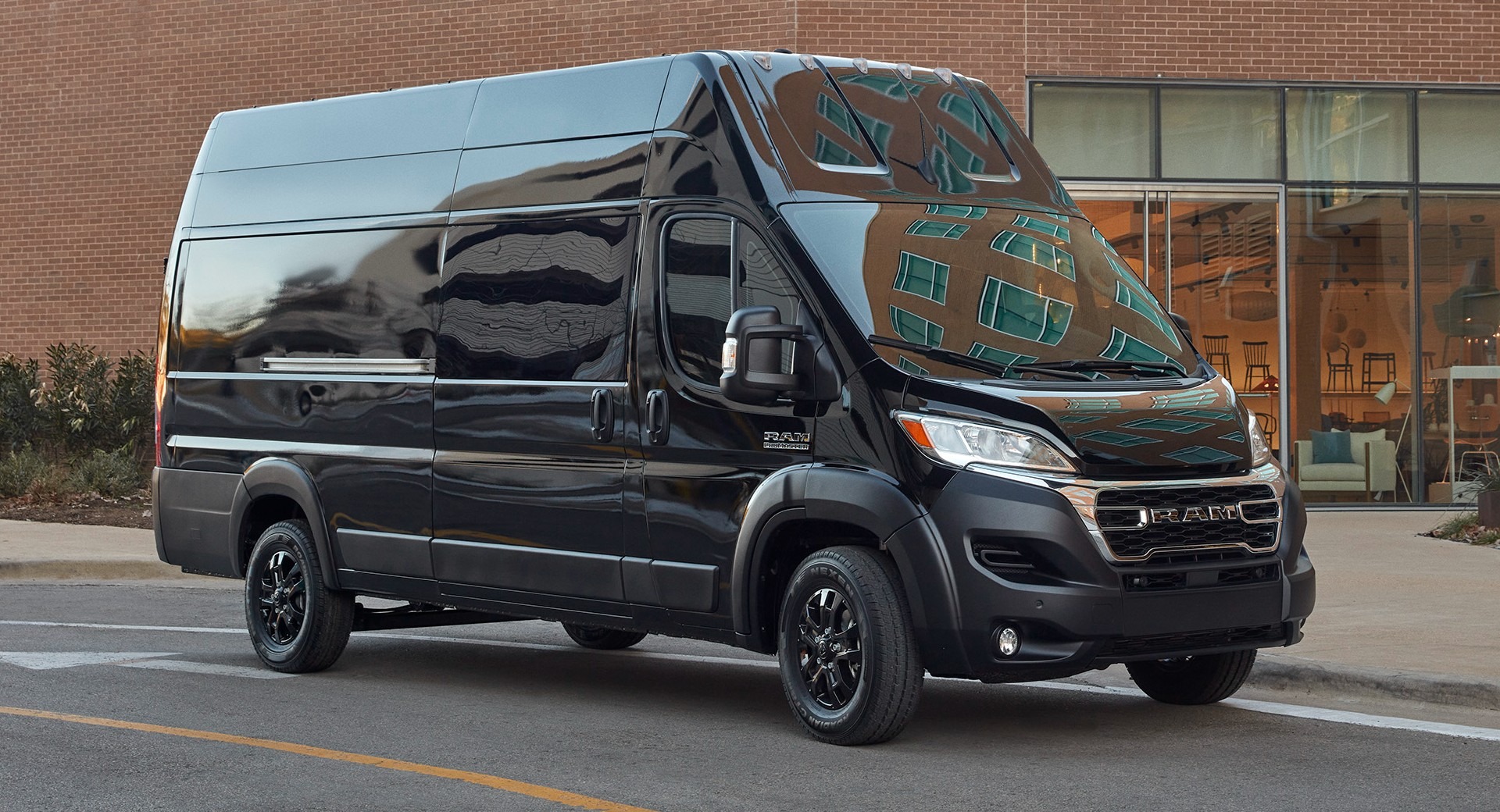
The Ram ProMaster takes second place because it combines generous cargo capacity with a layout that works especially well for mechanics. With up to about 530 cubic feet of available cargo room, there is enough space for a substantial collection of tools and replacement parts.
The low cargo floor is particularly useful because heavy equipment can be loaded without lifting it as high as required with many taller vans. Its front-wheel-drive layout gives the ProMaster a practical advantage in tight streets, parking areas, and busy work sites.
Mechanics who frequently move between residential driveways, commercial properties, and roadside calls may appreciate the predictable handling and useful turning characteristics. The upright cargo area also lends itself to shelves and workstations.
The interior can be fitted in many ways, allowing owners to create a setup based on their trade. An electrical technician, general repair mechanic, and fleet service operator may all arrange the same van differently. Fuel economy can also be reasonable for a large commercial vehicle.
Ride quality is not perfect, particularly in some configurations, but the ProMaster remains a highly practical mobile workshop for mechanics who put cargo capacity near the top of their buying list.
3. Ford Transit
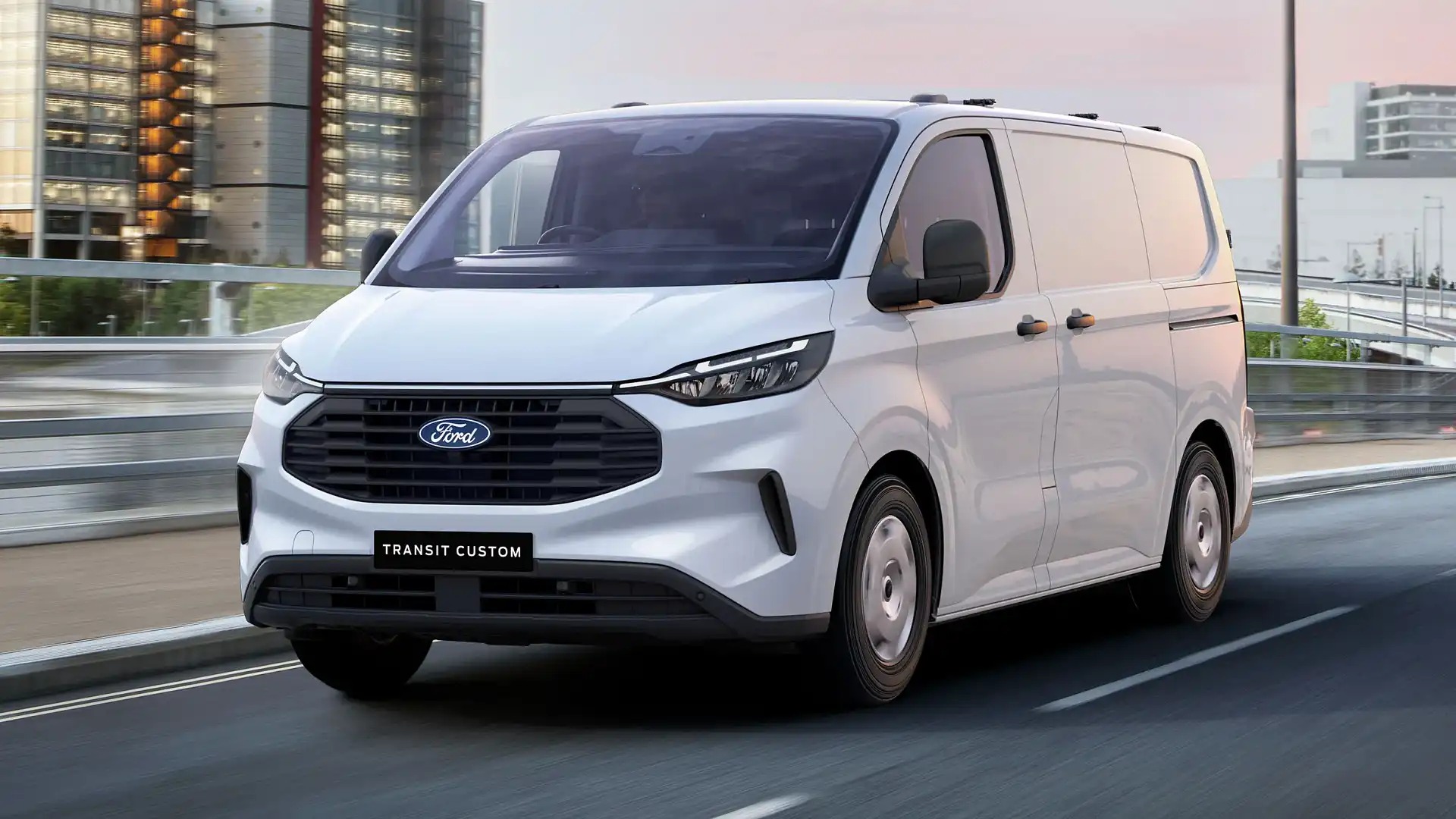
Ford’s Transit earns third place because it offers a good balance of cargo space, reliability, flexibility, and everyday practicality. With different body lengths and roof heights available, mechanics can select a version that suits the amount of equipment they normally carry. This makes it easier to set up the van according to the demands of their work.
Maximum cargo capacity reaches roughly 487 cubic feet, giving enough room for a professional mobile repair setup. One of the Transit’s strongest advantages is the flexibility it offers inside the cargo area.
A mechanic can fit wall-mounted shelving, drawers beneath a workbench, overhead storage, and special holders for tools, spare parts, and other equipment. High-roof versions also provide enough headroom to make moving around inside the van more comfortable when arranging or retrieving tools.
The Transit has built a strong reputation as a commercial work vehicle over the years. Because it is widely used, replacement parts, accessories, repair information, and technicians familiar with the model are generally easier to find than for less common work vans.
This can be important for mechanics because extended downtime can affect their jobs and income. The Transit is not the largest van in its class, and some versions may not offer as much towing ability as certain competitors.
However, it still provides a useful combination of cargo space, driving comfort, and dependable daily service. For a mechanic who needs one van for workshop duties, mobile repairs, errands, highway trips, and equipment storage, the Ford Transit remains a practical and versatile choice.
4. Nissan NV Cargo
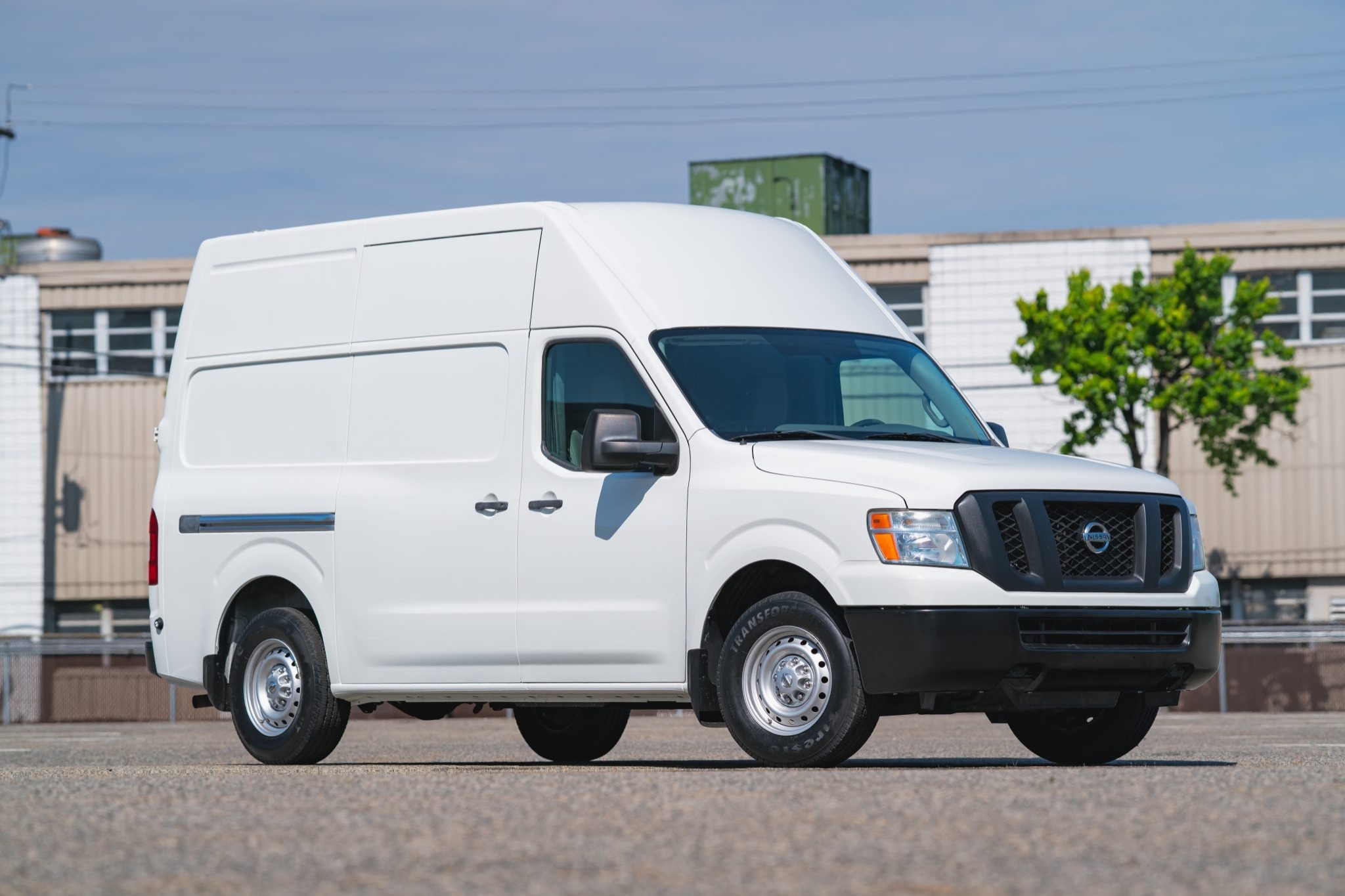
Nissan ended production of the NV Cargo after the 2021 model year as the company redirected its attention toward other areas of its commercial vehicle business.
That doesn’t erase what made this van genuinely appealing to mechanics who bought one new or picked one up used since production ended.
Body-on-frame construction sets the NV apart from most modern vans, which increasingly rely on unibody designs borrowed from passenger vehicles.
That truck-based architecture translates into serious durability under repeated heavy loads, exactly the kind of punishment mobile repair work dishes out daily. High-roof configurations offer cargo volume up to roughly three hundred twenty-three cubic feet, respectable if not class-leading.
Under the hood, the available V8 engine shares components with Nissan’s Titan pickup and Armada SUV, meaning parts interchangeability remains solid despite the model’s discontinued status.
Mechanics who understand this platform appreciate knowing exactly what they’re working with mechanically. Wide-opening rear doors and a genuinely low step-in height make loading heavy tools noticeably easier than climbing into some taller competitors.
Owners report these vans routinely surpassing two hundred thousand miles with reasonable maintenance, a track record that keeps used examples circulating steadily through commercial resale markets.
Fuel consumption runs higher than compact rivals, and the turning radius feels cumbersome driving through tight urban service calls. Still, for mechanics comfortable buying used and prioritizing brute durability, a well-maintained NV Cargo remains a legitimately solid choice years after Nissan walked away from the segment.
5. Chevrolet Express
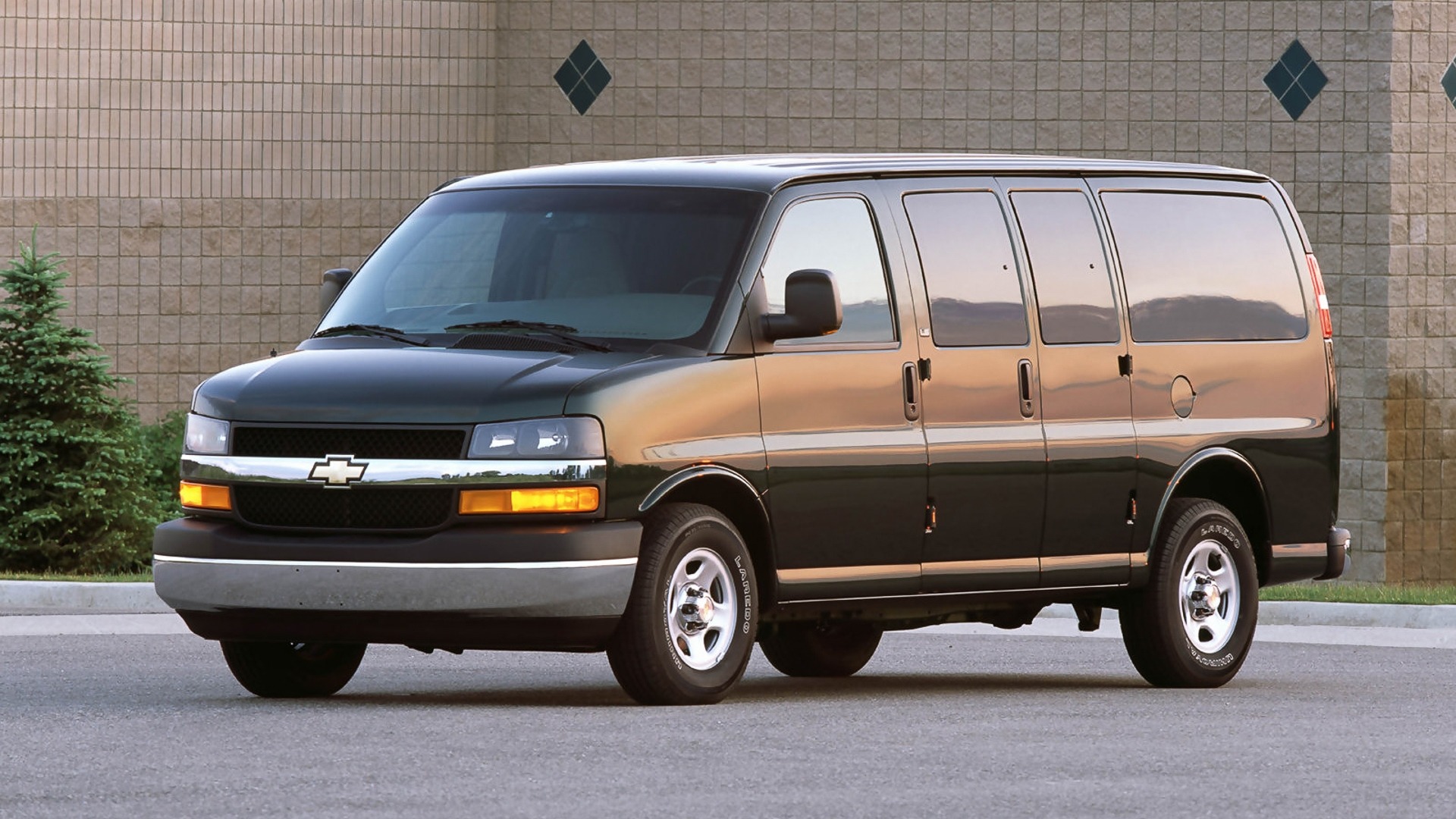
The Chevrolet Express earns its place through a proven design and straightforward mechanical character. It does not try to overwhelm buyers with the newest interior technology.
Instead, the van is built around the essential demands of commercial work, with enough capability to transport workers, tools, parts, and equipment while relying on a durable structure and well-established powertrain options.
Cargo volume can reach about 284.4 cubic feet, depending on configuration. That is enough for many mechanics to install shelving, drawers, tool storage, and a compact workbench.
The van’s shape also makes it relatively easy to organize equipment without having to design an elaborate interior system. Another advantage is familiarity.
The Express has been around for many years, giving repair shops and independent technicians extensive experience with the model. Parts availability and mechanic familiarity can help simplify routine servicing. Available powerful engines also make the van suitable for carrying heavier loads.
There are compromises. The interior design feels dated compared with newer commercial vans, and technology features are less advanced. Ride comfort also lacks some of the polish found in newer competitors.
Still, simplicity has value in a work vehicle. A mechanic who prefers proven hardware, useful cargo room, and straightforward servicing may appreciate the Express more than a newer van packed with features that are not essential to getting the job done.
6. GMC Savana
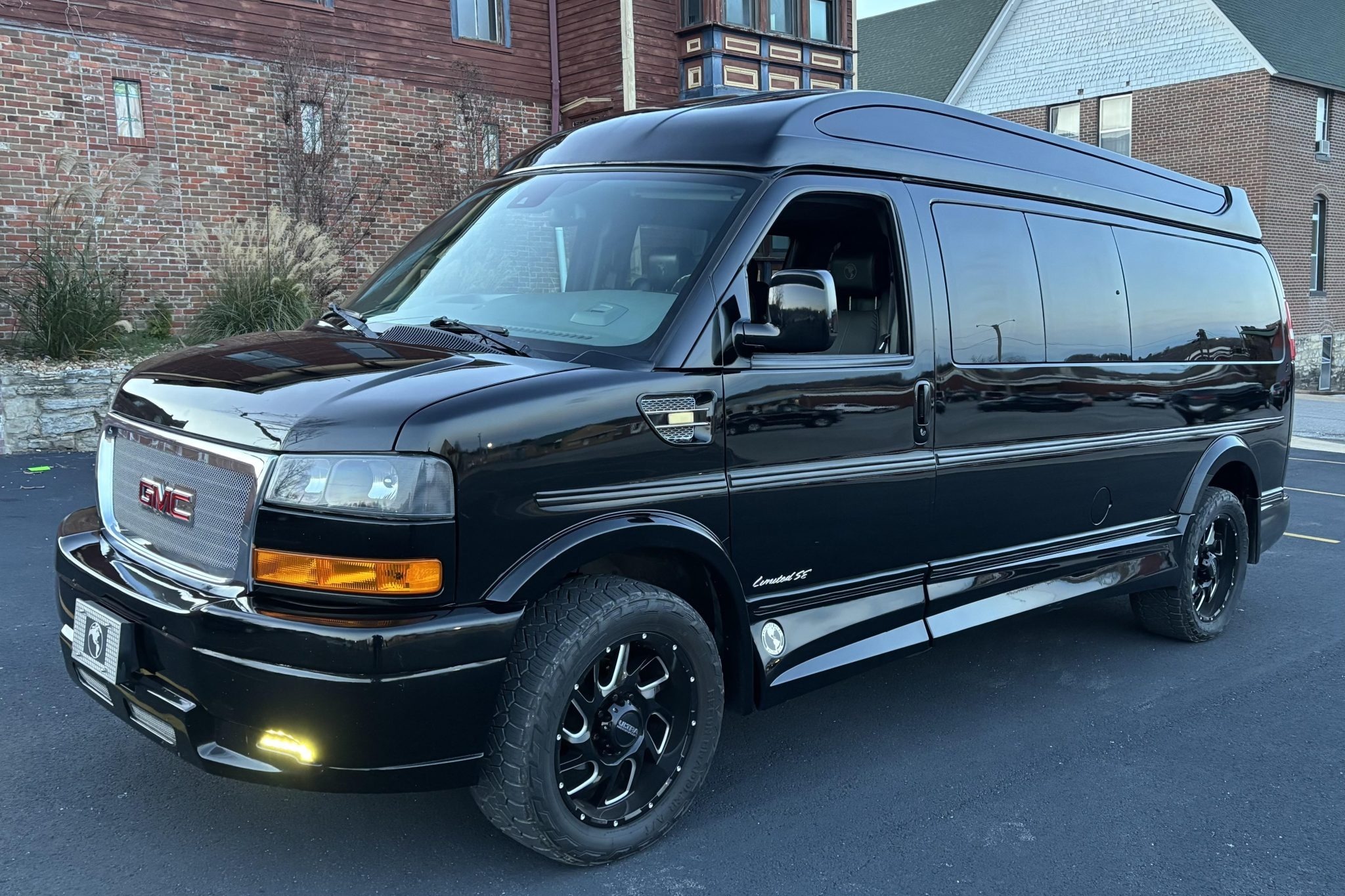
The GMC Savana is a close relative of the Chevrolet Express, and its appeal comes from many of the same qualities. It is a straightforward commercial van designed to perform useful work rather than impress occupants with elaborate styling.
For mechanics, that can be a practical formula. Cargo capacity reaches roughly 283.6 cubic feet, providing enough room for a respectable mobile workshop.
Shelving, cabinets, drawers, and parts storage can transform the cargo bay into an organized service area. The available V8 engine is also useful for mechanics who regularly carry heavy tools or equipment and need strong pulling ability.
Durability remains one of the Savana’s strongest selling points. Its conventional construction is familiar to many repair professionals, which can make maintenance less intimidating.
The van is also available in configurations suitable for different commercial tasks, giving buyers some freedom when selecting a work setup. Its age is the main reason it ranks below newer competitors.
Cabin technology is dated, the ride can feel firm, and the interior lacks some of the convenience features found in newer vans. Those shortcomings matter more to some owners than others.
For a mechanic who cares primarily about carrying equipment and having a sturdy work vehicle, the Savana still makes sense. It may not feel modern, but its straightforward design can be a genuine advantage in demanding daily service.
7. Ford Transit Connect
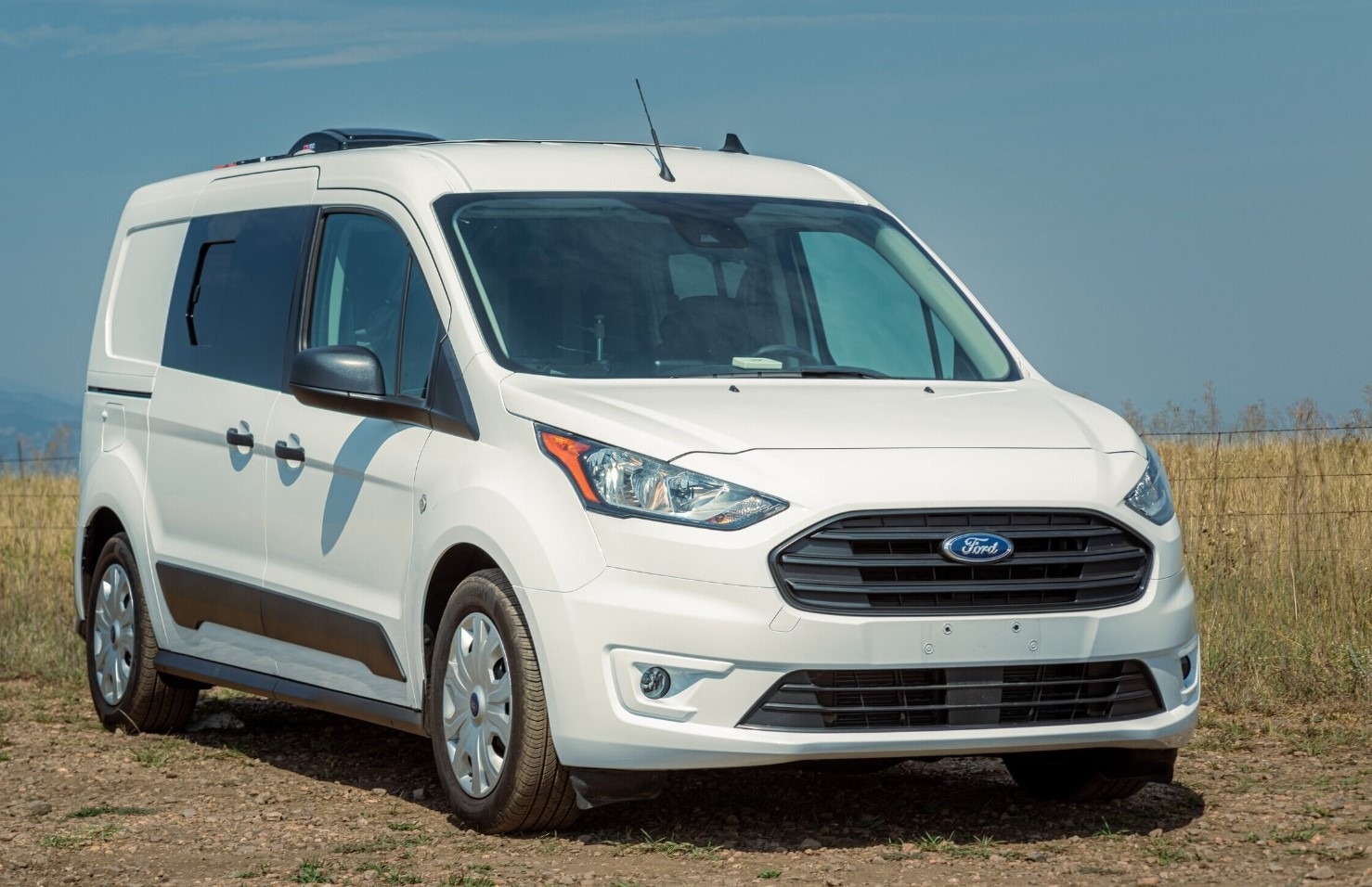
Not every mechanic needs a massive cargo hauler, and that’s exactly where the compact Transit Connect earns its spot. Built for technicians running lighter service routes through crowded city streets, this smaller Ford offers up to one hundred twenty-seven cubic feet of cargo space, a fraction of its full-size sibling but perfectly adequate for focused mobile repair work.
Maneuverability stands out immediately behind the wheel. Tight parking situations, narrow alleys, and congested urban service calls feel dramatically easier compared to squeezing a full-size van through the same spaces.
Payload capacity approaches nearly sixteen hundred pounds, respectable given the compact footprint. Fuel economy tends to beat larger vans by a meaningful margin, a genuine cost advantage for mechanics logging heavy daily mileage across dense service areas.
The four-cylinder engine paired with an eight-speed automatic transmission delivers adequate power without unnecessary bulk under the hood. Reliability generally tracks close to the full-size Transit, since both share Ford’s broader commercial engineering philosophy and quality control standards.
Parts availability benefits from the same expansive dealer network supporting the larger Transit lineup. Cargo limitations become the obvious tradeoff. Technicians hauling bulky lift equipment, large parts inventories, or multiple tool chests will find this van restrictive fast.
Consider the Transit Connect ideal specifically for solo mechanics running lean, focused operations rather than anyone needing serious hauling capacity for a fuller service setup.
8. Ford E-Transit
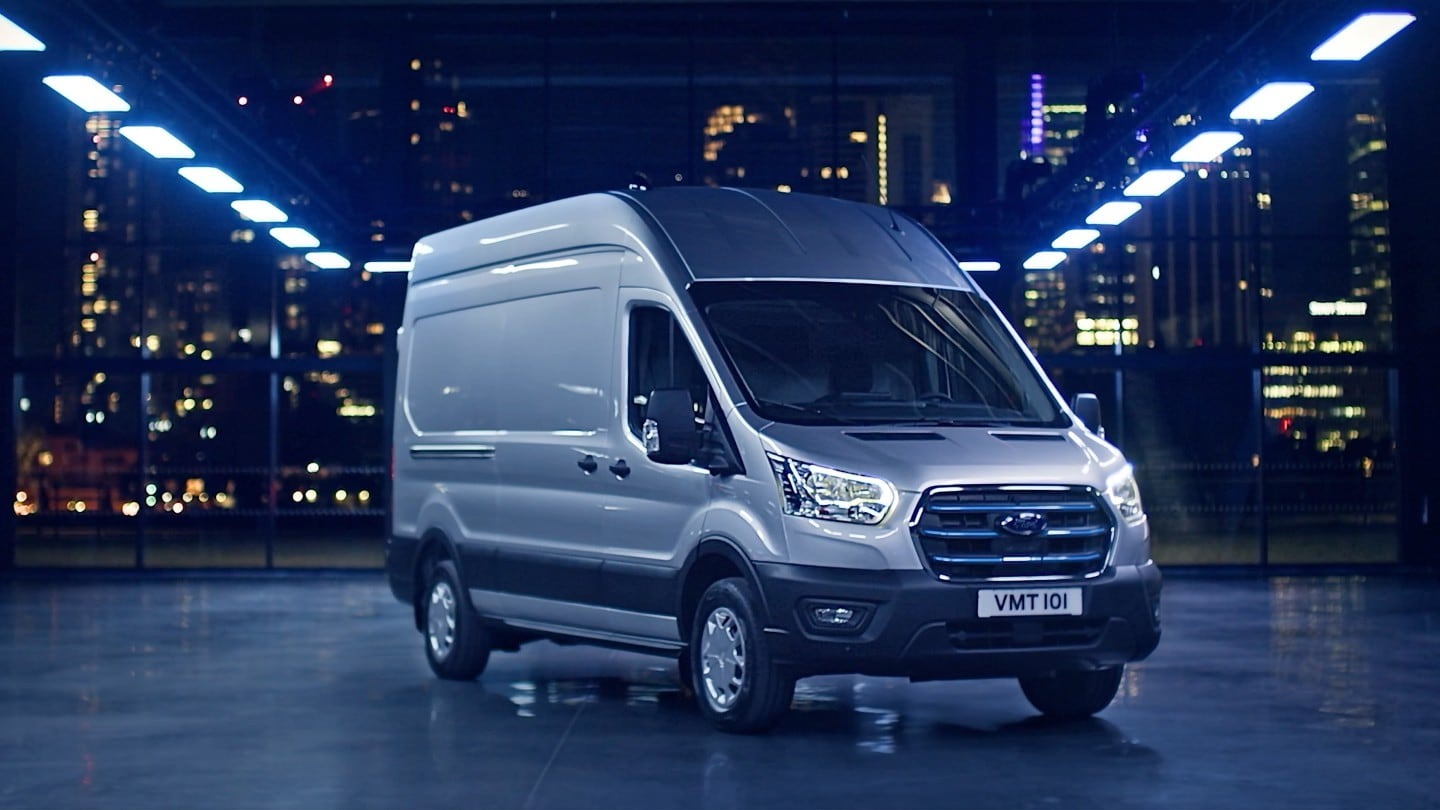
Ford’s E-Transit is giving mobile mechanics another option for handling daily service jobs without depending on petrol or diesel. The electric van provides nearly the same cargo space as its gasoline-powered counterpart, with extended high-roof versions offering up to about 487 cubic feet.
That means mechanics can carry tools, spare parts, and equipment without making major sacrifices. One benefit that deserves attention is the lower running cost.
Electricity can be cheaper per mile than traditional fuel, while the electric motor requires less routine maintenance. There is no engine oil to replace, no spark plugs to change, and fewer combustion-related components to service.
Quiet driving also makes the E-Transit a pleasant choice for visiting customers. Arriving at a home or business without the usual engine noise can create a more comfortable experience, especially in residential areas.
Built-in connectivity, including Wi-Fi hotspot capability, allows mechanics to stay in touch with customers, manage appointments, and check inventory during the workday.
However, the van has limitations. Its driving range may not suit mechanics covering long distances daily, and charging requires proper planning. The purchase price is also higher than that of comparable gas models.
For businesses with shorter, predictable routes, the E-Transit remains a practical electric van worth considering.
9. Ram ProMaster City
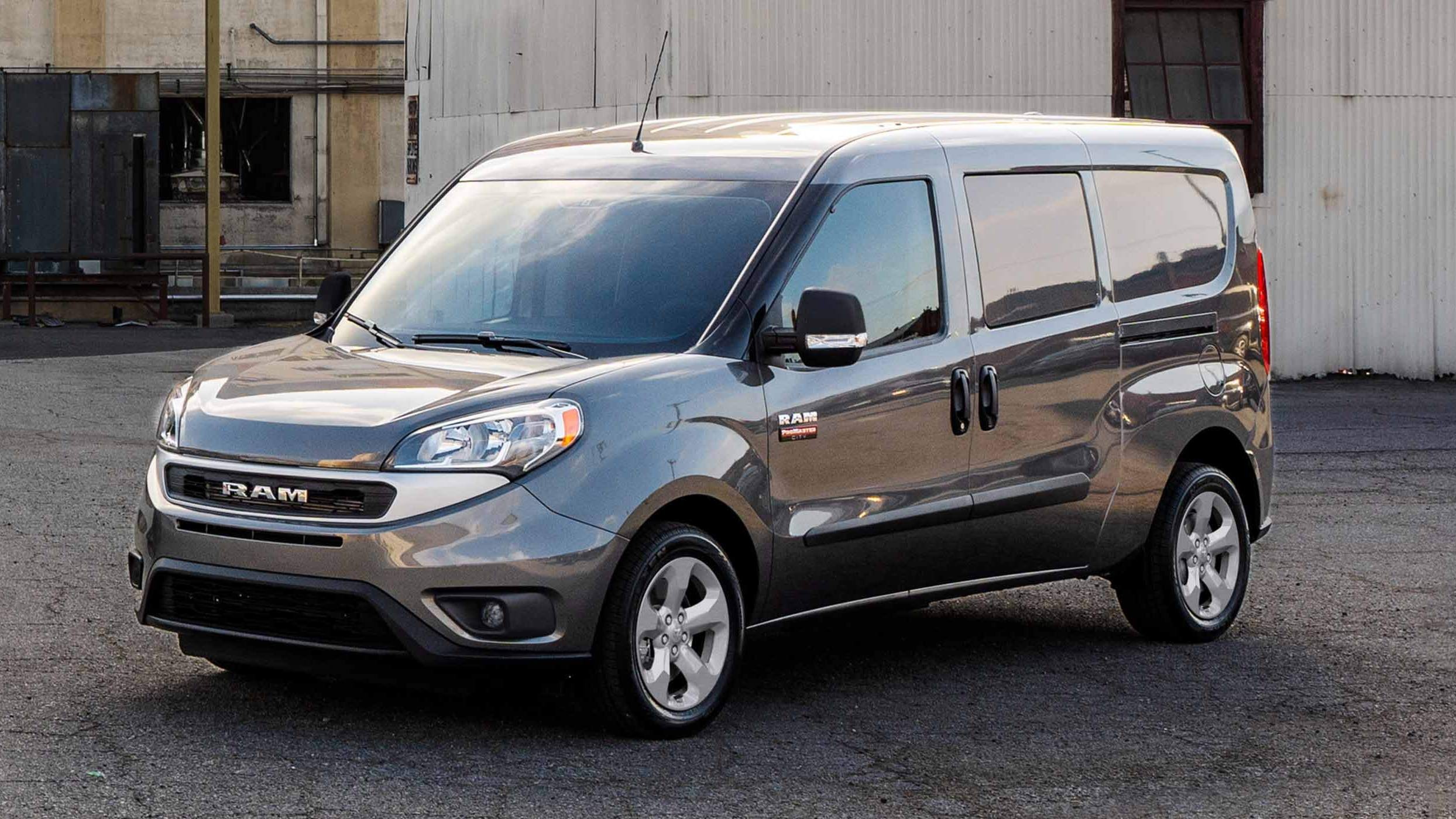
The ProMaster City has had an uncertain history in the American commercial van market. Ram stopped producing it after 2022 because of weak sales but has announced a redesigned version for the 2027 model year, with fleet buyers and commercial users as the main target.
The return is expected to give customers a more capable compact van for everyday business and service work. The new model is expected to provide more than 167 cubic feet of cargo space, up from about 131 cubic feet in the previous version.
This extra room should be useful for mechanics who need to carry tools, replacement parts, and other equipment. The wider space between the rear wheel wells should also make it possible to carry standard pallets and larger materials when required.
Front-wheel drive will remain, supporting the low-floor design that makes loading and unloading easier. A payload capacity of more than 2,000 pounds should also give the van useful carrying ability despite its compact exterior.
This combination could make it suitable for mechanics working in busy areas where a full-size van may be difficult to manoeuvre. Mechanics who need a van immediately can still consider used ProMaster City models.
They provide the same basic front-wheel-drive setup and smaller dimensions, making them easier to handle than larger commercial vans. However, new units will not arrive until 2027. Buyers who need a compact van now may have to consider the used market or alternatives such as the Transit Connect.
For mechanics willing to wait, the redesigned ProMaster City could become a practical choice for mobile repair work and small fleet operations.
10. Chevrolet BrightDrop 600
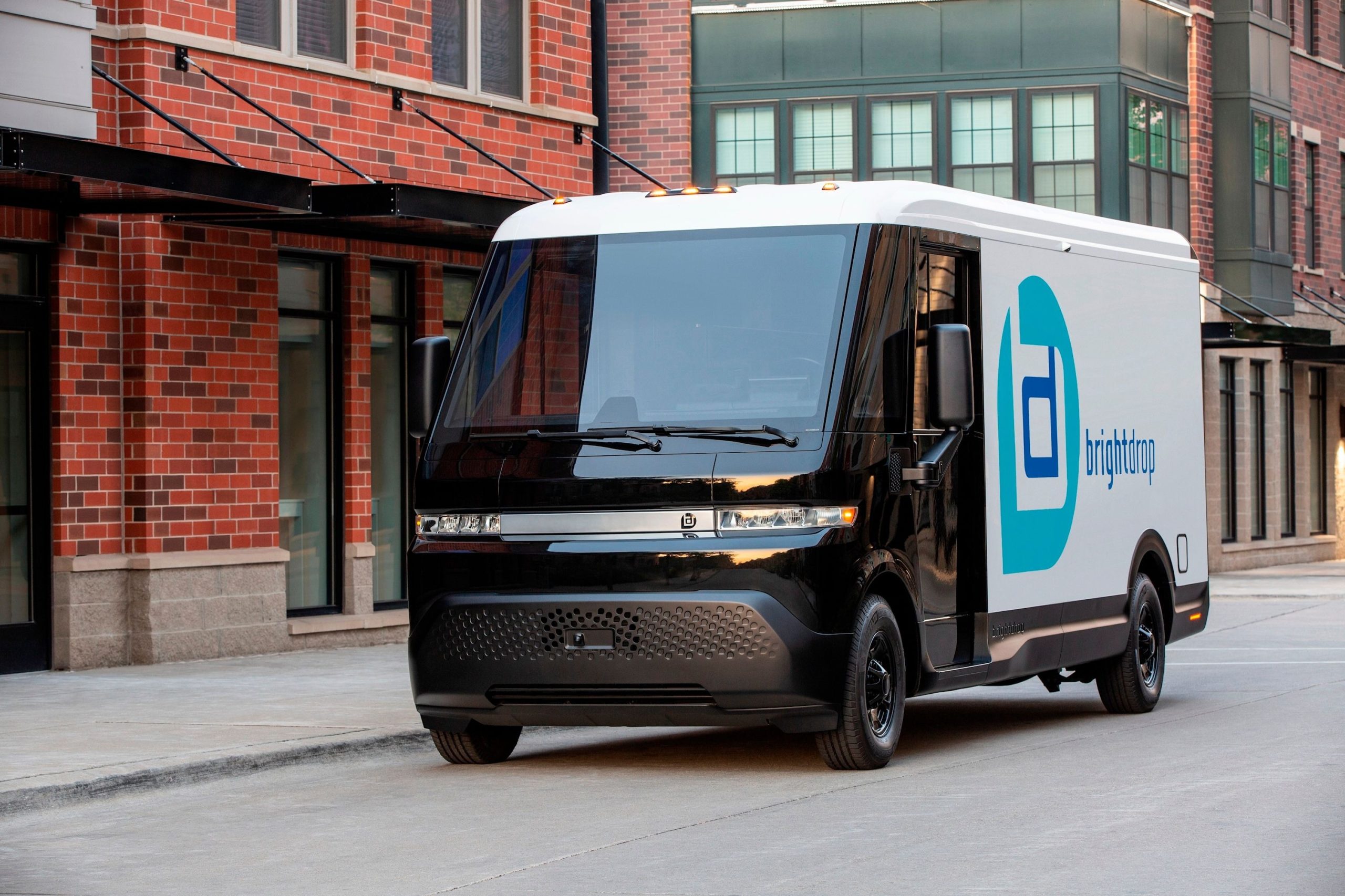
Electric commercial vans are becoming more common, and Chevrolet’s BrightDrop 600 is attracting attention because of its impressive cargo space.
Current versions provide more than 600 cubic feet of interior room, placing the van among the largest commercial options available in the American market. The BrightDrop 600 uses GM’s Ultium electric platform rather than a petrol-powered chassis adapted for electric use.
Its battery sits beneath the floor, helping to preserve valuable cargo space while keeping the vehicle’s centre of gravity low for better stability during driving.
Depending on the model and driving conditions, the van can travel up to about 270 miles on a full charge. This range can be suitable for many regional service routes, especially for mechanics who return to a workshop or charging point at the end of the day.
Its practical design is another advantage for professional users. A comfortable driving position, wide walkways, and easy-access doors can make loading tools, spare parts, and equipment easier during repeated service calls.
Safety equipment also includes features such as pedestrian detection and automatic emergency braking. GM moved the vehicle under the Chevrolet name from the 2025 model year, giving customers access to Chevrolet dealerships for sales and servicing.
The major concerns are its higher purchase price and limited availability compared with traditional petrol-powered vans. Charging requirements may also need careful planning for mechanics covering long distances.
Even with these limitations, the BrightDrop 600 remains an attractive option for fleet operators seeking lower-emission transport and plenty of cargo space.
