
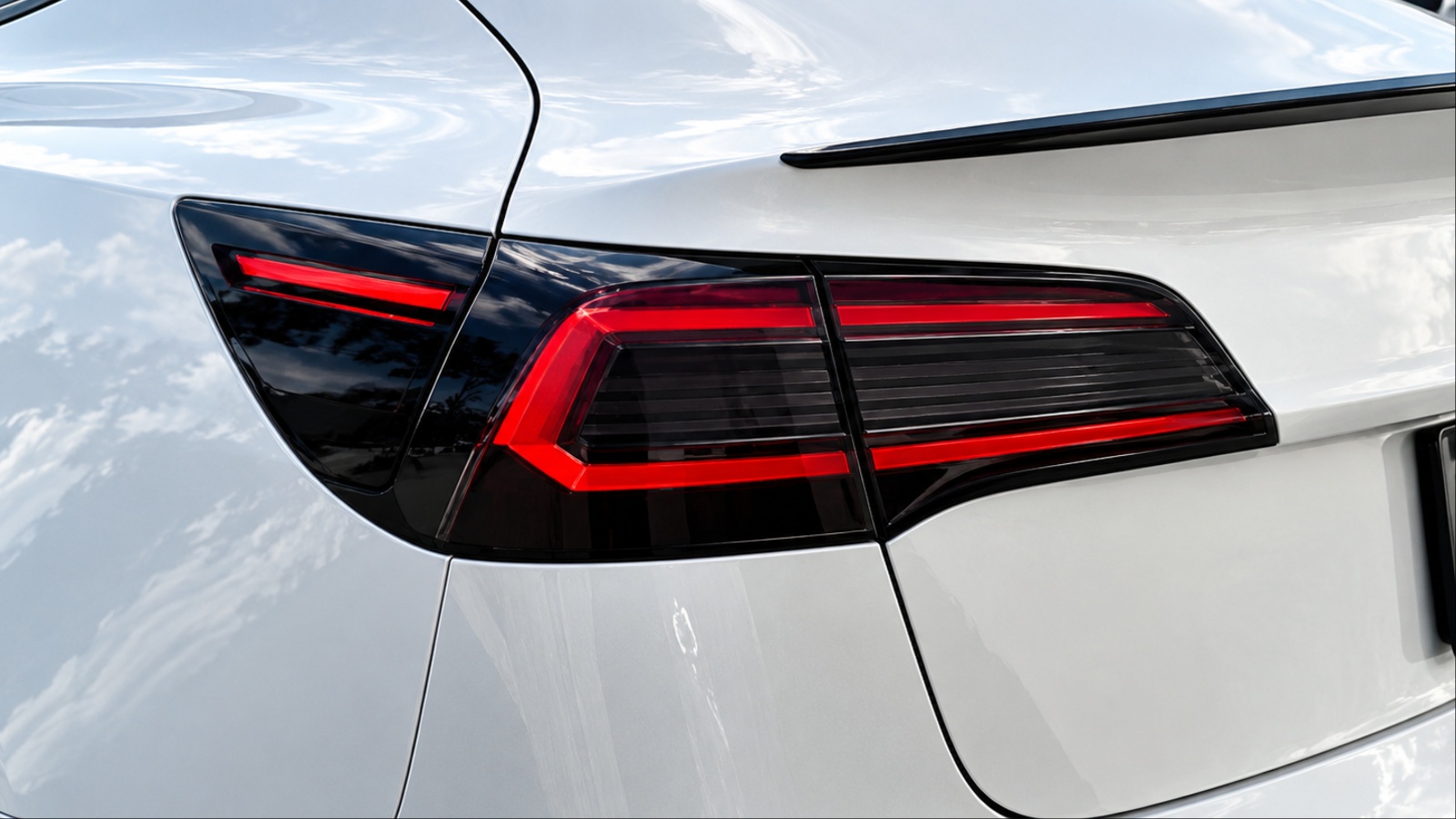
Tinted taillights have become a popular way for drivers to give their vehicles a sleeker, more custom look, but the practice sits in a legal gray zone in much of the country. Federal standard FMVSS 108 requires rear lamps to emit red light and remain visible from a set distance, and states are free to layer their own restrictions on top of that baseline.
The result is a patchwork of laws where the same smoked or colored film that draws a warning in one state can lead to a citation, a failed inspection, or even shared liability in a rear-end collision in another.
Below are ten states where lawmakers or regulators have taken a clear stance against darkening, coloring, or otherwise reducing the visibility of taillights.
Some ban the modification outright regardless of shade, while others enforce strict visible light transmission (VLT) and distance-visibility standards that most aftermarket tints simply cannot meet. As always, local ordinances and inspection rules can shift, so drivers should confirm current requirements with their state’s motor vehicle code before modifying their lights.
1. California
California enforces some of the strictest vehicle equipment codes in the country, and taillights are no exception. The state vehicle code requires all required lamps, including brake lights, turn signals, and taillights, to remain clearly visible and to emit their designated color without alteration.
Any aftermarket film, spray, or overlay that dims the red output or shifts its hue toward amber, purple, or black is considered a violation, regardless of how subtle the tint appears in daylight.

California Highway Patrol officers routinely cite this as an equipment violation during traffic stops, and it can also surface during the state’s periodic smog and safety checks in certain jurisdictions.
Because California’s aftermarket parts market is enormous, many sellers market taillight tint film as street legal, but that labeling does not exempt the product from state law. The safest route for California drivers who want a darker aesthetic is to purchase factory-tinted taillight assemblies engineered by the manufacturer to meet DOT brightness standards, since these are built to preserve the required light output despite their darker appearance.
Aftermarket smoked lenses installed independently of manufacturer certification are treated as non-compliant. Fines vary by county, but a taillight visibility violation typically comes bundled with a fix-it ticket, requiring the tint to be removed and the vehicle re-inspected before the citation is cleared, adding both cost and inconvenience for drivers who choose to ignore the rule.
2. Florida
Florida law is explicit about the color and clarity rear lamps must maintain, and this makes tinted taillights a straightforward violation in most circumstances. State statutes require taillights to project a red light visible from a minimum distance at night, and any modification that reduces this visibility, including tint films, smoke overlays, or spray coatings, runs afoul of the equipment code.
Florida is also a state with a significant law enforcement presence on interstates and tourist corridors, which means taillight tint is a common target during routine stops, particularly at night when reduced visibility is easiest to notice.

Because Florida does not require annual vehicle safety inspections, most enforcement happens reactively, when an officer notices dim or discolored lights during a traffic stop rather than through a scheduled check. This does not make the violation any less real; it simply means many Florida drivers with illegal tint go unticketed until an officer happens to notice.
Insurance implications add another layer of risk, since a driver found to have illegally tinted taillights involved in a rear-end collision may face an uphill battle proving the modification did not contribute to the crash. Given the state’s year-round nighttime driving conditions and heavy tourist traffic, Florida authorities treat rear lighting violations seriously, and the financial and safety stakes of dimmed brake lights are taken as more than a cosmetic issue.
3. Illinois
Illinois is frequently cited as one of the states with an explicit, unambiguous ban on taillight tinting, leaving little room for interpretation compared to states that rely on vague brightness thresholds.
The Illinois vehicle code specifies that taillights and reflectors must not be covered, coated, or treated with any material that changes their color or reduces their intended luminosity. This directly targets the aftermarket tint films and sprays that have become popular among car enthusiasts nationwide.
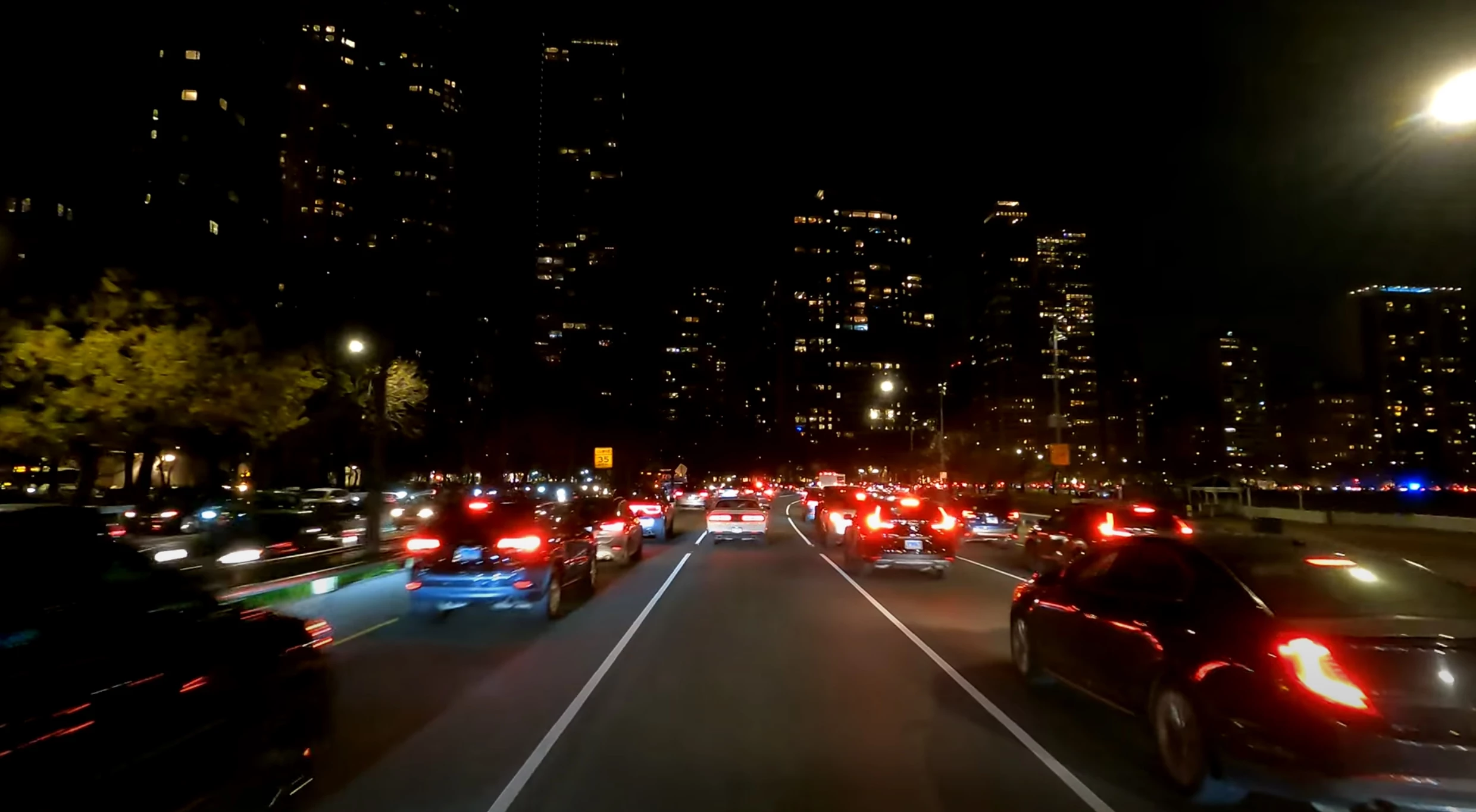
Illinois State Police and local departments enforce this provision as part of standard equipment checks during traffic stops, and it is commonly listed alongside window tint violations in citation data.
Because Illinois experiences harsh winters with long stretches of darkness and poor visibility from snow and rain, regulators have been particularly unwilling to loosen restrictions on rear lighting, since dimmed brake lights are considered a meaningful contributor to rear-end collisions in low-visibility conditions.
Drivers who receive a citation for tinted taillights in Illinois typically must correct the equipment and provide proof of compliance to avoid an escalated fine or points on their license.
Unlike some states that allow leeway based on VLT percentage, Illinois’ law does not carve out an exception for lightly tinted films, making the state one of the more restrictive environments in the country for this particular modification, regardless of how subtle the intended look might be.
4. Michigan
Michigan law requires all mandatory lighting equipment, including taillights, brake lights, and turn signals, to function as designed and to remain visible under the conditions specified in the state’s vehicle code.
Aftermarket tinting that dims or alters the color of these lamps is treated as a defective equipment violation, similar to driving with a broken headlight or malfunctioning signal. Michigan’s harsh winter climate, with long nights and frequent snow or fog, has shaped a regulatory culture that prioritizes rear visibility, and enforcement officers are trained to treat taillight tint as a legitimate safety hazard rather than a purely cosmetic issue.
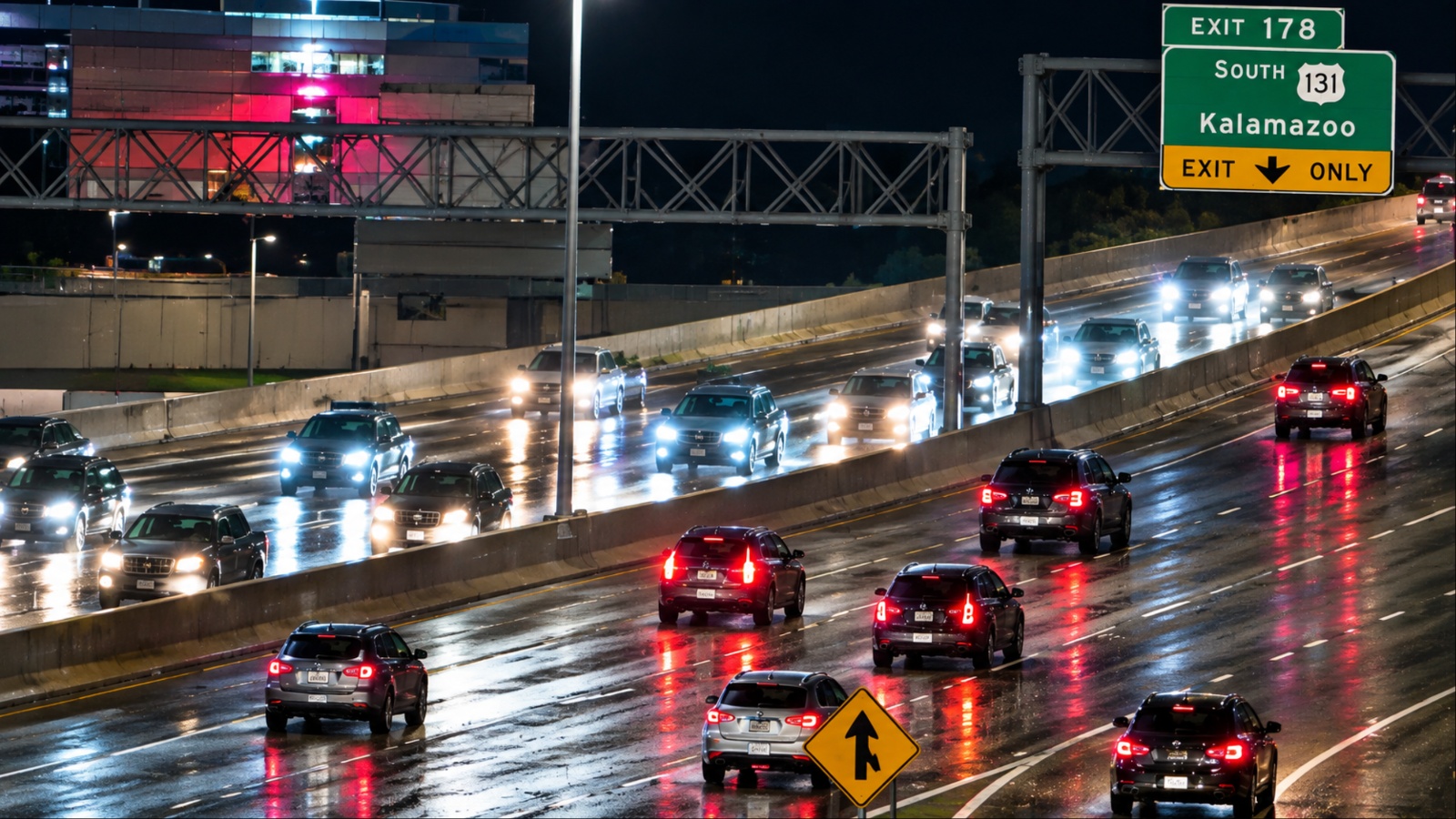
The state does not run a comprehensive periodic vehicle safety inspection for all passenger cars, so most citations arise from traffic stops rather than scheduled checks, but Michigan State Police have been known to conduct equipment-focused enforcement campaigns, particularly heading into winter months when visibility becomes more critical.
A conviction for illegal taillight tint in Michigan generally requires the driver to correct the violation and can result in a civil infraction fine. Because Michigan’s roads see significant deer-related collisions and multi-vehicle pileups in poor weather, insurers in the state have also grown more attentive to aftermarket lighting modifications when assessing fault after a crash, making tinted taillights a liability risk that extends well beyond the initial citation itself.
5. New York
New York’s vehicle and traffic law sets firm requirements for the color, brightness, and visibility of taillights, and the state is known for strict enforcement of equipment violations across its dense highway and urban road network.
Any taillight modification that reduces the required red light output or alters its visibility distance is considered non-compliant, and this includes most tint films, sprays, and smoked lens covers sold in the aftermarket market.
New York City and its surrounding metro area see particularly active enforcement, since taillight visibility is considered critical on congested roads where following distances are already short and reaction time is limited.
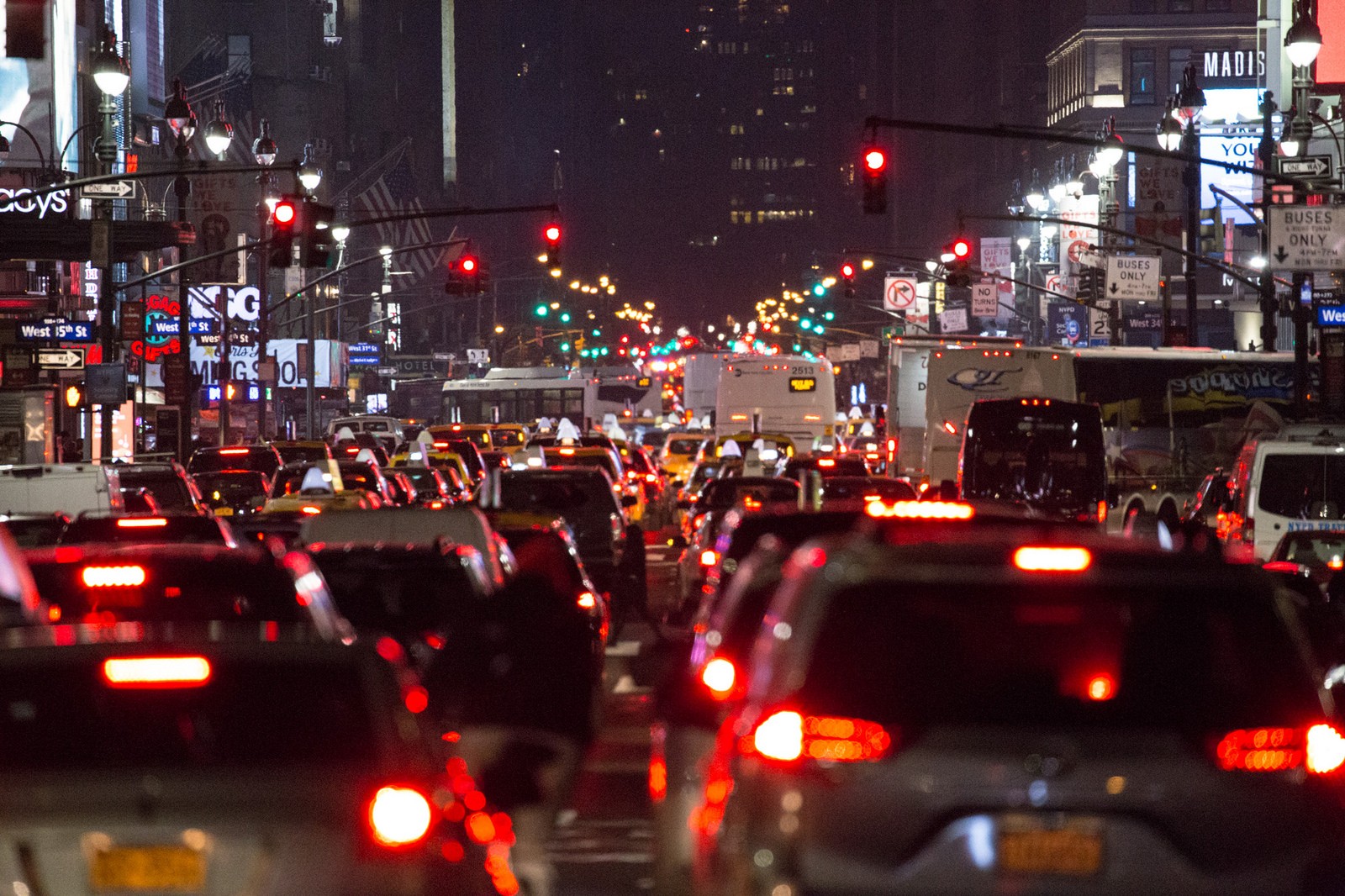
The New York State Department of Motor Vehicles also requires periodic vehicle inspections, which check lighting equipment as part of the process, meaning tinted taillights can cause a vehicle to fail inspection even if the driver is never stopped by police in between inspection cycles.
This creates a recurring compliance checkpoint that many other states lack, effectively forcing New York drivers to address illegal tint at least once a year regardless of enforcement luck on the road.
Fines for lighting violations in New York vary by municipality, and repeat violations can contribute to a broader pattern of citations that raises insurance premiums. Given the state’s inspection requirement, tinted taillights are a particularly poor long-term investment for New York vehicle owners.
6. Pennsylvania
Pennsylvania stands out because it combines an explicit statutory restriction on taillight modification with one of the more rigorous annual vehicle safety inspection programs in the country. State law requires taillights to emit red light of a specified intensity and to remain unobstructed by any added material, and this standard is directly checked as part of the yearly inspection every registered vehicle must pass.
This means tinted taillights in Pennsylvania are not just a risk during a chance traffic stop; they are a near-certain point of failure during the mandatory inspection cycle, since inspectors are trained to look specifically at lighting equipment compliance.
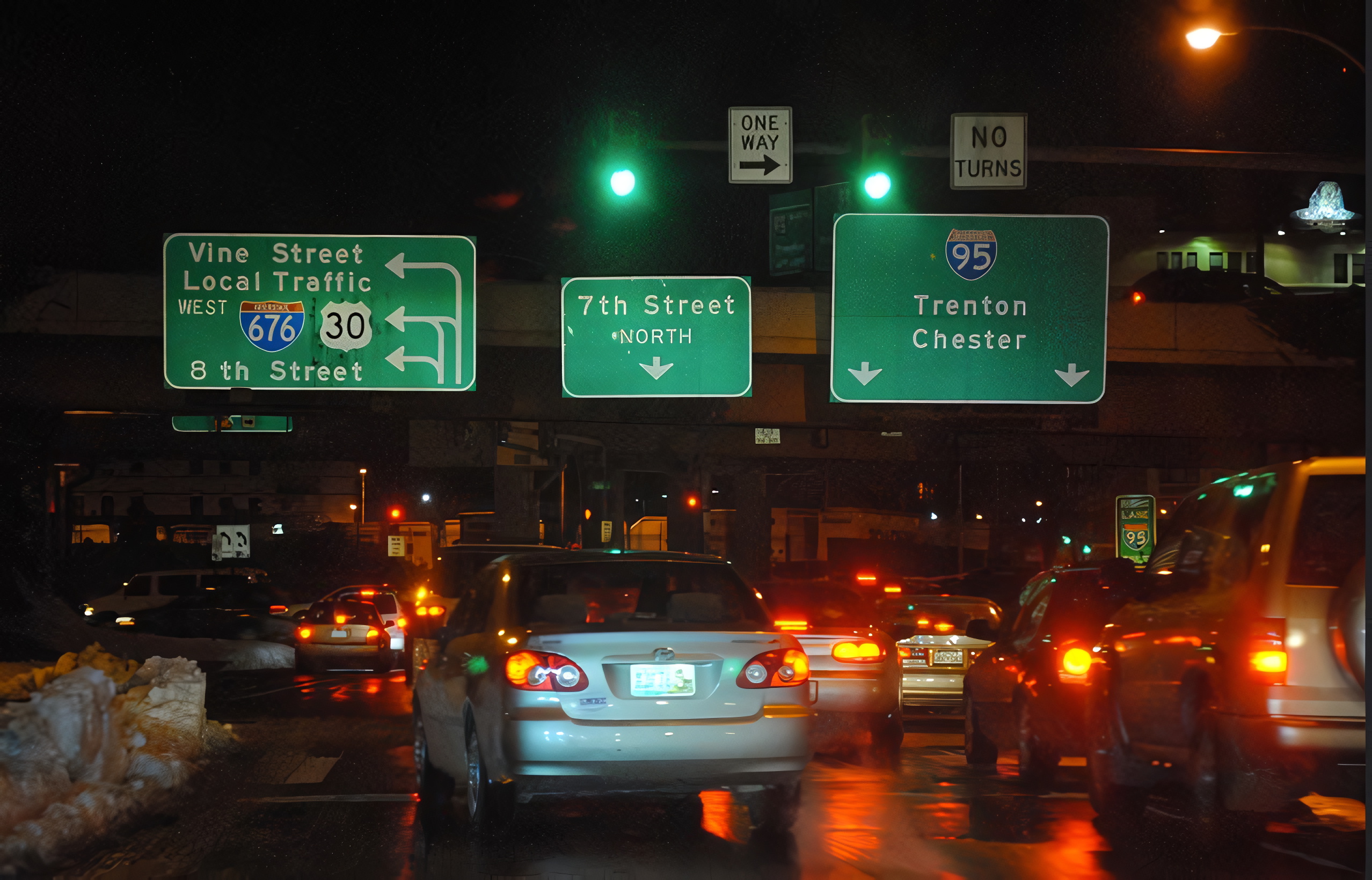
A failed inspection halts vehicle registration renewal until the issue is corrected, giving Pennsylvania one of the most consistent enforcement mechanisms nationwide for this violation. Beyond the inspection system, Pennsylvania State Police also treat non-compliant taillights as a valid basis for a traffic stop, which can lead to further scrutiny of the vehicle and driver.
The state’s mountainous terrain and long rural stretches, combined with significant snowfall in many regions, have reinforced a regulatory culture that treats rear visibility as a genuine safety matter rather than a minor cosmetic detail.
Pennsylvania drivers considering a darker look for their taillights are generally better served by manufacturer-approved tinted assemblies engineered to preserve compliant brightness, since aftermarket tint film is very unlikely to survive the state’s inspection process intact.
7. Texas
Texas transportation code requires taillights to be red and clearly visible from a specified distance at night, and aftermarket tinting that compromises this visibility is treated as an equipment violation statewide.
For years, Texas reinforced this rule through its annual vehicle safety inspection program, which specifically examined lighting equipment, but the state ended safety inspections for non-commercial passenger vehicles effective January 1, 2025, shifting enforcement almost entirely to roadside stops.

This change means Texas drivers with illegal tint are less likely to be caught through a scheduled check, but they remain fully exposed to citation risk any time an officer notices dim or discolored taillights during a traffic stop, especially at night on the state’s extensive highway network.
Texas law enforcement agencies, particularly in high-traffic metro areas like Houston, Dallas, and San Antonio, continue to treat non-compliant lighting as a valid basis for a stop, and it is frequently cited alongside illegal window tint violations.
Given the size of the state and the volume of long-distance highway driving Texans do at night, dim or altered taillights are considered a meaningful safety hazard by regulators, even without a formal inspection backstop.
Drivers cited for the violation typically must correct the equipment to avoid an escalated fine, and repeat or combined equipment violations can result in a more serious citation on a driver’s record.
8. Vermont
Vermont is consistently named among the states with the clearest statutory language prohibiting taillight tinting, leaving little ambiguity for drivers or law enforcement compared to states relying on vague visibility standards. State code specifies that taillights and rear reflectors must remain free of any coating, film, or paint that changes their color or diminishes their brightness below the legally required level.
Vermont’s rural geography, long dark winters, and heavy reliance on two-lane roads without street lighting have shaped a regulatory approach that treats rear visibility as directly tied to highway safety, since dim brake lights are especially dangerous on unlit rural routes with limited passing opportunities.
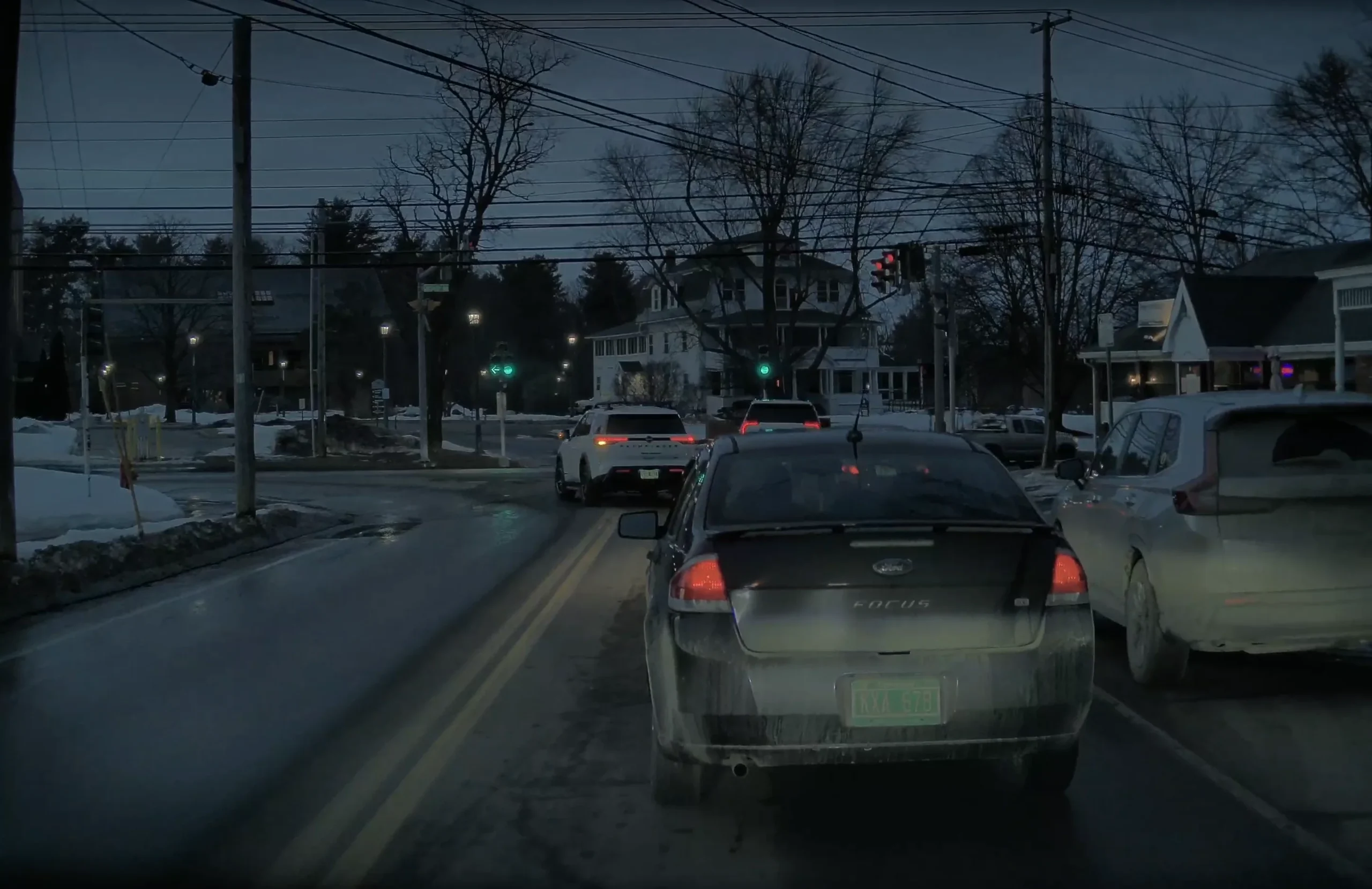
The state requires periodic vehicle inspections that include a check of lighting equipment, giving Vermont a built-in enforcement mechanism similar to nearby Pennsylvania and New York, meaning tinted taillights are likely to surface as a failure point during the annual inspection even for drivers who avoid roadside stops.
Vermont’s relatively small population and tight-knit inspection network also mean local mechanics and inspection stations are generally well aware of the rule, reducing the likelihood that a driver could unknowingly pass inspection with illegal tint in place.
Given the combination of explicit statutory language and a mandatory inspection requirement, Vermont offers one of the more predictable enforcement environments for this violation, with little room for the tint level to slide under the radar.
9. North Carolina
North Carolina’s motor vehicle statutes explicitly restrict modifications to required lighting equipment, and taillight tinting is specifically identified among the practices prohibited under the state’s equipment code.
The law requires rear lamps to project red light at a specified intensity and to remain unobstructed by any added film, spray, or overlay, a standard most aftermarket tint products cannot meet regardless of how light the shade appears.
North Carolina also operates a periodic vehicle safety inspection program that checks lighting equipment as part of the process, giving the state a recurring enforcement checkpoint beyond ordinary traffic stops.
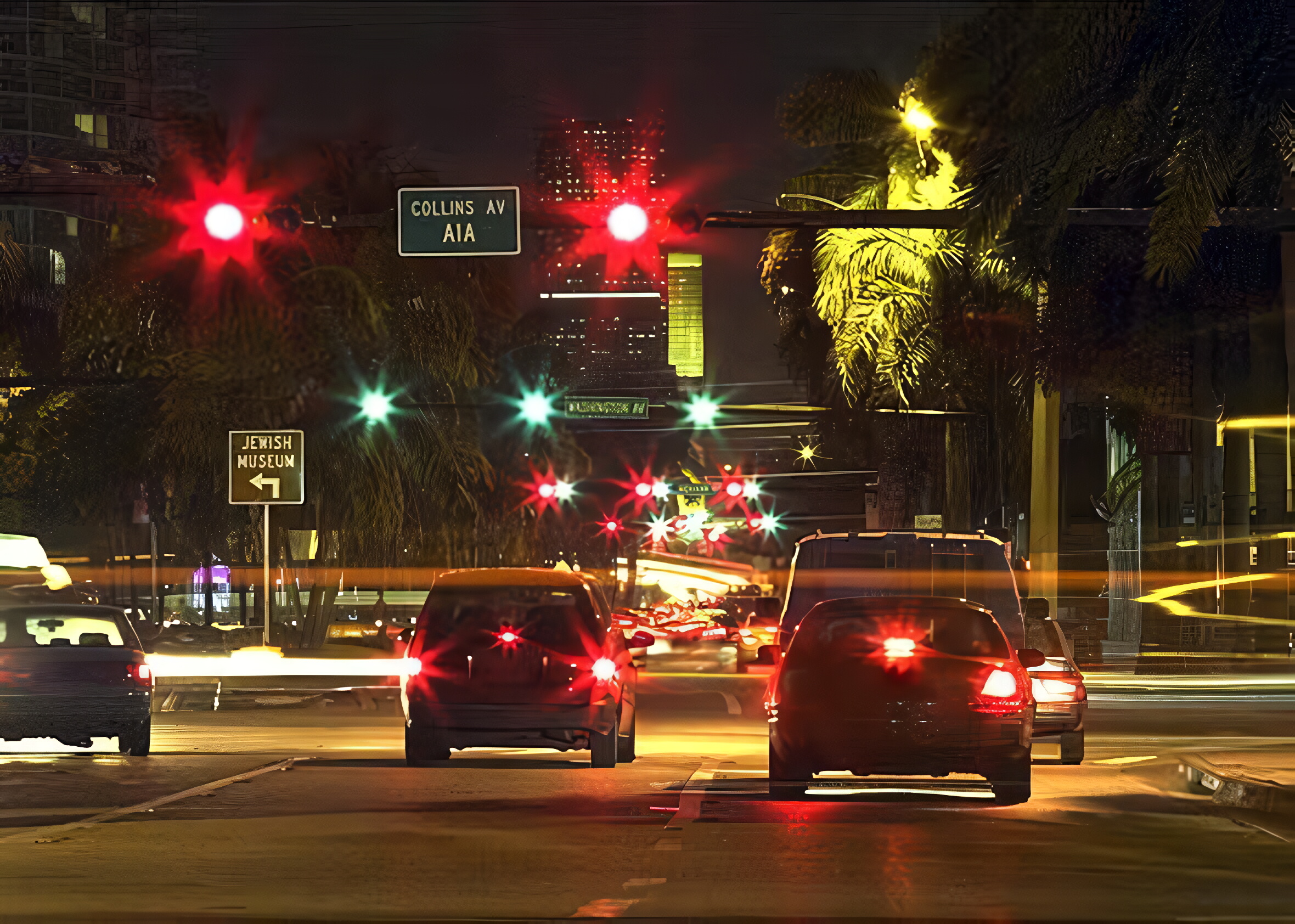
This inspection requirement means a driver who successfully avoids being pulled over for tinted taillights will still likely face the issue when the vehicle comes up for its scheduled inspection, since technicians are trained to flag non-compliant rear lighting.
North Carolina’s mix of rural mountain highways, coastal routes, and dense urban corridors around cities like Charlotte and Raleigh has reinforced a consistent enforcement posture, since visibility conditions vary widely across the state and regulators have been unwilling to carve out regional exceptions.
A failed inspection prevents registration renewal until the equipment is corrected, adding a tangible cost beyond any roadside citation. Drivers in North Carolina looking for a darker taillight aesthetic are better served by manufacturer-tinted assemblies that are certified to preserve compliant brightness rather than independently applied tint film.
10. Tennessee
Tennessee law requires taillights to remain red, unobstructed, and visible from a legally defined distance, and the state explicitly restricts aftermarket modifications that interfere with these requirements.
This places tinted taillights squarely in violation territory, since most tint films and sprays reduce the measurable light output below what state code demands, even when the modification looks subtle to the naked eye during the day.
Tennessee’s enforcement relies primarily on roadside stops rather than a universal periodic inspection program, meaning most citations arise when an officer notices dim or discolored rear lighting during routine patrol, particularly along the state’s major interstate corridors and around cities like Nashville, Memphis, and Knoxville.
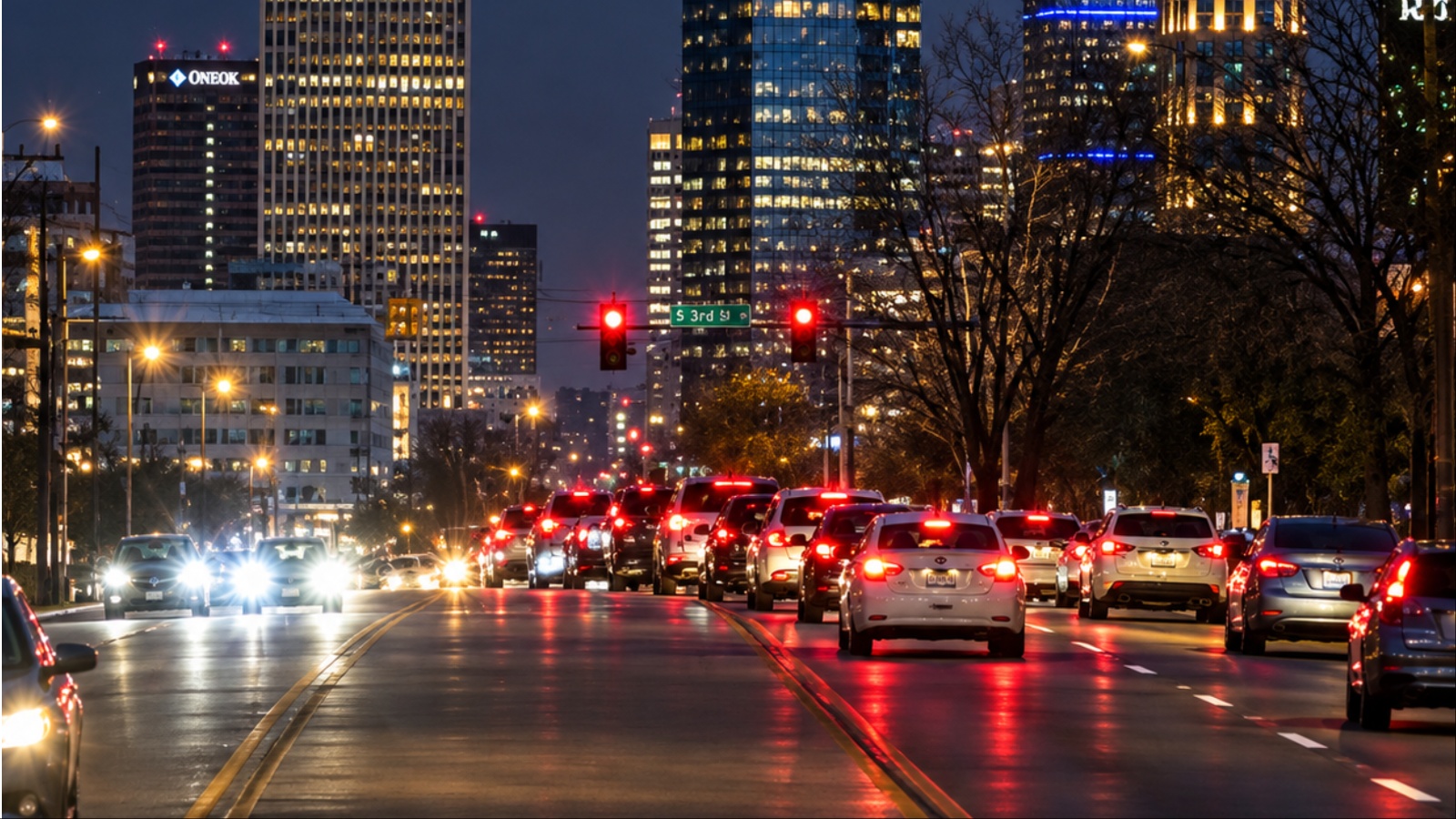
Tennessee Highway Patrol has cited tinted taillights as part of broader equipment-violation enforcement efforts, often alongside checks for illegal window tint and aftermarket lighting kits, since these modifications tend to appear together on customized vehicles.
The state’s varied terrain, from mountainous eastern regions to flatter western stretches, means visibility conditions differ considerably across Tennessee, and regulators have maintained a uniform statewide standard rather than allowing regional exceptions.
A citation for illegal taillight tint in Tennessee typically requires the driver to remove the modification and can result in a fine that increases with repeat violations. As with other states on this list, opting for factory-certified tinted taillight assemblies remains the safest way to achieve a darker look without running afoul of the law.
