
Not every SUV on the market is built to survive the punishing grind of taxi work. Between constant stop-and-go traffic, high mileage, and passengers who don’t always treat a vehicle gently, some models simply fall apart faster than others. Taxi operators know that a cheap purchase price means nothing if the repair bills pile up within the first year.
Certain SUVs have earned a bad reputation among fleet owners because of weak engines, spotty transmissions, and low resale value. Before you sign a purchase agreement for your next fleet vehicle, take a look at these ten SUVs that experienced operators tend to steer clear of, and the reasons behind their poor reputation in commercial service.
1. Dodge Hornet
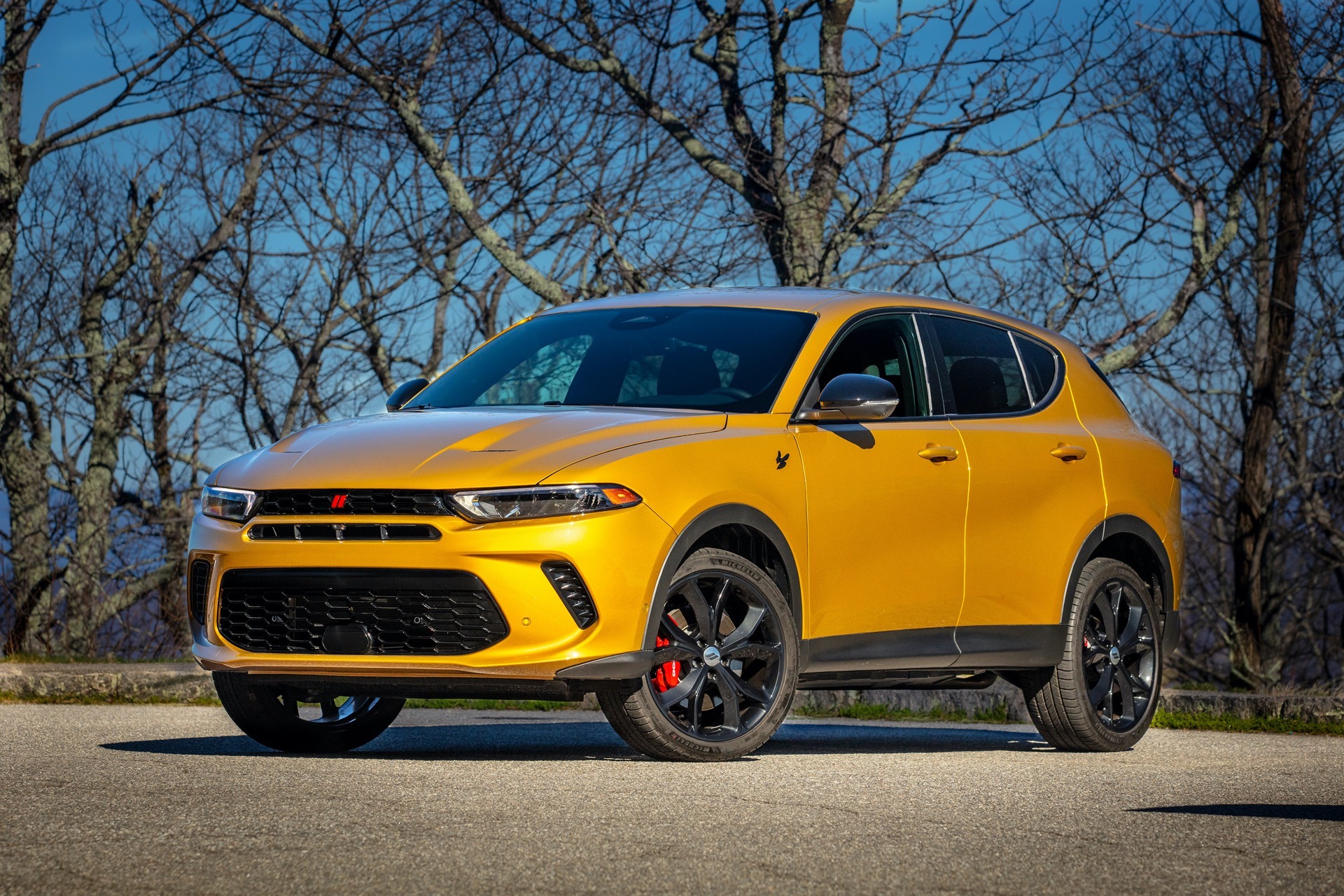
Small doesn’t always mean smart, and the Hornet proves that point rather clearly. Its price tag feels steep for what buyers actually get, especially once you start comparing it against rivals with better track records.
Because Stellantis borrows heavily from Alfa Romeo and Fiat platforms for this model, taxi operators inherit all the quirks and repair headaches those brands are known for, without the badge prestige that might make the trade-off worthwhile.
Parts sourcing can also become a headache when a vehicle relies on components from several European suppliers. Finding a mechanic familiar with its electrical systems can be difficult, while tracking down replacement parts may take time and effort.
That translates directly into downtime, and downtime is the enemy of any taxi business trying to keep cars on the road and meters running. Depreciation adds another layer of frustration.
Fleet owners who plan to sell vehicles after a few years of hard use often find that Hornets lose value faster than competitors in the same class. Buyers in the used market have caught wind of the reliability concerns, which pushes resale prices lower than operators would like.
Build quality issues have surfaced in owner reports as well, with rattles, trim fitment problems, and interior wear appearing sooner than expected given the vehicle’s price point.
For a taxi service depending on consistent uptime and predictable costs, the Hornet introduces too many variables. Operators looking for dependable, budget-friendly options would do well to look elsewhere before committing fleet dollars to this particular crossover.
2. Jeep Compass
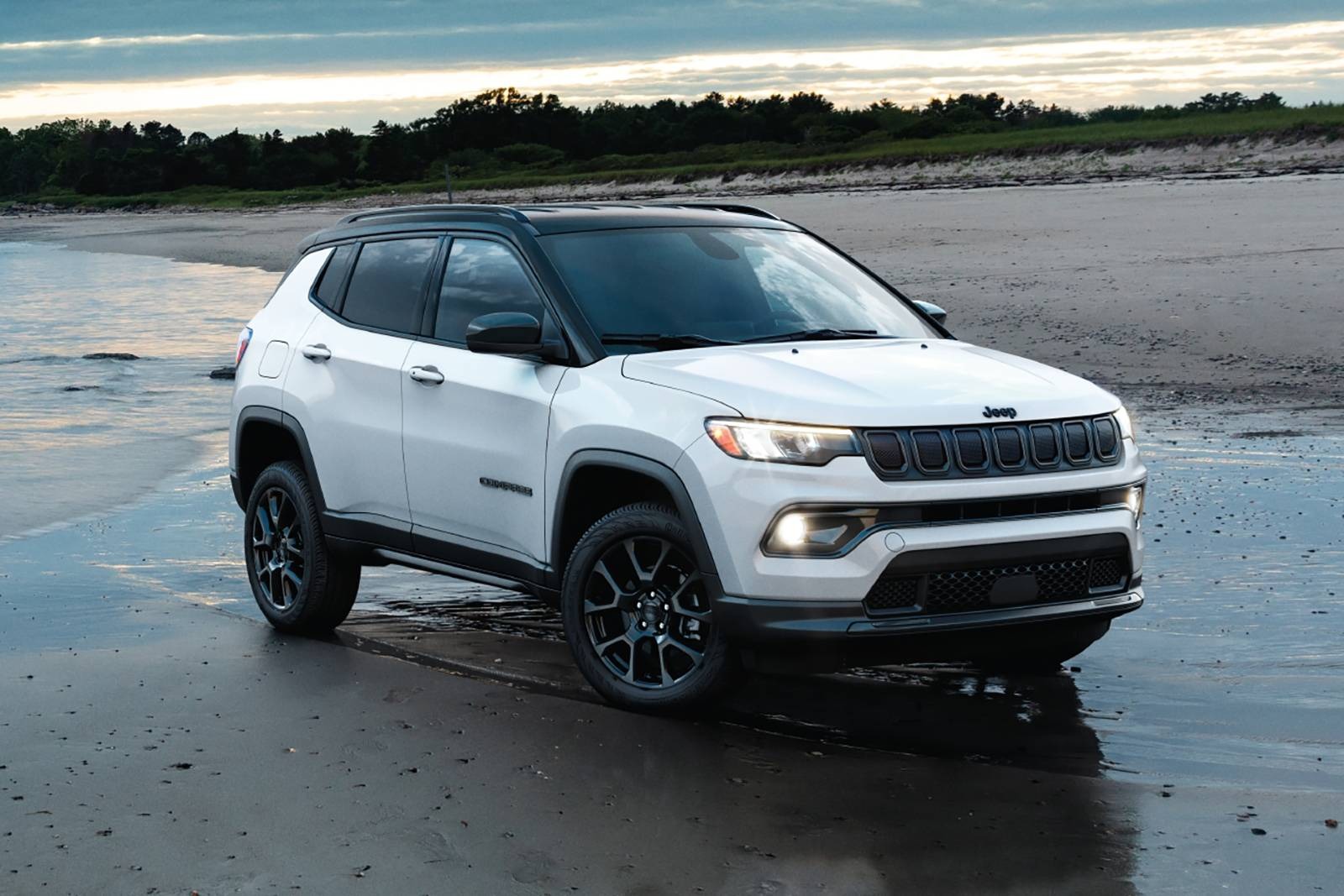
Picture spending eight or nine hours a day behind the wheel of a vehicle that feels underpowered every time you merge onto a highway.
That’s the daily reality many Compass owners describe, and for taxi drivers logging serious mileage, sluggish acceleration becomes more than an inconvenience. It turns routine trips into stressful ones, particularly in cities where traffic demands quick, confident responses.
Interior materials tell a similar story of disappointment. Plastics feel cheap to the touch, switchgear doesn’t hold up well against constant use, and passengers riding in the back seat regularly notice the difference compared to competitors offering more refined cabins for similar money.
Given that taxi vehicles see far more daily wear than a typical personal car, these shortcuts in material quality show their age quickly. Owner surveys and mechanic reports consistently flag mechanical problems ranging from electrical glitches to drivetrain hiccups, the kind of recurring issues that chip away at a fleet’s profitability one repair invoice at a time.
Small SUVs are supposed to offer an easy, low-hassle ownership experience, yet the Compass frequently falls short of that promise. Resale value suffers as a direct consequence of this reputation.
Buyers researching used SUVs tend to avoid models with a history of mechanical trouble, which leaves taxi operators holding a depreciating asset that’s harder to offload than expected.
For a business built on tight margins, that combination of poor performance and weak resale makes the Compass one of the least appealing choices for commercial service.
3. Jeep Grand Cherokee (4xe Plug-in Hybrid)
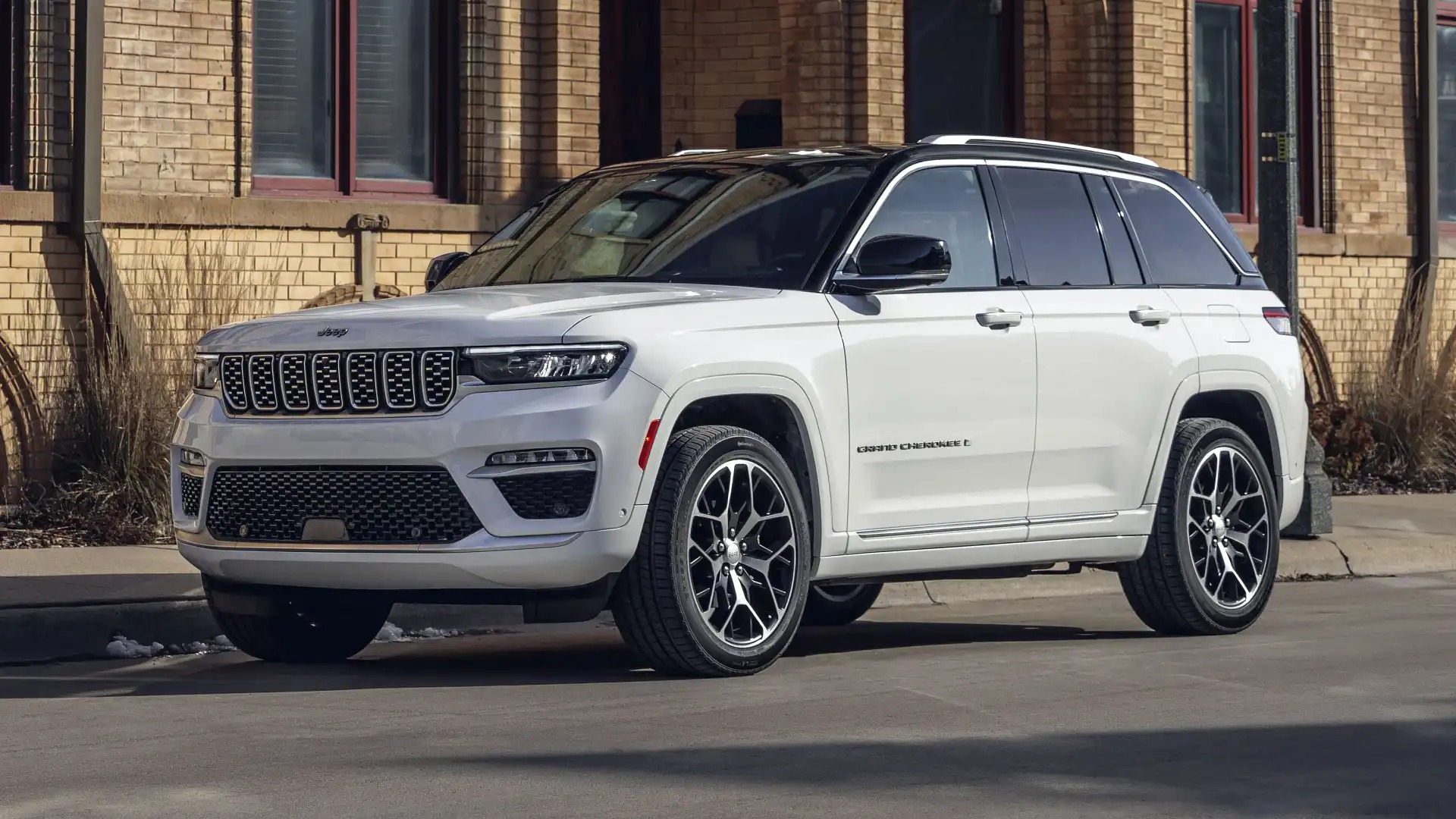
The Jeep Grand Cherokee 4xe offers a combination of a gasoline engine, electric motors, and a rechargeable battery. That setup can provide smooth acceleration and quieter driving when the battery has enough charge.
It also gives the SUV a premium feel that some passengers may appreciate. The challenge for taxi operators is that a sophisticated powertrain can require more specialized maintenance than a conventional gasoline vehicle.
A plug-in hybrid has additional systems that must work together, including battery management, charging equipment, electric motors, and gasoline-engine components.
When a fault occurs, diagnosis may require technicians with the right training and equipment. Repair bills can be expensive, especially after the vehicle’s warranty expires.
The Grand Cherokee is also larger and heavier than the compact SUVs on this list. That can make parking, maneuvering through narrow spaces, and maintaining low fuel consumption more difficult. Its size is useful for passengers who need more room, but it may not be necessary for many taxi routes.
Fuel savings depend on regular charging and the length of each trip. If an operator cannot charge the vehicle conveniently, the hybrid system may not deliver its best economic benefit.
The 4xe may appeal to a private owner who values comfort, power, and electric driving. For commercial use, a taxi operator should check battery warranty terms, charging access, repair support, and expected operating costs. A conventional powertrain with a strong service record may be a more practical choice.
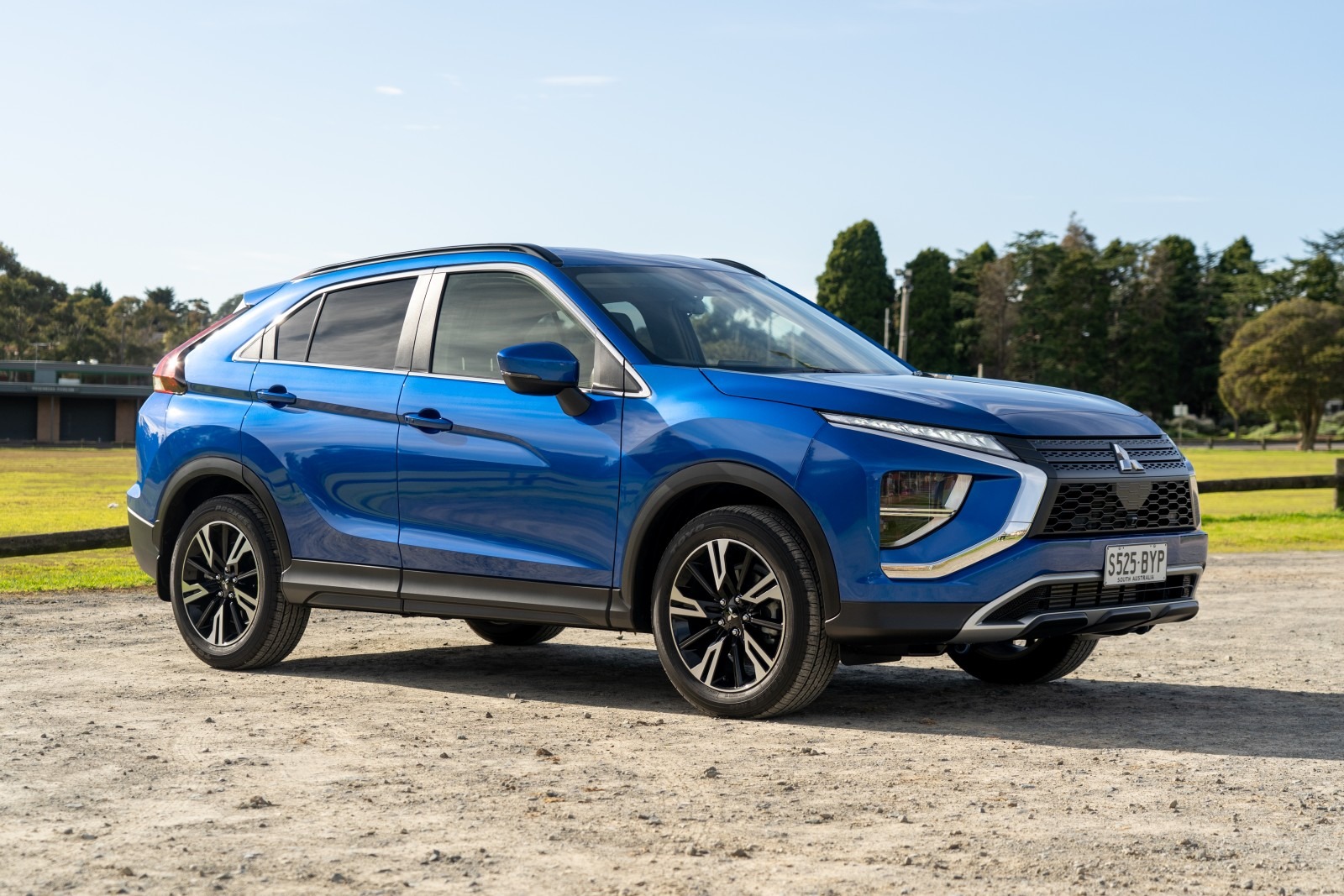
4. Mitsubishi Eclipse Cross
The Mitsubishi Eclipse Cross has a distinctive appearance and a raised driving position, but its appeal for taxi work depends heavily on the specific model and market.
Its turbocharged engine can feel adequate for daily driving, although acceleration may be less impressive when the vehicle is carrying passengers and luggage.
A taxi operator should pay close attention to fuel consumption. A vehicle that spends much of its day in traffic can use more fuel than its published figures suggest. The Eclipse Cross is not necessarily a poor performer in every situation, but its fuel economy may not match the most efficient compact SUVs.
The model’s rear seating and cargo area are useful, although the sloping rear design can limit luggage space compared with a boxier vehicle. That may become inconvenient when passengers travel with larger bags.
Service support also deserves attention. Mitsubishi’s dealer and independent repair coverage varies by location, and operators should confirm that parts and qualified technicians are readily available. A routine repair should not become a long wait simply because a particular component is difficult to source.
Safety ratings can differ by model year, trim, and testing organization. The operator should review the exact vehicle’s crash-test results rather than relying on a general statement about the nameplate.
The Eclipse Cross may be suitable for some private buyers. For taxi work, it makes sense to compare it with alternatives that offer better fuel economy, stronger service support, and more practical cargo space.
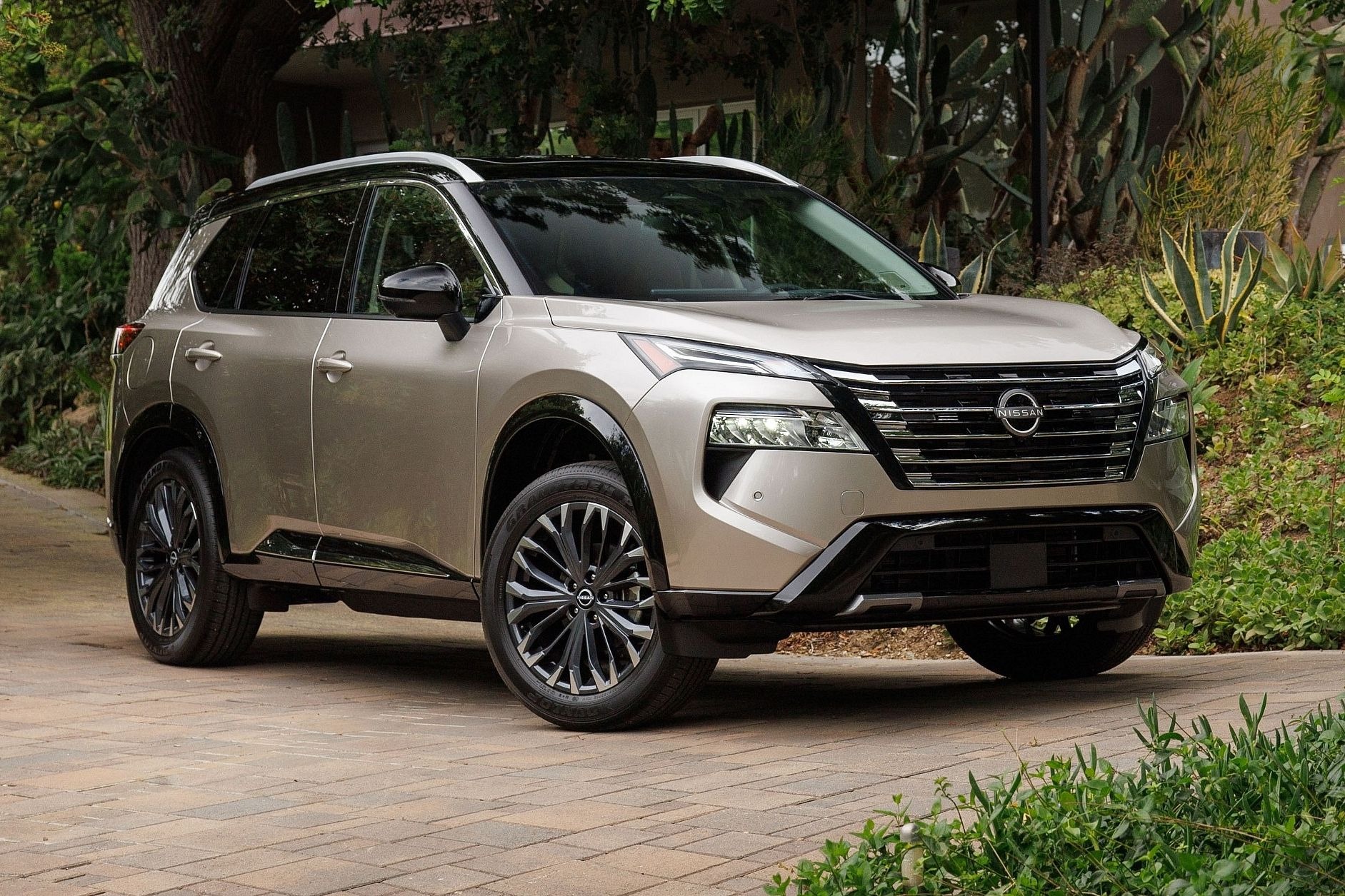
5. Nissan Rogue
The Nissan Rogue is comfortable, roomy, and pleasant to drive, so it may seem like an obvious choice for taxi service. Its cabin gives passengers a useful amount of space, and the driving position works well for long trips.
The concern is not that every Rogue is unreliable, but that certain model years and powertrain combinations have raised questions about long-term durability. The continuously variable transmission, or CVT, deserves special attention.
CVTs can provide smooth acceleration and good fuel economy, but repair costs may be high if the transmission develops a serious fault. Heavy daily use makes transmission maintenance especially important.
Some recent Rogue versions also use a three-cylinder turbocharged engine. Its performance is adequate for many drivers, but a taxi operator should review the reliability record and any applicable recalls for the exact engine and model year.
A thorough inspection should include transmission operation, engine performance, cooling systems, and electronic equipment. Service records are valuable because regular maintenance can help prevent avoidable problems.
The Rogue’s comfortable seats and useful passenger room remain attractive features. It may still work well for an operator who finds a well-maintained example with a strong warranty and good service support.
However, buying without checking the vehicle’s history could create unnecessary risk. A taxi operator should compare the Rogue with SUVs that have a longer record of dependable commercial service before making a final decision.
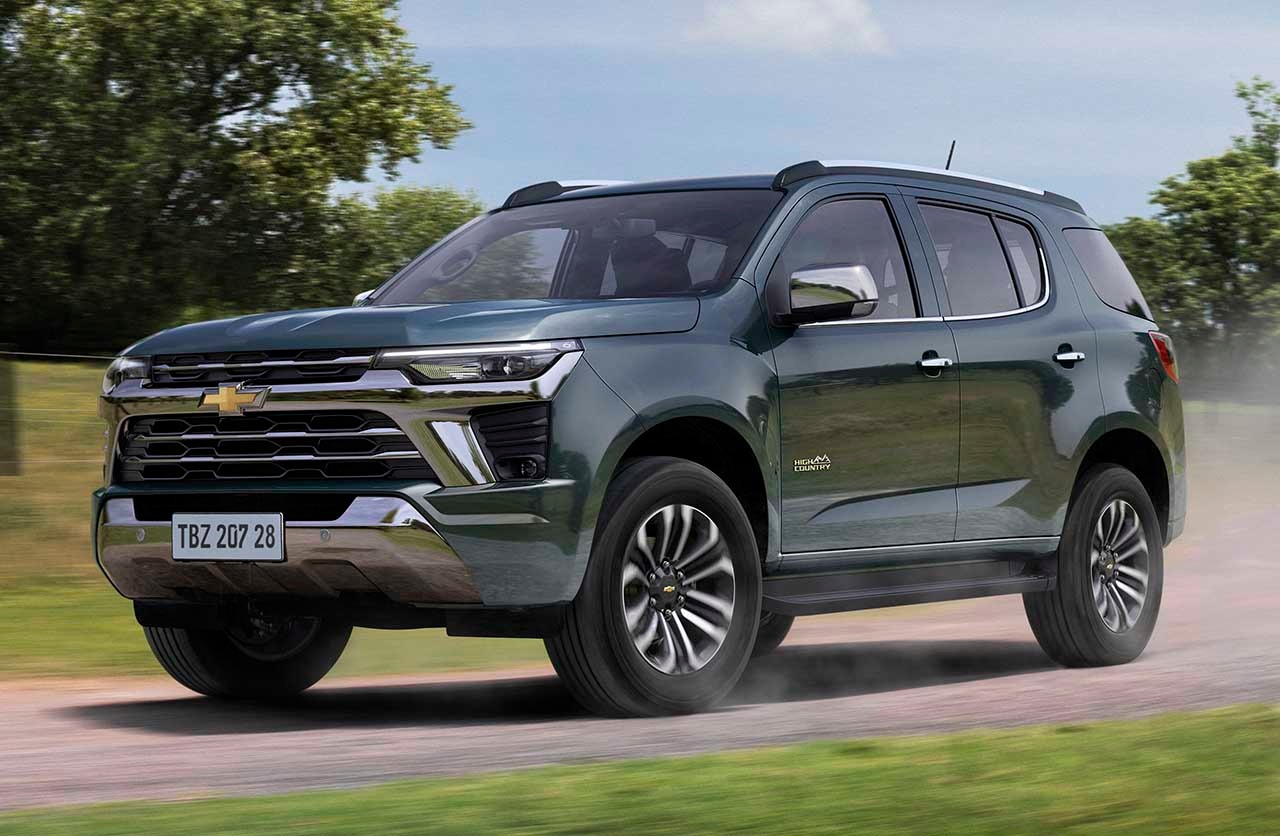
6. Chevrolet Trailblazer
Longevity concerns follow this crossover wherever it goes, and for good reason. General Motors equipped the Trailblazer with a small turbocharged engine that prioritizes fuel efficiency on paper but raises questions about durability once real-world mileage starts piling up.
Turbocharged engines generally run hotter and under more stress than naturally aspirated alternatives, and when paired with a smaller displacement block, that stress compounds faster.
Owners have reported concerns ranging from unusual engine noises to premature component wear, the kind of red flags that make experienced fleet managers nervous.
Taxi vehicles routinely rack up tens of thousands of miles annually, so any engine with questionable long-term durability becomes a liability rather than an asset almost immediately.
Resale value has struggled to keep pace with competitors as well. Once word spreads within the used car market about reliability concerns, buyers naturally hesitate, and hesitation translates directly into lower offers when it comes time to sell off aging fleet vehicles.
Operators counting on decent trade-in value to fund their next purchase often find themselves disappointed. Ownership costs extend beyond just fuel and repairs too, touching areas like insurance rates and parts availability that add up over a vehicle’s working life.
For a business built around tight profit margins, every unexpected expense chips away at the bottom line. Given these combined factors, the Trailblazer simply doesn’t offer the dependable, cost-effective foundation that commercial taxi work demands from its vehicles.
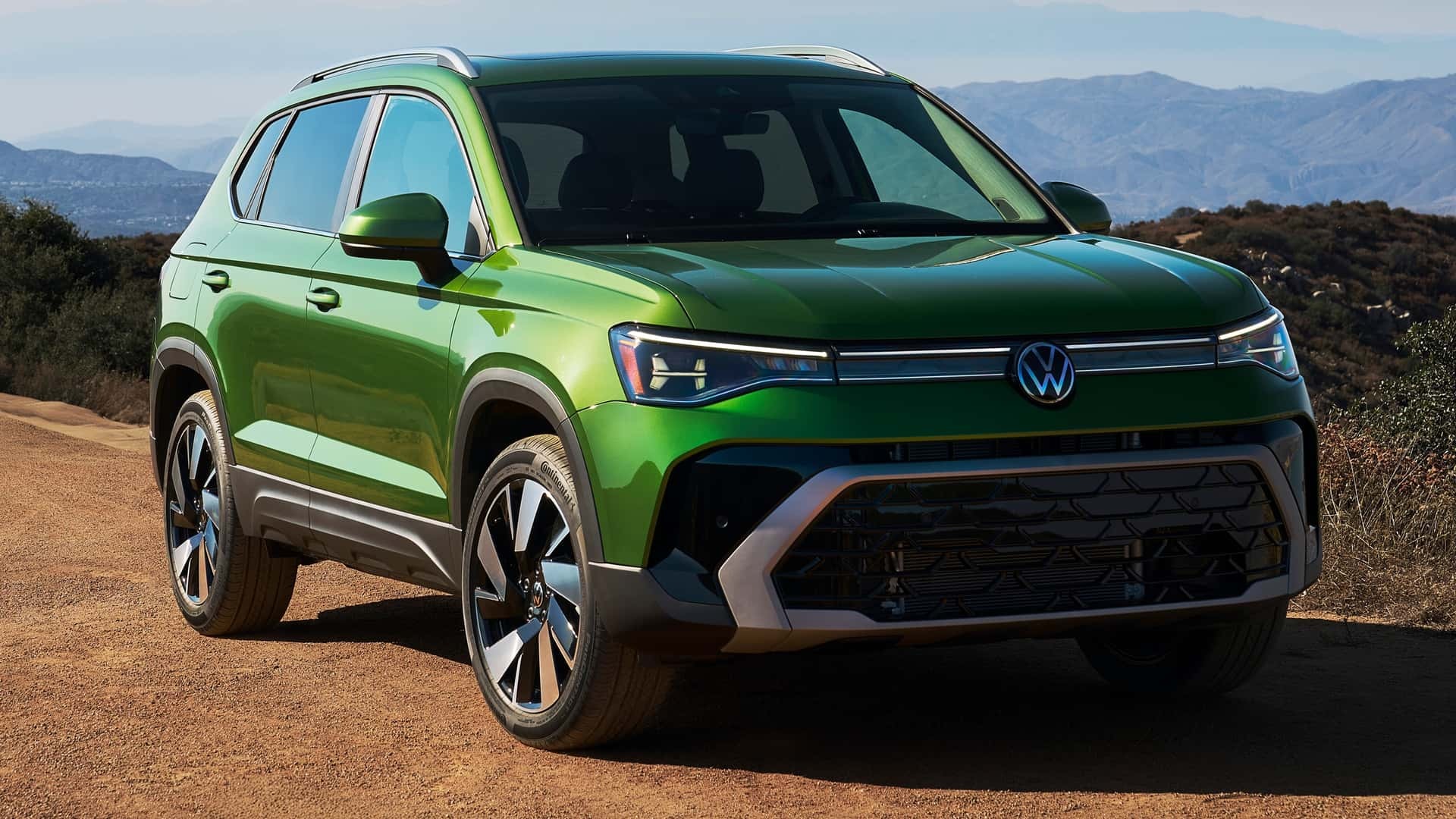
7. Volkswagen Taos
The Volkswagen Taos has a compact footprint, a modern interior, and a useful driving position. It is easy to maneuver in many situations, but taxi operators should consider its ownership record and engine performance before choosing it for daily passenger service.
The Taos uses a small turbocharged engine, and some versions have received criticism for slow acceleration or inconsistent performance. Those concerns matter when the vehicle is carrying passengers and needs to merge into traffic smoothly.
Electrical issues have also been reported for certain model years. A taxi operator should check the service history for warning lights, software problems, battery issues, and other electronic faults.
A vehicle with repeated electrical repairs may become costly to operate, even if the engine remains healthy. Passenger space is useful for a compact SUV, and the cabin can feel comfortable for routine trips.
The cargo area is also adequate for everyday luggage. However, the vehicle’s size may not suit operators who regularly carry several passengers with large bags.
Before purchasing a Taos, check the exact engine and transmission, recall records, warranty coverage, and availability of qualified technicians. A pre-purchase inspection can help identify problems that may not be obvious during a short test drive.
The Taos is not a car that every owner should automatically reject. A well-maintained example may serve a private driver well. For commercial use, though, operators should compare its repair history and long-term costs with other small SUVs before committing.
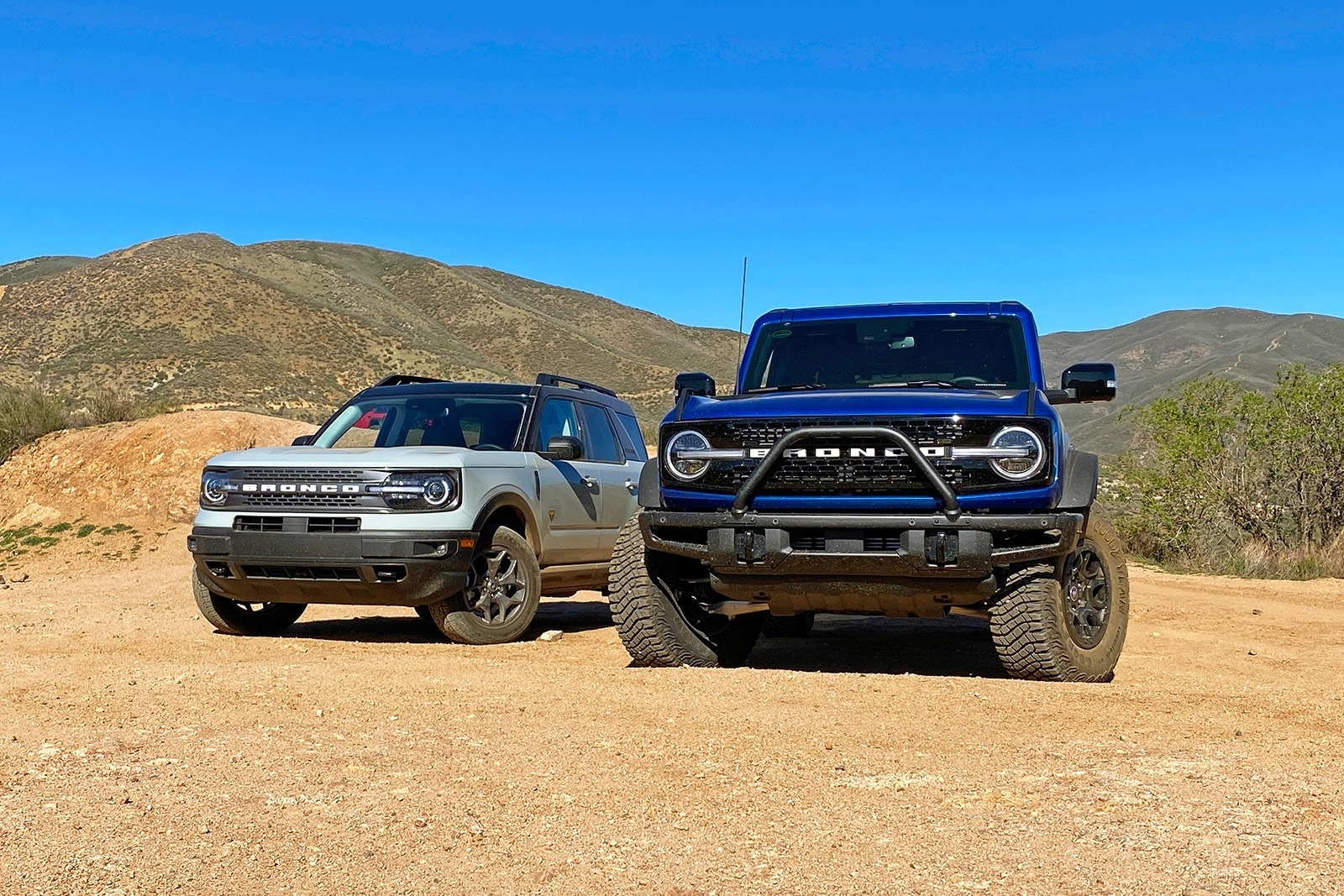
8. Ford Bronco Sport / Ford Escape (EcoBoost)
The Ford Bronco Sport and Ford Escape are two different SUVs, but some versions share turbocharged engine families. That connection makes it useful to examine the engine and transmission carefully before buying either model for taxi work.
The Bronco Sport has a more rugged appearance and useful ground clearance, while the Escape focuses on everyday comfort and practicality. Both can serve private owners well, yet commercial operators need to consider fuel economy, repair costs, and how the vehicle behaves under repeated daily use.
Some EcoBoost engines have received reports of mechanical problems, including issues involving cooling systems, oil consumption, and other engine components.
These concerns do not apply equally to every model year or engine. The exact vehicle’s maintenance record and recall history should guide the purchase decision.
The Escape may offer a more comfortable ride for passengers, while the Bronco Sport can appeal to buyers who want a more upright driving position. Both have useful cargo areas, but the Escape generally offers a more conventional family-SUV layout.
A taxi operator should inspect the engine, transmission, cooling system, brakes, and suspension. It is also wise to check whether the vehicle has received all required software updates and recall repairs.
Either model could work for an operator who finds a reliable, well-maintained example. Still, a buyer should not assume that every EcoBoost version has the same durability record. Comparing specific engines and model years is essential.
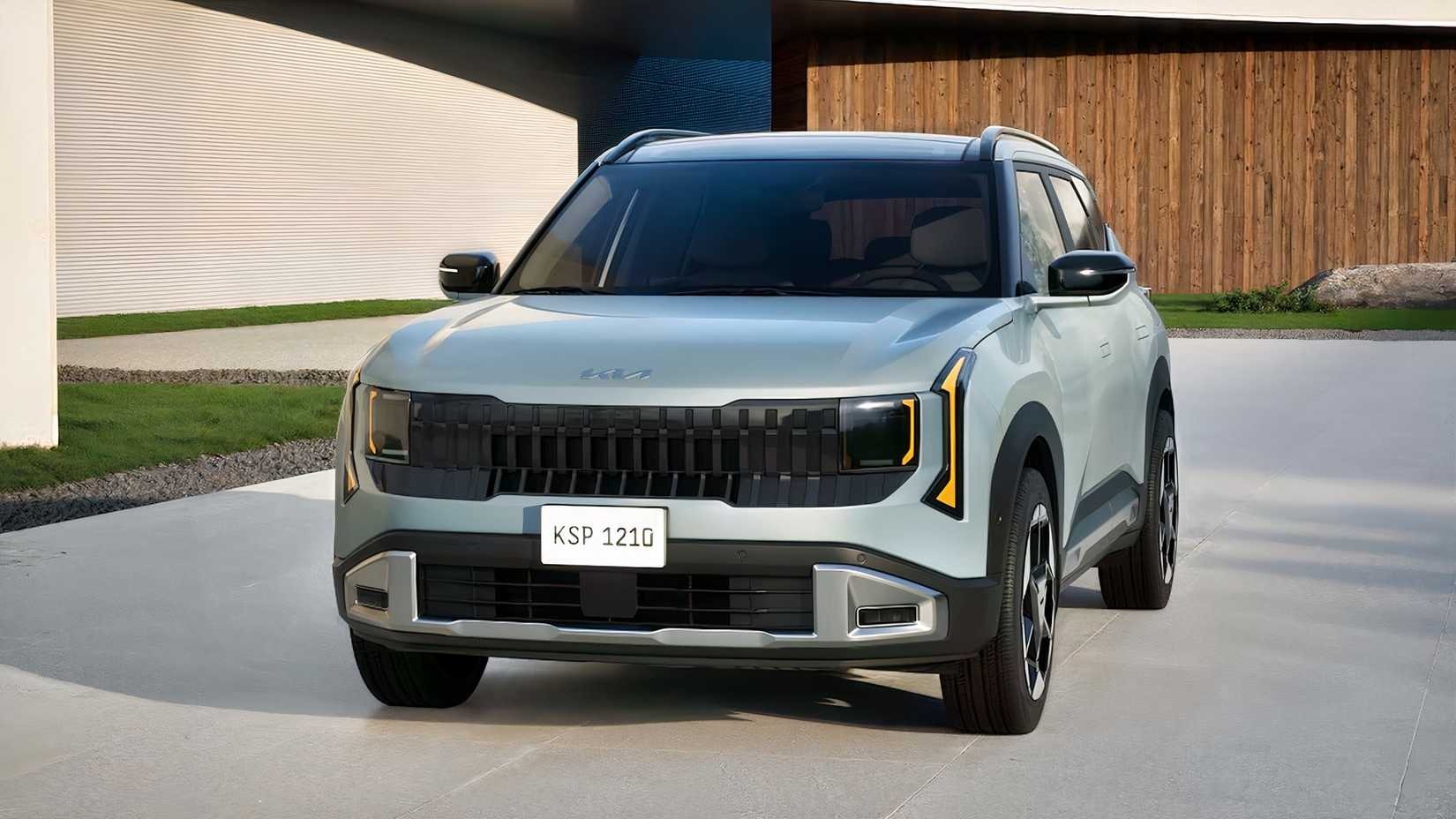
9. Kia Seltos (2.0L engine)
The Kia Seltos is a compact SUV with a practical cabin, useful cargo space, and a comfortable driving position. Its 2.0-liter gasoline engine may appear attractive to taxi operators who want a straightforward powertrain.
However, some model years have been affected by engine-related concerns that deserve careful checking before purchase. Reports involving piston rings, bearings, and other internal engine components have raised questions about long-term durability for certain versions.
A serious engine problem can be expensive to repair, particularly when the vehicle is used heavily for commercial driving. A taxi operator should confirm whether the specific Seltos has been subject to recalls, service campaigns, or warranty extensions.
The engine number and model year may determine whether a particular vehicle is affected. The Seltos also offers a useful seating position and reasonable passenger room.
It is compact enough for many city streets while providing more cargo space than some smaller cars. Those are practical advantages for taxi service. Still, the vehicle’s maintenance history is more important than its appearance or advertised features.
A pre-purchase inspection should include engine noise, oil consumption, warning lights, cooling performance, and transmission operation. The Seltos is not automatically a poor vehicle for every owner. A well-maintained example with documented repairs and strong warranty coverage may be worth considering.
But operators who want to reduce the risk of expensive engine work should compare it with models that have a stronger record for dependable commercial use.
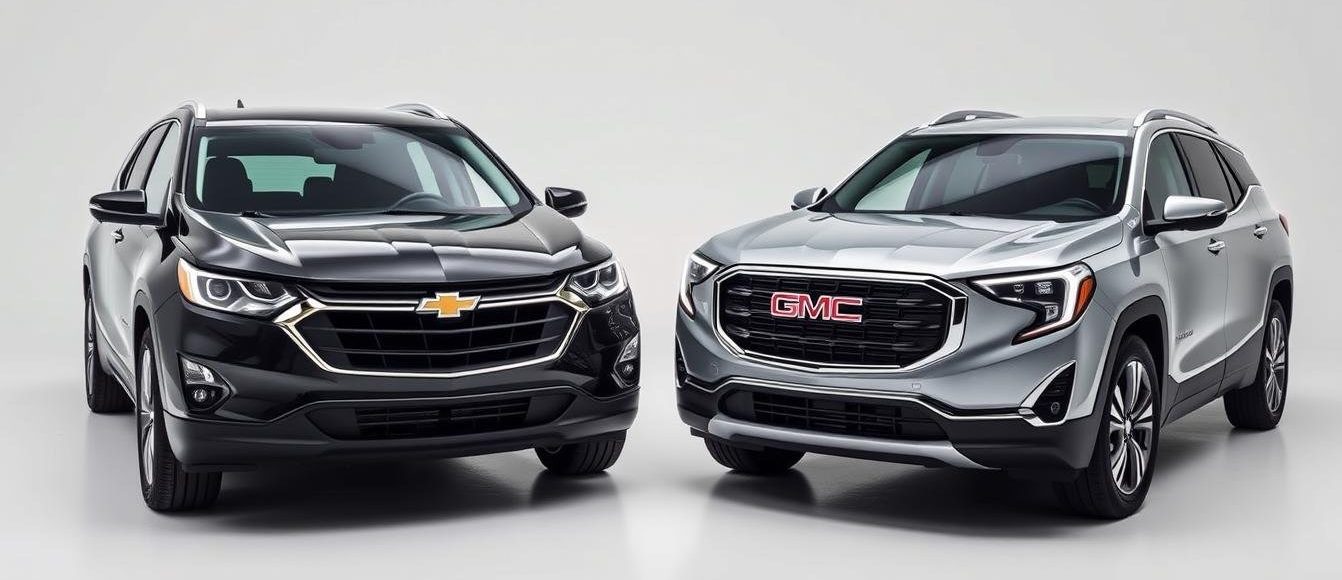
10. GMC Terrain / Chevrolet Equinox (gas models)
Engine noise might seem like a minor complaint compared to major mechanical failures, but for taxi operators trying to deliver a pleasant customer experience, a loud, coarse-sounding engine creates an immediate negative impression.
Both the GMC crossover and its Chevrolet counterpart have drawn criticism for cabin noise levels that feel out of step with what buyers expect from a modern vehicle in this price range.
Fuel economy compounds the disappointment further. Given the compact dimensions of both vehicles, buyers reasonably expect better efficiency numbers than what these gas-powered models actually deliver.
For a taxi service racking up substantial daily mileage, underwhelming fuel economy directly eats into profit margins in a way that becomes impossible to ignore over months of operation.
Reliability ratings for these models sit below the class average according to multiple independent surveys, with owners reporting a mix of drivetrain concerns, electrical issues, and general build quality shortcomings that seem inconsistent with the asking price.
When a vehicle costs a certain amount, buyers expect components that match that investment, and both models have struggled to meet those expectations consistently.
Interior quality rounds out the list of concerns, with cheap-feeling plastics and unremarkable design failing to impress passengers who ride in these vehicles daily.
Given the combination of noise complaints, disappointing fuel economy, below-average reliability, and underwhelming interiors, taxi operators have plenty of reasons to look toward other options when building out a dependable, cost-effective commercial fleet.
