
A U.S. driver’s license can make an overseas road trip much easier, but it does not automatically give you the same driving rights everywhere. Rules differ by country, length of stay, rental company, and whether your license can be easily understood by local authorities. In some destinations, your valid U.S. license is enough for a vacation. In others, you also need an International Driving Permit (IDP).
The IDP does not replace your U.S. license; it works as a translation and must be carried with the original license. U.S. government guidance recommends checking the rules for each destination before leaving home. Here are 10 destinations where American travelers can drive, with the paperwork that may be needed.

1. Canada
Heading north for a getaway? You’re in luck, since Canada makes this about as simple as it gets. A valid US driver’s license lets you drive there with no additional permit required for short visits, meaning you can literally cross the border and start driving without stopping anywhere for extra paperwork.
Why does this work so smoothly compared to other countries? Proximity and shared driving standards play a big role. Canada and the United States maintain similar road rules, signage, and licensing systems, which makes mutual recognition between the two countries a practical, low-friction arrangement rather than a bureaucratic favor.
Rental car companies across Canada typically accept a US license without hesitation, whether you’re picking up a vehicle in Toronto, Vancouver, or a smaller town along your travel route.
Insurance coverage from your home policy often extends into Canada as well, though it’s worth calling your provider directly to confirm before you head across the border, since coverage details can vary between insurers.
Should you still consider carrying an International Driving Permit anyway? It doesn’t hurt, particularly if you’re planning an extended trip or worried about a rental company asking for extra identification.
For most tourists, though, a US license alone gets the job done from the moment you cross into Canadian territory.

2. Mexico
South of the border tells a similar story, and that’s genuinely good news for anyone planning a beach trip or a drive through Mexican cities. US drivers are legally allowed to drive for tourism purposes using nothing more than their standard American license, no extra permit needed.
Before setting off, it is important to understand that while the license itself is valid, driving in Mexico involves several practical considerations that go beyond simply having the proper legal documents.
Mexican auto insurance differs from US policies, and most American insurance doesn’t extend across the border. Purchasing Mexican auto insurance before driving there protects you legally and financially in case of an accident, since local law requires proof of coverage.
Road conditions and traffic patterns can also differ noticeably from what you’re used to at home, particularly outside major tourist areas. Toll roads tend to offer better-maintained surfaces compared to free alternatives, a detail experienced travelers often mention when planning routes between cities.
Rental agencies throughout Mexico’s tourist zones, including Cancún, Los Cabos, and Mexico City, generally accept US licenses without issue. Keep your passport and license together when driving, since border checkpoints and occasional police stops will ask for identification.
A straightforward license requirement doesn’t mean zero preparation, but it does mean one less bureaucratic hurdle standing between you and the open road.

3. United Kingdom
American visitors can generally drive in Great Britain with a valid U.S. driver’s license, but the exact rules depend on the license, the driver’s status, and the length of the stay. GOV.UK provides an official checker for people driving in Great Britain with a non-GB license.
For a short vacation, an American visitor normally does not need to obtain a British license simply to rent and drive a car. Rental companies can, however, apply their own document requirements.
That means checking the rental firm’s terms before booking can prevent an unpleasant surprise at pickup. There is also an important distinction between driving legally and satisfying a rental company’s paperwork policy.
An IDP can provide an official translation of your license information and may be useful when dealing with a rental company or authorities. U.S. government guidance says an IDP should be carried together with the original U.S. license when one is required.
British roads also require some adjustment for American visitors because vehicles drive on the left. Roundabouts, narrow rural roads, and different road markings can take a little practice.
If your trip includes England, Scotland, or Wales, check the rules before departure rather than assuming the same conditions apply to every driver. A valid license, suitable insurance, and the correct rental documents can make the trip much smoother.

4. Italy
Italy can be an excellent destination for a driving vacation, but Americans should prepare more paperwork than they might need in Canada or Mexico.
Italy recognizes foreign driving credentials under applicable international arrangements, while its transportation ministry states that holders of non-EU or non-EEA licenses must have either an international permit issued by the licensing country or an official Italian translation when driving after becoming residents.
For tourists, carrying an IDP with the original U.S. license is a sensible approach. It gives local authorities a standardized translation of the information printed on an American license and can also help when collecting a rental vehicle.
Having both documents readily available can make routine checks and rental procedures easier. The rental side deserves special attention. A rental company may have requirements that go beyond what a traveler expects from the basic legal rule.
Checking the company’s documentation list before the trip can prevent delays at the counter. It is also wise to confirm age requirements, insurance conditions, payment requirements, and any restrictions on where the vehicle may be driven.
Italian road travel also comes with practical considerations. Historic city centers can have restricted traffic areas, parking rules can be strict, and some roads are narrow. A rental vehicle that feels comfortable on a highway may be less convenient in an old city center.
For Americans planning to drive through Italy, the safest paperwork combination is a valid U.S. license plus an appropriate IDP when required or requested.
The IDP should never be treated as a replacement for the original license. Before departure, verify current requirements with Italian authorities and your rental company.

5. France
France permits visitors to drive using foreign licenses under certain conditions, but Americans should pay attention to documentation.
French government guidance distinguishes between European licenses and licenses issued outside Europe, meaning U.S. drivers fall under a separate set of rules.
For an American traveler, carrying an IDP together with the valid U.S. license can make communication with authorities and rental companies easier.
The U.S. government describes an IDP as a translation of license information and stresses that it must be used alongside the original license. Age requirements can also matter.
Being legally allowed to drive in the United States does not automatically mean a traveler meets the minimum age or rental company’s age rules in France. Rental firms may also impose higher minimum ages or additional charges for younger drivers.
France has plenty of reasons to rent a car, especially if a trip includes rural areas, coastal towns, vineyards, or smaller communities that are less convenient by rail. Paris, however, can be a different story, with traffic, parking costs, and restrictions making public transportation attractive.
Before picking up a vehicle, verify the current French rules, your rental company’s requirements, and your insurance coverage. Keep your U.S. license, IDP if required, passport, and rental paperwork together whenever you drive.
6. Germany
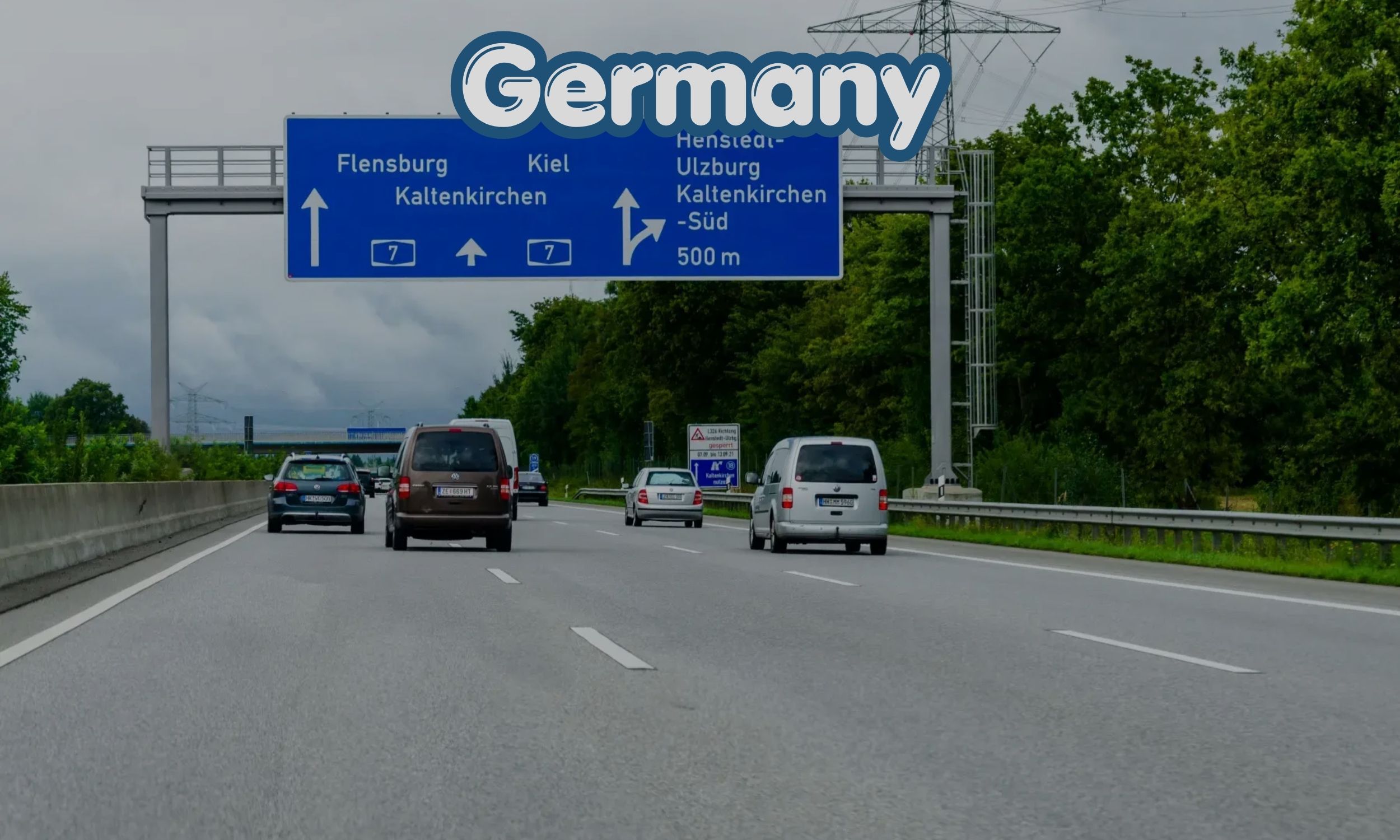
Autobahns without speed limits sound thrilling in theory, and driving through Germany as a tourist is refreshingly straightforward from a legal standpoint. Tourists can drive using a US license without needing separate German documentation for typical short-term visits.
That said, some regions within Germany advise obtaining an International Driving Permit anyway, primarily for legal clarity and smoother insurance processing in case something goes wrong during your trip.
Differences between regions can be confusing for visitors who expect the same rules to apply throughout Germany. To avoid potential complications, the safest approach is to carry an IDP no matter which part of the country you plan to visit.
What about those famous unrestricted stretches of autobahn? Certain sections genuinely have no posted speed limit, though plenty of areas do impose limits, particularly near cities, construction zones, and heavily trafficked corridors.
Speed limit signs appear clearly when restrictions apply, so pay attention rather than assuming every stretch allows unlimited speed. German drivers also expect strict lane discipline, especially on highways where slower traffic stays right and passing happens exclusively on the left.
Tailgating culture on German autobahns can feel intense compared to American highway norms, so mirror checks and quick lane changes when passing become important habits to develop quickly.
Combine a US license with an IDP, stay alert to regional speed rules, and German roads offer an efficient, well-organized driving experience for visiting Americans.

7. Spain
Spanish sunshine and scenic coastal drives await American visitors willing to get behind the wheel, and driving with a US license is allowed throughout the country for tourism purposes.
That baseline legal acceptance makes Spain accessible for road-trip planning without excessive bureaucratic prep work. Rental companies operating within Spain, however, may also request an International Driving Permit before handing over the keys to your vehicle.
A similar situation can be seen in several European countries on this list. Even when a US driver’s license is legally accepted, individual rental companies may have their own requirements for customers.
Given how frequently this request comes up, arriving with an IDP already in hand saves potential headaches at the rental counter, particularly during busy tourist seasons when staff may be less flexible about accepting documentation outside their standard checklist.
Spanish roads range from modern, well-maintained highways connecting major cities to narrower, winding routes through rural areas and coastal towns.
Toll roads exist alongside free alternatives, similar to patterns seen in Mexico and France, and choosing tolled routes often means faster travel times with better road surfaces.
Parking in historic city centers like Barcelona or Seville can prove challenging due to narrow streets and limited spaces, so research parking options near your destination before arriving, particularly during peak tourist months when spaces fill quickly.

8. Greece
Greece is a destination where American travelers should plan for an International Driving Permit rather than relying solely on their U.S. license. USAGov advises Americans to check destination-specific requirements before driving abroad because many countries require an IDP in addition to the domestic license.
For someone renting a vehicle in Greece, obtaining the IDP before leaving the United States can help avoid confusion at the rental desk. The important point is that the IDP is not a standalone driving credential. You should carry it together with your valid U.S. license.
Greece offers many opportunities for road travel. Mainland routes can connect historic sites and coastal areas, while a rental car can be useful on islands where local transportation may not reach every destination conveniently.
Driving conditions can vary considerably. Narrow streets, winding roads, steep routes, motorcycles, pedestrians, and limited parking can all require extra attention. Drivers should also learn the local road signs and follow posted speed limits rather than relying on habits from home.
Before traveling, confirm the current Greek requirements and your rental company’s documentation policy. Bring the original U.S. license, the appropriate IDP, passport, rental agreement, and insurance documents.
The extra permit adds one preparation step, but getting the paperwork arranged before departure is far easier than discovering at the rental counter that another document is required.
9. Ireland
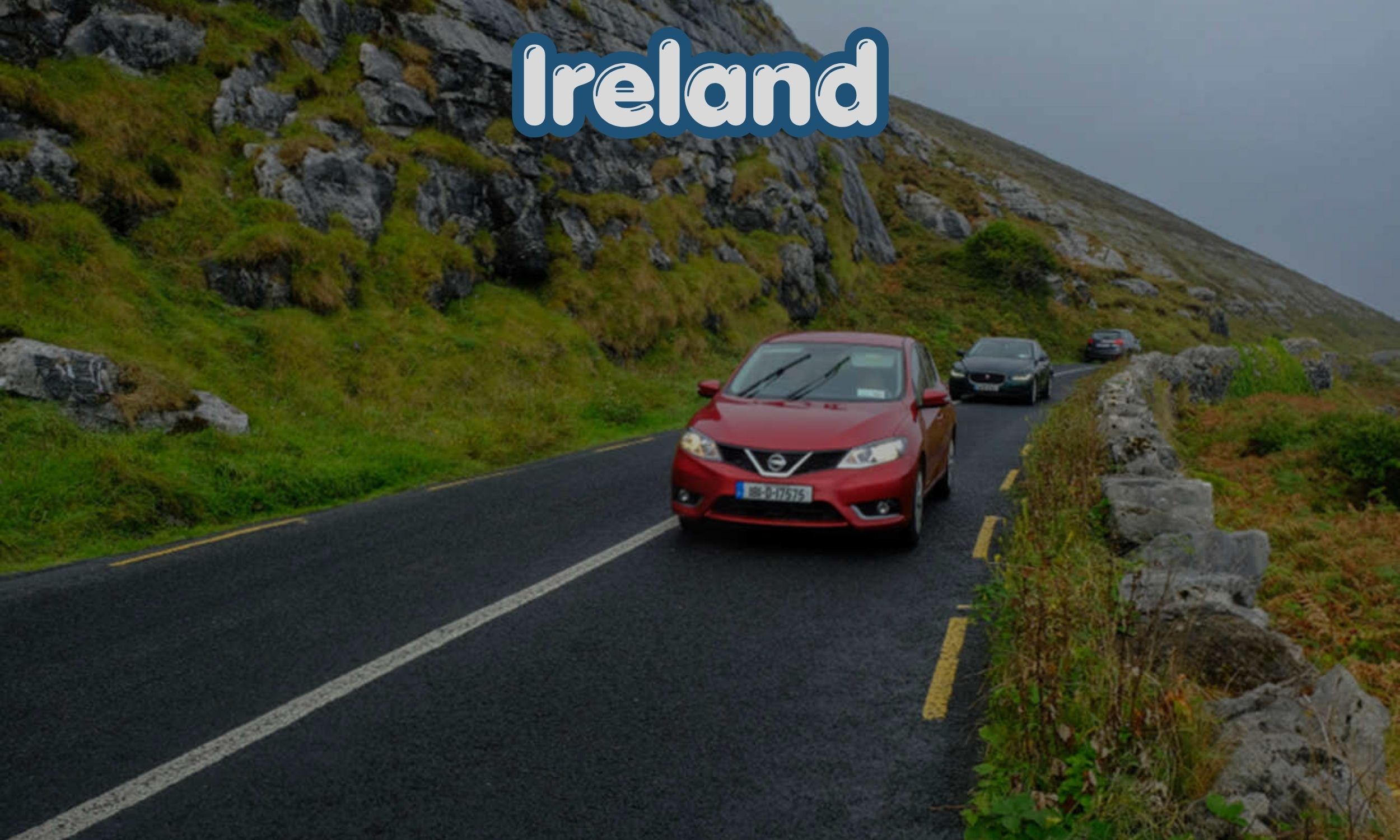
Rolling green landscapes and charming small towns make Ireland a favorite for scenic road trips, and American visitors get a genuinely generous allowance here. US drivers may use their license for up to 12 months as a tourist, by far the longest window offered among the countries covered in this guide.
That extended timeframe makes Ireland particularly appealing for visitors planning longer stays, whether that means an extended vacation, a temporary work arrangement, or simply an unhurried exploration of the country’s countryside and coastal routes without worrying about license expiration mid-trip.
Left-side driving applies here just as it does in the UK, so American visitors need the same mental adjustment period before feeling fully comfortable behind the wheel.
Rural Irish roads often narrow considerably compared to what US drivers expect, sometimes to a single lane with occasional wider spots for passing oncoming traffic, a detail that catches plenty of visitors off guard during their first countryside drive.
Rental companies throughout Ireland generally work smoothly with US licenses given the generous 12-month window built into local regulations.
Even so, bringing an International Driving Permit remains a smart backup, since individual rental locations occasionally request one regardless of the underlying legal requirement.
Combine that extended license window with a bit of caution on narrow rural roads, and Ireland offers one of the friendliest driving experiences for Americans on this entire list.

10. Japan
Japan is an important exception on this list because a U.S. driver’s license by itself is not enough for most American visitors who want to drive. Travelers with foreign licenses generally need an International Driving Permit (IDP) before they can legally operate a vehicle in Japan.
This makes preparation especially important for anyone planning to rent a car after arriving. For Americans, the permit should be arranged before leaving the United States.
Waiting until you reach Japan can create problems because the required document needs to be obtained through an authorized U.S. issuer. The Japan National Tourism Organization advises travelers with valid American licenses to obtain the appropriate IDP before their trip.
The U.S. government states that the American Automobile Association and American Automobile Touring Alliance are authorized to issue IDPs to U.S. license holders.
When driving in Japan, the IDP must be carried together with the original, valid U.S. driver’s license. The permit does not replace your American license. Japan also requires some adjustment behind the wheel.
Vehicles drive on the left side of the road, while most cars have the steering wheel on the right. Road signs, traffic patterns, parking rules, and local driving habits may also feel unfamiliar.
Public transportation is excellent in many Japanese cities, so a rental car may not be necessary. A vehicle can be more useful for rural destinations, smaller communities, mountain areas, and locations with limited train service.
Before traveling, arrange the correct IDP, confirm your rental company’s requirements, and carry both documents whenever you drive.
