
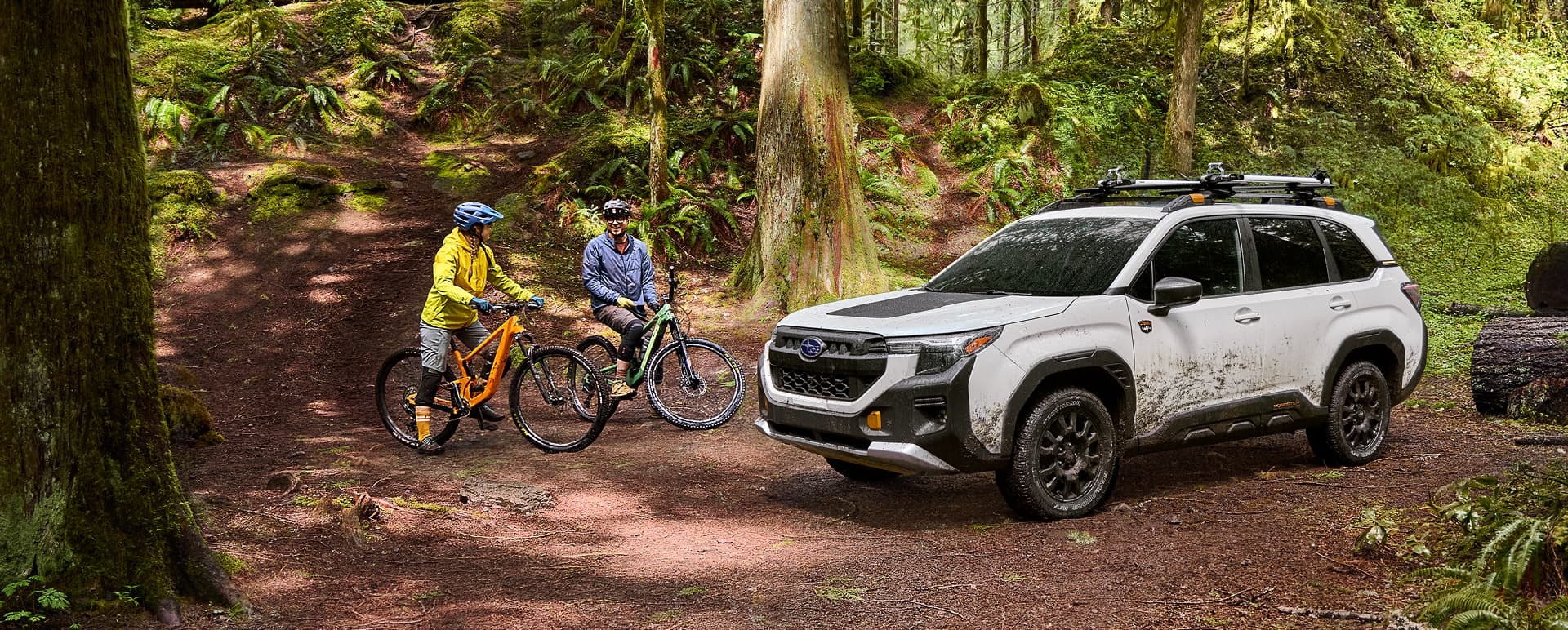
Shopping for a Subaru Forester can feel like a straightforward decision until you compare the trim levels. The Base model keeps the price down, while the Premium adds everyday comfort, the Sport brings a more distinctive appearance, and the Wilderness is ready for tougher trips. Higher trims add luxury and technology, but they also raise the bill. The right choice depends on how you use your SUV, not simply how much equipment you can get.
This guide examines the 2026 Forester lineup, explains what each trim offers, and identifies the model that makes the most sense for the money. Prices and equipment are based on Subaru’s official specifications, with independent buying advice from Edmunds and Car and Driver.
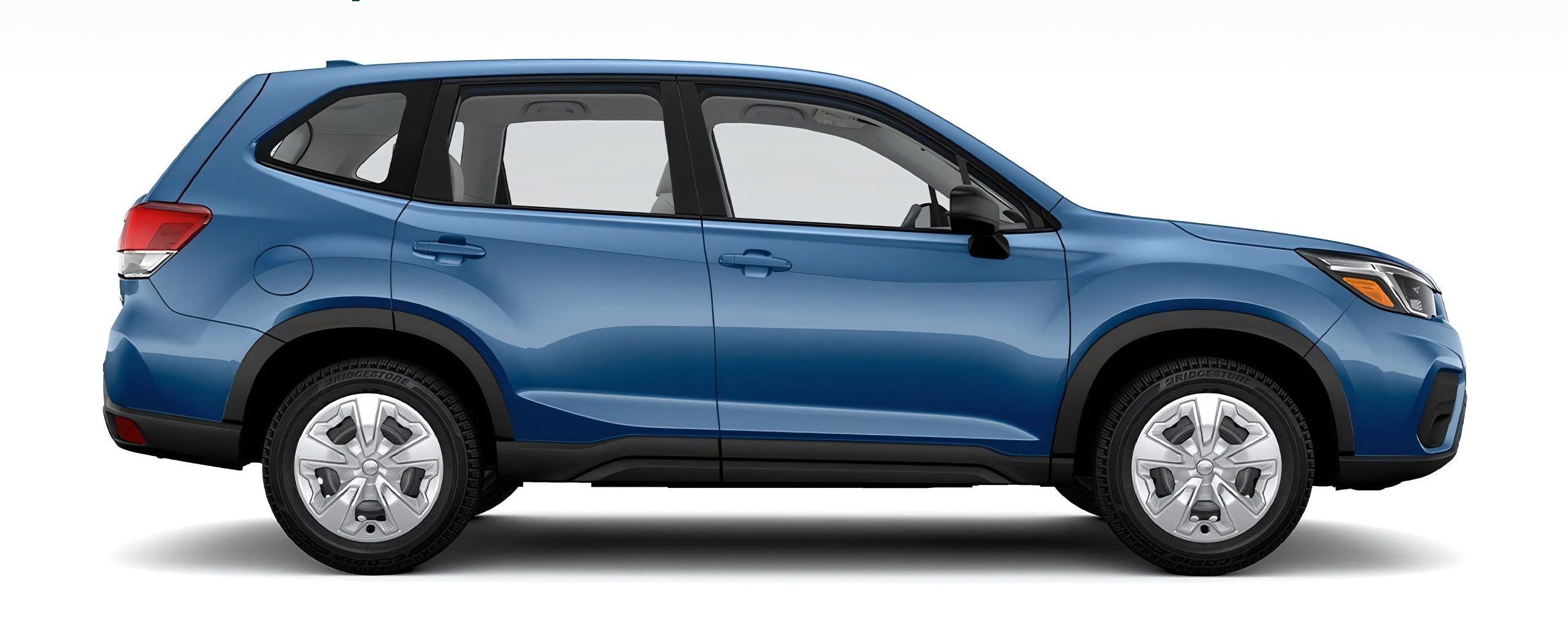
Subaru Forester Base
Sitting at $29,995 before destination fees, the Base trim earns its name honestly. It’s the starting point of the lineup, and Subaru hasn’t skimped on the essentials here.
Every Forester Base comes standard with EyeSight Driver Assist Technology, which bundles adaptive cruise control, lane departure warning, and automatic emergency braking into a package that would cost extra on plenty of competing SUVs.
That alone makes the entry trim feel like less of a compromise than base models typically do. Cloth seating, 17-inch alloy wheels, and dual 7.0-inch infotainment screens round out the cabin experience.
Apple CarPlay and Android Auto come standard too, so smartphone integration isn’t locked behind a pricier trim the way it is with some brands.
Ground clearance sits at 8.7 inches, giving drivers a real advantage over most crossovers when winter weather or gravel roads enter the picture. What you won’t find here is blind spot monitoring, which only becomes available starting at the Premium trim.
For buyers who spend most of their time in stop-and-go city traffic or frequently merge on busy highways, that omission might feel like a meaningful gap in coverage.
Heated seats and a power liftgate are also absent, features that drivers in colder regions may find themselves missing during winter months.
Still, for someone who wants dependable all-wheel drive, genuine safety tech, and Subaru’s reputation for longevity without paying for extras they’ll rarely use, the Base trim delivers a lot of substance for the price. It’s a smart starting point worth taking seriously rather than dismissing outright.
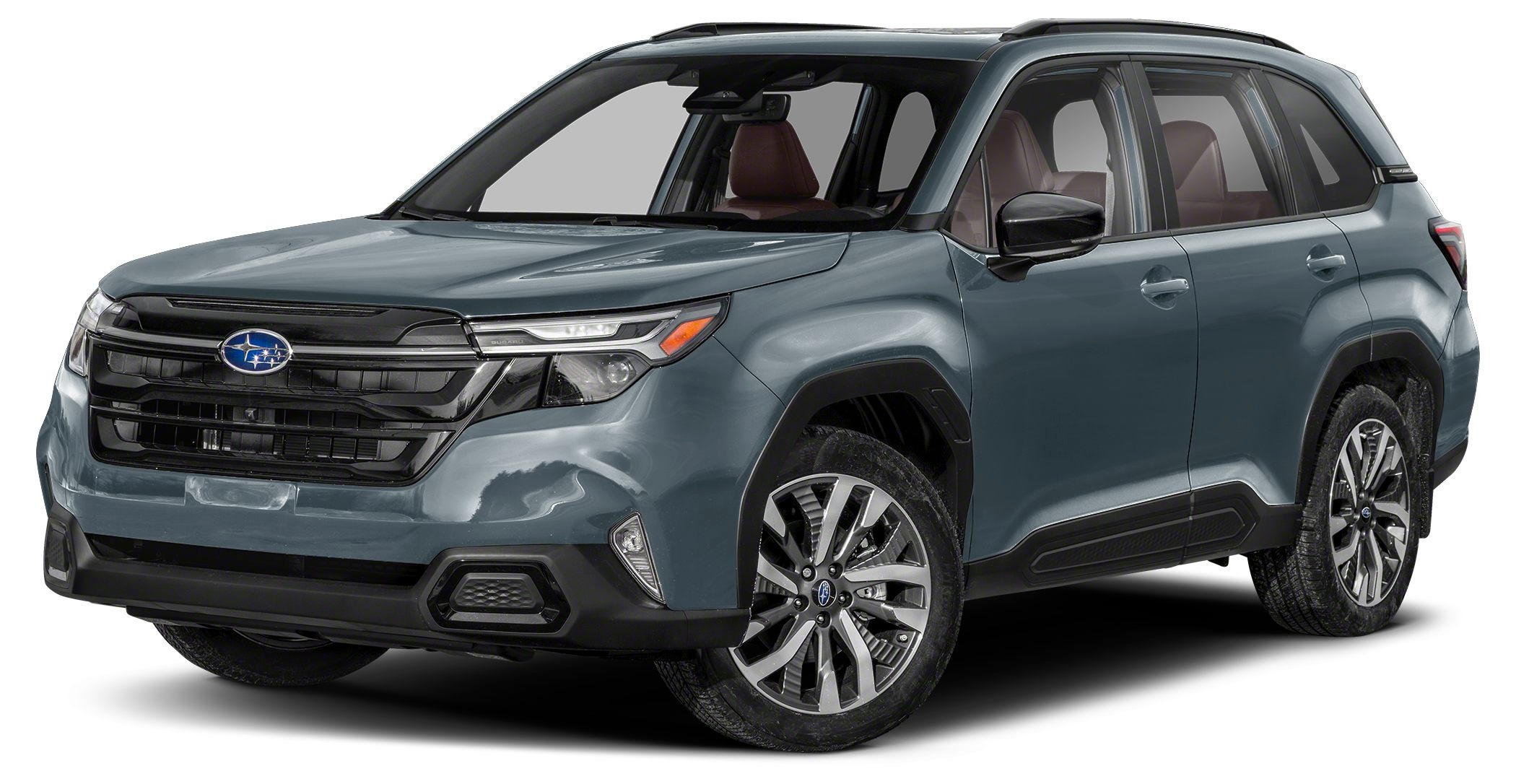
Subaru Forester Premium
At a starting price of $31,995, the Premium costs $2,000 more than the Base. That additional money brings several features people use regularly rather than equipment that merely looks impressive on a specification sheet.
The Premium includes an 11.6-inch Multimedia Plus system with wireless Apple CarPlay and Android Auto, a panoramic power moonroof, heated front seats, heated exterior mirrors, and a windshield wiper de-icer. A 10-way power driver’s seat with two-way lumbar support is another useful upgrade.
For drivers who spend long hours behind the wheel, the added adjustability can make daily travel more comfortable. The Premium also includes MySubaru Connected Services, X-MODE with Hill Descent Control, and LED fog lights.
The Premium offers a practical benefit over the Base by giving buyers the option to add a package with several useful features. These include blind spot detection, rear cross traffic alert, emergency lane keep assist, automatic emergency steering, and a hands-free power rear gate.
That package can add useful convenience and awareness features without requiring a move to a much more expensive trim. Fuel economy is also strong for the gas-powered Forester.
Subaru lists an EPA-estimated 26 mpg city and 33 mpg highway for the Premium. This trim is a particularly good fit for someone who wants a well-equipped daily driver without paying for luxury features that may not matter.
Consumer Reports also recommends the Premium as the minimum trim to consider.
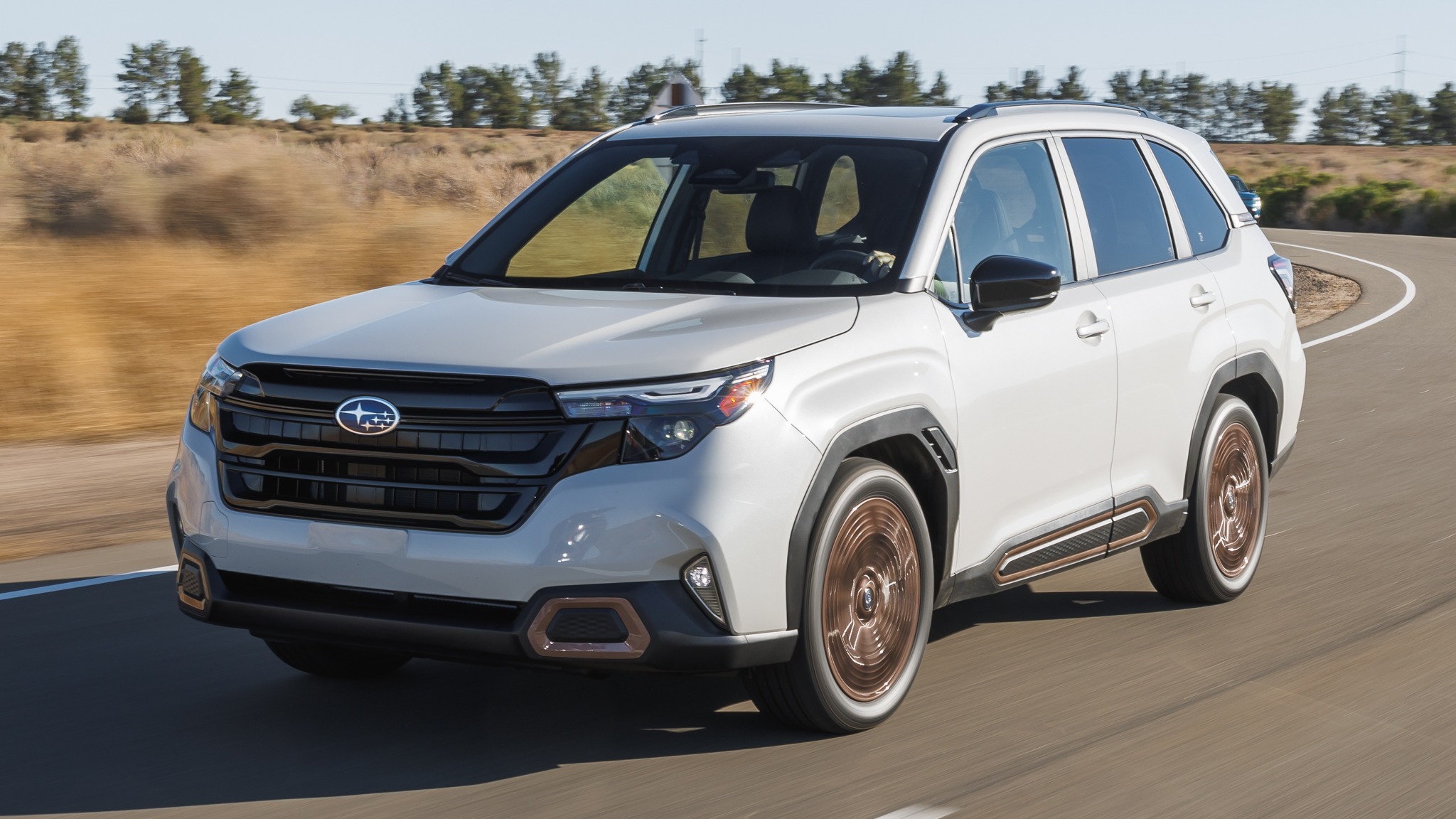
Subaru Forester Sport
The 2026 Subaru Forester Sport starts at $34,795, making it $2,800 more expensive than the Premium trim. For buyers who want a vehicle with a more attractive appearance and extra features, the additional cost may be worth considering.
However, the Sport is not a high-performance SUV. It uses the same 180-horsepower engine found in the other petrol-powered Forester models.
Subaru gives this trim 19-inch alloy wheels with bronze finishing, bronze-accented underguards, and low-profile roof rails. Inside the cabin, drivers get steering-wheel paddle shifters and an eight-speed manual gear mode.
The Sport also comes with blind-spot detection, lane change assist, rear cross-traffic alert, emergency lane keep assist, and automatic emergency steering.
Another useful feature is the dual-function X-MODE system, which includes Snow/Dirt and Deep Snow/Mud settings. These modes can help drivers maintain control on slippery roads and loose surfaces.
An optional package adds a Harman Kardon sound system, a hands-free power rear gate, and reverse automatic braking. Car and Driver recommends the Sport as its preferred petrol-powered Forester because it combines useful equipment with everyday practicality.
Even so, buyers should choose it for the features and styling rather than expecting a faster vehicle. The Premium remains a sensible alternative for those who want to spend less.
Subaru Forester Wilderness
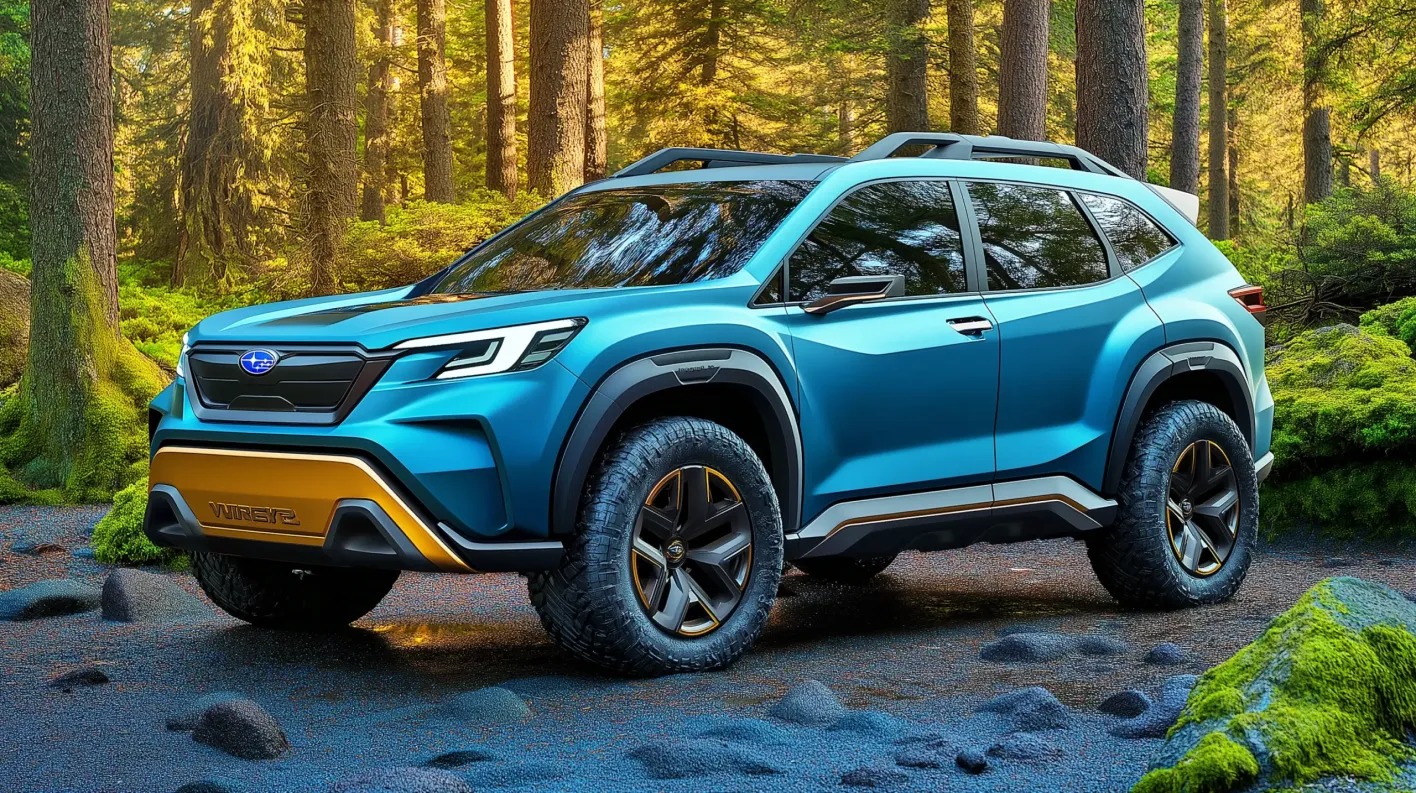
The Wilderness starts at $36,995 and is the Forester trim designed for buyers who plan to spend more time away from paved roads. It has the same 2.5-liter engine as the rest of the gas lineup, but Subaru gives it suspension and drivetrain changes intended to improve its ability on rough surfaces.
Its ground clearance rises to 9.3 inches, compared with 8.7 inches on the standard Forester models. The Wilderness also gets 17-inch alloy wheels with Yokohama GEOLANDAR all-terrain tires, enhanced dual-function X-MODE, an aluminum-alloy engine skid plate, and a 180-degree front-view monitor.
The suspension, transmission tuning, and approach, departure, and breakover angles are also revised for off-road use. Towing is a major reason to choose this trim.
The Wilderness can tow up to 3,500 pounds, while the other 2026 gas-powered Forester trims are rated for 1,500 pounds. Its upgraded transmission cooler supports that higher capacity.
The trade-offs are clear. The Wilderness is rated at 24 mpg city and 28 mpg highway, below the 26/33 ratings of the Base and Premium. Its taller stance and all-terrain tires also make it less focused on quiet highway driving and fuel economy.
For people who need extra ground clearance, better traction on rough roads, or the higher towing rating, the Wilderness is worth the money. For ordinary commuting, it is more capability than many drivers will use.
Subaru Forester Limited
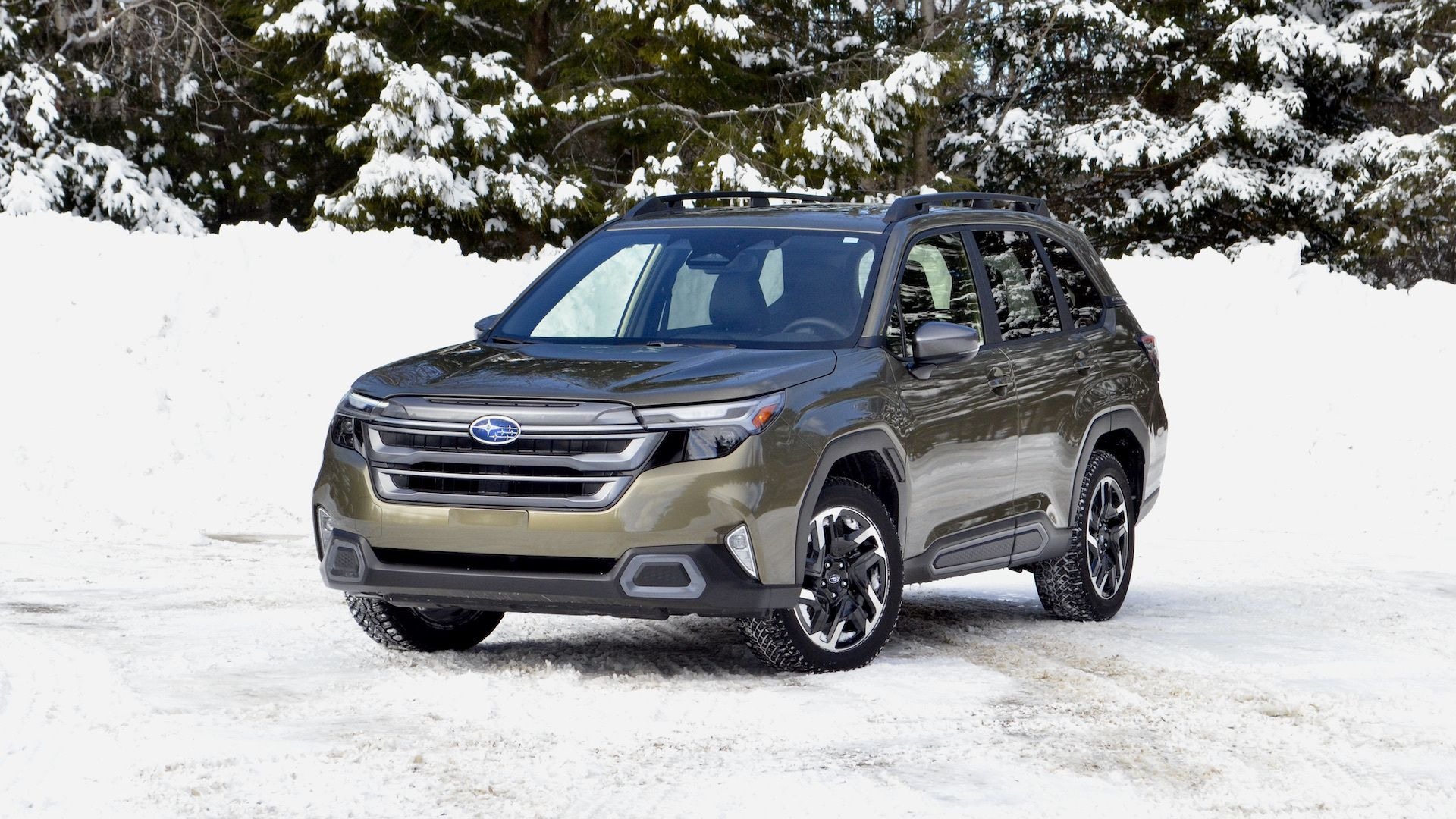
The Limited begins at $35,995, putting it $1,200 above the Sport and $4,000 above the Premium. Its appeal comes from comfort and convenience rather than a rugged appearance. This is the trim for drivers who want a more polished cabin and useful equipment for daily travel.
Leather-trimmed upholstery, an eight-way power front passenger seat, a heated steering wheel, rain-sensing windshield wipers, and a hands-free power rear gate are all standard.
The Limited also includes blind-spot detection with lane change assist, rear cross-traffic alert, emergency lane keep assist, automatic emergency steering, and dual-function X-MODE with Snow/Dirt and Deep Snow/Mud modes.
The 18-inch alloy wheels have a dark metallic finish, and the rear seatbacks fold with a one-touch release. Paddle shifters and an eight-speed manual gear mode are also included.
These features make the Limited more comfortable for passengers and more convenient for drivers who want a few extra touches without paying for the Touring.
The Limited is a good choice if leather seats, a heated steering wheel, and automatic convenience features matter to you. It also offers a useful middle ground between the sporty Sport and the more luxurious Touring.
However, if you do not care about leather or upgraded cabin equipment, the Premium can provide much of what you need for less money.
Subaru Forester Touring
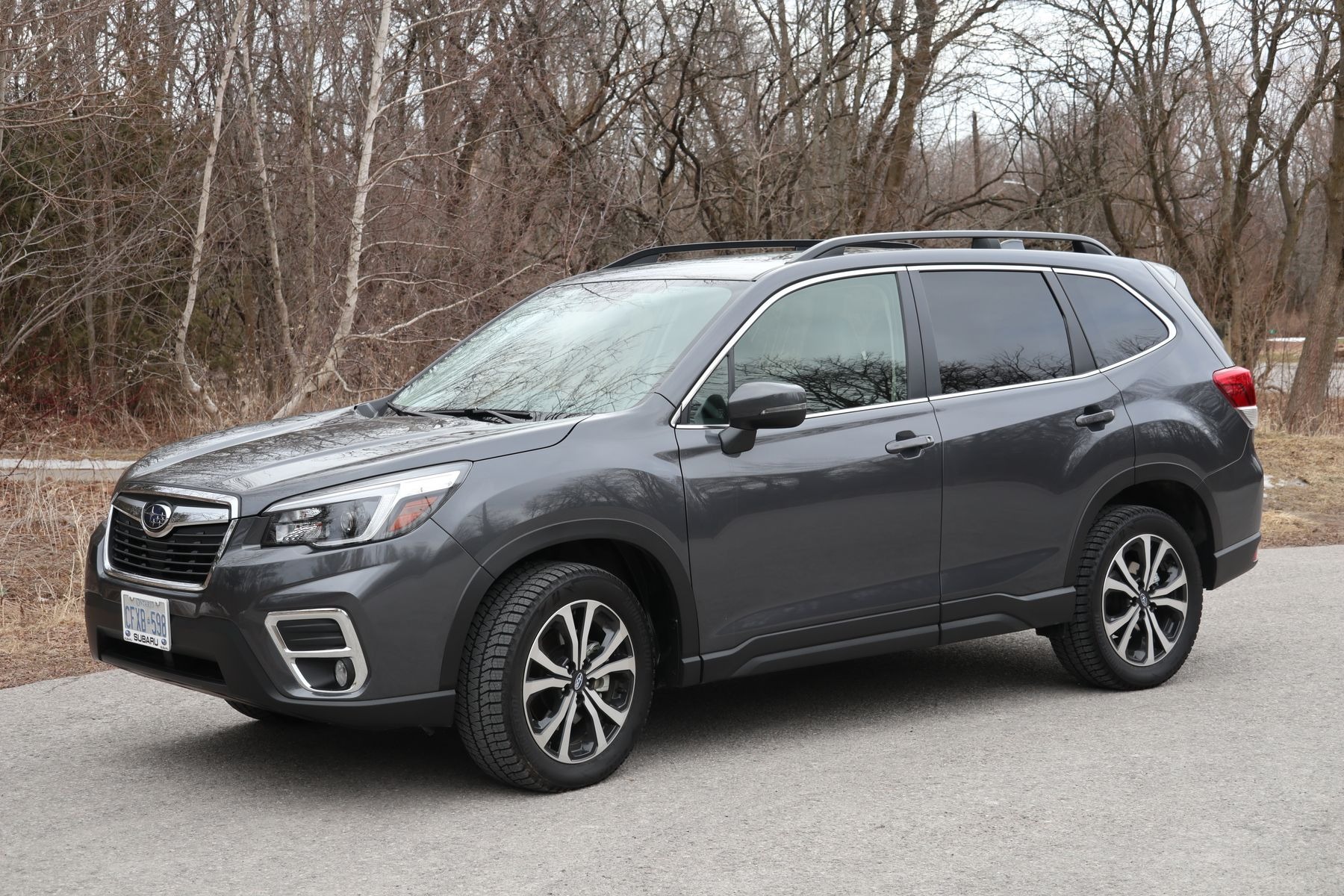
Topping the non-hybrid lineup at $41,595, the Touring trim represents Subaru’s answer to buyers who want every available comfort feature bundled together without hunting through options packages.
Nineteen-inch alloy wheels, the largest offered across the entire lineup, give this trim a noticeably different stance compared to every trim beneath it.
Leather seating trimmed with Ultrasuede accents replaces the perforated leather found on the Limited, adding a texture and appearance that feels distinctly more premium.
The Harman Kardon audio system, navigation-equipped 11.6-inch touchscreen, and reverse automatic braking all come standard rather than requiring an additional purchase, effectively bundling everything that Limited buyers have to pay extra to access.
Comfort extends to details like heated rear seats, a feature absent from every trim below Touring, along with an even more comprehensive suite of driver assistance technology.
For families who log serious highway miles or simply want the most complete Forester experience available without a hybrid drivetrain, the Touring trim leaves very little on the table.
The challenge, financially speaking, is that the jump from Limited to Touring adds close to $4,000 for upgrades that are largely cosmetic and convenience-based rather than mechanical.
The engine, suspension, and core capability remain unchanged from trims costing thousands less. Buyers considering the Touring should ask honestly whether heated rear seats and larger wheels are worth that premium, or whether a Limited with the options package accomplishes nearly the same result for meaningfully less money.
Subaru Forester Hybrid
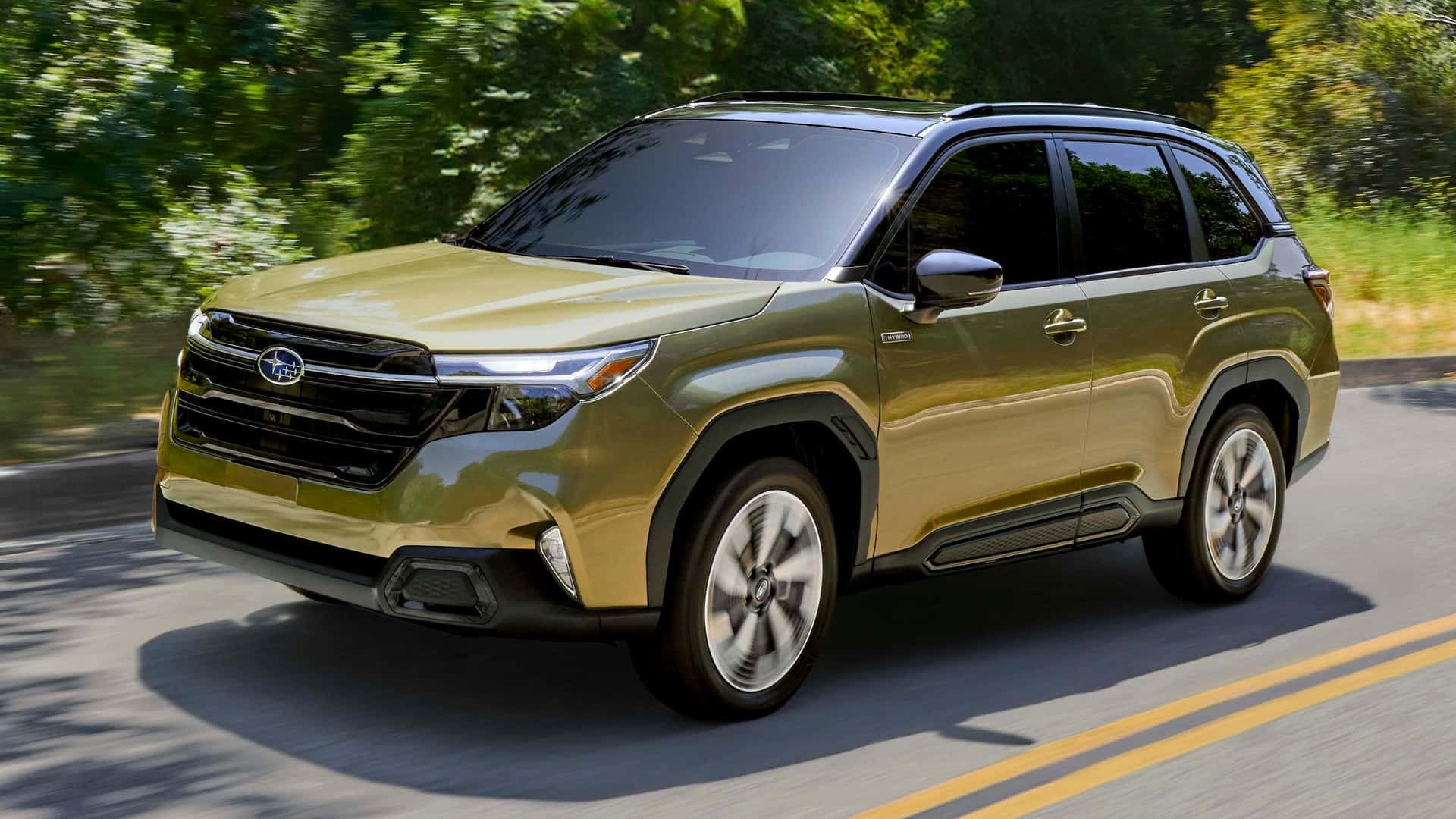
The Forester Hybrid changes the buying decision because it adds an electric motor to the 2.5-liter four-cylinder engine. The hybrid powertrain produces a combined 194 horsepower, compared with 180 horsepower for the gas-powered models. Subaru offers the hybrid in Premium, Sport, Limited, and Touring trims.
The Hybrid Premium starts at $34,730, which is $2,735 above the gas-powered Premium. Subaru lists an EPA-estimated 35 mpg city and 34 mpg highway for the Hybrid Premium, compared with 26 mpg city and 33 mpg highway for the gas version.
That difference can matter to buyers who drive frequently and want to reduce fuel spending. The Hybrid Sport costs $37,930, while the Hybrid Limited and Touring start at $38,995 and $41,545.
These models bring the same general trim differences found in the gas lineup, but the hybrid system gives the vehicle a different balance of power and efficiency.
The hybrid is worth considering if you want better fuel economy and a little more power. However, it is not automatically the best financial choice for every buyer.
The higher starting price means you need to drive enough miles for fuel savings to matter. For someone who drives only occasionally, the gas-powered Premium may be the better value.
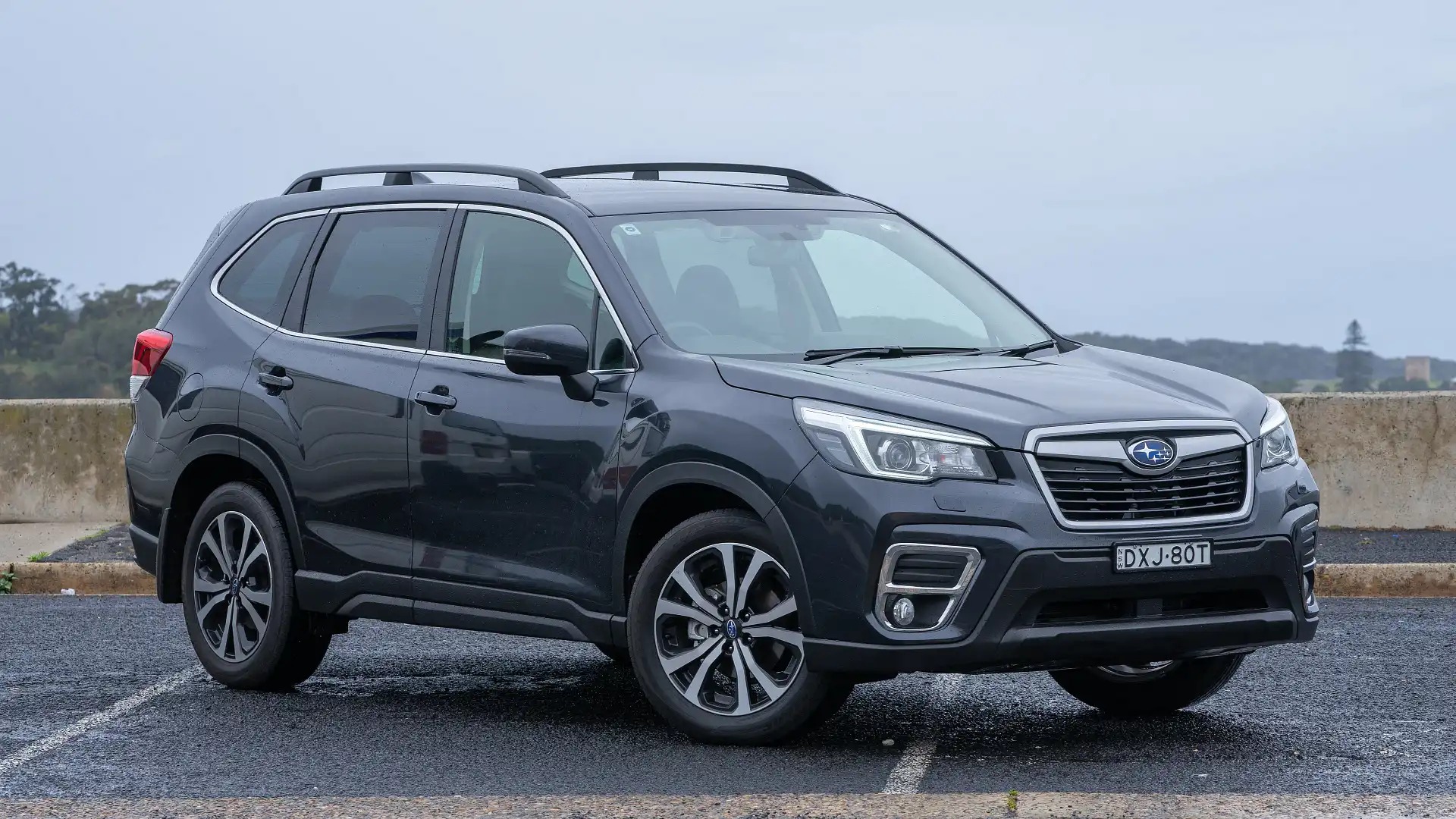
So, Which Trim Is Worth the Money?
After weighing every trim against its price tag, the Premium stands out as the smartest purchase for most buyers. It closes the safety gap left by the Base trim with standard blind spot monitoring, adds genuine daily comfort through the panoramic moonroof and heated mirrors, and includes X-MODE for real traction confidence, all without venturing into the steeper pricing of Limited or Touring trims.
Buyers who want a bit more personality and don’t mind cloth seating should strongly consider the Sport trim instead, since its retuned suspension and distinctive styling add character that pure comfort trims simply don’t offer.
Those heading off pavement regularly will find the Wilderness trim’s ground clearance and all-terrain tires impossible to replicate anywhere else in the lineup, making its price entirely justified for the right driver.
Where value gets murkier is at the top of the range. Both Limited and Touring trims deliver genuine luxury touches, but the mechanical experience underneath stays identical to trims costing thousands less.
Unless heated rear seats, larger wheels, or Ultrasuede upholstery matter enormously to you, that extra spending buys comfort rather than capability.
For the average driver balancing price against features, the Premium trim consistently delivers the most complete package without unnecessary excess.
It’s the trim that answers “what do I actually need” honestly, rather than “what sounds impressive on a window sticker,” which is exactly the kind of decision that keeps buyers satisfied long after the new car smell fades.
