
Buying used isn’t always a compromise. For certain components, a salvage yard can save you sixty to eighty percent versus a dealership price. The key is knowing which parts age well and which ones carry hidden risk.
Body panels, glass, and trim pieces rarely wear out on their own. They only end up in a yard because the rest of the car was totaled. That means you’re often getting a part with plenty of service life left, pulled from a vehicle that may have had far fewer miles than yours.
Mechanical components need more scrutiny. Things like alternators, starters, and wheel bearings do wear with use. A reputable yard will test these before selling them, and many offer a short warranty window.
The parts below are the ones experienced mechanics and body shops turn to first when a customer wants to save money without gambling on reliability. Each one has its own inspection checklist, and each one behaves differently depending on the vehicle’s age and mileage history.
1. Doors and Body Panels
Doors are one of the most commonly salvaged parts. A car totaled from a rear-end collision often has perfectly straight doors. Fenders and quarter panels work the same way. Damage to one corner of a car rarely touches the opposite side.
The trick is matching paint code and body style exactly. A door from the wrong trim level may lack the right wiring or window mechanism. Check the door for rust along the bottom edge and inside the frame. Surface rust is fine. Perforated rust means the metal has already failed structurally.
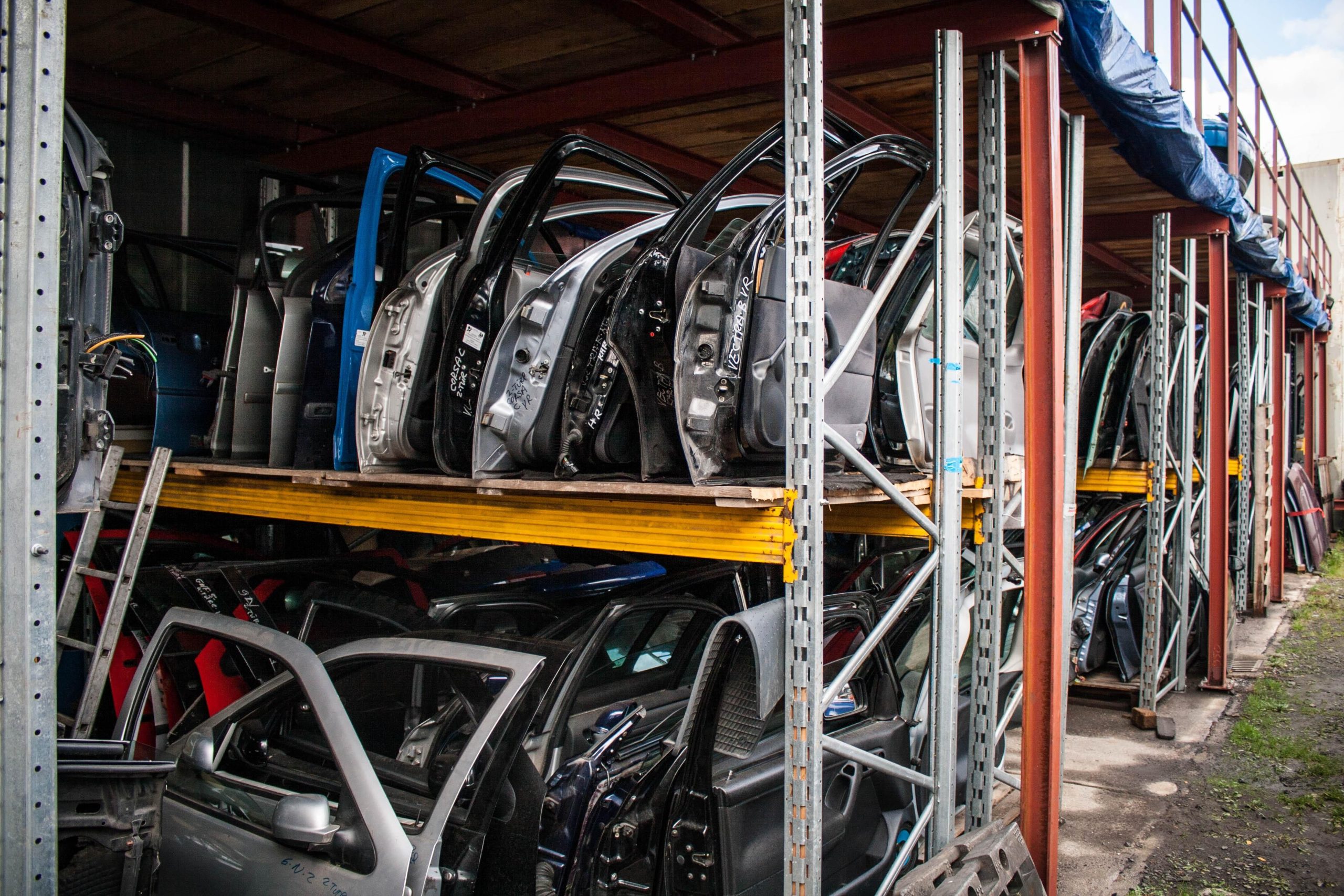
Also test that the window regulator and lock actuator move freely before paying. These small motors fail with age and are annoying to source separately.
A straight, rust-free door with working electronics can save hundreds of dollars over a new OEM replacement. Painting it to match your car is usually the only extra cost.
Salvage yards typically price doors well below a dealership’s parts counter. Even after paint work, the total often beats buying new by a wide margin.
2. Windshields and Window Glass
Auto glass rarely gets damaged unless the impact directly involves that area of the car. A vehicle totaled from a front-end crash often has an intact rear window.
Salvage glass is real OEM glass, cut to the exact curvature and thickness the manufacturer specified. Aftermarket glass sometimes has slight optical distortion near the edges.
This matters more on newer cars. Many windshields now house rain sensors, forward cameras, and heads-up display coatings. Buying the OEM salvage windshield guarantees these features work correctly without a compatibility gamble. Camera-equipped windshields especially benefit from OEM-exact glass.
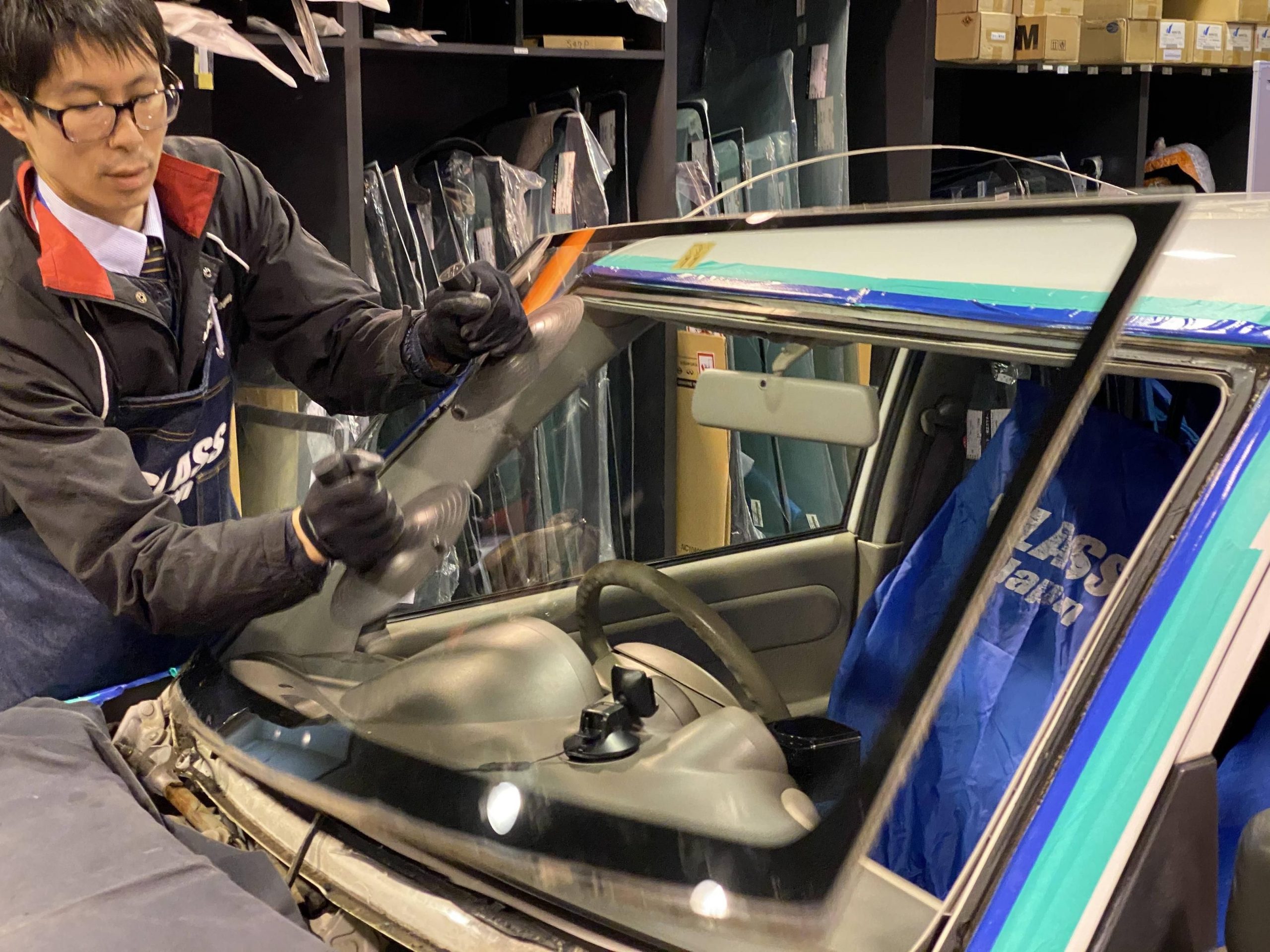
Inspect the glass edge for chips or stress cracks that started from a prior impact. These can spread later even if invisible under normal light. Also check for delamination, which shows up as cloudy patches near the edges. That indicates the glass has been sitting exposed to moisture for a long time.
A good salvage windshield with cameras or sensors intact can cost a fraction of a dealer replacement. Even with recalibration afterward, the savings are substantial. Side and rear glass carry less risk since there’s less embedded technology. These pieces are close to a pure cost-saving win.
3. Alternators and Starters
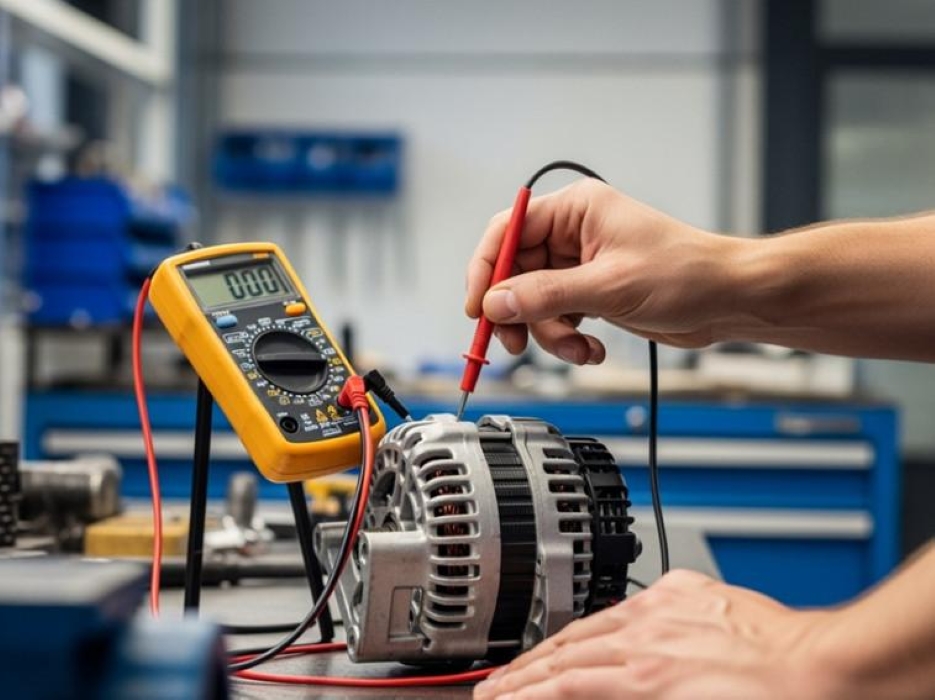
Alternators and starters are electromechanical, which means they either work or they don’t. There’s little middle ground once bench tested. A reputable yard runs a load test on the alternator before it goes on the shelf. This confirms it holds proper voltage under simulated demand.
Starters get a similar bench test, checking amperage draw and engagement of the solenoid. A weak starter usually shows up immediately on this test.
Because these parts sit in the engine bay away from crash zones, they survive most types of accidents undamaged. Even a heavily wrecked car often has a perfectly good starter.
Mileage still matters here more than with body panels. An alternator from a car with two hundred thousand miles has less remaining life than one from a low-mileage total loss.
Ask for the mileage of the donor vehicle before buying. Reputable yards keep this on file and will share it. A tested used alternator typically costs a third of a new unit and comes with some kind of short warranty. Given how simple these parts are to test, the risk is low.
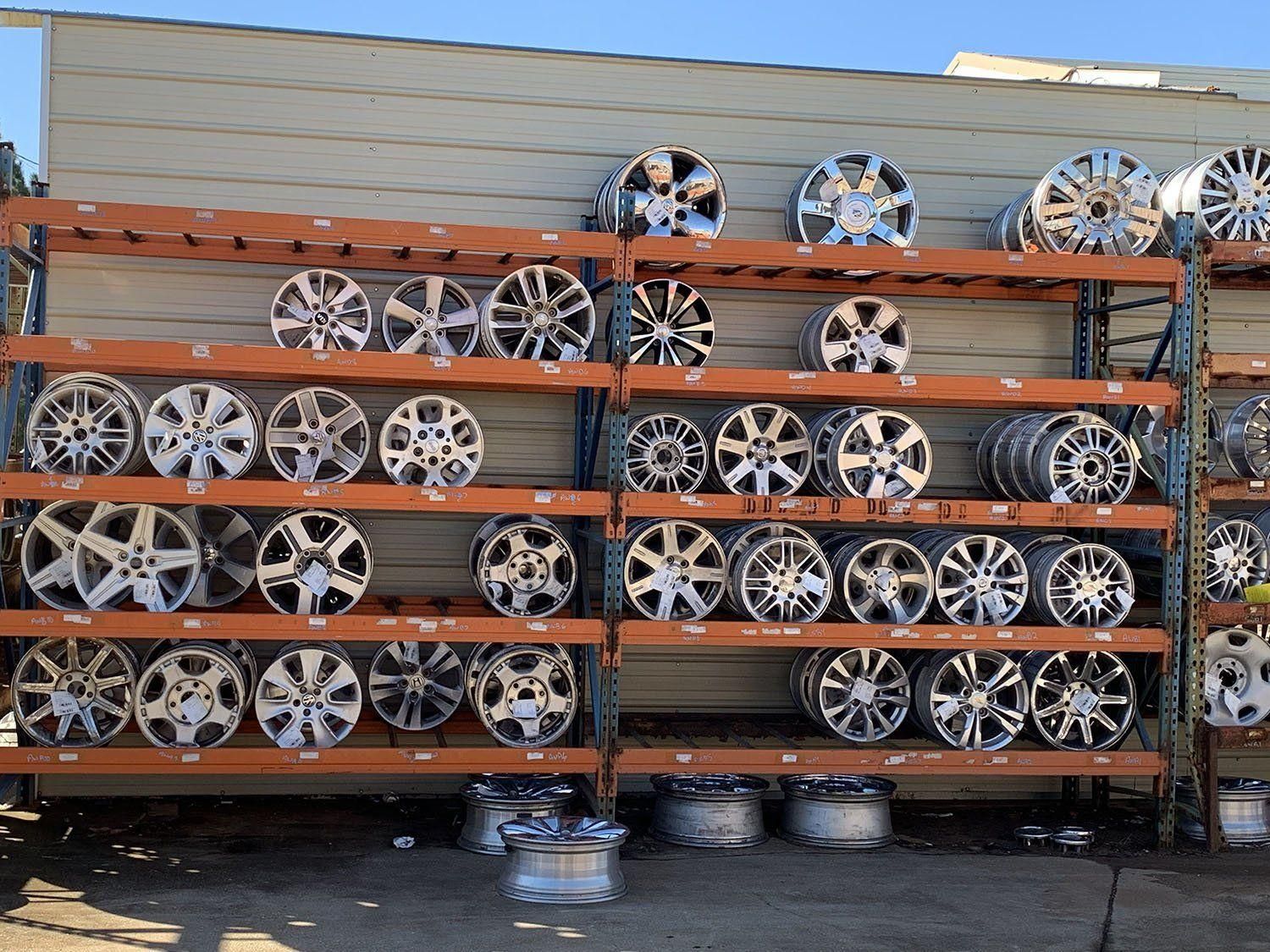
4. Wheels, Rims, and Take-Off Tires
Wheels are almost never damaged in accidents that don’t directly involve that corner of the car. A side-impact collision often leaves all four wheels straight.
Salvage yards frequently sell take-off wheels still mounted with usable tires. This is common on vehicles totaled shortly after a new tire purchase. Check the rim for bends by rolling it on a flat surface and watching for wobble. A bent rim will show visible movement even at slow speed.
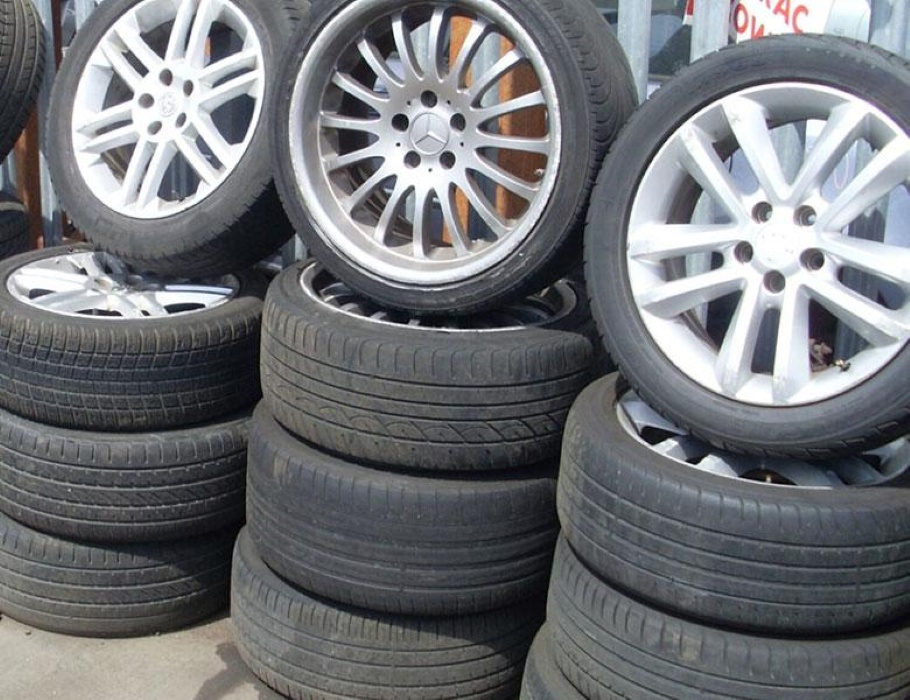
Inspect the bead area, where the tire meets the rim, for corrosion or pitting. This area is prone to air leaks over time. Factory alloy wheels salvaged this way let you match your exact bolt pattern and offset without guessing at aftermarket compatibility. This matters for cars with tight wheel-well clearances.
Tire tread depth should be measured directly rather than trusted by eye. A quarter or a simple tread gauge gives an accurate reading in seconds. A full set of take-off wheels with tires can cost less than a single new tire elsewhere. For older or discontinued wheel designs, salvage yards are often the only realistic source.
5. Mirrors and Exterior Trim
Side mirrors break constantly in minor parking lot incidents, long before the rest of the car shows any wear. This makes them one of the most abundant salvage items.
Power mirrors with heating elements or turn signal indicators can be expensive new. Salvage versions include all the wiring already terminated correctly.
Check the mirror’s power fold and heat functions before installation if the car supports them. A quick continuity test with a multimeter avoids surprises later.
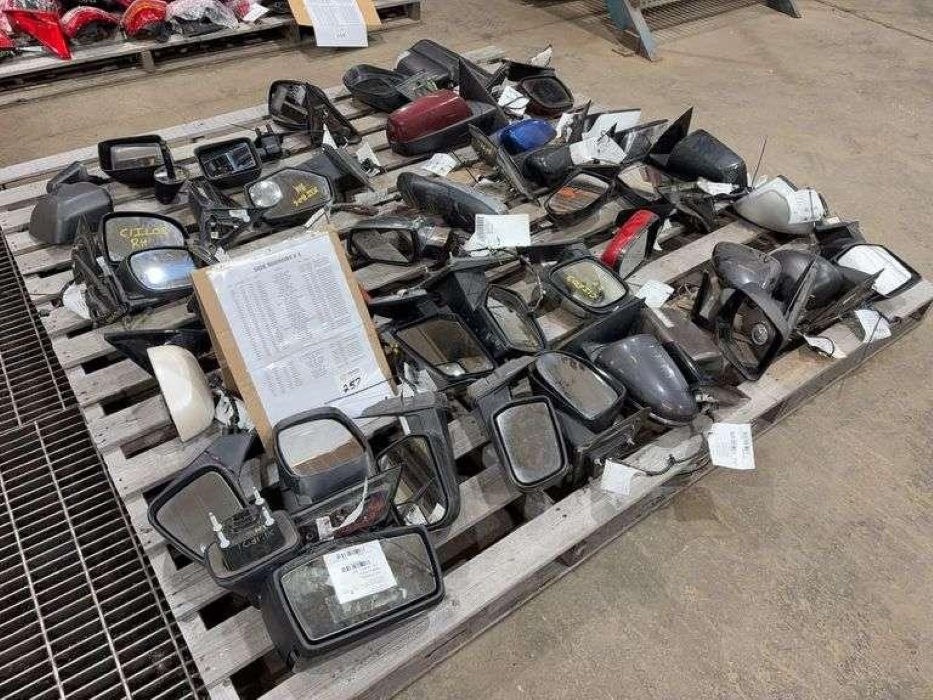
Exterior trim pieces, like door handles, moldings, and badges, follow the same logic. They rarely fail structurally, they just get scratched or knocked loose.
Color matching is less of an issue with black plastic trim, since most manufacturers use a universal factory black. Painted trim needs a color code match like body panels.
Grab handles and emblem pieces are often overlooked but sell for very little at salvage yards. These small purchases add up to real savings on a full restoration.
Because mirrors and trim rarely see mechanical stress, condition is usually easy to judge just by looking. There’s little hidden risk compared to drivetrain components.
6. Seats and Interior Components
Interior condition depends heavily on how the previous owner treated the car, not on the accident that totaled it. A low-mileage total loss often has interior parts in excellent shape.
Seats, especially power seats with heating or memory functions, are expensive to replace new. Salvage seats bring these features at a much lower price point.
Test every seat function before buying, including heating elements, lumbar adjustment, and memory presets. Wiring connectors should match your vehicle’s harness exactly.
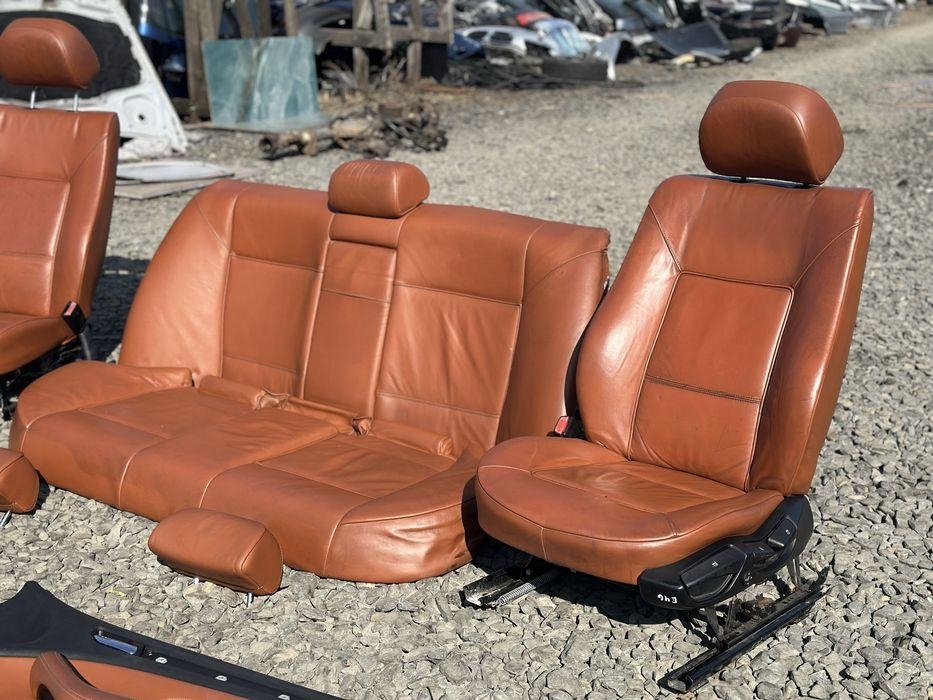
Check upholstery for tears, stains, and sun fading, particularly on the driver’s seat bolster where wear concentrates. This is the area that shows age fastest.
Airbag-equipped seats need special attention. If the seatbelt pretensioner or side airbag already deployed, the seat won’t function safely and shouldn’t be reused.
Ask the yard directly whether airbags were deployed in the donor vehicle. Reputable sellers disclose this without hesitation. Dashboards, center consoles, and door panels follow similar logic.
These pieces rarely take damage unless the interior was directly involved in the collision. A matching interior swap from a salvage yard can transform a worn cabin for a fraction of new upholstery costs.
7. Engine Control Units and Body Control Modules
Control modules are attractive because they’re expensive new and often discontinued for older models. A used module can be the only realistic source for some repairs.
The challenge is programming. Most modern ECUs and body control modules are tied to the vehicle’s identification number through an immobilizer system.
This means a salvage module usually needs professional reprogramming or key relearning before it functions in your car. Budget for this step separately from the part price.
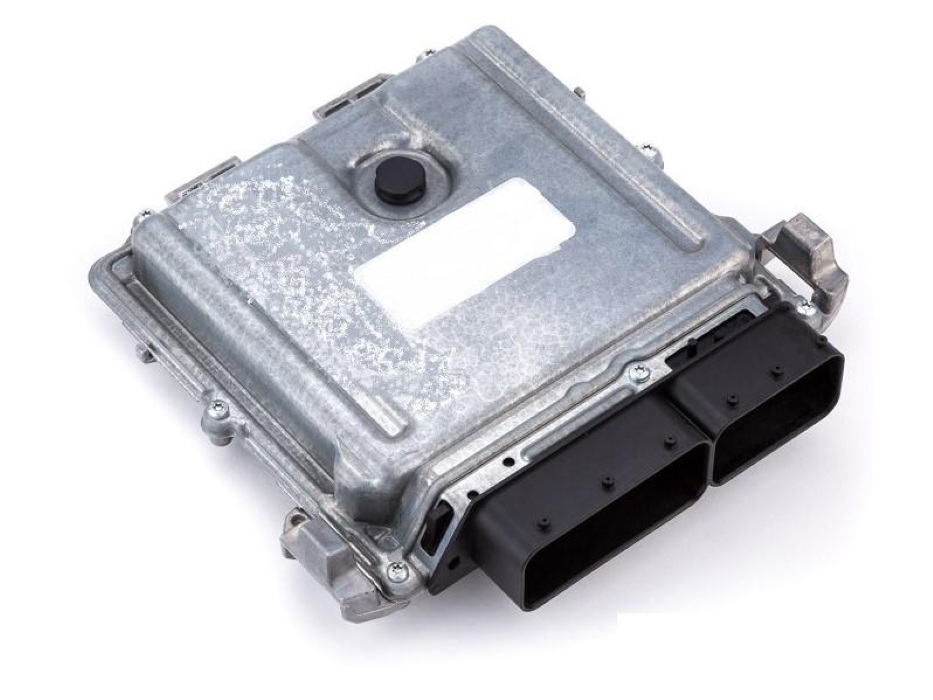
Ask the yard whether the module was pulled from a running, verified-working vehicle rather than a car with an unknown electrical fault. This reduces the chance of buying a bad unit.
Modules sitting in a flooded or fire-damaged vehicle should be avoided entirely. Water and heat damage circuit boards in ways that aren’t visible externally.
For older vehicles without complex immobilizer systems, module swaps are far simpler and often plug-and-play. This makes salvage modules especially cost-effective on pre-2000s vehicles.
Despite the extra programming step, a salvage module still typically costs far less than a new dealer replacement. For discontinued parts, it may be the only option available.
8. Radiators and Cooling Fan Assemblies
Cooling system components sit low in the engine bay and often survive accidents focused on the cabin or rear of the vehicle. This makes them common salvage finds.
A radiator’s main failure points are the plastic end tanks and the core fins. Both are easy to inspect visually before purchase. Look for white or greenish residue around the tank seams, which indicates a slow coolant leak. Bent or crushed fins reduce cooling efficiency even without a leak.
Cooling fan assemblies, including the motor and shroud, rarely take damage unless the front of the car absorbed a direct hit. Test the fan motor by applying battery voltage briefly.
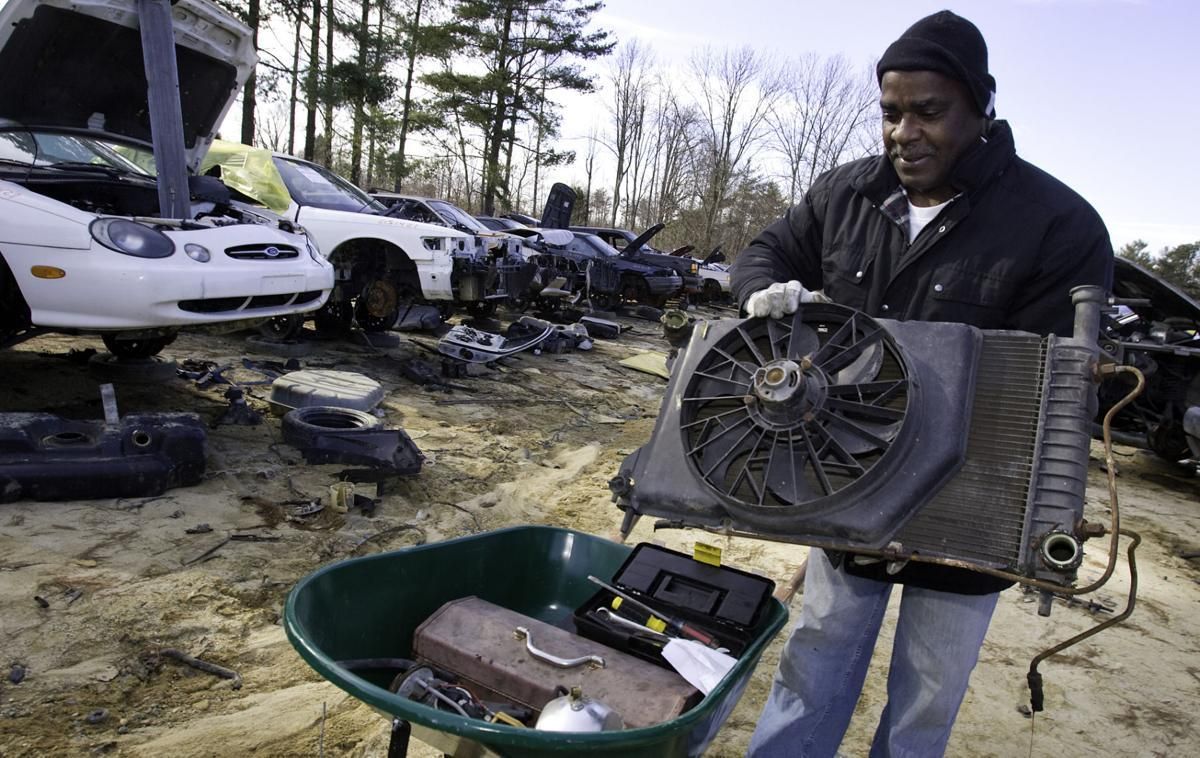
Because radiators are plastic and rubber over time, age matters more than mileage here. A radiator from a five-year-old car is generally safer than one from a fifteen-year-old car.
Ask about the donor vehicle’s model year, not just its mileage, when buying cooling parts. Rubber hoses and plastic seals degrade with time regardless of use.
Salvage radiators cost meaningfully less than new OEM units, and the inspection process is quick. This makes them one of the lower-risk mechanical purchases at any yard.
9. Wiring Harnesses and Sensors
Wiring harnesses rarely fail on their own, but sourcing a new one from a dealer can be extremely expensive and slow. Salvage harnesses solve both problems at once.
Engine bay harnesses, in particular, are useful when rodents or heat have damaged the original wiring beyond simple repair. A donor harness gives a clean, complete replacement.
Inspect connectors for corrosion, especially green buildup around pins, before buying. This indicates prior water exposure that could cause future problems.
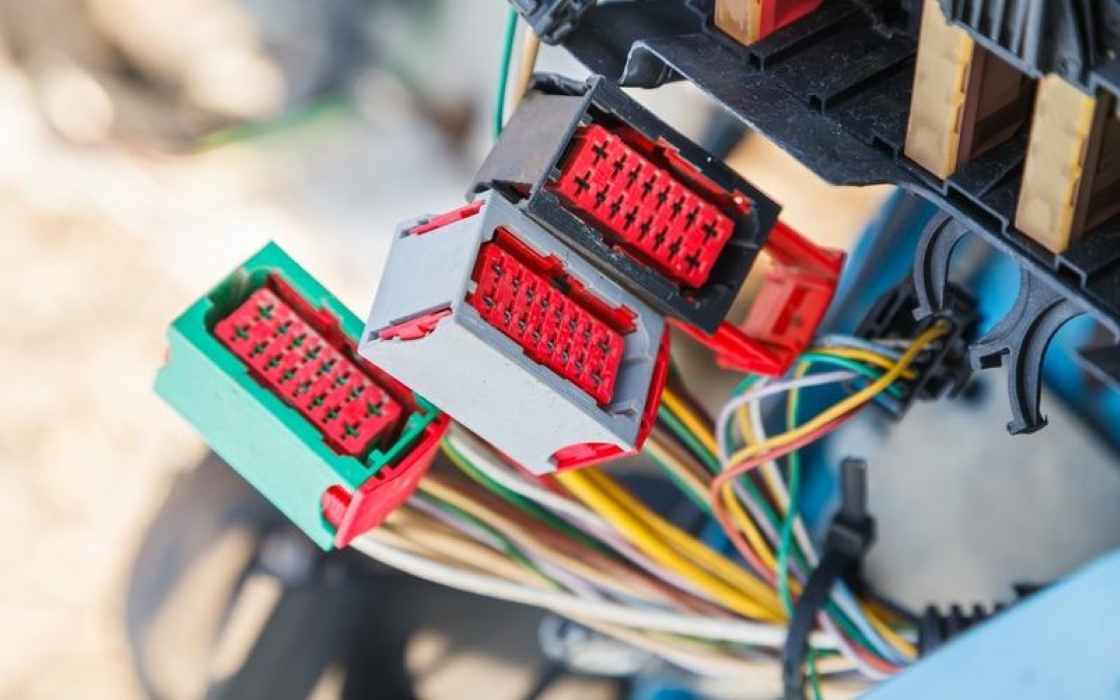
Sensors like oxygen sensors, crankshaft position sensors, and mass airflow sensors are often sold separately and tend to be reliable if pulled from a running vehicle. These rarely take physical damage in a crash.
Ask whether the donor engine was confirmed running before parts were removed. A running engine at pull time strongly suggests functional sensors.
Mass airflow sensors especially benefit from this confirmation, since a faulty one can cause drivability problems that are hard to diagnose after installation. Testing before buying, when possible, avoids this.
Given how costly new wiring and sensor components can be at a dealership, salvage versions offer some of the best percentage savings on this entire list.
10. Automatic Transmissions
Transmissions are the highest-value, highest-risk item on this list. A working used transmission can save thousands of dollars compared to a rebuilt or new unit.
The risk comes from internal wear that isn’t visible from the outside. Clutch packs, bands, and torque converters degrade gradually and can’t be inspected without disassembly.
Reputable yards test transmissions on a stand before selling, checking for proper fluid pressure and smooth gear engagement. Ask specifically whether this testing was done.
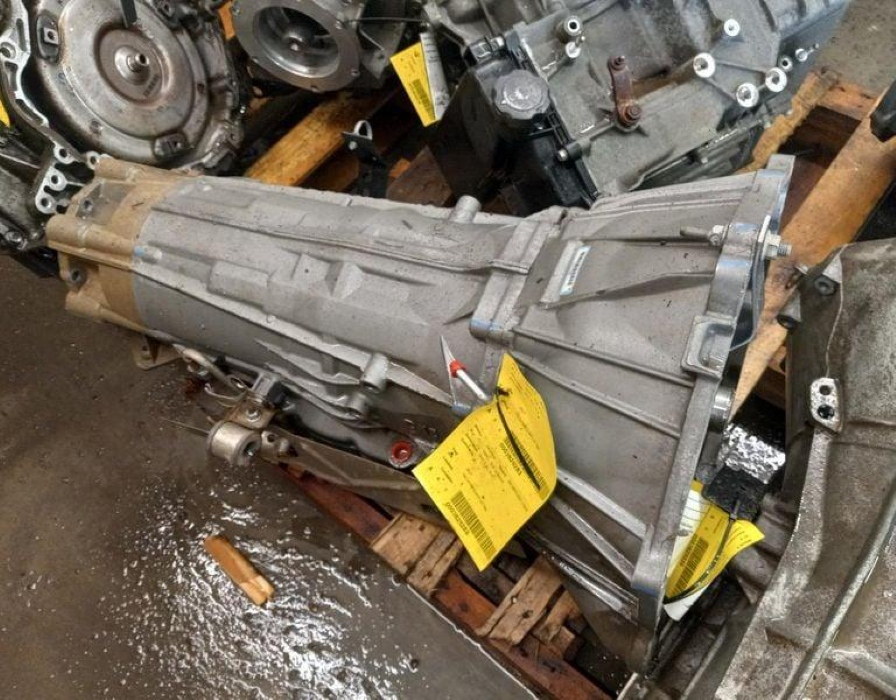
Mileage matters enormously here. A transmission pulled from a car with under sixty thousand miles carries far less risk than one from a much higher mileage donor.
Fluid condition is a strong clue even without a stand test. Clean, red fluid with no burnt smell suggests a well-maintained unit. Dark, burnt-smelling fluid suggests internal wear regardless of mileage. This is one part where walking away is often the smarter move.
Ask about warranty terms specifically for transmissions, since a short warranty period signals the seller’s own confidence in the part. A thirty- to ninety-day warranty is a reasonable minimum to look for. Despite the added risk, a properly vetted salvage transmission remains one of the biggest dollar-for-dollar savings available at any yard.
