
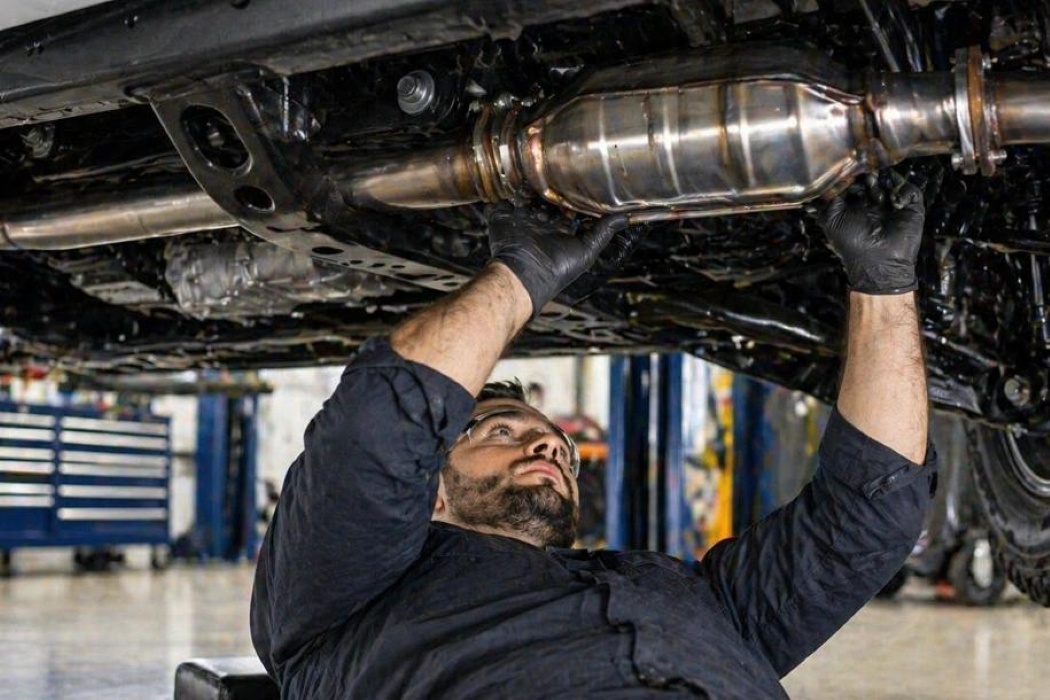
A catalytic converter is one of the most expensive parts hiding in your exhaust system. It uses platinum, palladium, and rhodium coated onto a ceramic honeycomb.
These metals trigger chemical reactions that turn harmful gases into less toxic emissions. The problem is that this honeycomb is fragile and heat-sensitive.
Most converters don’t fail from simple old age. They fail because of specific habits that overheat them, clog them, or crack them. Once the ceramic melts or the coating gets poisoned, there’s no repair option available. Replacement is the only fix, often costing $500 to $2,500.
Below are ten specific habits, tied to how the converter actually works internally, that quietly destroy it long before its expected lifespan. Each one attacks through a different mechanism.
Some cause thermal shock, others cause chemical poisoning, and some cause physical fracture. Understanding exactly which habit applies to your driving can save you from a repair bill that rivals a month’s rent.
1. Ignoring a Check Engine Light Caused by a Misfire
A misfire happens when a cylinder fails to burn its fuel-air charge properly. That unburned fuel doesn’t just disappear into thin air. It travels straight into the exhaust system as raw fuel vapor. Once inside the converter, it ignites there instead of in the cylinder.
This turns the converter into an unintended secondary combustion chamber. Internal temperatures can spike past 1,600°F almost instantly during this process.
That heat melts the ceramic substrate into a partially fused, misshapen blob. Exhaust flow gets restricted, and the engine starts choking on its own gases.
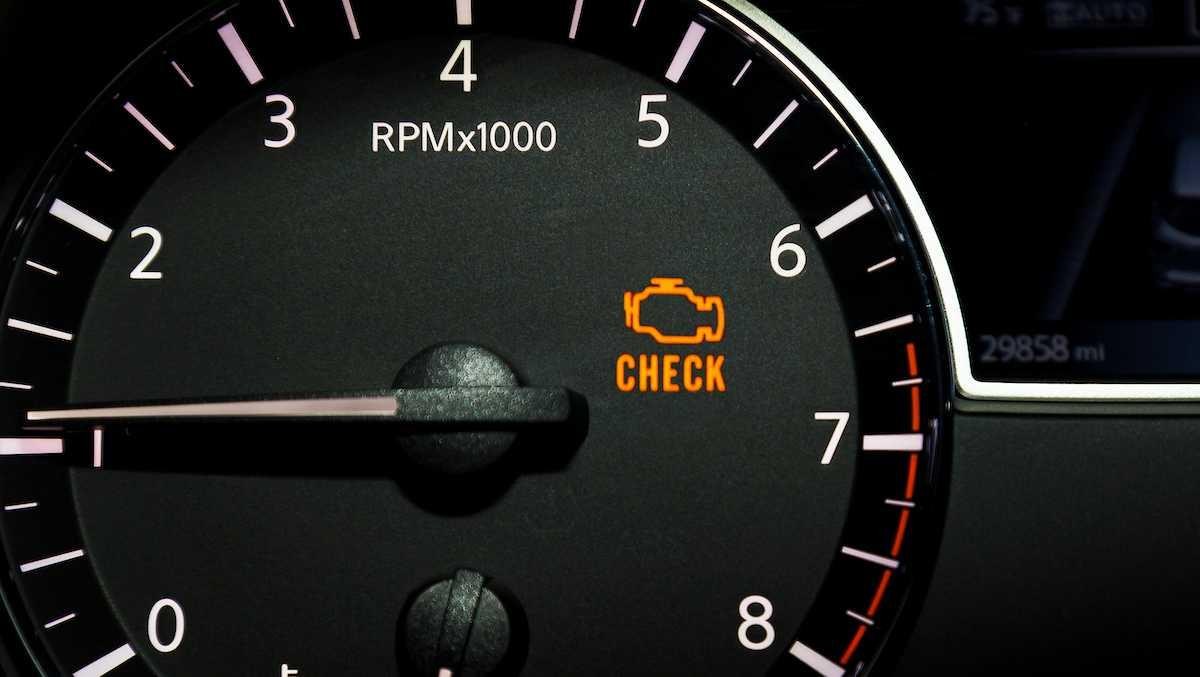
Drivers who keep driving with a flashing check engine light cause this outcome most often. A flashing light specifically signals an active, ongoing misfire.
That’s a converter emergency, not a minor suggestion to schedule service later. Fixing spark plugs, coils, or injectors within days usually prevents permanent damage.
Waiting weeks or months almost guarantees a dead converter by the time you finally address it. Early diagnosis is genuinely the cheapest insurance you have.
Many drivers also assume that a steady, non-flashing warning light can be ignored indefinitely. It cannot. A steady light usually means the problem is developing more slowly, not that it is harmless.
2. Making Only Short Trips Around Town
Catalytic converters need roughly 750°F to 800°F before the chemical reaction even begins. Below that threshold, they’re just passing exhaust through uselessly.
Short trips under two or three miles often never reach that operating heat. The exhaust system barely warms up before you shut the engine off again.
Each cold start also dumps a richer fuel mixture into the engine temporarily. That unburned fuel residue coats the converter’s internal surface repeatedly.

Over hundreds of short trips, this residue builds into carbon deposits and soot. These deposits physically block the honeycomb’s tiny, delicate channels over time.
A blocked converter creates backpressure that the engine has to constantly fight against. This wastes fuel and can eventually trigger misfires of its own.
Combining several errands into one longer weekly trip helps considerably here. It lets the system reach full temperature and burn off buildup naturally.
City-only commuters and short-haul delivery drivers are especially prone to this issue. Their converters may never reach ideal operating temperature during a typical week.
3. Burning Leaded Fuel or Certain Fuel Additives
Leaded fuel is banned for road use in most countries today, but it still appears in some off-road, marine, or aviation blends occasionally. Lead is catastrophic for a converter because it physically coats the precious metal surface.
This process is called catalyst poisoning, and it is permanent. Once lead bonds to the platinum coating, the metal can no longer trigger its intended reaction. The converter becomes an expensive, completely inert pipe.
Certain aftermarket additives containing high manganese content cause a similar poisoning effect over time. They leave metallic residues the converter simply cannot process.
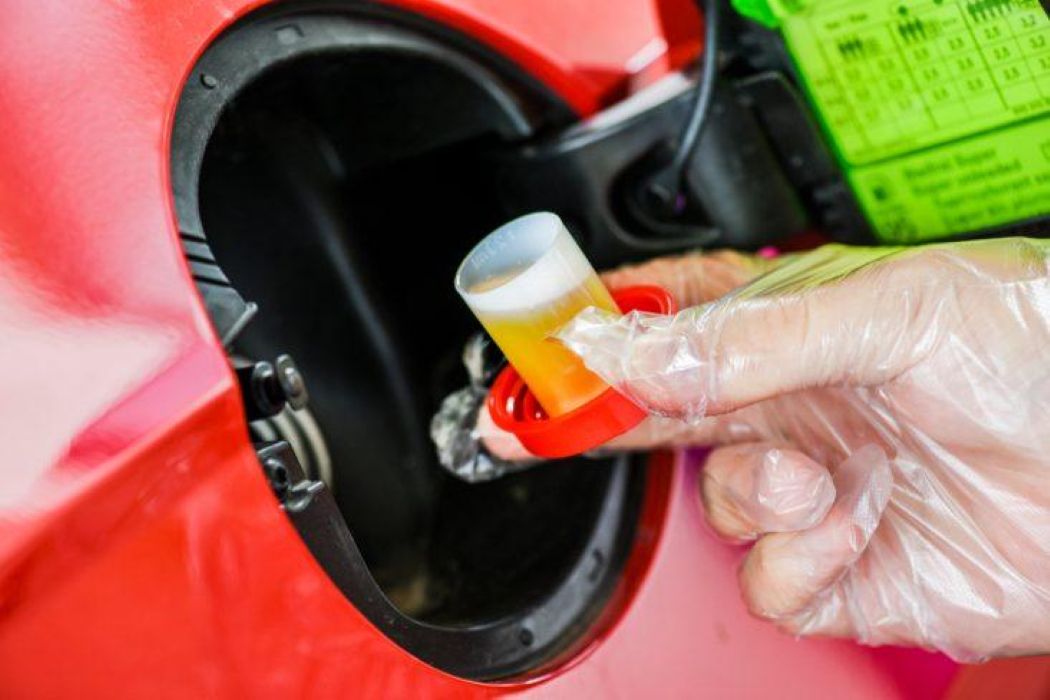
Even trace lead contamination from a single tank can meaningfully shorten converter life. This is exactly why leaded fuel was phased out decades ago.
Sticking to manufacturer-recommended fuel grades and avoiding unregulated octane boosters protects the catalyst coating from this kind of chemical damage entirely.
Classic car owners running vintage engines on off-road-labeled fuel are particularly at risk here. They should double-check every fuel source before filling up.
4. Letting the Engine Burn Oil Without Fixing It
Worn piston rings or failing valve seals let engine oil seep into the combustion chamber. That oil then burns alongside the fuel mixture. Burning oil produces ash loaded with calcium, zinc, and phosphorus from standard oil additives. These specific elements are well-documented catalyst poisons.
As this ash passes through the converter, it deposits directly onto the honeycomb surface. It physically smothers the active metal coating underneath it.
Drivers often notice blue-tinted exhaust smoke or a burning oil smell before this damage turns severe. Ignoring these signs allows continuous ash buildup.
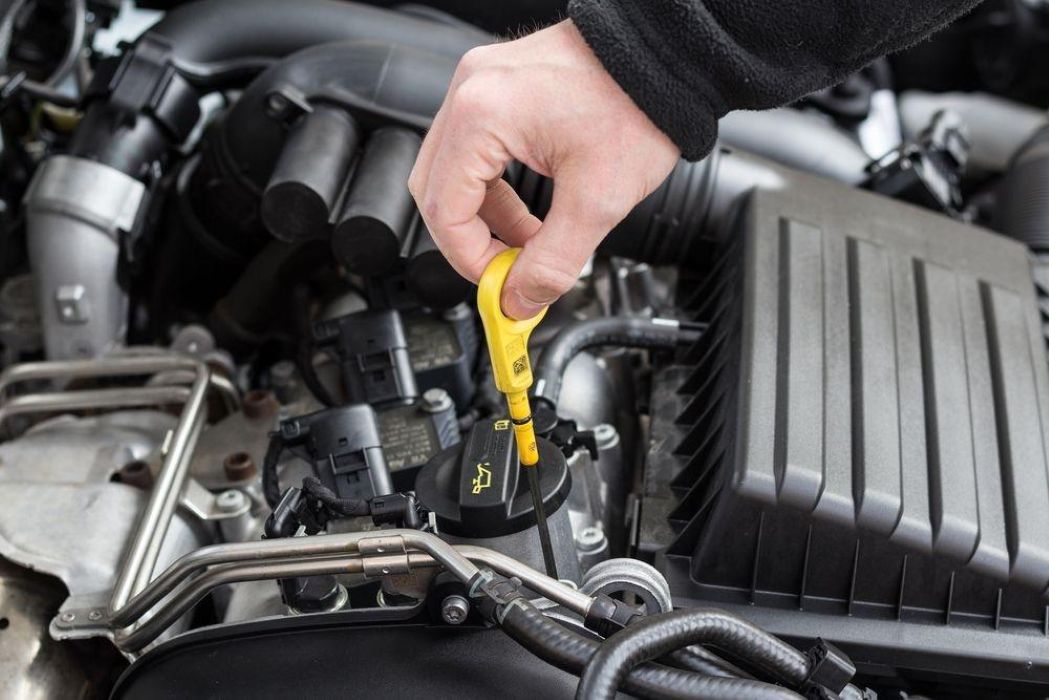
Unlike carbon soot from short trips, oil ash doesn’t burn off during highway driving. It’s a permanent deposit that grows steadily with every mile driven.
Addressing oil consumption as soon as symptoms appear, whether it’s a seal replacement or turbo rebuild, stops this poisoning process before it truly starts.
Checking your oil level monthly and watching for unexplained consumption between changes catches this early, often before any exhaust symptoms even appear.
5. Driving With a Coolant Leak Into the Engine
A blown head gasket can let coolant leak directly into the combustion chamber. This mixes antifreeze straight into the burning fuel charge. Antifreeze contains ethylene glycol along with silicate and phosphate corrosion inhibitors. When burned, these leave behind a fine, ceramic-like residue afterward.
That residue is remarkably good at clogging the microscopic pores of the catalytic coating. It’s considered one of the fastest ways to kill a converter. Telltale signs include white or grayish exhaust smoke, a sweet smell from the tailpipe, and coolant levels dropping with no visible external leak.
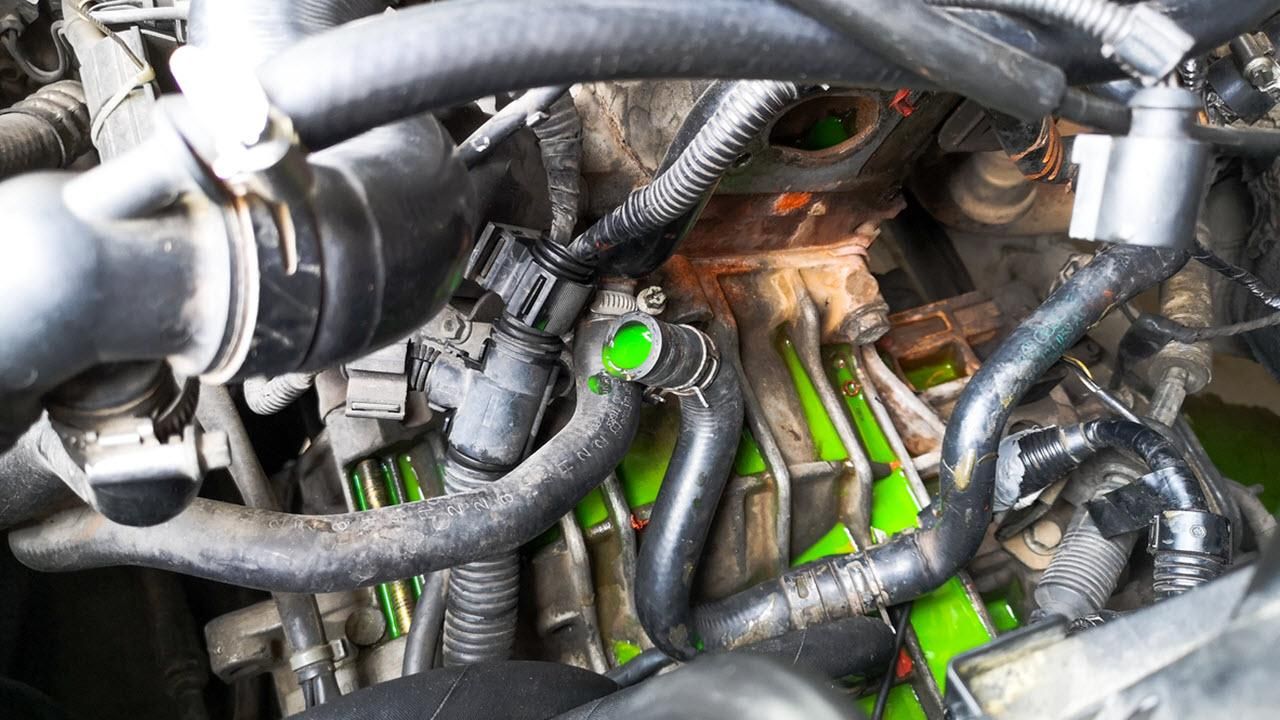
Because this combines physical clogging with chemical poisoning simultaneously, converters exposed to steady coolant burning rarely survive more than a few thousand miles.
Any sign of coolant entering the oil or exhaust system warrants immediate head gasket inspection. Waiting only lets the converter absorb more permanent damage.
Overheating episodes, even brief ones, should always prompt a coolant system check. A single overheating event can crack a head gasket instantly.
6. Running a Consistently Rich Air-Fuel Mixture
A rich mixture means too much fuel relative to available oxygen. This typically happens from failing oxygen sensors or leaking fuel injectors. The engine computer relies on sensor feedback to hold the ideal 14.7:1 air-fuel ratio. Faulty sensors send it inaccurate data constantly and consistently.
When the mixture stays rich for extended periods, excess unburned fuel constantly reaches the converter. It’s essentially a slower, chronic version of a misfire.
Instead of one sudden overheating event, the converter experiences repeated thermal stress and gradual fouling over weeks or months of continuous driving.
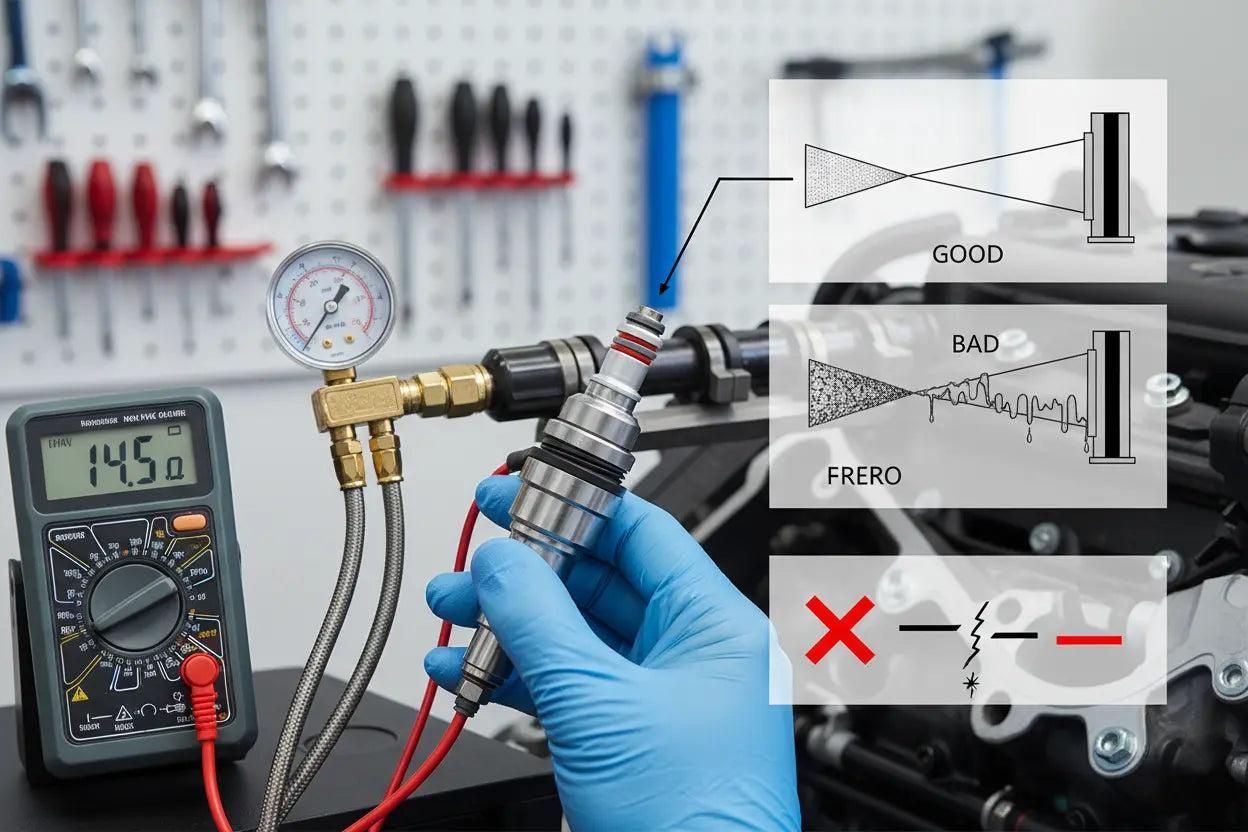
A telltale sign is noticeably worse fuel economy alongside a sulfur or rotten-egg smell from the exhaust. That smell means the converter is already overwhelmed.
Regular oxygen sensor testing during routine service catches this problem early. It’s a fraction of the cost compared to a full converter replacement later. Mass airflow sensor cleaning and periodic fuel injector servicing also help prevent this drift toward a chronically rich condition over time.
7. Scraping the Converter on Speed Bumps and Rough Roads
The converter’s ceramic substrate is brittle, similar in texture to a clay honeycomb structure. It handles heat well but handles impact very poorly indeed.
Low-clearance vehicles are especially vulnerable when crossing steep speed bumps or deep potholes at speed. The converter often hangs lower than surrounding exhaust components.
A hard impact can crack the internal honeycomb without leaving any obvious external damage visible. You may not notice anything until it starts rattling audibly.
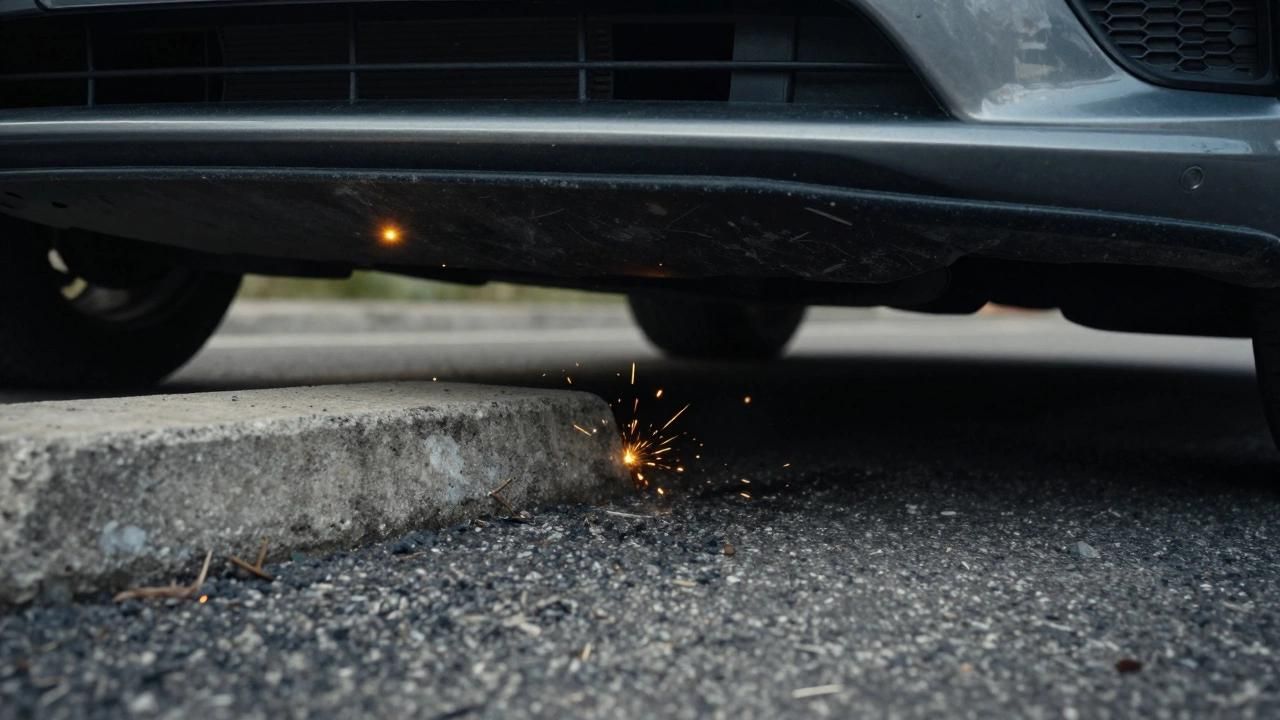
That rattling sound, especially noticeable at idle, usually means broken ceramic fragments are loose inside the converter shell. They shift around with every vibration.
Loose fragments continue grinding against each other over time as you drive. They eventually restrict or completely block exhaust flow through the unit.
Slowing down significantly for speed bumps and steep driveway entries, especially in lowered vehicles, prevents this entirely avoidable structural damage from occurring.
Aftermarket lowering kits without corresponding exhaust modifications are a common culprit here. Ground clearance should always factor into that decision beforehand.
8. Skipping Spark Plug and Ignition System Maintenance
Spark plugs wear out gradually, with replacement intervals usually falling between 30,000 and 100,000 miles depending on plug type. Waiting past that causes issues.
Worn plugs develop a wider electrode gap over time, making the spark weaker and less consistent. This produces small, intermittent misfires repeatedly.
Unlike a dramatic misfire that triggers a flashing check engine light, these minor ones can go completely unnoticed for a very long time. Each one still sends a small amount of unburned fuel into the exhaust system regardless. Over tens of thousands of miles, this adds up significantly.
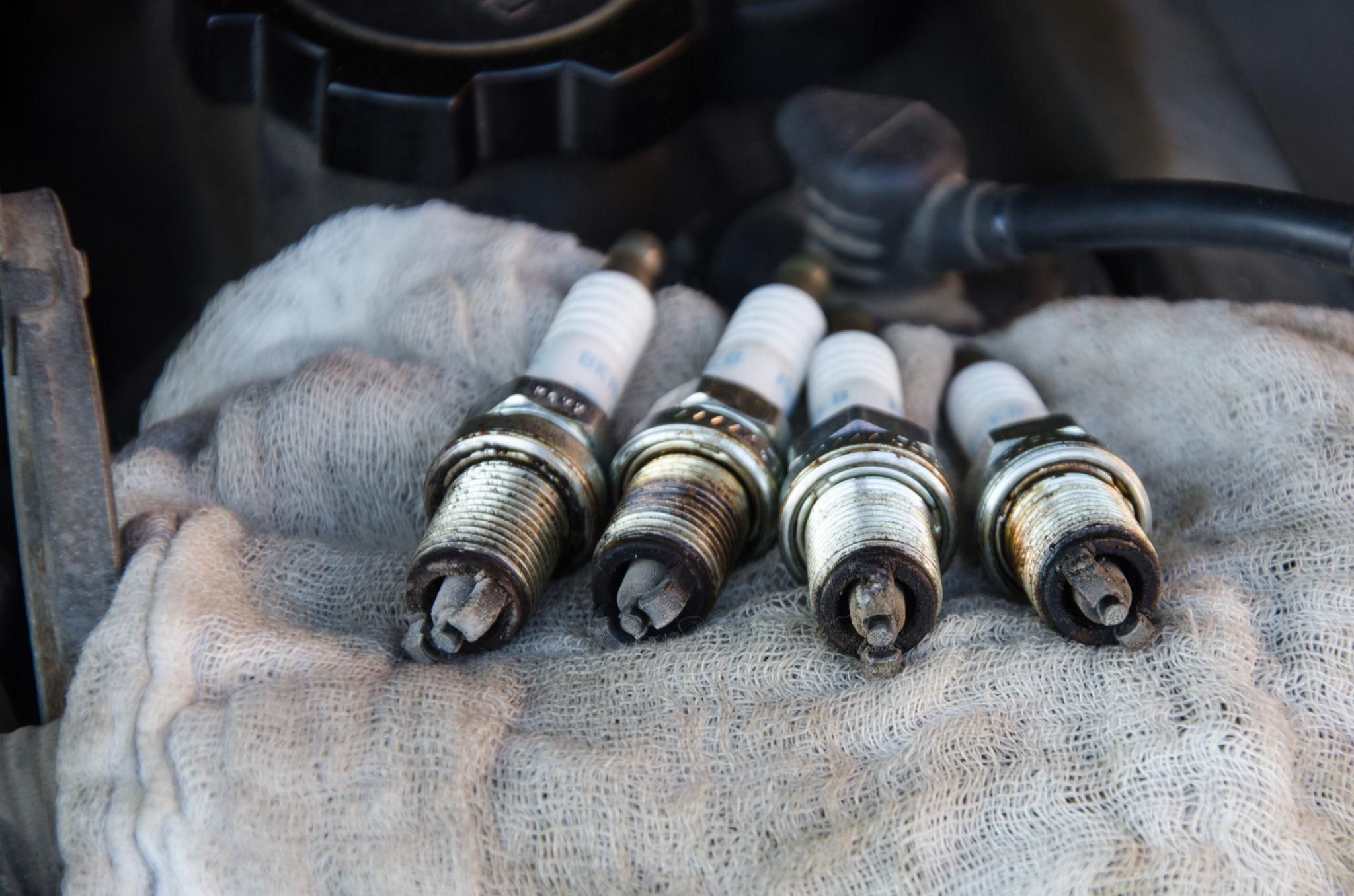
Ignition coils and spark plug wires degrade in a similar gradual fashion. They weaken spark delivery slowly rather than failing all at once suddenly.
Following the manufacturer’s ignition maintenance schedule, rather than waiting for a noticeable problem, prevents this slow accumulation of converter-damaging stress entirely. Platinum and iridium plugs last longer than standard copper ones, but they still require eventual replacement even with excellent driving habits.
9. Using the Wrong Sealants Near the Intake or Exhaust
Some gasket sealants contain silicone compounds that cure by releasing volatile organic vapors into the air. These vapors can get drawn into the intake.
Once silicone vapor enters the combustion process, it burns and leaves behind fine silica ash. This ash is chemically similar to sand or glass dust. This residue coats the converter’s active surface the same way oil ash and coolant residue do elsewhere.
It’s another permanent, irreversible form of poisoning. This typically happens during DIY engine work, like resealing a valve cover or intake manifold gasket, using a generic all-purpose sealant instead.
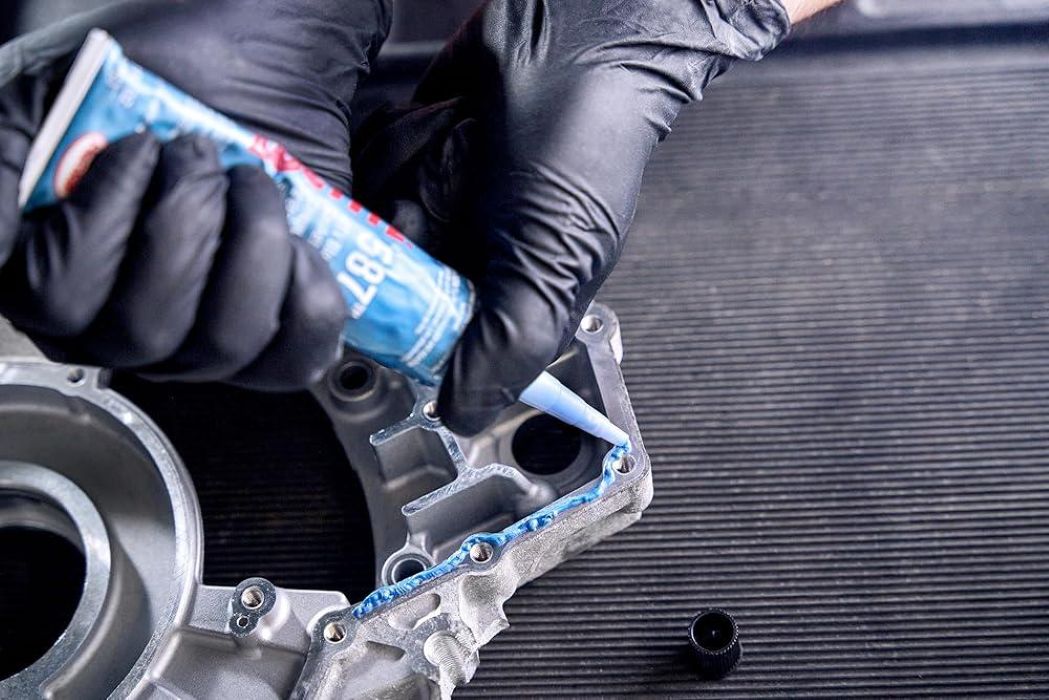
Most reputable sealant brands now sell versions specifically labeled safe for oxygen sensors and catalytic converters. These cure without releasing damaging silicone vapor at all.
Checking the sealant label for this specific compatibility before any intake-adjacent repair avoids introducing a slow, silent converter killer during otherwise routine maintenance. Professional mechanics keep sensor-safe RTV on hand specifically for this reason. It costs only slightly more than the standard, riskier alternative.
10. Excessive Idling With an Already Compromised Engine
Idling alone isn’t automatically harmful to a healthy converter, since it can function fine at idle under normal circumstances. The danger comes from combination effects.
Real damage happens when excessive idling combines with a rich mixture, a minor misfire, or oil consumption issues from earlier habits mentioned above.
At idle, exhaust flow is slow, and airflow through the converter is minimal. This gives any unburned fuel or oil residue more time to bake onto surfaces.
Vehicles that idle for long periods, like delivery vehicles, taxis, or cars warming up in cold weather, accumulate residue faster than normally driven vehicles do.
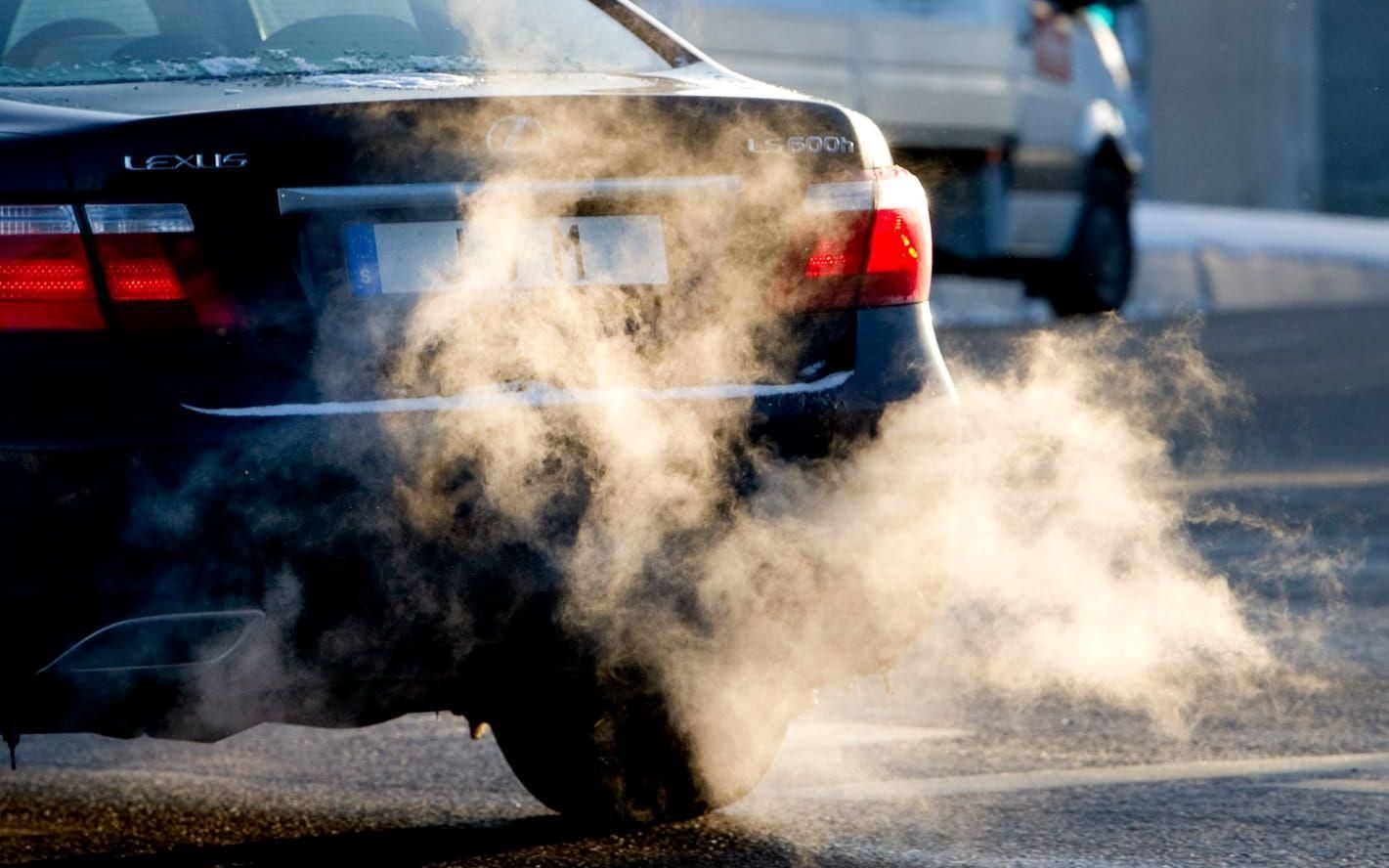
Extended cold-weather idling is particularly damaging because the engine runs richer during warm-up periods. That extra fuel has nowhere productive to go during idle.
Minimizing unnecessary idling, especially in a vehicle with any existing engine issue, reduces the cumulative exposure time that eventually causes full poisoning. Remote starters used habitually for long warmups in winter can quietly accelerate this same problem, even in an otherwise healthy vehicle.
