
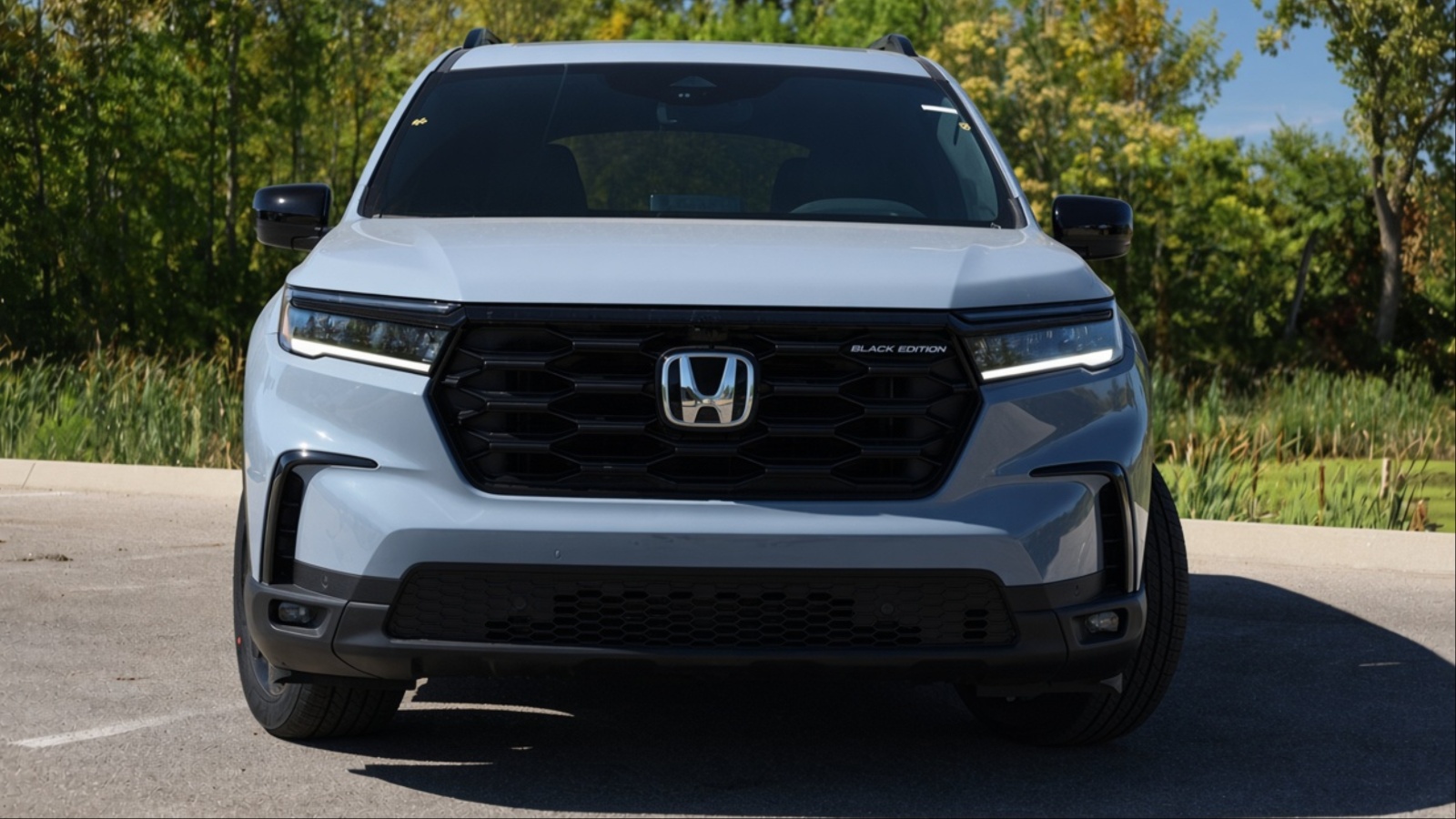
The Honda Pilot has long been a favorite among three-row SUV buyers who want space, reliability, and everyday practicality. For 2026, Honda offers seven distinct trims, ranging from the Sport at roughly $42,395 to the Black Edition near $55,195.
Each trim adds a specific set of features, but not every upgrade translates into real value for your money. Some trims add luxury touches that rarely justify their price jump, while others add genuine capability or comfort that owners use daily.
This breakdown focuses on the data, including pricing, standard features, drivetrain differences, and real-world usability. The goal is simple. Determine which Pilot trim offers the most value for the price you actually pay.
We will examine the full lineup, compare where the price jumps make sense, and highlight the sweet spot trims that balance cost against features. By the end, you will have a clear, evidence-based answer instead of marketing language.
Everything here is based on published Honda pricing data, verified trim specifications, and third-party automotive research rather than opinion alone.
Honda Pilot Trim Lineup and Pricing Breakdown
The 2026 Pilot lineup starts with the Sport trim, priced around $42,395. It comes standard with a 3.5-liter V6 producing 285 horsepower and 262 lb-ft of torque.
Every trim shares this same engine and a 10-speed automatic transmission, so power output is never a differentiator between trims. This matters because it means higher trims are not paying for more performance.
Front-wheel drive is standard on the Sport and EX-L, with all-wheel drive available as a roughly $2,100 option on those two trims. TrailSport and above come with AWD standard.
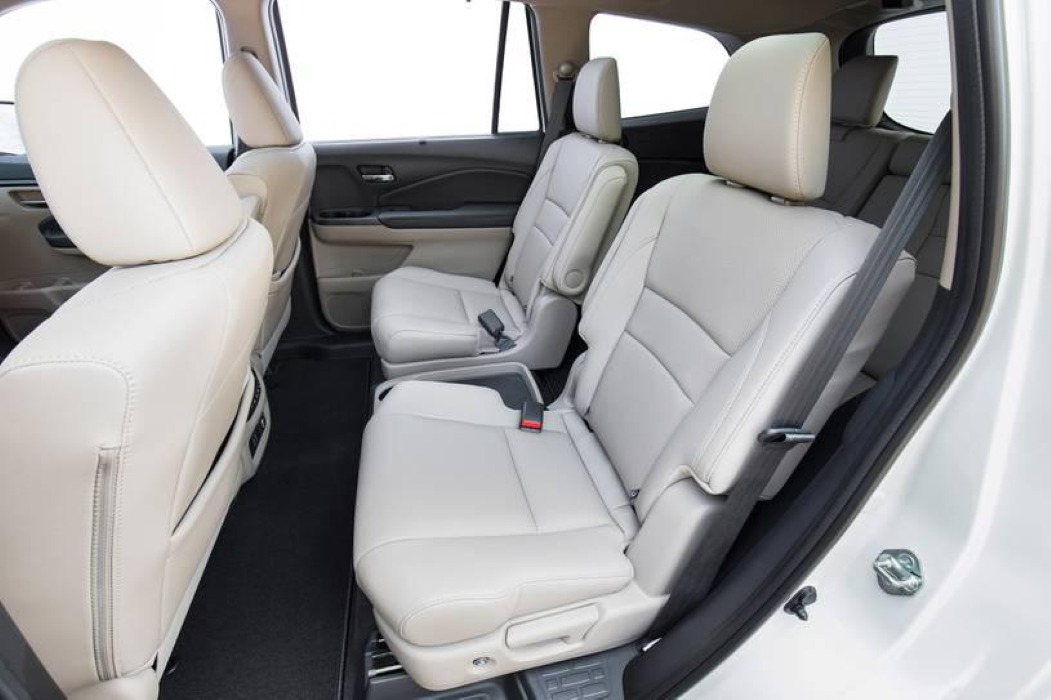
The Sport already includes Google built-in, a power tailgate, 20-inch alloy wheels, and a 10.2-inch digital instrument cluster. That is a strong starting point for a base model. Moving up, the EX-L sits around $44,695. It adds leather-trimmed seats, a stowable second-row center seat, CabinTalk, and parking sensors.
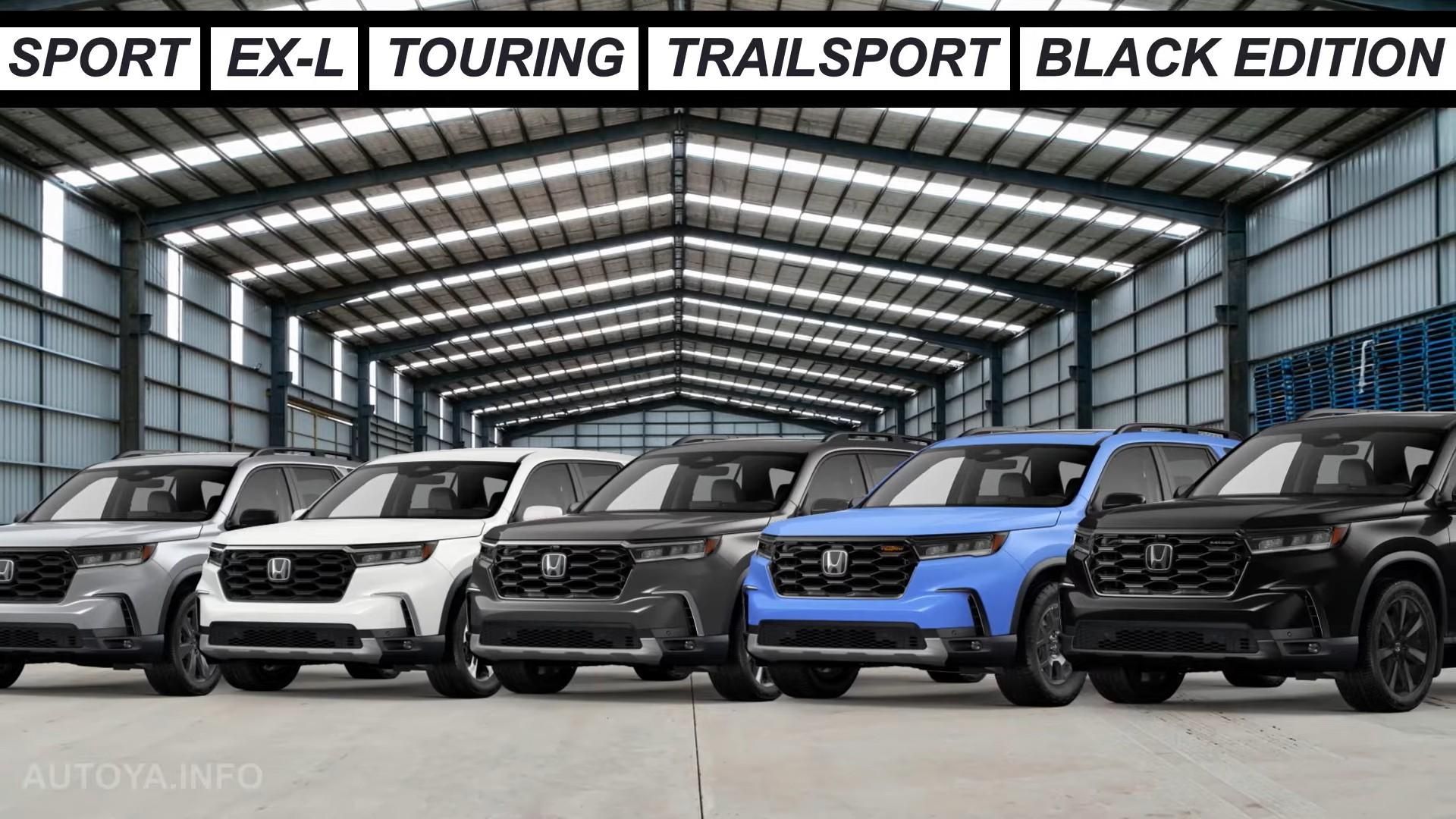
This is roughly a $2,300 jump over Sport, and most of that money goes toward comfort features rather than mechanical upgrades. Several review sources specifically call the EX-L the best value pick in the lineup.
The TrailSport trim jumps significantly to around $50,595. It includes all-terrain tires, an off-road-tuned suspension, TrailWatch camera systems, and standard heated second-row seats for 2026.
This is a nearly $6,000 premium over EX-L, and it is aimed squarely at buyers who want light off-road capability, not just family hauling.
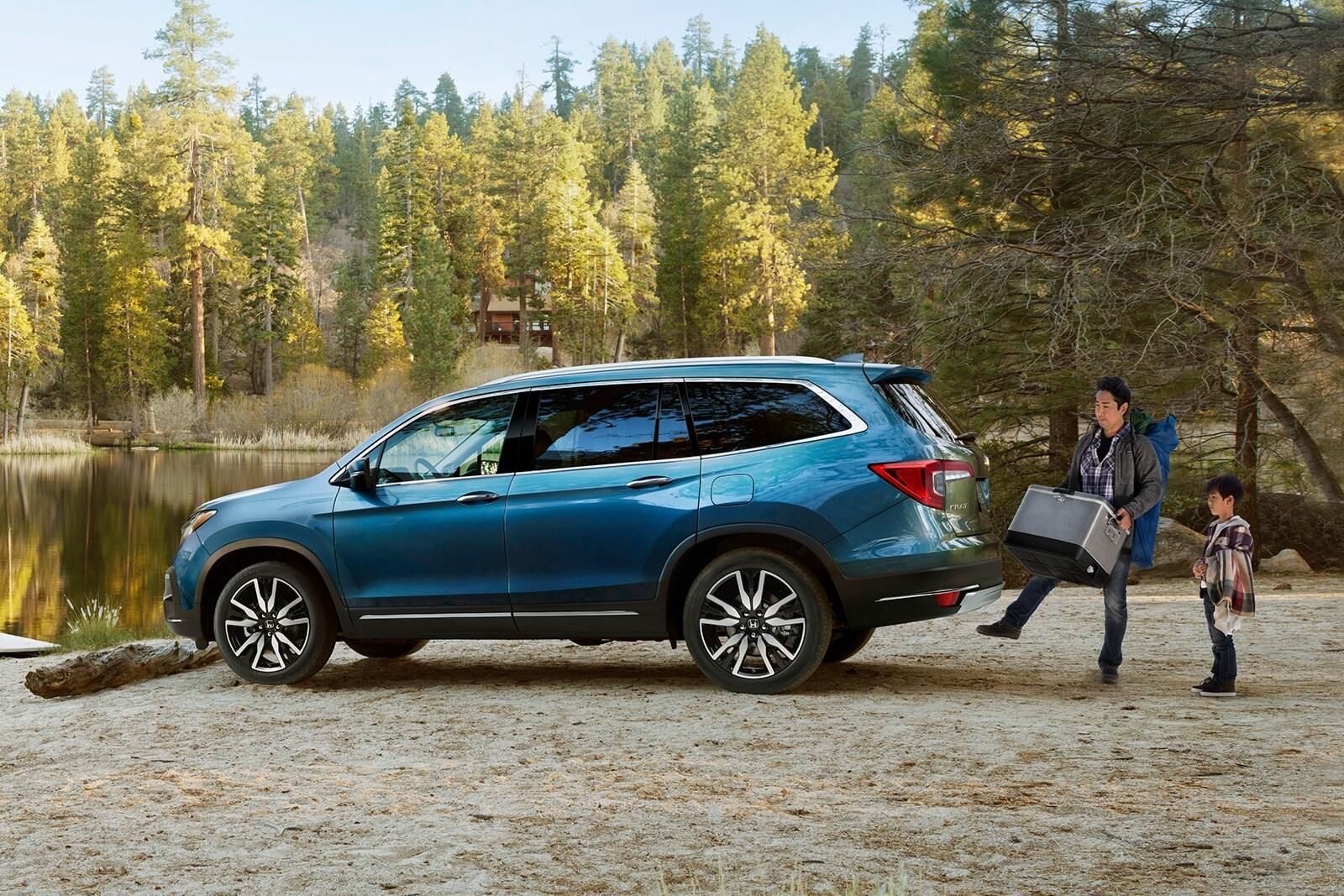
Touring trim comes in at around $51,295, adding a panoramic moonroof, Bose premium audio, a multiview camera system, and a hands-free power tailgate.
Touring Blackout follows at about $52,495, essentially the same mechanical package as Touring but with 20-inch black wheels and blacked-out badging for style.
Elite trim tops out functionally around $53,695, adding a head-up display, rain-sensing wipers, heated and ventilated front seats, and heated outboard second-row seats.
Finally, Black Edition sits at the top near $55,195, combining Elite-level features with gloss black wheels, blacked-out trim, and red ambient interior lighting.
The pattern is clear. Moving from Sport to EX-L brings several functional upgrades. Moving from Touring to Black Edition is more focused on styling and smaller comfort features. That distinction helps show where buyers get the most tangible benefits from spending more within the lineup.
Value Analysis: Which Trims Deliver the Best Return
Edmunds specifically recommends the EX-L as the best value trim in the entire 2026 Pilot lineup. Their reasoning centers on the ratio of added features to added cost.
For about $2,300 more than the Sport, EX-L buyers get leather upholstery, wireless phone charging, rear sunshades, and a stowable center seat. These are features families use constantly.
Compare that to the jump from Touring to Touring Blackout, which costs roughly $1,200 more for wheels and badge color changes alone. There is no functional gain there.
The TrailSport trim only makes financial sense if you genuinely need its capability. All-terrain tires, a suspension lift, and skid plates are wasted money for pure commuter driving.
If your driving is mostly highway and city, paying nearly $6,000 more than EX-L for off-road hardware you will never use is poor value by any objective measure.
However, for buyers in snowy or rural regions, TrailSport’s standard AWD, Trail Torque Logic, and rugged tires can genuinely reduce winter driving risk. That changes the value equation entirely.
Touring trim earns its price primarily through the Bose audio system and the 360-degree camera system. For families doing frequent long road trips, this is a reasonable upgrade.
Still, the jump from EX-L to Touring is about $6,600, which is a large amount to pay for audio quality and a moonroof alone. Elite trim adds ventilated seats, a heated steering wheel, and a bigger digital cluster. These are genuine comfort upgrades, but they come at a nearly $9,000 premium over EX-L.
Black Edition, at the very top, adds almost nothing functional beyond Elite. It is essentially a $1,500 appearance package layered onto an already expensive trim.
According to multiple trim comparison guides, Touring and Elite are positioned as comfort-first choices for buyers prioritizing long-term refinement over sportiness or ruggedness.
Meanwhile, guides consistently describe the Touring Blackout and Black Edition as style-focused trims rather than functionally superior ones. Their extra cost buys appearance, not capability.
When you map dollars spent against features gained, the steepest value cliffs appear between EX-L and TrailSport, and again between Touring and Elite. Both jumps cost thousands for narrow benefits.
The gentlest, most efficient value curve sits between Sport and EX-L. Every dollar spent there buys something a typical family will use on a regular basis.
This is echoed by dealer-published trim guides, which frame EX-L as “one of the most natural stopping points” in the lineup, balancing comfort without chasing specialty features.
If we assign a simple cost-per-major-feature calculation, EX-L delivers roughly four significant upgrades for about $575 each. TrailSport delivers a similar upgrade count but at nearly $1,500 per feature.
That is a meaningful difference for budget-conscious buyers. It shows TrailSport’s price is driven by specialized hardware, not simply more features stacked on.
Resale value data also favors mid-tier trims. Historically, Honda Pilots hold value well across the lineup, but EX-L and Touring trims tend to see stronger demand in the used market.
Base Sport trims and top Black Edition trims often see slightly wider price swings on the used market, since demand is narrower at both extremes of the lineup.
Final Verdict: The Trim Worth Your Money
Based purely on the data, the EX-L trim is the strongest value pick in the 2026 Honda Pilot lineup. It sits close to base pricing while adding features families actually use daily.
Leather seating, a stowable center seat, wireless charging, and parking sensors are not luxury extras. They are practical improvements that noticeably improve the daily ownership experience.
For buyers who genuinely need off-road capability, harsh winters, or rural driving conditions, the TrailSport trim becomes worth its premium. Its value depends entirely on real usage, not aspiration.
If you rarely leave paved roads, TrailSport’s price tag cannot be justified through spreadsheet logic alone. The hardware would simply sit unused for most owners.
Touring makes sense only for buyers who prioritize audio quality, moonroofs, and camera systems above all else. Its price jump over EX-L is large relative to what changes.
Elite is a reasonable pick only for buyers who plan long-term ownership and want maximum comfort features from day one, accepting a nearly $9,000 premium over EX-L.
Touring Blackout and Black Edition should be approached with caution from a pure value standpoint. Their added cost buys almost entirely cosmetic changes, not functional improvement.
If style and exclusivity matter more to you than dollar efficiency, that is a valid personal choice. But by the numbers, these trims are the weakest value picks in the lineup.
The Sport trim remains a smart choice for extremely budget-conscious buyers who want core Pilot functionality without any extras. It is not a stripped-down model by modern standards.
Still, for just a few thousand dollars more, EX-L unlocks comfort features that most buyers will appreciate every single day they drive the vehicle.
When you weigh price against real feature value, EX-L consistently emerges as the trim that maximizes your money. It sits at the pivot point between “basic” and “premium” spending.
Every trim above the EX-L comes with a significant price increase and targets more specific preferences. These include buyers seeking off-road capability, upgraded audio, or a higher level of luxury and styling.
For the average family shopping a three-row SUV, EX-L represents the point where added cost and added usefulness are most closely aligned. That is the definition of value.
If your needs are specialized, such as frequent trailer towing in snow or true off-pavement use, TrailSport becomes the smarter data-backed choice instead.
The 2026 Honda Pilot rewards buyers who resist chasing top-trim badges and instead choose based on which features they will use. EX-L wins that comparison clearly.
