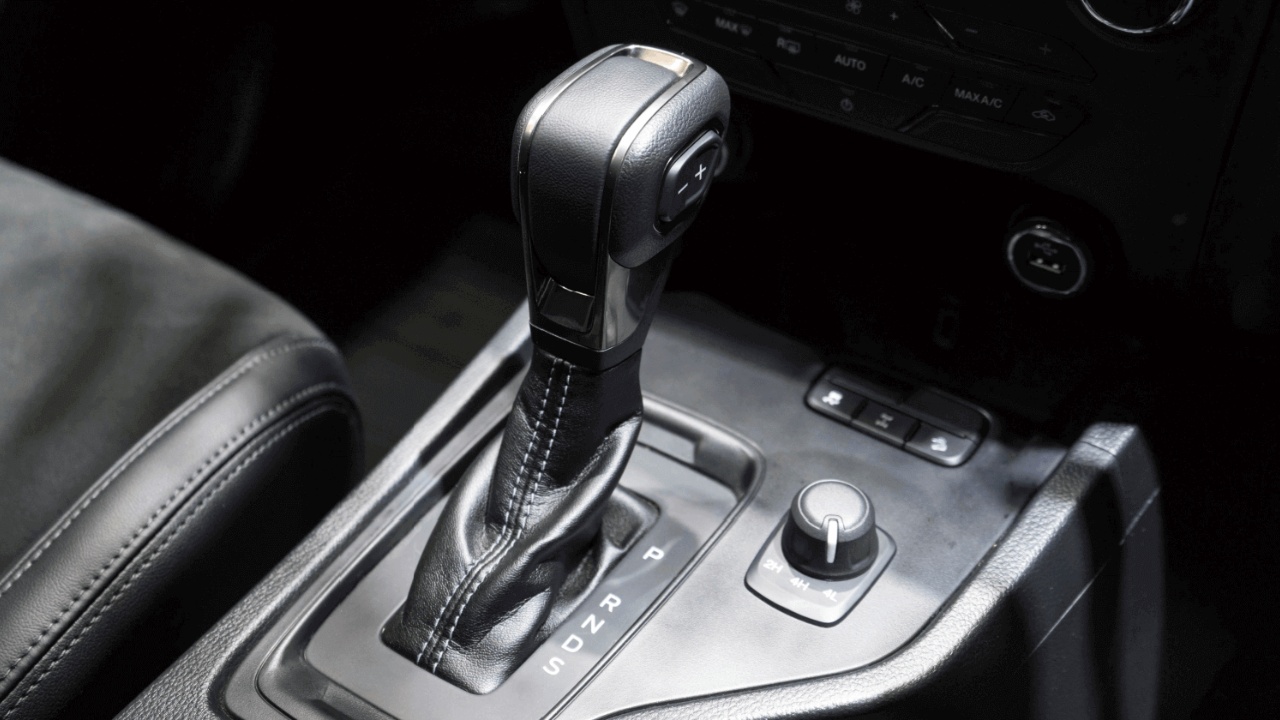
Automatic transmissions are designed to make driving easier, but they still depend heavily on how the driver treats them. Repeatedly generating excess heat, selecting gears at the wrong time, ignoring fluid problems, or forcing the drivetrain to handle loads it was not designed for can accelerate wear.
Some damaging habits happen because they feel harmless in the moment. Others develop simply because drivers never realize the transmission is being stressed.
Manufacturer owner manuals regularly warn against practices such as shifting into reverse while moving, excessive heat during heavy loads, and continuing to drive when transmission problems appear. The good news is that most damaging habits are easy to avoid.
1. Shifting Between Drive and Reverse While the Car Is Moving
Few transmission habits are more unnecessarily harsh than changing directly from Drive to Reverse before the vehicle has completely stopped. It often happens in parking lots, driveways, or when someone is trying to make a quick three-point turn.
The car may be moving only a few miles per hour, so the driver assumes the transmission can handle it. That assumption is not a good one.
Selecting reverse while the drivetrain is still rotating in the opposite direction can create a substantial change in torque direction. Modern automatic transmissions use sophisticated electronic controls and protective strategies, but those systems are not an invitation to repeatedly make abrupt gear-direction changes.
Vehicle manufacturers commonly instruct drivers to bring the vehicle to a complete stop before selecting Reverse. One manufacturer warning preserved in NHTSA records specifically states that shifting into reverse while moving could damage the transmission.
The same principle applies when changing from reverse back into drive. Do not rely on the transmission to slow the vehicle for you. Use the brake, stop completely, select the new gear, release the brake when appropriate, and then accelerate.

This is particularly important during repeated parking maneuvers. Moving back and forth several times can tempt a driver to switch directions before stopping, especially when trying to save a few seconds. Those seconds are not worth the unnecessary drivetrain shock.
A complete stop creates a clean transition between directional commands. It is one of the simplest habits a driver can adopt, and it costs virtually nothing.
2. Using the Accelerator to Hold the Car on a Hill
Holding a vehicle stationary on an incline with the accelerator may feel like a smooth driving technique, but it puts the drivetrain in a situation it does not need to handle. Instead of allowing the brakes to hold the vehicle, the driver applies throttle until the engine or motor produces enough torque to counteract gravity.
That creates a continuous load while the vehicle is supposed to be stationary. Depending on the transmission design and operating conditions, maintaining this balance can generate unnecessary heat and place additional demands on the transmission and drivetrain.
Automatic transmission fluid has an important role in lubrication, hydraulic operation, and heat management, so unnecessary heat is something drivers should avoid.
The simpler approach is to use the brake to keep the vehicle stationary. When you are ready to move, release the brake and ease onto the accelerator smoothly. If your vehicle has brake-hold or hill-start assist, these features can make the process even more convenient.
There is another reason to avoid the accelerator-holding technique. It can make a driver less aware of how much throttle is being used. On a steep hill, the vehicle may require considerably more engine torque to remain stationary than it would on level pavement. If the driver suddenly releases or increases the accelerator, the vehicle can also respond abruptly.

Manufacturer guidance consistently emphasizes proper brake use and avoiding practices that place unnecessary stress on the drivetrain. The transmission should be responsible for transmitting power, not acting as a substitute for the vehicle’s braking system.
Using the brake on an incline is therefore more than a comfort habit. It separates the job of holding the vehicle from the job of moving it, reducing needless drivetrain load and making hill starts more controlled.
3. Ignoring Transmission Fluid Service
Automatic transmission fluid is not simply another liquid sitting somewhere under the hood. It performs several important jobs at the same time, including lubrication, hydraulic control, and heat transfer.
When drivers ignore the maintenance requirements for that fluid, they can allow the transmission to operate with fluid that is degraded, contaminated, or at an incorrect level.
The mistake is assuming every automatic transmission follows the same service interval. It does not. Some vehicles specify regular fluid and filter replacement, while others have different maintenance requirements depending on transmission design, operating conditions, and vehicle use.
Toyota, for example, warns that using an incorrect fluid in certain continuously variable transmissions can cause abnormal operation or damage. NHTSA also advises drivers to check applicable automatic transmission fluid levels and have leaks addressed.
Ignoring a leak can be particularly troublesome. A small leak may not leave a large puddle on the driveway, yet a gradually falling fluid level can eventually affect hydraulic pressure and lubrication. Drivers sometimes wait until shifting becomes harsh or delayed before investigating, but those symptoms can mean the problem has already progressed.
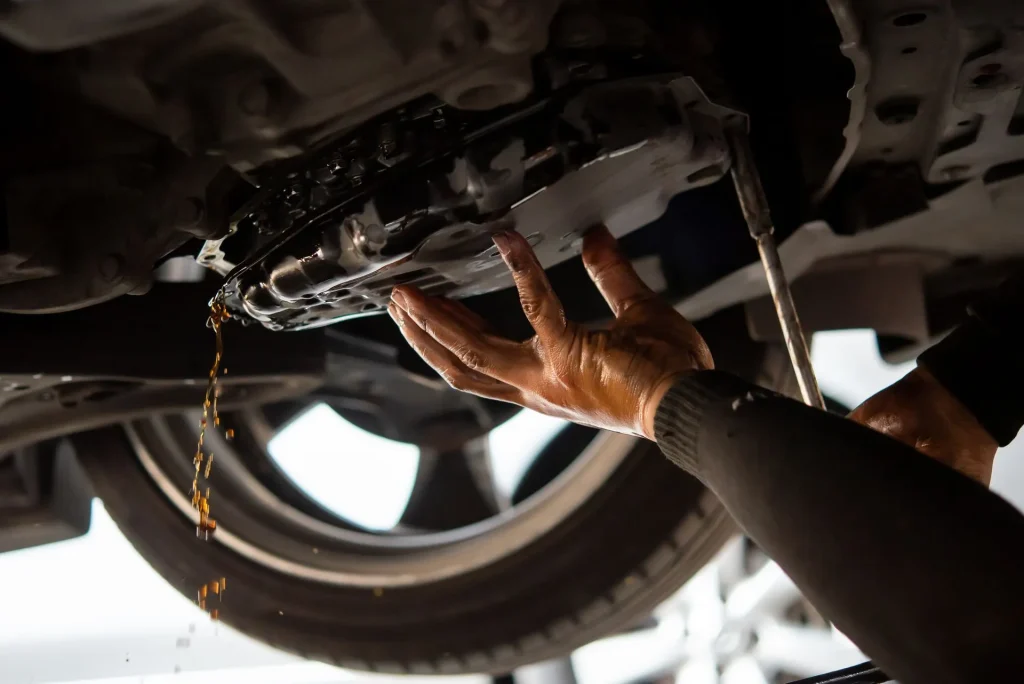
The smarter approach is to follow the maintenance schedule in the owner’s manual rather than adopting a universal mileage rule. If the manufacturer specifies a particular fluid, use that exact specification. Do not assume a generic automatic transmission fluid is suitable simply because the bottle says it works for multiple applications.
Transmission maintenance is not glamorous, but it is far cheaper than discovering that neglected fluid service has contributed to a major transmission repair.
4. Driving Hard Before the Transmission Has Warmed Up
Starting the engine on a cold morning and immediately driving aggressively can put unnecessary stress on an automatic transmission. The issue is not that a modern transmission cannot function when cold. It is that transmission fluid changes behavior with temperature, and manufacturers design the control system around specific operating conditions.
Cold fluid does not flow in the same way as fluid at normal operating temperature. Hydraulic circuits, clutch engagement, torque-converter operation, and shift timing can therefore be managed differently during warm-up.
Manufacturer documentation shows that some automatic transmissions deliberately delay certain operations until transmission fluid reaches an appropriate temperature.
One habit is worth avoiding in particular. Do not start a cold vehicle and immediately demand hard acceleration, aggressive shifting, or heavy towing. The transmission may have electronic safeguards to manage cold conditions, but allowing the drivetrain to warm up gradually puts less unnecessary strain on the system.
You also do not need to sit in the driveway for ten or fifteen minutes waiting for the transmission to reach full operating temperature. A better approach is to start the vehicle, allow the initial idle period required by normal operation, and then drive gently for the first few minutes.
Smooth acceleration and moderate engine speed allow the drivetrain to warm while the vehicle is actually moving.
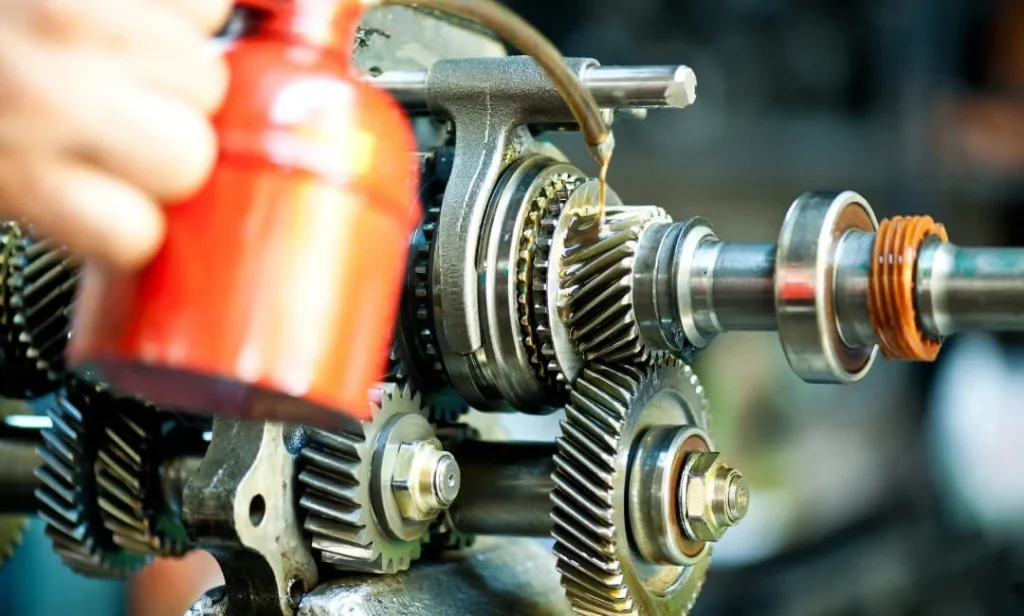
This becomes even more relevant in cold-weather regions. Transmission behavior can change significantly at low temperatures, and some systems restrict certain gear functions until the fluid warms.
The best habit is simple. Give the drivetrain some time to warm up before asking for maximum performance. Take it easy on hard launches, sudden kickdowns, and heavy loads until the vehicle reaches normal operating temperature. A few gentle miles can put far less stress on the transmission than pushing it hard immediately after starting.
5. Towing More Than the Vehicle Is Designed to Handle
Towing can turn a normal automatic transmission into a much harder-working component. The additional weight means the powertrain has to produce more torque to get moving, maintain speed, and climb grades. That extra work can also increase transmission heat, particularly during long climbs, slow traffic, or repeated acceleration.
The mistake is treating the vehicle’s maximum tow rating as a suggestion rather than a limit. Manufacturers establish towing limits based on the capabilities of the complete vehicle, including the engine, transmission, cooling system, brakes, suspension, tires, and structure.
Exceeding that rating can therefore create problems beyond simply making the vehicle feel sluggish.
Heat deserves particular attention. Manufacturer guidance included in NHTSA records recommends using Tow/Haul mode or an appropriate lower gear range during demanding towing conditions specifically to help reduce the potential for automatic transmission overheating.
Some vehicle manuals also call for more frequent transmission-fluid service when a vehicle is regularly used for trailer towing.
The habit to avoid is loading a trailer, ignoring its weight, and assuming the transmission will simply cope. Check the vehicle’s actual towing rating and the trailer’s loaded weight before setting off. Remember that cargo inside the vehicle and trailer contributes to the total load.

Long, steep grades deserve extra caution. If the vehicle has a manufacturer-provided Tow/Haul setting, use it when the owner’s manual recommends doing so. That can change shift behavior and help the transmission manage the additional workload.
A transmission that handles occasional towing within its rated limits is doing exactly what it was designed to do. The trouble starts when drivers consistently ask it to perform beyond those limits or ignore the additional heat generated by heavy loads.
6. Constantly Creeping Forward in Heavy Traffic
Crawling through bumper-to-bumper traffic may seem like one of the easiest things an automatic transmission does. The vehicle moves a few feet, stops, moves again, and repeats the process for miles.
Yet constantly alternating between tiny movements and repeated braking can create unnecessary work for the drivetrain, particularly when the driver uses the accelerator to maintain very slow movement instead of allowing the vehicle to settle naturally.
The bigger issue is not that every slow crawl automatically damages a transmission. Modern automatics are specifically designed for traffic. The problem comes from unnecessarily aggressive inputs during that crawl.
Repeated throttle applications followed by immediate braking create needless changes in load and can produce additional heat.
Heavy traffic can also become a thermal problem when combined with high outside temperatures, steep grades, heavy vehicle loads, or a cooling system that is not operating properly.
Manufacturer guidance found in NHTSA records includes specific recommendations for reducing transmission overheating during demanding conditions, including changing operating strategy in congested traffic.
A better habit is to leave a reasonable gap ahead and let traffic flow rather than constantly accelerating toward the vehicle in front and braking again. When stopped for a meaningful period, follow the owner’s manual instructions for the appropriate gear selection.

Some vehicles specifically recommend neutral during extended stops under certain overheating conditions, while others are designed to remain in drive.
There is no universal rule that every automatic transmission should be shifted into Neutral at every red light. The owner’s manual matters.
The key is to stop treating heavy traffic like a series of mini drag races. Smooth throttle application, predictable braking, and fewer unnecessary gear changes reduce the amount of work the transmission has to perform while crawling through congested roads.
7. Flooring the Accelerator Repeatedly in Traffic
Repeatedly flooring the accelerator to squeeze into small gaps is a habit that can make an automatic transmission work much harder than necessary. The problem is not occasional strong acceleration when it is genuinely needed. It is the constant cycle of aggressive throttle input, rapid acceleration, immediate braking, and another hard launch.
Modern automatic transmissions are designed to respond quickly to throttle changes, and electronic controls can select lower gears when the driver demands more power. However, repeatedly forcing those downshifts and rapid changes in torque creates more drivetrain activity than smooth acceleration would.
This habit becomes particularly questionable in stop-and-go traffic. A driver may accelerate hard for only a few seconds before reaching another line of stopped vehicles.
The transmission then has to manage another acceleration event almost immediately. Repeating that pattern for an extended period can contribute to additional heat and unnecessary mechanical stress.
A smoother technique is to anticipate traffic. Maintain a larger following distance where conditions permit, accelerate progressively, and avoid racing toward every opening. If a gap closes, you should not have to brake immediately after a hard launch.
There is also a safety advantage. Smooth throttle inputs make the vehicle easier to control and reduce abrupt weight transfers.
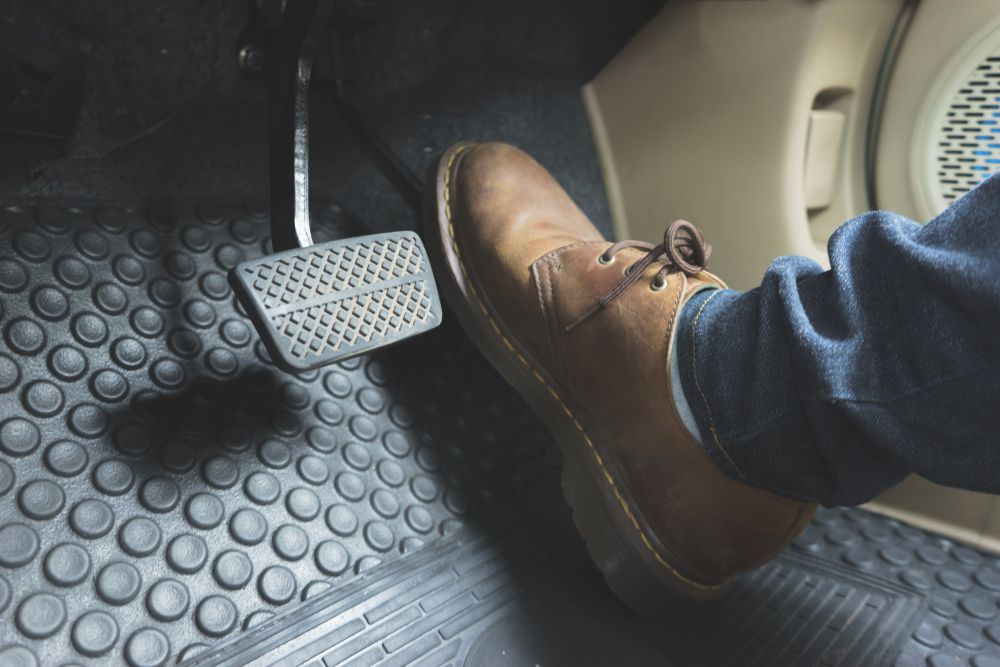
Strong acceleration itself is not automatically harmful. Vehicles are engineered to deliver the power their engines produce. The concern is using maximum or near-maximum throttle constantly when normal traffic does not require it.
Treat the accelerator as a tool for controlled movement rather than an on-off switch. That small change can reduce unnecessary transmission activity while making congested driving noticeably smoother.
8. Ignoring Transmission Warning Signs
A transmission rarely develops a serious problem without showing some warning signs first. Early symptoms can be easy to overlook, such as delayed engagement, unusual shifting, slipping, shuddering, fluid leaking beneath the vehicle, or a new and unfamiliar noise.
Continuing to drive normally and hoping the symptom disappears can turn a manageable problem into a much more expensive one.
One of the worst habits is adapting to the problem instead of investigating it. For example, a driver might notice that Reverse takes several seconds to engage and simply start giving the accelerator more throttle. That does not fix the underlying issue. It may make the drivetrain work harder while masking the original symptom.
Transmission fluid leaks deserve particular attention. Low fluid can interfere with the transmission’s ability to operate correctly, while the leak itself can indicate a damaged seal, line, pan, cooler connection, or another component.
Manufacturer maintenance information commonly instructs owners to inspect for leaks and address abnormal transmission operation rather than continuing indefinitely.
Warning lights should also be taken seriously. A check-engine or transmission-related warning does not automatically mean the transmission is failing, but it does mean the vehicle’s diagnostic system has detected a condition worth investigating.
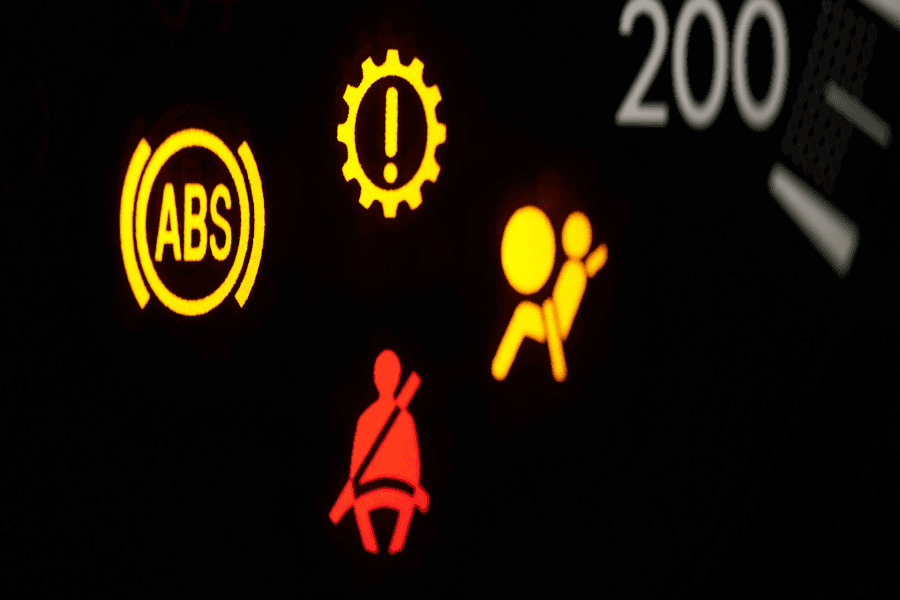
The sensible habit is to pay attention to changes in behavior. If shifting suddenly becomes harsh, delayed, unusually noisy, or inconsistent, have the vehicle inspected rather than attempting to drive around the symptom.
Early diagnosis does not guarantee a cheap repair, but ignoring a developing fault can allow secondary damage to occur. Recognizing unusual behavior is therefore one of the easiest ways to prevent a small transmission problem from becoming a major one.
9. Using the Wrong Transmission Fluid
Automatic transmission fluid is not a universal product, even when several bottles appear to promise similar performance. Different transmissions can require fluids with specific friction characteristics, viscosity ranges, additives, and performance standards. Using the wrong product can therefore affect how the transmission’s internal components operate.
This is especially important because automatic transmissions depend on carefully controlled friction. Internal clutch packs need to engage smoothly, while hydraulic passages and valves rely on the fluid to transmit pressure.
A fluid that does not meet the manufacturer’s specification can change shift behavior or interfere with the intended operation of those components.
Manufacturer warnings make this more than a theoretical concern. Toyota, for example, states in owner documentation that using a fluid other than the specified transmission fluid can cause abnormal operation and may result in damage. The same principle applies across many transmission designs.
The mistake often happens during a quick fluid top-up. A driver sees “automatic transmission fluid” on a bottle and assumes it is suitable. That label alone is not enough. The correct specification should come from the vehicle’s owner’s manual or manufacturer service information.
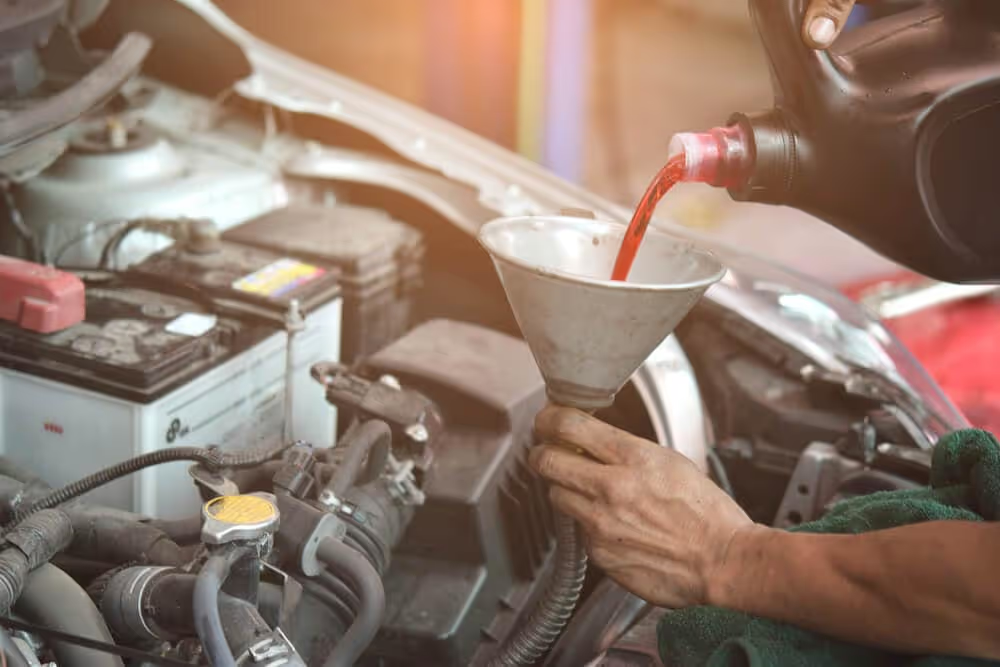
Do not rely solely on color, either. Fluid color is not a reliable way to determine whether two fluids are interchangeable.
If the transmission requires a particular fluid, use the exact specification recommended for that transmission. When having the fluid serviced at a shop, it is reasonable to ask what specification is being used.
A few extra minutes checking the required fluid can prevent an expensive mistake. The transmission was engineered around a particular fluid, so giving it anything merely because it fits the general category of “ATF” is an unnecessary gamble.
10. Continuing to Drive When the Transmission Is Overheating
Heat is one of the most important conditions to control in an automatic transmission, which makes continued driving after an overheating warning a particularly bad habit. Transmission fluid performs several jobs inside the system, and excessive temperature can accelerate fluid degradation and place additional stress on transmission components.
Drivers sometimes respond to an overheating warning by reducing speed slightly and continuing toward their destination. That may be appropriate only when the vehicle’s manufacturer specifically provides such instructions. Otherwise, the warning should be treated seriously, and the owner’s manual consulted immediately.
Heavy towing, steep grades, high ambient temperatures, stop-and-go traffic, and excessive vehicle loads can all increase the thermal demands placed on a transmission. Manufacturer guidance documented by NHTSA includes procedures intended to reduce transmission temperatures during demanding operating conditions.
There are also physical clues worth noticing. A burning smell, unusual shifting, slipping, or a sudden change in transmission behavior can indicate that something is wrong. Continuing to apply heavy throttle in that situation only increases the workload.
The appropriate response depends on the vehicle. Some vehicles provide specific overheating procedures, while others may require the driver to stop and allow the drivetrain to cool. If the vehicle is showing a serious warning, consult the owner’s manual and seek professional assistance rather than guessing.
The important habit is knowing when to stop demanding performance from the transmission. Getting home a little later is inconvenient. Turning an overheating problem into a major transmission failure can be extremely expensive.