CVTs have earned a mixed reputation in the United States. Some have become notorious for expensive failures, while others quietly rack up 150,000, 200,000, or even more miles when maintained correctly. The difference is not simply the CVT badge itself. Design, model year, cooling, engine output, driving conditions, and fluid maintenance all matter.
This list focuses on specific vehicles with stronger evidence of long-term durability rather than assuming every CVT from a particular brand is reliable. It is also important to remember that reaching 150,000 miles is never guaranteed. A documented service history remains one of the biggest advantages when buying a high-mileage CVT vehicle.
1. Toyota Corolla
The Toyota Corolla is one of the more convincing choices for buyers who want a CVT without automatically accepting a short transmission lifespan. The 2020 Corolla is particularly interesting because Toyota paired its 2.0-liter Dynamic Force four-cylinder with a Dynamic-Shift CVT.
Unlike a basic CVT that relies entirely on its variable-ratio mechanism from a standstill, Toyota’s design incorporates a launch gear before transitioning into the CVT range. That approach reduces the amount of work the belt and pulleys have to do during initial acceleration. Toyota rated the 2.0-liter engine at 169 horsepower and 151 lb-ft of torque.
That matters for longevity because a transmission dealing with modest engine output has an easier job than one constantly handling high torque. The Corolla is also relatively light, with the 2020 hatchback listed at 3,060 pounds, while the sedan measures roughly 182 inches long, depending on configuration.
The important qualification is maintenance. A Corolla CVT should not be treated as maintenance-free simply because Toyota has a strong reliability reputation. Fluid condition, heat, driving habits, and neglected service can still determine whether the transmission reaches high mileage.
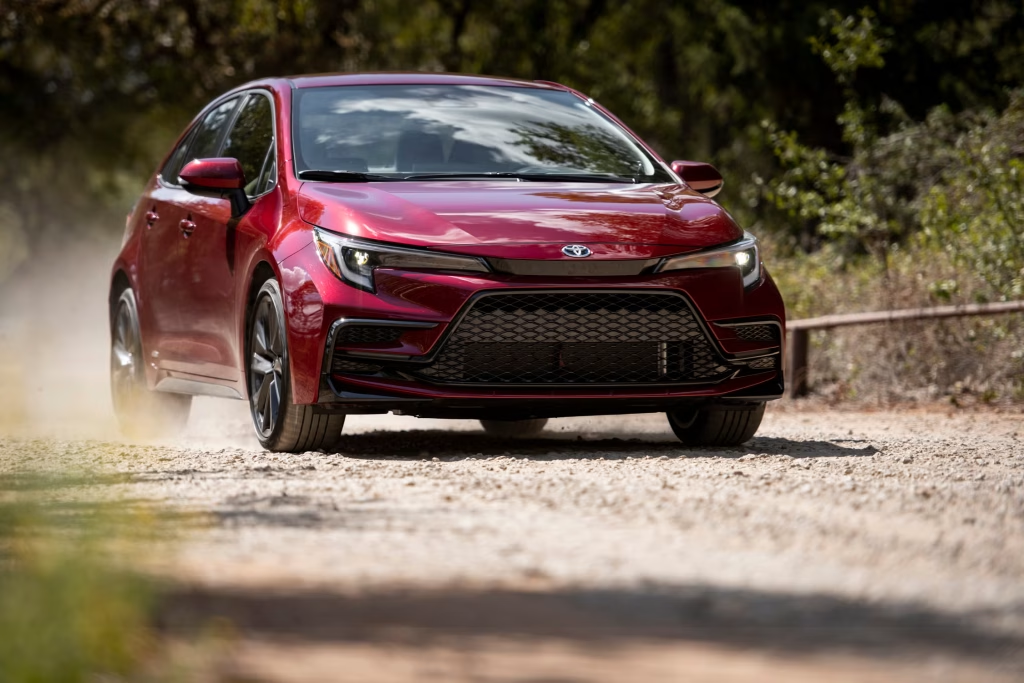
The 2.0-liter Corolla’s relatively conservative powertrain makes it a sensible candidate for a 150,000-mile target, particularly when its service history is documented.
For used buyers, a clean maintenance record is more valuable than a suspiciously low asking price. A Corolla that has accumulated highway miles with consistent servicing can be a much more attractive high-mileage proposition than a lower-mileage example with an unknown history.
2. Honda Civic
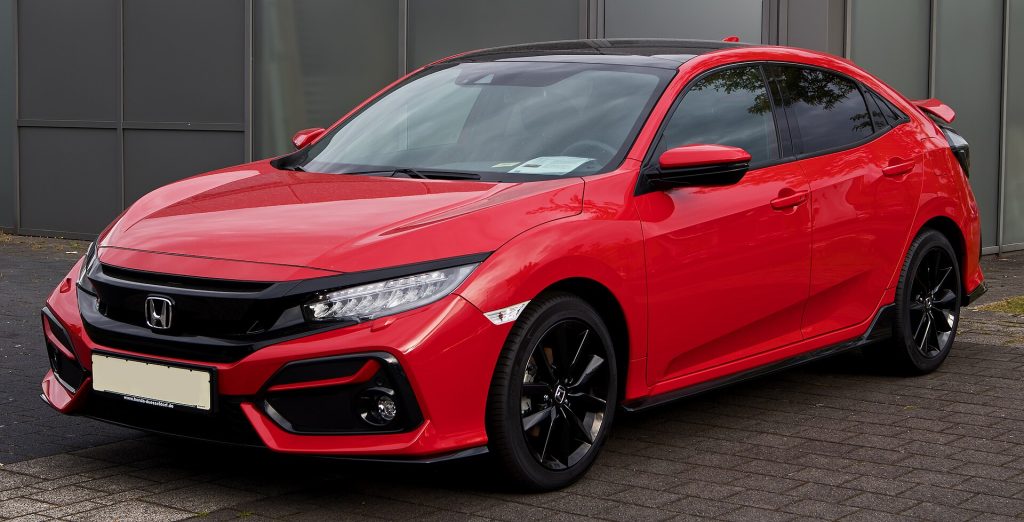
The Honda Civic deserves a place on this list because Honda’s CVT strategy has generally worked well when paired with its smaller four-cylinder engines and maintained correctly. The Civic has also been sold in enormous numbers in the United States, giving buyers a large pool of vehicles and maintenance information to evaluate before purchasing a used example.
The 2018 Civic, for example, offered a 2.0-liter four-cylinder with 158 horsepower and an available CVT on regular sedan models. Honda also offered a CVT with the turbocharged 1.5-liter engine in certain versions. The relatively modest output of the naturally aspirated 2.0-liter makes it an especially straightforward configuration for someone prioritizing long-term ownership rather than maximum acceleration.
There is an important caveat. Civic CVTs are not immune to failure. U.S. owner complaint records include examples of CVT problems beyond 150,000 miles, as well as failures occurring much earlier. One documented 2016 Civic complaint involved a CVT at 153,531 miles despite the owner reporting regular maintenance.
Another 2014 Civic owner reported a CVT-related issue after reaching more than 150,000 miles. These reports do not establish a fleetwide failure rate, but they demonstrate why mileage alone should never be treated as proof of reliability.
The Civic’s advantage is that a properly maintained example can accumulate substantial mileage while using a relatively uncomplicated four-cylinder powertrain. For a 150,000-mile target, buyers should prioritize service records, smooth acceleration, and the absence of shuddering or unusual transmission behavior during a thorough test drive.
3. Subaru Forester
The Subaru Forester takes a different approach to CVT durability because its transmission is part of a powertrain built around a naturally aspirated boxer engine and standard all-wheel drive. The 2020 Forester used Subaru’s Lineartronic CVT with a 2.5-liter four-cylinder producing 182 horsepower and 176 lb-ft of torque. Subaru also rated the vehicle for up to 1,500 pounds of towing when properly equipped.
That combination is not designed to deliver sports-car acceleration. In the context of transmission longevity, that can be an advantage. The engine produces a moderate amount of torque, while the CVT is calibrated to keep the engine within an efficient operating range rather than constantly chasing aggressive shifts.
Subaru’s use of a CVT across its mainstream lineup also means the system has been developed around the company’s symmetrical all-wheel-drive architecture rather than being an isolated transmission application.
There is still a major distinction between a Forester that has been maintained and one that has simply accumulated miles. A 150,000-mile example deserves a close inspection of its service history, transmission behavior, fluid condition, and drivetrain operation. Smooth engagement, consistent acceleration, and the absence of unusual noises are much more reassuring than the odometer alone.
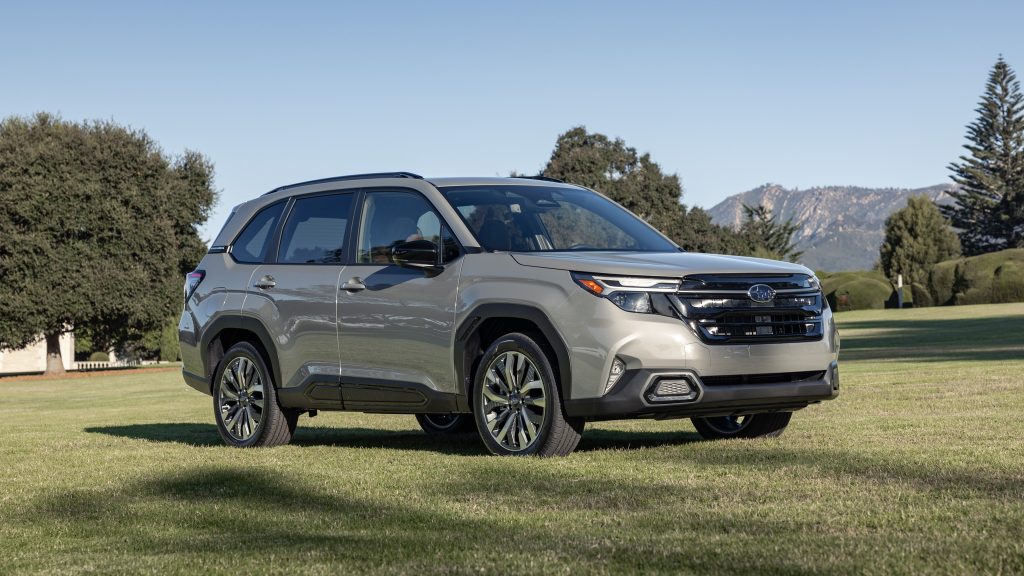
The Forester also has a practical advantage for American owners who accumulate mileage through mixed driving. Its 8.7 inches of ground clearance and standard all-wheel drive make it useful beyond paved roads, although frequent towing, steep terrain, and severe driving conditions can place additional demands on the drivetrain.
For someone shopping specifically for a long-lived CVT, a well-documented Forester is worth considering because its powertrain is relatively conservative rather than heavily stressed.
4. Honda Accord
The Honda Accord shows why the phrase “CVT” alone does not tell you whether a transmission will survive high mileage. The 2020 Accord’s 1.5-liter turbocharged four-cylinder was paired with Honda’s CVT in most trims, producing 192 horsepower and 192 lb-ft of torque. Honda specifically described the transmission as an Earth Dreams Technology CVT with G-Design Shift.
The G-Design Shift system is significant because Honda did not simply tune the Accord to behave like a conventional automatic. Instead, the CVT was engineered to provide a more responsive relationship between throttle input and acceleration while retaining the efficiency benefits of continuously variable gearing. The 2020 Accord’s CVT had a ratio range from 2.645 to 0.405, according to Honda’s published specifications.
For high-mileage buyers, the 1.5T/CVT combination is the configuration that deserves attention. The more powerful 2.0-liter turbocharged Accord used a 10-speed automatic rather than the CVT, so buyers should not confuse the two powertrains when shopping for a used car.
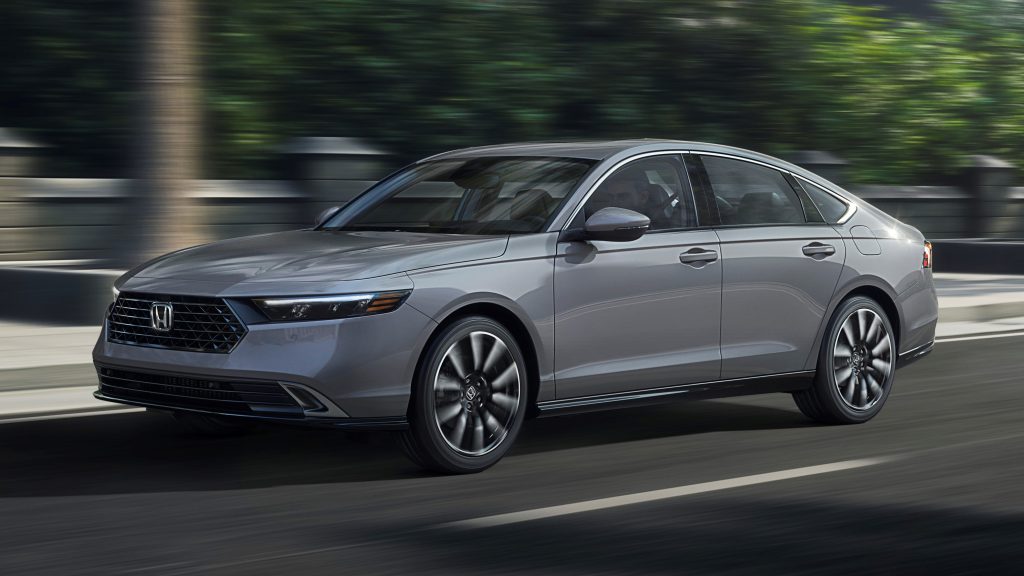
The Accord also has the advantage of being a relatively large sedan without requiring a huge engine. Its 1.5-liter engine provides enough output for normal American highway driving without the transmission being paired with the 273 lb-ft of torque produced by the 2.0-liter turbo. That distinction makes the CVT-equipped version particularly relevant to buyers seeking a high-mileage commuter.
Honda’s own specifications list 30 mpg city and 38 mpg highway for several CVT-equipped 1.5T configurations, demonstrating that efficiency was a major part of the transmission’s design objective.
5. Toyota RAV4 Hybrid
The Toyota RAV4 Hybrid is an important exception when discussing long-lived CVTs because its transmission is technically an electronically controlled continuously variable transmission, or ECVT, rather than the belt-and-pulley CVT found in many conventional cars. That distinction matters.
Toyota’s hybrid system uses electric motor-generators and a planetary gearset to vary the relationship between engine speed and road speed. There is no conventional CVT belt being used to create the continuously variable ratios.
For the 2021 U.S.-market RAV4 Hybrid, Toyota rated the combined system at 219 net horsepower. The 2.5-liter four-cylinder engine works with the hybrid system and ECVT, while Toyota listed an EPA-estimated 41 mpg city, 38 mpg highway, and 40 mpg combined for the model.
That mechanical distinction is one reason the RAV4 Hybrid is particularly interesting for someone targeting 150,000 miles. The transmission does not have the same belt-and-pulley architecture that causes concern in some conventional CVTs. Toyota has also accumulated decades of experience with this general hybrid transmission concept across its U.S. hybrid lineup.
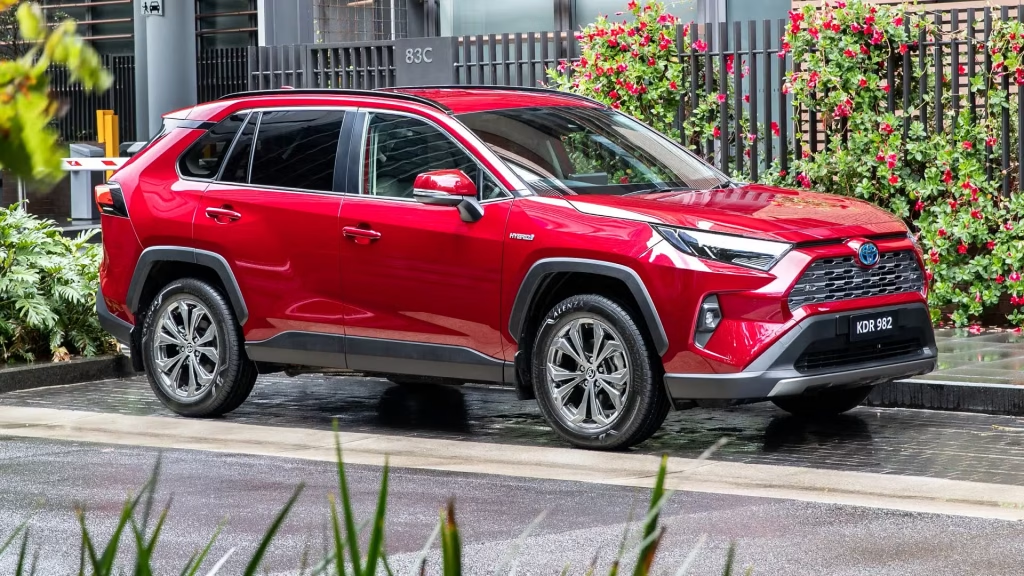
Naturally, reaching 150,000 miles still depends on the entire vehicle rather than one component. Hybrid battery health, cooling systems, engine maintenance, and drivetrain condition all deserve attention when buying a high-mileage RAV4 Hybrid.
For used buyers, the best example is not necessarily the one with the fewest miles. A 150,000-mile RAV4 Hybrid with consistent maintenance and a clean history can make more sense than a significantly lower-mileage vehicle that has been neglected.
6. Toyota Prius
Few vehicles have done more to establish the credibility of Toyota’s hybrid continuously variable transmission design in the United States than the Prius. The Prius does not use a conventional belt-driven CVT. Instead, Toyota’s Hybrid Synergy Drive employs a planetary power-split device that provides continuously variable operation through the interaction of the gasoline engine and electric motor-generators.
The 2021 Prius used a 1.8-liter four-cylinder hybrid powertrain producing 121 combined system horsepower. Toyota paired it with an electronically controlled continuously variable transmission and offered front-wheel drive or an available electric all-wheel-drive system. The EPA rated the LE at up to 54 mpg city and 58 mpg highway, depending on configuration.
That relatively modest power output is relevant when thinking about long-term durability. The Prius was engineered primarily around efficiency rather than high performance, so the transmission is not being asked to repeatedly deliver the sort of high torque associated with performance-oriented vehicles.
The electric motor also provides immediate low-speed assistance, reducing the need for the gasoline engine to handle every acceleration demand by itself.
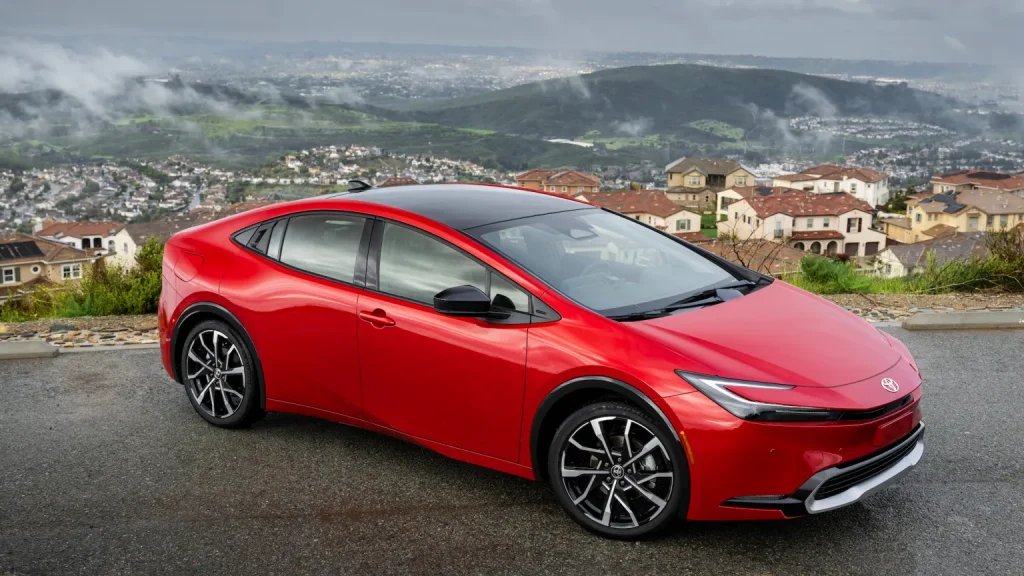
The Prius has become a familiar sight in American taxi and rideshare fleets precisely because its hybrid architecture can accumulate substantial mileage when maintained properly. That does not mean every Prius will reach 150,000 miles without repairs. A high-mileage example still requires careful inspection of the hybrid battery, cooling system, engine, and drivetrain.
For shoppers, the main takeaway is straightforward. Not all CVTs should be judged by the reputation of traditional belt-driven systems. The Prius uses a different design altogether, which helps explain why it stands out as one of the strongest choices for this particular list.
7. Subaru Outback
The Subaru Outback is one of the more interesting long-term CVT candidates because it combines a continuously variable transmission with standard all-wheel drive, a naturally aspirated boxer engine, and a body designed for substantial everyday use.
The 2021 U.S.-market Outback used a 2.5-liter four-cylinder producing 182 horsepower and 176 lb-ft of torque. Subaru paired that engine with its Lineartronic CVT and Symmetrical All-Wheel Drive system.
What makes the Outback appealing for high-mileage ownership is the relatively moderate output of the standard engine. The CVT is not being paired with an extremely high-output powerplant in the regular model. Subaru also gave the transmission an adaptive control system and an eight-speed manual mode, allowing the driver to select simulated ratios when desired.
There is a useful distinction between the standard Outback and the turbocharged XT versions. The XT models use a higher-torque version of the Lineartronic transmission because their 2.4-liter turbocharged engine produces 260 horsepower and 277 lb-ft of torque. The standard 2.5-liter model therefore represents the simpler choice for someone specifically shopping for maximum long-term CVT value.
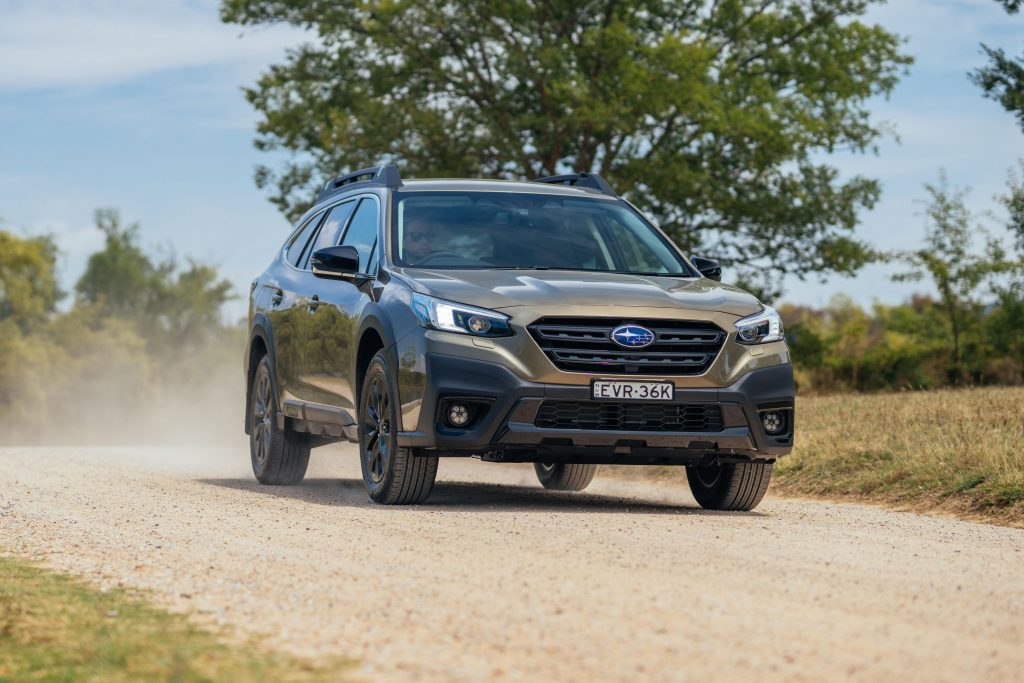
The Outback is also considerably larger than a compact sedan. It measures 191.3 inches long and 73 inches wide, while its 8.7 inches of ground clearance gives it more versatility than a typical passenger car. That extra capability can encourage harder use, however, so a prospective 150,000-mile buyer should pay particular attention to maintenance records and drivetrain condition.
A well-maintained Outback can therefore make a compelling high-mileage choice, particularly for owners who need space and all-weather capability without moving to a traditional automatic transmission.
8. Nissan Altima
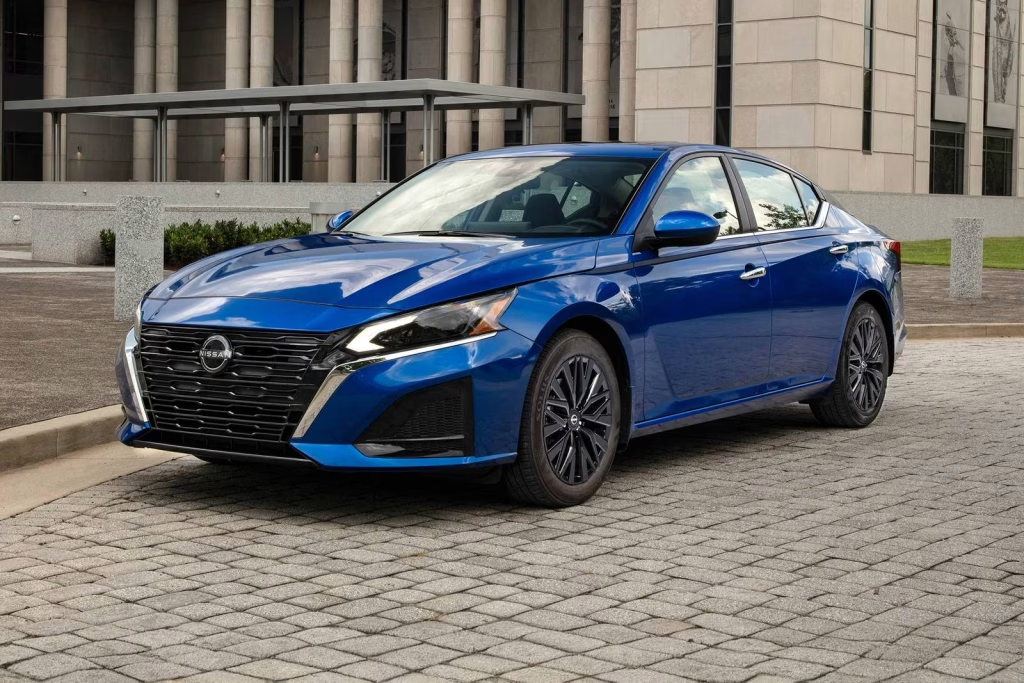
The Nissan Altima is a more complicated entry on this list because Nissan’s CVT reputation has been uneven across different generations and applications. That makes choosing the right example particularly important. The 2021 Altima, for instance, used Nissan’s Xtronic CVT with its naturally aspirated 2.5-liter four-cylinder, producing 188 horsepower and 180 lb-ft of torque in the front-wheel-drive configuration.
The important point is not that every Altima CVT will automatically reach 150,000 miles. It is that later Altima generations should be evaluated separately from the older Nissan CVTs that developed a particularly poor reputation. A buyer considering an Altima at or approaching 150,000 miles should demand maintenance documentation rather than relying on the Nissan badge alone.
The 2021 Altima also demonstrates why the naturally aspirated four-cylinder is the more straightforward configuration for this list. Nissan offered a turbocharged 2.0-liter engine in the Altima as well, producing substantially more torque. The standard 2.5-liter’s 180 lb-ft places less demand on the transmission than the higher-output turbocharged alternative.
Nissan’s specifications list the 2021 Altima at 192.9 inches long and 72.9 inches wide, making it a sizeable midsize sedan. That combination of a relatively efficient four-cylinder engine and a spacious sedan body makes the Altima particularly attractive as a high-mileage commuter when its service history is strong.
A test drive is essential with any high-mileage CVT-equipped Altima. Pay attention to hesitation, shuddering, abnormal whining, inconsistent acceleration and transmission behavior that changes once the vehicle becomes fully warmed up. A clean service record should carry considerably more weight than a low purchase price.
The Altima takes the final spot on this list, but buyers should approach it with some caution. It can still be a worthwhile option, provided you carefully consider the generation, engine, maintenance records, and the current condition of the transmission.
9. Honda CR-V
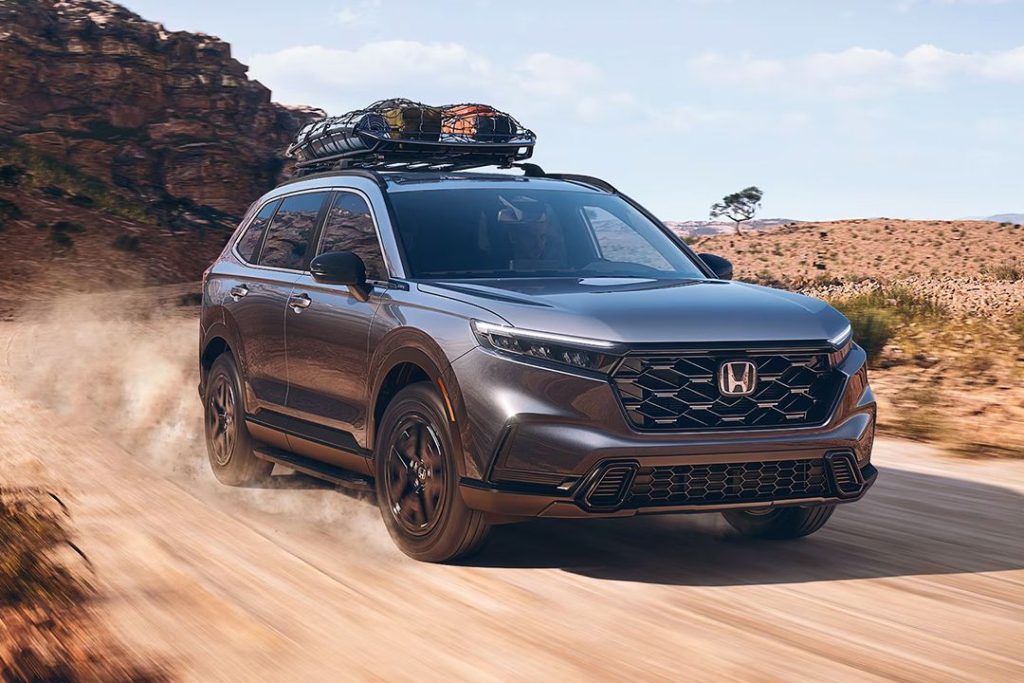
The Honda CR-V is one of the stronger candidates for buyers who want a CVT-equipped SUV that can serve as a long-distance daily driver. The 2020 U.S.-market CR-V used Honda’s Earth Dreams continuously variable transmission with G-Design Shift, paired with a 1.5-liter turbocharged four-cylinder producing 190 horsepower and 179 lb-ft of torque. Honda offered the transmission with both front-wheel drive and Real Time AWD.
Honda’s G Design Shift system is notable because it was developed to address one of the most common complaints about CVTs, which is the feeling of excessive engine revving during acceleration. The system works by coordinating the CVT with the torque converter to create a smoother and more linear response while keeping the engine operating within an efficient rpm range.
The CR-V also has a useful balance between size and mechanical demands. The 2020 model measures 182.1 inches long and 73.0 inches wide, while curb weight ranges from 3,337 pounds for a front-wheel-drive model to 3,455 pounds for the AWD version.
Fuel economy was another reason Honda paired this engine with a CVT. The EPA rated the front-wheel-drive CR-V at 28 mpg city, 34 mpg highway and 30 mpg combined. AWD models were rated at 27 mpg city, 33 mpg highway, and 29 mpg combined.
None of those figures guarantees a 150,000-mile transmission. A high-mileage CR-V should still have documented maintenance and should be checked carefully for shuddering, delayed engagement, abnormal noises, or inconsistent acceleration.
However, the combination of a relatively modest 1.5-liter engine, mature CVT design, and widespread U.S. availability makes the CR-V a sensible addition to a long-term CVT shortlist.
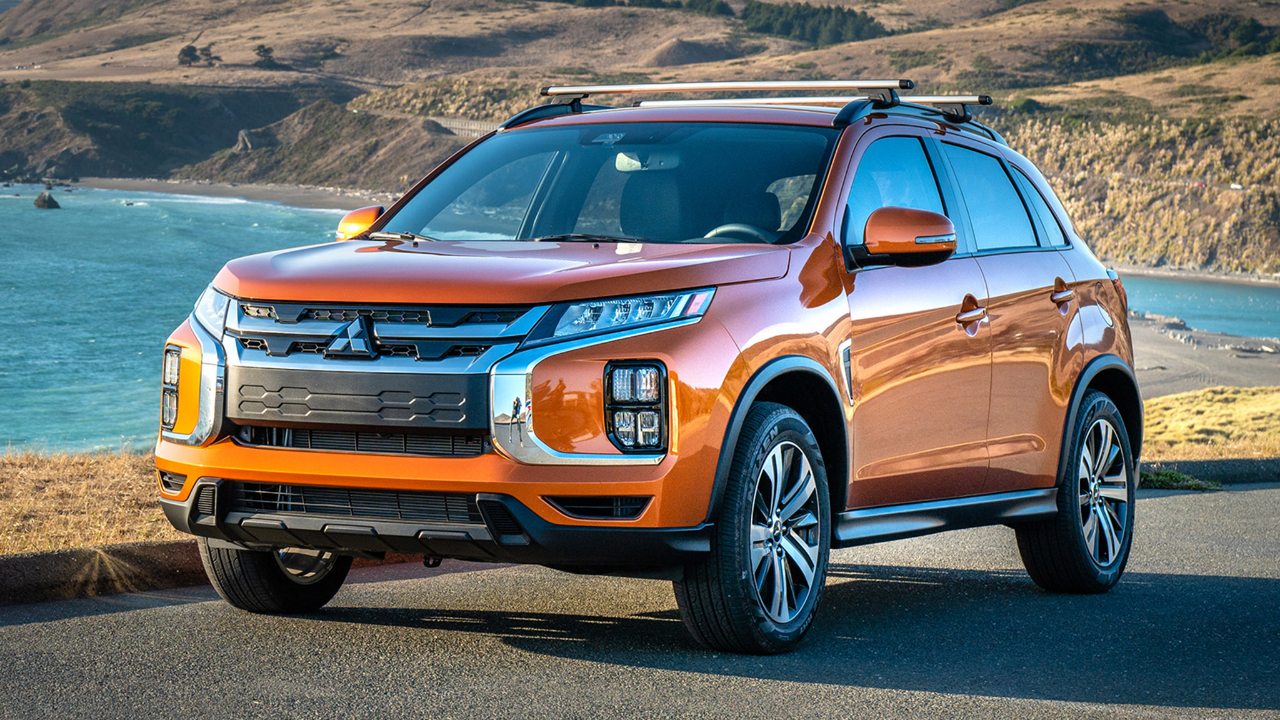
10. Mitsubishi Outlander Sport
The Mitsubishi Outlander Sport is an unconventional choice for this list, but its drivetrain deserves consideration because Mitsubishi gave the model a relatively simple four-cylinder and CVT combination while backing the powertrain with an unusually long factory warranty.
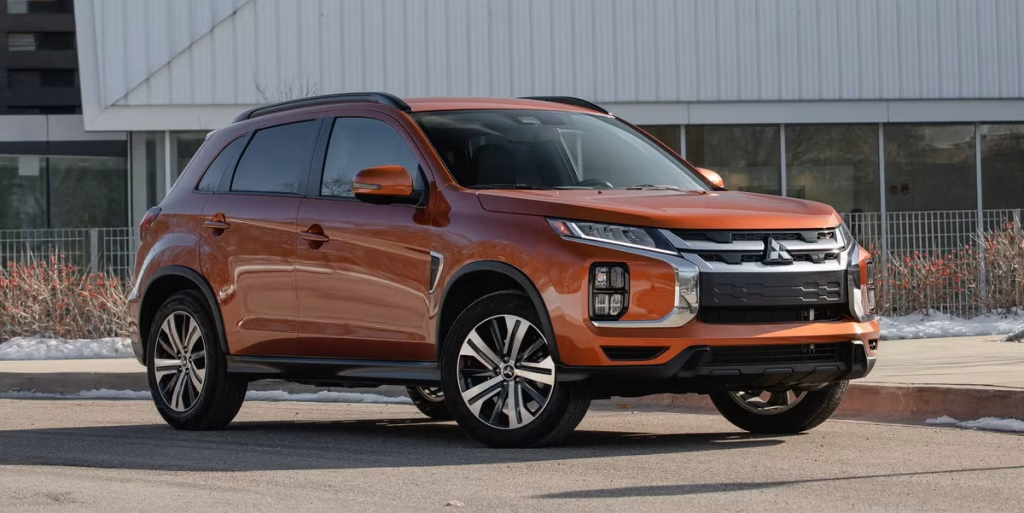
The 2021 U.S.-market Outlander Sport came standard with a 2.0-liter MIVEC four-cylinder producing 148 horsepower and 145 lb-ft of torque. A higher-output 2.4-liter engine was available in the GT AWC, producing 168 horsepower and 167 lb-ft of torque.
For someone concerned specifically with CVT longevity, the standard 2.0-liter configuration is the more conservative choice. Its output is considerably lower than that of many modern turbocharged engines, which means the transmission is not being paired with a particularly high-torque powerplant.
Mitsubishi also positioned the 2.0-liter model around efficiency, with the manufacturer reporting EPA ratings of 24 mpg city and 30 mpg highway for both 2WD and AWC configurations.
The Outlander Sport’s warranty is another interesting piece of the equation. Mitsubishi advertised a 10-year or 100,000-mile powertrain limited warranty for the 2021 model, considerably longer than the basic powertrain coverage offered by many mainstream manufacturers.
That warranty does not prove that every transmission will reach 150,000 miles, but it does provide useful context about how Mitsubishi positioned the powertrain for long-term ownership.
Mitsubishi also reported that the Outlander Sport ranked in the top three of the 2020 J.D. Power Initial Quality Study for the small SUV class. Initial quality is not the same thing as 150,000-mile durability, so it should not be treated as proof of long-term CVT reliability. Still, it provides another piece of evidence when assessing the model’s mechanical reputation.
The sensible approach with a high-mileage Outlander Sport is to focus on the actual vehicle in front of you. A clean transmission history, regular servicing, and smooth operation matter far more than simply seeing the Mitsubishi badge on the hood.