
Automatic transmissions have changed dramatically over the decades, but some have developed reputations for surviving the kind of mileage that makes other gearboxes nervous. The best examples are not necessarily the newest or most technologically complicated.
In many cases, durability comes from conservative torque output, proven internal designs, effective cooling, and proper maintenance. A transmission that has already accumulated hundreds of thousands of miles in American driving conditions can be more convincing than one with impressive specifications on paper.
The following vehicles stand out because their automatic transmissions have strong reputations for durability, with each pairing offering a different reason it can keep working long after the odometer has become intimidating.
1. Toyota 4Runner
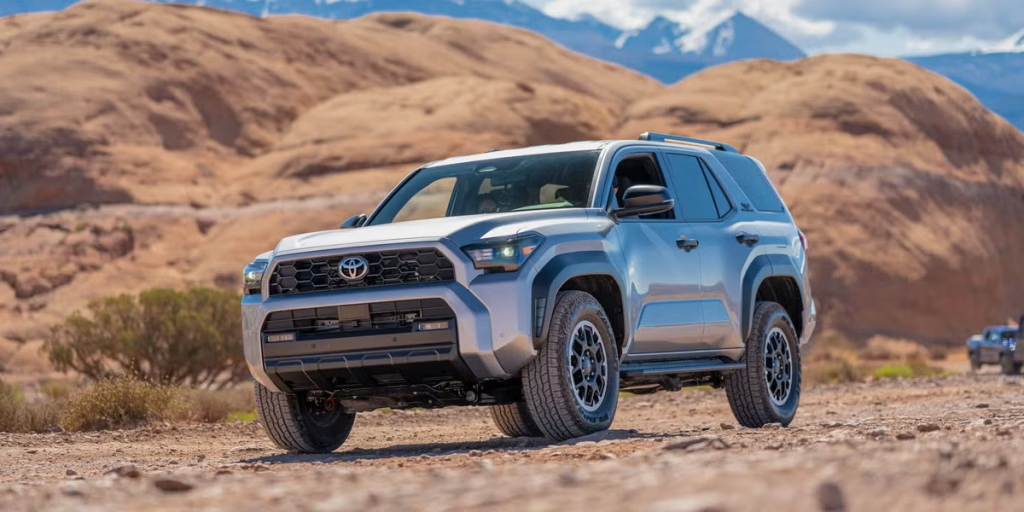
Few modern SUVs have a more recognizable reputation for mechanical toughness than the Toyota 4Runner, and its five-speed automatic is a major reason why older examples remain attractive to high-mileage buyers. The fifth-generation 4Runner used Toyota’s electronically controlled five-speed automatic transmission with intelligence, commonly called ECT-i.
In the 2021 model, that transmission was paired with a 4.0-liter V6 producing 270 horsepower and 278 lb-ft of torque. Toyota retained this basic powertrain combination throughout the fifth-generation 4Runner’s long production run.
Five forward gears may sound old-fashioned beside today’s eight-, nine-, and ten-speed automatics, but fewer gears can also mean a comparatively straightforward mechanical package. The 4Runner was not engineered primarily around maximum fuel economy or lightning-fast shifts.
Instead, the transmission was designed to work with a body-on-frame SUV that could tow and operate away from paved roads. Toyota rated the 4Runner for up to 5,000 pounds of towing capacity.
That working environment matters. The transmission is expected to handle significant loads, yet the naturally aspirated V6 delivers its torque in a predictable manner rather than producing a huge surge from a small turbocharged engine. The combination has become particularly attractive to owners who keep vehicles for many years.
There is no automatic transmission that is immune to neglect. Fluid condition, overheating, towing habits, and service history still matter. Nevertheless, the 4Runner’s five-speed automatic has the kind of long-running application history that makes it one of the safer choices for buyers seeking an automatic vehicle capable of serious mileage.
2. Lexus LS 460
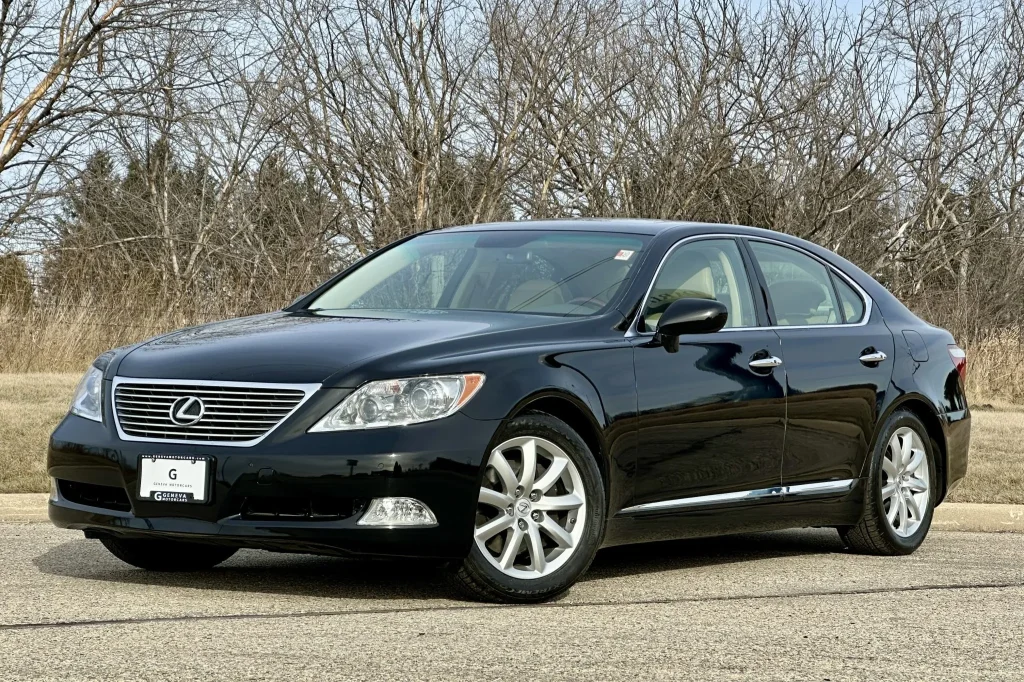
The Lexus LS 460 proves that an automatic transmission does not have to live an easy life to be durable. This luxury sedan combines a 4.6-liter V8 with an eight-speed automatic transmission, creating a drivetrain that was engineered for smoothness but also had to manage substantial power.
The 2017 LS 460, for example, produced 386 horsepower and 367 lb-ft of torque in rear-wheel-drive form, while the AWD version produced 359 horsepower and 347 lb-ft.
Lexus introduced the eight-speed automatic as a significant piece of the LS powertrain. The transmission was designed with closely spaced ratios that could keep the V8 operating efficiently while providing strong acceleration. Lexus also developed the control system to release and engage clutches in a way intended to minimize shift shock.
What makes this transmission interesting is the way it approaches durability compared with the 4Runner’s five-speed. Although the LS gearbox uses more gears and a much more advanced electronic control system, it was designed with the same basic goal in mind. It aims to provide smooth and consistent torque transfer without constantly reminding the driver that the transmission is working.
The LS is also a useful reminder that transmission longevity depends on more than the number of gears. Its V8 produces considerable torque, but the engine’s naturally aspirated power delivery is smooth and predictable. There is no small-displacement turbocharger suddenly dumping a large torque spike into the driveline.
A used LS 460 still requires caution because repairs on a luxury vehicle can become expensive even when the transmission itself is healthy. However, a properly maintained example demonstrates why Lexus’s large sedans have earned a reputation for long service lives.
The eight-speed automatic is an especially impressive component because it combines high torque capacity with the refined shifting expected from a flagship sedan.
3. Toyota Camry
The Toyota Camry’s reputation for dependable transportation is not built around flashy engineering. Its strength comes from a powertrain that has been refined for millions of miles of everyday American driving.
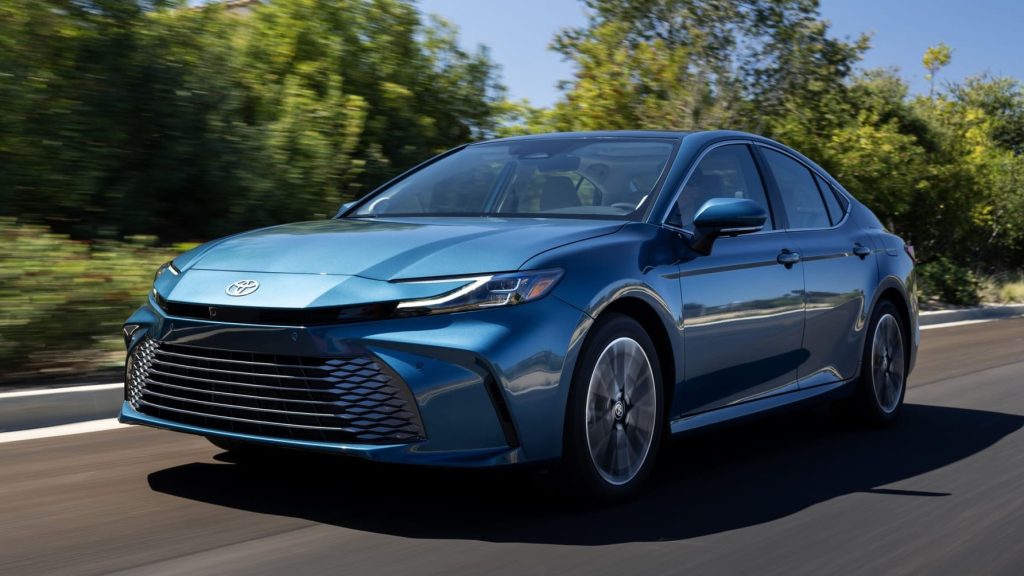
The eighth-generation Camry introduced Toyota’s Direct Shift eight-speed automatic with the 2.5-liter Dynamic Force four-cylinder, giving buyers a conventional torque-converter automatic rather than a CVT.
In the 2021 Camry LE, the engine produced 203 horsepower and 184 lb-ft of torque, while the transmission was an eight-speed electronically controlled automatic with intelligence and sequential shift mode.
The transmission is particularly interesting because Toyota designed it around efficiency without making the gearbox excessively complicated from a mechanical standpoint.
Its eight ratios allow the engine to stay closer to an efficient operating range during steady cruising while providing shorter gearing when acceleration is required. Toyota also used a wide range of torque-converter lockup, helping create a more direct connection between the engine and drivetrain.
That balance helps explain why the Camry remains such a popular choice for drivers who accumulate substantial mileage. The four-cylinder is naturally aspirated, so the transmission is not constantly dealing with large turbocharged torque surges. Toyota’s published specifications also show the 2021 four-cylinder Camry achieving up to 28 mpg city and 39 mpg highway in the LE configuration.
Naturally, an automatic transmission can still suffer from neglected fluid, excessive heat, or hard use. A Camry with a documented service history deserves much more confidence than one that has simply reached high mileage without records.
4. Honda Accord 2.0T
The 2018 Honda Accord 2.0T is an unusual entry because its 10-speed automatic arrived during a period when manufacturers were rapidly increasing the number of gears in their transmissions.
Rather than being paired with Honda’s CVT, the 2.0-liter turbocharged Accord received a conventional 10-speed automatic with paddle shifters. Honda rated the engine at 252 horsepower and 273 lb-ft of torque, with peak torque available from 1,500 to 4,000 rpm.
That broad torque band gave the transmission plenty to manage. Instead of relying on a small number of large gear changes, the 10-speed could make relatively small ratio adjustments as speed increased. Honda’s published specifications show ten forward ratios ranging from 5.246 in first gear to 0.517 in tenth, with a 3.55 final-drive ratio.
The result is a powertrain that can feel relaxed on the highway but becomes considerably more responsive when the driver asks for acceleration. It is also a useful example of why a high gear count does not automatically make an automatic transmission unreliable.
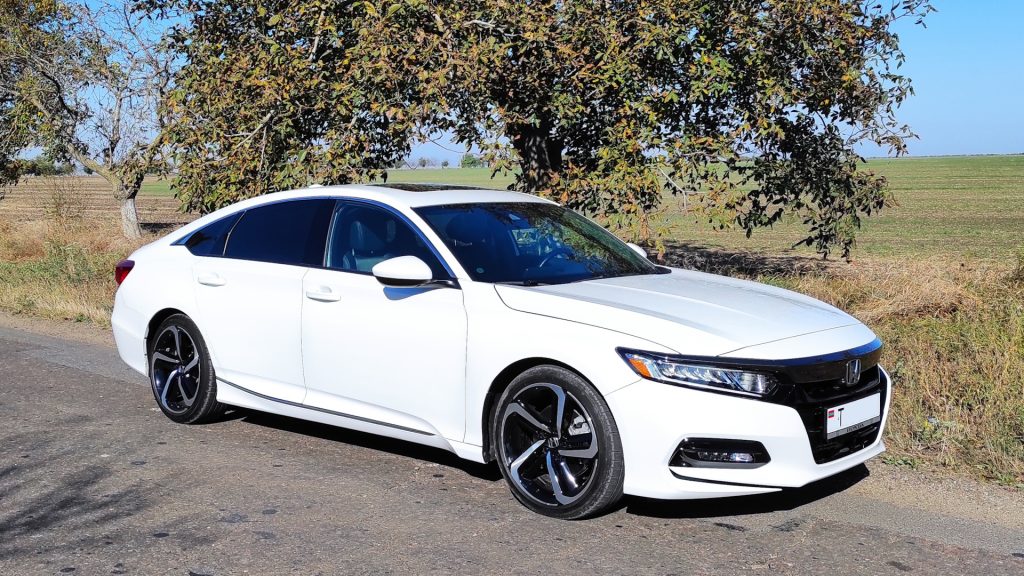
Modern electronically controlled transmissions contain more components and software than older four-speed units, but careful calibration and appropriate operating conditions can still produce impressive longevity.
The 2.0T Accord should not be confused with the 1.5T model. Honda paired the smaller engine with a CVT in most configurations, while the majority of 2.0T trims received the 10-speed automatic.
For a used buyer, the 2.0T’s service history matters enormously. A smooth transmission, consistent shifts, and evidence of proper maintenance are more meaningful indicators than simply assuming every ten-speed Accord will reach extremely high mileage.
5. Toyota Tacoma
The Toyota Tacoma has spent years proving that a conventional automatic does not need a huge number of gears to be useful or durable. The third-generation Tacoma used a six-speed automatic transmission with a lock-up torque converter, paired with either a 2.7-liter four-cylinder or the more popular 3.5-liter V6.
For 2019, the V6 produced 278 horsepower and 265 lb-ft of torque. Toyota also offered the truck with rear-wheel drive or four-wheel drive, depending on configuration.
That six-speed gearbox is particularly well suited to the Tacoma’s mission. This is not a transmission designed solely to chase the lowest possible fuel consumption. It has to deal with hauling, towing, off-road driving, and frequent changes in load. The V6 Tacoma could also be equipped for serious towing duties, making transmission cooling and torque management important parts of the truck’s design.
One reason the Tacoma’s automatic has become attractive in the used market is its relatively straightforward operating philosophy. Six ratios provide enough flexibility for highway cruising and acceleration without turning the gearbox into an extremely complicated multi-speed unit. The lock-up torque converter can also establish a more direct mechanical connection between the engine and transmission once conditions permit.
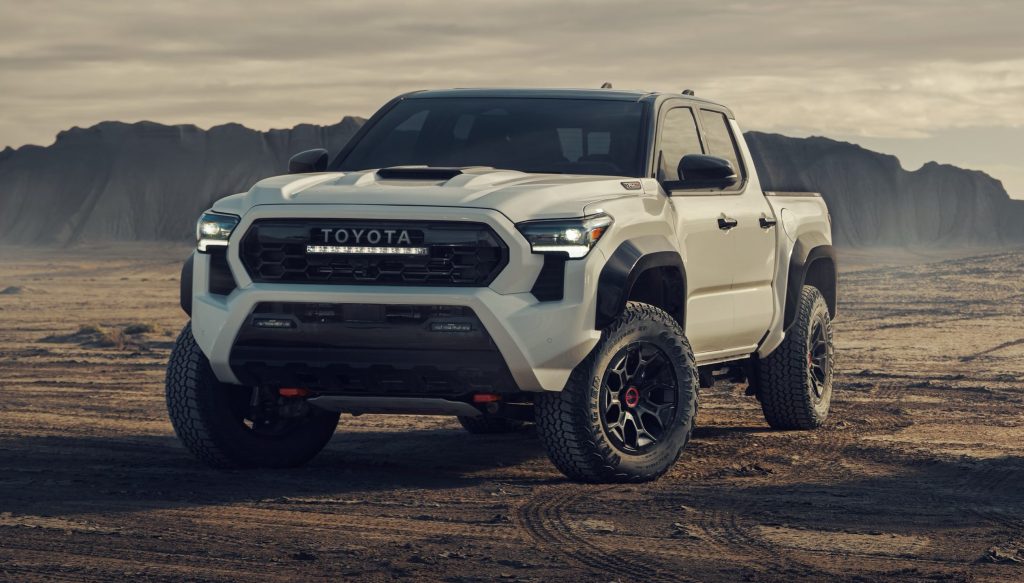
Naturally, a Tacoma that has spent its life towing heavy trailers or crawling through difficult terrain deserves more scrutiny than one used primarily for commuting. Fluid condition, shifting behavior, and evidence of overheating should be checked carefully.
For buyers who want a truck that can accumulate serious mileage without relying on a continuously variable transmission, the Tacoma’s six-speed automatic remains one of the more compelling combinations.
6. Honda Odyssey
A minivan may seem like an unlikely place to find a durable automatic transmission, but the Honda Odyssey has a particularly interesting drivetrain in later model years.
The 2021 Odyssey received a 10-speed automatic transmission as standard equipment, paired with a 3.5-liter V6 producing 280 horsepower and 262 lb-ft of torque. Honda specifically developed the transmission to improve acceleration, efficiency, and highway refinement.
The Odyssey’s 10-speed is not simply there to make the specification sheet look impressive. Honda gave the gearbox a wide ratio spread, ranging from 5.246 in first gear to 0.517 in tenth. That allows the transmission to use a relatively low gear when the minivan needs strong acceleration, then settle into a much taller ratio during highway cruising.
Honda also programmed the transmission to make aggressive multi-gear downshifts when the driver needs immediate response. The company’s technical material notes that the control system can perform four-gear downshifts for acceleration during merging and passing. Paddle shifters provide additional control, including engine braking when towing or descending hills.
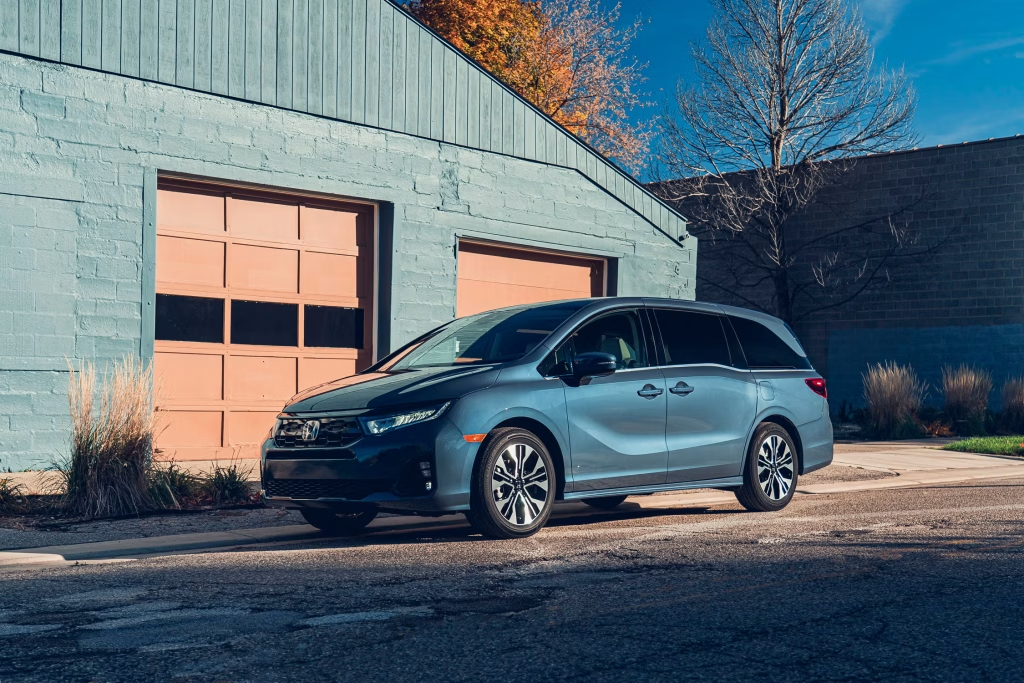
The 2021 Odyssey was rated at 19 mpg city, 28 mpg highway, and 22 mpg combined. Its 3.5-liter V6 uses direct injection and Variable Cylinder Management, giving the minivan enough output to move a large family vehicle without resorting to turbocharging.
A transmission used in a family minivan can face plenty of demanding conditions, including heavy passenger loads, highway trips and frequent stop-and-go driving. That makes the Odyssey an interesting test of an automatic’s ability to combine substantial vehicle weight with everyday usability.
7. Lexus GX 460
The Lexus GX 460 takes a different route to automatic transmission durability by combining a traditional six-speed automatic with a body-on-frame platform designed for both luxury driving and serious off-road use.
The U.S.-market GX 460 uses a 4.6-liter naturally aspirated V8 producing 301 horsepower and 329 lb-ft of torque. Lexus paired that engine with a six-speed electronically controlled automatic transmission with sequential shift.
That combination is significant because the transmission is not being asked to manage an unusually peaky turbocharged engine. The V8 delivers its peak torque at 3,500 rpm, providing a relatively predictable torque curve for a drivetrain that can also be subjected to heavy loads.
Lexus rated the GX 460 for up to 6,500 pounds of towing, demonstrating that the transmission and surrounding drivetrain were engineered for substantially more than ordinary commuting.
The GX also uses full-time four-wheel drive, giving the transmission a job that extends beyond simply moving the SUV down the highway. Lexus equipped the system with a Torsen torque-sensing center differential and a low-range setting, allowing the GX to operate in demanding off-road conditions.
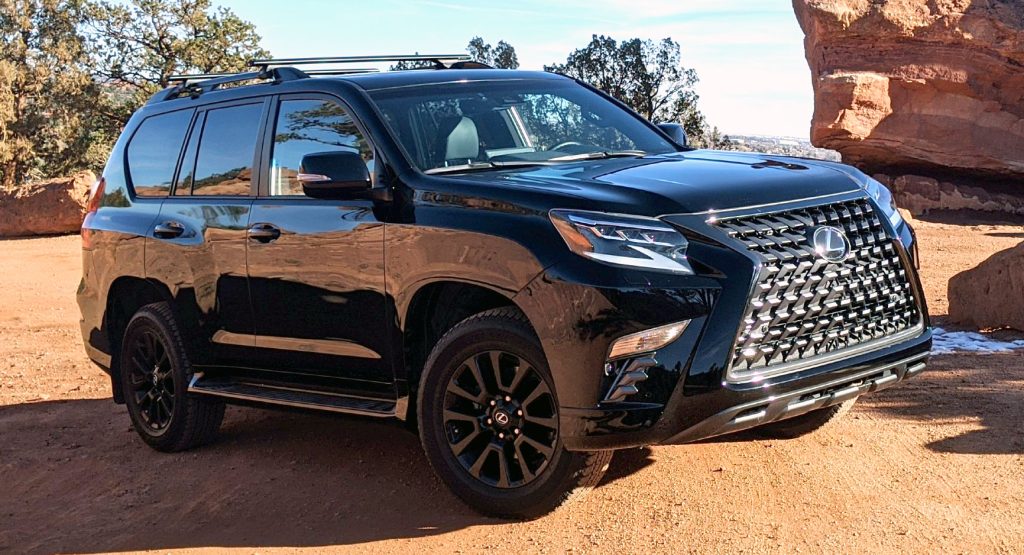
That does not mean every GX transmission is immune to failure. Frequent heavy towing, neglected transmission fluid, and years of demanding off-road driving can still cause significant wear.
Even so, the GX 460’s proven powertrain combination includes many of the qualities buyers typically look for in a high-mileage automatic. It pairs a naturally aspirated engine with a conventional automatic transmission and a drivetrain designed to handle substantial loads.
For someone shopping for a used luxury SUV where durability matters more than fuel economy, the GX 460 is one of the more interesting choices.
8. Toyota Tundra
The previous-generation Toyota Tundra makes a compelling case for keeping things mechanically straightforward. Before Toyota moved the full-size pickup to its newer twin-turbocharged powertrains, the U.S.-market Tundra used a 5.7-liter i-FORCE V8 paired with a six-speed electronically controlled automatic transmission. For 2021, the V8 produced 381 horsepower and 401 lb-ft of torque.
The numbers tell only part of the story. This was a truck transmission designed around substantial workloads. Toyota’s 2021 specifications show the six-speed automatic available with rear-wheel drive or part-time four-wheel drive, while Toyota rated the Tundra for up to 10,200 pounds of towing capacity when properly equipped.
That towing capability gives the six-speed a particularly demanding job. A transmission that can repeatedly move a full-size pickup and trailer combination has to manage heat, torque, and load changes that a commuter sedan rarely encounters. Toyota also used a conventional naturally aspirated V8, rather than relying on turbochargers to produce its torque.
The six-speed layout may appear modest by today’s standards, but that simplicity is part of the attraction. There are fewer forward gear ratios than in many newer pickups, and the transmission’s electronically controlled operation allows it to select the appropriate gear without requiring the mechanical complexity of a modern nine- or ten-speed unit.
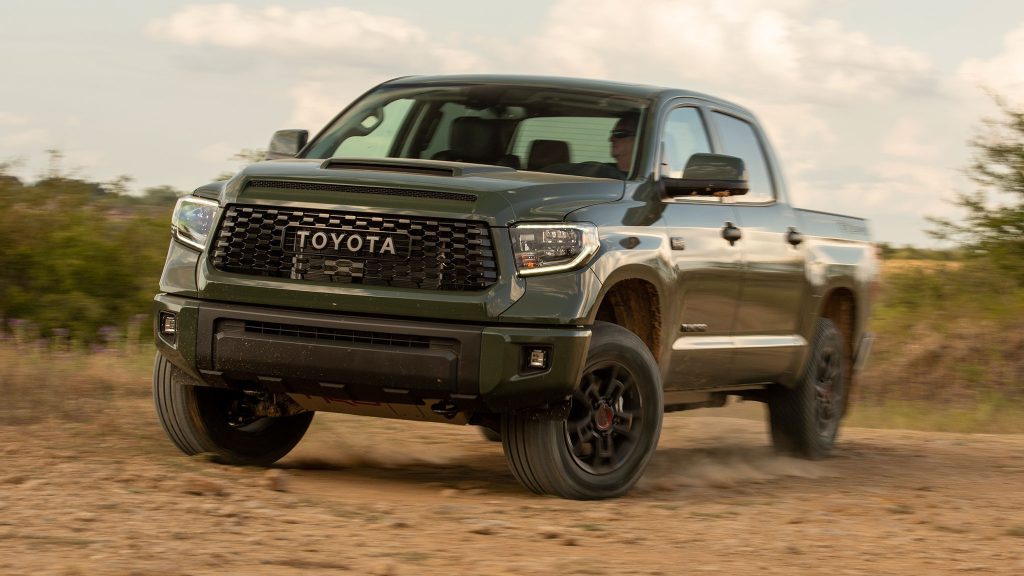
A Tundra that has spent its life towing at maximum capacity should still be inspected carefully. Service history, transmission-fluid condition, and evidence of overheating are important, especially on trucks with substantial trailer miles.
For buyers who prioritize a proven conventional automatic over the latest drivetrain technology, the 5.7-liter Tundra combination remains one of the most noteworthy high-mileage choices.
9. Ford F-150
The Ford F-150 is an interesting case because its 10-speed automatic was developed to handle everything from everyday commuting to serious towing.
The 2021 F-150 used Ford’s 10-speed SelectShift automatic across its conventional engine lineup, with the transmission employing ten closely spaced forward ratios. Ford’s technical specifications list ratios from 4.696 in first gear to 0.636 in tenth, giving the gearbox a particularly wide operating range.
For buyers focused on long-term transmission durability, the engine choice matters. The 5.0-liter V8 produced 400 horsepower and 410 lb-ft of torque in the 2021 F-150, while the 3.5-liter EcoBoost V6 produced 400 horsepower and 500 lb-ft. The diesel version produced even more torque, so used buyers should consider how heavily the particular truck was worked rather than assuming every F-150 experienced the same conditions.
The 10-speed’s wide ratio spread allows first gear to provide substantial leverage when pulling away with a load, while tenth gear reduces engine speed during highway cruising. That flexibility is particularly useful in a full-size pickup because the vehicle can experience dramatically different loads from one trip to the next.
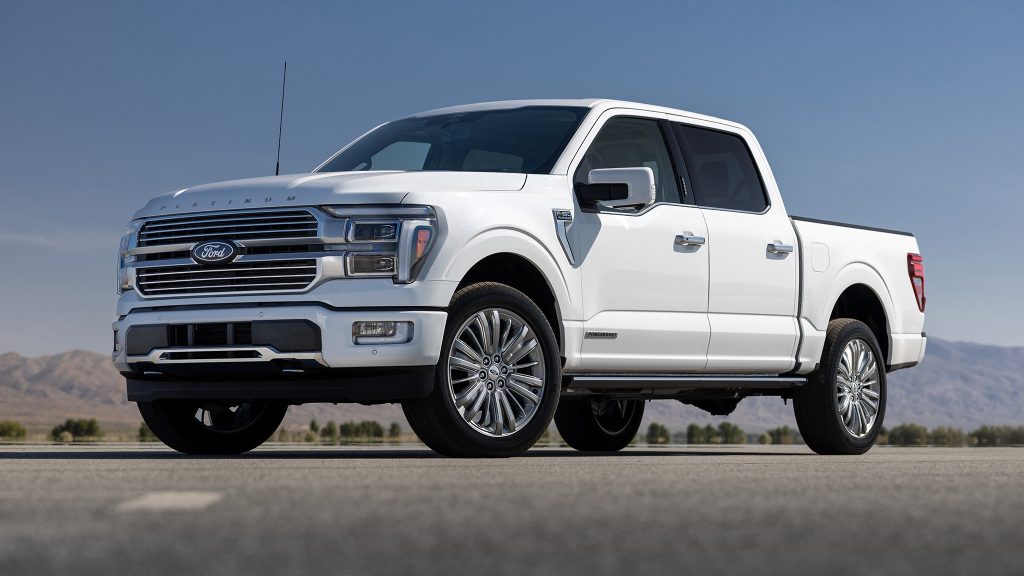
Ford’s specifications also show just how much work the F-150 can be configured to handle. Depending on configuration, the 2021 3.5-liter EcoBoost models had maximum towing ratings exceeding 14,000 pounds.
That capability makes maintenance especially important. A truck that spent years towing heavy trailers has had a very different transmission life from one that primarily carried groceries and commuted to work. A prospective buyer should inspect shift quality, service records, and evidence of excessive heat or hard use.
The F-150’s 10-speed is therefore best viewed as a high-capability automatic whose longevity depends heavily on how the truck was used and maintained.
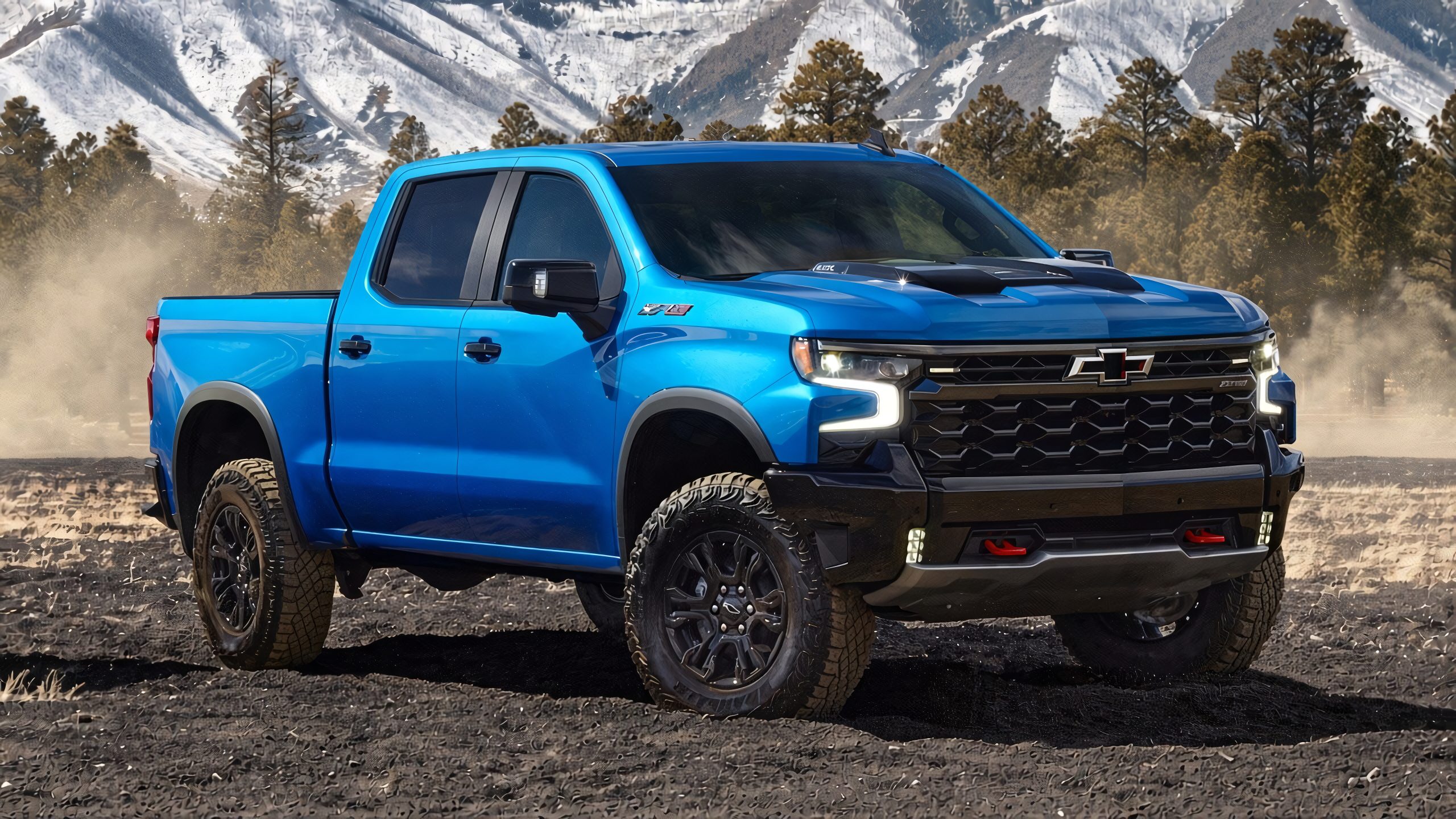
10. Chevrolet Silverado 1500
The Chevrolet Silverado 1500 closes this list with another full-size pickup that offers conventional automatic transmissions designed around substantial loads. The 2021 Silverado could be equipped with several automatic transmissions, including a 10-speed paired with the 5.3-liter V8 and 6.2-liter V8. The 5.3-liter produced 355 horsepower and 383 lb-ft of torque, while the 6.2-liter generated 420 horsepower and 460 lb-ft.
The 10-speed’s appeal is easy to understand in a truck. More ratios allow Chevrolet to keep the engine in a useful portion of its powerband without relying on one enormous jump between gears. With the 5.3-liter V8, the transmission can use lower gears for pulling and acceleration, then shift into taller ratios for highway driving. Chevrolet also paired the 6.2-liter engine exclusively with the 10-speed in the 2021 Silverado lineup.
The Silverado’s powertrain choices also demonstrate why buyers need to identify the exact engine and transmission combination before purchasing a used truck. The 2021 model could also be equipped with a six-speed or eight-speed automatic depending on engine and configuration. A Silverado badge alone therefore tells you very little about which transmission is underneath it.
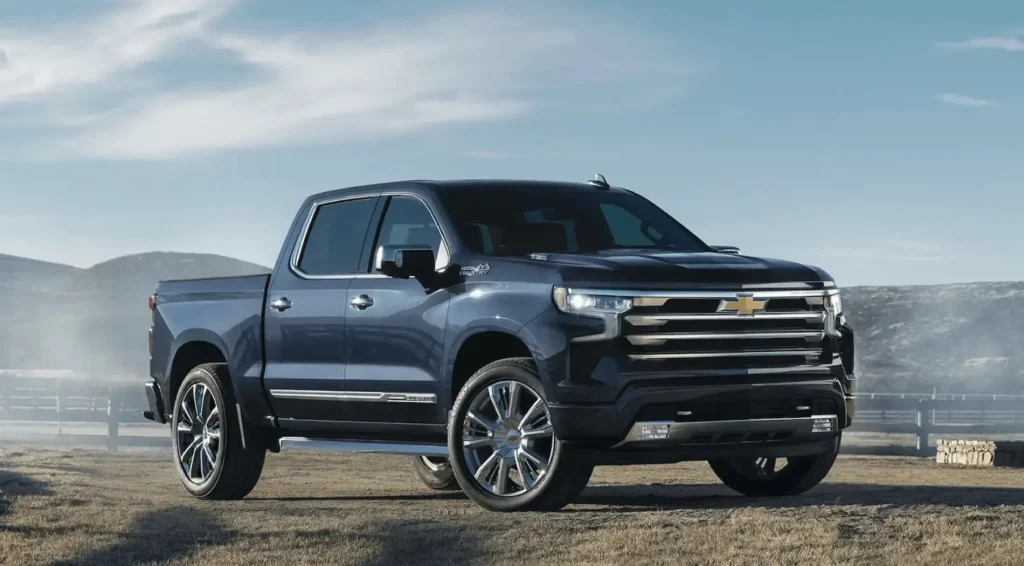
The truck’s intended workload is another consideration. Chevrolet published towing capacities reaching more than 13,000 pounds for certain 6.2-liter configurations, meaning some examples may have spent years working substantially harder than ordinary passenger vehicles.
For a high-mileage Silverado, transmission behavior during both light acceleration and heavy-load conditions is worth checking. Delayed engagement, harsh shifts, slipping, or unusual noises should never be dismissed simply because the truck has a strong reputation for durability.
The best candidate is a well-maintained example with a documented history, rather than merely the lowest-priced Silverado with a large number on the odometer.
