
A windshield that keeps turning hazy can make even a short drive frustrating. You may clean the glass in the morning, only to find a cloudy film returning later. The cause is often more than simple dirt. Oils from your hands, dashboard materials, moisture, smoke, dust, and cleaning products can leave a thin layer on the inside of the glass. Humid weather can make that film even more obvious when condensation forms.
The good news is that you do not always need expensive equipment to improve the situation. A careful cleaning routine, better cabin ventilation, moisture control, and the right glass treatment can make a noticeable difference. Here are eight practical ways to clear stubborn windshield film and help keep the glass cleaner for longer.
1. Proper Cleaning of the Windshield
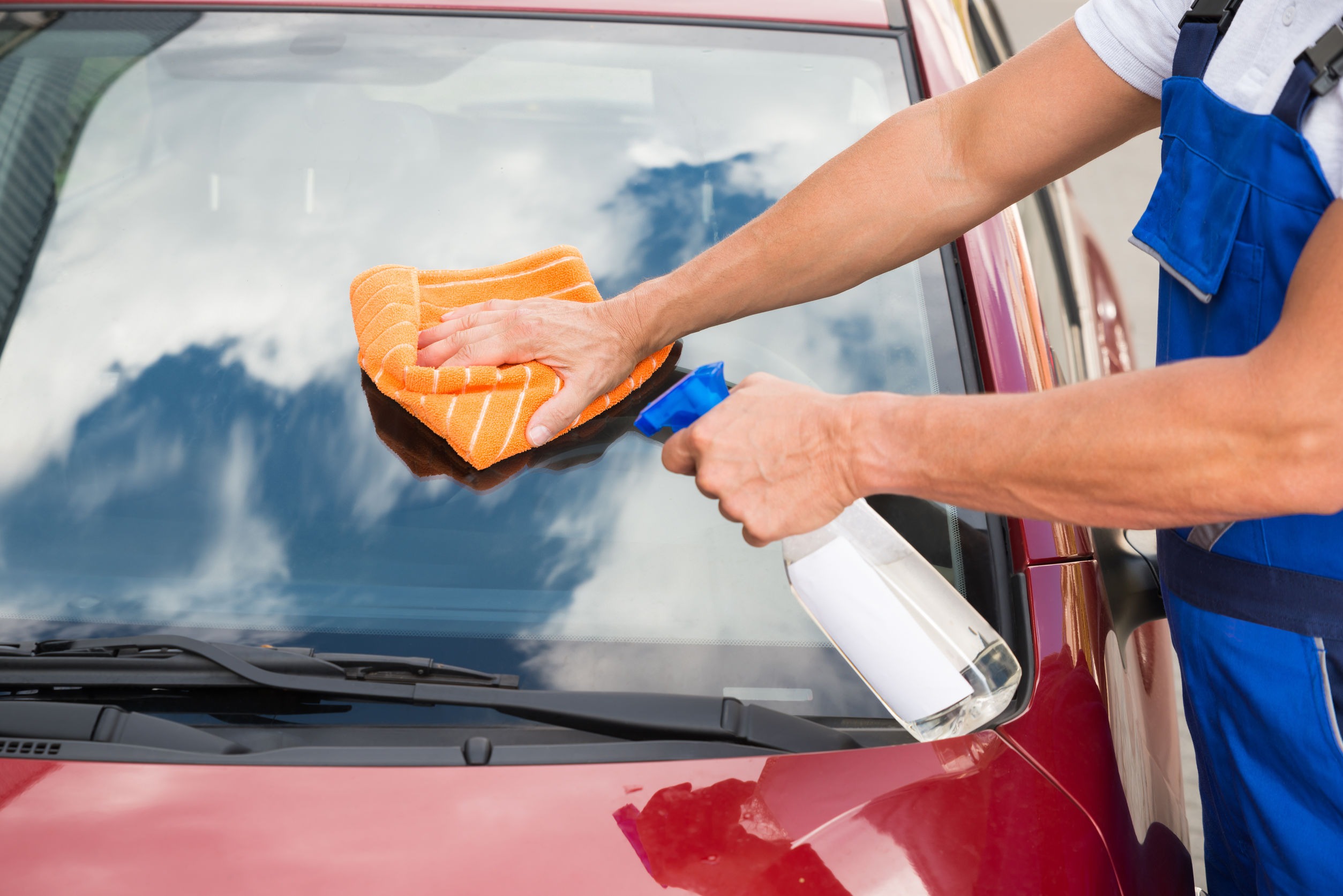
A proper cleaning is the best place to start because a windshield can look clean while still carrying a thin layer of oil and residue. Dashboard plastics, interior cleaners, smoke, fingerprints, and airborne particles can settle on the inside of the glass.
When moisture reaches that surface, the residue becomes much easier to see. Start with a clean microfiber towel and an automotive glass cleaner that is suitable for interior use. Spray the product onto the towel rather than directly onto the windshield.
This helps prevent liquid from reaching the dashboard, electronics, or other interior surfaces. Wipe the glass using straight horizontal strokes, followed by vertical strokes. This method makes missed areas easier to spot.
For stubborn greasy marks, a small amount of isopropyl alcohol on a clean microfiber cloth can help break down residue. Use it carefully and avoid getting it on plastic trim or sensitive surfaces.
After cleaning, use a second dry towel to buff the windshield. This final pass is important because leftover cleaner can create another hazy layer.
If the glass still looks cloudy when viewed from different angles, repeat the process rather than applying more product at once.
2. Melamine Foam (Magic Eraser) for Heavy Film
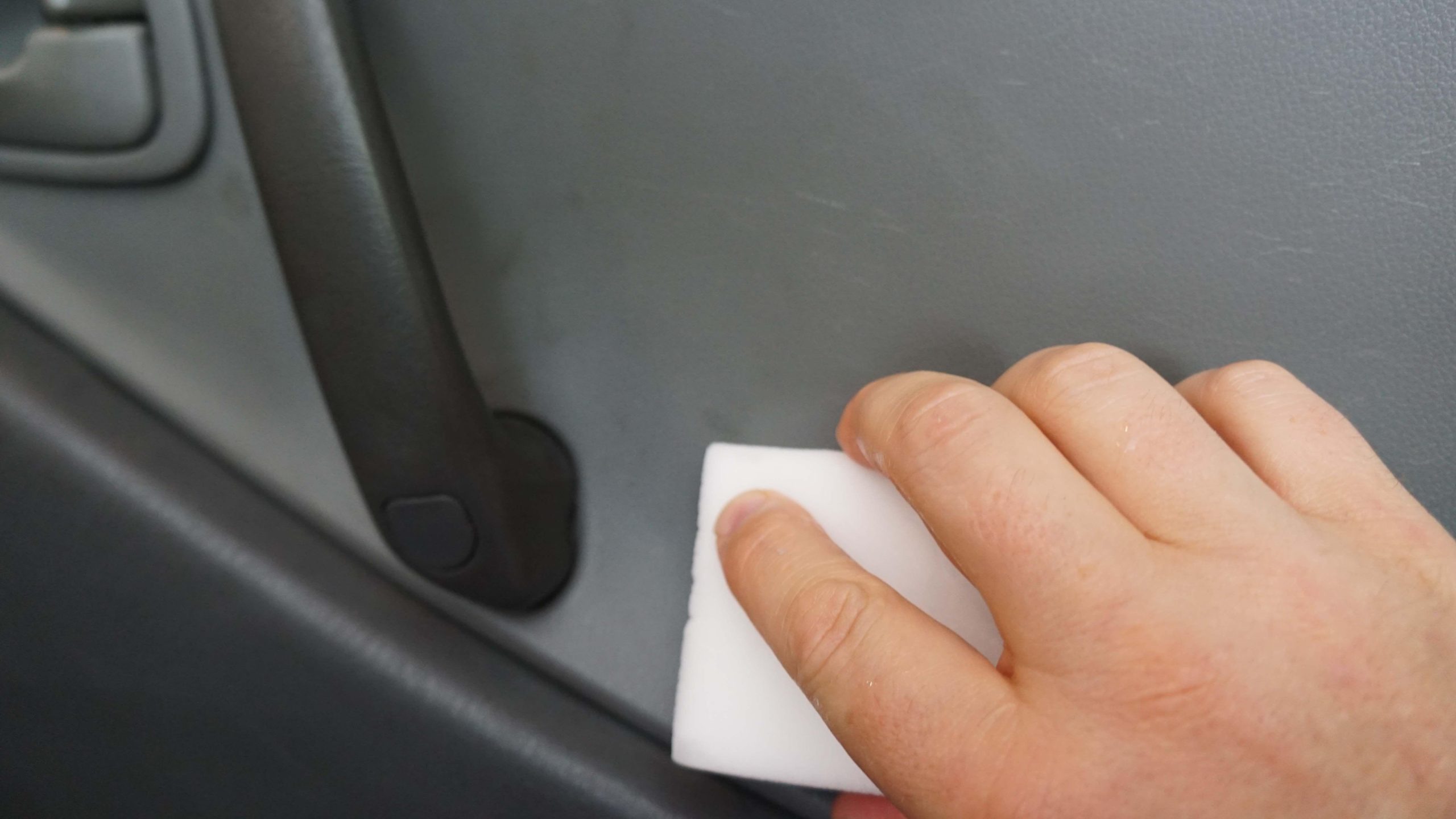
When ordinary glass cleaner fails to remove stubborn residue, some drivers turn to melamine foam, commonly sold as a magic eraser. The material has mild abrasive properties, which means it can help remove certain deposits that remain after normal cleaning.
However, that same abrasive quality means it should be used carefully. Before using it on the windshield, make sure the foam is clean and wet.
Work on a small section first instead of rubbing the entire glass immediately. Use very light pressure and short movements. There is no need to scrub aggressively.
The goal is to loosen the film, not forcefully polish the glass. Once the area has been treated, wipe it with a clean microfiber towel. Follow with an automotive glass cleaner and another dry towel to remove any remaining residue.
It is also wise to check the vehicle manufacturer’s recommendations before using abrasive cleaning materials. Avoid using a melamine foam on tinted film, coatings, or delicate surfaces unless the product manufacturer confirms that it is safe.
If the windshield has deep scratches, damaged coatings, or marks that do not respond to gentle cleaning, repeated scrubbing is unlikely to solve the problem.
At that point, professional glass treatment may be a better choice than applying more pressure.
3. DIY Anti-Fog Treatments
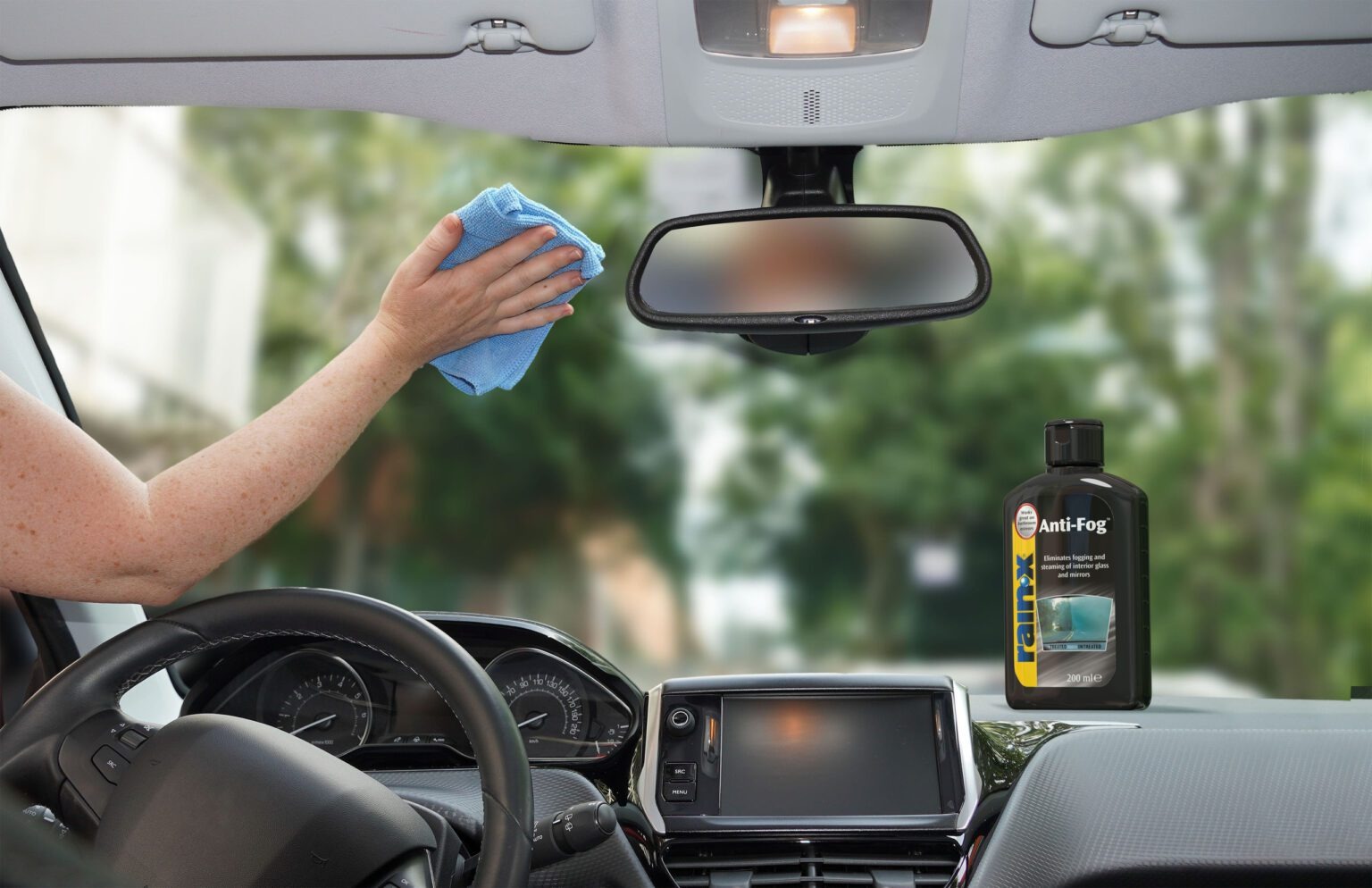
Once the windshield has been cleaned properly, an anti-fog treatment can help reduce the amount of condensation that sticks to the glass.
These products work by changing how tiny water droplets behave on the surface, helping maintain a clearer view when cabin humidity rises.
Some household methods are often recommended for short-term use. A diluted baby shampoo solution, for example, can leave a very thin layer on the glass after it is wiped clean.
Shaving cream is another commonly suggested option because some formulas contain ingredients that can reduce the tendency of water to form separate droplets.
These homemade methods can work for a limited period, but they are not always consistent. Some products may leave residue if too much is applied, which defeats the purpose of cleaning the windshield in the first place.
Always test a small area first and make sure the finished glass remains completely clear. A purpose-made automotive anti-fog product is usually a more dependable choice.
Follow its label instructions carefully, since application methods differ between products. The glass must normally be clean before treatment.
Do not apply an anti-fog product over an existing greasy film. That can trap the residue beneath the treatment and make the windshield look worse. Clean first, dry thoroughly, then apply the product as directed.

4. Optimize HVAC Settings
Sometimes the quickest solution does not involve buying anything. Simply adjusting your climate control settings can make a noticeable difference. Interior windshield fogging often occurs on cold mornings or during rainy drives when warm, humid air inside the cabin comes into contact with the cold windshield and quickly turns into condensation.
Turn your defroster on first, always. This directs warm air specifically toward your windshield rather than the general cabin space, addressing the problem where it actually forms.
Set your fan speed to maximum during the initial clearing phase, since higher airflow moves moisture away from the glass surface more quickly than a gentle setting ever could.
This is where many people get confused. The trick is to use the heater and air conditioning at the same time rather than choosing one over the other. Although it may seem counterintuitive, the AC removes moisture from the air while the heater keeps the cabin warm and comfortable.
This combination clears fog considerably faster than heat alone, which just adds more warm, moist air into an already humid cabin. Turn recirculation off during this process.
Recirculating air keeps the same moisture trapped inside your car, cycling it endlessly rather than replacing it with drier outside air. Pulling in fresh air from outside, especially combined with cracking a window slightly, helps flush that trapped humidity out entirely.
Once your windshield clears, you can dial these settings back to something more comfortable, but during active fogging, running the full combination gets you back to clear visibility in the shortest time possible.

5. Moisture Absorption Inside the Cabin
Reducing moisture inside the car can make a major difference when windshield fog keeps returning. The glass cannot stay clear for long if the cabin contains excess water vapor, so finding the source of that moisture is just as important as cleaning the windshield.
Start with the floor. Wet carpets and floor mats can release moisture into the cabin for hours after a rainy or snowy trip. Remove wet mats when practical and allow them to dry completely.
Check the carpet underneath them as well, because water can collect below the visible surface. A reusable moisture absorber can also help. Products containing silica or other moisture-absorbing materials are available for vehicle interiors.
Place them somewhere secure where they cannot interfere with driving or become a distraction. Check the product regularly and replace or recharge it according to the manufacturer’s instructions.
Some people use dry silica-based litter inside a breathable container as a low-cost moisture absorber. If you try this approach, keep the material contained so it cannot spill into the cabin.
Do not ignore persistent dampness. If the carpet keeps getting wet without an obvious reason, there may be a leak around a door seal, windshield, sunroof, or another body opening. Finding and fixing that source is far more useful than repeatedly wiping the windshield.

6. Regular Exterior and Interior Cleaning
Consistency matters more than intensity when it comes to preventing windshield haze from building up again after you’ve already cleared it once.
Cleaning your windshield, inside and out, at least once every two weeks keeps dirt, dust, oils, and mineral deposits from accumulating to the point where they start contributing to fog and glare.
Interior surfaces collect skin oils, dust, and the same dashboard off-gassing mentioned earlier, all of which settle onto glass gradually rather than all at once.
A two-week cleaning rhythm catches this buildup while it’s still light and easy to remove, rather than letting it compound into the thick, stubborn film that requires melamine foam or alcohol just to break through.
Exterior glass faces its own set of accumulating problems, particularly mineral deposits left behind by hard water, whether from rain, sprinklers, or automatic car washes with lower-quality rinse water.
These deposits create a rough, hazy texture that becomes genuinely difficult to remove once fully bonded to the glass. For exterior residues that regular washing doesn’t fully resolve, a clay bar treatment lifts embedded mineral deposits and road grime that normal cleaning leaves behind.
Car-safe detailing sprays designed specifically for glass provide another option, formulated to break down mineral bonds without damaging any coatings on modern windshields.
Building this two-week cleaning habit into your regular car care routine, alongside occasional clay bar treatments for the exterior, keeps both sides of your windshield from ever reaching the point where haze becomes a recurring, frustrating problem again.
7. Household Remedies for Film Removal
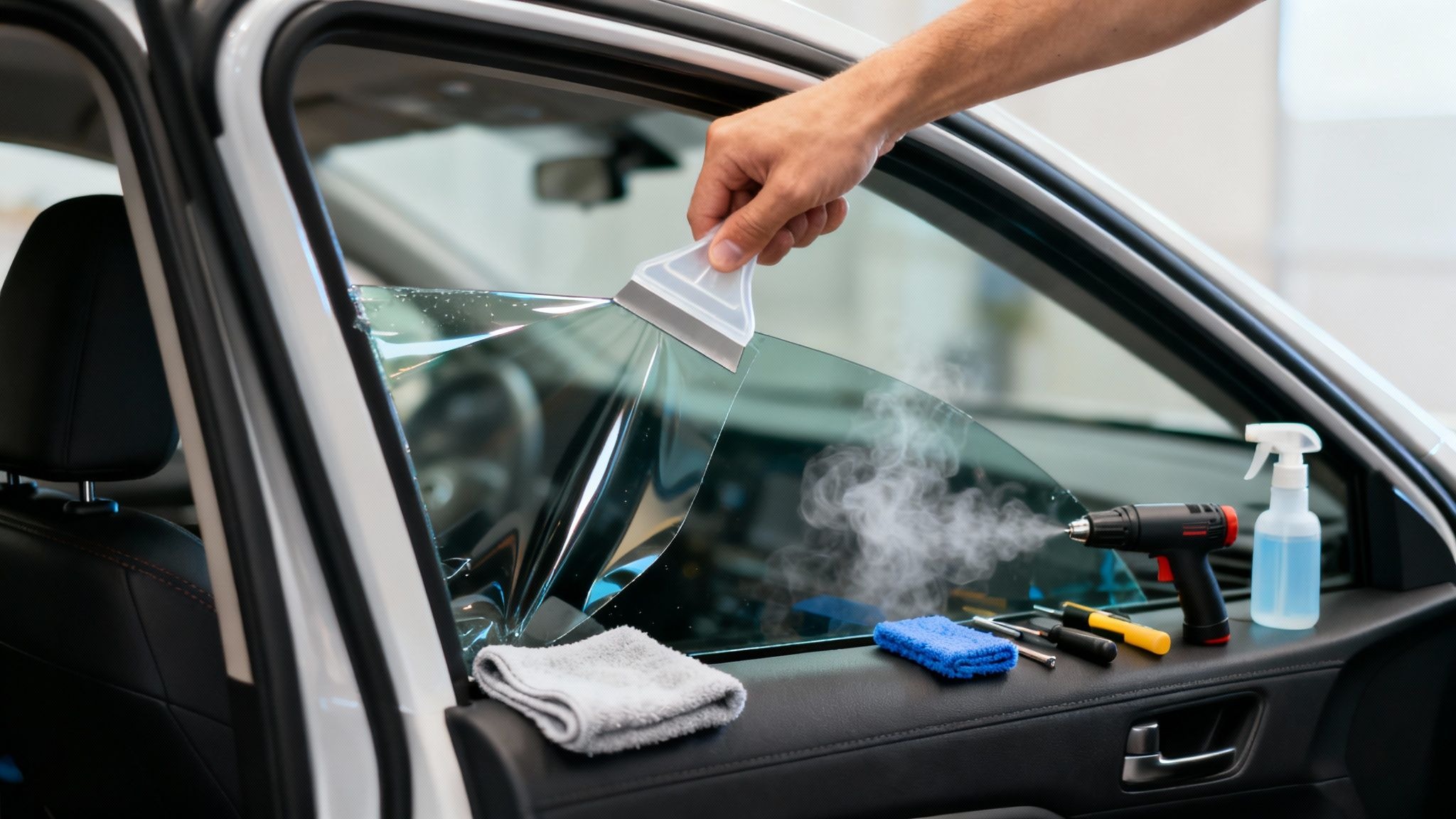
Household products are often suggested when a windshield has stubborn haze, but they should be used with care. Some simple solutions may help with certain deposits, while others can leave residue or damage nearby surfaces if applied incorrectly.
White vinegar diluted with water is one commonly used option for mineral deposits and certain exterior marks. Apply a small amount to a microfiber cloth rather than soaking the windshield. Wipe the affected area, then follow with clean water and a dry towel.
Baking soda can also be used as a mild cleaning paste for some stubborn deposits. However, because it is mildly abrasive, it should not be rubbed aggressively against glass. A gentle application is enough. Afterward, remove every trace of the mixture and dry the surface completely.
Toothpaste is another popular household suggestion because some formulas contain mild polishing agents. It should be used cautiously and only after checking that the product is appropriate for the intended surface.
Avoid toothpaste with aggressive whitening particles or other abrasive ingredients. The important point is that stronger scrubbing does not automatically produce better results.
Windshield glass can develop scratches if unsuitable materials are used repeatedly. If a household remedy requires heavy pressure to work, stop and choose a product specifically designed for automotive glass instead.
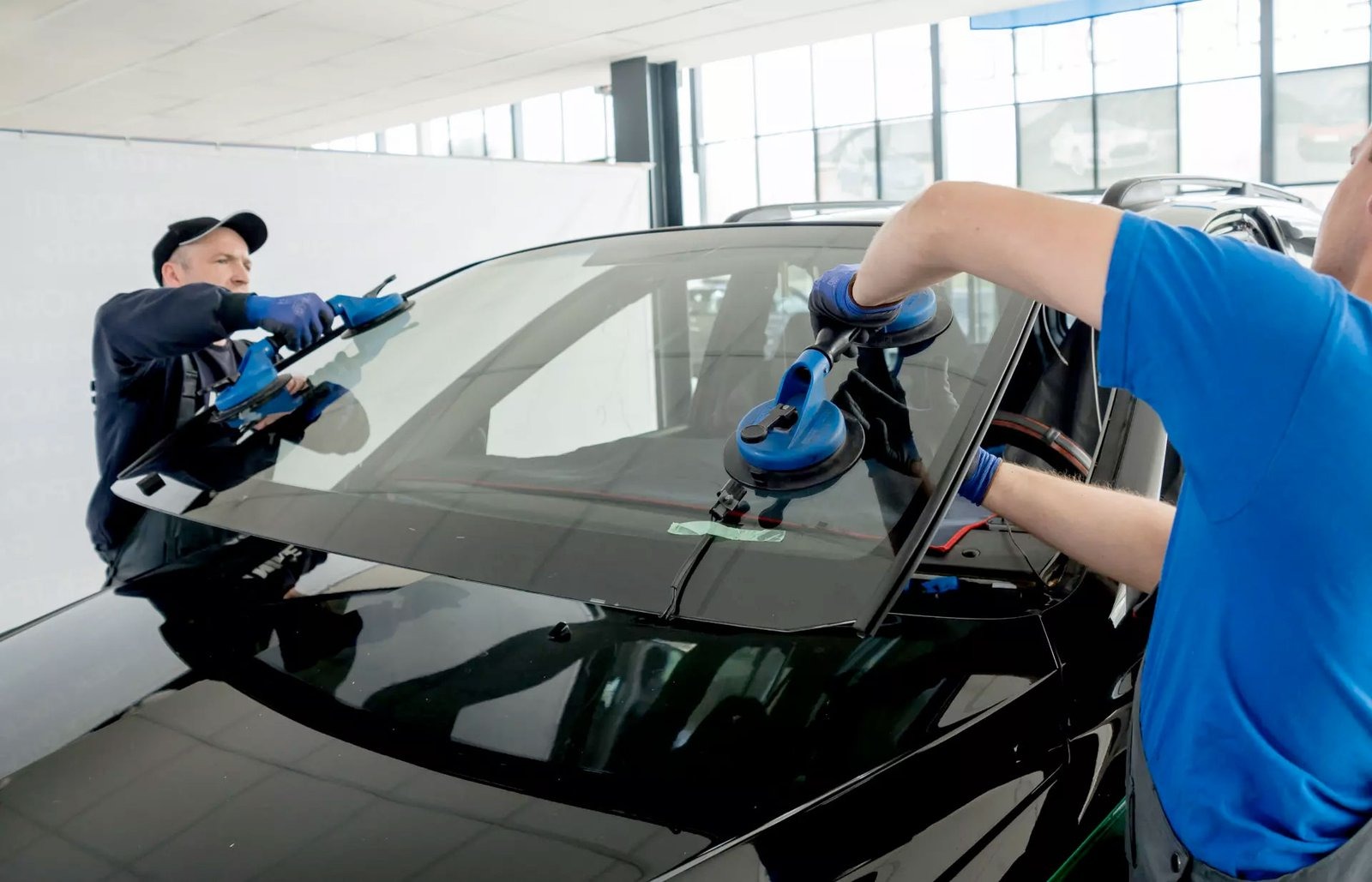
8. Professional Windshield Services
When a windshield remains hazy after careful cleaning, the problem may be deeper than ordinary dirt. Mineral deposits, scratches, damaged glass coatings, chemical residue, or other surface defects can make home cleaning ineffective. This is when professional glass service becomes worth considering.
A professional detailer or automotive glass specialist can inspect the windshield and identify whether the problem is contamination or actual glass damage.
In some cases, specialized polishing can improve clarity by removing certain surface marks and deposits. The process requires the right equipment and technique, so aggressive home polishing is not recommended.
A professional may also recommend a glass coating designed to improve water behavior or make future cleaning easier. The product should be suitable for automotive windshields and applied according to its instructions.
Modern vehicles add another reason to seek qualified service. Many windshields contain cameras or sensors used by advanced driver-assistance systems.
If the windshield is replaced, certain vehicles require camera calibration so systems such as lane departure warning or automatic emergency braking can operate correctly.
Persistent fogging can also point to a moisture problem inside the vehicle. A professional inspection may reveal a leaking seal, blocked drain, HVAC problem, or damaged component.
If cleaning has failed several times, avoid endlessly adding products. Find the cause, have the glass inspected when necessary, and choose a repair or treatment that restores clear visibility safely.