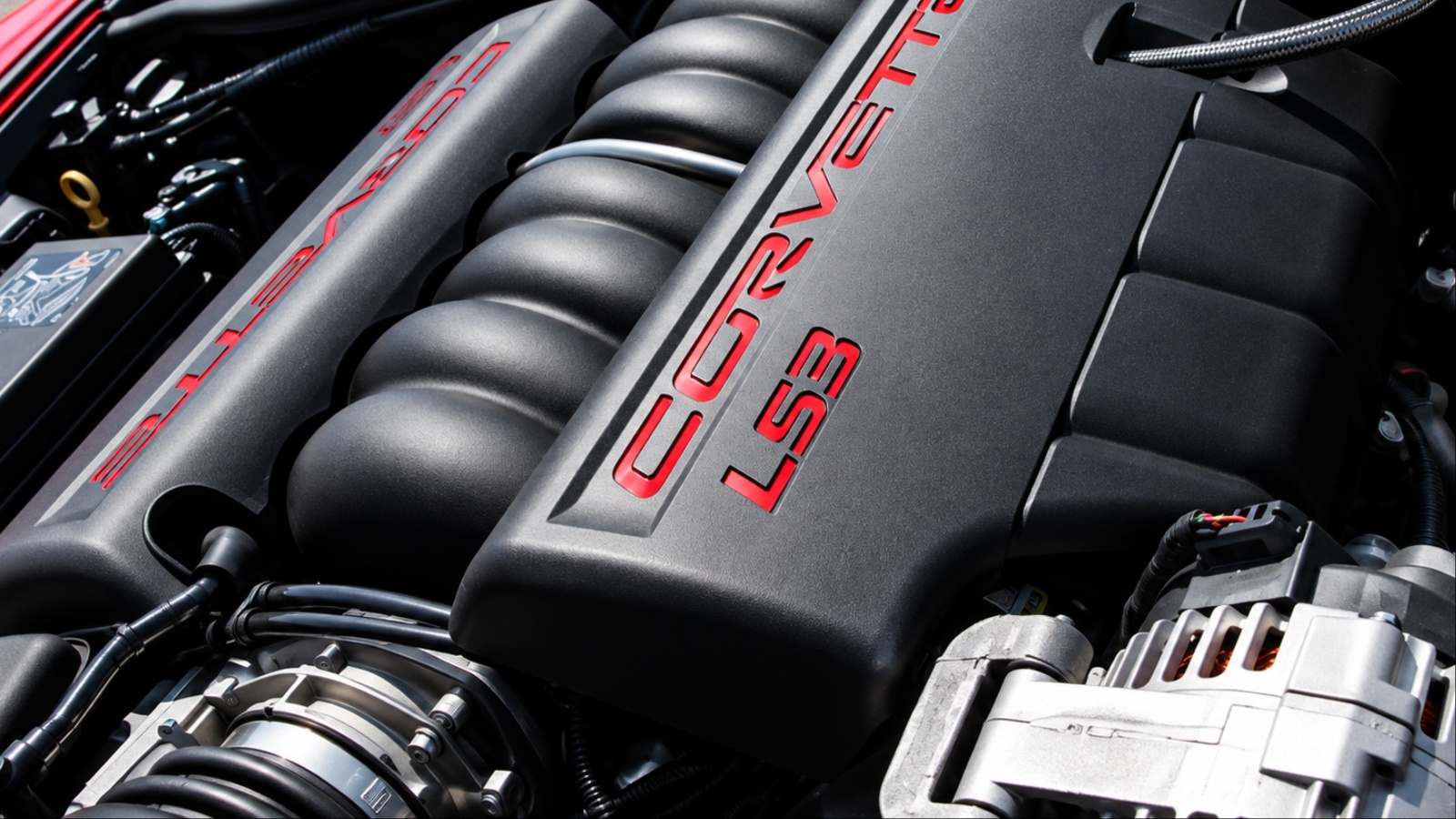
The LS family is arguably the most successful modern pushrod V8 architecture in automotive history, powering everything from base Silverados to Corvette Z06s.
Introduced in 1997 with the LS1, the platform has spawned dozens of variants across displacement, aspiration, and performance tiers, all sharing a common deep-skirt block design, six-bolt main caps (on most versions), and a reputation for being nearly unkillable when maintained properly.
Reliability across the LS lineup isn’t uniform, though. Factors like cylinder head material, forged versus cast internals, factory boost, and known weak points (cracked cylinder walls, weak head bolts, or the Gen V’s DFM/AFM lifter issues) separate the bulletproof workhorses from the higher-strung performance variants.
This ranking weighs long-term durability, known failure points, ease of maintenance, and real-world longevity over raw horsepower, so some of the most powerful LS engines land lower than you might expect.
1. LS3 (6.2L, Gen IV)
The LS3 is widely regarded as the gold standard for LS reliability and performance balance. Found in the C6 Corvette and fifth-generation Camaro SS, it uses a strong six-bolt main cast-aluminum block, rectangular-port L92-style cylinder heads, and a forged-ish powdered metal connecting rod design that handles substantial abuse without complaint.
Rated at 426-436 horsepower from the factory, the LS3 responds extremely well to bolt-on modifications, and many owners report 200,000+ mile lifespans with nothing more than routine oil changes and periodic coolant service.
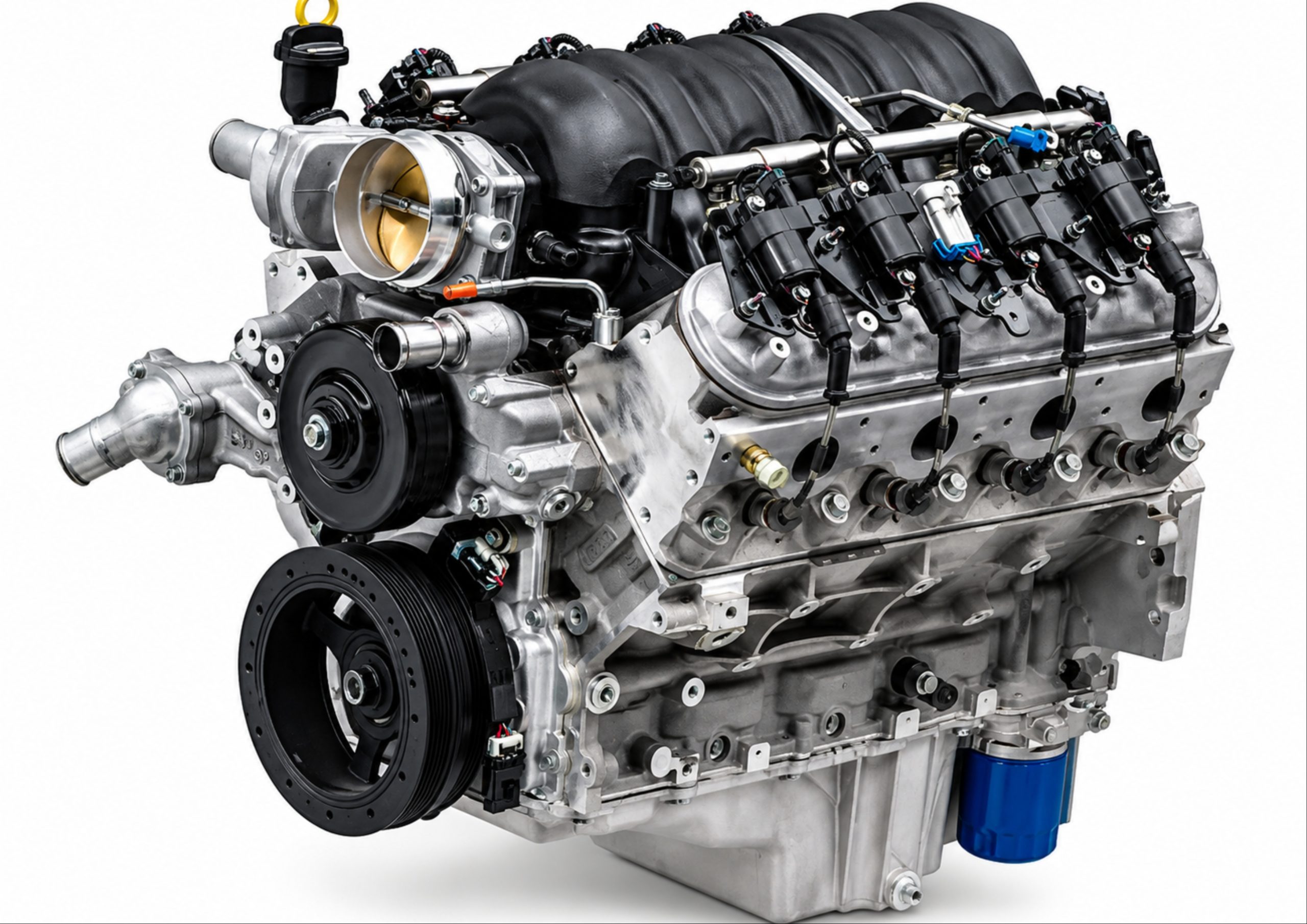
Its naturally aspirated design means it avoids the heat and pressure stresses that shorten the life of boosted variants, and its head gasket and bolt design are improved over earlier Gen III engines, virtually eliminating the head lifting issues that plagued some early LS1s under heavy modification. The oiling system is well-proven, and the factory-installed knock sensors and conservative tuning add a further reliability buffer.
The LS3 has relatively few major weaknesses. Some owners have reported Active Fuel Management lifter failures in later versions, but the LS3 found in Corvettes and Camaros generally did not use AFM.
With widespread parts availability, strong aftermarket support, and countless high-mileage examples still on the road, the LS3 stands out as a reliable choice for buyers who want both long-term durability and strong performance. Among LS engines, it is often regarded as one of the best options for those looking for an engine that can deliver dependable service for years under normal use.
2. LS2 (6.0L, Gen IV)
The LS2 slots in just behind the LS3 as one of the most trustworthy LS variants ever built. Debuting in the 2005 Corvette and later spreading to the GTO, Trailblazer SS, and SSR, the LS2 uses a cast-aluminum block with priority-main oiling and a relatively low 10.9:1 compression ratio that keeps thermal and mechanical stress in check.
Rated around 400 horsepower, it isn’t the most powerful LS, but that restraint is precisely why it holds up so well over hundreds of thousands of miles.
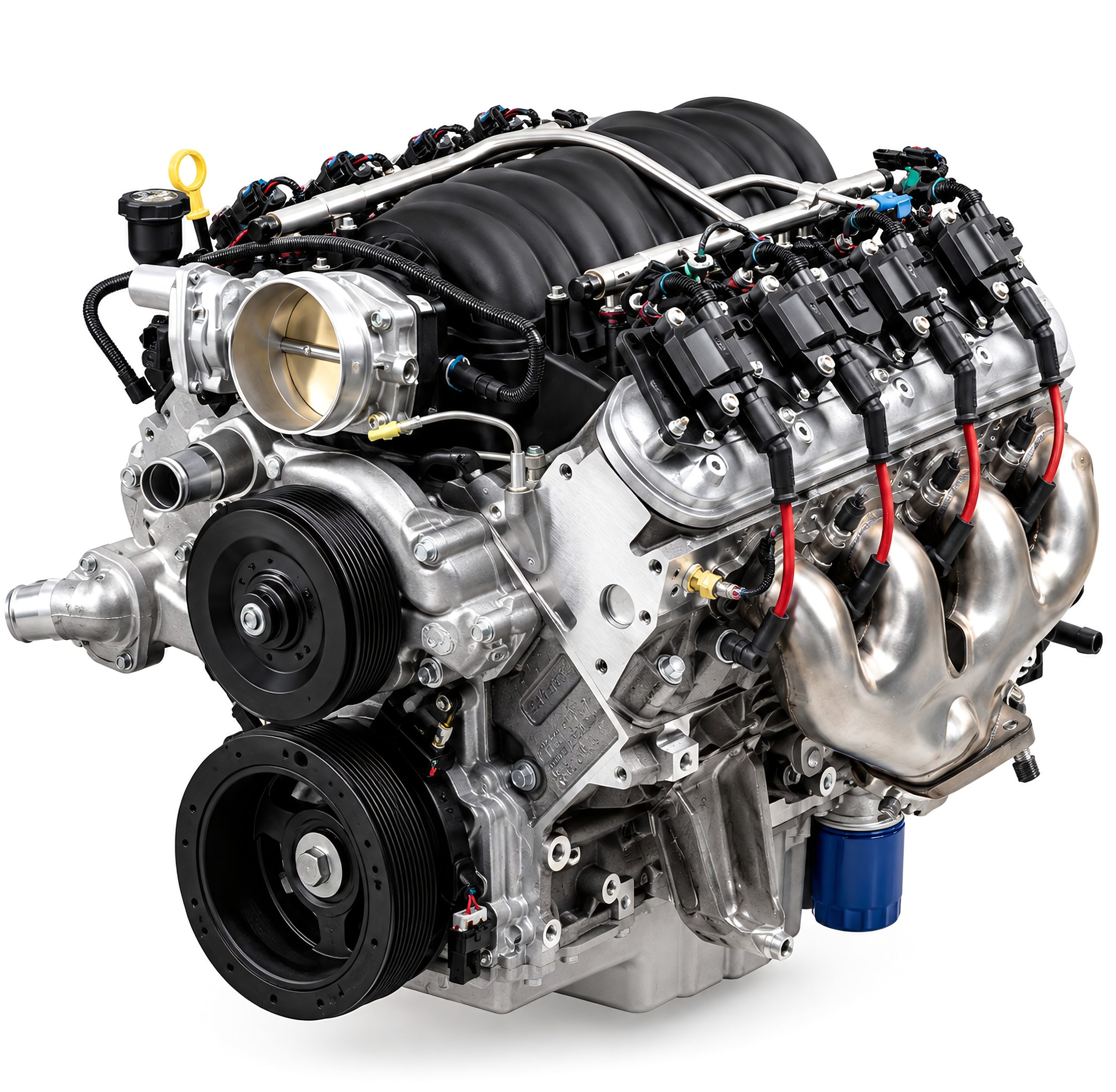
The LS2’s cathedral-port cylinder heads are simpler and more robust than later rectangular-port designs, and its factory internals, cast pistons and powdered-metal rods, are more than adequate for stock and mildly modified use. Reports of LS2s surpassing 250,000 miles with only standard maintenance are common in owner forums, and the engine has a strong track record in fleet and police-spec applications where daily abuse is the norm.
Its main weaknesses are similar to those found in other Gen IV engines. The plastic intake manifold may develop leaks over time, while the factory fuel injectors and coil packs can eventually wear out and require replacement. Fortunately, these are relatively inexpensive repairs and do not represent major structural issues.
Because the LS2 predates the more failure-prone Active Fuel Management system in most applications, it avoids one of the more notorious reliability black marks of later small-block Chevys, cementing its reputation as a nearly maintenance-free workhorse.
3. LS1 (5.7L, Gen III)
As the engine that started the entire LS revolution in the 1997 Corvette and later the Camaro/Firebird, the LS1 built the platform’s reputation for reliability from the ground up.
Its all-aluminum block was a first for a mainstream Chevy small-block, and despite early skepticism, it proved remarkably durable, with countless examples exceeding 200,000 miles in Corvettes, F-bodies, and GTOs. The cathedral-port heads and relatively modest 305-350 horsepower output kept stress levels low, contributing to its longevity.
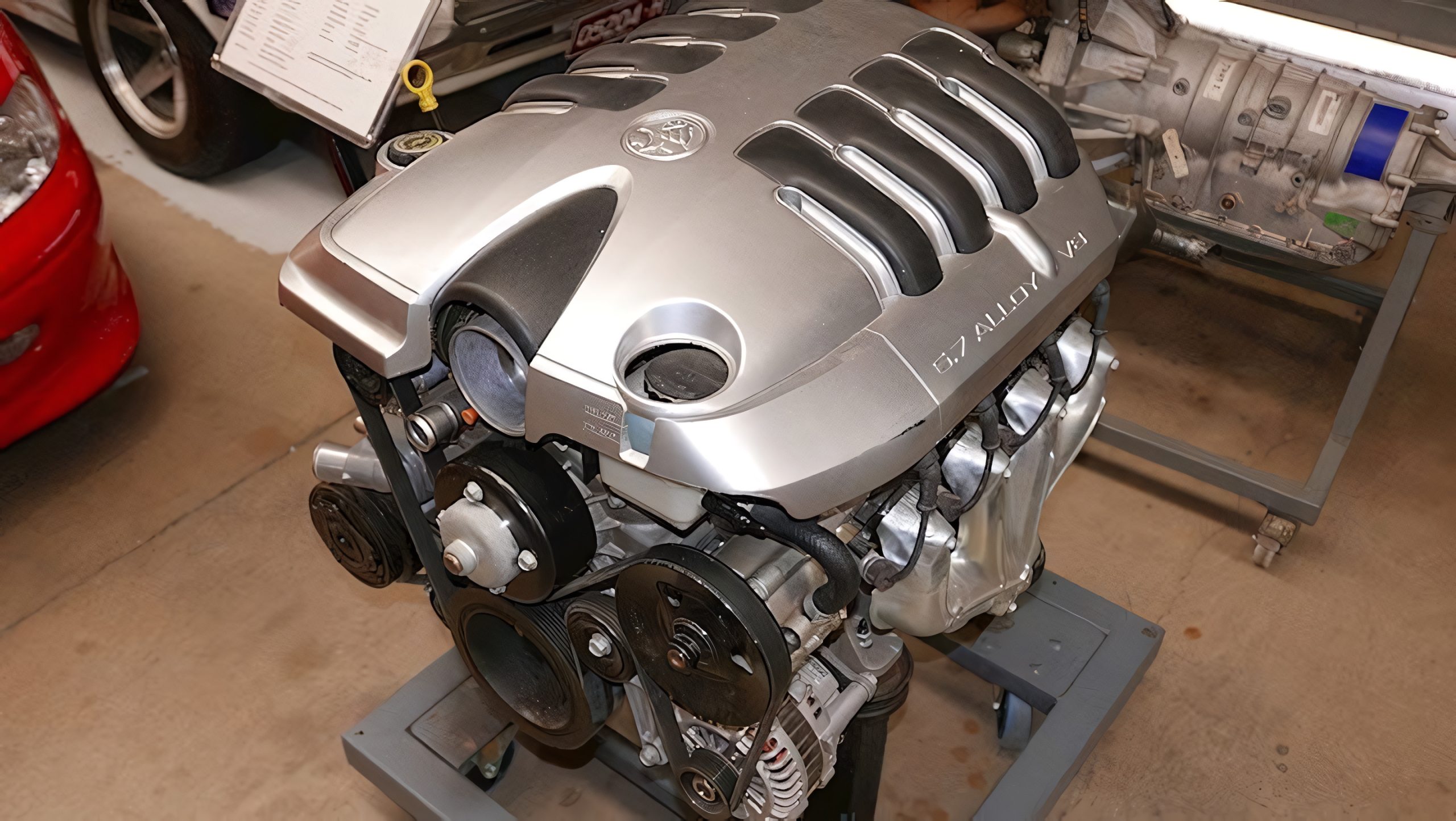
Early LS1s did have a few notable, well-documented issues. Pre-2001 engines used a head bolt design and gasket combination prone to lifting under high-boost or nitrous applications, and some very early blocks had thinner cylinder walls that could crack under extreme forced-induction stress.
Chevrolet addressed both concerns in later production years, so post-2001 LS1s are considered meaningfully more robust than the earliest examples.
In stock or mildly modified form, the LS1 is exceptionally reliable, and its widespread use means three decades of accumulated owner knowledge, an enormous aftermarket, and cheap, plentiful parts.
Common wear items include intake manifold gaskets, knock sensor wiring harnesses (notorious for degrading insulation), and optispark or coil-near-plug ignition components, depending on model year. None of these are catastrophic, and routine attention keeps an LS1 running well past the point most other engines would need major work, which is why it remains a benchmark for durability nearly 30 years later.
4. LQ4/LQ9 (6.0L Truck, Gen III/IV)
The LQ4 and its high-output sibling, the LQ9, are truck and SUV engines (Silverado, Suburban, Escalade, Yukon) that have earned a near-mythical reputation among LS enthusiasts for sheer toughness.
Built with iron blocks rather than aluminum, these engines sacrifice some weight savings for exceptional strength and heat tolerance, making them famously capable of handling significant boost or nitrous with minimal internal upgrades. Stock rod and piston combinations in the LQ4 are widely considered stronger than those in most passenger-car LS variants.
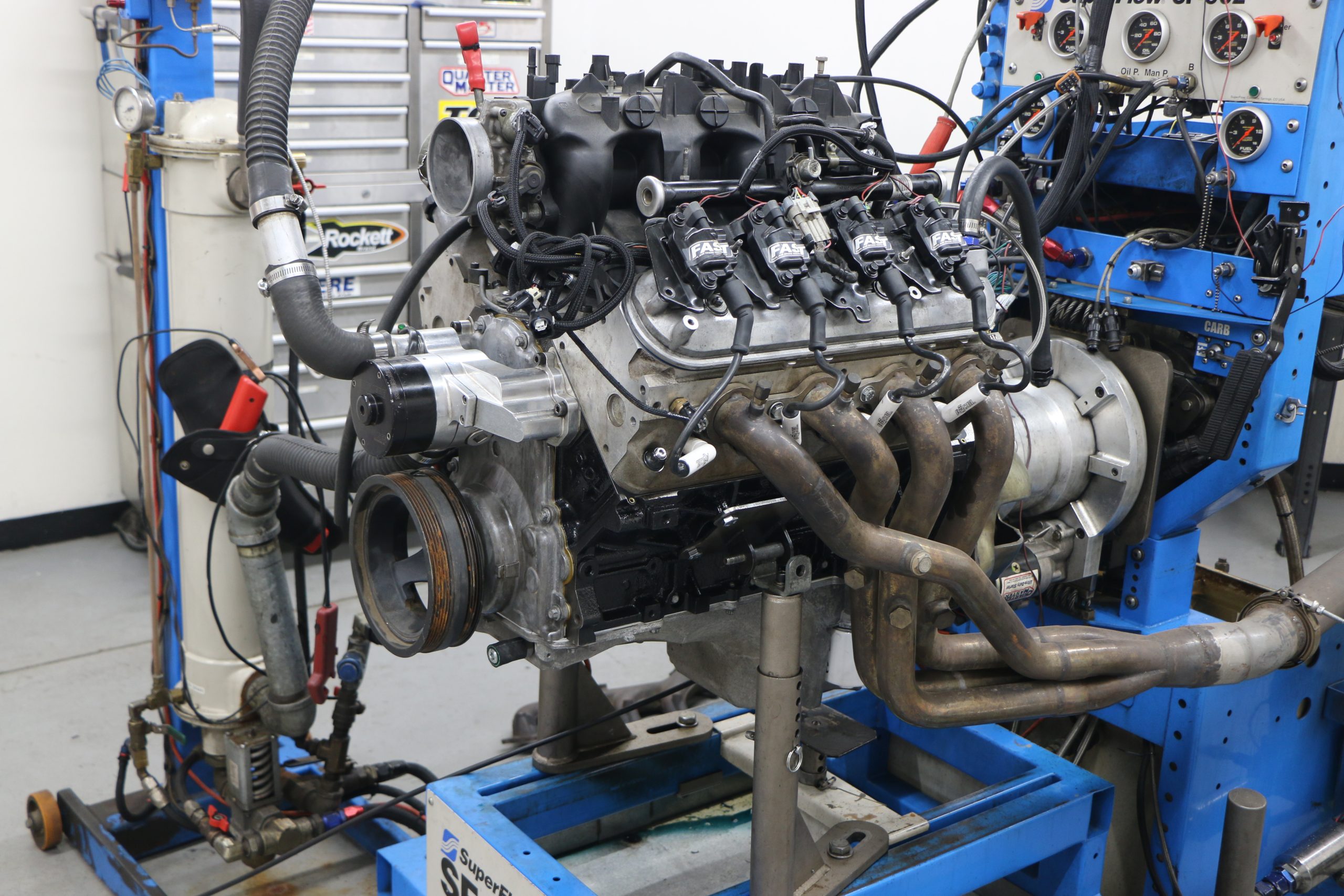
Because these engines were designed for truck duty cycles involving towing, prolonged idling, and heavy loads, they were engineered with durability as the top priority rather than outright power density. Six-bolt main caps, robust oiling systems, and conservative factory tuning all contribute to engines that regularly surpass 300,000 miles in fleet and personal-use trucks alike, often with nothing more than fluid changes and basic upkeep.
The main downsides are weight (iron blocks add roughly 100 pounds versus aluminum LS variants) and, on the LQ9 specifically, marginally higher compression that demands slightly more attention to fuel quality and tuning.
Active Fuel Management appears on some LQ4/LQ9 applications and can introduce the lifter-tick issues associated with that system, though a straightforward AFM delete resolves it. For builders who want an LS engine that shrugs off abuse, the iron truck blocks remain a favorite starting point precisely because of this track record.
5. L92/L94 (6.2L Truck/SUV, Gen IV)
The L92 and L94 are the SUV and truck-oriented cousins of the LS3, sharing the same 6.2-liter displacement and rectangular-port cylinder head design while wearing different intake and accessory configurations for applications like the Escalade, Yukon Denali, and Avalanche.
Because they share so much architecture with the well-regarded LS3, the L92/L94 inherit much of that engine’s structural strength, including the same six-bolt block and robust valvetrain.
Where these engines diverge slightly in reliability is their more frequent pairing with Active Fuel Management, which was standard on many SUV applications to improve fuel economy. AFM’s cylinder-deactivation lifters are a known source of ticking noises and, in a subset of cases, premature lifter or cam lobe wear if oil changes are neglected or lower-quality oil is used.
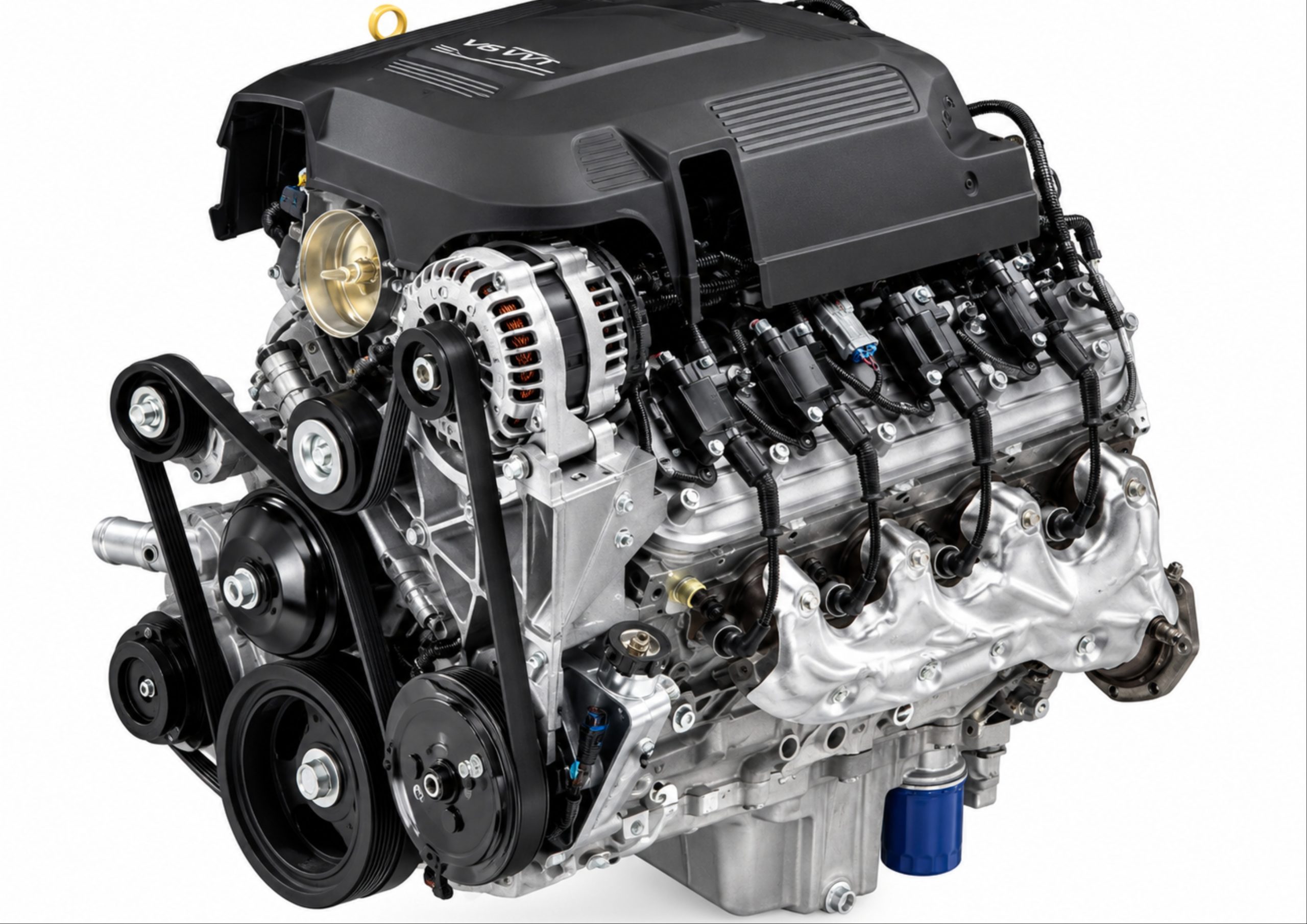
Owners who stay on top of maintenance intervals, or who perform a simple AFM delete, report the same long-term durability associated with the rest of the Gen IV lineup, often exceeding 200,000 miles.
Beyond the AFM consideration, the L92/L94 shares the LS3’s strong bottom end and reliable oiling system, making catastrophic failures rare outside of neglect or aggressive modification.
As with other Gen IV truck and SUV engines, these motors were tuned conservatively from the factory to survive high-mileage, high-load service, which is reflected in their strong resale reputation and widespread aftermarket popularity for budget-friendly builds.
6. LM7 (5.3L Truck, Gen III)
The LM7 stands out as one of the most widely produced LS engines, powering millions of Silverados, Tahoes, and Suburbans during the early and mid 2000s. Its extensive production history has provided plenty of real-world evidence of its durability, with most owners reporting positive experiences.
The combination of an iron block, conservative tuning, and simple cathedral port cylinder heads gives the LM7 a reputation for lasting well beyond 250,000 miles in everyday truck use, even under demanding conditions such as heavy towing and frequent stop-and-go driving.
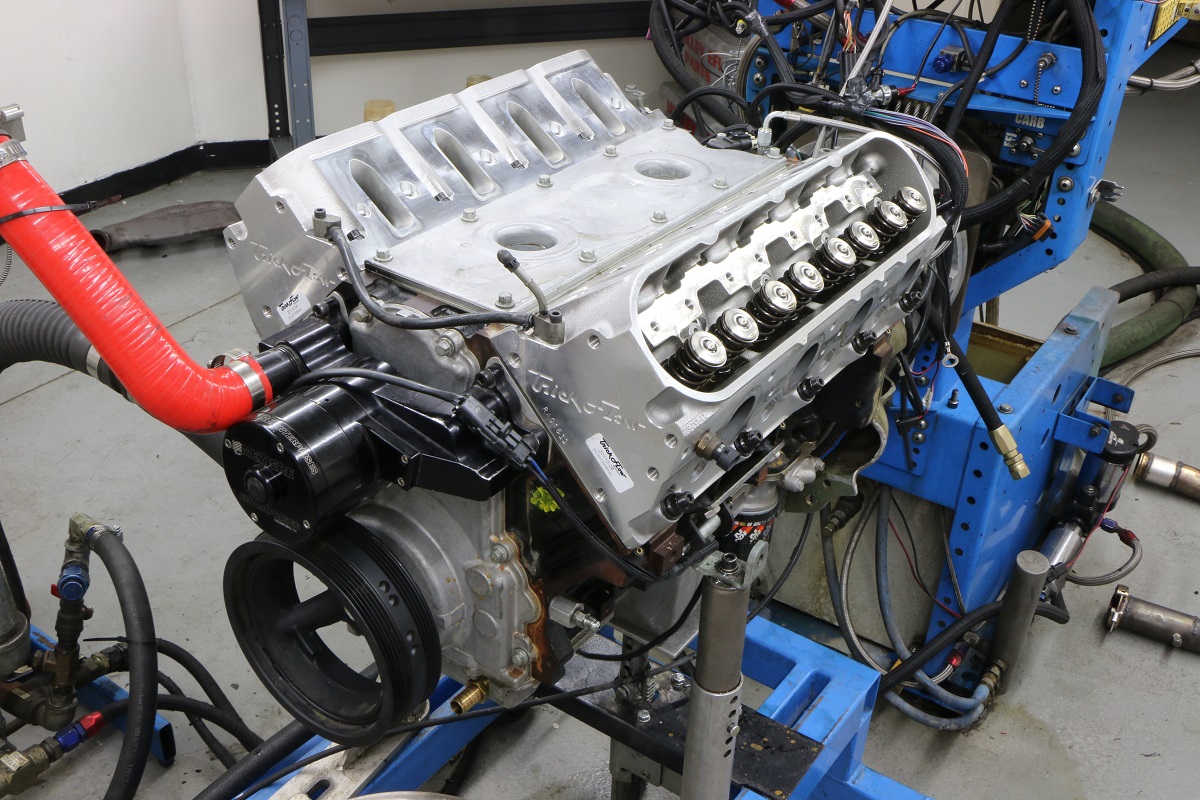
Because the LM7 predates Active Fuel Management entirely, it avoids one of the more common complaints associated with later 5.3-liter truck engines, giving it a slight reliability edge over its AFM-equipped successors despite the shared basic architecture. Its cast pistons and powdered-metal rods are adequate for stock power levels and light modification, and the iron block tolerates heat cycling and towing stress exceptionally well.
The LM7 is known for a few common issues, but most are relatively minor and easy to address. Owners may encounter intake manifold gasket leaks, deteriorating knock sensor wiring, or worn fuel injectors over time. Fortunately, these problems typically have little effect on the engine’s overall reliability and long term durability.
Its iron block also makes the LM7 heavier than aluminum LS variants, which can be a consideration for engine swap projects but has little significance in its original truck applications. With affordable parts, widespread availability, and a reputation for surviving years of hard use, the LM7 has earned a legendary status among enthusiasts for its exceptional longevity when properly maintained.
7. L83 (5.3L, Gen V, EcoTec3)
The L83 represents a shift to Chevy’s Gen V EcoTec3 engine family, bringing direct injection to the familiar 5.3-liter truck engine used in models such as the Silverado, Tahoe, and Suburban from around 2014 onward. While direct injection can improve fuel efficiency and power, it also brings a known maintenance concern in the form of carbon buildup on the intake valves.
Because fuel does not pass over the valves as it does with port injection, deposits can accumulate over time and lead to rough idling, hesitation, and reduced performance. In some cases, cleaning the valves or having them walnut blasted may be necessary.
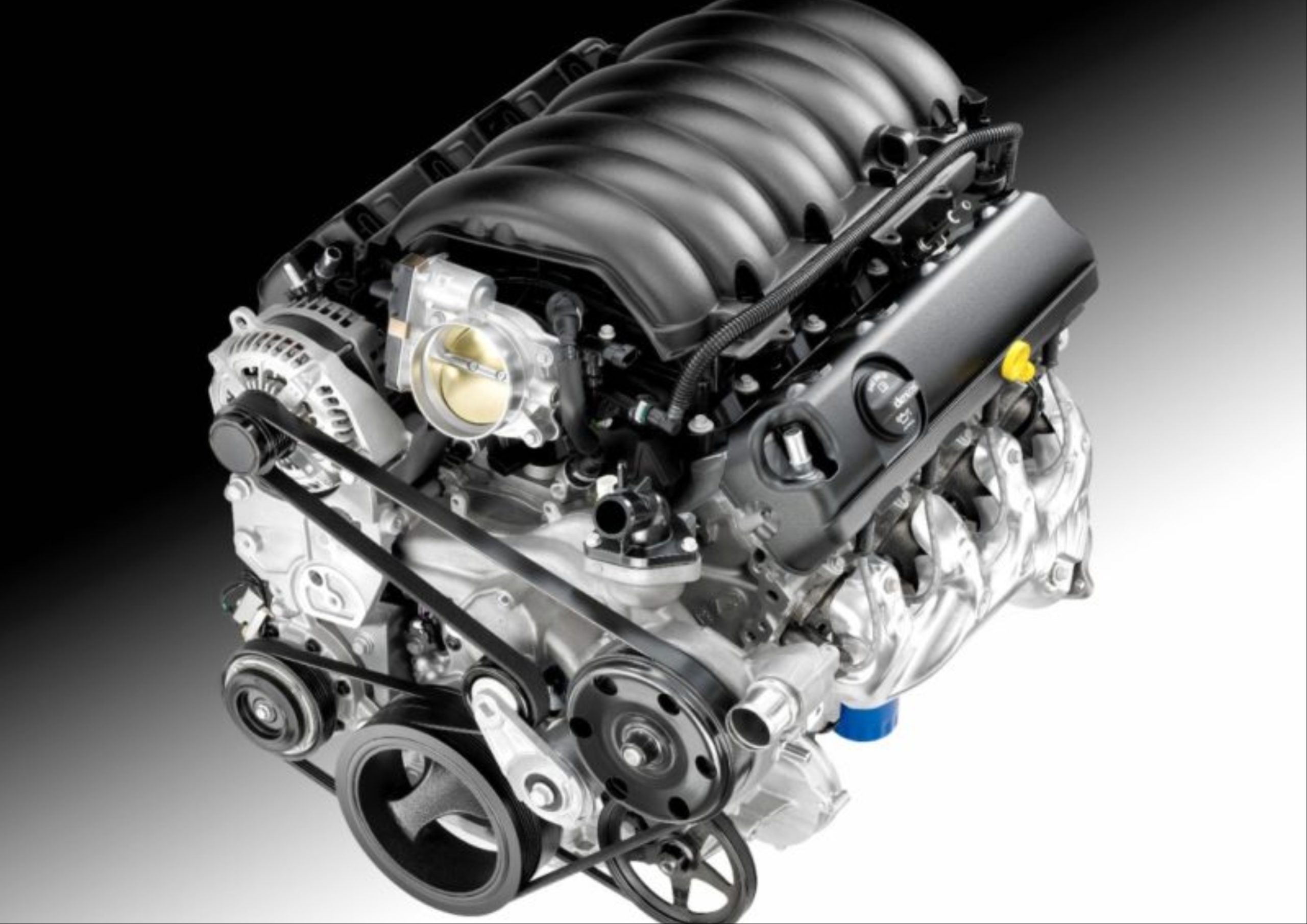
The L83 also uses Chevrolet’s newer Dynamic Fuel Management (DFM) or Active Fuel Management system depending on model year, both of which deactivate cylinders for efficiency and have been linked to lifter failure complaints, particularly the AFM lifters used on early L83 applications. Some owners report lifter tick developing well before 100,000 miles, an issue rare on earlier Gen III/IV engines lacking cylinder deactivation.
That said, the fundamental architecture, block strength, and oiling system remain solidly LS-derived, and engines with proactive maintenance, quality oil, and timely intake cleaning routinely reach high mileage without major failure.
The L83’s reliability profile is good but clearly a step below the earlier, simpler Gen III/IV engines, which is why it lands in the middle of this list despite its modern refinements and respectable factory output of around 355 horsepower.
8. LS9 (6.2L Supercharged, Gen IV)
The LS9, found exclusively in the C6 Corvette ZR1, is a factory-supercharged 6.2-liter producing 638 horsepower, making it one of the most powerful LS variants ever built.
To handle that output, GM used a stronger RPO block casting, forged steel crankshaft, titanium connecting rods, and forged pistons, genuinely serious hardware that gives the LS9 far more built-in headroom than a typical naturally aspirated LS. In that sense, its internals are arguably more track-capable than several higher-ranked engines on this list.
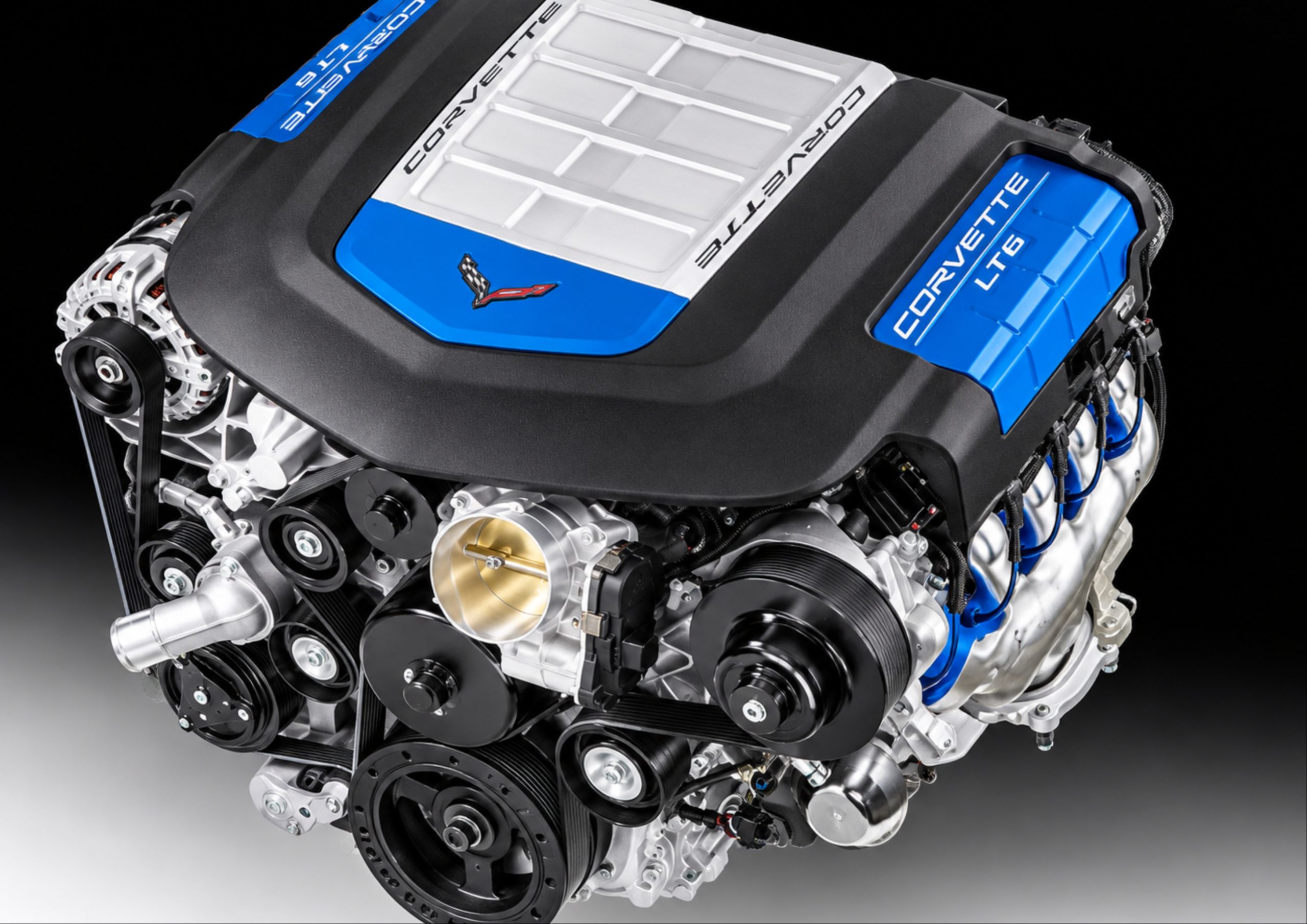
However, reliability in practice depends heavily on maintenance discipline and operating conditions. The Eaton supercharger’s dry-sump oiling system and intercooler setup require diligent upkeep, and supercharged engines inherently run hotter and under more sustained stress than naturally aspirated counterparts, accelerating wear on ancillary components like the supercharger belt, intercooler pump, and drive system.
Some owners have reported supercharger snout or coupler wear over time, and the increased cylinder pressure raises the stakes of any tuning mistake far more than it would on an LS3 or LS2.
When operated within its factory specifications and given proper maintenance, the LS9’s forged bottom end is remarkably durable and can accumulate high mileage without major internal engine failures.
However, its forced induction system adds complexity and creates additional points of concern. Aggressive driving and neglected maintenance can also accelerate wear and lead to expensive repairs. For these reasons, the LS9 ranks below the naturally aspirated engines on this list when it comes to overall real world reliability.
9. LT4 (6.2L Supercharged, Gen V, for context) / L99 (6.2L, Gen IV, AFM)
The L99 comes in as the Camaro’s 6.2 liter engine paired with an automatic transmission, combining LS3 based architecture with Active Fuel Management to improve fuel economy. Much of its underlying design retains the LS3’s durability, including the six bolt block and rectangular port cylinder heads.
However, AFM adds a potential weak point because of its cylinder deactivation system. Some engines may develop intermittent ticking, while others can experience lifter or cam lobe failures, particularly when oil changes are neglected or low quality oil is used.
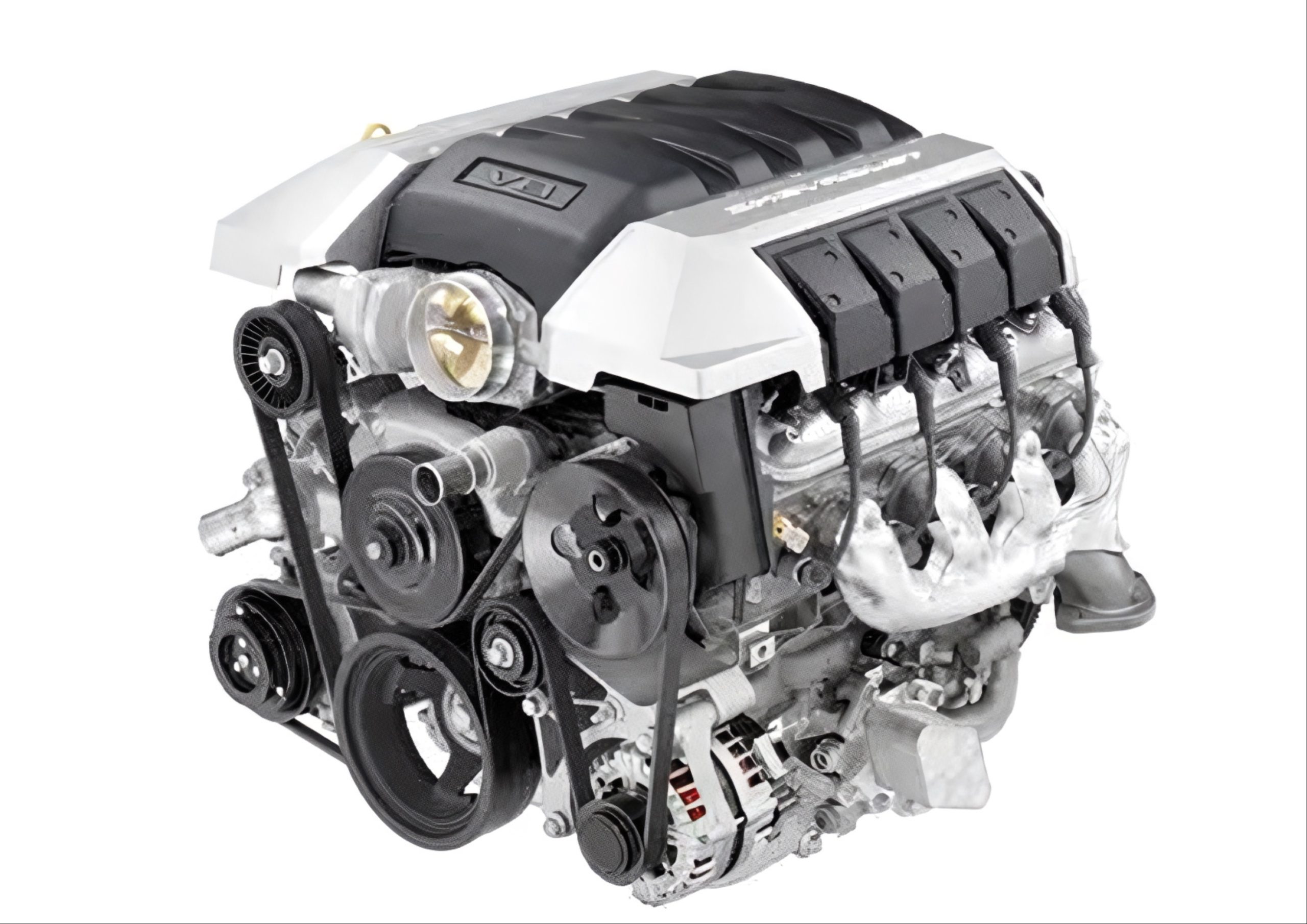
Owners who stay disciplined about maintenance, or who perform an aftermarket AFM delete, generally report reliability approaching that of the LS3 itself, since the underlying engine hardware is nearly identical.
But out of the box, the combination of cylinder deactivation complexity and, in some cases, a less enthusiast-scrutinized ownership base (versus manual LS3 Camaros driven by more mechanically attentive owners) has produced a slightly higher documented rate of lifter-related complaints in service records and forums.
This entry also includes the supercharged LT4, which is technically part of the Gen V small block family rather than a true LS engine. Its reliability profile is similar to that of the LS9, with strong forged internals that can handle substantial power but with added complexity, heat, and maintenance demands from the factory forced induction system.
Both engines can be highly dependable with proper care, but they generally involve more variables in real world ownership than the simpler naturally aspirated Gen III and Gen IV engines ranked above them.
10. LSA (6.2L Supercharged, Gen IV)
Closing out this list is the LSA, the supercharged 6.2-liter used in the Cadillac CTS-V and the fifth-generation Camaro ZL1, producing 556-580 horsepower depending on application. Like the LS9, the LSA uses a stronger block casting and forged internals to handle boost, giving it a genuinely tough bottom end.
Where it differs is a smaller, less exotic Eaton supercharger than the LS9’s unit, and a broader ownership base that includes daily-driven sedans rather than exclusively track-oriented Corvettes.
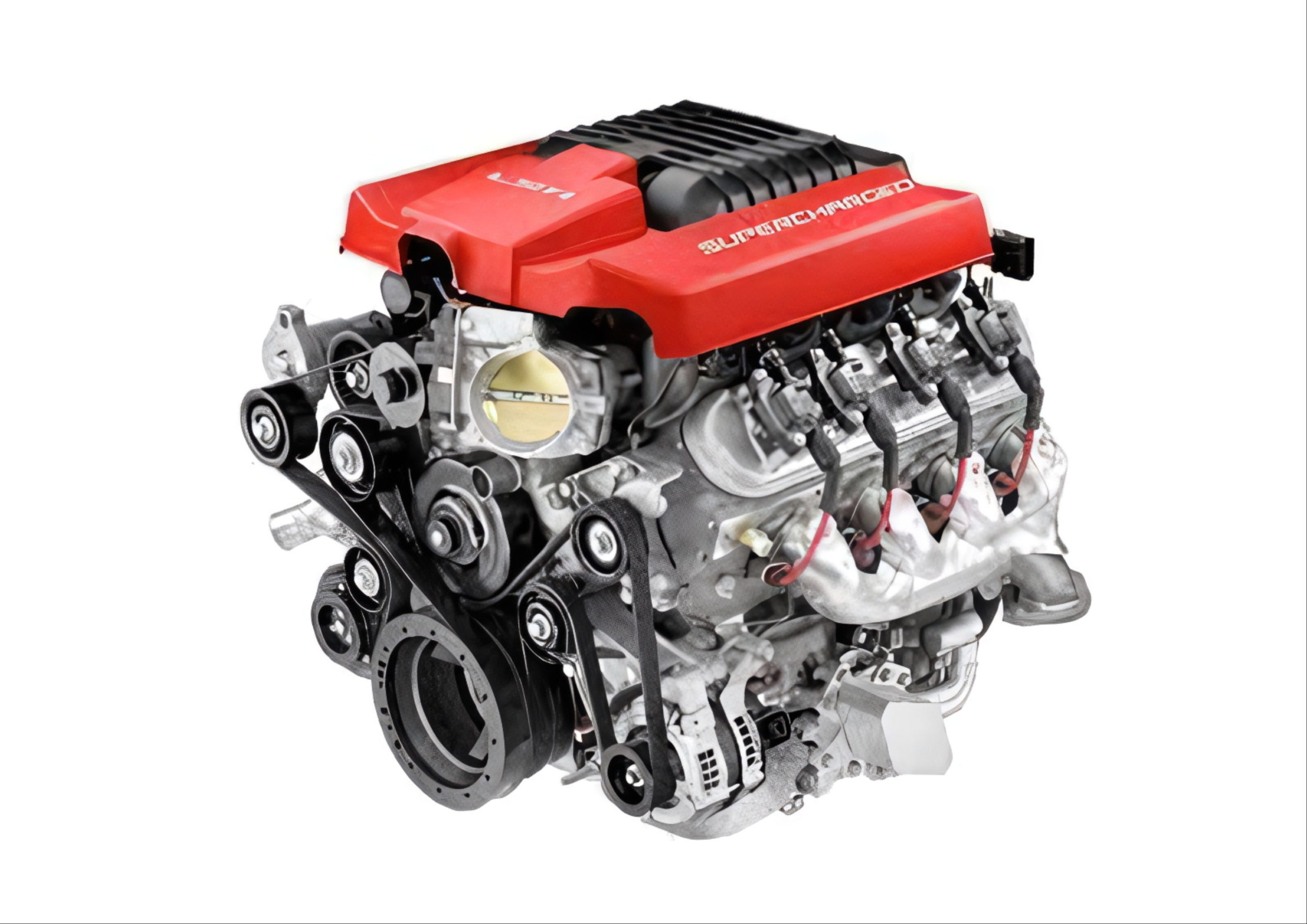
Reliability concerns tend to become more noticeable in everyday use, particularly among CTS V and ZL1 owners who drive their cars aggressively on public roads without following the strict maintenance routines often practiced by dedicated track drivers.
Reports of supercharger coupler wear, accessory belt problems, and tuning issues caused by heat soak appear more frequently in these applications. The factory intercooler system also needs regular coolant service, which is sometimes neglected. Over time, this can reduce cooling efficiency and raise intake air temperatures, placing additional stress on the engine and its related components.
The LSA’s forged rotating assembly means catastrophic core engine failure remains rare even under sustained abuse, so this ranking reflects accumulated real-world wear and ancillary system complexity rather than any fundamental weakness in the engine itself.
With attentive maintenance, particularly around the supercharger and cooling systems, the LSA is a fundamentally strong engine, but its combination of high stress and a more casual daily-driver ownership profile places it at the bottom of this list.