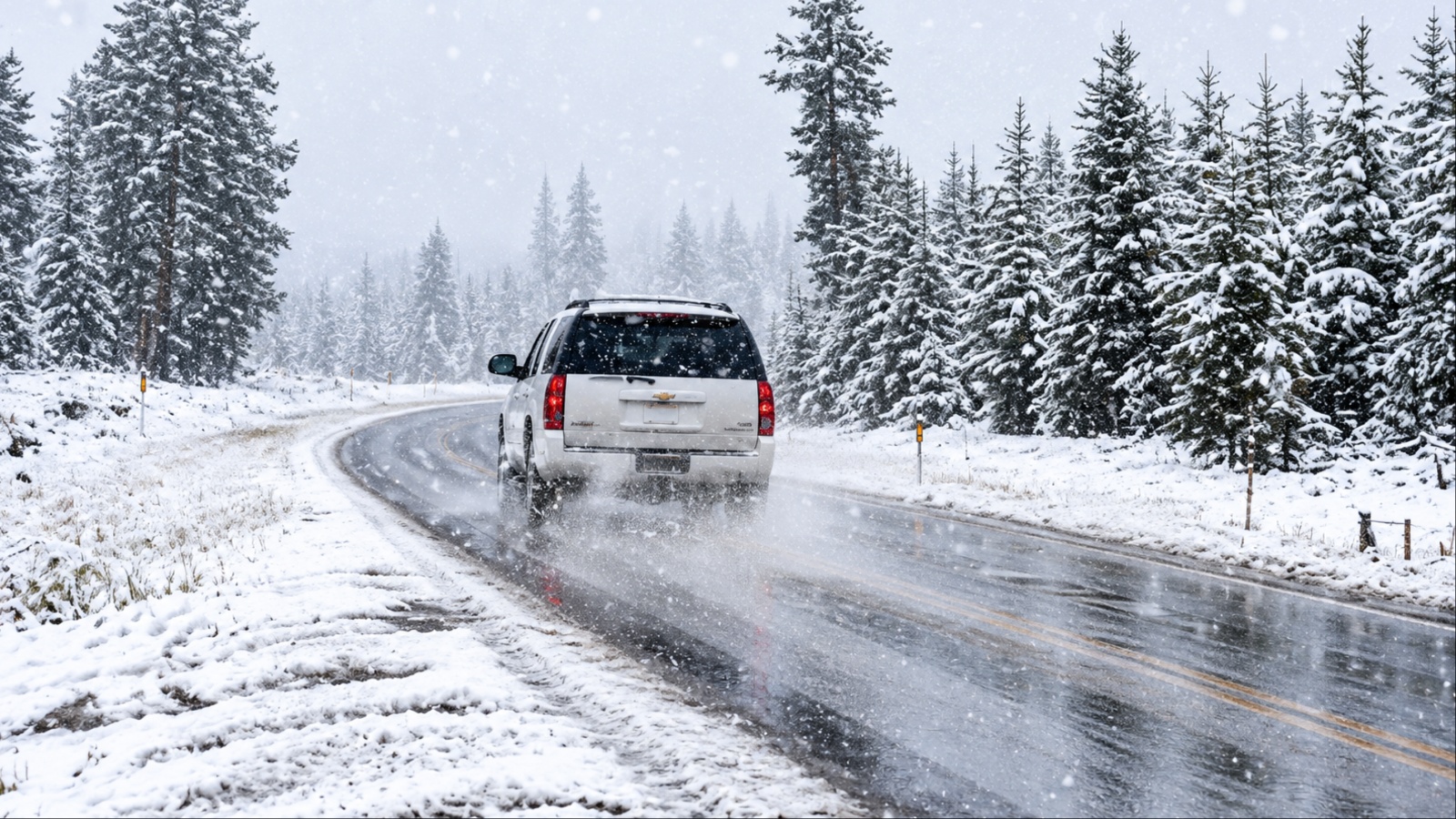
Winter is brutal on vehicles. Cold temperatures thicken fluids, weaken batteries, and expose small problems that summer driving lets you ignore. A car that ran perfectly fine in August can leave you stranded in a November parking lot once the mercury drops, simply because a handful of maintenance items were never addressed while the weather was still forgiving.
The good news is that most winter-proofing tasks are quick, inexpensive, and can be done in a single weekend before the first hard frost arrives.
These ten jobs are worth adding to your pre-winter vehicle checklist. Some can be handled at home with basic tools, while others are better left to a trusted mechanic. Taking care of them before winter arrives can help prevent unexpected problems, maintain fuel economy in colder weather, and reduce the risk of a dead battery or loss of traction when snow and ice arrive.
1. Test and Replace the Battery
Cold weather is the single biggest killer of car batteries. A battery that struggles to turn the engine over in 60-degree weather will often fail outright once temperatures drop below freezing, because cold slows the chemical reaction inside the cells that generates current. At the same time, your engine needs more cranking power in the cold since oil thickens and resistance increases. This combination catches countless drivers off guard every winter.
Start by having the battery load-tested at an auto parts store or repair shop, where the service is often free. Check the battery’s manufacture date as well, since most batteries last about three to five years. If yours is nearing the end of that range, replacing it before winter can be far less costly than dealing with a dead battery and a tow on a freezing morning.
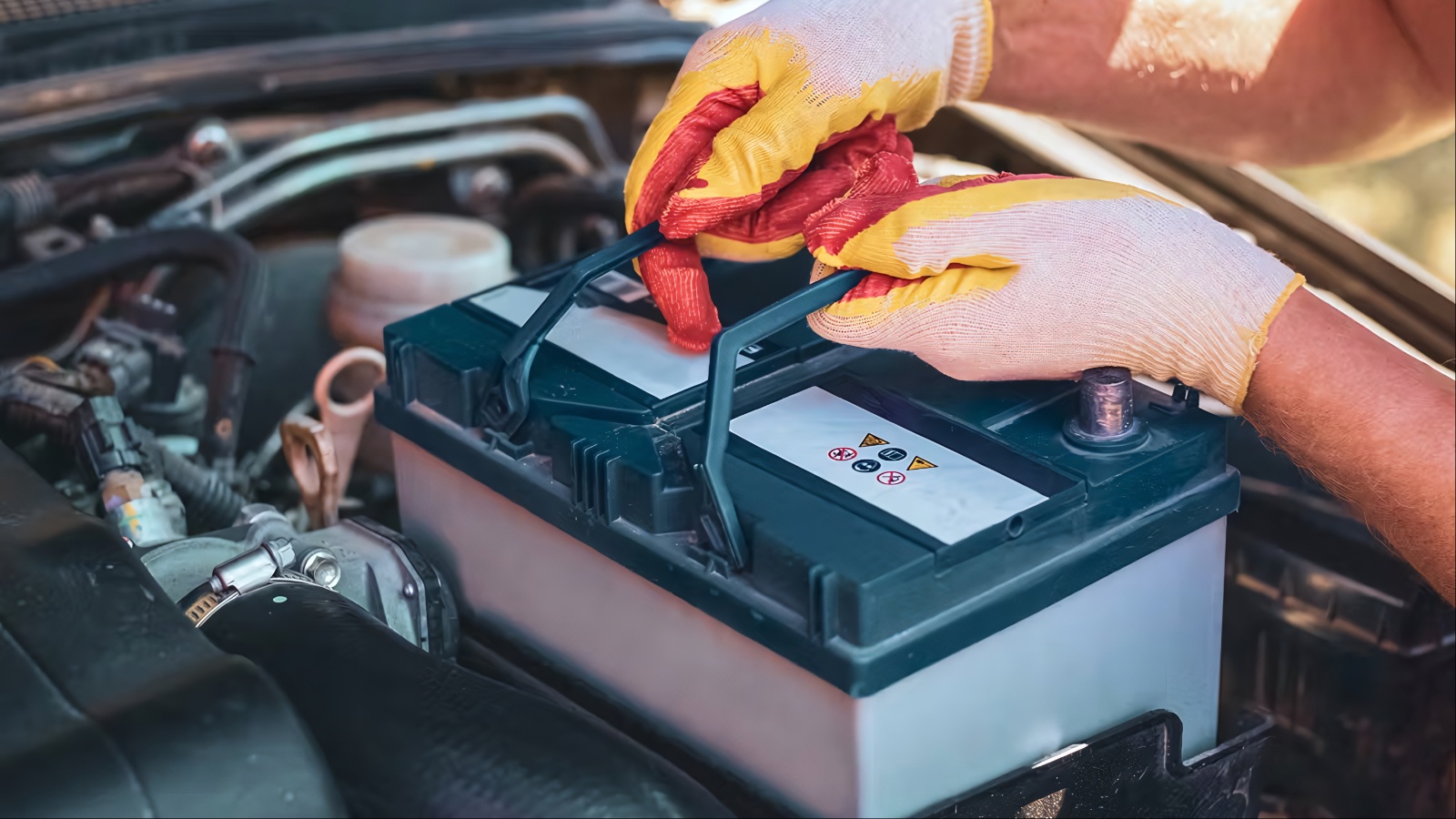
Also inspect the terminals for chalky white or greenish corrosion. Clean any buildup with a wire brush and a baking soda and water solution, then make sure the terminal clamps are secure. A loose or corroded connection can produce symptoms that resemble a completely dead battery.
If you live somewhere with genuinely harsh winters, consider upgrading to a battery with a higher cold cranking amp (CCA) rating than the factory minimum. It costs a little more upfront but gives your starter system extra reserve capacity exactly when it needs it most. Also keep jumper cables or a portable jump-starter pack in your trunk as a backup, because even a healthy battery can occasionally be caught off guard by an extreme cold snap.
2. Check Tire Tread and Air Pressure
Tires are the only part of your vehicle that directly touches the road, and that contact becomes much less effective on snow, ice, and slush. Tread depth plays a major role in winter traction because the grooves need enough depth to move water and slush away from the tire so the rubber can maintain contact with the pavement.
A simple way to check tread depth is the penny test. Place a penny into the tread with Lincoln’s head facing downward. If you can see the top of his head, the tread is too worn for safe winter driving, and the tires should be replaced.
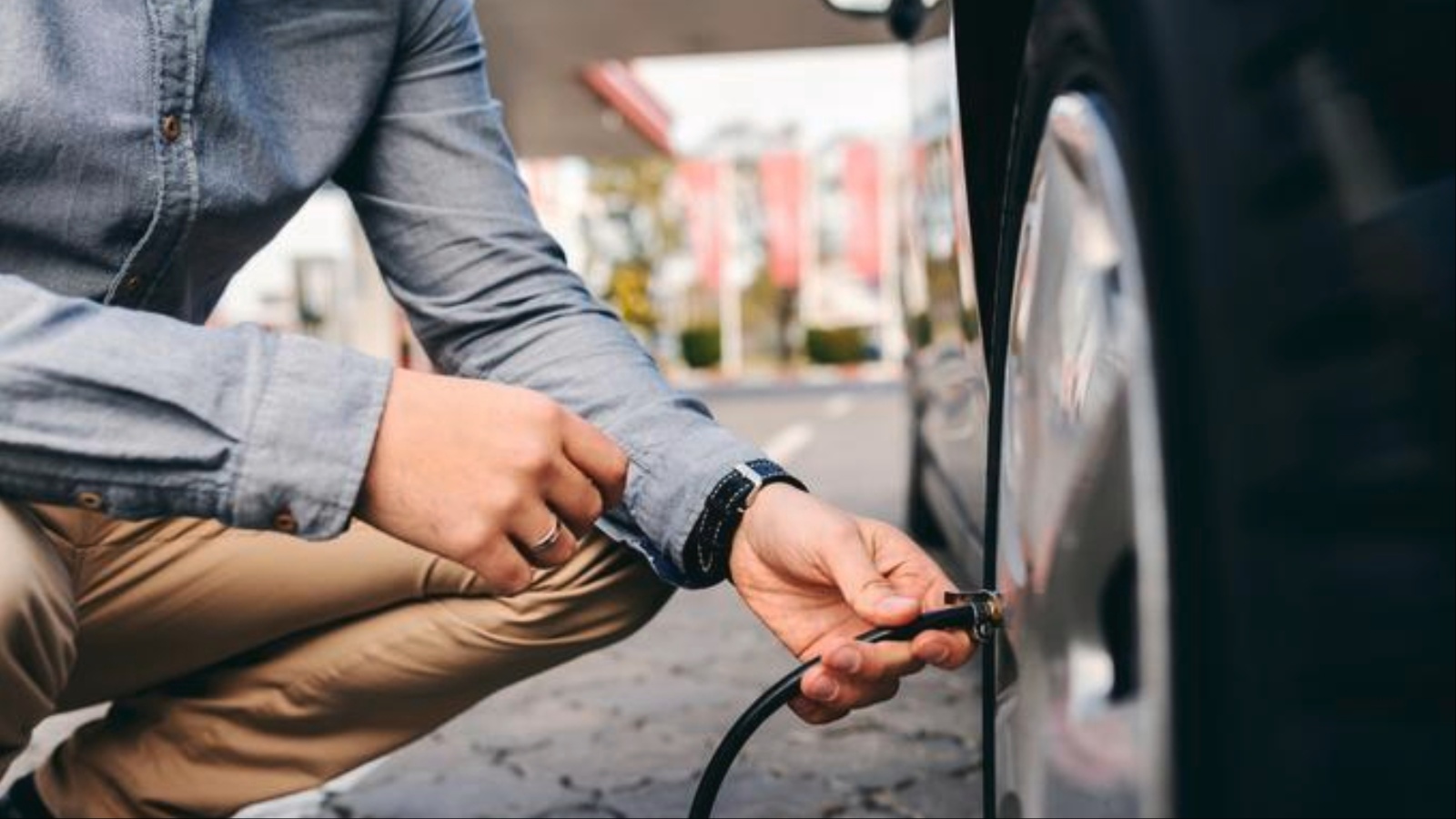
Tire pressure deserves equal attention, because air contracts as temperatures fall. For every 10-degree drop in temperature, tires lose roughly one to two PSI, which means a tire that was properly inflated in September can be noticeably underinflated by December.
Underinflated tires reduce grip, increase stopping distances, and wear unevenly, while overinflated tires reduce the contact patch in a different way. Check pressure monthly through winter using a reliable gauge, and always check it when tires are cold, before you’ve driven more than a mile or two.
If you regularly deal with snow and ice, dedicated winter tires are worth the investment over all-season tires, which are a compromise that underperforms in true winter conditions. Winter tires use a softer rubber compound that stays pliable in freezing temperatures and tread patterns designed specifically to bite into snow. Even a modest set of winter tires can transform how your car handles in genuinely bad conditions.
3. Inspect and Top Off Fluids
Your vehicle depends on several fluids that respond differently to falling temperatures, so each one should be checked before winter sets in. Engine oil deserves particular attention because it becomes thicker in cold weather and flows more slowly, increasing the strain on the engine during startup when proper lubrication is especially important.
Check the owner’s manual for the recommended oil viscosity. Many modern vehicles already use multi-viscosity oil designed to perform well in cold conditions, while some older vehicles may benefit from a thinner winter-grade oil.
Coolant, or antifreeze, is equally important since it prevents your engine block from freezing and cracking in sub-zero temperatures. Check the coolant’s freeze point with an inexpensive tester from an auto parts store, and make sure the mixture is roughly 50/50 coolant to water, which typically protects down to around minus 34 degrees Fahrenheit.
If your coolant looks rusty, murky, or hasn’t been flushed in a few years, have it serviced, since old coolant loses its protective properties over time.
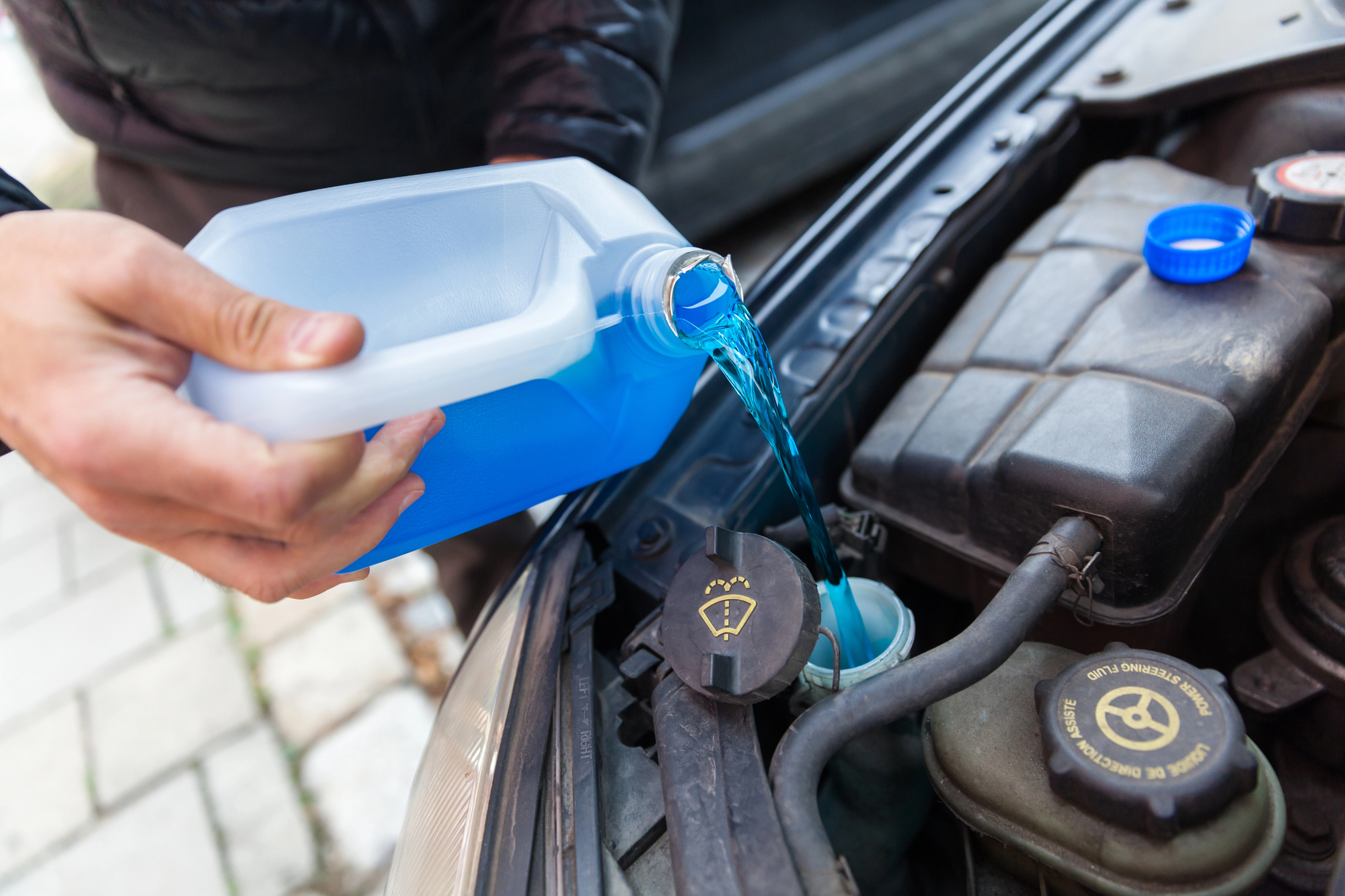
Don’t overlook the windshield washer fluid, either. Replace summer fluid with a winter-rated formula that has a lower freezing point, since regular washer fluid can freeze on the windshield and leave you with a sheet of ice when you need clear visibility.
It’s also worth checking the transmission and power steering fluid levels and topping up the brake fluid if necessary. These checks take only a few minutes, but they can help protect systems that face greater demands in freezing temperatures.
4. Replace Worn Wiper Blades
Visibility drops fast in winter storms, and your wiper blades are doing double duty clearing away rain, snow, sleet, and road grime kicked up by other vehicles. Standard wiper blades degrade throughout the year from UV exposure and general wear, and by the time autumn arrives, many are already leaving streaks or skipping across the glass.
A blade that seemed adequate in a light summer shower often proves completely inadequate against heavy, wet snow.
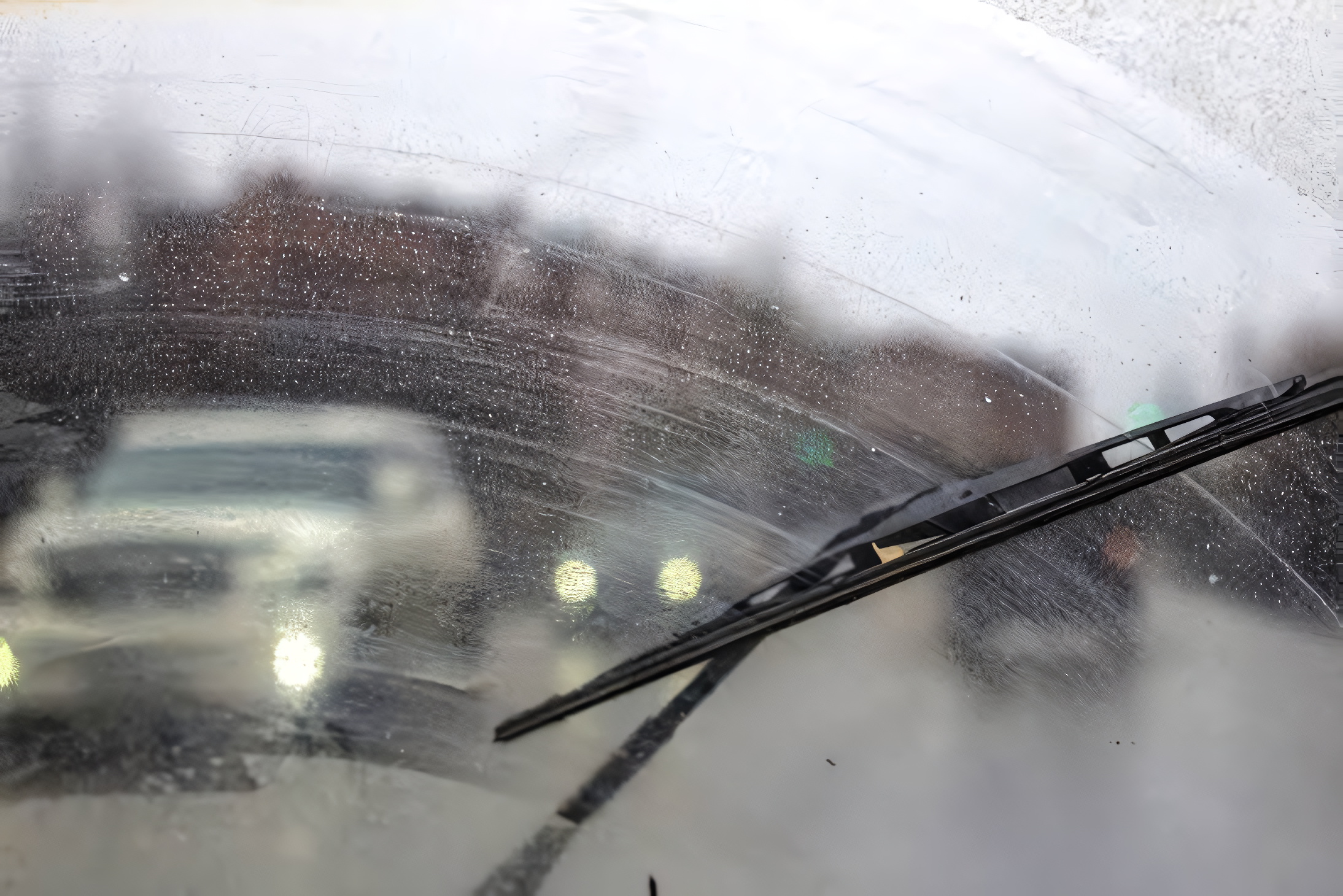
Winter-specific wiper blades are another worthwhile upgrade. Their rubber boots help keep ice and snow from collecting around the blade frame and hinges, which can cause streaking and chatter in cold weather.
They usually cost only a few dollars more than standard blades, yet can make a noticeable difference during winter storms. If your vehicle has a rear wiper, replace that blade as well. Clear rear visibility is important in winter, especially when backing out of a snow-covered driveway.
While you’re inspecting the wipers, top off your washer fluid reservoir with a winter-rated fluid rated for well below freezing temperatures, and test the wiper fluid spray pattern to confirm the nozzles aren’t clogged or misaligned. It’s also worth keeping an ice scraper and a small snow brush in the car at all times through the season, since even the best wipers can’t handle a windshield caked in overnight frost or an inch of accumulated snow.
5. Check the Heating and Defrost System
A functioning heater is about comfort, but a functioning defroster is about safety, since a frosted or fogged windshield with no way to clear it quickly becomes a serious visibility hazard. Before winter arrives, run your heater and defrost settings on a mild day and confirm that warm air comes out promptly and at a decent volume.
Weak airflow can indicate a failing blower motor, while air that never really warms up may point to low coolant, a stuck thermostat, or a failing heater core.
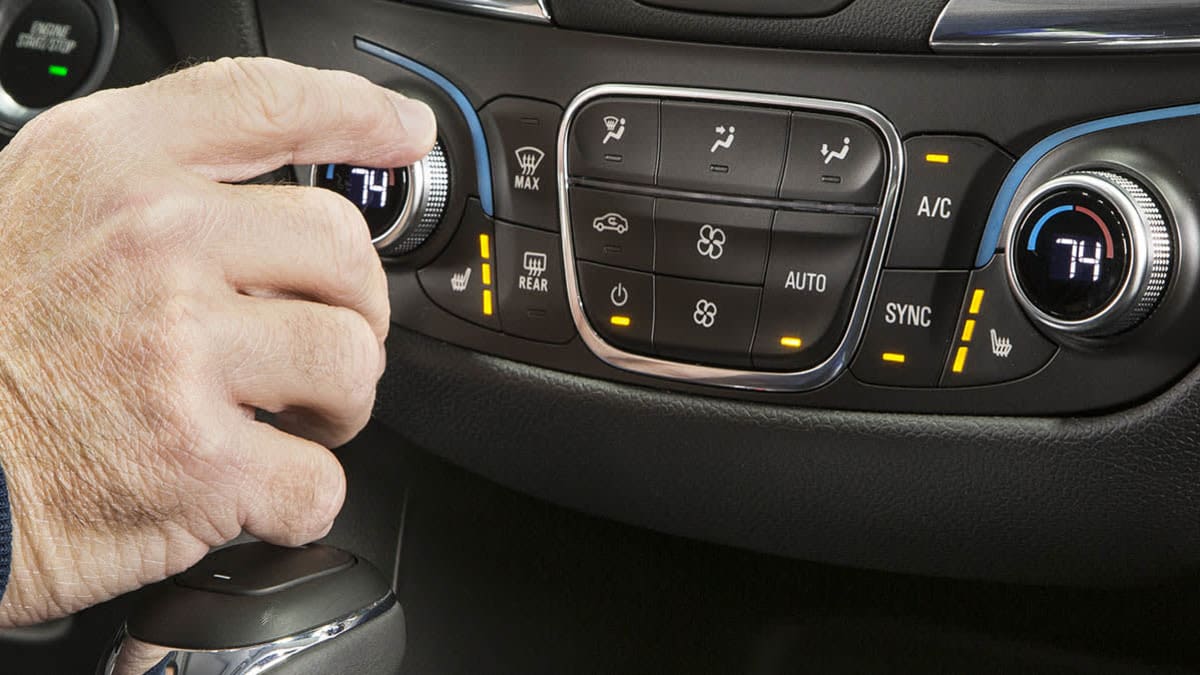
The heater core works like a small radiator inside your dashboard, using hot coolant to warm the air blown into the cabin, so many heating problems trace back to the cooling system rather than the heater itself.
If you notice a sweet smell inside the car or fog forming on the inside of the windshield unexpectedly, that can indicate a coolant leak into the heater core, which is worth having diagnosed promptly rather than living with it through a cold winter.
Also test your rear defroster if your vehicle has one, since it uses embedded heating wires in the rear glass that can fail over time or get damaged by scraping ice too aggressively. Run your hands lightly over the interior of the rear window to check that the grid lines are intact.
Finally, confirm your climate control actually shifts between recirculated and outside air properly, since fresh air intake helps clear fog faster than recirculated cabin air in humid, cold conditions.
6. Inspect the Exhaust System
An exhaust leak is a minor annoyance most of the year, but it becomes genuinely dangerous in winter, when cold weather pushes people to keep windows rolled up tight and run the heater constantly, reducing airflow that might otherwise dilute a leaking exhaust.
Carbon monoxide from a cracked exhaust manifold, a rusted-through muffler, or a loose pipe joint can seep into the cabin far more easily when the car is sealed against the cold, and this gas is odorless, colorless, and potentially lethal in enclosed spaces.
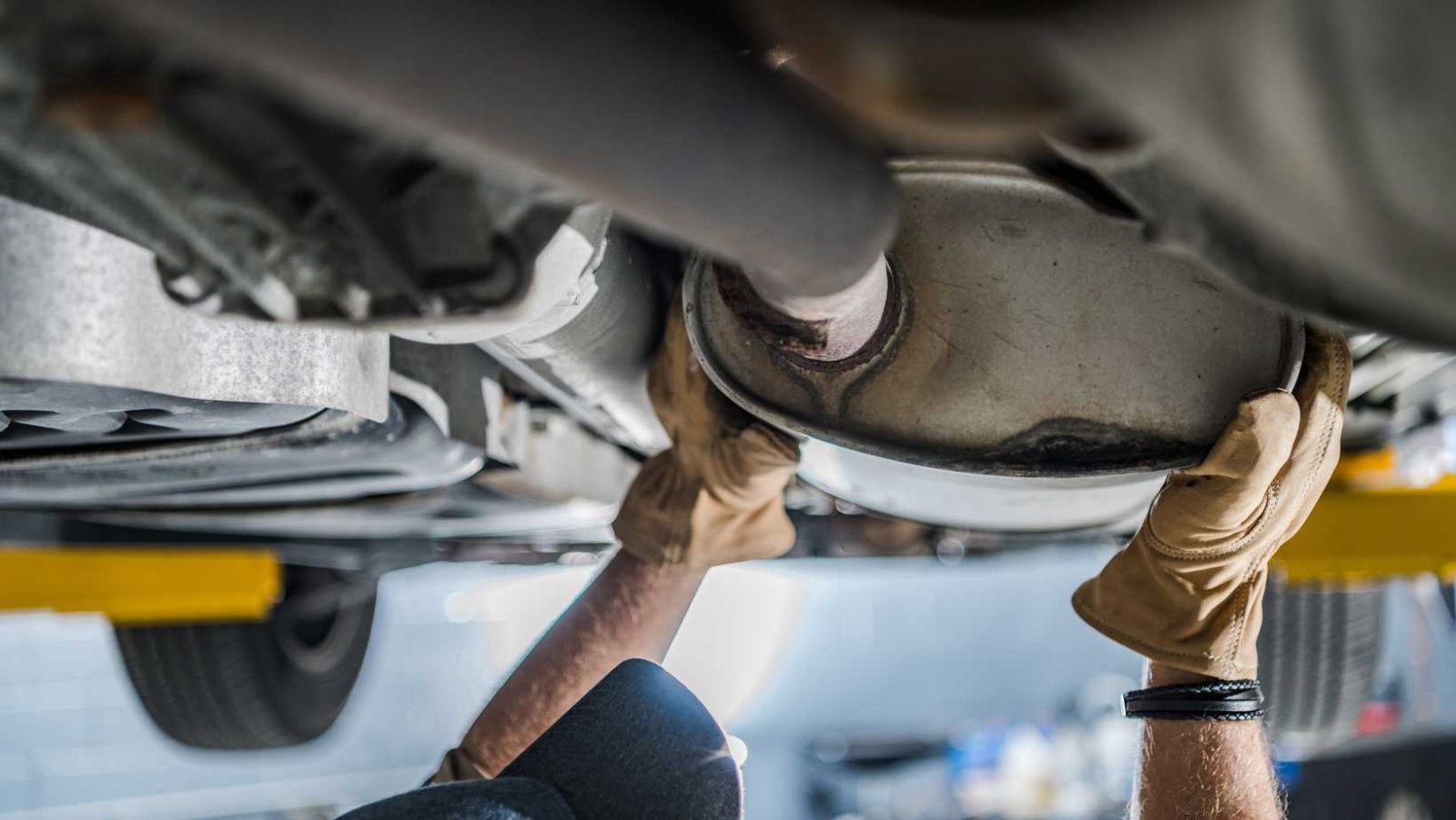
Include the exhaust system in your pre-winter inspection, especially if you live in an area where road salt is used to treat icy roads. Salt can accelerate corrosion, leaving exhaust components vulnerable to rust and metal deterioration.
A mechanic can raise the vehicle and inspect the system for holes, loose hangers, and areas where rust has weakened the metal. You should also pay attention to changes in the exhaust note. New rattling or hissing sounds, along with an engine that suddenly sounds louder than usual, can indicate a developing exhaust leak.
If your vehicle sits idling in the driveway to warm up on cold mornings, exhaust integrity matters even more, since idling concentrates exhaust output right around a stationary vehicle. Never warm up a car in an attached garage even with the door open, and if you ever smell exhaust fumes inside the cabin while driving, get the car inspected immediately rather than assuming it’s coming from another vehicle nearby.
7. Test the Brakes Thoroughly
Braking distances increase significantly on cold, wet, snowy, or icy roads, which makes healthy brakes more important in winter than at any other time of year. Have your brake pads, rotors, and calipers inspected before the season starts, checking pad thickness against the manufacturer’s minimum specification and looking for any warping, scoring, or uneven wear on the rotors that could affect stopping performance.
Pads worn down close to the wear indicator will squeal noticeably and should be replaced before winter rather than during it.
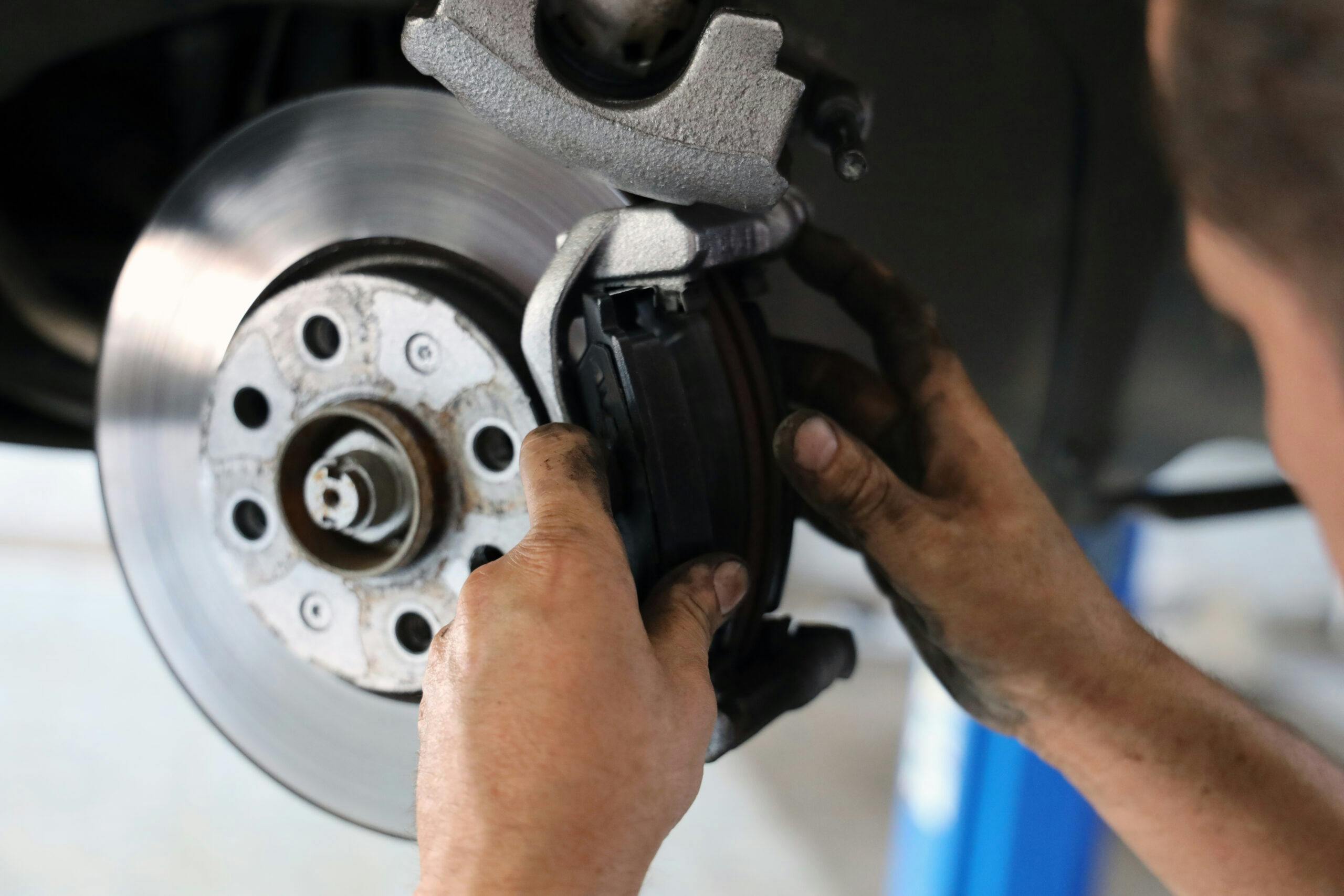
Brake fluid also deserves attention, since it absorbs moisture over time through microscopic pores in brake lines and reservoir seals, and that moisture can lower the fluid’s boiling point and, in extreme cold, potentially contribute to sluggish brake response. Most manufacturers recommend flushing brake fluid every two to three years regardless of mileage, so check your maintenance schedule and have it serviced if it’s overdue.
Beyond the mechanical inspection, take a few minutes in an empty, snow-covered parking lot early in the season to get a feel for how your specific vehicle handles braking in slippery conditions, especially if you’re driving a car with antilock brakes for the first winter.
Understanding how ABS pulsates under hard braking, and practicing controlled stops in a safe, open area, builds muscle memory that pays off the first time you need to stop suddenly on an icy road.
8. Check the Battery-Draining Accessories and Alternator
Even a strong battery can be undermined by a failing alternator, which is responsible for recharging the battery and powering your electrical systems while the engine runs.
Winter driving puts extra demand on the alternator, since headlights run longer with shorter days, heated seats and rear defrosters draw significant current, and the heater blower motor runs almost constantly. If the alternator is already weak, these added winter loads can push it past its limit and leave you with a battery that drains faster than it charges.
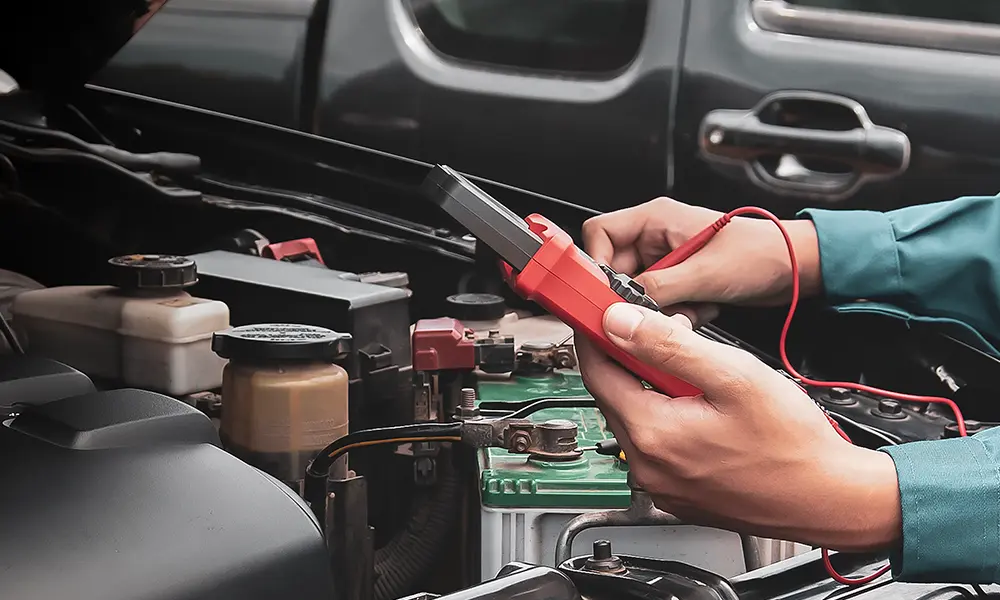
Have your alternator’s output tested with a multimeter or at a shop, confirming it’s producing the voltage your vehicle’s electrical system expects, typically in the range of 13.5 to 14.5 volts while the engine runs. Warning signs of a failing alternator include dimming headlights at idle, a battery warning light on the dash, or accessories that behave erratically, such as power windows moving slowly or interior lights flickering.
It’s also worth reviewing your belt that drives the alternator, since a cracked, glazed, or loose serpentine belt can slip in cold, damp conditions and reduce charging efficiency exactly when you need it most. Replace any belt showing visible cracking or excessive wear, and have the tension checked if adjustable. Catching a marginal alternator or belt in autumn is far easier than dealing with a car that won’t start on a subzero morning.
9. Inspect the Antifreeze-to-Coolant Mixture and Radiator Hoses
Checking the coolant level is only part of preparing the cooling system for winter. The condition of the radiator hoses also deserves attention, since a failed hose in freezing weather can leave you with an expensive and potentially dangerous breakdown. With the engine completely cool, squeeze the upper and lower radiator hoses.
They should feel firm but flexible, not soft, brittle, or unusually hard. A spongy hose can indicate internal deterioration and may fail without warning, while a hose that feels excessively hard may have lost the flexibility needed to withstand repeated temperature changes.
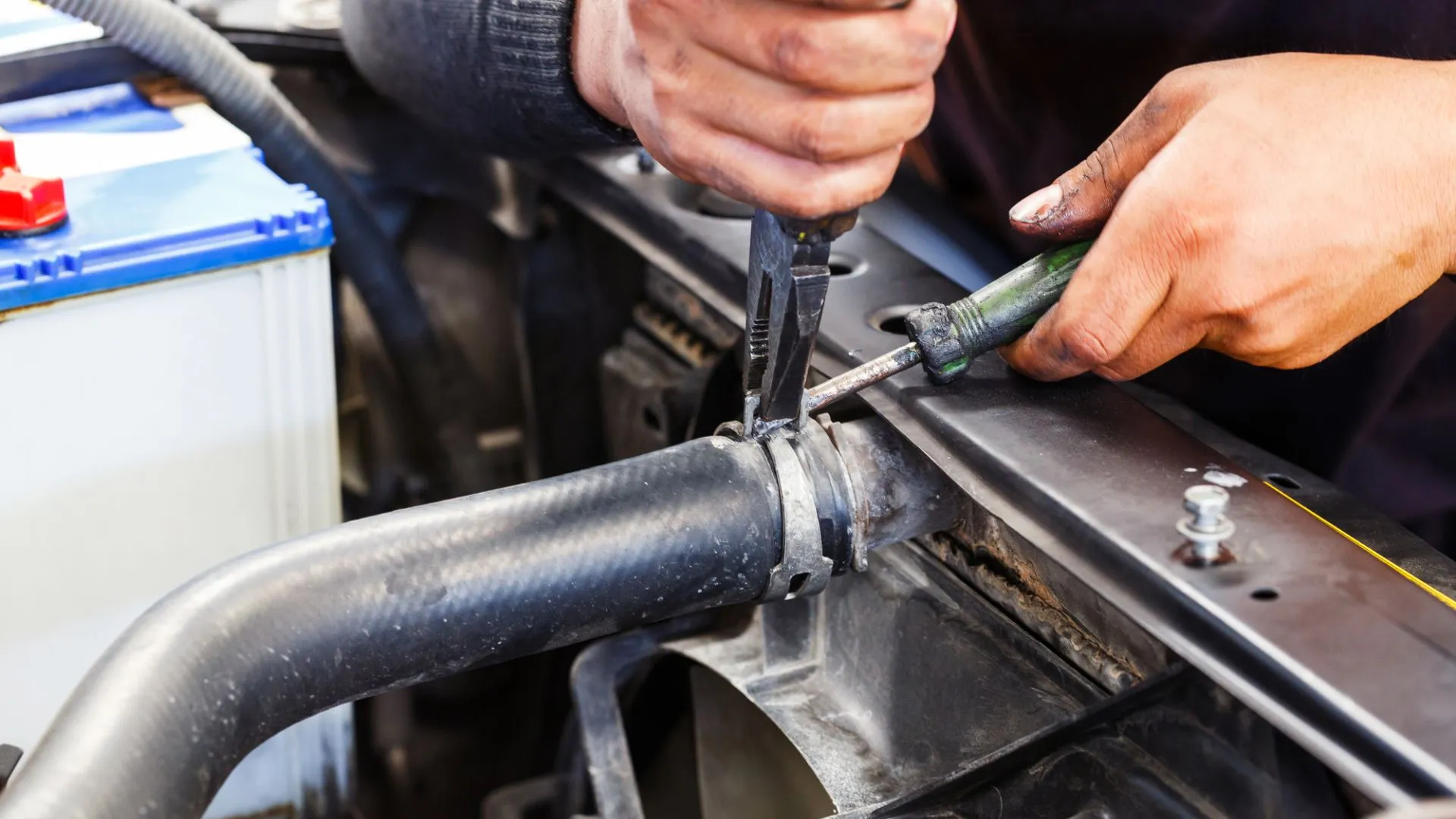
Inspect hose clamps for rust or looseness, and look along the length of every visible hose for cracking, bulging, or white crusty deposits that indicate a slow coolant leak.
These leaks often show up first as a faint sweet smell or a small puddle of colored fluid under the vehicle after it’s been parked overnight. Address any leak before winter, since a system that’s losing coolant gradually can leave you with too little antifreeze protection exactly when temperatures plunge.
Finally, confirm your coolant mixture ratio is appropriate for your climate, since a weak mixture with too much water offers noticeably less freeze protection.
A properly mixed 50/50 blend of coolant and water protects most vehicles down to roughly minus 34 degrees Fahrenheit, but colder climates sometimes warrant a 60/40 mixture for additional protection, which a mechanic can test and adjust in a matter of minutes using a simple refractometer.
10. Assemble a Winter Emergency Kit
No amount of preventive maintenance completely eliminates the risk of getting stuck, stranded, or stuck waiting for roadside assistance during a winter storm, so having a well-stocked emergency kit in your trunk is a job worth doing before the season starts.
At minimum, include an ice scraper and snow brush, a small folding shovel, sand or cat litter for traction under stuck tires, jumper cables or a portable jump-starter, and a flashlight with extra batteries.
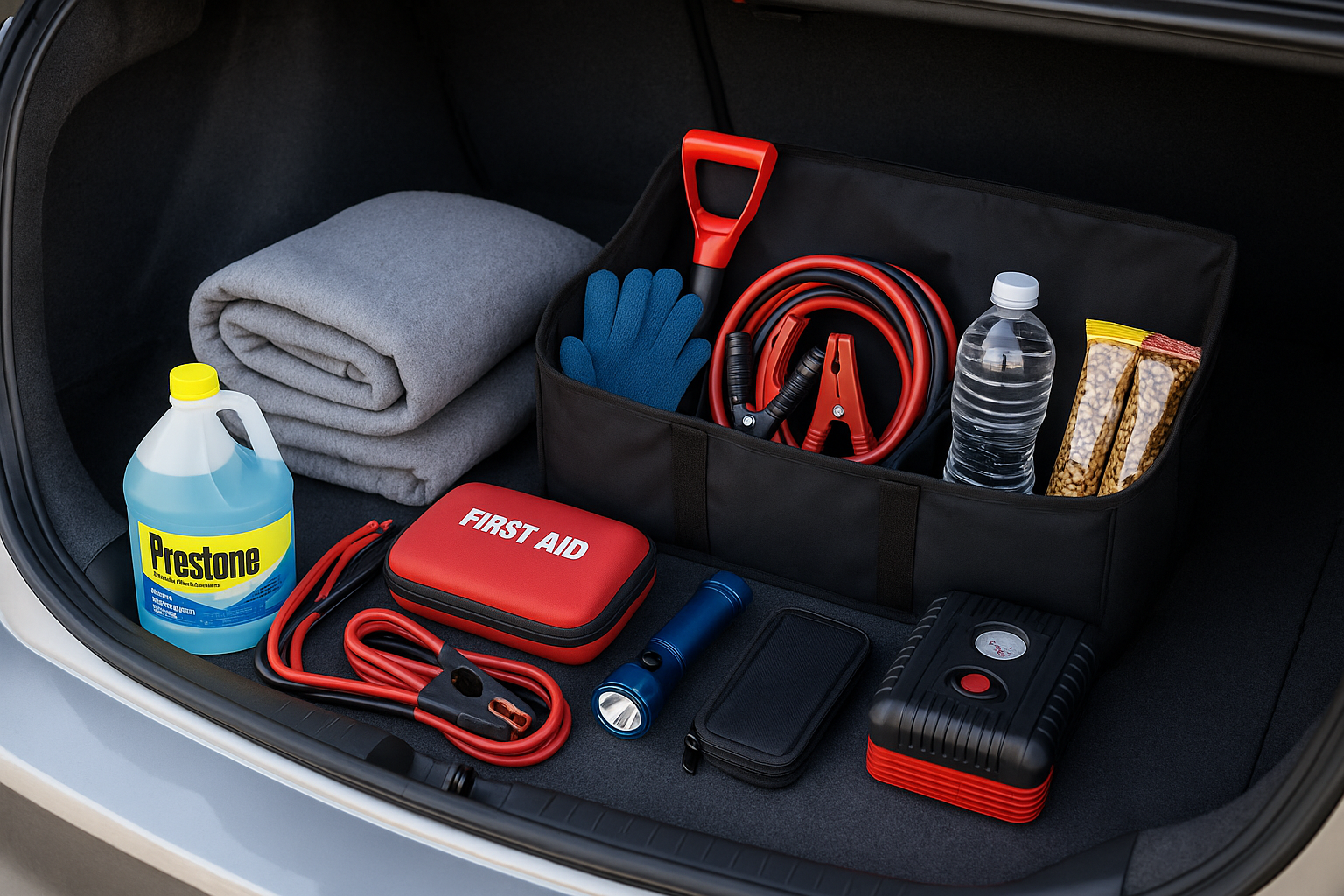
Add supplies for staying safe if you’re stranded for an extended period: a blanket or two, warm gloves and a hat, extra layers of clothing, and nonperishable snacks and bottled water.
A fully charged portable phone charger is essential too, since a dead phone battery in a stranded-car scenario removes your ability to call for help entirely. Reflective triangles or flares help other drivers see your vehicle if you’re stopped on a roadside in low winter visibility.
Finally, keep a basic first aid kit in the trunk year-round, and consider adding hand warmers, which are inexpensive and take up almost no space but can make a real difference if you’re waiting outside the vehicle for a tow truck in freezing temperatures.
Check that your spare tire is properly inflated and that you have the tools needed to change a flat, since a roadside tire change is a much more miserable task in the cold than it is in fair weather. Building this kit once in autumn means it’s ready whenever winter actually decides to hit.