
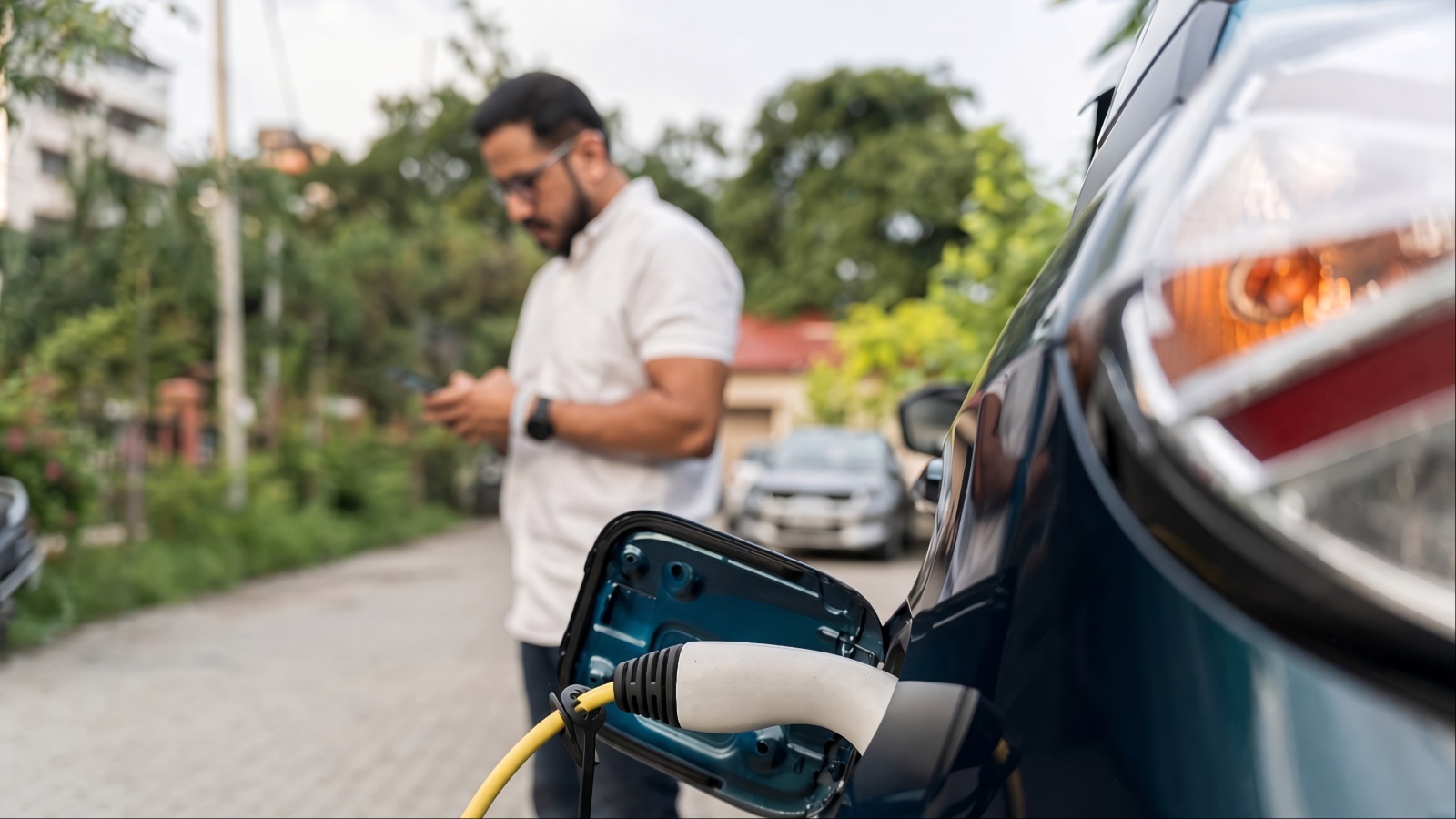
Modern vehicle batteries are designed to last, but charging behavior can influence how quickly they lose usable capacity. This is especially important for electric vehicles, whose large lithium-ion battery packs are expensive and rely on carefully managed temperature and charging systems.
Not every charging habit causes immediate damage, and manufacturers build sophisticated battery-management systems to protect the pack. However, repeated exposure to high temperatures, prolonged periods at extreme states of charge, and unnecessarily aggressive charging can increase battery degradation over time.
Taking care of an EV battery does not have to be complicated. Follow the automaker’s charging recommendations, limit prolonged exposure to extreme heat, and choose a charging speed that fits your everyday driving needs.
1. Keeping the Battery at 100% for Long Periods
Charging an electric vehicle to 100% is not automatically harmful. In fact, automakers sometimes recommend or require a full charge for certain situations, particularly before a long trip. The concern is leaving a battery at a very high state of charge for extended periods when that capacity is not needed.
Lithium-ion batteries experience chemical aging during both use and storage. Research from the U.S. Department of Energy’s National Renewable Energy Laboratory has found that battery aging depends on factors including temperature and state of charge.
Higher states of charge can accelerate degradation under certain conditions, particularly when combined with elevated temperatures.
This is why several EV manufacturers provide a daily charging recommendation below 100% for vehicles with certain battery chemistries. The exact target varies by automaker and battery type, so there is no universal percentage that every EV owner should use.
Some vehicles equipped with lithium iron phosphate batteries, for example, may have different charging recommendations from vehicles using nickel-rich lithium-ion chemistry.
The important distinction is between charging to 100% when necessary and keeping the battery sitting at 100% unnecessarily. If you need maximum range for a road trip, charging fully can be completely appropriate. The less desirable habit is completing the charge hours or days before the vehicle will actually be driven.
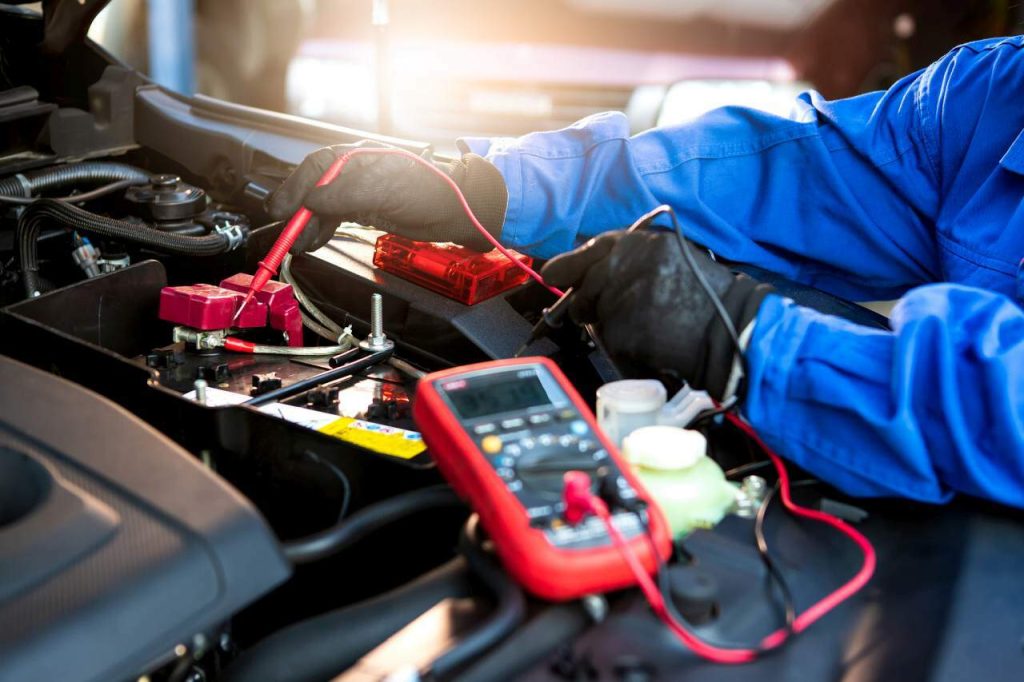
Scheduled charging can help. If your vehicle allows you to set a departure time, you can have the car finish charging closer to when you intend to leave.
The battery-management system protects the pack, but drivers still control when charging occurs. Using that scheduling feature can reduce unnecessary time spent at a very high state of charge without sacrificing the range you actually need.
2. Repeatedly Running the Battery Almost Empty
Electric vehicles do not need to be driven to nearly 0% before being charged. In fact, regularly pushing the battery toward its lowest state of charge can add unnecessary stress and reduce the flexibility available to the battery-management system.
Lithium-ion battery degradation is influenced by operating conditions, including depth of discharge, temperature, and time spent at extreme states of charge. The U.S. Department of Energy’s Argonne National Laboratory has studied lithium-ion battery aging extensively and identifies operating conditions as important factors affecting battery life.
A driver who normally uses only part of the available range has little reason to repeatedly drain the pack almost completely. For everyday driving, plugging in with plenty of charge remaining can be a more sensible routine than waiting until the vehicle is nearly empty.
There is an important distinction between a low battery reading and physically damaging the battery. Modern EVs have sophisticated battery-management systems and reserve capacity that prevent the driver from directly accessing every bit of the cell’s chemical capacity. A displayed 0% does not mean the cells have literally been driven to an unsafe absolute zero.
Even so, repeatedly operating near the bottom of the usable range can increase the likelihood of an inconvenient deep-discharge event. It can also leave the vehicle vulnerable if temperatures drop, traffic becomes unexpectedly heavy, or the driver needs to make an unplanned detour.
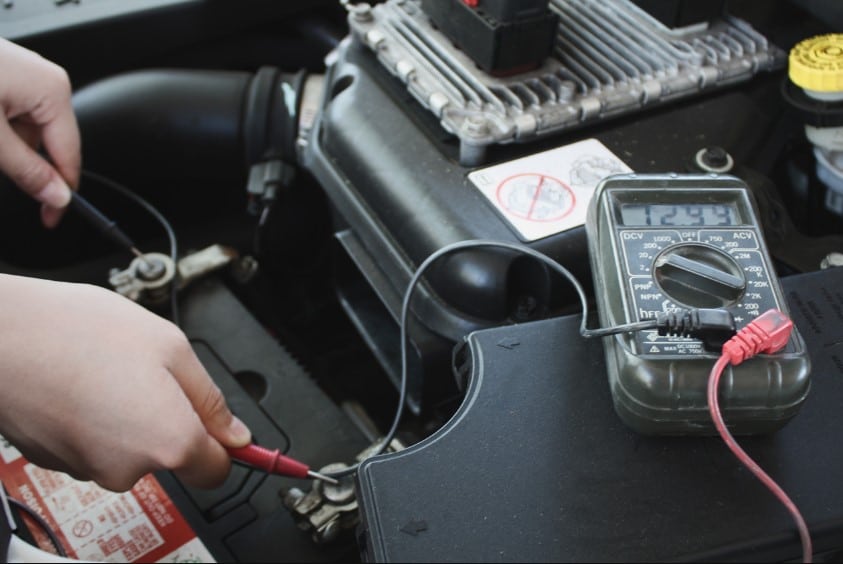
There is no need to obsess over a specific percentage every time you drive. Instead, use the charging range recommended by the manufacturer for your battery chemistry and driving pattern.
For most EV owners, the takeaway is straightforward. Do not wait until the battery is nearly empty before charging every time. Charging earlier gives you more flexibility and can reduce the need for frequent deep discharge cycles.
A low state of charge is not an emergency by itself. Repeatedly making it part of your charging routine is the habit worth changing.
3. Using DC Fast Charging for Every Charge
DC fast charging is one of the most useful features of an electric vehicle, especially on road trips. It can put substantial range back into the battery far faster than ordinary AC charging. The problem is not occasional fast charging.
The concern is making high-power DC charging the default method for every charging session when slower charging would easily meet your needs.
Fast charging generates more heat and places greater demands on the battery’s cells and thermal-management system. U.S. Department of Energy research has specifically examined the relationship between extreme fast charging, temperature, and battery degradation.
NREL research has also found that repeated back-to-back driving and fast-charging events can produce significantly higher battery temperatures than slower charging scenarios.
Modern EVs are designed to manage this stress. Their battery-management systems can reduce charging power when conditions become unsuitable, and many vehicles actively cool or heat the battery during charging. That protection does not mean heat does not affect long-term aging.
The practical answer is not to avoid fast chargers. Use them when they solve a real problem. A road trip, an unexpected long drive, or a quick range boost are exactly the situations for which DC fast charging exists.
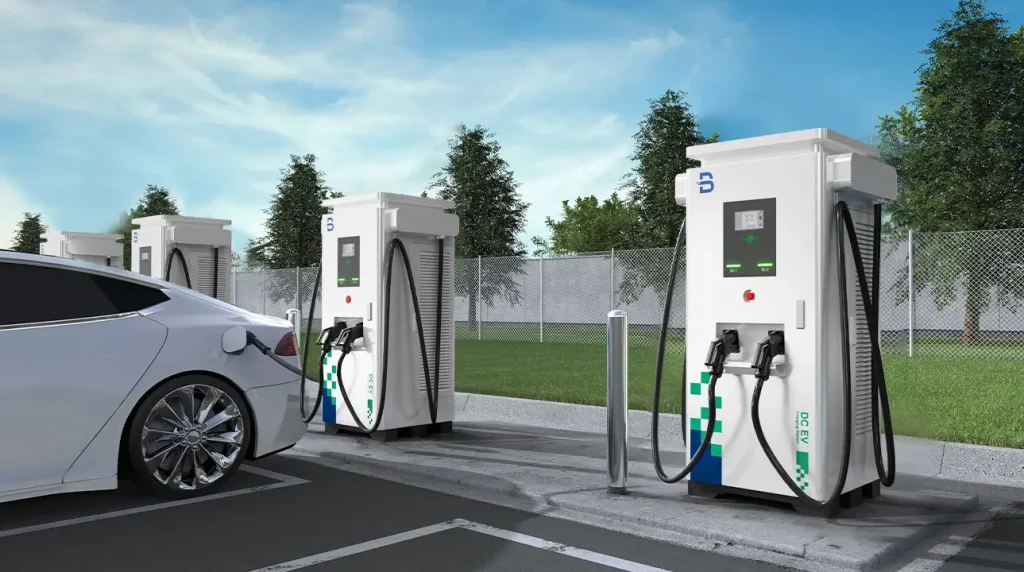
For routine overnight charging at home, slower AC charging is generally sufficient. The U.S. Department of Energy notes that most charging can take place at home, while fast charging is primarily useful when drivers need to replenish range quickly.
If your daily commute consumes only a modest portion of the battery, there is little reason to subject the pack to repeated high-power charging sessions simply because the vehicle can accept them.
4. Charging a Hot Battery Immediately After Hard Driving
An EV that arrives home after a long, fast drive may have a battery that is already carrying substantial thermal load. Plugging it into a charger is not inherently wrong because the vehicle’s thermal-management system is designed to control battery temperature.
The problematic habit is repeatedly combining aggressive driving, high ambient temperatures, and high-power charging without allowing the vehicle’s thermal system to manage the heat effectively.
Battery temperature is a major factor in lithium-ion battery behavior and aging. U.S. Department of Energy research into extreme fast charging has specifically identified temperature as an important concern.
NREL work has also shown that fast charging can raise maximum battery temperatures, particularly when charging and driving occur repeatedly with little time between events.
This does not mean an owner needs to sit in the driveway waiting for the battery to cool before plugging in. Modern EVs are specifically engineered to control battery temperature. Some vehicles can actively cool the pack while charging, and others automatically reduce charging power when the battery becomes too hot.
The better habit is to let the car manage the situation rather than demanding maximum charging power immediately after every hard drive. If you have a choice between a normal home charging session and a high-power DC session, use the slower option when there is no need for speed.
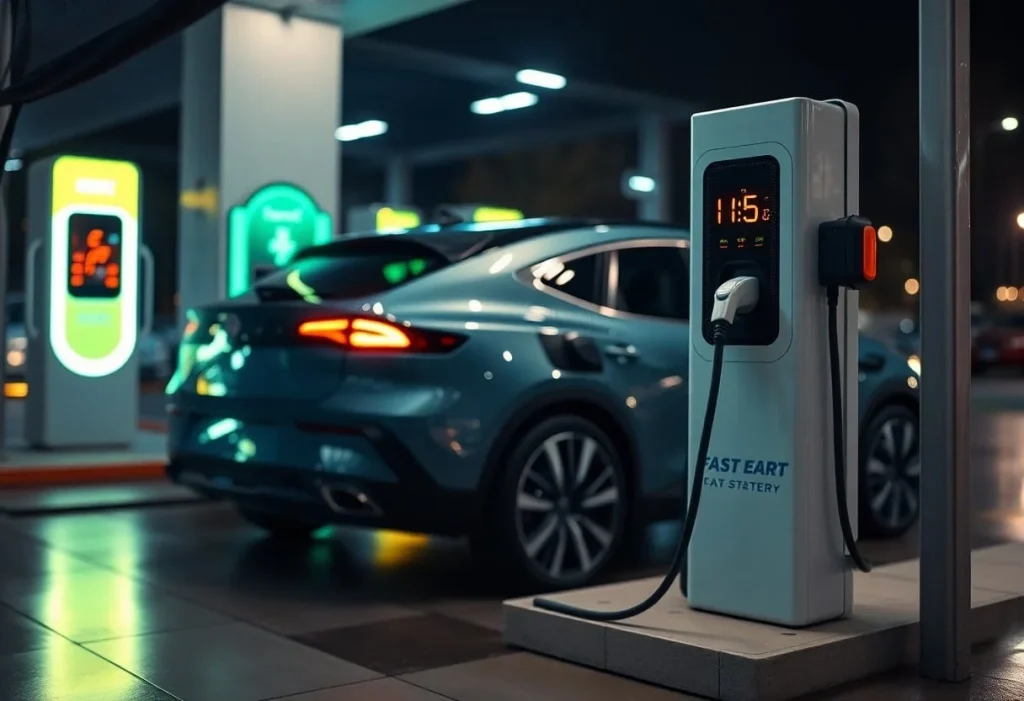
Ambient temperature matters as well. A vehicle driven aggressively in very hot weather can arrive with considerably more thermal stress than one driven gently in moderate conditions. Parking in a suitable location and following the manufacturer’s charging instructions can help the battery-management system maintain the intended temperature range.
The goal is not to eliminate heat. That is impossible during driving and charging. It is to avoid repeatedly stacking high heat and high charging power when neither is necessary.
5. Charging to 100% and Leaving the Car Parked
Charging an EV to full capacity is not inherently a bad practice. The problem is what happens afterward. If the vehicle reaches 100% and then sits parked for many hours or days, the battery spends an extended period at a very high state of charge. That can contribute to faster calendar aging under some conditions.
The U.S. Department of Energy’s Argonne National Laboratory identifies state of charge and temperature as important factors affecting lithium-ion battery degradation. Battery chemistry also matters, which is why manufacturers can provide different recommendations for different battery packs.
A better routine is to schedule charging so the vehicle reaches its desired charge level close to departure. Many EVs allow owners to set a charging limit or departure time through the vehicle’s infotainment system or mobile application.
This does not mean avoiding 100% when maximum range is needed. For a long highway trip, using the full available range can be entirely appropriate. The concern is repeatedly charging to full when the additional range will not be used.
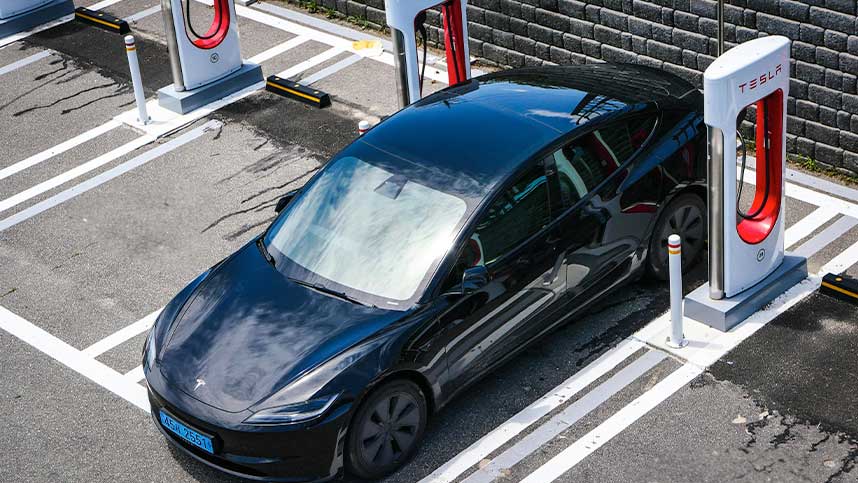
Drivers should also follow the specific instructions supplied for their vehicle. Some automakers recommend regular full charges for particular battery chemistries or calibration purposes, so applying a universal charging rule can be misleading.
A simple approach is to charge based on how far you plan to drive. Instead of automatically charging to the maximum every night, set the charge level according to your upcoming trip and daily needs.
6. Leaving an EV at a Very Low Charge for Days
Allowing an EV to reach a low state of charge occasionally is normal. Leaving it nearly empty for an extended period is a different situation. Lithium-ion batteries can continue to lose charge while parked, and an extremely low battery state can eventually create problems if the vehicle remains unused.
The U.S. Department of Energy notes that battery performance and life are affected by factors including temperature and state of charge. Manufacturers therefore provide storage and charging recommendations for their vehicles, particularly when an EV will remain parked for an extended period.
Drivers who leave for vacation sometimes make the mistake of parking with very little charge because they do not expect to drive. That gives the battery less margin for natural energy loss and the vehicle’s background electrical consumption.
A better approach is to follow the automaker’s recommended charge level for extended parking. The correct percentage is not identical across every EV because battery chemistry, thermal-management design, and software strategy differ.
Extreme heat makes the situation more important. High temperatures can accelerate lithium-ion battery aging, particularly when combined with high or very low states of charge. Parking in a shaded or temperature-controlled location when practical can reduce thermal exposure.
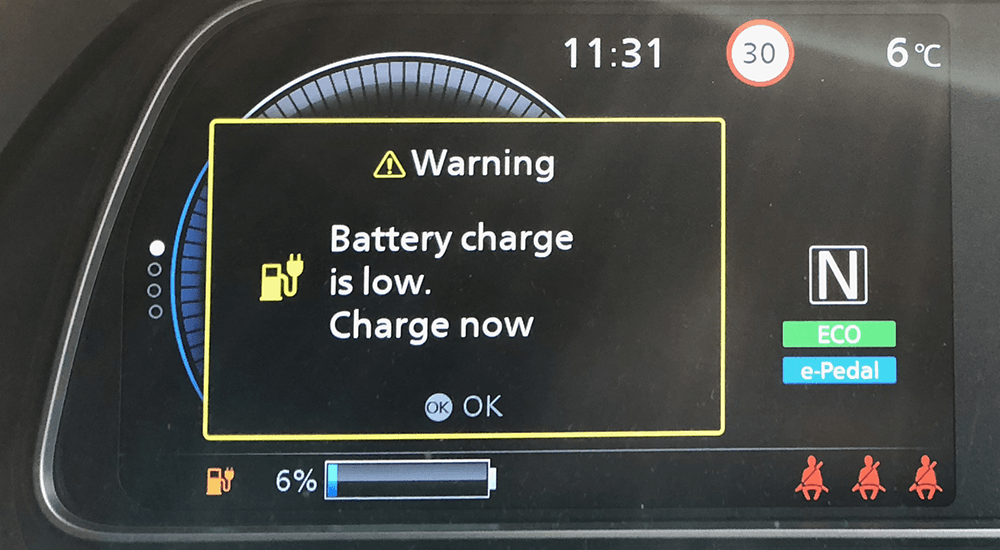
There is no need to panic if the battery occasionally reaches a low percentage. The concern is turning very low charge into a regular storage habit.
Before leaving an EV unused for several days, check the owner’s manual for its storage guidance and make sure the vehicle has sufficient charge. That small step can help avoid arriving home to a battery that is much lower than expected.
7. Repeatedly Charging in Extreme Heat
Temperature is one of the biggest environmental factors affecting lithium-ion battery aging, making extreme heat a poor companion for repeated charging. Electric vehicles have thermal-management systems designed to keep the battery within an appropriate operating range, but those systems cannot eliminate the effects of a hot environment.
The U.S. Department of Energy identifies temperature as an important factor in battery performance and durability. Research conducted by national laboratories has also examined how elevated temperatures can accelerate battery degradation.
The effect becomes particularly relevant when high temperatures are combined with high states of charge or high-power charging.
That does not mean an EV should never be charged during summer. Vehicles are designed to operate and charge in hot weather. The smarter approach is to use the charging schedule and settings provided by the manufacturer rather than repeatedly demanding maximum charging power when it is unnecessary.
If your vehicle offers scheduled charging, overnight charging can sometimes reduce exposure to the hottest part of the day. Parking in a garage or shaded location can also reduce the battery’s thermal burden, although the battery itself may be protected from ambient conditions better than the cabin.
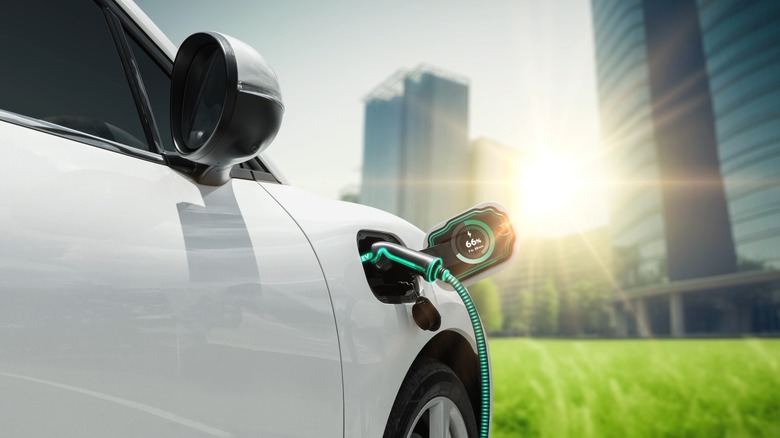
Drivers should pay attention to the vehicle’s charging behavior. If the charging rate drops substantially during hot conditions, that can be part of the battery management system protecting the pack. It does not necessarily indicate a fault.
The key is consistency. An occasional hot-weather charging session is not something to fear. Repeatedly combining extreme temperatures, high state of charge, and maximum charging power is the pattern worth avoiding when alternatives are available.
8. Frequently Charging Above the Recommended Daily Limit
Modern EVs often allow drivers to select a maximum charging level, but choosing the highest possible setting every day is not necessarily the best strategy.
If the manufacturer recommends a lower daily limit for a particular battery, repeatedly charging beyond that recommendation can increase the time the cells spend at a high state of charge.
Battery chemistry makes this particularly important. Some lithium-ion chemistries tolerate high states of charge differently from others, which is why automakers do not all provide identical charging instructions.
The U.S. Department of Energy’s battery research recognizes both state of charge and temperature as factors influencing battery aging.
The sensible approach is to follow the charge-limit recommendation for the specific vehicle. If you only drive 30 or 40 miles on a typical day, there may be little practical benefit to keeping the battery at its maximum usable level every morning.
Long trips are different. If you need maximum range, temporarily increasing the charge limit can make sense. Some manufacturers specifically recommend charging certain battery types to 100% periodically, so owners should not replace the manufacturer’s instructions with generic internet advice.
Scheduled charging can make this easier. Set the vehicle to charge to the appropriate daily level and adjust it when your driving needs change.
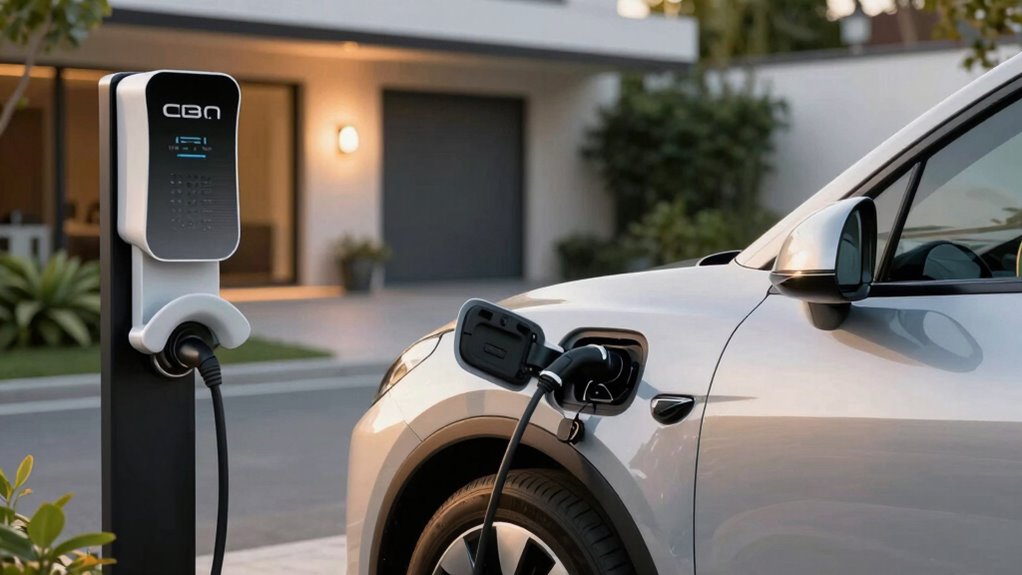
The important point is not that a higher charge percentage instantly damages a battery. Battery degradation is gradual and influenced by several variables. The concern is repeated exposure to conditions known to increase aging.
Treat the charging limit as a tool rather than a permanent setting. Set it according to the battery’s chemistry, the manufacturer’s guidance, and how much range you actually need.
9. Using High-Power Charging When You Do Not Need It
High-power charging is one of the biggest conveniences offered by modern EVs, but maximum charging speed should not automatically become the default setting.
DC fast chargers are designed for situations where drivers need to replenish substantial range quickly, such as during highway travel. For routine charging, slower AC charging is often more practical.
The U.S. Department of Energy explains that Level 1 and Level 2 charging are commonly used for everyday charging, while DC fast charging is intended for faster replenishment when needed. The battery’s temperature and charging conditions can influence how quickly it accepts energy.
Repeated high-power charging can produce more heat than lower-power charging. Battery-management systems actively monitor conditions and can reduce charging power when necessary, but avoiding unnecessary thermal stress is still sensible.
This does not mean DC fast charging should be avoided. Using a fast charger during a road trip is exactly what the technology is designed for. The questionable habit is driving past an available home charger and repeatedly choosing the highest-power public charger simply because it is faster.
If the vehicle will sit overnight, there is usually little benefit to replenishing the battery as quickly as possible. Plugging into an appropriate AC charger and allowing several hours for charging can accomplish the same practical goal.
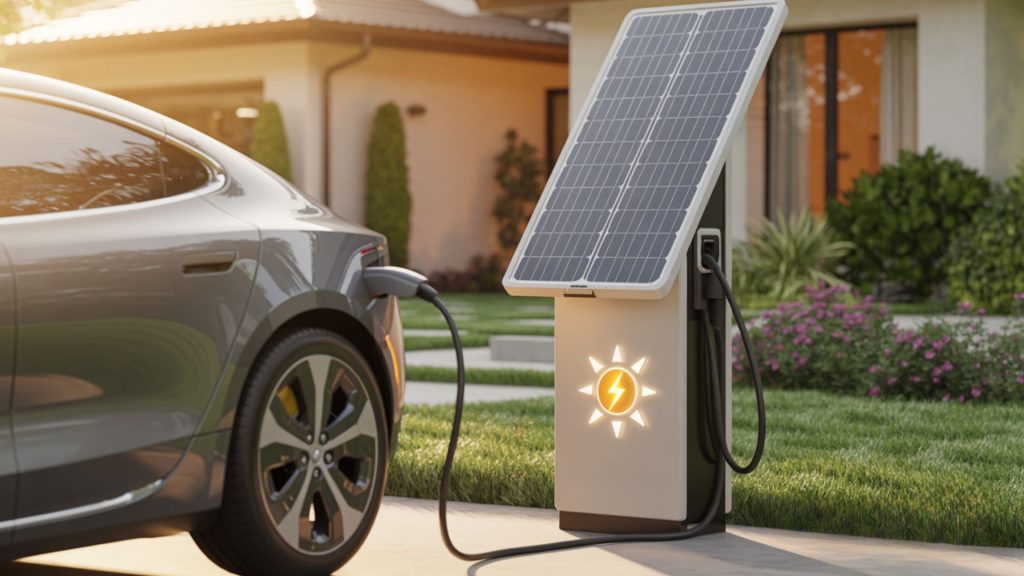
Charging speed should therefore match the situation. Use high-power charging when time matters, not merely because the vehicle can accept it.
Following the manufacturer’s recommendations is more important than applying a universal charging rule. Different batteries, vehicles, and thermal-management systems respond differently, so the owner’s manual should remain the final authority.
10. Ignoring the Manufacturer’s Battery Storage Instructions
One of the easiest ways to accelerate battery aging is to treat every EV exactly the same. Battery chemistry, thermal-management systems, software, and usable-capacity strategies differ between vehicles, so manufacturers provide specific recommendations for charging and long-term storage.
The U.S. Department of Energy explains that lithium-ion battery life is affected by factors including temperature, charge level, and usage conditions. That means an EV parked for an extended period should not simply be left at whatever charge percentage happens to be displayed when the owner leaves.
For example, an owner preparing to leave a vehicle unused for an extended period should check the owner’s manual for the recommended storage state of charge. The appropriate procedure can differ depending on the battery chemistry and vehicle design.
Temperature deserves attention too. High temperatures can accelerate battery aging, particularly when the battery remains at a high state of charge. If practical, storing the vehicle in a cooler, protected location can reduce exposure to extreme environmental conditions.
The same principle applies to very low charge. Leaving a vehicle nearly empty for a prolonged period gives the battery less margin for natural discharge and the vehicle’s background electrical consumption.
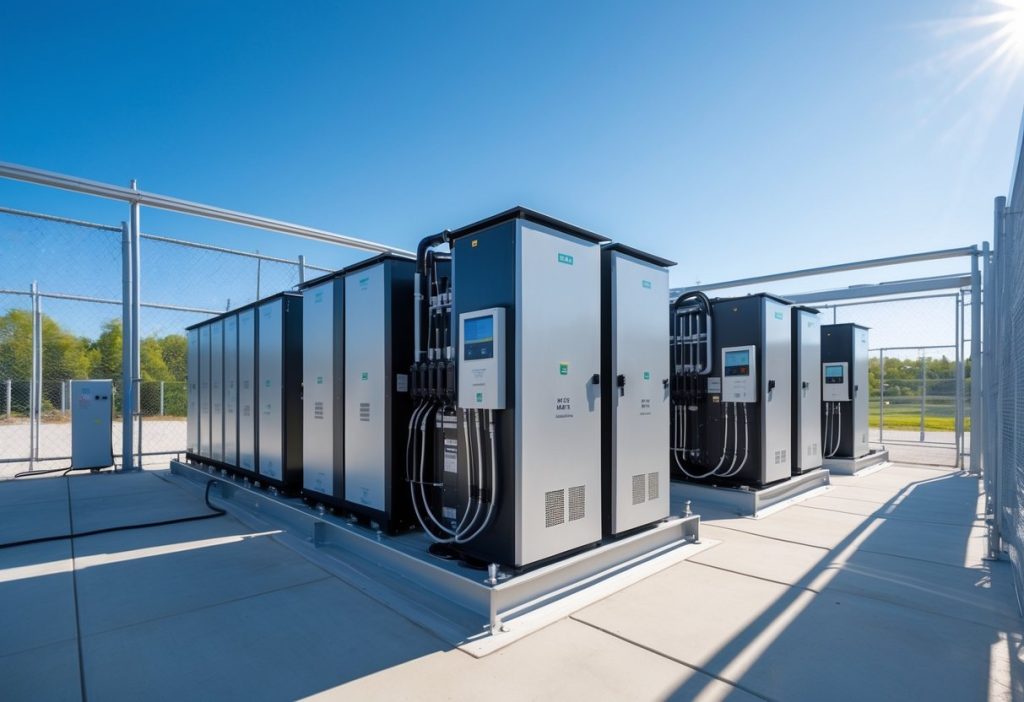
Owners should also avoid assuming that a charging habit recommended for one EV applies to another. Some manufacturers recommend different limits depending on battery type, and certain vehicles may require periodic charging to a particular level for battery management or range estimation purposes.
The safest approach is also the simplest. Follow the charging and storage recommendations provided by your vehicle’s manufacturer, since the right practices can vary between models.
Good battery care is not about obsessively controlling every percentage point. It is about avoiding unnecessary extremes, managing temperature sensibly, and using the charging strategy the manufacturer designed for that particular battery system.
